
Best Crypto Cards for Web3 Gamers (2026)
Compare crypto cards for Web3 gamers by cashback token, chain fit, self-custody setup, and real net return. Best for Solana, Movement, BNB Chain, and multi-chain players.
Curated for Web3 Gamers
44 matching cards
Filtered by cashback, staking
Web3 gaming runs on tokens. You farm them, trade them, stake them, and spend hours accumulating them. But when you need to buy groceries or pay rent, those tokens need to become real-world spending power.
Most crypto cards pay cashback in stablecoins or generic exchange tokens. For gamers, the interesting cards are the ones that pay cashback in tokens native to the chains you actually play on, turning your everyday coffee purchase into more SOL, MOVE, or BGB that compounds back into your gaming ecosystem.
The calculation is different from other personas. A trader cares about absolute cashback percentage. A gamer cares about which token the cashback comes in and whether it feeds back into their ecosystem. 4% cashback in $MOVE is worth more to a Movement chain gamer than 5% in USDC, because the MOVE compounds within the ecosystem they are already invested in: staking, governance, in-game purchases. The token alignment matters more than the raw rate.
But this alignment is also a risk. Gaming tokens are historically more volatile than BTC or ETH. A token that powers a thriving game ecosystem today can lose 90% of its value if the game's player count drops. We recommend the cards below for their balance of ecosystem alignment with financial pragmatism.
If token alignment is secondary and you just want the strongest general picks, our editorial rankings are the broader place to start.
Gamer Card Comparison
| Card | Cashback Token | Max Rate | Net Rate (after fees) | Chain | KYC | Annual Fee |
|---|---|---|---|---|---|---|
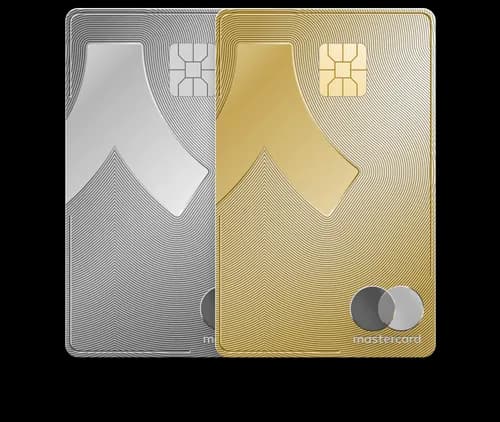
| KAST K Card | $MOVE | 4% | 4% | Movement | 2-minute KYC | Free |
| Bitget Card | BGB | Up to 8% | 7.1% (after 0.9% tx) | Multi-chain | Full | Free |
| xPlace Standard | USDC + XP | 0.5% | -0.5% (after 1% tx) | Solana | Full | Free |
| xPlace Platinum | USDC + XP | 2% | 1% (after 1% tx) | Solana | Full | $5,000/yr |
| Solflare | SOL | Points (TBD) | 0% (points only) | Solana | Full | Free |
| COCA | Stablecoins | Up to 8% | Up to 8% | Multi-chain | Full | Stake $COCA (1% free) |
| ether.fi Core | Points | Points | TBD | Ethereum L2 | Full | Free |
| Coinbase Card | Rotating crypto | 4% | 4% | Multi-chain | Full | Free |
What Web3 Gamers Need in a Crypto Card
Cashback in gaming-ecosystem tokens (MOVE, SOL, BGB) not just generic stablecoins
Native integration with gaming chains (Solana, Movement, BNB Chain)
Low barrier to entry - no massive staking requirement to start earning
Self-custody option so game assets and card wallet coexist in one place
Fast settlement for topping up between gaming sessions and real-world spending
Top 5 Cards for Web3 Gamers
The cashback token matters more than the rate. Bitget at 8% BGB feeds back into the exchange where most gamers already trade gaming tokens. KAST K Card at 4% pays in MOVE, native to the Movement chain ecosystem where new gaming projects are launching. xPlace Platinum earns SOL-ecosystem rewards for Solana gamers who want cashback in the token they already stake and use in-game.
COCA scales to 8% at Elite tier (staking 30K $COCA, free Starter is 1%) - the pragmatic pick for gamers who want stablecoin cashback without token volatility risk. Coinbase at 4% offers rotating crypto rewards you can direct into your chain of choice. ether.fi Core earns 3% cashback with restaking yield on ETH collateral for gamers in the Ethereum L2 ecosystem.
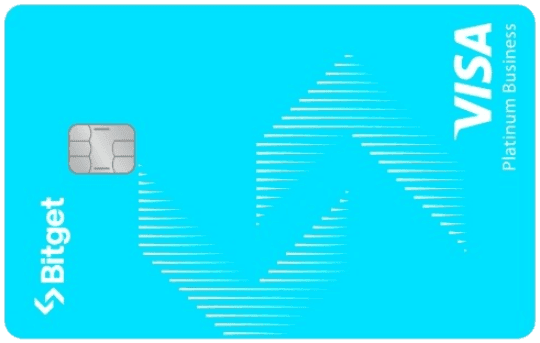
1. Bitget Card
Trade and Spend: Up to 8% BGB Cashback for Bitget Traders

2. COCA Visa Card
Self-Banking: 8% Cashback + 6% APY + 0% FX

3. Xplace Platinum Club Card
The Platinum Club: 2% Cashback + Private Concierge + 1,400+ Lounges
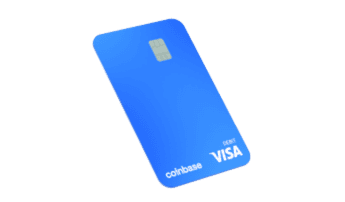
4. Coinbase Card (Prepaid Visa)
Safe & Simple: US Regulated Prepaid Visa with Rotating Crypto Rewards
5. ether.fi Core Card
Zero Barriers: 3% Back on Every Purchase, No Stake Required
What $1,500/Month Looks Like
$150
/month in cashback (based on Jupiter Global at 10%)
Scenario 1: Jin, Competitive Gamer in Seoul ($1,500/month)
Jin plays competitively on Solana-based games and streams on Twitch. He wants cashback in SOL to compound within the ecosystem he already lives on. He spends modestly because most of his income goes to gaming hardware and in-game assets.
Setup:
- Primary: Solflare (no cashback, self-custody + native SOL staking)
- SOL staking: Automatic in Solflare wallet at 7% APY
- Gaming wallet: Separate Phantom wallet for in-game transactions
- Card wallet: Dedicated Solflare spending wallet
Monthly flow:
| Category | Monthly Spend | FX Cost (1%) | Notes |
|---|---|---|---|
| Groceries (Emart) | $300 | $3 | Weekly runs |
| Gaming subscriptions | $80 | $0.80 | Game Pass, Discord |
| Dining/delivery | $350 | $3.50 | Coupang Eats, restaurants |
| Transport | $150 | $1.50 | T-money, taxi |
| In-game purchases | $200 | $2 | Solana gaming items |
| Other | $420 | $4.20 | Misc |
| Total | $1,500 | $15/mo cost |
Annual spending cost:
- FX fees: $180 (1% on $18,000 annual spend)
- Annual fee: $0
- Net cost: -$180/year
Why Jin still chooses Solflare:
-
Self-custody: Jin controls his keys. No exchange risk on his gaming earnings.
-
Native SOL staking: 6-8% APY on his existing SOL holdings (separate from card spending). On a $5,000 SOL portfolio, that is $300-$400/year in staking yield.
-
Ecosystem unity: game earnings, staking, and spending all happen from the same self-custody wallet.
-
The $180 FX cost is the price of sovereignty. Jin considers it cheaper than the counterparty risk of leaving SOL on an exchange.
Verdict: "I do not use Solflare for cashback - there is none. I use it because my game earnings, my staking, and my spending all live in one self-custody wallet. The 1% FX is the cost of not trusting an exchange with my keys."
Scenario 2: Leah, Casual Gamer and Student in Berlin ($1,000/month)
Leah games on multiple chains and does not want to commit her cashback to a single ecosystem. She plays on Ethereum L2s, Solana, and occasionally Movement-based games. She wants the highest flat-rate cashback that she can convert to whichever token she needs. For the broader student-budget version of this problem, see our students guide.
Setup:
- Primary: COCA Standard (3% cashback in stablecoins, staking 300 $COCA tokens)
- Strategy: Convert 50% of cashback to gaming tokens monthly, keep 50% in USDC as savings
- No chain commitment: manually swaps USDC to SOL, MOVE, or ETH as needed
- Upgrades to higher tiers (5% at staking 3K $COCA, 8% at staking 30K $COCA) as token holdings grow
Monthly flow:
| Category | Monthly Spend | Cashback (3%) | Notes |
|---|---|---|---|
| Groceries (Lidl, REWE) | $300 | $9 | Weekly |
| University expenses | $100 | $3 | Books, supplies |
| Gaming subscriptions | $60 | $1.80 | Game Pass, cloud |
| Dining/bars | $200 | $6 | Student life |
| Transport (BVG) | $50 | $1.50 | Monthly pass |
| In-game purchases | $100 | $3 | Cross-chain |
| Other | $190 | $5.70 | Misc |
| Total | $1,000 | $30/mo |
Annual result:
- Total cashback: $360 (stablecoin, no volatility)
- 50% converted to gaming tokens: $180 split across SOL/MOVE/ETH
- 50% kept as USDC savings: $180
- Total: $360 guaranteed value (scales to $960/yr at Elite tier with staking 30K $COCA)
Compare to KAST at 4% MOVE: $480/year, all in MOVE, all subject to token volatility. At Standard tier (3%), KAST earns more in raw numbers, but Leah's stablecoin cashback holds its value. At Premium tier (5%, 3K $COCA), COCA pulls ahead at $600/year. The trade-off: she does not benefit from ecosystem compounding because she manually converts.
Verdict: "I play on three chains. Locking cashback into one token does not make sense for me. COCA in stablecoins lets me be a mercenary. This month I need SOL, next month I need MOVE. My cashback funds both."
Scenario 3: Dmitri, Play-to-Earn Grinder in Istanbul ($2,000/month)
Dmitri earns $800-$1,200/month from play-to-earn games on the Movement chain. He supplements this with freelance graphic design ($1,500/month). He wants his card cashback in MOVE to compound his P2E earnings.
Setup:
- Primary: KAST K Card (4% MOVE, free, 2-minute KYC)
- MOVE staking: Accumulated MOVE staked in Movement DeFi protocols
- Gaming income: $800-$1,200/month in various tokens, converted to USDC for card spending
- Card funding: USDC from P2E earnings + freelance income
Monthly flow:
| Category | Monthly Spend | Cashback (4% MOVE) | Notes |
|---|---|---|---|
| Rent | $500 | $20 MOVE | Istanbul apartment |
| Groceries | $300 | $12 MOVE | Migros, BIM |
| Internet/utilities | $100 | $4 MOVE | Fiber for gaming |
| Dining | $200 | $8 MOVE | Istanbul street food |
| Transport | $100 | $4 MOVE | Istanbulkart + Uber |
| Gaming hardware | $300 | $12 MOVE | Monthly amortized |
| Other | $500 | $20 MOVE | Misc |
| Total | $2,000 | $80/mo |
Annual result:
- KAST cashback: $960 in MOVE (gross)
- FX cost on TRY spending: -$120 to -$420 (0.5-1.75%)
- MOVE staking yield (8%): $38.40
- P2E earnings (separate): $9,600-$14,400
- Card cashback net of FX + staking: $578-$878/year
Dmitri's net card return (after FX) is a 2.4-3.7% supplement to his P2E income, denominated in the same token. The compound effect is meaningful: $578-$878 in MOVE staked alongside his P2E earnings grows faster than if the cashback were in USDC sitting in a separate wallet.
Verdict: "KAST took two minutes to set up and the $0 annual fee means I can route everyday spend into the same MOVE stack I already use for gaming. After the 0.5-1.75% FX on my TRY spending, I still net 2.25-3.5% in the token I already accumulate every day."
Multi-Card Strategy for Web3 Gamers
How the Cashback-to-Gaming Loop Works
The most powerful dynamic for gamer cards is the feedback loop. Here is the mechanical flow:
Step 1: Spend in the real world. You tap your KAST card for a $50 grocery purchase. The card draws from your USDC balance.
Step 2: Earn gaming tokens. Within 24-72 hours, KAST deposits 4% cashback: $2 worth of MOVE tokens at today's market price. These appear in your KAST wallet.
Step 3: Reinvest in the ecosystem. You transfer the MOVE to a Movement chain protocol: stake it for additional yield, use it for governance voting, or spend it on in-game assets in Movement-based games.
Step 4: Compound. Staking rewards generate more MOVE. In-game earnings (if you play-to-earn) add more tokens. Your cashback becomes seed capital for a self-reinforcing loop.
At $1,500/month spending with 4% MOVE cashback, you accumulate $720/year in MOVE tokens. Staked at 8% APY, that generates an additional $28.80 in the first year. If MOVE appreciates 50% (common for gaming tokens in bull markets), the combined value reaches $1,123, all generated from everyday spending that had nothing to do with gaming.
Pick Your Chain, Pick Your Card
Solana gamers: xPlace or Solflare
Solana dominates Web3 gaming with the fastest transaction speeds and lowest fees for in-game interactions. xPlace offers 0.5% to 2% USDC cashback across four tiers (Standard through Platinum) plus XP points toward a future token launch. The 1% transaction fee and 1% FX on all purchases means the Standard tier actually costs you money net. At Platinum (2% cashback, $5,000/year fee), you break even on fees but earn XP.
The real value is the Solana ecosystem integration and XP accumulation, not the cashback rate.
Solflare is the native Solana wallet card. If you already use Solflare for gaming and DeFi, the card keeps everything in one wallet. No guaranteed cashback yet (direct cashback listed as "coming soon"), but the self-custody integration is the cleanest in the Solana ecosystem. SOL staking at 6-8% APY is built into the wallet. The card's value is ecosystem alignment and self-custody, not spending rewards.
Movement chain gamers: KAST
KAST pays 4% cashback in MOVE, the native token of the Movement chain. Seven card tiers run from Standard (free, 2-minute KYC) to Luxe ($299). The Standard tier gives the full 4% rate with no staking and $0 annual fee. For gamers already spending into the Movement ecosystem, that means ordinary card spend can start building a MOVE balance without first taking on a premium tier.
BNB Chain gamers: Bitget Card
Up to 8% BGB cashback (net 7.1% after the 0.9% transaction fee). BGB has utility across the Bitget ecosystem: reduced trading fees, staking rewards, launchpad access. If you are gaming in the BNB Chain ecosystem and already use Bitget for trading, the token alignment and high raw rate make this a strong choice.
Ethereum/L2 gamers: ether.fi Core
3% cashback with restaking yield on idle ETH collateral. Deeply integrated into the Ethereum restaking ecosystem. If you are gaming on Linea, Base, or Arbitrum, membership points feed into tier progression for premium perks (conference lounges, hotel discounts). The credit-line model means no crypto is sold at point of sale, preserving your ETH position.
Chain-agnostic gamers: COCA or Coinbase
If you play across multiple chains and do not want to commit all cashback to one ecosystem, stablecoin cashback preserves optionality. COCA at up to 8% (stablecoin, requires staking $COCA) lets you manually convert to whichever gaming token you need. Coinbase at 4% pays in rotating crypto that you can swap to your preferred token.
The Three Numbers Gamers Should Evaluate
Number 1: Net cashback after all fees
Based on our 2026 data, gaming token cards often have hidden fees that reduce the headline rate:
| Card | Headline Rate | Transaction Fee | FX Fee | Net Rate | On $1,500/mo |
|---|---|---|---|---|---|
| KAST | 4% | 0% | 0.5-1.75% | 2.25-3.5% | $34-$53/mo |
| Bitget | 8% | 0.9% | 0% | 7.1% | $106.50/mo |
| xPlace Standard | 0.5% | 1% | 1% | -1.5% (net cost) | -$22.50/mo |
| xPlace Platinum | 2% | 1% | 1% | 0% (break-even) | $0/mo |
| Solflare | 0% | 0% | 1% (non-local) | -1% (cost only) | -$15/mo |
| COCA | Up to 8% | 0% | 0% | Up to 8% | Up to $120/mo |
KAST's 0.5-1.75% FX fee on non-USD transactions matters. At $1,500/month spending outside the US, the FX fee costs $7.50-$26.25, reducing net cashback from $60 to $33.75-$52.50.
Number 2: Token volatility history
Gaming tokens are historically far more volatile than BTC or ETH. Your cashback value depends entirely on whether the token holds:
| Token | Peak-to-Trough Drop (Last Cycle) | Recovery? | Risk Level |
|---|---|---|---|
| BTC | -78% (Nov 2021 to Nov 2022) | Yes (new ATH) | Medium |
| SOL | -96% (Nov 2021 to Dec 2022) | Yes (new ATH) | High |
| CRO | -93% (Nov 2021 to Dec 2022) | No (still 90%+ down) | Very high |
| BGB | -75% (estimated cycle) | Partial | High |
| MOVE | New token (limited history) | N/A | Very high |
| USDC | 0% (stablecoin) | N/A | Very low |
CRO's 93% decline is the cautionary tale. A gamer who accumulated $2,000 in CRO cashback during 2021 saw it drop to $140. SOL recovered and hit new highs, but during the bear market, $2,000 in SOL cashback would have been worth $80. The token you earn matters as much as the rate.
Number 3: Ecosystem stickiness (how much utility does the token have)
A token with multiple uses within its ecosystem retains value better than a pure speculation token:
| Token | Staking | Governance | In-Game Use | Trading Fee Discount | Ecosystem Score |
|---|---|---|---|---|---|
| SOL | Yes (6-8%) | Yes (validators) | Yes (Solana games) | N/A | High |
| MOVE | Yes | Yes | Early (Movement games) | N/A | Medium (new) |
| BGB | Yes | Limited | No | Yes (Bitget) | Medium |
| CRO | Yes | Limited | No | No | Low |
| USDC | No | No | Yes (many games) | No | N/A (stable) |
Self-Custody for Gamers: Wallet Isolation
Gamers who interact with smart contracts MUST use a dedicated spending wallet, separate from their main gaming wallet:
- Your card wallet is KYC-linked to your real identity
- Your gaming wallet holds NFTs, in-game items, and DeFi positions worth potentially more than your card balance
- A compromised card wallet exposes only spending funds
- Some games require wallet signatures that should not be connected to your financial identity
Create a fresh address for the card. Transfer cashback tokens to your main gaming wallet after earning them. Never connect your primary gaming wallet to a card issuer.
Gaming Hardware and Subscription Strategy
Gamers spend heavily on recurring subscriptions and periodic hardware. Route everything through your crypto card:
| Expense | Annual Cost | At 4% MOVE (KAST) | At 7.1% BGB (Bitget) | At 8% USDC (COCA) |
|---|---|---|---|---|
| Game Pass Ultimate | $204 | $8.16 | $14.48 | $16.32 |
| PlayStation Plus Premium | $160 | $6.40 | $11.36 | $12.80 |
| Cloud gaming | $120 | $4.80 | $8.52 | $9.60 |
| Discord Nitro | $100 | $4.00 | $7.10 | $8.00 |
| GPU upgrade (amortized) | $500 | $20.00 | $35.50 | $40.00 |
| Peripherals/accessories | $300 | $12.00 | $21.30 | $24.00 |
| In-game purchases | $600 | $24.00 | $42.60 | $48.00 |
| Total gaming spend | $1,984 | $79.36 | $140.86 | $158.72 |
Gaming spend alone generates $79-$159/year in token cashback. Combined with everyday spending ($1,500/month), total annual cashback reaches $800-$2,000+ depending on card choice.
Common Mistakes to Avoid
1. Treating Gaming Token Cashback as Guaranteed Income
The mistake: Planning your budget around $60/month in MOVE cashback as if it were a stable $60.
The cost: Gaming tokens dropped 90-96% in the 2022 bear market. $720/year in cashback at peak prices became $72 by the trough. If you planned spending around that income, you have a $648 hole in your budget.
How to avoid it: Treat token cashback as bonus upside, not income. Your budget should work at zero cashback. Any tokens you accumulate are a speculative position, not a paycheck.
2. Using Your Main Gaming Wallet for Card Spending
The mistake: Connecting the wallet that holds your NFTs, in-game assets, and DeFi positions to a KYC-linked card.
The cost: Your entire on-chain gaming history, including every NFT trade, every in-game transaction, every governance vote, is now linked to your legal name and address. If you hold rare in-game assets worth thousands, a data breach at the card issuer could make you a target.
How to avoid it: Create a fresh wallet for card spending. Transfer cashback tokens to your main gaming wallet manually after receiving them. See our privacy guide for detailed wallet isolation steps.
3. Ignoring the Transaction Fee on "High Cashback" Cards
The mistake: Choosing Bitget because "8% cashback" without accounting for the 0.9% transaction fee, or xPlace without accounting for the 1% transaction fee.
The cost: At $1,500/month on Bitget, the transaction fee costs $13.50/month ($162/year). Net cashback is 7.1%, not 8%. On xPlace Standard at 3% headline, net is 2%. Over a year, the fee difference versus a zero-fee card like COCA (up to 8% with staking $COCA) is $162.
How to avoid it: Calculate net rate: headline minus transaction fee, FX fee, and any annual fee. Compare net rates, not headlines, and use the card comparison tool when you want the fee stack next to token rewards.
4. Never Taking Profits on Accumulated Tokens
The mistake: Accumulating $2,000 in gaming tokens over a year and never selling any of it, holding through a 90% bear market crash.
The cost: $2,000 in CRO at its peak became $140 after a 93% decline. You had real value that could have been locked in and did not. Two years of cashback, gone.
How to avoid it: Set a quarterly profit-taking rule. Every 3 months, convert 50% of accumulated cashback tokens to stablecoins. This locks in real value while maintaining 50% exposure to upside. If the token moons, you still benefit from the half you kept. If it crashes, you preserved half.
5. Choosing a Card Based on Token Hype Instead of Ecosystem Fit
The mistake: Switching to a new card because its token pumped 200% this month.
The cost: Token pumps in gaming are often short-lived. By the time you complete KYC, receive the card, and start spending, the token may have already corrected 50%. Meanwhile, you abandoned your previous card's cashback accumulation and any staking positions.
How to avoid it: Choose your card based on which ecosystem you actually play in and plan to stay in for at least 6-12 months. Chain loyalty matters more than token price momentum.
6. Not Accounting for Tax on Gaming Token Cashback
The mistake: Accumulating $1,000 in MOVE cashback and not tracking the cost basis for tax purposes.
The cost: In the US and most EU countries, token cashback may be taxable income at the fair market value when received. If you earn $1,000 in MOVE over a year and then sell it for $1,500 after appreciation, you may owe taxes on both the $1,000 income event AND the $500 capital gain. Without tracking, you risk underpaying or overpaying taxes. See our tax-conscious guide.
How to avoid it: Track every cashback receipt with date, token amount, and USD value at receipt. Use a crypto tax tool (Koinly, CoinTracker) that can import card transaction data. Set aside 25% of cashback value for potential tax obligations.
Card Selection by Gaming Profile
Solana gamer: Solflare for native SOL staking and self-custody integration. xPlace Platinum for XP accumulation toward a future token launch (cashback alone does not cover fees at lower tiers). See our airdrops guide for Solana ecosystem points.
Movement chain gamer: KAST K Card (4% MOVE, free, 2-minute KYC). The only card paying MOVE cashback. That makes it useful for gamers who already want ordinary card spend feeding the same token balance they use inside the Movement ecosystem.
BNB Chain gamer: Bitget Card (7.1% net BGB). Highest raw cashback in a gaming-adjacent token. BGB staking adds yield.
Multi-chain gamer: COCA (up to 8% stablecoin with staking $COCA) or Coinbase (4% rotating crypto). Convert cashback to whichever gaming token you need.
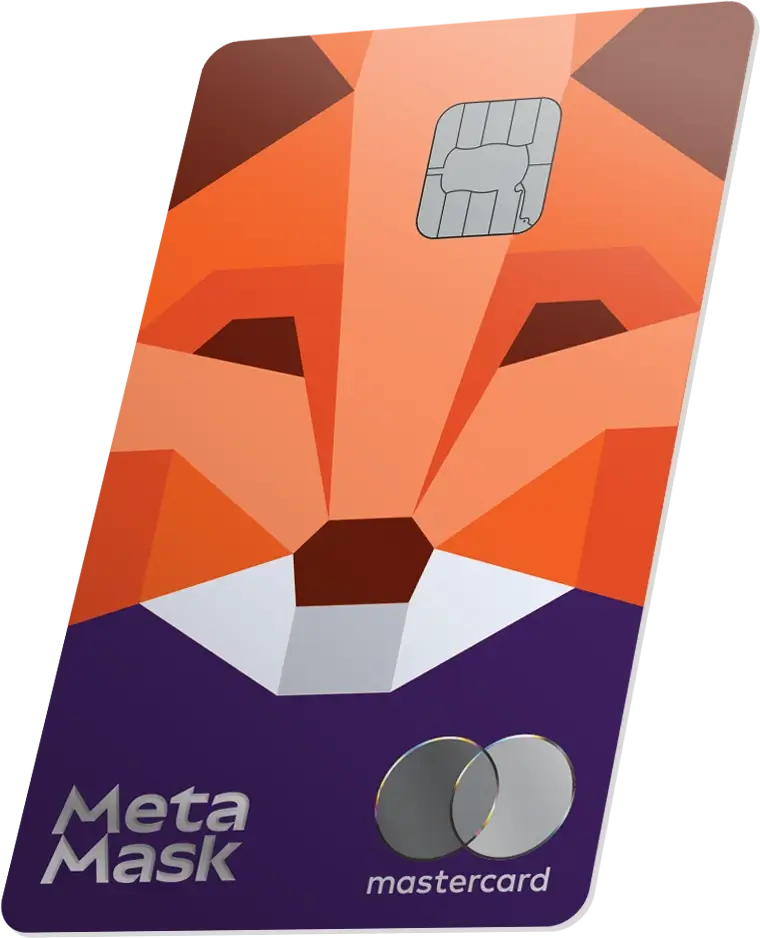
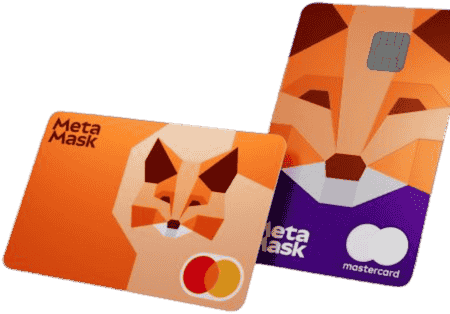
Ethereum L2 gamer: ether.fi Core (points, free) or MetaMask Card (1% cashback, Linea L2). Both integrate with Ethereum L2 gaming.
Budget gamer (free cards only): KAST K Card (4%, free, 2-min KYC) or Coinbase (4%, free). Zero annual fees, every dollar of cashback is pure profit (KAST has 0.5-1.75% FX on non-USD spending).
What matters: Web3 gamers have a unique advantage: cashback in ecosystem-native tokens compounds within the games and protocols they already use. A KAST user earning 4% in MOVE is getting paid to spend money in their own ecosystem. Solflare keeps spending in the Solana ecosystem with self-custody but earns no guaranteed cashback.
Gaming tokens carry more volatility risk than stablecoins or BTC. The smart approach is to take profits quarterly, never plan your budget around speculative token income, and choose the card that aligns with the chain you actually play on, not the token with the biggest pump this week.
At $1,500/month spending, annual cashback ranges from $0 (Solflare, no cashback) to $1,440 (COCA 8%) depending on card choice and token performance. For gamers who want the highest guaranteed rate regardless of ecosystem, COCA at 8% with 0% FX is the strongest option.
Disclaimer: SpendNode is a data comparison platform. We are not financial advisors. Crypto cards involve risks including asset volatility, custodial risk, and tax complexity. Verify all terms directly with issuers before applying.
Written by Aleksandar Dukic
Frequently Asked Questions
Which crypto card pays cashback in gaming tokens?
KAST pays 4% in $MOVE (Movement chain ecosystem). xPlace pays up to 5% in rewards tied to the Solana ecosystem. Bitget Card pays up to 8% in BGB (Bitget exchange token). Solflare does not currently offer cashback (listed as 'coming soon') but provides self-custody SOL spending with native staking. Each card connects you to a different gaming/DeFi ecosystem, so choose based on which chain you are most active on.
Can I use gaming token cashback in Web3 games?
It depends on the token and game. xPlace rewards are tied to the Solana ecosystem and can be used in Solana-based games. MOVE from KAST feeds into the Movement ecosystem. BGB from Bitget has exchange utility but limited direct gaming use. The key question is whether the cashback token is native to the chain your games run on.
Is gaming token cashback worth more or less than stablecoin cashback?
It depends on the token's price trajectory. If MOVE or SOL appreciates, your 4% cashback could be worth 6-8% in USD terms a year later. If the token drops, your effective cashback shrinks. Stablecoin cashback is predictable but will never multiply. Gaming tokens are higher risk, higher potential reward.
Should I keep my gaming wallet and card wallet separate?
Yes, always. Your card wallet is KYC-linked to your real identity. Your gaming wallet may hold NFTs, in-game assets, and DeFi positions that you may not want connected to your legal name. Use a dedicated wallet for card spending and a separate wallet for gaming.
Recent Updates to Best Crypto Cards for Web3 Gamers
- Corrected xPlace cashback rates: Standard 0.5% (was 3%), Platinum 2% (was 5%). Updated net rate tables to reflect 1% tx + 1% FX fees
- Fixed KAST naming to K Card. Fixed COCA FX from 0-1% to 0%