

Best Crypto Cards in Cyprus (2026)
Compare crypto cards available in Cyprus. COCA, Bitget, Gnosis Pay, Plutus, KAST, and Crypto.com Icy are the main options once the new 8% disposal tax and zero-FX EUR spending are priced in.
Verified for Cyprus
55 crypto cards available
Local currency: EUR
Bank of Cyprus, Hellenic Bank, and Eurobank Cyprus dominate the island's retail banking with cards that earn zero cashback and charge 1.5-2% on non-EUR transactions. Bank of Cyprus's Visa Debit adds a 1.5% FX markup on foreign currency purchases plus a EUR 0.20 per-transaction charge. Hellenic Bank's Mastercard Debit charges 1.75% FX.
The 2013 banking crisis, in which Bank of Cyprus depositors with over EUR 100,000 lost 47.5% of their uninsured deposits through an EU-mandated "bail-in," left a lasting mark on Cypriot financial psychology. That crisis arguably drove early crypto awareness: when your bank can confiscate your savings, self-custody assets gain obvious appeal.
Since January 2026, Cyprus has taxed gains from cryptoasset disposals at a special 8% income-tax rate under Article 20E. The rule applies to investors as well as traders; the absence of ordinary capital gains tax on crypto does not make card-funded disposals tax-free.
Combined with EUR settlement (Cyprus adopted the euro in 2008), full EEA passporting to 25+ crypto card issuers, and a strong Limassol tech scene that has attracted thousands of crypto professionals, Cyprus is a well-positioned jurisdiction in Europe for crypto card optimization.
Cyprus also attracts relocating entrepreneurs through its non-domicile (non-dom) rules for Special Defence Contribution, IP Box regime, and English-speaking business community. Non-dom status does not exempt crypto disposal gains from Article 20E.
Summary:
Which crypto cards are best in Cyprus?
The best crypto cards in Cyprus in September 2026 are COCA Visa Card, Bitget Card, Gnosis Pay Card, Plutus Visa Card, and Private (Icy White / Rose Gold). The detailed ranking below explains the local tax, fee, and availability trade-offs.
| Crypto card | Base reward | Net after fees | Annual fee | FX fee | Type |
|---|---|---|---|---|---|
| 1% baseup to 8% with a large $COCA stake; $15-$350/mo claim capacity by tier | 1% | Free | 0% | Debit | |
| 0.5% baseup to 8% by holding 20,000+ BGB | 0.5% | Free | 0% | Debit | |
| 1% baseup to 5% with 100 GNO + OG NFT; weekly eligible-spend cap $250-$1,250 by tier | 1% | Free | 0% | Debit | |
| 3% baseup to 9% by stacking PLU; allowance-capped per plan | 0.5% | $240 | 2.5% | Debit | |
| 4% baseneeds a $50k CRO stake to hold the tier | 4% | TBD | 0% | Prepaid |
Tax treatment: Cyprus applies an 8% income-tax rate to gains from cryptoasset disposals from January 1, 2026. Funding a card by disposing of appreciated crypto can trigger it, even for a passive holder.
COCA scales to 8% cashback at Elite tier (staking 30K $COCA tokens, 1% at free Starter) with 5% APY on eligible USD. Monthly reward claims range from $15 at Starter to $350 at Elite. Gnosis Pay earns up to 5% GNO cashback with full self-custody.
Plutus reaches 9% with subscription rebates for domestic EUR spending. Crypto.com Icy White at 4% adds value for Cypriots who travel frequently: LCA (Larnaca) and PFO (Paphos) airports serve as gateways to Europe.
Best Card For Every Need in Cyprus
Top 5 Crypto Cards in Cyprus
Cyprus applies an 8% income-tax rate to gains from cryptoasset disposals, including a disposal to fund a card. The non-dom Special Defence Contribution exemption applies to qualifying income such as dividends and interest, not to this crypto tax.
COCA scales to 8% at Elite tier with 5% APY on eligible USD. Gnosis Pay earns up to 5% GNO with self-custody. Bitget at 8% (7.1% net) provides a high zero-subscription return for qualifying BGB holders. Plutus at 9% is the headline-rate leader for domestic EUR spending. Crypto.com Icy at 4% adds lounge access for LCA/PFO travelers.
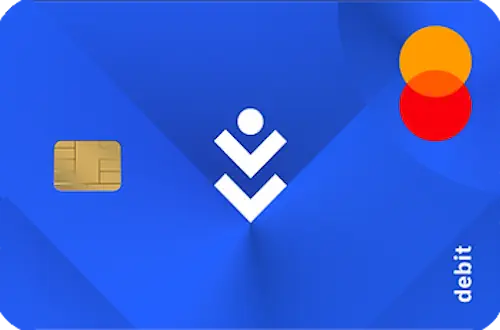
1. COCA Visa Card
Self-Banking: 8% Cashback + 5% APY + 0% FX
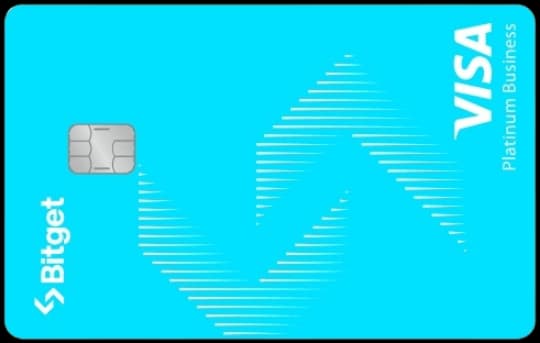
2. Bitget Card
Trade and Spend: Up to 8% BGB Cashback for Bitget Traders
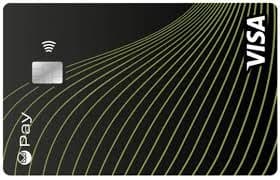
3. Gnosis Pay Card
Your Keys, Your Card, Your Money

4. Plutus Visa Card
Non-Custodial PLU Rewards on Eligible Spend + Lifestyle Perks
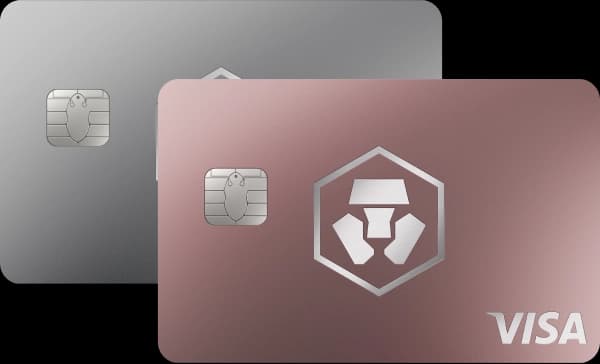
5. Private (Icy White / Rose Gold)
Private Tier: 4% Uncapped Cashback + Lounge Guest
Complete list:
All 55 crypto cards available in Cyprus in September 2026
This table includes every crypto card we currently track for Cyprus. Rows marked Top pick are ranked and reviewed above.
| Crypto card | Max rewards | Annual fee | FX fee | Type | Custody |
|---|---|---|---|---|---|
1 COCA Visa CardTop pick | Up to 8% rewards | Free | 0% | Debit | Self-custody |
2 Bitget CardTop pick | Up to 8% rewards | Free | 0% | Debit | Custodial |
3 Gnosis Pay CardTop pick | Up to 5% rewards | Free | 0% | Debit | Self-custody |
4 Plutus Visa CardTop pick | Up to 9% rewards | $240 | 2.5% | Debit | Non-custodial |
5 Private (Icy White / Rose Gold)Top pick | Up to 4% rewards | TBD | 0% | Prepaid | Custodial |
| Up to 10% rewards | Free | 3% | Debit | Hybrid | |
| Up to 8% points | Free | 0.4% | Debit | Custodial | |
| Up to 8% rewards | TBD | 0% | Prepaid | Custodial | |
| Up to 8% rewards | Free | 0% | Debit | Hybrid | |
| Up to 6% rewards | $200 with code | 1% | Debit | Self-custody | |
| Up to 5% rewards | TBD | 0% | Prepaid | Custodial | |
| Up to 4.5% rewards | $87 with code | 1% | Debit | Self-custody | |
| Up to 4% rewards | Free | 0% | Crypto Backed Credit | Self-custody | |
| Up to 4% rewards | Free | 0% | Crypto Backed Credit | Self-custody | |
| Up to 3% rewards | Free | 0.5% | Crypto Backed Credit | Self-custody | |
| Up to 3% rewards | Free | 0.25% | Crypto Backed Credit | Self-custody | |
| Up to 3% rewards | Free | 0% | Crypto Backed Credit | Self-custody | |
| Up to 3% rewards | $10000 | 0.5% | Prepaid | Custodial | |
| Up to 3% rewards | Free | 0% | Debit | Custodial | |
| Up to 3% rewards | $199 | 0.5% | Crypto Backed Credit | Self-custody | |
| Up to 3% rewards | $299.9 | 0% | Prepaid | Custodial | |
| Up to 3% rewards | $129 | 1.2% | Prepaid | Custodial | |
| Up to 3% rewards | Free | 0% | Debit | Hybrid | |
| Up to 2% rewards | Free | 0% | Debit | Custodial | |
| Up to 2% rewards | Free | 0% | Debit | Self-custody | |
| Up to 2% rewards | $1000 | 0.5% | Prepaid | Custodial | |
| Up to 2% rewards | Free | 0% | Prepaid | Custodial | |
| Up to 2% rewards | Free | 0% | Debit | Custodial | |
| Up to 2% rewards | Free | 0.2% | Crypto Backed Credit | Hybrid | |
| Up to 2% rewards | Free | 1% | Crypto Backed Credit | Self-custody | |
| Up to 2% rewards | $49.9 | 0% | Prepaid | Custodial | |
| Up to 2% rewards | $999 | 0% | Crypto Backed Credit | Self-custody | |
| Up to 1.5% rewards | Free | 0.5% | Prepaid | Custodial | |
| Up to 1.5% rewards | Free | 0.5% | Prepaid | Custodial | |
| Up to 1.5% rewards | Free | 1% | Debit | Self-custody | |
| Up to 1.5% rewards | $249 | 0.25% | Crypto Backed Credit | Self-custody | |
| Up to 1% rewards | Free | 0% | Debit | Custodial | |
| Up to 1% rewards | Free | 1.75% | Debit | Self-custody | |
| Up to 1% rewards | Free | 1% | Debit | Self-custody | |
| Up to 1% rewards | Free | TBD | Prepaid | Custodial | |
| Up to 1% rewards | $99 | 0.5% | Crypto Backed Credit | Self-custody | |
| Up to 0.5% rewards | Free | 0% | Debit | Hybrid | |
| Up to 0.5% rewards | Free | 1% | Crypto Backed Credit | Self-custody | |
| none | Free | 0% | Prepaid | Custodial | |
| Varies | Free | 1.7% | Prepaid | Custodial | |
| cashback | Free | 1.75% | Prepaid | Self-custody | |
| cashback | $199 | 0.75% | Prepaid | Self-custody | |
| cashback | Free | 0.5% | Prepaid | Custodial | |
| none | Free | 1% | Prepaid | Self-custody | |
| none | Free | 1% | Debit | Self-custody | |
| Varies | Free | 1.5% | Debit | Custodial | |
| Varies | Free | 1.2% | Prepaid | Custodial | |
| Varies | Free | 1.2% | Prepaid | Custodial | |
| Varies | Free | 1.2% | Prepaid | Custodial | |
| points | Free | 1% | Debit | Self-custody |
Crypto Card Regulation in Cyprus
CySEC (Epitropi Kefalaiagoras Kyprou / Cyprus Securities and Exchange Commission) is the primary financial market regulator and the designated MiCA authority for Cyprus. CySEC is headquartered in Nicosia and has been one of the most active EU regulators in licensing crypto companies.
The Central Bank of Cyprus also maintains a dedicated MiCAR framework page covering the national implementation perimeter.
Cyprus was among the first EU jurisdictions to register Crypto Asset Service Providers (CASPs) and has built a reputation as a "crypto-friendly" regulatory environment, proactive on licensing while maintaining EU-standard consumer protections.
CySEC maintains a public register of licensed CASPs and investment firms at cysec.gov.cy. As of 2025, over 30 crypto-related entities hold CySEC authorizations, including several card-related service providers and payment institutions. Under MiCA, CySEC-licensed entities benefit from EEA-wide passporting, meaning a CASP authorized by CySEC can serve customers across the entire European Economic Area.
Cyprus's transitional arrangement allowed legacy CASPs to continue operating until 1 July 2026, or until their MiCA authorization was granted or refused, whichever occurred first. That outer deadline has now passed, so a legacy domestic CASP registration should not be treated as MiCA authorization or as independently conferring EEA passporting rights.
The Central Bank of Cyprus (Kentriki Trapeza tis Kyprou) oversees payment institutions and banking supervision within the eurozone framework. Since the 2013 banking crisis, the Central Bank has operated under tighter oversight from the ECB's Single Supervisory Mechanism (SSM).
The crisis led to the dissolution of Laiki Bank (Popular Bank) and the restructuring of Bank of Cyprus. Those events reshaped Cypriot financial services and, indirectly, accelerated interest in non-bank financial alternatives like crypto.
CySEC's advertising framework: CySEC requires licensed entities marketing financial products to include appropriate risk warnings and comply with the PRIIPs Regulation (Packaged Retail and Insurance-based Investment Products). Crypto card issuers advertising in Cyprus must disclose risks, but CySEC has not implemented the blanket advertising ban seen in Belgium (FSMA) or the strict promotional rules in France (AMF).
Cyprus implemented 5AMLD and 6AMLD through the Prevention and Suppression of Money Laundering and Terrorist Financing Law (Nomos Parempodisin kai Katapolemisis tis Nomimopiiisis Esodwn apo Paranomes Drastiriotites). Crypto service providers must maintain AML/KYC compliance, report suspicious transactions to MOKAS (Unit for Combating Money Laundering), and register with CySEC.
Crypto.com, Bitget, and Plutus all serve Cypriot residents through EEA passporting. Several crypto companies have chosen Cyprus specifically as their EU regulatory base due to CySEC's efficient licensing process.
Cyprus combines full MiCA/EEA protections with CySEC's crypto-friendly licensing approach. No major card issuer has been restricted or banned in Cyprus.
Tax Treatment of Card Rewards in Cyprus
Cyprus's ordinary capital gains tax principally concerns Cypriot immovable property, but cryptoasset gains are now taxed separately.
The Tax Department's Article 20E FAQ applies a special 8% income-tax rate from January 1, 2026 to gains on disposals of cryptoassets not acquired through mining.
The rule does not carve out passive holders or long-held coins.
A card payment or top-up that sells crypto is a disposal. The 8% applies to the gain, not the entire amount loaded. For example, if EUR 5,000 of BTC sold to fund a card has a documented EUR 4,583 gain, the illustrative tax on that gain is about EUR 367. A stablecoin can also produce a taxable gain or loss when measured in EUR; its dollar peg does not make the disposal automatically exempt.
Non-dom status affects Special Defence Contribution on qualifying dividends and interest. It does not remove the Article 20E tax on crypto gains. Cyprus's 60-day tax-residence route also has conditions beyond a short stay, including residence and business or employment requirements; becoming resident does not switch the crypto rate to zero.
The Finance Ministry's tax-incentives guidance confirms the 8% crypto rate. Keep acquisition costs and disposal records, and distinguish any taxable reward on receipt from a later gain or loss when the reward token is sold or spent. Cashback treatment depends on the reward terms and is not established by the crypto disposal rule alone.
| Scenario | Disposal Tax | Cashback Tax | SDC | Effective Rate on EUR 1,000 Gain + EUR 80 Cashback |
|---|---|---|---|---|
| Individual investor | 8% on crypto gain | Depends on reward terms | Separate from disposal tax | EUR 80 on EUR 1,000 gain, before any reward tax |
| Active trader | 8% on qualifying crypto gain | Depends on reward terms | Separate from disposal tax | EUR 80 on EUR 1,000 gain, before any reward tax |
| Non-dom resident | 8% on crypto gain | Depends on reward terms | Exemption may apply to qualifying dividends/interest | EUR 80 on EUR 1,000 gain, before any reward tax |
For individual card spenders, the relevant question is the gain in the asset used to fund the card, not whether the holder considers themselves a passive investor. A low-gain funding asset may reduce the tax amount, but does not create a general exemption.
Tax reporting: Cypriot residents file their annual income tax return (Dilosi Isodimatou) with the Tax Department by July 31 (electronic filing via the TAXISnet / Tax For All portal). Since crypto disposals are not subject to CGT, they do not need to be reported on the capital gains section.
The Article 20E income-tax rule means crypto gains cannot simply be omitted because they are outside the capital-gains-tax section. If cashback is taxable on receipt, account for that separately from any subsequent token disposal; confirm reporting treatment with the Tax Department or a local adviser.
How to Apply from Cyprus
Cypriot crypto card applications require a taftotita (Deltio Taftotitas) (Cypriot national ID card) or diavatirio (Cypriot passport) for citizens. EU/EEA citizens can use their national ID card. Non-EU residents need a valid passport plus adeia diamonis (residence permit, also called the "pink slip" for temporary permits or MEU1/MEU2 for EU family members).
The TIC (Tax Identification Code / Arithmos Forologikou Mitroou, AFM) is Cyprus's tax identifier, required for any financial registration. Format: varies by residence status. Cypriot citizens receive a TIC upon first tax filing or upon request from the Tax Department.
Proof of address via logariasmos DEKO (utility bill from EAC/Archiselektriki for electricity, Water Board/Symvoulio Ydatopromitheias, or CYTA/Epic for telecom), ekstrato trapezis (bank statement from Bank of Cyprus, Hellenic Bank, or Eurobank Cyprus), or enikiostasio (rental agreement, stamped by the Inland Revenue Department for validity).
Relocating professionals: If you have recently moved to Cyprus and are applying for crypto cards, your residence permit (adeia diamonis) plus a utility bill or bank statement showing your Cypriot address is sufficient. The Pink Slip (temporary residence permit) is accepted by most EEA issuers. For 60-day rule residents, proof of a permanent home (rental agreement or property ownership document) plus evidence of business activity in Cyprus strengthens your application.
Physical cards ship to Cypriot addresses within 7-14 business days via Cyprus Post (Tachydromeio Kyprou) or private couriers (ACS, DHL). Virtual cards are available immediately for cards with Apple Pay and Google Pay use.
Spending Tips for Cyprus
Compare Rewards After Funding Costs
Cyprus's 8% tax on a crypto disposal gain belongs in the card calculation when the card converts appreciated assets. A EUR 5,000 payment funded by an asset with a EUR 1,000 gain can create EUR 80 of disposal tax, regardless of whether the card pays cashback. A EUR 5,000 payment funded from an asset with no EUR gain has no gain on which to apply that rate. FX fees, spreads, subscription costs, reward-token value and possible tax on rewards still matter in both cases.
Card Selection for Cypriot Users
The 8% crypto-gain rate does not vary just because the holder trades rarely. Compare cards on their usable rewards, FX fees and funding method:
- Plutus (9%, GBP 240/yr Premium): Highest cashback but capped at GBP 1,000/month eligible spend (approx EUR 1,170). 3 subscription perks (Netflix, Spotify, Prime). At Cyprus's low rates, perks help offset the subscription. No free tier
- COCA (up to 8% with staking $COCA, 1% free): 5% APY on eligible USD plus tiered card cashback. Check both the reward terms and any gain on the funding asset
- Bitget (8%, free, 0.9% tx fee): 8% cashback minus 0.9% transaction fee = approx. 7.1% effective. Competitive for users already holding BGB
- Crypto.com Icy (4%): Metal card with LCA/PFO lounge value for frequent travelers. CRO stake required
COCA vs Gnosis Pay vs Plutus: Cypriot Break-Even
These figures show headline rewards after stated subscription costs, before tax, funding spreads and any token-price movement:
| Monthly Spend (EUR) | COCA Elite 8% | Gnosis Pay up to 5% GNO | Plutus 9% (GBP 240/yr, capped) |
|---|---|---|---|
| EUR 500 | EUR 480/yr | EUR 300/yr | EUR 540 - EUR 240 = EUR 300/yr |
| EUR 1,000 | EUR 960/yr | EUR 600/yr | EUR 1,080 - EUR 240 = EUR 840/yr |
| EUR 2,000 | EUR 1,920/yr | EUR 1,200/yr | EUR 1,264 - EUR 240 = EUR 1,024/yr (capped) |
| EUR 3,000 | EUR 2,880/yr | EUR 1,800/yr | EUR 1,264 - EUR 240 = EUR 1,024/yr (capped) |
COCA leads at every spending level shown, and those rows remain inside Elite's $350 monthly claim capacity. Plutus's GBP 240/year subscription and approx. GBP 1,000/month eligible spend cap limit its maximum return to EUR 984/year. Holding the equivalent of EUR 10,000 in an eligible COCA USD balance adds roughly EUR 500/year at 5% before exchange-rate movement; its tax treatment depends on the product and the holder's circumstances.
Spending Scenario: Limassol Tech Professional at EUR 2,500/month
A Limassol-based crypto professional (a common profile in Cyprus's tech ecosystem) spending EUR 2,500/month on cards:
| Card | Annual Spend | Gross Cashback | Tax | Net Annual Benefit |
|---|---|---|---|---|
| COCA (8%) | EUR 30,000 | EUR 2,400 | Depends on funding gain | EUR 2,400 before tax and funding costs (+yield) |
| Gnosis Pay (up to 5% GNO) | EUR 30,000 | EUR 1,500 | Depends on funding gain | EUR 1,500 before tax and funding costs |
| Plutus (9%, capped) | EUR 14,040 eligible | EUR 1,264 - GBP 240 = EUR 1,024 | Depends on funding gain | EUR 1,024 before tax and funding costs |
| Bank of Cyprus (0%) | EUR 30,000 | EUR 0 | N/A | EUR 0 |
COCA's modeled gross EUR 2,400/year contrasts with zero cashback from Bank of Cyprus, but a holder selling appreciated crypto to fund the spend must account for the 8% tax on gains separately. It is not an 8% deduction from the cashback figure.
Cypriot Cost of Living Context
- Limassol: Rent EUR 700-1,400/1BR (higher on the waterfront/tourist area, EUR 600-900 in residential areas like Mesa Geitonia or Agios Athanasios). Groceries EUR 350-500/month at Alphamega, Papantoniou, or Lidl. Dining EUR 15-30 per meal (meze at a traditional taverna runs EUR 15-25 per person). Monthly card-eligible spending: EUR 1,500-3,000.
- Nicosia: Rent EUR 550-1,000/1BR. Lower restaurant costs than Limassol (EUR 12-25). Government and embassy presence creates professional spending patterns. Card acceptance strong in Nicosia Old City and Engomi.
- Larnaca: Rent EUR 500-900. Beach town with growing expat community. Finikoudes promenade restaurants EUR 15-30. Larnaca is the primary international airport (LCA).
- Paphos: Rent EUR 450-850. Strong British expat community. Kato Paphos tourist area has excellent card acceptance. Paphos (PFO) airport serves Western Europe routes.
Where Cards Work in Cyprus
Contactless Visa/Mastercard acceptance is strong across urban Cyprus. Limassol: My Mall (largest shopping center), Alphamega and Papantoniou supermarkets, waterfront restaurants and bars, Old Town tavernas, and cafes all accept contactless. Nicosia: Mall of Cyprus, Makariou Avenue shops, Ledra Street, and Nicosia Old City restaurants accept cards. Larnaca: Finikoudes area, Larnaca Airport shops. Paphos: Kings Avenue Mall, Kato Paphos restaurants and bars.
Cash-preferred situations: Traditional village tavernas (especially in Troodos mountain villages like Platres, Kakopetria, Lefkara), small peripts (kiosks), and some traditional bakeries. The Troodos mountain area has spottier card acceptance than coastal cities. Carry EUR 30-50 in cash for mountain excursions.
Apple Pay and Google Pay work at all NFC-enabled terminals. Public transit in Cyprus is limited and most travel is by car, so fuel stations (Petrolina, EKO, Shell) are frequent card use points. Intercity buses (Intercity Buses Cyprus) accept card payment for tickets purchased online or at stations. Taxi apps (Bolt, available in Limassol and Nicosia) accept card payments.
Cross-Border: Northern Cyprus and Travel
Cyprus is divided: the Republic of Cyprus (south, EU member) and the self-declared Turkish Republic of Northern Cyprus (TRNC, north, not internationally recognized). EEA crypto cards work throughout the Republic.
If crossing to Northern Cyprus through the UN Buffer Zone checkpoints (Ledra Palace, Agios Dometios), Turkish Lira (TRY) is used, and card acceptance is inconsistent. 0% FX crypto cards save 2-3% on TRY purchases where cards are accepted, but carry cash (TRY or EUR) for Northern Cyprus visits.
For international travel from LCA or PFO airports, Crypto.com Icy White with lounge access adds value on connections through European hubs. Cyprus's island location means most travel involves flights, and the 0% FX advantage applies to every non-EUR destination.
Supported Exchanges & Wallets in Cyprus
CySEC's crypto-friendly licensing has made Limassol a hub for crypto companies. Several major exchanges and fintech firms have established their EU regulatory base in Cyprus, creating a uniquely dense crypto ecosystem. While these companies primarily serve international markets rather than Cypriot retail users specifically, their local presence creates community, events, and employment that benefit the island's crypto-savvy population.
Plutus at 9% is the cashback leader for Cypriot residents on pure rate. Its subscription and eligible-spend cap matter, and any gain on crypto sold to fund it is a separate tax calculation.
COCA combines up to 8% cashback (1% free Starter, scaling with staking $COCA tokens) with 5% APY on eligible USD in a non-custodial wallet. For Cyprus's non-dom residents, the yield can remain especially efficient because Special Defence Contribution does not apply for 17 years.
To avoid selling appreciated crypto immediately, eligible users can compare direct stablecoin spending with collateral-backed borrowing from ether.fi Core or Nexo. Borrowing adds financing costs and liquidation risk; repayment can also have tax consequences. ether.fi Core competes on its ETHFI cashback, which starts at 3% on the first $2,000 of monthly spend and tapers above that.
For self-custody focused users, Gnosis Pay provides on-chain spending on Gnosis Chain. MetaMask Card connects the popular wallet to Visa, which matters for Limassol's large DeFi developer community. Ledger CL Card integrates hardware wallet security.
Ready brought Starknet self-custody with STRK cashback, but its card program is currently unavailable after its card issuer began winding down. Bleap provides an additional self-custodial option; Solflare is another but its card is paused as of July 28, 2026. 1inch Card (custodial via Baanx, 2% BXX cashback) rounds out the wallet-adjacent options.
Wirex ranges from 0.5% on its free Base tier to 8% at the Bespoke metal tier, paid in USD and unlocked by holding WPAY rather than paying a subscription. Bitpanda at 1% offers 600+ tradeable assets but the lowest cashback.
KAST at 1.5% USD cashback on the first $2,000/month (0.5-1.75% FX) and RedotPay fit users who want a prepaid spend rail funded from existing stablecoin balances rather than another exchange-tier or staking program.
Locally, Bank of Cyprus and Hellenic Bank do not offer crypto services or crypto card products. The domestic banking sector remains conservative despite the island's role as a crypto company licensing hub. Cypriot residents rely entirely on EEA-passported international issuers for crypto card products.
Cyprus's 8% crypto-gain rate, MiCA-aligned licensing, EUR settlement, and Limassol's crypto community make it a useful market for card comparison. The non-dom SDC exemption remains separate from the crypto disposal rule.
Written by SpendNode Editorial
Frequently Asked Questions
Is crypto spending tax-free in Cyprus?
From January 2026, a new 8% flat tax applies to disposal transactions (Article 20E). However, passive investment gains (personal holdings) may still qualify for 0% CGT. Staking, mining, and yield farming are taxed as income separately. CySEC oversees MiCA compliance.
Which crypto card is best for Cyprus?
COCA (up to 8%, non-custodial smart wallet), Bitget (8%, 7.1% net), and Gnosis Pay (5% GNO, self-custody) lead. EUR settlement means zero FX overhead. Even at 8% tax, Cyprus remains one of Europe's most favorable crypto jurisdictions.
Why do crypto companies choose Cyprus?
CySEC's MiCA-aligned licensing, favorable tax regime (15% corporate from 2026, 8% crypto disposal for trading, 0% for passive), non-dom regime, IP Box (2.5% effective), warm climate, and English-speaking environment.
Is crypto regulated in Cyprus?
Yes. CySEC regulates crypto under MiCA. CASP licensing provides EU-wide passporting. Cyprus has one of the EU's most developed crypto regulatory environments with dedicated CySEC guidance.
Other Countries
View all 112 countries →


Latest Page Changes to the Best Crypto Cards in Cyprus Guide
- New 8% flat tax on crypto disposal transactions from January 2026 (Article 20E). Passive investment gains may still qualify for 0% CGT
- Corporate tax increase to 15% (OECD minimum alignment)
- CySEC MiCA compliance status