

Best Crypto Cards in Austria (2026)
Austria gives residents the full EEA card lineup, but the flat 27.5% tax means funding method matters more than headline cashback. This guide compares the cards that still make sense after fees, caps, and tax drag.
Verified for Austria
54 crypto cards available
Local currency: EUR
Erste Bank, Raiffeisen, and BAWAG debit cards earn zero cashback and charge 1.5-2% on non-EUR purchases. Austria is unique in this market: it is home to Bitpanda, one of Europe's largest crypto platforms, headquartered in Vienna with a full FMA license. Yet even Bitpanda's card only pays 1% cashback.
EEA-wide passporting gives Austrian residents access to 20+ crypto card issuers with rates up to 9%, zero FX fees, and EUR settlement that eliminates currency risk at every eurozone merchant.
Austria has a mature banking system but terrible international card terms. Erste Bank's s Kreditkarte charges 1.75% FX plus an additional Manipulationsgebuhr (processing fee) on non-EUR transactions. Raiffeisen Debitkarte adds a 1.5% DCC (Dynamic Currency Conversion) markup on top of the Visa/Mastercard base rate. BAWAG's easybank card is marginally better at 1.25% FX but still offers zero cashback.
Even Austrian neobanks like N26 (Berlin-based but popular in Austria) offer minimal rewards. The gap between 0% cashback at Austrian banks and 4-9% at crypto card issuers is the widest in the DACH region.
Austria generally taxes gains on new-regime crypto at 27.5%, without Germany's one-year private-sale exemption. Buying stablecoins with euros near the spending value can limit new gains, but older holdings and carried cost basis need separate treatment.
Summary:
Which crypto cards are best in Austria?
The best crypto cards in Austria in September 2026 are COCA Visa Card, Plasma One Platinum Card, Tria Signature Card, Bitget Card, Gnosis Pay Card, and Kolo Card. The detailed ranking below explains the local tax, fee, and availability trade-offs.
| Crypto card | Base reward | Net after fees | Annual fee | FX fee | Type |
|---|---|---|---|---|---|
| 1% baseup to 8% with a large $COCA stake; $15-$350/mo claim capacity by tier | 1% | Free | 0% | Debit | |
| 4% base4% base, up to 10% on AI and flights; 100k XPL lock | 4% | Free | 0% | Crypto Backed Credit | |
| 4.5% base4.5% on the first $1,000/mo, then 1% | 3% | $87 with code | 1% | Debit | |
| 0.5% baseup to 8% by holding 20,000+ BGB | 0.5% | Free | 0% | Debit | |
| 1% baseup to 5% with 100 GNO + OG NFT; weekly eligible-spend cap $250-$1,250 by tier | 1% | Free | 0% | Debit | |
| 1% base2% for the first 30 days, then 1%; also capped at $1/EUR 1 per transaction ($2/EUR 2 during intro) and $100/EUR 100 per month | 1% | Free | 0% | Prepaid | |
| 3% baseup to 9% by stacking PLU; allowance-capped per plan | 0.5% | $240 | 2.5% | Debit | |
| 3% base3% on the first $2,000/month, then 1% and 0.5% | 2.5% | Free | 0.5% | Crypto Backed Credit | |
| 4% baseneeds a $50k CRO stake to hold the tier | 4% | TBD | 0% | Prepaid | |
| 1% base | 1% | Free | 0% | Debit | |
| 2% base2% in USDC on Credit Mode spend; cashback capped at $250/mo | 2% | $999 | 0% | Crypto Backed Credit |
Our Austria fee comparison reveals the gap: Bitpanda is the lowest-effort Austrian setup - instant EPS top-ups from any Austrian bank, FMA licensing, and a direct bank-to-card flow that feels native to local users. But at 1% cashback it leaves money on the table, which is easier to see in our side-by-side comparison tool.
KAST at 1.5% USD cashback on the first $2,000/month makes more sense once an Austrian user wants more than Bitpanda's local convenience but still does not want to pay for Plutus or take on COCA token exposure.
Plutus at up to 9% costs GBP 240/year on Premium with a GBP 1,000/month eligible spend cap and 2.5% non-domestic FX fee - it works as a domestic perk optimizer with subscription rebates (1-3 perks) but is no longer a general-purpose card.
COCA offers 1% cashback at Starter and up to 8% at Elite with 30K $COCA, plus 5% APY on eligible idle USD. Its non-custodial wallet and stablecoin rewards suit Austrians who want yield without adding volatile cashback disposals, though monthly reward claims are limited to $15-$350 by tier.
Plasma One Platinum needs an honest caveat on this page. Across the border in Germany, its XPL cashback can be aged past 12 months and spent tax-free; Austria abolished exactly that exemption in March 2022, so the aging play dies at the border.
What survives the trip is everything else: a self-custodial premium Visa entered via a 100,000 XPL lock rather than a fee, rebates worth up to $20 a month each on ChatGPT Plus and Claude Pro, and travel cover. XPL rewards also introduce a volatile asset whose later disposal may create a taxable gain.
xPlace Platinum pays new members 2% USDC in Credit Mode, capped at $250 cashback per month. Its 0% FX, lounges and Solana-backed credit line may fit a frequent traveler, but the $999 annual fee and variable borrowing costs make the rate alone a weak reason to choose it. USDC limits reward-token price movement; receipt and disposal treatment still depend on the program and the cardholder's circumstances.
Best Card For Every Need in Austria
Top 11 Crypto Cards in Austria
Austria's 27.5% rate on gains from new-regime crypto has no one-year holding exemption. Spending or selling can be taxable even after years of holding, but a disposal with no gain does not create gains tax. Plutus reaches 9% with subscription rebates (1-3 perks), though the GBP 240/year cost, 2.5% non-domestic FX fee, and GBP 1,000/month eligible spend cap on Premium make it a domestic perk optimizer rather than a general-purpose card.
COCA scales to 8% cashback at Elite tier (staking 30K $COCA tokens, 1% at free Starter) with 5% APY on eligible USD and a non-custodial wallet - the yield-plus-spending combination is strong under Austria's tax regime where volatile asset disposals trigger KESt.
Plasma One Platinum follows COCA for its structure: a premium self-custodial card entered through a 100,000 XPL lock. Its AI subscription rebates offset costs many Viennese professionals already carry. XPL rewards can appreciate or fall before disposal, so their eventual tax and net value require more tracking than USDC rewards.
Tria Signature at 4.5% on the first $1,000/month (then 1%, near 3% after its 1% FX and 0.5% per-payment fees, before tax) at $109/yr is the next pick for Austrian readers who prefer USDT rewards to a volatile staking-token payout.
The BMF's cashback guidance distinguishes rewards linked to deposits at the issuing financial institution from merchant discounts and rewards paid by independent card providers. One automatic 27.5% receipt tax does not fit every crypto-card program.
On gross rewards and fees, Tria Premium ($250/yr, 6% on the first $2,000/month) overtakes Signature at roughly EUR 720/month. Tax can shift the net comparison. Bitget's 8% headline rate is available to users holding 20,000+ BGB.
xPlace Platinum closes the list as a lounge-and-credit option rather than an everyday rewards pick. Its 2% Credit Mode cashback is capped at $250 a month, and new-member Cash Mode spending earns none. The $999 fee and borrowing costs must be weighed against the value of 0% FX and the travel benefits.
Kolo at 1% ongoing BTC (2% intro) requires extra cost-basis tracking because BTC rewards can gain or lose value before disposal. Its direct SEPA bank send from wallet to an Austrian IBAN (Erste Bank, Raiffeisen, Bank Austria, Bawag, N26) removes the exchange off-ramp step. Gnosis Pay fits users who want self-custodial EUR spending, and Crypto.com Icy remains the lifestyle-card option for CRO rewards and airport-lounge use.
Bitpanda earns only 1% but offers instant EPS top-ups from any Austrian bank and FMA licensing, making it the easiest local option. ether.fi's collateral-backed borrowing route may postpone an immediate sale, a useful option since Austria removed the one-year holding exemption in March 2022, but it also introduces financing and liquidation risk.
1. COCA Visa Card
Self-Banking: 8% Cashback + 5% APY + 0% FX
2. Plasma One Platinum Card
Premium Self-Custodial Visa - 4% Base, 10% AI, 10% Flights, Lounge Access, Boosted 5% Yield
3. Tria Signature Card
High-Yield Self-Custody: 15% APY + Visa Signature Perks
4. Bitget Card
Trade and Spend: Up to 8% BGB Cashback for Bitget Traders
5. Gnosis Pay Card
Your Keys, Your Card, Your Money
6. Kolo Card
Earn Bitcoin on Purchases: 2% for 30 Days, Then 1% (Capped) + Visa Platinum + 170+ Countries

7. Plutus Visa Card
Non-Custodial PLU Rewards on Eligible Spend + Lifestyle Perks

8. ether.fi Core Card
3% Back on the First $2,000 Each Month, No Stake Required
9. Private (Icy White / Rose Gold)
Private Tier: 4% Uncapped Cashback + Lounge Guest
10. Bitpanda Visa Platinum Card
The EU Crypto Spending Card - 1% Back, Zero Fees
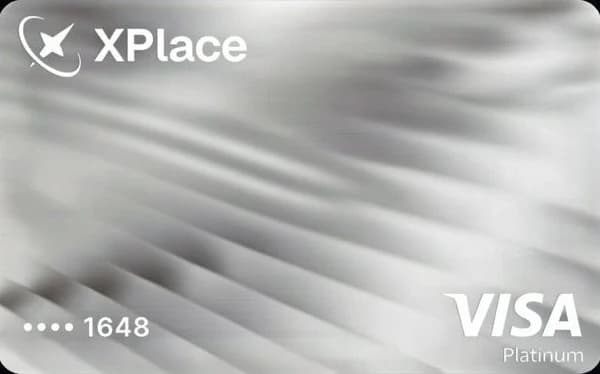
11. Xplace Platinum Card
10% Off Platinum with SPENDNODE: Pay $899.10 Instead of $999
Complete list:
All 54 crypto cards available in Austria in September 2026
This table includes every crypto card we currently track for Austria. Rows marked Top pick are ranked and reviewed above.
| Crypto card | Max rewards | Annual fee | FX fee | Type | Custody |
|---|---|---|---|---|---|
1 COCA Visa CardTop pick | Up to 8% rewards | Free | 0% | Debit | Self-custody |
2 Plasma One Platinum CardTop pick | Up to 4% rewards | Free | 0% | Crypto Backed Credit | Self-custody |
3 Tria Signature CardTop pick | Up to 4.5% rewards | $87 with code | 1% | Debit | Self-custody |
4 Bitget CardTop pick | Up to 8% rewards | Free | 0% | Debit | Custodial |
5 Gnosis Pay CardTop pick | Up to 5% rewards | Free | 0% | Debit | Self-custody |
6 Kolo CardTop pick | Up to 2% rewards | Free | 0% | Prepaid | Custodial |
7 Plutus Visa CardTop pick | Up to 9% rewards | $240 | 2.5% | Debit | Non-custodial |
8 ether.fi Core CardTop pick | Up to 3% rewards | Free | 0.5% | Crypto Backed Credit | Self-custody |
9 Private (Icy White / Rose Gold)Top pick | Up to 4% rewards | TBD | 0% | Prepaid | Custodial |
10 Bitpanda Visa Platinum CardTop pick | Up to 1% rewards | Free | 0% | Debit | Custodial |
11 Xplace Platinum CardTop pick | Up to 2% rewards | $999 | 0% | Crypto Backed Credit | Self-custody |
| Up to 10% rewards | Free | 3% | Debit | Hybrid | |
13 | Up to 8% rewards | TBD | 0% | Prepaid | Custodial |
| Up to 8% rewards | Free | 0% | Debit | Hybrid | |
| Up to 6% rewards | $200 with code | 1% | Debit | Self-custody | |
| Up to 5% rewards | TBD | 0% | Prepaid | Custodial | |
| Up to 4% rewards | Free | 0% | Crypto Backed Credit | Self-custody | |
| Up to 3% rewards | Free | 0.25% | Crypto Backed Credit | Self-custody | |
| Up to 3% rewards | Free | 0% | Crypto Backed Credit | Self-custody | |
| Up to 3% rewards | $10000 | 0.5% | Prepaid | Custodial | |
| Up to 3% rewards | Free | 0% | Debit | Custodial | |
| Up to 3% rewards | $199 | 0.5% | Crypto Backed Credit | Self-custody | |
| Up to 3% rewards | $299.9 | 0% | Prepaid | Custodial | |
| Up to 3% rewards | $129 | 1.2% | Prepaid | Custodial | |
| Up to 3% rewards | Free | 0% | Debit | Hybrid | |
| Up to 2% rewards | Free | 0% | Debit | Custodial | |
| Up to 2% rewards | Free | 0% | Debit | Self-custody | |
| Up to 2% rewards | $1000 | 0.5% | Prepaid | Custodial | |
| Up to 2% rewards | Free | 0% | Debit | Custodial | |
| Up to 2% rewards | Free | 0.2% | Crypto Backed Credit | Hybrid | |
| Up to 2% rewards | Free | 1% | Crypto Backed Credit | Self-custody | |
| Up to 2% rewards | $49.9 | 0% | Prepaid | Custodial | |
| Up to 1.5% rewards | Free | 0.5% | Prepaid | Custodial | |
| Up to 1.5% rewards | Free | 0.5% | Prepaid | Custodial | |
| Up to 1.5% rewards | Free | 1% | Debit | Self-custody | |
| Up to 1.5% rewards | $249 | 0.25% | Crypto Backed Credit | Self-custody | |
| Up to 1% rewards | Free | 1.75% | Debit | Self-custody | |
| Up to 1% rewards | Free | 1% | Debit | Self-custody | |
| Up to 1% rewards | Free | TBD | Prepaid | Custodial | |
| Up to 1% rewards | $99 | 0.5% | Crypto Backed Credit | Self-custody | |
| Up to 0.5% rewards | Free | 0% | Debit | Hybrid | |
| Up to 0.5% rewards | Free | 1% | Crypto Backed Credit | Self-custody | |
| none | Free | 0% | Prepaid | Custodial | |
| Varies | Free | 1.7% | Prepaid | Custodial | |
| cashback | Free | 1.75% | Prepaid | Self-custody | |
| cashback | $199 | 0.75% | Prepaid | Self-custody | |
| cashback | Free | 0.5% | Prepaid | Custodial | |
| none | Free | 1% | Prepaid | Self-custody | |
| none | Free | 1% | Debit | Self-custody | |
| Varies | Free | 1.5% | Debit | Custodial | |
| Varies | Free | 1.2% | Prepaid | Custodial | |
| Varies | Free | 1.2% | Prepaid | Custodial | |
| Varies | Free | 1.2% | Prepaid | Custodial | |
| points | Free | 1% | Debit | Self-custody |
Crypto Card Regulation in Austria
The FMA (Finanzmarktaufsicht) is Austria's financial market authority and the primary crypto regulator. Austria was among the first EU countries to implement crypto-specific VASP registration requirements, partly driven by Bitpanda's domestic presence and advocacy for regulatory clarity.
The FMA's approach has been distinctly balanced: strict on consumer protection and AML compliance, but supportive of innovation.
The FMA maintains a public register of authorized firms, searchable at fma.gv.at. A legacy Austrian VASP registration is not the same as a MiCA CASP authorization. EEA passporting applies to authorized CASPs within the scope of their approved services; it does not itself establish that a particular card product is available to an Austrian resident.
Austria's early adoption of VASP registration means its licensed companies had a head start on MiCA compliance.
Advertising restrictions: The FMA has issued guidance on crypto advertising under the Austrian Kapitalmarktgesetz (Capital Markets Act). Crypto card issuers marketing to Austrian residents must include risk warnings, cannot guarantee returns, and must clearly disclose the speculative nature of crypto assets.
KuCoin EU banned (February 2026): The FMA prohibited KuCoin EU Exchange GmbH from onboarding new clients or offering new products, citing serious shortcomings in AML, counter-terrorism financing, and sanctions compliance. This came just months after KuCoin EU secured MiCA authorization in November 2025.
Austrian residents should not rely on KuCoin for card services. In February 2026, the FMA also joined France's AMF and Italy's Consob in proposing direct ESMA supervision of major CASPs to ensure uniform MiCA enforcement across the EU.
Bitpanda holds a full Austrian FMA license and operates from its Vienna headquarters at Stella-Klein-Loew-Weg 17. The company also holds a German BaFin license and French AMF registration, making it one of the most thoroughly licensed crypto platforms in Europe. Crypto.com and Bitget serve Austrian users through their European entities with EEA passporting.
Authorization does not put a firm beyond enforcement. On August 14, 2026, the FMA fined Bitpanda GmbH EUR 70,000 for MiCA whitepaper-notification and marketing-disclosure breaches. The decision is final; the FMA notice does not say the card was suspended or customer funds were affected.
In August 2026 the FMA granted an electronic money institution (EMI) license to Bybit Payments GmbH, a separate Austrian entity from Bybit EU GmbH, which holds the MiCAR crypto authorization. The e-money license lets Bybit issue euro balances, run IBAN accounts, and passport payment services across the EEA. Bybit has said card services are planned for bybit.eu, but a launch date and Austrian card availability are not yet confirmed.
Austria's 2022 tax reform (Oekosoziales Steuerreformgesetz 2022/I, BGBl. I Nr. 10/2022) brought new crypto holdings into the capital-income tax regime from March 1, 2022. It did not replace the separate rules governing crypto-service authorization.
This means crypto card spending in Austria now operates under the same investor protection framework as conventional banking products.
Verify your card issuer holds an FMA VASP registration or MiCA CASP license. The FMA's public register at fma.gv.at is searchable by company name.
Tax Treatment of Card Rewards in Austria
Austria generally taxes gains on new-regime crypto at 27.5% (Kapitalertragsteuer, KESt) with no holding period exemption. Unlike neighboring Germany's private-sale rules, waiting 12 months does not by itself exempt a gain on such assets. Legacy holdings and transactions without gains require separate analysis.
The BMF's Kryptowährungen tax guidance confirms the 27.5% regime.
The March 2022 reform (Oekosoziales Steuerreformgesetz 2022/I) unified crypto taxation with other capital assets. Before the reform, crypto held over one year could be tax-free under the Spekulationsfrist. The new regime has no one-year exemption. A qualifying crypto-to-crypto swap does not itself realize the gain, but it also does not reset cost basis.
The BMF guidance says a qualifying crypto-to-crypto swap is not itself a taxable disposal. The cost basis carries into the received asset. Converting appreciated BTC to a qualifying stablecoin does not erase the gain; spending that stablecoin for goods or euros can realize it.
Crypto acquired by February 28, 2021 is generally treated as legacy holdings under the old regime. The acquisition date and later transactions matter.
Crypto Reporting Act (effective January 1, 2026): Austria's implementation of DAC8/CARF requires covered crypto platforms to record transaction data starting 2026, with reporting to Austrian tax authorities by July 31, 2027. Austrian withholding obligations depend on the provider's role, not simply its MiCAR license. Our privacy guide covers the separate question of what transaction data card providers collect.
Example 1 - Long-term holder: You bought 0.5 ETH at EUR 800 three years ago and load your card when it reaches EUR 2,000. The EUR 1,200 gain is taxed at 27.5% = EUR 330 in tax. You held the ETH for 3 years - does not matter. The 27.5% applies identically whether you held for 3 days or 3 years.
Example 2 - Vienna tech worker: You earn EUR 4,000/month gross and spend EUR 1,500/month on your crypto card. If you fund with appreciated BTC (bought at EUR 20,000, now EUR 60,000), each EUR 1,500 loaded from 0.025 BTC has a cost basis of EUR 500 and a market value of EUR 1,500. Gain per load: EUR 1,000. Monthly KESt: EUR 275.
Annual tax on that card funding would be EUR 3,300 - more than wiping out the EUR 1,440/year gross reward from an 8% card on EUR 18,000 of annual spend. That spending level remains inside COCA Elite's monthly claim capacity. Buying stablecoins with fresh euros near their spending value could avoid that particular gain; swapping the appreciated BTC into a stablecoin would not.
Example 3 - Ski instructor in Innsbruck: Seasonal income, spending EUR 800/month on cards. USDC bought with euros near its spending value would create little gain on funding. At 5% (Gnosis Pay with 100+ GNO held), annual cashback is EUR 480 gross; at 8% (COCA Elite), EUR 768 gross; at 1% (Kolo free tier), EUR 96 gross. Net value depends on the reward's tax classification, eligibility, fees and any later price movement.
Loss offsetting: Crypto losses can offset crypto gains within the same calendar year. If you realized a EUR 500 loss from selling one token and a EUR 1,200 gain from card loading, your taxable gain is EUR 700.
However, crypto losses from the "new regime" (post-March 2022) can offset gains from other capital assets (stocks, bonds) and vice versa, since crypto is now classified under the same Section 27b. Losses cannot be carried forward to future years - they expire at year-end.
Transition rules (Altbestand): The BMF says crypto acquired by February 28, 2021 generally remains under the old regime, while the new rules apply to crypto acquired after that date. Certain later transactions involving old holdings can create new-regime assets. Keep the acquisition and transaction history before assuming a particular lot is taxable at 27.5%.
Reporting: Austrian residents must report crypto gains on their annual Einkommensteuererklarung (income tax return, Form E1 and Beilage E1kv for capital income). The deadline is June 30 for paper filing, September 30 for electronic filing via FinanzOnline. Bitpanda provides Austrian-specific tax reports formatted for FinanzOnline. Other international issuers do not, so Austrian users of KAST, Plutus, or COCA must track their own cost basis.
Blockpit (Vienna-based, blockpit.io) is the dominant Austrian crypto tax software - it integrates with 250+ exchanges and wallets, auto-calculates KESt, and exports reports formatted for Austrian Finanzamt requirements. CoinTracking and Koinly also support Austrian tax law.
| Reward form | Receipt treatment | Later disposal or use |
|---|---|---|
| BTC or other crypto | Depends on program structure | Track value and cost basis; later gains may be taxable |
| USDC or another qualifying stablecoin | Depends on program structure | Track basis; usually less price movement, not an automatic exemption |
| Points or merchant discounts | Depends on the terms and economic substance | Do not assume treatment matches crypto paid into a wallet |
| EUR cashback | May be capital income when linked to deposits at the issuer | No crypto disposal from the reward itself |
The BMF does not assign the same receipt treatment to every card reward. Its income-tax guidance treats certain deposit-linked cashback as capital income. Selected-merchant payments can be discounts, while independent providers do not meet that deposit-link test.
A token reward can also create a taxable gain when later sold or spent. Keep each program's terms and transaction history; neither a universal "double tax" nor a universal exemption is supported.
Stablecoin funding can keep new price movement small, but it does not automatically eliminate tax on card spending. Check the stablecoin's carried cost basis, especially if it was acquired by swapping appreciated BTC or ETH.
How to Apply from Austria
Austrian crypto card applications require a Personalausweis (national ID card, credit-card format with chip) or Reisepass (passport). EU/EEA citizens can use their national ID. Non-EU residents need a valid passport plus Aufenthaltstitel (residence permit).
Proof of address via Meldezettel (registration confirmation from your local Meldeamt/Gemeindeamt, officially called Meldebestatigung). The Meldezettel is obtained from your Bezirksamt (district office) or Magistrat - in Vienna, from the Magistratisches Bezirksamt of your district. It shows your Hauptwohnsitz (primary residence) or Nebenwohnsitz (secondary residence).
Most EEA card issuers accept a Meldezettel issued within the last 3 months, or alternatively a bank statement from Erste Bank, Raiffeisen, BAWAG, or any Austrian bank showing your registered address.
Your Austrian tax number (Steuernummer from the Finanzamt, format: XX-XXX/XXXX) may be required for higher verification tiers. Your Sozialversicherungsnummer (social insurance number, 10 digits) is not typically required for crypto card applications but may be requested by Bitpanda for advanced verification.
Bitpanda offers the fastest onboarding for Austrian residents: FMA-licensed, Austrian-native verification flows, instant EPS (Electronic Payment Standard) top-ups from any Austrian bank account (Erste, Raiffeisen, BAWAG, easybank, Bank Austria). Verification often completes in minutes for users with existing Bitpanda accounts. New users typically complete video-ident verification within 24 hours.
Other EEA issuers use standard European verification via Onfido, Jumio, or Sumsub. Physical cards ship to Austrian addresses within 5-10 business days via Osterreichische Post. Virtual cards are available immediately for crypto cards with Apple Pay and Google Pay use at any NFC terminal.
Spending Tips for Austria
No Holding Period Exemption: The Austria-Germany Gap
For new-regime holdings, an Austrian resident may owe 27.5% on a gain even after a year. A German private holder can qualify for an exemption after 12 months, while Swiss treatment of private gains differs by circumstance. Acquisition date and tax residence matter more than the card used.
This gap makes cost-basis tracking especially important in Austria. Buying a qualifying stablecoin with euros shortly before spending may limit gains. Swapping appreciated BTC into USDC first usually carries the BTC basis forward rather than resetting it.
The DACH Tax Comparison
Austrian crypto card users live between two very different tax regimes. This matters because many Austrians live near the German or Swiss border, and cross-border workers may have tax residency questions:
| Austria | Germany | Switzerland | |
|---|---|---|---|
| CGT rate | 27.5% flat (KESt) | 0% after 12-month hold | Varies by canton, often 0% for individuals |
| Holding exemption | None (removed March 2022) | 12-month Spekulationsfrist | Generally tax-free for private investors |
| Loss offset | Same-year, cross-asset (post-2022 crypto) | Same-year, crypto-only | Varies by canton |
| Loss carryforward | No | Yes (within crypto) | Varies by canton |
| Cashback taxation | Depends on reward structure; no blanket 27.5% receipt rule | Complex (depends on classification) | Depends on classification |
| Tax reporting deadline | June 30 (paper) / Sept 30 (electronic) | July 31 (with extension) | March 31 (cantonal) |
This means an Austrian resident holding new-regime crypto may owe tax on gains even after a long holding period, while a German private holder may qualify for a 12-month exemption. Stablecoins can reduce new volatility, but the Austrian tax result still depends on acquisition cost and how the stablecoin was obtained.
Evaluating Borrowing Against a 27.5% Tax Rate
At 27.5% KESt with no holding exemption, ether.fi and Nexo offer an alternative to selling immediately. The user borrows against eligible collateral and spends the proceeds, retaining exposure to an asset whose value and yield can both change.
| Strategy | EUR 20,000 in ETH (doubled from EUR 10,000 cost basis) | Tax Triggered | Staking Yield Preserved |
|---|---|---|---|
| Sell ETH, load card | EUR 2,750 KESt (27.5% on EUR 10,000 gain) | Yes | No |
| Borrow against eligible collateral via ether.fi | Potentially deferred | No immediate sale | Variable yield, if eligible |
In this example, borrowing could postpone the EUR 2,750 tax bill, not erase it. The comparison must include the quoted interest rate, repayment, liquidation risk, variable collateral yield, and any later disposal. ether.fi Core pays 3% in ETHFI on the first $2,000 of monthly spending, 1% from $2,001 to $5,000, and 0.5% above.
Card Selection by Use Case
- COCA (up to 8% with staking $COCA, 1% free): Non-custodial wallet, 5% APY on eligible USD
- Tria (up to 6% headline, ~3% net Signature / ~4.5% Premium): Signature at 4.5% on the first $1,000/mo ($109/yr) or Premium at 6% on the first $2,000/mo ($250/yr), each trimmed by a 1% FX charge and 0.5% per payment. USDT cashback avoids volatile token KESt exposure.
- Gnosis Pay (5% GNO, free): Self-custody Visa from a Safe wallet.
- Kolo (1% ongoing BTC, 2% intro, 0% FX on stablecoin top-ups, $0): Free card with direct SEPA bank send to an Austrian IBAN. BTC rewards require cost-basis tracking and can create a taxable gain on later disposal; their receipt treatment depends on the program.
- Plutus (up to 9%, GBP 240/yr): Domestic perk optimizer. Subscription rebates (1-3 perks), GBP 1,000/month cap, 2.5% non-domestic FX.
- ether.fi (free, banded ETHFI cashback): Direct stablecoin spending or optional borrowing against eligible collateral.
- Crypto.com Icy (4%, CRO stake): Airport lounge access at VIE (Vienna Schwechat).
- Bitpanda (1%): Easiest local setup, EPS bank transfer, FMA licensed, Blockpit integration - but lowest cashback.
- KAST (1.5% USD cashback on first $2K/mo, 0.5-1.75% FX, free): Simple prepaid entry.
Plutus vs Gnosis Pay vs Kolo vs Bitpanda: Gross Rewards
Plutus Premium costs GBP 240/year and caps eligible spend at GBP 1,000/month. The figures below are gross rewards after the stated subscription fee, before tax and other costs. Kolo's 1% figures apply to purchases of EUR 100 or less, since it caps ongoing rewards at EUR 1 per transaction:
| Monthly Spend (EUR) | Plutus Premium 9% (GBP 1,000/mo cap, GBP 240/yr) | Gnosis Pay 5% (100 GNO + OG NFT; free) | Kolo 1% BTC ongoing (free) | Bitpanda 1% (free) |
|---|---|---|---|---|
| EUR 500 | EUR 265/yr | EUR 300/yr | EUR 60/yr | EUR 60/yr |
| EUR 1,000 | EUR 805/yr | EUR 600/yr | EUR 120/yr | EUR 120/yr |
| EUR 1,500 | EUR 967/yr (capped) | EUR 900/yr | EUR 180/yr | EUR 180/yr |
| EUR 2,000 | EUR 967/yr (capped) | EUR 1,200/yr | EUR 240/yr | EUR 240/yr |
Plutus fees and eligible spend caps are denominated in GBP. The table above uses approximate EUR equivalents (GBP 240 is roughly EUR 275 at recent rates, and the GBP 1,000/month cap is roughly EUR 1,150). Actual EUR costs vary with the GBP/EUR exchange rate.
Bitpanda at 1% is the lowest cashback option but its value is convenience: EPS integration, Austrian tax reporting support via Blockpit, and 600+ tradeable assets. Gnosis Pay at 5% GNO (100 GNO plus an OG NFT; 4% with GNO alone) is the strongest free-tier pick at low and high spend; Plutus Premium's 9% edges ahead only in the roughly EUR 600-1,600/month band, before its GBP 1,000 (about EUR 1,150) cap binds.
At EUR 2,000/month, Gnosis shows EUR 1,200 in gross rewards vs Plutus's EUR 967 after its subscription fee, before tax. Kolo at 1% BTC matches Bitpanda on headline return and sits below Gnosis Pay, but its direct SEPA bank send to an Austrian IBAN is a useful convenience feature.
Spending Scenario: Vienna Professional at EUR 1,500/month
A Vienna resident spending EUR 1,500/month on cards (rent is usually via Dauerauftrag bank transfer, not card):
| Funding Method | Annual Spend | Gnosis Pay Cashback (5%) | Tax on Disposal (27.5%) | Tax on Cashback (27.5%) | Net Benefit |
|---|---|---|---|---|---|
| USDC bought with euros at roughly the spending value | EUR 18,000 | EUR 900 | Near zero | EUR 248 assumed | About EUR 652 before other costs |
| BTC (doubled in value) | EUR 18,000 | EUR 900 | EUR 2,475 | EUR 248 | -EUR 1,823 |
| Borrow via ether.fi (banded ETHFI rewards) | EUR 18,000 | EUR 372 | Depends on treatment | EUR 102 | EUR 270 before borrowing costs |
BTC funding at 100% appreciation generates EUR 2,475 in KESt on EUR 9,000 of gains, which exceeds the cashback. The stablecoin row assumes fresh euro-funded USDC with little price movement; it would not apply unchanged to USDC received for appreciated BTC. The cashback-tax figure is an illustration, not a determination of how every rewards program is classified. The borrowing route cannot be priced without its loan terms and eventual tax treatment.
Austrian Cost of Living Context
Our local cost analysis for Vienna, Salzburg, and Graz shows card spending levels vary by city:
- Vienna: Rent EUR 800-1,400/1BR (paid via Dauerauftrag, not card). Groceries EUR 350-500/month at Billa, Hofer (Austrian Aldi), Spar, Merkur. Dining EUR 12-25 per meal (Wiener Schnitzel at a Beisl runs EUR 14-18). Wiener Linien Jahreskarte EUR 365/year. Monthly card-eligible spending: EUR 1,000-2,000.
- Salzburg/Innsbruck: Rent EUR 700-1,100. Similar grocery costs. Ski season (December-April) adds EUR 300-600/month: Arlberg day pass EUR 72, Kitzbuhel EUR 65, season passes EUR 500-900. Mountain dining runs EUR 15-30 per meal.
- Graz/Linz: Rent EUR 550-900. Lower restaurant costs (EUR 10-18). More car-dependent spending (fuel at approx. EUR 1.50/L, parking EUR 2-4/hour in city centers).
At EUR 1,000-2,000/month of card-eligible spending (excluding rent and bank transfers), 5% cashback (Gnosis Pay with 100+ GNO) generates EUR 600-1,200/year gross. Kolo at 1% BTC generates EUR 120-240/year gross. Tax treatment and reward-token price changes determine the net amounts.
Cross-Border FX: Where 0% Matters
Within the eurozone, EUR-settled cards incur zero FX fees since there is no currency conversion. But Austria borders three non-EUR countries where 0% FX crypto cards save real money:
- Switzerland (CHF): Ski trips to Zermatt, Verbier, St. Moritz, Engelberg. Shopping in Zurich and Geneva. Austrian residents in Vorarlberg routinely cross into Switzerland for work and shopping. 0% FX saves 1.5-2% per purchase vs Austrian bank cards. A week of skiing at CHF 200/day saves EUR 20-28 in FX fees alone.
- Czech Republic (CZK): Weekend trips to Prague, shopping in Cesky Krumlov. Austrians in Lower Austria cross to CZ regularly. 0% FX saves 1.5-2% vs the Raiffeisen FX markup.
- Hungary (HUF): Budapest trips, thermal baths, dental tourism. 0% FX on volatile HUF saves 2-3%. The HUF has depreciated against EUR, making timing-dependent DCC markups from Austrian banks costly.
For Austrian skiers spending a week in Swiss resorts (common from Innsbruck and Vorarlberg), total FX savings can reach EUR 30-50 per trip.
Austrian Online Shopping
Amazon.de (the primary Amazon site for Austria), willhaben.at (Austria's largest classifieds), Shockl.at, and various EUR-denominated e-commerce sites incur no FX charges. However, international SaaS subscriptions billed in USD - common for Austrian tech professionals and startups (AWS, GitHub, Figma, Notion, Slack, Adobe Creative Cloud) - benefit from 0% FX.
An Austrian developer paying EUR 200/month in USD-denominated cloud and tool subscriptions saves EUR 36-48/year in FX fees with a 0% crypto card vs Erste Bank's 1.75% markup.
Where Cards Work in Austria
Contactless Visa/Mastercard acceptance is strong across Austria. Vienna: Supermarkets (Billa, Hofer, Spar, Lidl, Merkur), malls (Donauzentrum, SCS - Shopping City Sud, Mariahilfer Strasse shops), restaurants, Heurigen (wine taverns in Grinzing, Neustift, Stammersdorf), and traditional Kaffeehauser (Cafe Central, Cafe Sacher accept cards, though some smaller coffeehouses prefer cash for amounts under EUR 10).
Ski resorts: Major lift passes at Arlberg (St. Anton, Lech, Zurs), Kitzbuhel, Saalbach-Hinterglemm, Ischgl, Semmering, and Schladming all accept card payments at ticket offices and most on-mountain restaurants. Mountain huts (Hutten) along hiking trails are increasingly contactless-ready, but remote alpine huts above 2,000m may still be cash-preferred. Always carry EUR 50-100 in cash for alpine activities.
Smaller cities: Salzburg (Getreidegasse shops, Europark), Graz (Kastner und Ohler, Murpark), Innsbruck (Sillpark, Rathaus Galerien), and Linz (Passage, Plus City) have strong contactless adoption. Farmers' markets (Bauernmarkte, especially Naschmarkt in Vienna and Kaisermarkt in Salzburg) are mixed - larger stalls accept cards while smaller produce vendors prefer cash.
Apple Pay and Google Pay work at all NFC-enabled terminals. Wiener Linien annual pass (Jahreskarte, EUR 365) is purchased separately at ticket offices or the app. OBB (Austrian Federal Railways) tickets can be purchased online or at station machines with Visa/Mastercard. Taxis, ride-hailing (Bolt in Vienna), and most parking garages (APCOA, Contipark) accept contactless.
Supported Exchanges & Wallets in Austria
Bitpanda is headquartered in Vienna and offers a locally integrated card setup. It has an FMA authorization, EPS bank funding, Blockpit integration for Austrian tax reporting, and 600+ tradeable assets.
Its Bitpanda Card offers just 1% cashback - the lowest rate among EEA crypto cards - but the Austrian banking integration and regulatory credibility make it the lowest-effort option. For many Austrian users, Bitpanda is the "boring but safe" choice: you sacrifice cashback for convenience and full FMA oversight.
For users willing to look beyond Bitpanda's 1%, the EEA passporting system opens Austria to higher-yielding cards. Plutus at up to 9% with subscription perks (Netflix, Spotify, Disney+ refunds) on eligible spend (capped at GBP 1,000/month on Premium) is the pure cashback leader for domestic spending.
COCA combines 1% cashback at Starter, rates up to 8% through $COCA staking, and 5% APY on eligible USD in a non-custodial framework. It fits Austrian users who want stablecoin rewards without creating additional volatile-token disposals.
Bitget at up to 8% BGB cashback serves Austrian traders who already hold exchange balances.
Crypto.com at up to 8% with metal cards and VIE airport lounge access appeals to Austrian frequent flyers - Vienna Schwechat's LoungeKey-affiliated lounges add tangible value to the CRO staking model. KuCoin and Kraken round out the exchange-linked options available through EEA licensing.
Austria's 27.5% KESt with no holding exemption makes collateral-backed borrowing worth considering. ether.fi and Nexo can provide spending liquidity without an immediate sale, but the loan still has a financing cost and puts collateral at risk.
For someone with a EUR 10,000 unrealized gain, borrowing may postpone a EUR 2,750 tax bill rather than erase it. Financing costs, liquidation risk and any later disposal still affect the result.
For DeFi-native Austrians, Gnosis Pay offers full on-chain spending from a Gnosis Chain wallet. MetaMask Card (1-3%) and Ledger CL Card connect hardware and software wallets directly to Visa.
Ready brought Starknet-native self-custody with STRK cashback, of interest to Austrian developers in the StarkWare ecosystem, but its card program is currently unavailable after its card issuer began winding down.
Bleap provides an additional self-custodial option; Solflare is another but its card is paused as of July 28, 2026. 1inch Card (custodial via Baanx, 2% BXX cashback) rounds out the DeFi-adjacent options.
Austrian crypto tax infrastructure is an advantage: Blockpit (Vienna-based, 250+ exchange integrations) and Bitpanda's native tax reports make Austrian compliance easier than in most EU countries. The FMA's balanced regulatory approach and full MiCA passporting ensure Austrian residents have access to every EEA-licensed crypto card without restriction. No major card issuer has withdrawn from Austria.
Written by SpendNode Editorial
Frequently Asked Questions
Is there a holding period tax exemption for crypto in Austria?
No. Austria removed the 1-year holding exemption in March 2022. All crypto gains are now taxed at a flat 27.5% regardless of how long you held the asset. This makes stablecoin spending the most tax-efficient strategy for card users.
How does the Bitpanda Card compare to international cards?
Bitpanda Card offers 1% cashback, 0% FX fees, and instant EPS top-ups from Austrian bank accounts. Bitget (up to 8%, $0 annual) and COCA (up to 8% with staking) offer higher cashback but require SEPA transfers for funding. Bitpanda wins on local convenience; international cards win on cashback rate.
How do crypto cards compare to Austrian bank cards?
Austrian bank cards from Erste, Raiffeisen, or BAWAG offer zero cashback and charge 1.5-2% on non-EUR transactions. Crypto cards offer 1-9% cashback and many charge 0% FX fees. On EUR 1,200/month spending, an 8% card earns EUR 1,152/year that a bank card would not.
Can I offset crypto losses against gains in Austria?
Yes, but only within the same calendar year and only against other crypto gains. Losses cannot be carried forward to future years and cannot offset other income types. This makes loss harvesting less flexible than in countries like Poland (5-year carryforward).
Other Countries
View all 112 countries →


Latest Page Changes to the Best Crypto Cards in Austria Guide
- xPlace Platinum's 2% Credit Mode cashback and $250 monthly cap changed its Austrian value case. We moved it below the stronger everyday picks and kept its lounge, 0% FX and Solana credit features visible
- FMA ban on KuCoin EU (February 2026) for AML and compliance shortcomings, months after MiCA authorization
- Joint FMA/AMF/Consob proposal for direct ESMA supervision of major CASPs
- Crypto-to-crypto swap tax exemption (swaps are tax-free in Austria, unlike Spain). Legacy holdings distinction (pre-Feb 2021 crypto under old rules). Crypto Reporting Act (DAC8/CARF, effective Jan 1, 2026, reporting by July 2027)