
Best Crypto Cards in Slovenia (2026)
Compare crypto cards available in Slovenia. A new 25% CGT regime means Bitget, Gnosis Pay, Plutus, Crypto.com Icy, and ether.fi now matter more than headline rates.
Verified for Slovenia
51 crypto cards available
Local currency: EUR
The Multipolitan 2025 Crypto Cities Index named Ljubljana the world's most crypto-friendly capital city. The distinction was earned: BTC City, a massive shopping complex on Ljubljana's eastern edge, hosts over 100 merchants that accept Bitcoin directly. GoCrypto, a homegrown payment processor, enables crypto spending at 1,000+ Slovenian merchants.
And Bitstamp, the world's longest-running crypto exchange, was founded just 20 km away in Kranj by Nejc Kodric and Damijan Merlak in 2011. No other country of 2.1 million people has produced anything close to this level of crypto infrastructure.
For private individuals, Slovenia generally does not tax gains from disposing of ordinary crypto assets when the activity does not amount to a business and the asset is not a security or derivative. A proposed 25% crypto-gains tax should not be treated as a rule in force.
Combined with eurozone membership (zero FX on EUR spending), full EEA card passporting, and one of Europe's most crypto-literate populations, Slovenia remains a strong market for card users who plan their funding strategy.
Summary:
Which crypto cards are best in Slovenia?
The best crypto cards in Slovenia in September 2026 are Gnosis Pay Card, ether.fi Core Card, Bitget Card, Plutus Visa Card, Private (Icy White / Rose Gold), and Bitpanda Visa Platinum Card. The detailed ranking below explains the local tax, fee, and availability trade-offs.
| Crypto card | Base reward | Net after fees | Annual fee | FX fee | Type |
|---|---|---|---|---|---|
| 1% baseup to 5% with 100 GNO + OG NFT; weekly eligible-spend cap $250-$1,250 by tier | 1% | Free | 0% | Debit | |
| 3% base3% on the first $2,000/month, then 1% and 0.5% | 2.5% | Free | 0.5% | Crypto Backed Credit | |
| 0.5% baseup to 8% by holding 20,000+ BGB | 0.5% | Free | 0% | Debit | |
| 3% baseup to 9% by stacking PLU; allowance-capped per plan | 0.5% | $240 | 2.5% | Debit | |
| 4% baseneeds a $50k CRO stake to hold the tier | 4% | TBD | 0% | Prepaid | |
| 1% base | 1% | Free | 0% | Debit |
Plutus reaches up to 9% cashback with subscription rebates (1-3 perks), though the GBP 240/year cost and GBP 1,000/month eligible spend cap limit its advantage over free alternatives.
Gnosis Pay provides up to 5% GNO cashback with self-custody from a Safe wallet, fitting naturally into Slovenia's DeFi-aware culture. Bitpanda, headquartered in neighboring Vienna, offers the simplest low-fee entry. In a country where the barista at a Ljubljana cafe may know what a multisig wallet is, the full spectrum of card types finds an audience.
Best Card For Every Need in Slovenia
Top 6 Crypto Cards in Slovenia
Bitget at 8% (7.1% net after the 0.9% transaction fee) and Plutus at up to 9% with subscription rebates offer the strongest cashback ceilings. Gnosis Pay adds self-custody spending from a Safe wallet, a useful fit for residents already managing assets onchain.
ether.fi Core pays stepped ETHFI rewards and provides both direct stablecoin and optional collateral-backed spending. Borrowing has financing and liquidation risks that need individual assessment. Crypto.com Icy adds lounge access, while Bitpanda provides a simpler low-fee entry.
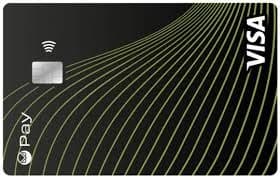
1. Gnosis Pay Card
Card Spending Ends December 20, Safe Balances Remain Yours

2. ether.fi Core Card
3% Back on the First $2,000 Each Month, No Stake Required
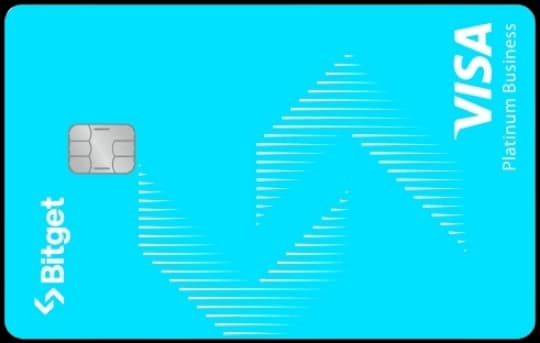
3. Bitget Card
Trade and Spend: Up to 8% BGB Cashback for Bitget Traders

4. Plutus Visa Card
Non-Custodial PLU Rewards on Eligible Spend + Lifestyle Perks
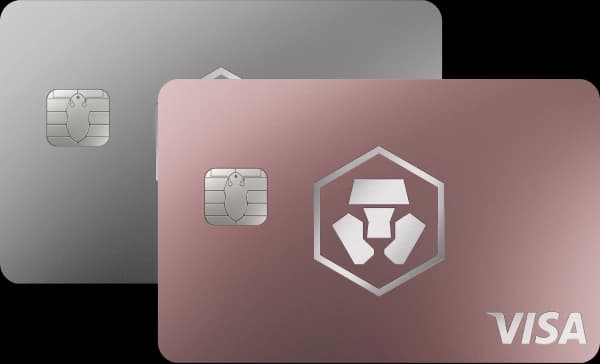
5. Private (Icy White / Rose Gold)
Private Tier: 4% Uncapped Cashback + Lounge Guest
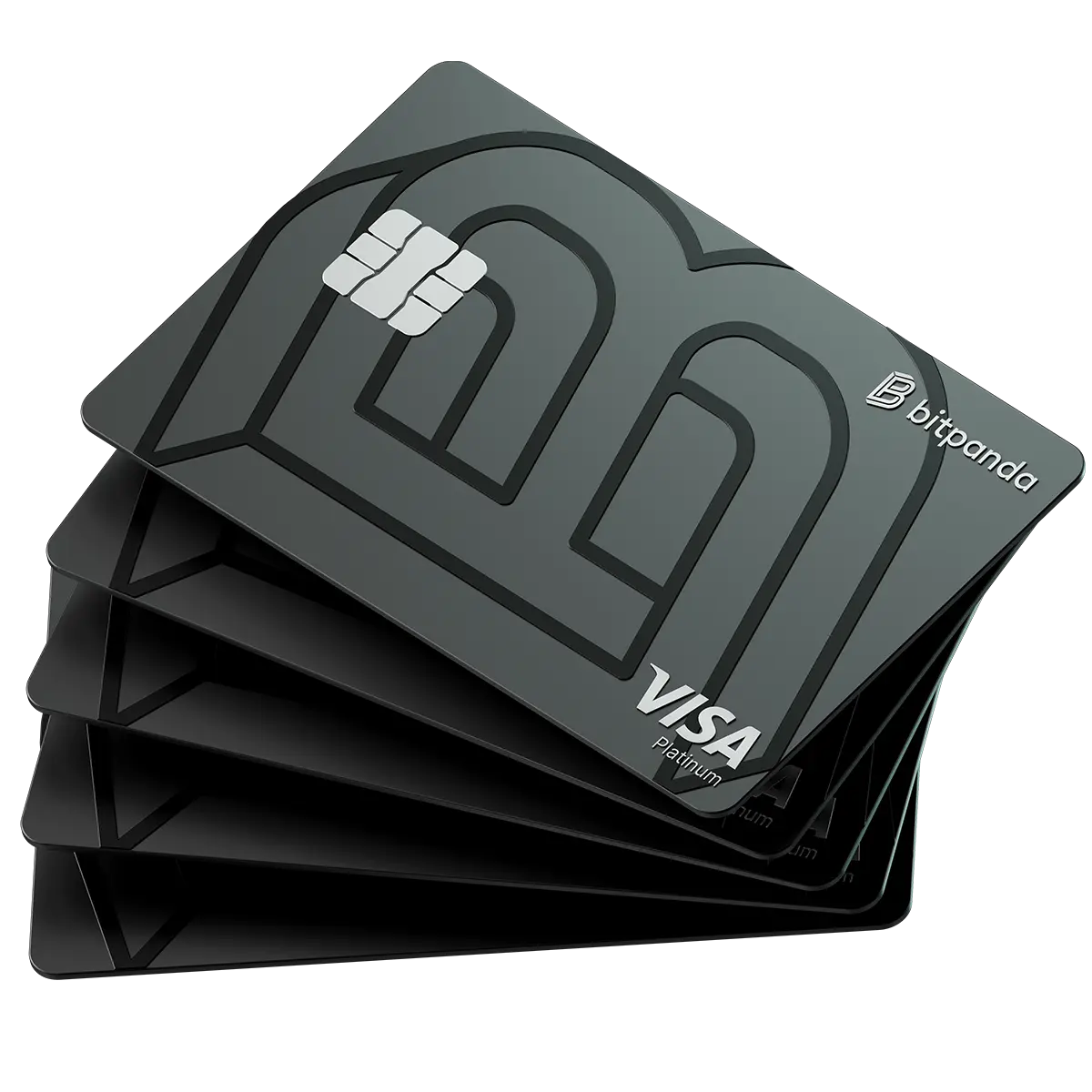
6. Bitpanda Visa Platinum Card
The EU Crypto Spending Card - 1% Back, Zero Fees
Complete list:
All 51 crypto cards available in Slovenia in September 2026
This table includes every crypto card we currently track for Slovenia. Rows marked Top pick are ranked and reviewed above.
| Crypto card | Max rewards | Annual fee | FX fee | Type | Custody |
|---|---|---|---|---|---|
1 Gnosis Pay CardTop pick | Up to 5% rewards | Free | 0% | Debit | Self-custody |
2 ether.fi Core CardTop pick | Up to 3% rewards | Free | 0.5% | Crypto Backed Credit | Self-custody |
3 Bitget CardTop pick | Up to 8% rewards | Free | 0% | Debit | Custodial |
4 Plutus Visa CardTop pick | Up to 9% rewards | $240 | 2.5% | Debit | Non-custodial |
5 Private (Icy White / Rose Gold)Top pick | Up to 4% rewards | TBD | 0% | Prepaid | Custodial |
6 Bitpanda Visa Platinum CardTop pick | Up to 1% rewards | Free | 0% | Debit | Custodial |
| Up to 10% rewards | Free | 3% | Debit | Hybrid | |
| Up to 8% rewards | Free | 0% | Debit | Self-custody | |
| Up to 8% points | Free | 0.4% | Debit | Custodial | |
10 | Up to 8% rewards | TBD | 0% | Prepaid | Custodial |
| Up to 8% rewards | Free | 0% | Debit | Hybrid | |
| Up to 6% rewards | $250/year | 1% | Debit | Self-custody | |
| Up to 5% rewards | TBD | 0% | Prepaid | Custodial | |
| Up to 4.5% rewards | $109/year | 1% | Debit | Self-custody | |
| Up to 4% rewards | Free | 0% | Crypto Backed Credit | Self-custody | |
| Up to 4% rewards | Free | 0% | Crypto Backed Credit | Self-custody | |
| Up to 3% rewards | Free | 0.25% | Crypto Backed Credit | Self-custody | |
| Up to 3% rewards | Free | 0% | Crypto Backed Credit | Self-custody | |
| Up to 3% rewards | $10000 | 0.5% | Prepaid | Custodial | |
| Up to 3% rewards | Free | 0% | Debit | Custodial | |
| Up to 3% rewards | $199 | 0.5% | Crypto Backed Credit | Self-custody | |
| Up to 3% rewards | $299.9 | 0% | Prepaid | Custodial | |
| Up to 3% rewards | Free | 0% | Debit | Hybrid | |
| Up to 2% rewards | Free | 0% | Debit | Custodial | |
| Up to 2% rewards | Free | 0% | Debit | Self-custody | |
| Up to 2% rewards | $1000 | 0.5% | Prepaid | Custodial | |
| Up to 2% rewards | Free | 0% | Prepaid | Custodial | |
| Up to 2% rewards | Free | 0% | Debit | Custodial | |
| Up to 2% rewards | Free | 0.2% | Crypto Backed Credit | Hybrid | |
| Up to 2% rewards | Free | 1% | Crypto Backed Credit | Self-custody | |
| Up to 2% rewards | $49.9 | 0% | Prepaid | Custodial | |
| Up to 2% rewards | $999 | 0% | Crypto Backed Credit | Self-custody | |
| Up to 1.5% rewards | Free | 0.5% | Prepaid | Custodial | |
| Up to 1.5% rewards | Free | 0.5% | Prepaid | Custodial | |
| Up to 1.5% rewards | $20/year | 1% | Debit | Self-custody | |
| Up to 1.5% rewards | $249 | 0.25% | Crypto Backed Credit | Self-custody | |
| Up to 1% rewards | Free | 1.75% | Debit | Self-custody | |
| Up to 1% rewards | Free | 1% | Debit | Self-custody | |
| Up to 1% rewards | Free | TBD | Prepaid | Custodial | |
| Up to 1% rewards | $99 | 0.5% | Crypto Backed Credit | Self-custody | |
| Up to 0.5% rewards | Free | 0% | Debit | Hybrid | |
| Up to 0.5% rewards | Free | 1% | Crypto Backed Credit | Self-custody | |
| none | Free | 0% | Prepaid | Custodial | |
| Varies | Free | 1.7% | Prepaid | Custodial | |
| cashback | Free | 1.75% | Prepaid | Self-custody | |
| cashback | $199 | 0.75% | Prepaid | Self-custody | |
| cashback | Free | 0.5% | Prepaid | Custodial | |
| none | Free | 1% | Prepaid | Self-custody | |
| none | Free | 1% | Debit | Self-custody | |
| Varies | Free | 1.5% | Debit | Custodial | |
| points | Free | 1% | Debit | Self-custody |
Crypto Card Regulation in Slovenia
Slovenia's crypto regulatory framework is aligned with MiCA. The Slovenian implementing law (Zakon o izvajanju Uredbe o trgih kriptoimetij) took effect in November 2024. The Bank of Slovenia (Banka Slovenije) handles relevant payment and financial oversight, while the Securities Market Agency (ATVP, Agencija za trg vrednostnih papirjev) oversees capital markets and crypto-asset service providers.
Slovenia's MiCA implementation builds on a deeper crypto regulatory foundation than most EU countries. The ATVP had been engaging with the crypto sector since Bitstamp's early years, and the country's AML framework (ZPPDFT-2B, Money Laundering and Terrorist Financing Prevention Act, strengthened March 6, 2025) reflects institutional familiarity with crypto transactions rather than reactive regulation.
Under MiCA transition rules, legacy crypto service providers could apply for a CASP license by December 30, 2024 and continue operating during the grandfathering period. Slovenia's MiCA transition for legacy crypto-asset service providers ended on July 1, 2026. Slovenia's position as the birthplace of Bitstamp and GoCrypto gives its regulators practical experience supervising crypto businesses that few comparably sized countries possess.
EEA-licensed crypto card issuers operate in Slovenia under MiCA passporting rights. No additional Slovenian license is required. Crypto.com, Plutus, Wirex, Gnosis Pay, Bitpanda, Bitget, Gate.io, KuCoin, and Kraken all serve Slovenian residents.
Tax Treatment of Card Rewards in Slovenia
The Slovenian tax authority, FURS, says gains from an individual's disposal of virtual currencies are generally outside personal income tax when the activity is not a business and the asset is not classified as a security or derivative. Spending crypto through a card can involve a disposal, but it does not automatically create a 25% capital-gains bill for a private holder.
Classification matters more than the holding period. Frequent or organized trading can be treated as business activity; securities and derivatives have their own rules. Crypto received as payment for work or other income also needs separate treatment. Slovenia's government proposed a 25% tax on crypto disposals, but a government proposal is not an enacted tax.
| Card funding | Main tax question | Practical record |
|---|---|---|
| BTC or ETH held privately | Is the asset an ordinary virtual currency, and is the activity private rather than a business? | Acquisition and disposal dates and values |
| Stablecoin funding | Does the transaction or any reward have a separate income character? | Funding and card-conversion records |
| Collateral-backed spending | Are there lending, liquidation or reward events beyond the card purchase? | Loan, collateral and repayment records |
Cashback treatment: A purchase rebate is not necessarily treated the same way as tokens earned for work, staking or promotional activity. Keep the issuer's reward records and the value at receipt; get advice on material rewards rather than assuming every token credit is tax-free or subject to a fixed rate.
For ordinary private holdings, choose a card on fees, eligible rewards, custody and asset-conversion terms. Stablecoins can reduce price movement between funding and spending, but they are not a special tax exemption.
How to Apply from Slovenia
Slovenian crypto card applications require an Osebna izkaznica (National Identity Card) or Potni list (Slovenian passport), both issued by the Upravne enote (Administrative Units). Slovenia also issues eID cards with qualified electronic signatures, though most EEA card issuers use standard selfie + ID verification rather than integrating with the Slovenian eID system.
The Davcna stevilka (tax number, 8 digits) is Slovenia's primary tax identifier and may be required for higher-tier verification. EU/EEA citizens residing in Slovenia can use their home-country national ID. Non-EU residents present their Dovoljenje za prebivanje (residence permit).
Proof of address via utility bills from Elektro Ljubljana, Elektro Maribor, Elektro Celje, Elektro Gorenjska, or Elektro Primorska (electricity); Telekom Slovenije or A1 Slovenija (telecoms); or bank statements from NLB (Nova Ljubljanska Banka), SKB Banka, or Banka Intesa Sanpaolo.
EEA-licensed issuers process Slovenian documents smoothly. Physical cards ship within 7-14 business days via Posta Slovenije. Virtual cards are available immediately for Apple Pay and Google Pay.
Spending Tips for Slovenia
What Slovenian Bank Cards Actually Cost You
Slovenia's banking sector is dominated by three players: NLB (Nova Ljubljanska Banka, the largest bank, partially state-owned), SKB Banka (part of the OTP Group since 2019), and Banka Intesa Sanpaolo (Italian-owned). None offers cashback on debit card spending.
NLB's personal account packages (NLB Osebni racun) charge EUR 3-7/month in maintenance fees. SKB and Intesa Sanpaolo have similar pricing. Standard Visa/Mastercard debit cards from all three charge 1-1.75% on non-EUR transactions, relevant primarily for online shopping on USD-priced platforms.
The comparison is stark: a Slovenian bank card costs EUR 36-84/year in account fees, earns zero cashback, and charges FX on foreign currency. A crypto card like Bitget or Gnosis Pay charges zero annual fees, earns 4-8% cashback, and has zero FX markup. On EUR 1,000/month spending, the difference is EUR 360-960/year in favor of the crypto card.
Online shopping context: Slovenians routinely shop on Amazon.de (EUR, zero FX), Zalando (EUR), and local platforms like Mimovrste (Slovenia's largest e-commerce site, EUR) and enaa.com (consumer electronics). USD-priced subscriptions (Netflix, Spotify, Adobe Creative Cloud, ChatGPT Plus) trigger bank FX fees but not crypto card FX fees. A household spending EUR 50/month on USD-priced subscriptions saves EUR 9-10.50/year in FX fees alone.
Funding a Card in Slovenia
USDC can make a card balance easier to budget because its EUR value usually moves less than BTC or ETH. Check the conversion spread and network cost before funding; either can outweigh a headline cashback rate on small purchases.
If you spend appreciated BTC or ETH, retain acquisition and disposal records even when your private gain is generally outside income tax. The classification of the activity or asset can change the result.
Card Selection for Slovenian Residents
- Bitget (up to 8%, 7.1% net): Highest free cashback ceiling. Zero FX + 0.9% transaction fee. BGB staking tiers scale from 2% to 8%.
- Plutus (up to 9%): Best everyday EUR card. Subscription rebates on Netflix (EUR 8-16/mo), Spotify (EUR 11/mo), and Amazon Prime suit Slovenia's streaming-heavy lifestyle. EEA-native.
- Gnosis Pay (up to 5% GNO): Best self-custody option. In Slovenia's DeFi-literate market, spending from a Safe wallet is the expected default.
- ether.fi Core (3% ETHFI on first $2K/mo, then 1% / 0.5%): spend supported stablecoins or finance purchases against eligible collateral.
- Crypto.com Icy (Icy White 4%): CRO staking tiers with metal cards. Lounge access at Ljubljana Joze Pucnik Airport (LJU) on Icy White and above.
- Bitpanda (1%): $0 annual, 0% FX entry from neighboring Austria. The simplest option.
Gnosis Pay vs Plutus vs Bitget at Slovenian Spending Levels
Slovenia's cost of living is moderate by eurozone standards, lower than Austria but higher than Croatia or Hungary. A monthly card spend of EUR 700-1,500 is realistic for a Ljubljana professional.
| Monthly Spend | Bitget (7.1% net, free) | Gnosis Pay (5%, free) | Plutus (3%, GBP 6.99/mo, capped) |
|---|---|---|---|
| EUR 700 | EUR 596/yr | EUR 420/yr | EUR 7/yr (GBP 250 cap) + rebates |
| EUR 1,000 | EUR 852/yr | EUR 600/yr | EUR 7/yr (capped) + rebates |
| EUR 1,500 | EUR 1,278/yr | EUR 900/yr | EUR 7/yr (capped) + rebates |
At EUR 1,000/month with Bitget, EUR 852/year in cashback (7.1% net) is meaningful in Slovenia's cost of living, covering roughly 3 months of groceries at Mercator or Spar. Gnosis Pay at 5% returns EUR 600/year with zero fees and self-custody. These are reward illustrations before token-price changes and any tax on rewards.
Spending Scenario: EUR 1,000/month Ljubljana Professional
| Funding Source | Annual Spend | Illustrative Rewards | Main Trade-off |
|---|---|---|---|
| USDC | EUR 12,000 | EUR 600 at 5% | Stablecoin and conversion risk |
| ETH held privately | EUR 12,000 | EUR 600 at 5% | ETH price exposure and disposal records |
| ETH via ether.fi (optional collateral mode) | EUR 12,000 | Depends on card terms | Financing cost and liquidation risk |
The reward rate alone does not decide which funding path is best. Compare the card's conversion spread, token-denominated rewards and the risk of holding or borrowing against the funding asset.
Local Payment Infrastructure: The Crypto Capital
Slovenia's card acceptance is strong, and uniquely augmented by direct crypto payment infrastructure.
Ljubljana: Near-universal contactless. BTC City (Blagovno Trgovinski Center, not named after Bitcoin, but the naming coincidence helped its crypto adoption story) is a massive complex with 500+ stores, restaurants, and services, over 100 of which accept Bitcoin via GoCrypto.
Citypark shopping center, Rudnik, and the city center around Presernov trg and the Triple Bridge area all have excellent POS coverage. Mercator (Slovenia's largest supermarket chain, 500+ stores), Spar, Hofer (Aldi brand in Slovenia), and Lidl all accept contactless.
GoCrypto enables direct crypto payments at 1,000+ Slovenian merchants (separate from the card ecosystem, this uses a dedicated app and POS integration). While this means you can technically pay directly in BTC at participating merchants, using a crypto card provides cashback that GoCrypto direct payments do not. The two systems complement each other.
Maribor: Good coverage at Europark (largest mall in Styria region) and Tabor shopping center. Celje, Koper, Kranj, and Novo Mesto have solid urban coverage.
Flik: Slovenia's instant payment system built by domestic banks (NLB, SKB, Intesa Sanpaolo). Enables instant EUR P2P transfers between bank accounts. Flik is bank-only and does not support crypto cards, but handles the social payment layer (splitting bills, P2P transfers).
Cost of Living Context and Spending Tiers
Ljubljana is affordable by Western European standards but markedly more expensive than neighboring Zagreb or Budapest. A single professional in central Ljubljana pays EUR 600-900/month rent for a studio or one-bedroom (Metelkova/Trubarjeva area is pricier, Bezigrad/Moste more affordable).
Groceries at Mercator or Hofer run EUR 200-300/month. Dining out averages EUR 8-12 for a lunch menu (malica) or EUR 20-35 for dinner at a mid-range restaurant in the Old Town. Monthly costs for a comfortable lifestyle: EUR 1,200-1,800 in Ljubljana, EUR 900-1,400 in Maribor or Celje.
These spending levels make the crypto card math compelling. At EUR 1,200/month total spend, Bitget at 7.1% net returns EUR 1,022/year. That covers roughly 5 weeks of groceries at Mercator. Gnosis Pay at 5% (free) returns EUR 720/year, equivalent to 3 weeks of groceries. Plutus on Starter (GBP 6.99/mo, GBP 250 cap) nets just EUR 7/year before rebates.
Lake Bled, Julian Alps, and Seasonal Spending
Slovenia's tourism peaks from June through September (Lake Bled, Ljubljana, Piran coast) and December through March (ski season in Kranjska Gora, Vogel, Krvavec). Tourist-area restaurants, hotels, and activity providers in Bled, Bohinj, and Piran have strong card acceptance. A week's holiday spending EUR 500-800 generates EUR 20-80 in cashback at 4%. Winter ski passes at Kranjska Gora (approximately EUR 45/day) and accommodation in Bovec or Kobarid accept cards.
Cross-Border Spending
Slovenia borders Italy (Trieste is 1 hour from Ljubljana), Austria (Graz 2 hours, Villach 1.5 hours), Hungary (Lendava/Lenti border area), and Croatia (Zagreb 1.5 hours). Italy and Austria use the euro (zero FX), while Hungary (HUF) and Croatia (EUR since 2023) also create zero-FX situations on most borders. Shopping in Trieste (Italian prices on clothing and electronics) or Graz (Murpark, Seiersberg shopping) is common for Slovenians living near the respective borders.
Supported Exchanges & Wallets in Slovenia
Slovenia's crypto ecosystem is unusually developed for its population size. Bitstamp, founded in Kranj in 2011, is the world's longest-running crypto exchange. While Bitstamp's legal entity is now in Luxembourg with a full CSSF payment institution license, it maintains a Ljubljana satellite office and cultural connection to Slovenia. Bitstamp provides efficient EUR/crypto on-ramp via SEPA but does not offer a consumer spending card.
GoCrypto (formerly Eligma) is Slovenia's homegrown crypto payment processor, enabling 1,000+ merchants to accept BTC, ETH, and other crypto directly at the point of sale. Founded in Ljubljana, GoCrypto has expanded to other markets but remains most concentrated in Slovenia. It provides merchant-side infrastructure, not consumer cards.
Among exchange-linked card issuers, Bitget provides up to 8% BGB cashback. Crypto.com Icy has strong recognition. Gate.io, KuCoin, and Kraken offer additional exchange-linked options.
EEA-native issuers include Plutus for subscription rebates, Gnosis Pay for on-chain self-custody, and Bitpanda from neighboring Vienna. Wirex serves multi-currency travel; Bleap uses account abstraction.
Ready offered Starknet self-custody, but its card program is currently unavailable after its issuer began winding down.
ether.fi Core and Nexo provide collateral-backed alternatives to an immediate sale. Compare loan cost and liquidation risk with the benefit of keeping the underlying asset.
Self-custody options via MetaMask, Ledger CL Card, and 1inch serve the technically literate segment. KAST provides 1.5% USD cashback on the first $2,000/month with 0.5-1.75% FX. xPlace provides an additional alternative.
Slovenia combines broad card access with a mature local crypto-payment network: BTC City accepts Bitcoin at participating merchants, GoCrypto processes direct payments, and Bitstamp's founding legacy remains visible in Ljubljana's crypto sector.
Written by SpendNode Editorial
Frequently Asked Questions
Is cryptocurrency legal in Slovenia?
Yes. Slovenia fully implements the EU MiCA framework. The Law on the Implementation of MiCA was published November 8, 2024 and became effective November 23, 2024. The Bank of Slovenia and ATVP oversee crypto-asset service providers.
How is crypto taxed in Slovenia?
Since January 1, 2026, a 25% flat tax applies to crypto-to-fiat conversions and card spending. Crypto-to-crypto swaps remain tax-free. Pre-2026 gains are not taxed retroactively. Losses can be carried forward. Slovenia has the highest share of crypto owners in the eurozone (15% of adults).
Which crypto cards work in Slovenia?
As an EEA member using the euro, Slovenia has excellent access to crypto cards. Crypto.com, Wirex, Plutus, Gnosis Pay, and other EEA-licensed issuers serve Slovenia. Bitstamp, founded in Slovenia, also operates here.
What makes Ljubljana the world's most crypto-friendly city?
BTC City shopping center hosts 500+ businesses with 100+ accepting Bitcoin via the Elly payment system. GoCrypto, a Slovenian company, enables crypto payments at thousands of merchants. Bitstamp, the world's longest-running exchange, was founded in Kranj, 20km from Ljubljana.


