

Best Crypto Cards in Colombia (2026)
Colombia's sandbox-style regulation makes crypto cards viable, but the real edge comes from better FX, smarter stablecoin funding, and knowing when a two-year holding period changes the tax picture.
Verified for Colombia
54 crypto cards available
Local currency: COP
Colombia has one of the highest crypto adoption rates in Latin America, ranked 15th globally by Chainalysis in 2023. The combination of COP (Colombian Peso) depreciation (from 1,800 COP/USD in 2013 to 4,000+ COP/USD), massive remittance demand from 5+ million diaspora members, and a young, digitally native population has pushed crypto into mainstream financial tooling.
Bancolombia, Davivienda, and BBVA Colombia debit cards earn zero cashback and charge 3-5% FX markup on non-COP purchases. The SFC (Superintendencia Financiera de Colombia) has adopted a progressive sandbox approach that allows regulated entities to test crypto services, and Bancolombia has even piloted crypto exchange integration.
Nequi and Daviplata dominate domestic mobile payments but stop at the border. Once the purchase is a USD subscription, a cross-border order, or a hotel abroad, the choice is a bank card at 3-5% FX or a crypto card at 0-1.75%, and the crypto card pays rewards on top.
Summary:
Which crypto cards are best in Colombia?
The best crypto cards in Colombia in September 2026 are Tria Signature Card, COCA Visa Card, Jupiter Global, ether.fi Core Card, Plasma One Core Card, and Avici Platinum Card. The detailed ranking below explains the local tax, fee, and availability trade-offs.
| Crypto card | Base reward | Net after fees | Annual fee | FX fee | Type |
|---|---|---|---|---|---|
| 4.5% base4.5% on the first $1,000/mo, then 1% | 3% | $87 with code | 1% | Debit | |
| 1% baseup to 8% with a large $COCA stake; $15-$350/mo claim capacity by tier | 1% | Free | 0% | Debit | |
| 2% baseup to 4% by referring 2 qualifying friends the prior month | 1% | Free | 1% / 1.8% | Debit | |
| 3% base3% on the first $2,000/month, then 1% and 0.5% | 2.5% | Free | 0.5% | Crypto Backed Credit | |
| 3% base3% base, up to 5% on AI spend; ChatGPT Go rebate; $199/yr or 20k XPL | 2.5% | $199 | 0.5% | Crypto Backed Credit | |
| 0% baseno cashback; self-custody spending | 0% | Free | 0% | Crypto Backed Credit | |
| 3% baseneeds $29.99/mo or a $5,000 CRO stake | 3% | $299.9 | 0% | Prepaid | |
| 1% base2% for the first 30 days, then 1%; also capped at $1/EUR 1 per transaction ($2/EUR 2 during intro) and $100/EUR 100 per month | 1% | Free | 0% | Prepaid | |
| 1.5% base | 1% | Free | 0.5% | Prepaid | |
| Up to 2.5% rewards | - | $83.88 | 1.02% | Crypto Backed Credit | |
| 1.5% base1.5% in USDC on Credit Mode spend; cashback capped at $100/mo | 1.3% | $249 | 0.25% | Crypto Backed Credit |
The standard Colombian crypto card flow runs Binance P2P → USDT → wallet → card.
Jupiter Global sits at the end of that pipeline more cleanly than any other card on this list: $0 annual, 2% USDC base (4% for a month after referring 2 friends), virtual debit with QR-based handoff, and a $100/month cashback cap that doesn't bind until $5,000/month of spend. Typical Colombian profiles run COP 2-3M/month (around $500-720), well below that ceiling, so the cap stays theoretical for everyday spend.
A Medellin remote worker earning in USD has a different problem to solve. Both Jupiter and Tria charge 1% FX on non-USD spend, but Tria adds a 0.5% fee on every payment and a $109/yr cost; even so, Tria nets about 3% on the first slice of COP spend while Jupiter's 2% base nets nearer 1% once the 1% FX applies, though Jupiter does it for free.
For that profile Jupiter Global is the cleaner free pick up to the point its $100/month cap binds (around $5,000/month of spend), though Tria Signature at 4.5% on the first $1,000/mo (then 1%), $109/yr out-earns it on rate and makes sense for its Visa Signature perks and the single-USDT-token tax trail.
Tria Premium at $250/yr pushes the headline rate to 6% on the first $2,000/mo, with breakeven against Signature around $780/month of card spend since the fees cancel between the two tiers.
ether.fi Core lets ETH holders spend supported stablecoins directly or borrow against eligible collateral. Borrowing may postpone an immediate sale, but the loan terms and Colombian tax treatment still matter.
Crypto.com Jade adds lounge access at El Dorado International (BOG) and Jose Maria Cordova (MDE). KAST fits users who want a simpler Binance P2P-to-COP bridge with 1.5% USD cashback on the first $2,000/month and $0 annual fee.
xPlace Gold combines Solana self-custody with 0.25% FX on COP purchases. New memberships earn 1.5% in USDC in Credit Mode, capped at $100 a month; Cash Mode pays no cashback.
The $249 annual fee needs about $1,383 of eligible monthly spend to be covered by cashback alone, before any borrowing costs. USDC can still move against COP before disposal. Paid memberships bought before September 14, 2026 can keep their earlier rates for up to 12 months from purchase.
Plasma One Core is built around a habit this page's tax math already assumes: Colombians who keep part of their savings in USDT because the peso moves too much to trust with all of it. Core puts a Visa directly on that dollar balance, self-custodied, no exchange hop and no P2P exit before spending.
Pricing is $199 a year, waivable with a 20,000 XPL lock, the ChatGPT Go rebate returns $8 a month, and cashback runs 3% in XPL until spend passes $1,000 a month.
XPL rewards need valuation when received and cost-basis tracking if later spent; they are not automatically taxed at the top 39% marginal rate. The ~1.5% COP FX also puts its everyday-spend cost above Gold's.
Best Card For Every Need in Colombia
Top 11 Crypto Cards in Colombia
Colombia taxes realized crypto gains under ordinary income rules or, for qualifying fixed assets held at least two years, the 15% occasional-gains regime. The gap between 15% and a top marginal rate of 39% is a real planning consideration for a high-income card user with appreciated crypto. The 39% rate does not apply to every swipe or taxpayer. Recently acquired stablecoins may keep the disposal gain small, but USD/COP movement and cost basis still matter.
Jupiter Global is the cheapest practical exit from a Binance P2P-funded USDT balance: zero annual fee, 2% on every USDC purchase (4% for a month after referring 2 friends), virtual debit, QR handoff. Its $100/month cashback cap binds only above $5,000/month of card spend, above the typical Colombian COP 3,000,000/month (~$720) profile. Tria and COCA out-earn it on rate, so Jupiter's draw here is the free, clean P2P exit rather than the headline.
The Bancolombia/Davivienda FX markup of 3-5% on USD purchases vanishes once the card is on the stablecoin side of the loop, and the 1% Jupiter FX on COP spend is still well below the 4-5% bank cost.
The picture flips for a Medellin remote worker earning in USD. Both cards now charge 1% FX, so FX is no longer the deciding factor; at $2,000+ of monthly conversion the higher 4.5% rate (vs Jupiter's 2%) earns the $109/yr fee back within a few months. 4.5% on the first $1,000/mo, then 1%. The $250/yr Premium tier (6% on the first $2,000/mo) suits the heavier subset of USD-earning Colombian residents.
ether.fi offers direct stablecoin spending and optional collateral-backed borrowing. The latter can delay a sale while the loan remains open, but it cannot be treated as a fixed 39% saving without comparing the financing terms, collateral exposure, and the user's tax position. Avici's crypto-backed credit requires the same kind of case-specific assessment.
xPlace Gold pays 1.5% USDC in Credit Mode, capped at $100/month, with 0.25% FX from a Solana self-custody wallet. Its reward still needs COP valuation and later disposal records. The $249 annual fee and monthly cap leave it behind the free cashback cards for many spending profiles; low FX and wallet control are its reasons to consider it.
Plasma One Core turns a standing USDT reserve into a payment account, shortening the Binance-P2P-to-card pipeline this page describes. Its XPL rewards are volatile and its 0.5% FX exceeds xPlace Gold's 0.25%, but its 3% opening reward band gives it a stronger spending case than Gold's capped 1.5% Credit Mode offer.
COCA's up to 8% cashback (1% free Starter, scaling with $COCA staking) plus 5% APY on the USD balance is the highest raw yield for users running $COCA exposure, and at typical Colombian card volumes the monthly claim caps never come into play. Without the stake, COCA sits at 1%, below Jupiter's free 2% rate.
Crypto.com Jade earns its spot through Priority Pass at both El Dorado (BOG) and Jose Maria Cordova (MDE). Kolo is the free BTC payout option, with BTC reward receipt and later disposal requiring separate records. KAST is the simpler prepaid bridge for Binance P2P funding into routine COP spend.
Rizon Emerald closes the list on a fee-and-rails case rather than a rewards one: a US-issued Visa Platinum on the Colombian passport whose international fee sits near 1.02%, with USD and EUR account details for the Medellin remote worker's dollar income and ATM cash at a published $1 + 0.65%, all at $6.99/month with USDC collateral in the holder's own smart-contract wallet.
The 2.5% cashback caps at the plan fee, and USDC funding keeps any gain on the spending event minimal, the same logic the cards above rely on under the 39% disposal rules; treat the cashback as a subscription rebate and the card as the US banking rail on this list.

1. Tria Signature Card
High-Yield Self-Custody: 15% APY + Visa Signature Perks
2. COCA Visa Card
Self-Banking: 8% Cashback + 5% APY + 0% FX

3. Jupiter Global
Free virtual USDC card with 2% base cashback

4. ether.fi Core Card
3% Back on the First $2,000 Each Month, No Stake Required

5. Plasma One Core Card
Self-Custodial Visa for AI Spenders - 3% Base, 5% on AI Spend, ChatGPT Go Rebate
6. Avici Platinum Card
Zero-Fee Self-Custody: Deposit USDC, Spend USD Anywhere
7. Pro (Royal Indigo / Jade Green)
The Lifestyle Sweet Spot: 3% Cashback + Lounges + Netflix
8. Kolo Card
Earn Bitcoin on Purchases: 2% for 30 Days, Then 1% (Capped) + Visa Platinum + 170+ Countries
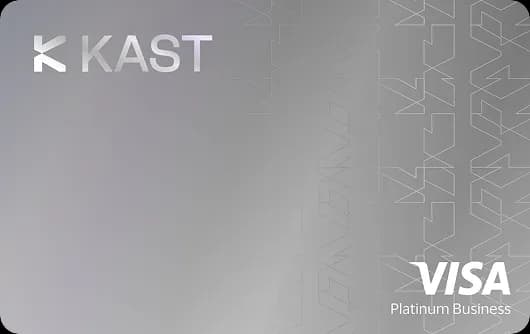
9. KAST K Card
Free USD Cashback: 1.5% on First $2K/Month
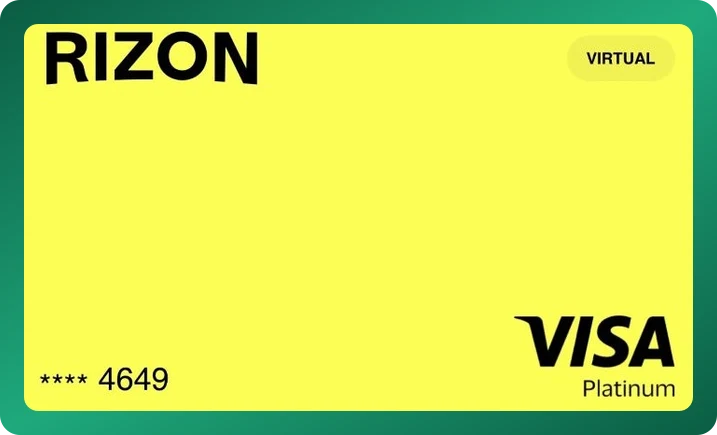
10. Rizon Emerald Card
Rizon's top plan: international fees near 1%, trading at 0.85%, and the physical Visa Platinum included.

11. Xplace Gold Card
10% Off Gold with SPENDNODE: Pay $224.10 Instead of $249
Complete list:
All 54 crypto cards available in Colombia in September 2026
This table includes every crypto card we currently track for Colombia. Rows marked Top pick are ranked and reviewed above.
| Crypto card | Max rewards | Annual fee | FX fee | Type | Custody |
|---|---|---|---|---|---|
1 Tria Signature CardTop pick | Up to 4.5% rewards | $87 with code | 1% | Debit | Self-custody |
2 COCA Visa CardTop pick | Up to 8% rewards | Free | 0% | Debit | Self-custody |
3 Jupiter GlobalTop pick | Up to 4% rewards | Free | 1% / 1.8% | Debit | Hybrid |
4 ether.fi Core CardTop pick | Up to 3% rewards | Free | 0.5% | Crypto Backed Credit | Self-custody |
5 Plasma One Core CardTop pick | Up to 3% rewards | $199 | 0.5% | Crypto Backed Credit | Self-custody |
6 Avici Platinum CardTop pick | none | Free | 0% | Crypto Backed Credit | Self-custody |
7 Pro (Royal Indigo / Jade Green)Top pick | Up to 3% rewards | $299.9 | 0% | Prepaid | Custodial |
8 Kolo CardTop pick | Up to 2% rewards | Free | 0% | Prepaid | Custodial |
9 KAST K CardTop pick | Up to 1.5% rewards | Free | 0.5% | Prepaid | Custodial |
10 Rizon Emerald CardTop pick | Up to 2.5% rewards | $83.88 | 1.02% | Crypto Backed Credit | Self-custody |
11 Xplace Gold CardTop pick | Up to 1.5% rewards | $249 | 0.25% | Crypto Backed Credit | Self-custody |
| Up to 10% rewards | Free | 0% | Prepaid | Custodial | |
| Up to 10% rewards | Free | 3% | Debit | Hybrid | |
| Up to 8% rewards | Free | 0% | Debit | Custodial | |
15 | Up to 8% rewards | TBD | 0% | Prepaid | Custodial |
| Up to 6% rewards | $200 with code | 1% | Debit | Self-custody | |
| Up to 5% rewards | Free | 1% | Crypto Backed Credit | Self-custody | |
| Up to 5% rewards | Free | 0% | Debit | Self-custody | |
| Up to 5% rewards | TBD | 0% | Prepaid | Custodial | |
| Up to 5% rewards | Free | 1% | Debit | Self-custody | |
| Up to 4% rewards | Free | 0% | Crypto Backed Credit | Self-custody | |
| Up to 4% rewards | Free | 0% | Crypto Backed Credit | Self-custody | |
| Up to 4% rewards | TBD | 0% | Prepaid | Custodial | |
| Up to 3% rewards | Free | 0.25% | Crypto Backed Credit | Self-custody | |
| Up to 3% rewards | Free | 0% | Crypto Backed Credit | Self-custody | |
| Up to 3% rewards | $10000 | 0.5% | Prepaid | Custodial | |
| Up to 3% rewards | $129 | 1.2% | Prepaid | Custodial | |
| Up to 2% rewards | $1000 | 0.5% | Prepaid | Custodial | |
| Up to 2% rewards | Free | 1% | Crypto Backed Credit | Self-custody | |
| Up to 2% rewards | $49.9 | 0% | Prepaid | Custodial | |
| Up to 2% rewards | $999 | 0% | Crypto Backed Credit | Self-custody | |
| Up to 1.5% rewards | Free | 0.5% | Prepaid | Custodial | |
| Up to 1.5% rewards | Free | 1% | Debit | Self-custody | |
| Up to 1% rewards | Free | 1% | Crypto Backed Credit | Self-custody | |
| Up to 1% rewards | Free | 1.75% | Debit | Self-custody | |
| Up to 1% rewards | Free | 1% | Debit | Self-custody | |
| Up to 1% rewards | Free | TBD | Prepaid | Custodial | |
| Up to 1% rewards | $47.88 | 1.275% | Crypto Backed Credit | Self-custody | |
| Up to 1% rewards | $99 | 0.5% | Crypto Backed Credit | Self-custody | |
| Up to 0.5% rewards | Free | 1% | Crypto Backed Credit | Self-custody | |
| none | $30 | 0% | Crypto Backed Credit | Self-custody | |
| none | Free | 0% | Prepaid | Custodial | |
| Varies | Free | 1.7% | Prepaid | Custodial | |
| cashback | Free | 1.75% | Prepaid | Self-custody | |
| cashback | $199 | 0.75% | Prepaid | Self-custody | |
| cashback | Free | 0.5% | Prepaid | Custodial | |
| none | Free | 1% | Prepaid | Self-custody | |
| none | Free | 1% | Debit | Self-custody | |
| Varies | Free | 1.5% | Debit | Custodial | |
| Varies | Free | 1.2% | Prepaid | Custodial | |
| Varies | Free | 1.2% | Prepaid | Custodial | |
| Varies | Free | 1.2% | Prepaid | Custodial | |
| Varies | Free | 1.7% | Crypto Backed Credit | Self-custody | |
| points | Free | 1% | Debit | Self-custody |
Crypto Card Regulation in Colombia
The SFC (Superintendencia Financiera de Colombia) has adopted a sandbox approach to crypto regulation, allowing regulated entities to test crypto services under supervision. The Banco de la Republica (central bank) has not banned crypto but does not recognize it as legal tender.
Colombia's DIAN (Direccion de Impuestos y Aduanas Nacionales) oversees tax compliance for digital assets. The regulatory sandbox has allowed Bancolombia and other traditional banks to explore crypto services, signaling progressive intent.
Binance has strong presence in Colombia with P2P and direct services. Crypto.com is available to Colombian users. Bitso (Mexico-founded) operates in Colombia. KAST and RedotPay are available to Colombian users.
DIAN Resolution 000240 of December 24, 2025 added Colombia's cryptoasset-provider reporting chapter to Resolution 227, DIAN's consolidated tax, customs, and exchange-control resolution.
It implements the OECD Crypto-Asset Reporting Framework (CARF) and requires covered cryptoasset service providers to perform due diligence and report specified user and transaction information for tax year 2026 onward. The first annual filing is due by the last working day of May 2027.
The $50,000 threshold applies specifically to a reportable retail payment transaction, meaning a qualifying crypto transfer made in exchange for goods or services. It is not a general exemption from the framework's other account and transaction reporting.
Missing, late, or erroneous information is handled under the general sanctions in Article 651 of the Tax Statute; the applicable rate depends on the type of failure and can reach 1% of the information not supplied, rather than operating as a flat crypto-specific penalty.
Colombia's sandbox approach is among the most progressive in LATAM, now combined with strengthened reporting requirements.
Tax Treatment of Card Rewards in Colombia
Colombia taxes realized crypto gains under its income-tax framework. The DIAN treats crypto as an intangible asset. Qualifying fixed assets held at least two years may fall under the 15% occasional-gains rate (ganancia ocasional); shorter-held assets generally fall under ordinary income rules. The 39% rate is the top marginal rate for high-income taxpayers, not a blanket card-disposal rate.
Example: You bought 0.01 BTC at COP 2,000,000 and spend it when it is worth COP 10,000,000. The COP 8,000,000 gain is taxable. If held 2+ years, the rate is 15% = COP 1,200,000. If held less than 2 years, it is taxed as ordinary income.
| Cashback Type | When Received | When Spent via Card | Total Tax Burden |
|---|---|---|---|
| BTC cashback (held 2+ years) | Assess reward receipt | 15% may apply to qualifying fixed-asset gain | Depends on both events |
| BTC cashback (held < 2 years) | Assess reward receipt | Ordinary-income treatment may apply to gain | Depends on both events |
| USDC cashback | Assess reward receipt | Calculate COP gain or loss | Not automatically zero |
The two-year holding period can change the tax on a qualifying gain from ordinary-income treatment at up to 39% to 15% occasional-gains treatment. For newer purchases, stablecoin funding may reduce the gain exposed to tax, but does not remove USD/COP movement or the need for cost-basis records.
How to Apply from Colombia
Colombian crypto card applications require a cedula de ciudadania (citizen's ID card) for Colombians, or cedula de extranjeria (foreigner's ID) plus passport for foreign residents. The cedula number (10 digits) is the primary identifier. RUT (Registro Unico Tributario, tax ID) may be required.
Proof of Colombian address via utility bill (recibo de servicios publicos: energia, agua, gas), bank statement (extracto bancario), or certificate from the administration of the building/neighborhood.
Physical cards ship to Colombian addresses within 7-14 business days. Virtual cards are available immediately for crypto cards with Apple Pay and Google Pay use.
Spending Tips for Colombia
Banking System: Progressive Banks, Regressive Fees
Colombia's banking sector is LATAM's fourth-largest by assets, and one of the few where traditional banks have actively explored crypto integration.
Bancolombia (largest by assets, COP 300T+) ran the SFC-approved crypto sandbox pilot in 2022, allowing clients to buy and sell BTC/ETH through its mobile app, a first for a LATAM bank. Despite this progressive stance, Bancolombia's debit card charges 3-4% FX markup on non-COP purchases plus a cuota de manejo (monthly maintenance fee) of COP 15,000-25,000.
Davivienda (second-largest, 730+ branches) charges 3-5% FX markup and maintains strict international transaction limits, with online USD purchases declining at 15-25% rates. BBVA Colombia offers slightly better international connectivity through its Spanish parent but charges 2.5-4% on non-COP transactions. Banco de Bogota (Grupo Aval, oldest commercial bank) and Banco de Occidente (Grupo Aval) charge similar FX markups.
The practical comparison: a Bancolombia Visa on a USD 100 Amazon purchase costs approximately COP 430,000 (including 3-4% FX + IVA on the FX margin). A crypto card at 0% FX converts at the Visa/Mastercard interbank rate, costing approximately COP 410,000 (cards with 1-1.75% FX still beat bank rates by 2-4 percentage points). Plus up to 2% rewards. Over COP 3,000,000/month in international spending, that is COP 1,080,000-1,800,000/year in FX savings alone, before rewards.
The COP Story: Structural Depreciation
The Colombian Peso has been on a long structural decline. COP 1,800/USD in 2013, COP 2,500 in 2015, COP 3,400 in 2019, COP 4,800+ at the 2022 peak (Petro's election shock), and COP 4,000-4,200 as of early 2026 after partial recovery.
This 55%+ depreciation over a decade means every USD-denominated international purchase has become progressively more expensive for Colombians using traditional bank cards. A Netflix subscription that cost COP 18,000/month in 2013 now costs COP 40,000+ at the same USD price.
Crypto cards funded with stablecoins lock in the interbank rate at the moment of purchase, avoiding the additional 3-5% markup Colombian banks add on top of already-unfavorable rates. For a Medellin-based remote worker earning USD and spending in COP, the combination is powerful: low-to-zero card FX (0% on COCA or Kolo, about 1% on Jupiter or Tria, versus 3-5% at Colombian banks) plus cashback on every transaction.
The 2-Year Holding Period Strategy
Colombia's 15% occasional-gains treatment for qualifying fixed assets held at least two years can substantially improve the result for a high-income holder compared with ordinary income taxed at up to 39%. Check whether the asset and holding period qualify before modeling a card-funded sale. For newer holdings, recently acquired stablecoins can limit the disposal gain; USD/COP movement and reward tax remain relevant.
For Colombian ETH holders, ether.fi Core provides a choice between direct stablecoin spending and borrowing against eligible collateral. A loan may postpone realization, but it adds costs and risks that direct stablecoin spending does not.
The two-year holding distinction remains important when comparing a sale with a loan. The correct result depends on cost basis, holding period, interest, repayment, liquidation exposure, and how the arrangement is classified for that taxpayer.
Card Selection by Use Case
- Free self-custody pick for typical readers: Jupiter Global (2% USDC base, 4% via referrals, $100/mo cashback cap, $0 annual, virtual)
- USD-earner pick, no token risk: Tria Signature (4.5% on first $1,000/mo, 1% FX + 0.5%/payment, ~3% net, $109/yr) or Tria Premium (6% on first $2,000/mo, 1% FX + 0.5%/payment, ~4.5% net, $250/yr)
- Highest cashback with token staking: COCA (up to 8% + 5% APY, 1% at free Starter)
- Low-FX Solana self-custody: xPlace Gold (1.5% USDC in Credit Mode, capped at $100/month; 0.25% FX; $249/yr)
- Free BTC cashback: Kolo (1% ongoing BTC, 2% intro, 0% FX, $0)
- Stablecoin or collateral-backed spending: ether.fi Core (3% in ETHFI on first $2K/mo, then lower bands; 0-0.5% FX)
- Premium perks: Crypto.com Jade (3% + airport lounge perks at BOG/MDE, $299.90/yr)
- Binance P2P funded: KAST (1.5% USD cashback on first $2K/mo, 0.5-1.75% FX, free)
- Crypto-backed credit: Avici (no disposal, Rain-issued credit)
Break-Even Math: KAST vs COCA vs Crypto.com Jade
| Monthly Spend | KAST (1.5% USD, $2K/mo cap, free) | COCA (8%, USDC/EURC payout) | Crypto.com Jade (3%, CRO stake) |
|---|---|---|---|
| COP 2,000,000 | COP 360,000/yr | COP 1,920,000/yr | COP 720,000/yr + lounges |
| COP 3,000,000 | COP 540,000/yr | COP 2,880,000/yr | COP 1,080,000/yr + lounges |
| COP 5,000,000 | COP 900,000/yr | COP 4,800,000/yr | COP 1,800,000/yr + lounges |
| COP 10,000,000 | COP 1,440,000/yr (cap reached at ~$2K/mo of spend) | COP 9,600,000/yr | COP 3,600,000/yr + lounges |
COCA leads this table on raw cashback and adds 5% APY on eligible USD through a non-custodial smart wallet. The modeled spending remains within Elite's $350 monthly claim capacity. KAST works best once spending money already sits in Binance P2P or stablecoin balances and the real job is turning it into routine COP purchases with as little banking friction as possible.
Crypto.com Jade is worth it for frequent flyers at El Dorado (BOG) and Jose Maria Cordova (MDE): lounge visits save COP 100,000-160,000 each.
Spending Scenario: COP 3,000,000/month (approx. $720)
This top-bracket illustration assumes COP 1,080,000 of documented annual gain on BTC sold to fund COP 36,000,000 of card spending, alongside COP 1,080,000 of card rewards. The two amounts happen to match in this example; reward receipt tax, fees and USD/COP movement are excluded. A tax on selling BTC also applies if the same BTC is sold outside a card.
| Funding Method | Annual Spend | Cashback (3%) | Tax on Assumed Funding Gain | Cashback Less That Tax |
|---|---|---|---|---|
| BTC (qualifying 2+ year fixed asset) | COP 36,000,000 | COP 1,080,000 | COP 162,000 (15%) | COP 918,000 before reward tax |
| BTC (newer holding, top bracket) | COP 36,000,000 | COP 1,080,000 | Up to COP 421,200 (39%) | COP 658,800 before reward tax |
| USDC (assumed no COP gain) | COP 36,000,000 | COP 1,080,000 | COP 0 in this scenario | COP 1,080,000 before reward tax |
COP 1,080,000/year at the 3% Jade tier covers a month of groceries at Exito or Carulla. With COCA Elite at 8% (staking 30K $COCA tokens), that jumps to COP 2,880,000, nearly 3 months of supermarket spending.
Cost of Living by Area
Chapinero/Usaquen (Bogota's upscale north): Rent COP 2,500,000-6,000,000/month. Centro Comercial Andino, Centro Comercial El Retiro, and Zona T restaurants have universal card acceptance. Bogota's tech startup hub with WeWork spaces, coworking in Chicagoland tower, and most expat restaurants along Carrera 7 and Calle 82.
El Poblado/Laureles (Medellin): Rent COP 1,800,000-4,500,000/month. El Poblado has become Colombia's digital nomad capital, and Parque Lleras restaurants, Viva Envigado mall, and El Tesoro Shopping Center all accept contactless. Laureles is 30-40% cheaper with excellent acceptance along Avenida Nutibara. The "Medellin effect" has made this neighborhood one of LATAM's top remote work destinations.
Ciudad Jardin/Granada (Cali): Rent COP 1,200,000-3,000,000/month. Unicentro Cali, Chipichape, and Jardin Plaza malls have full card acceptance. More affordable than Bogota or Medellin by 20-30%.
Bocagrande/Getsemani (Cartagena): Rent COP 2,000,000-5,000,000/month in Bocagrande (tourist rates). High-end restaurants in the Walled City and Getsemani accept cards; casual eateries and street food are cash-only.
Barranquilla (Atlantico coast): Rent COP 1,000,000-2,500,000/month. Buenavista Shopping Center and northern zona restaurants accept cards. Colombia's most underrated city for cost of living.
Bucaramanga (industrial city): Rent COP 800,000-2,000,000/month. Cacique Centro Comercial and Cabecera neighborhood restaurants accept cards. Among Colombia's most affordable mid-size cities.
The Medellin Tech Factor
Medellin has aggressively rebranded from its 1990s reputation to become a LATAM tech hub. The city's Ruta N innovation district hosts 300+ tech companies, and the annual Colombia 4.0 conference draws 50,000+ attendees. Rappi (Colombia's delivery unicorn, valued at $5B+) was founded in Bogota but Medellin's tech scene rivals it: Truora, Habi, Frubana, and dozens of startups.
The city's metro system (Colombia's only metro) and permanent-spring weather attract thousands of remote workers earning in USD/EUR who need to spend in COP, which is exactly where crypto cards with low or 0% FX fees deliver value. Nomad List consistently ranks Medellin as a top-3 LATAM destination for digital nomads.
Diaspora and Remittances
Colombia's diaspora exceeds 5 million people. The US hosts 2M+ (concentrated in New York, Miami, Houston, and New Jersey). Spain has 400K+ (Madrid and Barcelona). Venezuela has complex bidirectional flow: 1.8M+ Venezuelan refugees in Colombia, but also 300K+ Colombian returnees from Venezuela's economic crisis. Chile (200K+), Ecuador (100K+), and Panama (100K+) complete the main corridors.
Remittances to Colombia reached USD 10.3B in 2023, approximately 2.5% of GDP. Western Union and MoneyGram charge 4-8% on the US-Colombia corridor. Bancolombia's international transfer fees add another 1-3%.
An eligible relative in Colombia can receive USDC through a supported transfer route and spend from their own card account. Do not send a physical card or virtual-card credentials to another person. Compare the full transfer and conversion cost with a quoted remittance service.
Cross-Border Spending
Venezuela (Cucuta border): Despite the crisis, massive daily border crossing for commerce. Crypto cards avoid the absurd bolivar/COP cambio rates. Ecuador (Ipiales/Tulcan border): Regular trade corridor, particularly for electronics and clothing. Panama (air route, Darien gap blocks land travel): Shopping destination for Colombians at Multiplaza and Albrook Mall.
US/Miami: The classic Colombian shopping destination. Direct flights from BOG, MDE, CLO, CTG. Peru (Lima): Growing business corridor.
Online Shopping and Subscriptions
Netflix (COP 17,900-44,900/month), Spotify, Amazon (shipped via forwarding services like Aeropost, Eshopex, or Jetbox through Miami), iCloud, Google One, Adobe, Steam, PlayStation Store. Bancolombia and Davivienda charge 3-5% FX on these USD-denominated subscriptions.
A crypto card saves this markup on every recurring payment. Mercado Libre Colombia, Rappi, and Falabella.com accept local cards natively, so the crypto card advantage is primarily for international purchases.
Local Payment Infrastructure
Card acceptance is strong in Bogota, Medellin, Cali, and Cartagena. Contactless Visa/Mastercard works at malls (Andino, El Retiro, El Tesoro, Chipichape), supermarkets (Exito, Jumbo, Carulla, D1, Ara), modern restaurants, and chains.
Nequi (Bancolombia-owned, 18M+ users) and Daviplata (Davivienda-owned, 15M+ users) dominate mobile payments but are bank-account-only systems. Rappi (delivery) accepts Visa/Mastercard for payment. Tiendas de barrio (neighborhood shops) and street vendors remain cash-heavy, and that is where 0% FX crypto cards cannot help. Apple Pay and Google Pay work at major retailers and restaurants in Bogota/Medellin.
Supported Exchanges & Wallets in Colombia
27 card issuers are available to Colombian users in our current coverage, backed by one of LATAM's most active crypto trading populations and Bancolombia's sandbox-approved crypto integration.
COCA delivers up to 8% crypto cards with cashback paid in stablecoins (USDC/EURC), plus 5% APY on the USD balance, the highest combined yield available to Colombian users. The non-custodial architecture means your funds stay in your wallet until the moment of spending.
KAST is the prepaid option that best matches users already funding through Binance P2P or stablecoins and wanting regular COP spend live without rebuilding the whole flow around Bancolombia or Davivienda: 1.5% USD cashback on the first $2,000/month and $0 annual fee.
ether.fi Core is free and pays 3% in ETHFI on the first $2,000 per month, 1% from $2,001 to $5,000, and 0.5% above. The Luxe tier keeps 3% through $10,000 per month and can be reached through points, eligible Liquid deposits, ETHFI holdings, or a $199 annual payment. Both support direct stablecoin spending and optional borrowing where eligible.
Avici offers crypto-backed credit through Rain: deposit crypto as collateral, receive a Visa credit line. No disposal, no capital gains event. The Platinum tier is free; the Signature at $30/year adds lounge access and travel insurance.
RedotPay serves Colombian stablecoin users with the Solana card for stablecoin-native spending and the Virtual (no cashback, 2.2% all-in fees). USDC/USDT funding pairs naturally with stablecoin-heavy Colombian traders.
Bitget Wallet Card targets Bitget DCS wallet users with Mastercard prepaid access available in Colombia; the 1.7% FX fee is offset by the $400/month zero-fee quota.
MetaMask provides self-custody Mastercard spending at 1% cashback. Ledger CL Card lets hardware wallet users spend directly from their Ledger at 1% cashback.
xPlace targets the Solana ecosystem with 0.5-2% USDC cashback across four Credit Mode tiers, each capped monthly; Cash Mode pays no cashback. The Gold tier is ranked here for its 0.25% FX and wallet control, with 1.5% Credit Mode cashback capped at $100/month and a $249 annual fee.
Jupiter Global is the free self-custody Visa for Colombian readers funding from Binance P2P USDT, at 2% on every USDC purchase up to the $100/month cashback cap.
On-Ramps: Binance P2P and Bitso
Binance P2P is Colombia's dominant crypto on-ramp. Colombia consistently ranks in Binance's top 5 markets globally for P2P volume, with thousands of active COP makers offering tight spreads (typically 1-2% above spot). Payment methods include Bancolombia transfer, Nequi, Daviplata, and cash deposits at Efecty/Baloto points. The P2P marketplace operates 24/7 with escrow protection.
Bitso (Mexico-founded) has expanded into Colombia with direct COP bank transfer support. Unlike P2P, Bitso offers exchange-style order books with tighter spreads for larger transactions. Buda.com (Chile-founded) operates COP pairs as well. For smaller amounts, Rappi has explored crypto features within its super-app, though card issuance is not yet available.
The SFC sandbox approach means Colombian banks are less hostile to crypto transfers than in most LATAM countries. Bancolombia's pilot program demonstrated institutional willingness. However, individual bank policies vary: Davivienda is more conservative than Bancolombia regarding outbound transfers to exchanges.
Colombia's Chainalysis top-15 ranking, Bancolombia's sandbox crypto integration, deep Binance P2P liquidity, Medellin's tech-hub status, 5M+ diaspora generating $10B+ in remittances, and the 2-year ganancia ocasional discount put it among LATAM's most developed crypto card markets.
Written by SpendNode Editorial
Frequently Asked Questions
Which crypto card is most popular in Colombia?
Jupiter Global (2% USDC base, 4% for a month after referring 2 friends, $0 annual, 1% FX, virtual) is the free self-custody pick that matches Colombia's Binance P2P funding flow; its $100/month cashback cap only binds above $5,000/month of spend, well above the typical COP 3,000,000/month (~$720) profile.
Tria Signature (4.5% on the first $1,000/mo then 1%, with a 1% FX fee and 0.5% on every payment, $109/yr, about 3% net) suits Medellin remote workers earning USD who want no-staking stablecoin cashback, netting about 3% on COP spend after fees, ahead of free Jupiter's ~1% net once its 1% FX applies.
COCA (up to 8% with staked $COCA, 1% at free Starter) leads on raw rate for users running token exposure. xPlace Gold (1.5% USDC in Credit Mode capped at $100/month, 0.25% FX, $249/yr) suits users who value its low FX and Solana self-custody; cashback alone covers its fee only above about $1,383/month of eligible spend, before borrowing costs. KAST (1.5% USD cashback on first $2K/mo, free) is the simplest Binance P2P-to-COP bridge. All save versus Colombian bank FX markups of 3-5%.
How are crypto gains taxed in Colombia?
Crypto held 2+ years qualifies for 15% ganancia ocasional rate. Crypto held less than 2 years is taxed as ordinary income at progressive rates up to 39%. Stablecoin funding minimizes taxable gains regardless of holding period.
Is Colombia's crypto regulation friendly?
Yes. The SFC uses a sandbox approach, and Bancolombia has explored crypto services under supervision. Colombia is among the most progressive LATAM countries for crypto regulation.
Can I use Nequi or Daviplata with a crypto card?
No. Nequi and Daviplata are separate Colombian mobile payment apps. Crypto cards work at Visa/Mastercard terminals. Most malls, modern restaurants, and supermarkets accept both systems.
Other Countries
View all 112 countries →


Latest Page Changes to the Best Crypto Cards in Colombia Guide
- xPlace Gold moved lower in Colombia after new-member Credit Mode cashback changed to 1.5% USDC capped at $100 monthly. Its 0.25% FX and Solana wallet control remain useful, but the $249 fee weakens the reward case
- DIAN Resolution 000240 (Dec 24, 2025): mandatory crypto transaction reporting for exchanges/platforms, $50K threshold, first report due May 2027, up to 1% penalties. Aligns with OECD CARF