

Best Crypto Cards in Greece (2026)
Greece gets the eurozone advantage, but the best crypto card still depends on whether you want raw rewards, self-custody, or cleaner domestic EUR spending. This guide compares the cards that still work after fees, caps, and tax friction.
Verified for Greece
55 crypto cards available
Local currency: EUR
In 2015, Greek residents queued at ATMs to withdraw their daily EUR 60 limit during capital controls that lasted months. Banks froze accounts. International transfers were blocked. If that experience taught anything, it is that trusting a single banking system with 100% of your financial access is a risk, not a default.
National Bank of Greece, Piraeus Bank, Alpha Bank, and Eurobank now charge EUR 15-30/year for basic debit cards with zero cashback and 1.5-2% markups on non-EUR transactions. Crypto cards flip this entirely: you get cashback of 3-10% on every purchase, zero FX fees, and in some cases self-custody meaning no bank can freeze your spending access.
Greece is a eurozone member, which means every EUR-denominated crypto card works at face value with zero currency conversion on domestic purchases. No spread, no markup, no hidden fees. Greece also has no dedicated crypto capital gains tax in force yet, though a 15% rate (with a EUR 500 annual exemption) is now proposed, reportedly to apply retroactively from January 1, 2025, so the economics of crypto card spending here stay among the more favorable in Europe.
The key variable is where you spend. Athens and Thessaloniki have strong card acceptance. Tourist islands like Mykonos, Santorini, and Crete are fully card-friendly due to visitor demand. But rural mainland areas, smaller islands, and traditional tavernas may still prefer cash. Understanding this infrastructure map determines how much value you can actually extract from a crypto card in Greece.
Summary:
Which crypto cards are best in Greece?
The best crypto cards in Greece in September 2026 are Bitget Card, Plasma One Core Card, Gnosis Pay Card, ether.fi Core Card, Plutus Visa Card, and Private (Icy White / Rose Gold). The detailed ranking below explains the local tax, fee, and availability trade-offs.
| Crypto card | Base reward | Net after fees | Annual fee | FX fee | Type |
|---|---|---|---|---|---|
| 0.5% baseup to 8% by holding 20,000+ BGB | 0.5% | Free | 0% | Debit | |
| 3% base3% base, up to 5% on AI spend; ChatGPT Go rebate; $199/yr or 20k XPL | 2.5% | $199 | 0.5% | Crypto Backed Credit | |
| 1% baseup to 5% with 100 GNO + OG NFT; weekly eligible-spend cap $250-$1,250 by tier | 1% | Free | 0% | Debit | |
| 3% base3% on the first $2,000/month, then 1% and 0.5% | 2.5% | Free | 0.5% | Crypto Backed Credit | |
| 3% baseup to 9% by stacking PLU; allowance-capped per plan | 0.5% | $240 | 2.5% | Debit | |
| 4% baseneeds a $50k CRO stake to hold the tier | 4% | TBD | 0% | Prepaid | |
| 1.5% base1.5% in USDC on Credit Mode spend; cashback capped at $100/mo | 1.3% | $249 | 0.25% | Crypto Backed Credit |
Our Greece fee comparison ranks Bitget first on net return (7.1% after the 0.9% transaction fee) for BGB stakers. Gnosis Pay is the sovereignty play: up to 5% GNO cashback with your EUR held in your own wallet until settlement, a concept that carries weight in a country that experienced bank-imposed capital controls within living memory.
Plutus is the perk optimizer for domestic EUR spending: subscription rebates on Netflix, Spotify, and Amazon Prime add value on top of 3-9% base cashback, but plans now start at GBP 6.99/month (Starter), the Premium tier costs GBP 19.99/month (GBP 240/year), eligible spend is capped at GBP 250-1,000/month depending on plan, and a 2.5% non-domestic FX fee applies to non-EUR transactions.
For holders of appreciated crypto, ether.fi Core supports direct stablecoin spending and optional borrowing against eligible collateral. Since Greece's proposed 15% regime is not enacted, borrowing should be assessed on its financing merits rather than treated as a guaranteed tax saving.
Plasma One Core speaks directly to the memory this page opens with. A card whose balance no bank holds cannot be caught in the next round of capital controls; the funding wallet is yours, full stop. That argument already made Gnosis Pay a fixture here, and Core extends it with a premium layer: $199/yr or a 20,000 XPL lock instead, plus an $8/month ChatGPT Go rebate.
Its XPL rewards and roughly 1.5% FX on non-EUR spend are the trade-offs, so reserve it for eurozone spending and let the 0% FX cards handle trips beyond it.
xPlace Gold keeps FX to 0.25% when conversion applies and pays new members 1.5% USDC in Credit Mode, capped at $100 cashback per month. The $249 fee and variable borrowing costs narrow its appeal to users who specifically want the Kamino-backed Solana credit line; Cash Mode no longer pays card cashback on new memberships.
Best Card For Every Need in Greece
Top 7 Crypto Cards in Greece
Greeks who experienced EUR 60/day ATM limits during the 2015 capital controls understand self-custody in a way few other EU populations do. With no crypto-specific CGT in force yet and a flat 15% rate only proposed, crypto spending here would stay lighter than in most eurozone neighbors even if that rate passes.
Gnosis Pay ranks high because for Greeks who experienced banks freezing accounts and limiting withdrawals, a card where funds stay in your own wallet until settlement is learned necessity rather than abstraction.
Plasma One Core follows because it extends the self-custody case into a credit card, entered with cash or locked XPL and backed by a ChatGPT Go rebate. Its XPL rewards and 0.5% FX on non-EUR spend still need to be weighed against the other cards' fees and custody arrangements.
Bitget leads on raw return at 7.1% net. Plutus subscription rebates add tangible value on Netflix and Spotify at Greek prices, but plans now start at GBP 6.99/month (no free tier), the Premium costs GBP 240/year, and a 2.5% FX fee applies to non-EUR transactions.
ether.fi Core pays 3% in ETHFI on the first $2,000 of monthly spend, then 1% to $5,000 and 0.5% above. Its borrowing route may postpone a sale, but the financing terms, collateral exposure, and final Greek tax rules determine the result. Crypto.com Icy at 4% adds crypto cards with airport lounges for frequent island and international flyers through ATH.
xPlace Gold remains listed for its low issuer FX and Solana collateral route. Its 1.5% Credit Mode reward is capped at $100 per month and must cover a $249 membership fee before accounting for borrowing costs. Free cards are the simpler choice for most Greek residents who just want cashback.
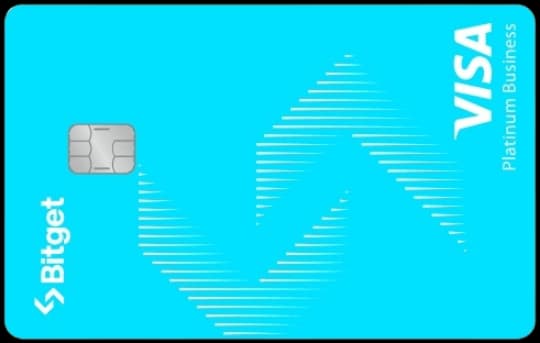
1. Bitget Card
Trade and Spend: Up to 8% BGB Cashback for Bitget Traders
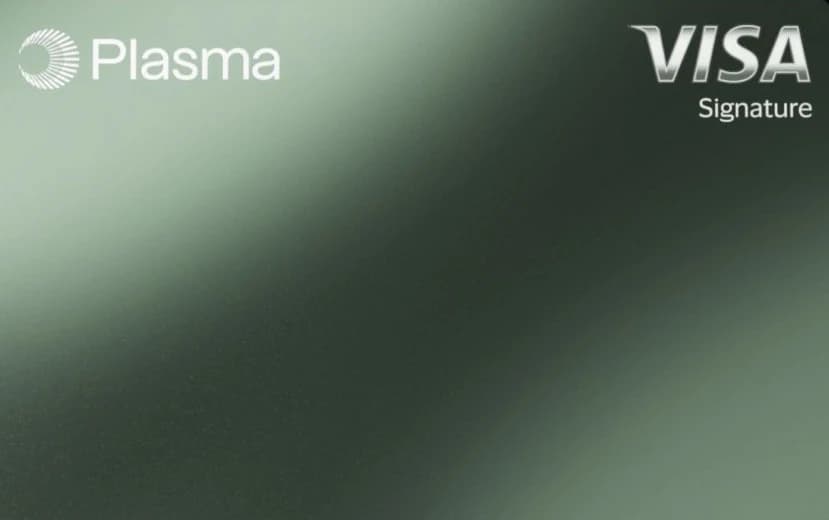
2. Plasma One Core Card
Self-Custodial Visa for AI Spenders - 3% Base, 5% on AI Spend, ChatGPT Go Rebate
3. Gnosis Pay Card
Your Keys, Your Card, Your Money

4. ether.fi Core Card
3% Back on the First $2,000 Each Month, No Stake Required

5. Plutus Visa Card
Non-Custodial PLU Rewards on Eligible Spend + Lifestyle Perks
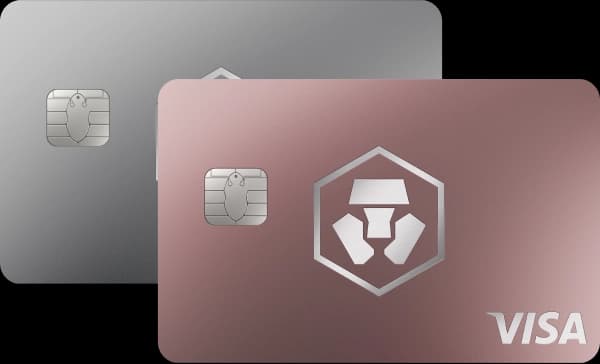
6. Private (Icy White / Rose Gold)
Private Tier: 4% Uncapped Cashback + Lounge Guest

7. Xplace Gold Card
10% Off Gold with SPENDNODE: Pay $224.10 Instead of $249
Complete list:
All 55 crypto cards available in Greece in September 2026
This table includes every crypto card we currently track for Greece. Rows marked Top pick are ranked and reviewed above.
| Crypto card | Max rewards | Annual fee | FX fee | Type | Custody |
|---|---|---|---|---|---|
1 Bitget CardTop pick | Up to 8% rewards | Free | 0% | Debit | Custodial |
2 Plasma One Core CardTop pick | Up to 3% rewards | $199 | 0.5% | Crypto Backed Credit | Self-custody |
3 Gnosis Pay CardTop pick | Up to 5% rewards | Free | 0% | Debit | Self-custody |
4 ether.fi Core CardTop pick | Up to 3% rewards | Free | 0.5% | Crypto Backed Credit | Self-custody |
5 Plutus Visa CardTop pick | Up to 9% rewards | $240 | 2.5% | Debit | Non-custodial |
6 Private (Icy White / Rose Gold)Top pick | Up to 4% rewards | TBD | 0% | Prepaid | Custodial |
7 Xplace Gold CardTop pick | Up to 1.5% rewards | $249 | 0.25% | Crypto Backed Credit | Self-custody |
| Up to 10% rewards | Free | 3% | Debit | Hybrid | |
| Up to 8% rewards | Free | 0% | Debit | Self-custody | |
| Up to 8% points | Free | 0.4% | Debit | Custodial | |
11 | Up to 8% rewards | TBD | 0% | Prepaid | Custodial |
| Up to 8% rewards | Free | 0% | Debit | Hybrid | |
| Up to 6% rewards | $200 with code | 1% | Debit | Self-custody | |
| Up to 5% rewards | TBD | 0% | Prepaid | Custodial | |
| Up to 4.5% rewards | $87 with code | 1% | Debit | Self-custody | |
| Up to 4% rewards | Free | 0% | Crypto Backed Credit | Self-custody | |
| Up to 4% rewards | Free | 0% | Crypto Backed Credit | Self-custody | |
| Up to 3% rewards | Free | 0.25% | Crypto Backed Credit | Self-custody | |
| Up to 3% rewards | Free | 0% | Crypto Backed Credit | Self-custody | |
| Up to 3% rewards | $10000 | 0.5% | Prepaid | Custodial | |
| Up to 3% rewards | Free | 0% | Debit | Custodial | |
| Up to 3% rewards | $299.9 | 0% | Prepaid | Custodial | |
| Up to 3% rewards | $129 | 1.2% | Prepaid | Custodial | |
| Up to 3% rewards | Free | 0% | Debit | Hybrid | |
| Up to 2% rewards | Free | 0% | Debit | Custodial | |
| Up to 2% rewards | Free | 0% | Debit | Self-custody | |
| Up to 2% rewards | $1000 | 0.5% | Prepaid | Custodial | |
| Up to 2% rewards | Free | 0% | Prepaid | Custodial | |
| Up to 2% rewards | Free | 0% | Debit | Custodial | |
| Up to 2% rewards | Free | 0.2% | Crypto Backed Credit | Hybrid | |
| Up to 2% rewards | Free | 1% | Crypto Backed Credit | Self-custody | |
| Up to 2% rewards | $49.9 | 0% | Prepaid | Custodial | |
| Up to 2% rewards | $999 | 0% | Crypto Backed Credit | Self-custody | |
| Up to 1.5% rewards | Free | 0.5% | Prepaid | Custodial | |
| Up to 1.5% rewards | Free | 0.5% | Prepaid | Custodial | |
| Up to 1.5% rewards | Free | 1% | Debit | Self-custody | |
| Up to 1% rewards | Free | 0% | Debit | Custodial | |
| Up to 1% rewards | Free | 1.75% | Debit | Self-custody | |
| Up to 1% rewards | Free | 1% | Debit | Self-custody | |
| Up to 1% rewards | Free | TBD | Prepaid | Custodial | |
| Up to 1% rewards | $99 | 0.5% | Crypto Backed Credit | Self-custody | |
| Up to 0.5% rewards | Free | 0% | Debit | Hybrid | |
| Up to 0.5% rewards | Free | 1% | Crypto Backed Credit | Self-custody | |
| none | Free | 0% | Prepaid | Custodial | |
| Varies | Free | 1.7% | Prepaid | Custodial | |
| cashback | Free | 1.75% | Prepaid | Self-custody | |
| cashback | $199 | 0.75% | Prepaid | Self-custody | |
| cashback | Free | 0.5% | Prepaid | Custodial | |
| none | Free | 1% | Prepaid | Self-custody | |
| none | Free | 1% | Debit | Self-custody | |
| Varies | Free | 1.5% | Debit | Custodial | |
| Varies | Free | 1.2% | Prepaid | Custodial | |
| Varies | Free | 1.2% | Prepaid | Custodial | |
| Varies | Free | 1.2% | Prepaid | Custodial | |
| points | Free | 1% | Debit | Self-custody |
Crypto Card Regulation in Greece
Crypto Licensing and Tax Oversight
The Epitropi Kefalaiagoras (HCMC, Hellenic Capital Market Commission) is Greece's primary securities and crypto regulator. Under MiCA, all crypto asset service providers (CASPs) serving Greek residents must hold EU-wide CASP authorization or a Greek-specific registration through the HCMC.
The Bank of Greece (Trapeza tis Ellados) oversees banking supervision and monetary policy within the Eurosystem framework.
Greece implemented the EU's 5AMLD and 6AMLD anti-money laundering directives through national legislation, requiring all VASPs to register and maintain AML/CTF compliance. The Hellenic Financial Intelligence Unit (FIU) handles suspicious transaction reporting.
In practice, Greece's regulatory approach has been more observer than enforcer in the crypto space: the HCMC issues periodic warnings about unregulated platforms but has not aggressively pursued enforcement actions comparable to France's AMF or Estonia's RAB. However, Greece is emerging as a MiCA licensing hub.
In January 2026, Binance filed its EU-wide MiCA application with the HCMC, creating a Greek holding company (Binary Greece) and choosing Athens as its regulatory base. The HCMC enlisted PwC, Deloitte, and KPMG to assist with the fast-track licensing review.
Binance withdrew that application in June 2026 amid ECB objections, and from July 1, 2026 it halted spot, margin, and futures services for EEA users after failing to secure a MiCA licence, though withdrawals remain open. Greece is therefore no longer set to become Binance's EU home jurisdiction.
On July 22, 2026, the HCMC granted Greece's first two MiCA CASP authorizations, to Xenios Blockchain Group and Capital Wallet Greece, both passportable across the EU. The first licences confirm Greece as an operational MiCA licensing venue even without Binance.
The 2015 capital controls left lasting regulatory imprints. The Bank of Greece maintains heightened scrutiny on capital flows, and Greek residents transferring large sums to overseas crypto exchanges may trigger enhanced monitoring. For crypto card users, this is largely invisible because the card issuers handle the fiat-to-crypto and back-to-fiat flows within their own licensed infrastructure.
All major EEA-licensed card issuers serve Greece through MiCA passporting. Gnosis Pay uses Monavate Limited, an FCA-authorized EMI, Plutus under UK/EU authorizations, and the exchange-linked Crypto.com card runs on third-party EEA-licensed issuers. Bitpanda holds an Austrian license valid across the EEA.
The AADE (Aneksartiti Archi Dimosion Esodon, Independent Authority for Public Revenue) handles all tax matters, including crypto. AADE has grown more assertive about crypto income reporting, and from 2026 it receives crypto-asset data from exchanges automatically under Law 5301/2026.
Use only EEA-licensed card issuers for full regulatory protection. Greece's post-crisis regulatory environment means additional scrutiny on large capital movements, but day-to-day crypto card spending is unaffected.
Tax Treatment of Card Rewards in Greece
Crypto Tax in Greece: Gray Area Today, 15% Proposed
Greece has not yet brought crypto into its tax code. Gains on crypto disposals currently sit in a gray area, neither clearly taxed under the 15% rate Greece applies to listed securities nor formally exempt. That is about to change.
The Ministry of National Economy and Finance has drafted the country's first dedicated crypto tax framework: a flat 15% rate on disposal gains, a EUR 500 annual tax-free threshold, and retroactive application from January 1, 2025. Personal mining stays untaxed; only mining run as a registered business falls under company tax. The bill is expected to reach Parliament in the coming months and is not yet law.
How the Proposed 15% Rate Would Work
Under the draft, every disposal of cryptocurrency, including spending through a card, would be a taxable event. The gain is the difference between the disposal value and the acquisition cost. The 15% rate would apply regardless of holding period, with no short-term or long-term distinction, but the first EUR 500 of gains each year would be exempt.
Because the rate is set to apply retroactively to January 1, 2025, the practical move is to treat it as already in force: keep records now and plan funding around it.
Worked Tax Examples (Under the Proposed Rate)
These assume the proposed 15% rate is in force and your EUR 500 annual exemption is already used up; casual users with under EUR 500 of yearly gains would owe nothing.
Example 1: BTC spending. You acquired 0.1 BTC at EUR 2,000. It appreciates to EUR 8,000. You spend EUR 800 through your card at a Mykonos restaurant. The portion sold = 10% of your holding. Cost basis for that portion = EUR 200. Gain = EUR 600. Tax = EUR 90 (15%). Your EUR 800 dinner effectively cost EUR 890 after tax.
Example 2: USDC spending (optimal). Same dinner, same EUR 800, funded with USDC purchased at EUR 800. Gain = EUR 0. Tax = EUR 0. Dinner cost = exactly EUR 800. USDC funding eliminates the 15% drag entirely.
Example 3: High-volume annual spending. You spend EUR 2,000/month on a crypto card, all funded from ETH that has tripled in value. Annual spend = EUR 24,000. Of that, EUR 16,000 represents gains (two-thirds of the current value is gain). Tax = EUR 16,000 x 15% = EUR 2,400. With USDC funding, tax = EUR 0. The annual saving from stablecoin funding: EUR 2,400.
Example 4: Cashback (uncertain treatment). You earn EUR 960 in GNO cashback from Gnosis Pay over a year. Greece has not set out how card rewards are taxed; the proposed 15% targets disposal gains, not income. If AADE were to treat cashback as income at 15%, that is about EUR 144, and any later gain when you sell appreciated GNO would face the same proposed rate on the increase. Treat cashback tax here as a planning assumption, not a settled rule.
Example 5: Borrowing against eligible collateral. You hold 5 ETH worth EUR 15,000 and borrow EUR 2,000 through ether.fi Core instead of selling immediately. The collateral remains exposed to ETH's price while the loan is open. Any timing benefit depends on the enacted tax rules, quoted interest, repayment, and liquidation terms; it is not a fixed EUR 300 annual saving.
| Funding Method | Taxable Event? | Rate | When Triggered | Annual Impact (EUR 2,000/mo) |
|---|---|---|---|---|
| USDC/USDT (stablecoin) | No | 0% | Never | EUR 0 tax on disposal |
| BTC/ETH (3x appreciated) | Yes | 15% | At each spend | approx. EUR 2,400 tax on gains |
| GNO/PLU/BGB cashback | Uncertain | 15%? | If treated as income | Proposed rate; treatment unsettled |
| Collateral-backed borrowing (ether.fi, Nexo) | Depends on structure and final rules | Not settled | Loan remains open | Tax and financing review required |
Greece vs Neighbors: Tax Comparison
| Country | Crypto Tax Rate | Holding Exemption | EUR Zone |
|---|---|---|---|
| Greece | 15% (proposed) | EUR 500/yr | Yes |
| Italy | 33% standard rate from 2026; exceptions may apply | Check current rules | Yes |
| Turkey | 0% (gray area) | N/A | No |
| Bulgaria | 10% | None | Yes (euro from 2026) |
| Cyprus | 8% on crypto-disposal gains from 2026 | No general holding exemption | Yes |
Greece's proposed 15% would sit above Bulgaria's 10% and Cyprus's 8% crypto-disposal rate, but below France's 31.4% and Finland's 30-34% capital-income rates.
Bulgaria joined the eurozone in January 2026. Greece's proposed rate is not enacted, so residents need records without treating the table's hypothetical examples as current tax bills.
Report crypto income to AADE via the annual tax declaration (E1 form). The filing deadline is typically June 30. Under Law 5301/2026, AADE receives crypto-asset data from exchanges starting 2026, so keep transaction records for at least 5 years.
How to Apply from Greece
KYC: Greek Identity Documents
Greek crypto card applications require a taftotita (Deltio Taftotitas, Greek national ID card) or diavatirio (passport) for Greek citizens. The taftotita is the standard daily-use ID and is accepted by all EEA-licensed card issuers. EU/EEA citizens can use their own national ID card under eIDAS mutual recognition.
Non-EU residents need a diavatirio (passport) plus adeia diamonis (residence permit). Digital nomad visa holders (Greece launched this program in 2021 for remote workers earning income from non-Greek sources) can use their visa plus passport for KYC.
The AFM (Arithmos Forologikou Mitroou, tax registration number, 9 digits) is required by platforms that verify Greek tax residency. Not all card issuers require the AFM at registration, but you will need it for tax reporting to AADE.
Proof of address: logariasmos DEKO (utility bill from DEI/PPC for electricity, EYDAP for water in Athens, or EYATH in Thessaloniki), ekstrato trapezis (bank statement from NBG, Piraeus, Alpha Bank, or Eurobank), or misthotirio symvolaio (rental agreement, common for both locals and expats). Island residents can use DEDDHE electricity bills.
Physical cards ship to mainland Greek addresses within 7-14 business days. Deliveries to the islands may take an additional 3-7 days depending on ferry schedules and island postal infrastructure, especially during winter months. Virtual cards activate immediately and can be added to cards with Apple Pay or Google Pay without waiting for physical delivery, making them the practical starting point for island-based users.
Spending Tips for Greece
Greece's Sweet Spot: Light Tax + EUR Zone + Tourism Infrastructure
Greece occupies a favorable intersection for crypto card users: a light tax regime (no crypto CGT in force yet, with only a 15% rate proposed), eurozone membership (zero FX on domestic spending), and extensive card infrastructure driven by tourism. The strategic priority is clear: fund with stablecoins, collect cashback, and stay ahead of the rate before it lands.
The Tax Math: Why Greece Is Different Once 15% Lands
Under the proposed 15% rate, the gap between BTC-funded and USDC-funded spending is smaller than in high-tax countries, but it still matters:
| Annual Spend: EUR 18,000 | BTC (3x appreciated) | USDC (stablecoin) | Difference |
|---|---|---|---|
| Gross cashback at 7.1% (Bitget net) | EUR 1,278 | EUR 1,278 | EUR 0 |
| Tax on disposal gains (15%) | EUR 1,800 | EUR 0 | EUR 1,800 |
| Tax on cashback (15%) | EUR 192 | EUR 192 | EUR 0 |
| Net annual position | -EUR 714 | +EUR 1,086 | EUR 1,800 |
According to our regional data, even at Greece's low 15% rate the BTC spender still comes out negative (disposal tax exceeds cashback). The USDC spender nets EUR 1,086 after cashback tax. The gap: EUR 1,800/year. Stablecoin funding remains the correct strategy at any positive tax rate.
Card Selection for Greek Residents
- Bitget (net 7.1% after 0.9% tx fee): Best raw return for BGB stakers. At EUR 1,500/month, net annual cashback is approx. EUR 1,278 (about EUR 1,086 if the proposed 15% is later applied to rewards).
- Gnosis Pay (up to 5%, free): The self-custody baseline. No staking requirement, no subscription tiers. Your EUR stays in your Gnosis Safe until settlement. For Greeks who remember 2015 capital controls, the value of funds that no bank can freeze is not abstract.
- Plutus (3-9% + perks): The domestic EUR perk optimizer. Netflix, Spotify, and other qualifying services generate PLU rebates on top of base cashback. Plans start at GBP 6.99/month (Starter, 1 perk, GBP 250 eligible spend), GBP 9.99/month (Everyday, 2 perks, GBP 500), or GBP 19.99/month (Premium, 3 perks, GBP 1,000). The 2.5% non-domestic FX fee means Plutus is best for EUR-denominated domestic spending only.
- Crypto.com Icy (4%): Metal card with airport lounge access at Athens International (ATH), useful for frequent flyers to Thessaloniki, the islands, or international destinations. CRO stake required.
- ether.fi Core (3% ETHFI on first $2K/mo, then lower bands, free): Direct stablecoin spending or optional borrowing against eligible collateral; compare loan costs and risk with any potential timing benefit.
- KAST (1.5% USD cashback on first $2K/mo, 0.5-1.75% FX, free): Prepaid option for smaller EUR balances. Useful for routine island travel, ferry bookings, and online spending without locking money into exchange or self-custody tiers.
Break-Even: Bitget vs Gnosis Pay vs Plutus
| Monthly Spend | Bitget (8% - 0.9% tx) | Gnosis Pay (5%) | Plutus Premium (3% base, GBP 1,000 cap, 3 perks, GBP 240/yr sub) |
|---|---|---|---|
| EUR 600 | EUR 511/yr | EUR 360/yr | EUR 216 + EUR 420 perks - EUR 240 sub = EUR 396/yr |
| EUR 1,000 | EUR 852/yr | EUR 600/yr | EUR 360 + EUR 420 - EUR 240 = EUR 540/yr |
| EUR 1,500 | EUR 1,278/yr | EUR 900/yr | EUR 540/yr CAPPED |
| EUR 2,500 | EUR 2,130/yr | EUR 1,500/yr | EUR 540/yr CAPPED |
Plutus is now capped by eligible spend: above GBP 1,000/month, no additional cashback accrues. At EUR 600/month Plutus still delivers EUR 396/year net (perks minus subscription), but at EUR 1,500+ it flatlines at EUR 540/year while Bitget and Gnosis Pay scale linearly. Gnosis Pay overtakes Plutus at EUR 1,000/month and costs nothing. Bitget dominates at all levels on raw return.
Athens and Thessaloniki Cost of Living
Athens is among the most affordable eurozone capitals. A realistic monthly budget for a single person: rent EUR 500-800 (Pagrati, Koukaki, Exarchia EUR 500-650; Kolonaki, Glyfada EUR 700-1,000; Piraeus EUR 450-600), groceries EUR 200-300 (Sklavenitis, AB Vassilopoulos, Lidl, open-air laiki markets), dining out EUR 100-250 (souvlaki at EUR 3-4, taverna meals EUR 10-15, Kolonaki restaurants EUR 25-40), transport EUR 30 (monthly Athens transit pass), utilities EUR 80-130, subscriptions EUR 40-80.
Total: EUR 950-1,590/month of card-eligible spending.
Thessaloniki runs 10-15% cheaper: rent EUR 350-650, groceries EUR 180-270. Island living costs vary enormously: Mykonos and Santorini during summer rival London prices, while Naxos, Paros off-season, and smaller Cycladic islands are comparable to Thessaloniki.
At EUR 1,200/month on Gnosis Pay with USDC funding: EUR 720/year in GNO cashback. If the proposed 15% is later applied to rewards, that nets about EUR 612. Either way it covers roughly 3 months of groceries from Sklavenitis or 16 months of Athens transport passes.
Local Payment Infrastructure
Card acceptance varies by location in Greece:
Athens: Near-universal contactless in the city center, Plaka, Monastiraki, Kolonaki, Syntagma. All Sklavenitis, AB Vassilopoulos, Lidl, and Masoutis supermarkets accept contactless Visa/Mastercard. Athens Metro (Statheros) accepts contactless bank cards at turnstiles. OASA buses and trolleys are transitioning to contactless but still primarily use the Ath.ena card. Most restaurants in central Athens accept cards, though some smaller tavernas and periptera (kiosks) prefer cash.
Thessaloniki: Similar to Athens. Strong card acceptance in the city center, Aristotelous Square area, Ladadika, and Kalamaria. OASTH buses use their own card system.
Tourist islands (Mykonos, Santorini, Crete, Rhodes, Corfu): Excellent card acceptance in tourist areas. Hotels, restaurants, beach bars, and shops serving tourists all accept contactless. Even beach umbrella and sunbed rental increasingly goes through card terminals. Summer 2024 saw wide POS adoption on major tourist islands due to government mandates.
Rural mainland and smaller islands: Cash remains common. Village kafeneia, small agricultural markets, rural guesthouses, and ferry-accessible-only islands may have limited or no card infrastructure. A crypto card works perfectly for 80% of Greek spending but cannot replace cash entirely outside major cities and tourist zones.
Apple Pay and Google Pay work wherever contactless terminals exist. Viva Wallet (Greek fintech, now part of J.P. Morgan) has deployed POS terminals across Greece, improving acceptance coverage.
Seasonal Spending Strategy
Greece's tourism-driven economy creates a spending pattern unique in the EEA. If you spend the summer on the islands (May-October), monthly card spending might reach EUR 2,000-3,000 with accommodation, dining, ferries, and activities. Winter in Athens or Thessaloniki drops to EUR 1,000-1,500. A 4% cashback card on summer island spending of EUR 3,000/month generates EUR 120/month, or EUR 720 over a 6-month season with USDC funding (about EUR 612 if the proposed 15% is later applied to cashback).
Cross-Border and Island Ferries
Blue Star Ferries, Hellenic Seaways, SeaJets, and other inter-island ferry operators all accept Visa/Mastercard at ticket offices and online. A round-trip ferry from Piraeus to Santorini costs EUR 80-120. With 4% cashback, each island hop returns EUR 3.20-4.80. Over a summer of island hopping (10+ ferries), the cashback adds up. International flights from ATH to other eurozone destinations (Rome, Barcelona, Berlin) are zero-FX on EUR-denominated cards.
Supported Exchanges & Wallets in Greece
Card Issuers Serving Greece
Greece's crypto market grew partly from the 2015 banking crisis, which planted the seed of "what if the banks lock me out again?" in a generation of Greeks. Bitcoin Google searches from Greek IP addresses spiked during capital controls. A decade later, the crypto card market benefits from both that awareness and Greece's full EEA/eurozone integration.
EEA-native issuers thrive in Greece thanks to eurozone settlement and MiCA passporting. Plutus appeals to Athens tech workers through its subscription rebate system (Netflix, Spotify, Amazon Prime), but plans now start at GBP 6.99/month with no free tier, the Premium costs GBP 19.99/month (GBP 240/year), eligible spend is capped at GBP 250-1,000/month, and a 2.5% non-domestic FX fee applies to non-EUR transactions.
Gnosis Pay fits Greece's growing blockchain developer community, particularly in Athens and Thessaloniki. Bitpanda provides 1% flat cashback with a simple user experience.
Wirex offers up to 8% at higher tiers. Bleap adds EEA-focused account abstraction. Ready brought Starknet self-custody at 0.5-3% STRK cashback, but its card program is currently unavailable after its card issuer began winding down.
ether.fi Core gives eligible users a collateral-backed borrowing option alongside direct stablecoin spending. The proposed 15% regime is not a basis for claiming a fixed EUR 1,500 saving on a EUR 10,000 loan. The actual comparison includes the enacted rules, cost basis, interest, repayment plan, collateral performance, and liquidation risk.
Nexo (Sofia-based, serving EEA) offers similar borrow-to-spend mechanics with broader collateral options and 2% cashback. The geographic proximity of Nexo (neighboring Bulgaria) makes it a culturally familiar option for Greek users.
Local context: Greece does not have domestic crypto exchanges with card products. The major Greek banks (NBG, Piraeus, Alpha Bank, Eurobank) do not offer crypto services and have historically been cautious about crypto-related transactions.
Some users report occasional friction when transferring EUR from Greek bank accounts to crypto exchanges, though SEPA transfers are legally protected. Viva Wallet (Greek fintech, now J.P. Morgan-owned) processes card payments but does not issue crypto cards.
Self-custody options provide independence from both traditional banks and centralized exchanges. MetaMask (1-3% cashback) connects to any Ethereum-compatible wallet. Ledger CL (1%, hardware wallet) provides the most secure option for those who want cold storage between transactions.
COCA combines up to 8% cashback with 5% APY on eligible USD in a non-custodial smart wallet. For Greeks who experienced the 2015 capital controls firsthand, holding spending funds outside a bank can be a practical benefit, although the card, issuer, and wallet services can still restrict access.
Greece's light crypto tax regime (a 15% rate proposed but not yet in force), eurozone EUR settlement, tourism-driven card infrastructure, and post-2015 awareness of banking fragility combine into a favorable environment for crypto card adoption. The country's low cost of living means even modest cashback rates translate into meaningful purchasing power.
Written by SpendNode Editorial
Frequently Asked Questions
What is Greece's crypto tax rate?
Greece has not yet enacted a dedicated crypto capital gains tax, so disposals currently sit in a gray area. The Ministry of National Economy and Finance has drafted a 15% flat rate with a EUR 500 annual exemption, set to apply retroactively from January 1, 2025 once Parliament approves it. Because it is retroactive, plan as if 15% applies: keep records and fund with USDC to minimize gains. Crypto-asset reporting is already law under Law 5301/2026, so exchanges report Greek user data from 2026.
Which crypto card is best for Greece?
Bitget (8%, 7.1% net) leads on raw cashback. Plasma One Core ($199/yr or a 20,000 XPL lock, self-custodial) and Gnosis Pay (5% GNO) serve self-custody users. xPlace Gold (1.5% USDC in Credit Mode capped at $100/month, 0.25% FX, $249/yr) is a lower-ranked low-FX option. Plutus (9%, EUR 240/yr) is strong for EUR domestic spending with subscription rebates. All outperform Greek bank debit cards.
Do crypto cards work on Greek islands?
Yes. Tourist islands (Mykonos, Santorini, Crete, Rhodes) have excellent card infrastructure. Hotels, restaurants, supermarkets, and shops accept contactless Visa/Mastercard. Some smaller businesses and traditional tavernas remain cash-only.
Is crypto regulated in Greece?
Yes. Greece follows the EU's MiCA framework. The HCMC oversees crypto service providers. A 15% crypto capital gains tax is proposed but not yet law; crypto-asset reporting already applies from 2026 under Law 5301/2026. EU-licensed card issuers provide full consumer protection.
Other Countries
View all 112 countries →


Latest Page Changes to the Best Crypto Cards in Greece Guide
- xPlace Gold dropped in our Greece ranking after its new-member Credit Mode rate changed to 1.5% USDC with a $100 monthly cap. Its $249 fee and borrowing costs now limit the cashback case, despite its low FX margin
- Binance filed a MiCA application with HCMC in January 2026 through Greek holding company Binary Greece, with PwC, Deloitte, and KPMG supporting the fast-track process