
Best Crypto Cards in Pakistan (2026)
Pakistan's crypto card case is remittances plus freelancer cash flow: offshore-funded spending, PKR protection, and simpler stablecoin use matter more than premium card marketing.
Verified for Pakistan
43 crypto cards available
Local currency: PKR
Pakistanis paid in foreign currency can lose value when converting to rupees or paying overseas merchants. A UX designer in Lahore may collect dollars from Upwork; a worker in Riyadh may remit to family in Faisalabad; a product manager in Islamabad may pay USD software bills with a local bank card.
The bank's FX spread and section 236Y advance tax are separate costs. The latter fell to 0.5% for active taxpayers in July 2026; the FX spread did not.
Pakistan ranked 3rd globally in crypto adoption in 2025. The adoption is driven by the gap between where dollars arrive and where rupees get spent. Crypto cards matter at that edge.
What Pakistan already solved
Pakistan's domestic digital payment rails work. JazzCash (40+ million users) and Easypaisa (30+ million users) handle rupee transfers, bill payments, and merchant QR codes across the country. SadaPay and NayaPay brought modern UX to mobile banking. The 1LINK ATM network connects every bank. For rupee-to-rupee life, the infrastructure exists.
What it did not solve
The dollar problem. A freelancer finishes a project on Upwork, withdraws to their HBL account, and loses 1-3% to the platform fee plus another 2-3% to the bank's FX spread. The money arrives in PKR. The PKR has fallen from 105/USD in January 2018 to roughly 280/USD by early 2026 - a 63% decline. Every day that freelancer holds rupees, the value leaks.
A family in Multan receives $500/month from a brother working construction in Jeddah. Western Union takes 5-8%. JazzCash International takes 3-5%. By the time the money reaches a local wallet, $25-40 has disappeared into conversion fees.
An Islamabad professional pays $45/month for Netflix, Spotify, YouTube Premium, and a Coursera subscription. Their MCB bank card adds 4% FX markup on each charge. That is $21/year lost on subscriptions alone, and it compounds with every international purchase.
Crypto cards cut into this problem at every layer: preserve USDC longer, spend internationally at Visa/Mastercard mid-rate, and skip the bank FX markup entirely.
Summary:
Which crypto cards are best in Pakistan?
The best crypto cards in Pakistan in September 2026 are RedotPay Pro Card, Rizon Emerald Card, KAST K Card, Jupiter Global, and Tria Virtual Card. The detailed ranking below explains the local tax, fee, and availability trade-offs.
| Crypto card | Base reward | Net after fees | Annual fee | FX fee | Type |
|---|---|---|---|---|---|
| 3% base3% on Apple Pay and Google Pay only, capped at $18/mo; requires the paid Pro membership | 1.8% | $129 | 1.2% | Prepaid | |
| Up to 2.5% rewards | - | $83.88 | 1.02% | Crypto Backed Credit | |
| 1.5% base | 1% | Free | 0.5% | Prepaid | |
| 2% baseup to 4% by referring 2 qualifying friends the prior month | 1% | Free | 1% / 1.8% | Debit | |
| 1.5% base1.5% on the first $100/mo, then 0.5% | 0% | Free | 1% | Debit |
RedotPay Pro leads the page because RedotPay is the card Pakistan already uses: the remittance and freelancer flows described below run through RedotPay wallets more than any other issuer, Pakistani passports clear its KYC where many issuers reject, and the virtual card issues instantly.
RedotPay does not ship physical cards to Pakistan, so the card stays virtual and wallet-based here, with no ATM access. Pro adds 3% cashback on Apple Pay and Google Pay spending up to $600/month and waives the virtual card issuance fee.
At $12.90/month or $129/year, Pro is not the entry point. The $10 RedotPay virtual card is $8 with code SPENDV; the paid plan is an upgrade for regular wallet tap-to-pay use.
KAST is the strongest free pick for the same reason it leads most lower-middle-income markets on this site: 2-minute KYC, $0 annual fee, and the shortest path from a Wise transfer, Deel payout, or family remittance balance to spendable Visa rails. 1.5% USD cashback on the first $2,000/month, 0.5-1.75% FX on non-USD spend.
Jupiter Global extends the same flow once monthly spend pushes against KAST's $2,000 cap: 2% USDC base (4% for a month after referring two friends) on a free virtual debit, with 1% FX. Its cashback cap binds at $5,000/month of spend.
Tria Virtual adds a free self-custody option, but 1% FX plus 0.5% on each payment leaves little net reward on rupee spend. Its advantage is self-custody and asset breadth, not the rate.
Best Card For Every Need in Pakistan
Top 5 Crypto Cards in Pakistan
Pakistan's crypto card decision sits on a remittance-and-freelancer axis. UAE construction workers send USDT to Faisalabad. Lahore designers receive Upwork USDC. Karachi product managers run AWS, Adobe, and Figma in USD.
PKR has fallen from 105/USD in January 2018 to roughly 280/USD by early 2026 (a 63% loss), and HBL or MCB cards strip 3-5% in FX plus the 0.5% section 236Y advance tax off every USD transaction on top of that. The card decision is mostly about staying in stablecoins longer and converting to PKR only at the moment of purchase.
RedotPay Pro takes #1 on ubiquity and fit rather than headline rate. RedotPay is the issuer Pakistani users actually hold: the Gulf remittance flow and the freelancer USDT flow on this page both terminate in RedotPay wallets. The Pro tier converts that into better economics on the one rail available here: 3% back on Apple Pay and Google Pay spend on the first $600/month. Rewards are paid in USDs credits that expire after 30 days, so treat them as a discount, not savings.
Since RedotPay cannot ship physical cards to Pakistan, Pro's ATM and physical-card perks are unusable locally. The membership is worth it purely for the wallet-pay cashback.
The honest caveat: $129/yr is a real commitment at Pakistani income levels, the fee only breaks even above roughly $360/month of wallet-pay spend, and the 1.2% FX plus 1% crypto conversion fee still apply. Start on the $10 virtual card; upgrade to Pro when your monthly tap-to-pay spend clears the break-even.
Rizon Emerald takes #2 on access plus the cheapest international fee schedule on this list. It is a US-issued Visa Platinum whose eligibility follows the passport, and the Pakistani passport is on its 49-nationality list first-class. At $6.99/month, international transactions run about 1.02%, under KAST's 0.5-1.75% band midpoint and well under the free plan's 1.7% + $0.30, and the 2.5% cashback (capped at the plan fee) effectively hands the fee back for anyone with $280/month of eligible spend.
On this page's own criteria it separates cleanly: USD account details, so an Upwork or Deel payout can land in a dollar account attached to the same wallet instead of routing through HBL's FX spread; a published ATM rate of $1 + 0.65% before any local operator surcharge; both virtual and physical cards with shipping to Pakistan; and collateral that stays in the user's smart-contract wallet.
The $1,200/month freelancer this page describes clears Emerald's approximately $220/month break-even easily. Anyone testing first can start on the free Standard plan, where code spendnode drops the virtual card to $1.
KAST holds #3 as the free workhorse. $0 annual, 1.5% USD cashback on the first $2,000/month of card spend, 0.5-1.75% FX, and 2-minute KYC on the basic tier. Pakistani freelancers already hold USDC from international clients; KAST is the shortest path between that balance and a Visa terminal.
Jupiter Global takes the fourth slot for users whose monthly card spend is pushing against KAST's $2,000/month cashback cap or who want a higher rate on the same USDC balance. 2% USDC base (4% for a month after referring 2 friends), $0 annual, 1% FX. The $100/month cashback cap binds at $5,000/month of card spend, which sits at the upper end of typical Pakistani freelancer card spend. The card is virtual-only with QR-based handoff.
Tria Virtual sits at #5 as the self-custody alternative. Free, with 1.5% cashback on the first $100/mo (then 0.5%), a 1% FX charge, and 0.5% on every payment. The headline rate is below KAST and Jupiter, and once those fees land on non-USD spend its real edge is self-custody on USD-billed subscriptions rather than the rate.
Jupiter Global pays 2% base, or 4% for one month after referring two friends, on USDC-funded spend with no annual fee. Pakistan's unsettled tax classification makes it unsafe to promise that any reward or disposal will receive a particular treatment.
The $10 RedotPay virtual card remains the remittance-corridor receiver's card at near-zero running cost vs Western Union's 3-8%; Pro is what it grows into. xPlace covers the Solana-native DeFi audience who want wallet-connected spending.
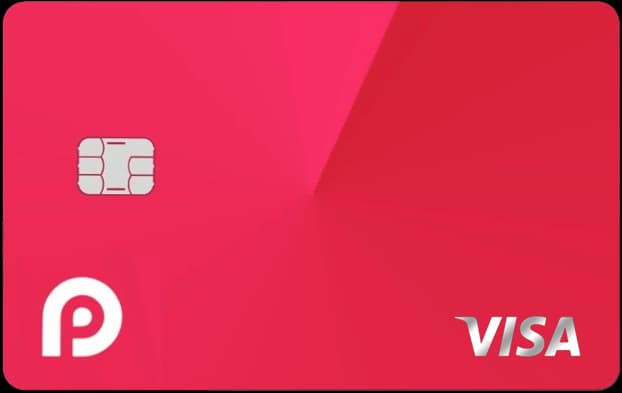
1. RedotPay Pro Card
Paid Upgrade: 3% Mobile-Wallet Cashback Plus a Fee-Free ATM Tier
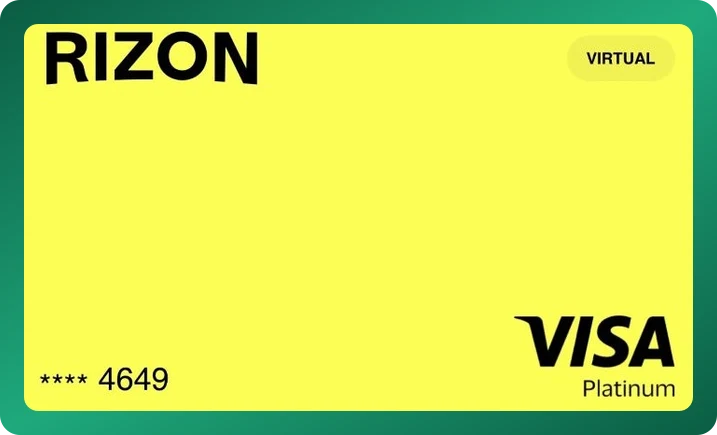
2. Rizon Emerald Card
Rizon's top plan: international fees near 1%, trading at 0.85%, and the physical Visa Platinum included.
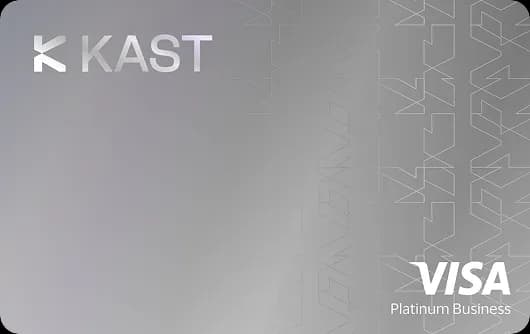
3. KAST K Card
Free USD Cashback: 1.5% on First $2K/Month
4. Jupiter Global
Free virtual USDC card with 2% base cashback

5. Tria Virtual Card
Instant Virtual Entry: 1.5% Cashback + Apple Pay
Complete list:
All 43 crypto cards available in Pakistan in September 2026
This table includes every crypto card we currently track for Pakistan. Rows marked Top pick are ranked and reviewed above.
| Crypto card | Max rewards | Annual fee | FX fee | Type | Custody |
|---|---|---|---|---|---|
1 RedotPay Pro CardTop pick | Up to 3% rewards | $129 | 1.2% | Prepaid | Custodial |
2 Rizon Emerald CardTop pick | Up to 2.5% rewards | $83.88 | 1.02% | Crypto Backed Credit | Self-custody |
3 KAST K CardTop pick | Up to 1.5% rewards | Free | 0.5% | Prepaid | Custodial |
4 Jupiter GlobalTop pick | Up to 4% rewards | Free | 1% / 1.8% | Debit | Hybrid |
5 Tria Virtual CardTop pick | Up to 1.5% rewards | Free | 1% | Debit | Self-custody |
| Up to 10% rewards | Free | 0% | Prepaid | Custodial | |
| Up to 10% rewards | Free | 3% | Debit | Hybrid | |
| Up to 8% rewards | Free | 0% | Debit | Custodial | |
| Up to 8% rewards | TBD | 0% | Prepaid | Custodial | |
| Up to 6% rewards | $200 with code | 1% | Debit | Self-custody | |
| Up to 5% rewards | Free | 1% | Crypto Backed Credit | Self-custody | |
| Up to 5% rewards | TBD | 0% | Prepaid | Custodial | |
| Up to 5% rewards | Free | 1% | Debit | Self-custody | |
| Up to 4.5% rewards | $87 with code | 1% | Debit | Self-custody | |
| Up to 4% rewards | Free | 0% | Crypto Backed Credit | Self-custody | |
| Up to 4% rewards | TBD | 0% | Prepaid | Custodial | |
| Up to 3% rewards | $10000 | 0.5% | Prepaid | Custodial | |
| Up to 3% rewards | $199 | 0.5% | Crypto Backed Credit | Self-custody | |
| Up to 3% rewards | $299.9 | 0% | Prepaid | Custodial | |
| Up to 2% rewards | $1000 | 0.5% | Prepaid | Custodial | |
| Up to 2% rewards | Free | 0% | Prepaid | Custodial | |
| Up to 2% rewards | Free | 1% | Crypto Backed Credit | Self-custody | |
| Up to 2% rewards | $49.9 | 0% | Prepaid | Custodial | |
| Up to 2% rewards | $999 | 0% | Crypto Backed Credit | Self-custody | |
| Up to 1.5% rewards | Free | 0.5% | Prepaid | Custodial | |
| Up to 1.5% rewards | $249 | 0.25% | Crypto Backed Credit | Self-custody | |
| Up to 1% rewards | Free | 1% | Crypto Backed Credit | Self-custody | |
| Up to 1% rewards | Free | TBD | Prepaid | Custodial | |
| Up to 1% rewards | $47.88 | 1.275% | Crypto Backed Credit | Self-custody | |
| Up to 1% rewards | $99 | 0.5% | Crypto Backed Credit | Self-custody | |
| Up to 0.5% rewards | Free | 1% | Crypto Backed Credit | Self-custody | |
| none | Free | 0% | Crypto Backed Credit | Self-custody | |
| none | $30 | 0% | Crypto Backed Credit | Self-custody | |
| none | Free | 0% | Prepaid | Custodial | |
| cashback | Free | 1.75% | Prepaid | Self-custody | |
| cashback | $199 | 0.75% | Prepaid | Self-custody | |
| cashback | Free | 0.5% | Prepaid | Custodial | |
| none | Free | 1% | Prepaid | Self-custody | |
| none | Free | 1% | Debit | Self-custody | |
| Varies | Free | 1.2% | Prepaid | Custodial | |
| Varies | Free | 1.2% | Prepaid | Custodial | |
| Varies | Free | 1.7% | Crypto Backed Credit | Self-custody | |
| points | Free | 1% | Debit | Self-custody |
Crypto Card Regulation in Pakistan
Pakistan's crypto regulation underwent a complete reversal in 2025-2026, moving from an eight-year banking prohibition to a licensed framework in under 12 months.
The 2018 ban and eight years of P2P workarounds
The SBP issued Circular No. 03 of 2018 directing all banks and financial institutions to cease processing cryptocurrency-related transactions. The ban pushed Pakistan's entire crypto market underground. Binance P2P became the de facto exchange, handling an estimated 70%+ of PKR-denominated crypto volume through JazzCash, Easypaisa, and bank transfer payment methods.
The SECP (Securities and Exchange Commission of Pakistan) pushed back throughout 2023-2024, publishing a position paper on digital asset trading platforms arguing that prohibition drives activity underground and costs the FBR billions in uncollected tax revenue.
Pakistan's 2019-2022 FATF grey-listing created separate pressure. The Financial Monitoring Unit (FMU) developed draft VASP regulations to demonstrate AML compliance. Pakistan exited the grey list in October 2022, but maintaining that status requires ongoing monitoring of crypto flows.
The Virtual Assets Act 2026 and PVARA
Pakistan passed the Virtual Assets Act 2026, turning the earlier Virtual Assets Ordinance 2025 into permanent law. The Act created the Pakistan Virtual Assets Regulatory Authority (PVARA), an 11-member board including the SBP Governor, heads of SECP, FBR, and the Digital Pakistan Authority.
All entities offering virtual-asset services in or from Pakistan must obtain a PVARA license. The licensing process has three phases: preliminary NOC, SECP registration with a physical office in Pakistan, and full cybersecurity and capital adequacy review. A regulatory sandbox allows testing of tokenization, stablecoins, and remittance use cases.
April 14, 2026: The SBP reverses the ban
On April 14, 2026, the SBP issued Circular Letter No. 10 of 2026, replacing the 2018 prohibition. Subject to the circular's conditions, regulated entities may open accounts for PVARA-licensed providers after verifying their license.
Those accounts are rupee-denominated and non-interest-bearing, and client funds must be segregated from operating capital. Cash transactions are prohibited; the permitted banking flows must remain traceable.
Banks cannot invest in, trade, or hold virtual assets using their own capital or customer deposits. They are infrastructure providers, not market participants. Before onboarding a VASP, banks must verify licensing directly with PVARA, assess business scope and geographic markets, and maintain continuous monitoring with suspicious activity reporting.
This is a structural shift. For the first time since 2018, Pakistani banks can legally service crypto businesses. The practical impact will depend on how quickly PVARA issues full licenses and how aggressively banks move to onboard them.
For crypto card users, the immediate picture has not changed. Cards from KAST, RedotPay, and Crypto.com operate outside Pakistan's banking jurisdiction. Pakistanis still acquire crypto through P2P channels, overseas accounts, or freelancing payments, then load cards offshore. But the regulatory direction is now toward integration, not prohibition.
The Shariah question and PVARA's 2026 rulemaking
A religious decree issued on June 10, 2026 (by Mufti Taqi Usmani and other scholars) declared speculative crypto purchases impermissible under Islamic law. In response, PVARA chairman Bilal bin Saqib asked seminaries to distinguish purely speculative tokens from asset-backed instruments such as fully reserved stablecoins and blockchain-recorded sukuk, arguing Pakistan could lead in Shariah-compliant digital finance.
Separately, PVARA ran a public consultation (June 11 to July 2, 2026) on its draft Virtual Asset Services Regulations, setting out a ten-category VASP licensing framework and a no-objection-certificate-to-licence pathway. On the enforcement side, the FIA stood up a dedicated Cryptocurrency Investigation Unit under its NC3 to target money laundering and virtual-asset misuse.
Tax Treatment of Card Rewards in Pakistan
The FBR (Federal Board of Revenue) has not issued specific crypto tax guidance. What exists is the Income Tax Ordinance 2001 applied by analogy.
If crypto gains are classified as business or other taxable income, the relevant income-tax schedule depends on the person's circumstances. Securities capital-gains rates cannot simply be borrowed for BTC: the FBR has not confirmed that ordinary crypto-card disposals qualify for that regime.
The classification ambiguity matters for a holder who bought BTC at PKR 500,000 and uses it when worth PKR 1,500,000. The PKR 1,000,000 change in value needs a documented acquisition and disposal history, but this page cannot assign a reliable 15% securities rate or a flat 35% charge to that card payment.
USDC funding can limit dollar-price volatility, but its PKR value can change and any underlying freelance income remains subject to ordinary tax rules.
The section 236Y advance tax, and why it just got smaller
Every international payment made with a Pakistani bank card - the Netflix charge, the Facebook Ads bill, the AliExpress order - carries an advance tax under section 236Y of the Income Tax Ordinance, deducted by the bank at the moment of the transaction. For years this was the loudest cost in the system: 5% for filers on the FBR's Active Taxpayer List and 10% for non-filers.
The FBR's current withholding-rate card reflects the Finance Act 2026 cut: from July 1, 2026, section 236Y is 0.5% for taxpayers on the Active Taxpayer List and 1% for those not on it. It is advance tax, not automatically a final, unrecoverable charge for every non-ATL user; adjustment depends on the taxpayer's return and circumstances.
Section 236Y is collected by a Pakistani banking company on qualifying foreign card remittances. An offshore-issued card may not have that collection at the point of payment, but that does not remove Pakistani income-tax, foreign-exchange, or reporting obligations. The old "save 10% in taxes" pitch also ignores the current, much lower advance-tax rate.
The remaining case against Pakistani bank cards is the 3-5% FX spread, frequent declines on international merchants, and PKR exposure between paycheck and purchase. Anyone selling a crypto card primarily as a 236Y escape is working from last year's tax code.
How to Apply from Pakistan
Pakistani crypto card applications require a CNIC (Computerized National Identity Card, 13 digits) issued by NADRA. Overseas Pakistanis can use NICOP (green card) or POC (Pakistan Origin Card) for those who have surrendered citizenship.
Alternative identification: Pakistani passport plus proof of address via utility bills from K-Electric or WAPDA/PEPCO (electricity), Sui Southern/Sui Northern Gas, PTCL, or bank statements from HBL, UBL, MCB, Allied Bank, or Bank Alfalah.
For KAST, the CNIC or passport alone clears basic KYC in about 2 minutes. RedotPay (HK-based) accepts Pakistani passports. The 9+ million diaspora often holds dual documentation - Gulf state iqama, UK BRP, US Green Card, or Canadian PR - which opens access to more issuers.
Virtual cards are available immediately. KAST ships physical cards to Pakistani addresses in 21-30 business days; RedotPay does not deliver physical cards to Pakistan, so its cards stay virtual and wallet-based here.
Spending Tips for Pakistan
Profile: freelancer earning $1,200/month from Upwork
A typical Lahore-based UX designer collecting $1,200/month from US clients through Upwork. The old pipeline: the payout lands via Payoneer or a bank transfer, and converting it to PKR through HBL costs roughly 3.5% in FX spread, about $42/month, after which the rupees keep depreciating.
The crypto card route moves a USD payout to an exchange, converts it to USDC, and loads KAST. She pays Upwork's platform fee either way. The potential saving comes from comparing the bank's conversion spread with KAST's 0.5-1.75% FX band and 1.5% USD cashback on eligible spend.
At $1,200/month within KAST's cap, the headline reward is about $18/month before other conversion and transfer costs. Holding dollars until purchase also reduces time spent exposed to PKR depreciation.
She keeps a buffer in USDC on her card wallet - a dollar-denominated emergency fund that holds its value while the rupee slides, and she earns cashback whenever she spends from it. She converts to PKR only when she needs cash for rent (landlord takes bank transfer only) and local groceries.
Profile: Gulf worker sending $500/month home
A construction worker in Riyadh earning SAR 3,500/month, sending $500 home every month. Through Al Rajhi Bank's wire to MCB or through Western Union, the family loses 3-5% per transfer. That adds up to a few hundred dollars a year.
The alternative: buy USDC through Binance P2P (SAR to USDT, then swap), send it to the family's RedotPay wallet. Transfer cost: under $1. The family spends online and taps through Google Pay where terminals accept it; for cash, they sell a portion via P2P into JazzCash, since RedotPay has no physical card or ATM access in Pakistan.
The speed matters as much as the fees. Western Union takes 1-3 days. USDC arrives in minutes. When the family needs money for a school fee deadline or a medical bill, that difference is real.
Profile: salaried professional with $45/month in USD subscriptions
An Islamabad-based PM spending PKR 100,000/month on everyday life and another $45/month on Figma, ChatGPT Plus, AWS, Spotify, and a Coursera plan. His bank's Visa card charges roughly 4% FX on every USD transaction. That is over $20/year on subscriptions alone, plus more on occasional Amazon and AliExpress orders.
He loaded a KAST with $200 in USDC. All USD subscriptions now route through it. The combined FX savings (no bank 4% markup on $45/month subscriptions) and 1.5% USD cashback come to roughly $30/year on subscription spend alone, before factoring in any of his PKR 100,000/month being routed through the card. It took 15 minutes to set up.
How money actually gets onto a crypto card in Pakistan
There is no direct path from a Pakistani bank account to a crypto card. The SBP's 2018 ban (now partially reversed for licensed VASPs, but not yet for individual retail use) means every route involves at least one extra step. Here is how each user type actually does it.
Route 1: Freelancer USD to USDC (the cleanest path)
A freelancer receiving USD through Upwork, Fiverr, or Deel may compare a direct PKR conversion with a route through an eligible USD account, exchange, and KAST or RedotPay card wallet. Direct-client payments in USDC can remove a conversion step.
The full cost depends on platform payout rules, exchange fees, transfer network, card fees, and Pakistani foreign-exchange requirements. Do not assume the route always costs under 1%.
The key decision: Upwork and Fiverr both support bank wire withdrawal. Some freelancers withdraw to a Wise account first (if they have one from a previous overseas stay), then transfer to Binance. Others withdraw directly to Binance where supported. The goal is to avoid touching the Pakistani banking system entirely, because that is where the fees stack up.
Route 2: Gulf worker SAR/AED to USDC (the remittance path)
A Pakistani worker in Saudi Arabia, UAE, Qatar, or Oman may remit through a bank or licensed transfer operator into the family's PKR account. A stablecoin route requires an eligible exchange account, a lawful funding method, and a recipient whose card issuer permits the account and jurisdiction.
The family member's RedotPay or KAST wallet is not a substitute for checking the rules that apply at both ends of the transfer.
The family member needs a CNIC and a smartphone. RedotPay's virtual card is available immediately after KYC. No Pakistani bank account is needed at any step in the receiving process.
The risk: Binance P2P in Gulf states occasionally has wider spreads (1-2% above market) during high-volume periods like Eid and Ramadan when remittance demand spikes. Planning transfers a few days before peak periods saves money.
Route 3: PKR to USDT via Binance P2P (the domestic on-ramp)
For Pakistanis who earn in rupees and want to load a crypto card, Binance P2P is the primary on-ramp. The flow: send PKR via JazzCash, Easypaisa, or bank transfer to a P2P seller, receive USDT in your Binance wallet, convert to USDC if needed, send to card wallet.
Spreads on PKR-USDT pairs typically run 1-3% above the mid-market rate. JazzCash and Easypaisa transfers are fastest (instant). Bank transfers take 1-2 hours during business hours.
P2P counterparty risk is real. Funds linked to fraud can trigger account reviews or freezes, including at JazzCash and Easypaisa. Prefer regulated channels where available, keep transaction records, and do not assume a seller's trade count proves the source of funds. Splitting transactions does not make an unsafe or noncompliant route safe.
Route 4: Direct crypto loading (no banking at all)
For users who already hold crypto from freelancing, mining, trading, or airdrops, loading a RedotPay or KAST card from a self-custody wallet bypasses every banking system. Send USDT or USDC from MetaMask, Trust Wallet, or Phantom directly to the card wallet. No bank account, no P2P counterparty, no JazzCash. This is the cleanest route and the one with the least friction.
Route 5: Diaspora with overseas bank accounts
Pakistanis in the UK, US, Canada, or Europe who hold foreign bank accounts can fund exchanges like Crypto.com or OKX directly via SEPA or wire transfer, then load cards from the exchange. This is the easiest route but only available to the diaspora, not domestic users.
Spending scenarios: card-by-card comparison
Freelancer in Lahore, $1,200/month total spend, USDC funded
| Card | Monthly Rewards | FX Cost | Annual Net | Notes |
|---|---|---|---|---|
| KAST 1.5% USD | $18/mo USD cashback | 0.5-1.75% ($6-$21) | -$36 to +$144/yr net | Net swings with USD vs PKR spend; in-app credit, not cash |
| Jupiter Global 2% | $24/mo USDC | 1% non-USD ($14.40) | ~$115/yr net on PKR spend | Freelancer USDC pick, $100/mo cashback cap |
| RedotPay | $0 | 1.2% ($14.40) | -$172.80 in fees | No rewards, but fast global setup |
Gulf remittance family in Faisalabad, $500/month received, USDC funded
| Card | Monthly Rewards | FX Cost | Annual Net vs Western Union (5% fee) | Notes |
|---|---|---|---|---|
| KAST 1.5% USD | $7.50/mo USD cashback | 0.5-1.75% ($2.50-$8.75) | $80/yr cashback + $300 fee savings vs Western Union | Best balance of rewards + simplicity |
| RedotPay | $0 | 1.2% ($6) | $228 fee savings | Instant virtual card, no rewards |
The Western Union comparison is the one that matters for remittance families. At $500/month, the traditional 5% fee costs $300/year. Even RedotPay with its 1.2% FX and no rewards saves $228/year. KAST saves $300 in fees and adds roughly $80/year in USD cashback on top.
Common mistakes that cost Pakistani users money
1. Converting USDC to PKR immediately after receiving a freelance payout. The instinct is to cash out fast. But every month you hold USDC instead of PKR, you avoid ongoing depreciation. The PKR has lost roughly 8% per year against the dollar in recent years. A freelancer who converts $1,000 to PKR in January and holds rupees all year loses purchasing power steadily. Holding USDC and converting only when you need cash for rent or local groceries preserves value on the portion that stays in dollars.
2. Using a Pakistani bank card for Netflix, Spotify, and other USD subscriptions. Pakistani banks typically charge 3-5% above the SBP mid-rate on foreign currency transactions. On top of that, the SBP's managed PKR/USD rate itself can diverge from the open market rate. The combined effective cost on international card spending is often 5-7%. At PKR 5,000/month ($17) in subscriptions, a free crypto card at 0% FX saves a meaningful amount over the year.
3. Sending Gulf remittances through Western Union or bank wire without comparing crypto rails. A Riyadh-to-Faisalabad transfer of $500 through Western Union costs $25-40 in fees. Through a bank wire, $15-25. Through USDC sent to a RedotPay or KAST wallet, under $1. Over 12 months at $500/month, the difference between Western Union and crypto rails is $288-468. That is roughly two months of minimum wage in Pakistan.
4. Loading a crypto card with appreciated BTC in Pakistan's ambiguous tax environment. The FBR has not published definitive crypto tax rules. If BTC gains are classified as income rather than capital gains, the appreciation could face a rate of up to 35% when spent. On a 200% gain, that could turn a PKR 400,000 purchase into a PKR 140,000 tax bill.
Funding with USDC generally keeps the disposal gain small.
Break-even math
All at USDC funding (zero tax on disposal). FX savings not included - add 3-7% of spend as additional savings vs bank cards.
| Monthly Spend | KAST (1.5% USD cashback, $2K/mo cap, free) | Jupiter Global (2% base, free) |
|---|---|---|
| PKR 30,000 ($105) | PKR 5,400/yr | PKR 7,200/yr |
| PKR 50,000 ($175) | PKR 9,000/yr | PKR 12,000/yr |
| PKR 100,000 ($350) | PKR 18,000/yr | PKR 24,000/yr |
| PKR 200,000 ($700) | PKR 36,000/yr | PKR 48,000/yr |
At PKR 100,000/month, KAST delivers PKR 18,000/year in USD cashback (under the $2,000/month cap) plus roughly PKR 42,000/year in FX savings versus HBL/UBL = PKR 60,000/year total benefit ($210). Note: KAST rewards are in-app credit redeemable through the card, not cash you can withdraw.
Where crypto cards work and where they don't
Karachi - Defence/Clifton (PKR 120,000-250,000/month)
Pakistan's commercial capital and the city where crypto cards are most useful day-to-day. Dolmen Mall, Lucky One Mall, and Port Grand all have standard Visa/Mastercard terminals at every chain store. Imtiaz Super Market (30+ locations across Sindh) accepts cards, as do Chase Up, Al-Fatah, and Naheed. Foodpanda, Careem, and InDrive all accept card payment in-app. Zamzama and Bukhari Commercial in DHA have strong card acceptance at restaurants and cafes.
The gap: Saddar, Tariq Road, and the wholesale markets (Jodia Bazaar, Bolton Market, Burns Garden) are cash-only. Street food everywhere is cash. Utility bills can be paid via JazzCash/Easypaisa but not directly via crypto card. A Karachi crypto card user typically runs 60-70% of spending through the card and 30-40% through cash or JazzCash.
Lahore - Gulberg/DHA (PKR 80,000-180,000/month)
Packages Mall, Emporium Mall (one of South Asia's largest), and Fortress Square have full card acceptance. DHA Phase 5-8 commercial areas (Y Block, Z Block) have strong acceptance at restaurants, pharmacies, and retail chains. Jalal Sons, HKB, and Metro Cash & Carry take cards. MM Alam Road restaurants almost all accept cards.
Anarkali Bazaar, Liberty Market (older section), and Ichhra are cash-dominant. Lahore's food scene (the best in Pakistan) is split: sit-down restaurants accept cards, street food and dhabas do not. Monthly spending on a crypto card in Lahore runs roughly 50-60% of total expenses if you live in DHA/Gulberg.
Islamabad - F-6/F-7/E-7 (PKR 100,000-200,000/month)
The best city in Pakistan for international card acceptance per capita. Centaurus Mall, Giga Mall, and the F-6 Markaz (Super Market) have near-universal card terminals. Government employees and expats create consistent card-payment demand. Monal Restaurant, Tuscany Courtyard, and the Kohsar Market restaurants all accept cards.
G-sectors and I-sectors have patchier acceptance. Rawalpindi (physically adjacent) is much more cash-heavy, especially Raja Bazaar and Saddar. An Islamabad professional in F-7 can run 70-80% of spending through a crypto card.
Faisalabad/Multan/Peshawar/Quetta (PKR 40,000-100,000/month)
Card acceptance drops sharply outside the big three cities. Faisalabad has terminals at Serena Mall and D-Ground area. Multan has Shalimar Mall and some Sadiq Cooperative stores. Peshawar and Quetta are predominantly cash economies. In these cities, crypto cards are most useful for online purchases and international subscriptions rather than daily physical spending. The 1LINK ATM network is available everywhere for cash withdrawals.
The diaspora remittance corridor
Pakistan's 9+ million diaspora sent $30.3 billion in remittances during July-March FY2026, with March 2026 alone hitting $3.8 billion. The Saudi Arabia corridor (3M+ Pakistanis) accounts for 25%+ of volume, followed by UAE (1.5M+), UK (1.2M+), US (700K+), and Oman/Kuwait/Qatar/Bahrain (2M+ combined).
Traditional channels charge 3-8% on the Gulf-Pakistan corridor and more on less liquid routes. The crypto alternative: a worker in Dubai loads USDC (via Binance or local OTC), sends it to a family member's KAST or RedotPay wallet. Transfer cost: under $1. The family spends via the card at Visa/Mastercard mid-rate.
On $500/month in remittances at 5% fee savings, the annual benefit is $300. Pakistan's minimum wage is approximately PKR 37,000/month ($130).
Local payment infrastructure
JazzCash (Mobilink Microfinance Bank, 40+ million users) and Easypaisa (Telenor Microfinance Bank, 30+ million users) dominate mobile payments. SadaPay and NayaPay offer modern UX with Mastercard debit cards. The 1LINK ATM network connects all banks.
Cash remains dominant at bazaars (Anarkali, Bolton Market, Jodia Bazaar), local restaurants, and small shops. International card terminals exist primarily in malls, chain restaurants (McDonald's, KFC, Pizza Hut), hotels, and airline offices.
Supported Exchanges & Wallets in Pakistan
The exchange landscape
Pakistan has no licensed domestic crypto exchange yet. The PVARA licensing process is underway but no entity has received a full license as of mid-2026, though PVARA's draft Virtual Asset Services Regulations went out for public consultation in June-July 2026. This means the entire Pakistani crypto market runs through three channels.
Binance P2P handles an estimated 70%+ of PKR-denominated crypto volume. PKR-USDT is the dominant pair. Payment methods: JazzCash transfer (instant, most popular), Easypaisa transfer, bank transfer (HBL, UBL, MCB, Meezan, all work), and SadaPay/NayaPay transfers (growing among younger users). Spreads vary from 1% on high-liquidity days to 3% during weekends or Eid season.
Binance itself does not hold a Pakistani license. It operates in a grey zone: not banned (the SBP ban targeted banks, not exchanges), not licensed, but actively used by millions. Binance's P2P platform provides escrow, dispute resolution, and seller ratings that reduce counterparty risk compared to Telegram-based OTC.
Telegram and WhatsApp OTC is the second layer. Hundreds of Urdu-language Telegram channels and WhatsApp groups operate as informal OTC desks. Volumes range from small retail trades (PKR 10,000-50,000) to large institutional-sized blocks (PKR 10M+). Some channels use escrow bots. Many do not. Counterparty risk is higher here than on Binance P2P but spreads can be tighter for large volumes because there is no platform fee.
LocalBitcoins and Paxful were historically popular in Pakistan but have declined. LocalBitcoins shut down in 2023. Paxful suspended and resumed operations. Neither is a primary channel anymore.
What PVARA licensing means for the future. Once PVARA issues full licenses and the SBP allows banks to service those VASPs (which the April 2026 circular now permits), Pakistan could see its first regulated domestic exchanges. This would create a direct PKR on-ramp to crypto without P2P counterparty risk. Until then, the P2P ecosystem is the on-ramp, and crypto cards are the off-ramp.
Card recommendations by user type
KAST is a practical first card for eligible Pakistani users. Its 1.5% USD cashback applies to the first $2,000/month, and the free plan has no annual fee.
Rewards are in-app credit spent through the card, not liquid cash. Check KYC eligibility and the cost of funding the card before using a freelance or remittance balance.
Holding a USDC balance on any of these cards doubles as a dollar hedge. In a country where rupee savings lose roughly 8% a year to depreciation, keeping an emergency buffer in stablecoins preserves purchasing power that a PKR fixed deposit cannot, and you still earn cashback when you spend it.
RedotPay serves the Gulf diaspora corridor with stablecoin-native spending. Crypto.com appeals to higher-income Pakistanis in IT, medicine, or diaspora roles, with Jade/Indigo adding lounge access at Jinnah International and Islamabad International.
Jupiter and xPlace serve the self-custody audience. For users who do not want another centralized account after navigating P2P markets to acquire crypto, a wallet-connected card avoids adding another counterparty to the chain.
The self-custody argument for Pakistani users
Given the SBP's eight-year ban (now partially reversed) and the P2P-heavy on-ramp environment, self-custody matters more in Pakistan than in most countries. A Pakistani freelancer who converts dollars to USDC and stores them on Binance is dependent on Binance continuing to serve Pakistani users. If Binance exits (as it did in Russia, selling to CommEX which then shut down), those funds could be stuck.
Self-custodial wallets (MetaMask, Trust Wallet, Phantom) ensure no exchange can freeze your funds. Loading a crypto card directly from a self-custody wallet, as KAST and RedotPay both support, removes the exchange from the spending pipeline entirely. For users who have already experienced JazzCash account freezes from P2P disputes, this is not theoretical.
The outlook
Pakistan's problem was never crypto adoption. Chainalysis ranks it 3rd globally. The problem was the gap between where dollars arrive and where rupees get spent.
Three things are shifting that in 2026. The SBP's April circular allows banks to service licensed VASPs for the first time. PVARA is processing exchange license applications. And crypto cards from global issuers give Pakistani users a spending rail that bypasses the bank FX markup entirely.
The freelancer who earns $1,200/month on Upwork no longer has to lose $60/month to platform fees and bank spreads. The family in Faisalabad receiving $500/month from Riyadh no longer has to give $25-40 to Western Union. The PM in Islamabad paying for Figma and Spotify no longer has to watch his bank skim 4% off every charge.
The infrastructure is not perfect. P2P on-ramps carry counterparty risk. Card acceptance outside the big three cities is patchy. The FBR has not published clear crypto tax rules. But the direction is toward integration, and every month the distance between earning and spending shrinks a little more.
Written by SpendNode Editorial
Frequently Asked Questions
Is crypto legal in Pakistan?
Yes, and the framework changed in 2026. The 2018 SBP ban on banks servicing crypto was replaced by SBP Circular Letter No. 10 on April 14, 2026, which directs banks to open accounts for VASPs holding licenses or NOCs under the Virtual Assets Act 2026 and its regulator, PVARA. Individual ownership is widespread; full PVARA exchange licenses are still being processed, so P2P remains the main retail on-ramp for now.
Which crypto card is best for Pakistan?
RedotPay Pro leads our Pakistan list: RedotPay is the issuer Pakistani remittance and freelancer flows already run through, Pakistani passports clear its KYC reliably, and the Pro membership adds 3% cashback on Apple Pay and Google Pay spending (first $600/month). Note that RedotPay does not ship physical cards to Pakistan, so it stays virtual and wallet-based here. The virtual card itself costs $10 one-time ($8 with code SPENDV) with no annual fee.
KAST is the strongest free pick: 1.5% USD cashback on first $2,000/mo of card spend, $0 annual fee, 0.5-1.75% FX on non-USD. Jupiter Global (2% USDC base, 4% for a month after referring 2 friends, $0 annual, 1% FX, virtual + QR) suits freelancers receiving USDC who want a higher free rate; its $100/mo cashback cap kicks in at $5,000/mo of spend. Stablecoin funding hedges against PKR depreciation.
Can freelancers use crypto cards in Pakistan?
Yes. Pakistani freelancers can receive crypto/stablecoin payments and spend via card, avoiding multiple FX conversion steps. This is particularly valuable for Upwork/Fiverr earnings where traditional withdrawal methods charge fees.
How does PKR depreciation affect crypto card value?
Stablecoin-funded crypto cards maintain USD purchasing power regardless of PKR movements. If PKR drops 10%, your USDC balance effectively gains 10% in PKR terms. This hedging benefit often exceeds the cashback value.
Other Countries
View all 112 countries →


Latest Page Changes to the Best Crypto Cards in Pakistan Guide
- RedotPay Pro moved to the top pick: RedotPay is the issuer Pakistani remittance and freelancer flows already run through, and the Pro membership adds 3% cashback on Apple Pay and Google Pay spending (first $600/month). RedotPay does not ship physical cards to Pakistan, so the card is virtual and wallet-based; the $10 virtual card remains the entry point
- Section 236Y advance tax updated for Finance Act 2026: 0.5% for filers and 1% for non-filers from July 1, 2026 (down from 5%/10%)
- Virtual Assets Act 2026 (passed by Senate, turning ordinance into permanent law) and creation of PVARA (Pakistan Virtual Assets Regulatory Authority) with 11-member board
- Three-phase licensing process and regulatory sandbox for tokenization, stablecoins, and remittances