
Best Crypto Cards for Europeans (2026)
Compare crypto cards for Europeans by EUR billing, cashback eligibility, fees, self-custody, and the separate rules governing card and crypto providers across the EEA.
Curated for Europeans
59 matching cards
Filtered by region and eligibility
The European Economic Area gives card users a broad choice of crypto spending products, but the strongest advertised rewards usually come with token holdings, fees, category restrictions, or spending caps.
Many bank debit cards offer no cashback. Crypto cards can do better on eligible purchases, though a 0% issuer FX fee is not the same as zero conversion cost when the card and purchase currencies differ.
MiCA lets an authorised crypto-asset service provider passport its authorised crypto services across the EU. That does not by itself license the payment card: the crypto provider, card issuer, payment or e-money partner, and stablecoin issuer can be different entities under different rules.
For you, the practical check is which entity holds your crypto or fiat balance, which entity issues the card, and which protections apply to each balance.
If you are weighing Europe against the wider market rather than shopping strictly inside the EEA, our overall card rankings are the better first pass.
Top EEA Cards at a Glance
Summary:
Which crypto cards are best for europeans?
The best crypto cards for europeans in September 2026 are COCA Visa Card, Bitget Card, Gnosis Pay Card, Plutus Visa Card, Bleap Mastercard, and Wirex One Premium & Elite Card. The detailed ranking below explains the fees, rewards, eligibility, and trade-offs.
| Crypto card | Max rewards | Annual fee | FX fee | Type |
|---|---|---|---|---|
| Up to 8% rewards | Free | 0% | Debit | |
| Up to 8% rewards | Free | 0% | Debit | |
| Up to 5% rewards | Free | 0% | Debit | |
| Up to 9% rewards | $240 | 2.5% | Debit | |
| Up to 2% rewards | Free | 0% | Debit | |
| Up to 3% rewards | Free | 0% | Debit |
The headline percentage alone is a poor comparison. Bitget adds a 0.9% charge to each exchange-card purchase; Gnosis Pay caps reward-eligible spend each week; Bleap's rate depends on the merchant category; and Wirex One limits how much accrued cashback can be redeemed each month. Compare the net return at your own spend level in our reward guide.
Europe-Focused Cards
These products target EEA residents; several also serve the UK or Switzerland. Check the precise country list for your chosen product:
| Card | Max Cashback | FX Fee | Unique Feature | Availability |
|---|---|---|---|---|
| Plutus | 9% (PLU staking) | 2.5% | Subscription rebates (Spotify, Netflix, Prime) | EEA + UK |
| Gnosis Pay | Up to 5% GNO (OG NFT) | 0% (Visa rate on non-EUR) | Safe smart account, self-custody | EEA + UK |
| Bleap | 1% base; 2% groceries/dining; up to 20% subscriptions | 0% issuer markup | Smart-account self-custody | EEA + Switzerland |
| Bitpanda | 1% | 0% | 600+ asset universe, BEST rewards | EEA (Austria) |
| Ready Lite (currently unavailable) | 0.5% STRK | 1% | Starknet self-custody | EEA + UK |
| Ready Metal (currently unavailable) | 3% STRK | 0% | Partner perks, premium metal | EEA + UK |
Plutus combines up to 9% cashback with eligible subscription perks, but plans start at GBP 6.99/month, cashback-eligible spend is capped at GBP 250-1,000/month depending on plan, and non-domestic transactions carry a 2.5% FX fee. Count the perks you actually use before paying for a plan or taking PLU exposure.
When EUR Billing Saves a Conversion
When a USD-billed card is used in Paris, the EUR purchase is converted to the card's billing currency. A separate crypto-to-fiat conversion may also occur, depending on how the card is funded. A 0% issuer FX fee does not remove either exchange-rate movement or a crypto conversion spread.
With a EUR-billed card, a EUR purchase avoids card-network FX. That is useful, but the actual saving depends on the funding route; not every European card draws from a EUR balance or converts at the same rate.
This advantage extends across the 21 euro-area countries, including Bulgaria since January 2026. A EUR-denominated card purchase in the euro area needs no card-network currency conversion. Funding the card with crypto can still involve an off-ramp or exchange spread.
Where the Advantage Disappears
The EUR settlement advantage ends at non-euro borders. When you spend in Swedish krona, Polish zloty, Czech koruna, Hungarian forint, Swiss francs, or British pounds with a EUR-billed card, the network converts the purchase to EUR. The rate and any additional issuer or funding cost determine the final amount.
| Spending Region | EUR-Settled Card | Non-EUR Card (e.g. USD) |
|---|---|---|
| Euro area (21 countries) | No card-network FX on EUR purchases; funding may still cost | USD-to-EUR conversion or equivalent card funding cost |
| Non-EUR EEA (Sweden, Poland) | EUR-to-local conversion | Depends on card billing currency and funding path |
| UK | One conversion (EUR to GBP) | One conversion (USD to GBP) |
| Outside Europe | One conversion (EUR to local) | One conversion (USD to local) |
For euro-area residents, a EUR-billed card removes card-network FX on EUR purchases. For non-euro EEA residents, compare the actual billing currency and total conversion cost, not only the card's advertised FX fee.
MiCA: What It Actually Means for Your Money
MiCA regulates specified crypto assets and crypto-asset services. Its authorisation is not a blanket guarantee over every part of a card product. Card transactions and e-money balances may instead be governed by payment-services and e-money rules, with a separate licensed issuer behind the card.
Crypto custody: An authorised custodian has duties around safeguarding client crypto and handling complaints. A self-custodial wallet has different failure points: the provider cannot simply safeguard your keys for you, and a card-linked smart account may still rely on third-party services.
Card balance and disputes: Check who issues the Visa or Mastercard product and who holds any fiat or e-money balance. A payment dispute is not the same as a complaint about custody or a failed crypto transfer. The responsible entity and procedure depend on the transaction.
Stablecoin reserves: MiCA has specific reserve and redemption rules for regulated stablecoin types. That does not turn every token called a stablecoin into a bank deposit or make every crypto balance recoverable at par.
How to check: Match the legal entity in the card terms to the relevant regulator or register, then check the separate crypto provider and funding token. A brand's European licence alone does not tell you which entity owes you the card balance. The EU's transitional regime for some pre-existing crypto providers has ended, so a historical registration is not proof of current MiCA authorisation.
What Europeans Need in a Crypto Card
EUR billing avoids card-network FX on EUR purchases; crypto funding may still cost
Verify the crypto provider and separate card issuer; MiCA authorisation alone does not cover the card
Check whether the provider accepts SEPA Instant transfers; availability varies by bank and card partner
Compare net rewards after category restrictions, caps, token requirements, and conversion fees
Apple Pay or Google Pay for the contactless-first European market
Top 6 Cards for Europeans
More crypto cards compete for EEA residents than in any other region. Plutus offers up to 9% with PLU staking and subscription rebates, but plans now start at GBP 6.99/month (no free tier), eligible spend is capped at GBP 250-1,000/month, and non-domestic transactions carry a 2.5% FX fee - making it a domestic perk optimizer rather than an all-purpose European card.
COCA and Bitget both advertise up to 8% with different models: COCA requires staking $COCA tokens (30K for 8%, locked during membership with a 30-day unstaking cooldown; free Starter gets 1%) while Bitget rewards BGB holders but charges 0.9% per purchase.
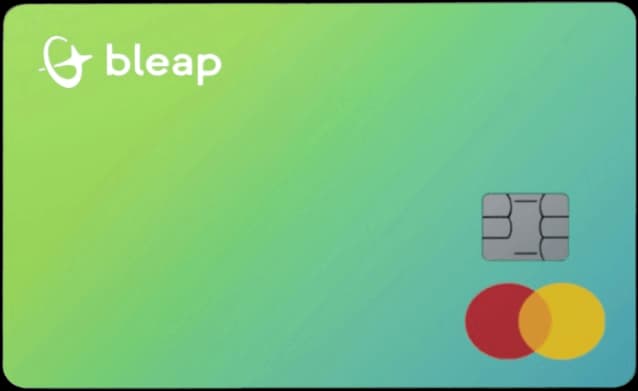
Gnosis Pay offers Safe smart-account settlement on Gnosis Chain, with GNO holdings and a weekly eligible-spend cap governing its interim cashback programme through September 2026. Bleap is a self-custody option with 1% base cashback and 2% on groceries and dining, without staking capital or an annual fee.
Wirex One pays 0.5% at Base, 1-3% on its plastic tiers, or up to 8% on metal. Higher tiers require both a qualifying portfolio and WPAY exposure; monthly redemption limits apply to accrued cashback. That makes the free Base card a different proposition from the metal headline.
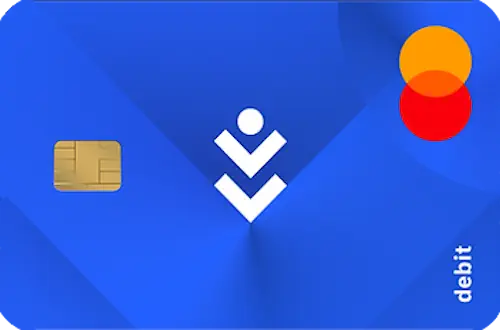
1. COCA Visa Card
Self-Banking: 8% Cashback + 5% APY + 0% FX
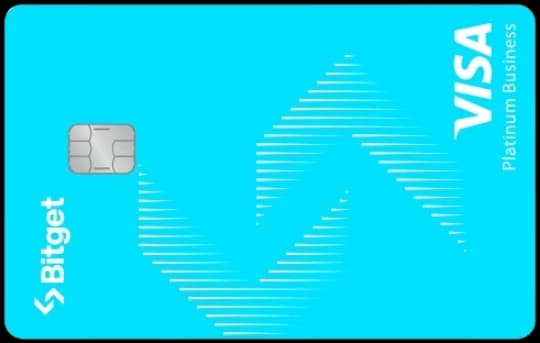
2. Bitget Card
Trade and Spend: Up to 8% BGB Cashback for Bitget Traders
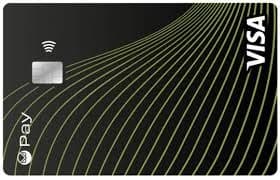
3. Gnosis Pay Card
Your Keys, Your Card, Your Money

4. Plutus Visa Card
Non-Custodial PLU Rewards on Eligible Spend + Lifestyle Perks
5. Bleap Mastercard
Secure DeFi Spend: Tiered USDC Cashback + 0% FX Fees
6. Wirex One Premium & Elite Card
The Plastic Membership Tiers: 1-3% USD Cashback + Subscription Rebates
Complete list:
All 59 crypto cards for europeans in September 2026
This table includes every active crypto card we currently track for europeans users. Rows marked Top pick are ranked and reviewed above.
| Crypto card | Max rewards | Annual fee | FX fee | Type | Custody |
|---|---|---|---|---|---|
1 COCA Visa CardTop pick | Up to 8% rewards | Free | 0% | Debit | Self-custody |
2 Bitget CardTop pick | Up to 8% rewards | Free | 0% | Debit | Custodial |
3 Gnosis Pay CardTop pick | Up to 5% rewards | Free | 0% | Debit | Self-custody |
4 Plutus Visa CardTop pick | Up to 9% rewards | $240 | 2.5% | Debit | Non-custodial |
5 Bleap MastercardTop pick | Up to 2% rewards | Free | 0% | Debit | Self-custody |
6 Wirex One Premium & Elite CardTop pick | Up to 3% rewards | Free | 0% | Debit | Hybrid |
| Up to 10% rewards | Free | 0% | Prepaid | Custodial | |
| Up to 8% points | Free | 0.4% | Debit | Custodial | |
| Up to 8% rewards | TBD | 0% | Prepaid | Custodial | |
| Up to 8% rewards | Free | 0% | Debit | Hybrid | |
| Up to 6% rewards | $200 with code | 1% | Debit | Self-custody | |
| Up to 5% rewards | TBD | 0% | Prepaid | Custodial | |
| Up to 4.5% rewards | $87 with code | 1% | Debit | Self-custody | |
| Up to 4% rewards | Free | 0% | Crypto Backed Credit | Self-custody | |
| Up to 4% rewards | Free | 0% | Crypto Backed Credit | Self-custody | |
| Up to 4% rewards | TBD | 0% | Prepaid | Custodial | |
| Up to 3% rewards | Free | 0.5% | Crypto Backed Credit | Self-custody | |
| Up to 3% rewards | Free | 0.25% | Crypto Backed Credit | Self-custody | |
| Up to 3% rewards | Free | 0% | Crypto Backed Credit | Self-custody | |
| Up to 3% rewards | $10000 | 0.5% | Prepaid | Custodial | |
| Up to 3% rewards | Free | 0% | Debit | Custodial | |
| Up to 3% rewards | $199 | 0% | Debit | Self-custody | |
| Up to 3% rewards | $199 | 0.5% | Crypto Backed Credit | Self-custody | |
| Up to 3% rewards | $299.9 | 0% | Prepaid | Custodial | |
| Up to 3% rewards | $129 | 1.2% | Prepaid | Custodial | |
| Up to 2.5% rewards | $83.88 | 1.02% | Crypto Backed Credit | Self-custody | |
| Up to 2% rewards | Free | 0% | Debit | Custodial | |
| Up to 2% rewards | $1000 | 0.5% | Prepaid | Custodial | |
| Up to 2% rewards | Free | 0% | Prepaid | Custodial | |
| Up to 2% rewards | Free | 0% | Debit | Custodial | |
| Up to 2% rewards | Free | 0.2% | Crypto Backed Credit | Hybrid | |
| Up to 2% rewards | Free | 1% | Crypto Backed Credit | Self-custody | |
| Up to 2% rewards | $49.9 | 0% | Prepaid | Custodial | |
| Up to 2% rewards | $999 | 0% | Crypto Backed Credit | Self-custody | |
| Up to 1.5% rewards | Free | 0.5% | Prepaid | Custodial | |
| Up to 1.5% rewards | Free | 0.5% | Prepaid | Custodial | |
| Up to 1.5% rewards | Free | 1% | Debit | Self-custody | |
| Up to 1.5% rewards | $249 | 0.25% | Crypto Backed Credit | Self-custody | |
| Up to 1% rewards | Free | 0% | Debit | Custodial | |
| Up to 1% rewards | Free | 1% | Crypto Backed Credit | Self-custody | |
| Up to 1% rewards | Free | 1.75% | Debit | Self-custody | |
| Up to 1% rewards | Free | 1% | Debit | Self-custody | |
| Up to 1% rewards | Free | TBD | Prepaid | Custodial | |
| Up to 1% rewards | $47.88 | 1.275% | Crypto Backed Credit | Self-custody | |
| Up to 1% rewards | $99 | 0.5% | Crypto Backed Credit | Self-custody | |
| Up to 0.5% rewards | Free | 0% | Debit | Hybrid | |
| Up to 0.5% rewards | Free | 1% | Crypto Backed Credit | Self-custody | |
| none | Free | 0% | Prepaid | Custodial | |
| Varies | Free | 1.7% | Prepaid | Custodial | |
| cashback | Free | 1.75% | Prepaid | Self-custody | |
| cashback | $199 | 0.75% | Prepaid | Self-custody | |
| cashback | Free | 0.5% | Prepaid | Custodial | |
| none | Free | 1% | Prepaid | Self-custody | |
| none | Free | 1% | Debit | Self-custody | |
| Varies | Free | 1.2% | Prepaid | Custodial | |
| Varies | Free | 1.2% | Prepaid | Custodial | |
| Varies | Free | 1.2% | Prepaid | Custodial | |
| Varies | Free | 1.7% | Crypto Backed Credit | Self-custody | |
| points | Free | 1% | Debit | Self-custody |
What $2,000/Month Looks Like
$200
/month in cashback (based on MEXC Global Card at 10%)
Use EUR 2,000/month of card-eligible spending as an illustration, not a claimed European household average. The table shows gross rewards before funding costs, tax, token-price moves, and merchant exclusions.
| Card Tier | Cashback Rate | Monthly Return | Annual Return | Entry Cost |
|---|---|---|---|---|
| Bank debit card | 0% | EUR 0 | EUR 0 | Free |
| Bleap / base purchases | 1% | EUR 20 | EUR 240 | Free; groceries/dining can earn 2% |
| KuCard / standard | 0.5% | EUR 10 | EUR 120 | Free; conversion spread applies |
| Plutus (Starter 3%) | 3% | EUR 9 (capped) | EUR 105 (capped) | GBP 84/yr sub |
| Bitget (2% BGB tier) | 2% gross | EUR 40 | EUR 480 | BGB holdings; 0.9% per purchase |
| Plutus (Premium 9%) | 9% | EUR 105 (capped) | EUR 1,260 (capped) | GBP 240/yr + PLU |
| Wirex One Base | 0.5% USD | EUR 10 | EUR 120 | Free; higher tiers need portfolio + WPAY |
At 2% on every eligible purchase, EUR 2,000/month produces EUR 480/year gross; Bleap does not pay 2% on every merchant category, and KuCard's free standard tier is 0.5%. Plutus can pay a higher rate with a PLU tier, but the Premium plan's GBP 1,000 monthly eligible-spend cap stops rewards scaling with the full EUR 2,000.
Named Scenario: Lena, Product Manager in Berlin (EUR 3,500/month)
Context: Germany is Europe's most cash-heavy major economy. Roughly 30-40% of retail transactions are still cash. Lena needs a card that works at German supermarkets (REWE, Edeka, Lidl accept card now, but some local shops and restaurants still insist on cash) and an ATM strategy for the cash portion.
Setup: Plutus Premium (GBP 19.99/month, three eligible subscription perks, GBP 1,000 cashback-eligible spend cap) for purchases that qualify. A second card can handle spending above that cap, but the Bitget exchange card is worthwhile only if her BGB tier exceeds its 0.9% transaction fee and the card is available to her.
Monthly flow:
- EUR 2,500 on Plutus-eligible purchases; only the first GBP 1,000 (illustratively about EUR 1,170) earns card cashback
- EUR 500 on a backup card, subject to that card's actual reward tier and fees
- EUR 500 in cash (markets, bakeries, small cafes, tipping)
- Subscription rebates (3 perks): Netflix (EUR 12.99), Spotify (EUR 10.99), Amazon Prime (EUR 7.49) = EUR 31.47/month saved
Annual result:
- Plutus cashback: EUR 702 (5% on EUR 14,040 eligible spend, capped at GBP 1,000/month)
- Plutus subscription cost: -EUR 280 (GBP 19.99/month)
- Backup-card cashback: not assumed; Bitget's net rate depends on her BGB tier and regional access
- Subscription rebates: EUR 377.64
- Plutus subtotal: about EUR 800/year under the assumed 5% tier, subscription prices, and GBP/EUR conversion; not a guaranteed net return
This example depends on maintaining the 5% PLU tier and using all three selected perks. Funding costs, PLU price movement, exclusions, and GBP/EUR changes are not included.
Named Scenario: Marco, Freelancer in Lisbon (EUR 2,200/month)
Context: Portugal taxes crypto gains at 28% but has a 365-day holding exemption. Marco funds his card with USDC bought fresh from fiat to avoid triggering capital gains on appreciated crypto. He keeps his BTC and ETH investment portfolio completely separate from his spending wallet.
Setup: KuCard for ordinary spending only if its KCS tier and conversion spread make sense; Gnosis Pay (self-custody, EURe) for purchases where Marco wants funds in his own wallet until payment.
Monthly flow:
- EUR 1,800 on KuCard (all everyday spending: groceries, restaurants, transport, subscriptions)
- EUR 400 on Gnosis Pay (larger purchases at merchants that accept Visa)
- Funds KuCard via SEPA to KuCoin, buys USDC, loads card
- Funds Gnosis Pay by minting EURe and depositing to Safe
Annual result:
- KuCard cashback: EUR 108 at its 0.5% standard tier on EUR 21,600 of eligible spend, before conversion costs; EUR 648 would require its 3% KCS tier
- Gnosis Pay: minimal cashback (GNO tier dependent)
- FX savings: EUR 0 (all EUR spending in eurozone)
- Tax on card spending: calculate from his actual acquisition values, disposals, and Portuguese tax position
- Total: not fixed by the card's headline rate; KCS holdings and conversion costs can outweigh the extra cashback
Fresh stablecoin purchases may limit gains on subsequent spending, but they do not remove the need to record transactions or check reward treatment.
Named Scenario: Anna and Erik, Couple in Stockholm (SEK spending, EUR 5,000/month combined)
Context: Sweden uses Swedish krona (SEK), not euro. Every card purchase involves a currency conversion. The priority for Swedish users is actual 0% FX, not the highest cashback rate with hidden conversion spreads.
Setup: Anna considers 1inch, which pays 2% only if she chooses BXX rewards and charges 1.75% to convert the crypto spent. Erik considers the Bitget Card only if its exchange-card programme is available in Sweden and he holds enough BGB for the 8% tier. Different issuers and networks can be useful, but only after fees and access checks.
Monthly flow:
- Anna: EUR 2,500 on Mastercard purchases, with 1inch costing 1.75% to convert the crypto used
- Erik: EUR 2,500 on Bitget only if the BGB tier and Swedish eligibility check out
- Both fund via Avanza or SEB, SEPA to exchange, buy USDC, load card
- Cash rarely needed (Sweden is 95%+ cashless)
Annual result:
- Anna's 1inch result: EUR 600 in BXX rewards less EUR 525 in conversion fees = EUR 75/year before token-price changes
- Erik's Bitget result: EUR 2,130/year only at the 8% BGB tier after its 0.9% transaction fee; the 0.5% base tier loses money
- FX savings vs Swedish bank abroad: not applicable (primarily domestic spend)
- Combined result: up to EUR 2,205/year under those tier assumptions, before any other funding costs or BGB/BXX price changes
The benefit of separate networks is real; the upper-end reward outcome is conditional, not a default free-card return.
Higher Spend: EUR 4,000/month (Dual Income or Business Expenses)
| Card | Monthly Cashback | Annual Cashback | Annual Fee / Tx Fee | Net Annual Value |
|---|---|---|---|---|
| Bank debit | EUR 0 | EUR 0 | Free | EUR 0 |
| Bleap (1% base) | EUR 40 | EUR 480 | Free | EUR 480 before category boosts/fair use |
| KuCard (0.5% standard) | EUR 20 | EUR 240 | Conversion spread | Less than EUR 240 after conversion |
| Bitget (8% BGB tier) | EUR 320 | EUR 3,840 | EUR 432 tx fees | EUR 3,408 if qualified and available |
| Plutus (9% tier + 3 perks) | About EUR 105 cashback + assumed perks | Depends on eligible subscriptions | GBP 19.99/mo + PLU holding | Calculate from actual perk use and FX |
| Wirex One Base (0.5% USD) | EUR 20 | EUR 240 | Free | EUR 240 before conversion costs |
At EUR 4,000/month, Plutus cannot pay 9% on the whole amount because the Premium plan caps eligible spend at GBP 1,000/month. KuCard's 3% tier is not its free standard rate; it needs KCS holdings and still faces conversion costs. Bitget's EUR 3,408 result requires the 8% BGB tier and an available exchange card. A maximum-rate projection is useful only after the eligibility, token exposure, and fees are known.
Token Volatility: What If Your Staking Token Drops?
The high cashback tiers require staking volatile tokens. This table shows the net result after one year if the staked token changes in value:
| Scenario | PLU Held (Plutus 9%) | BGB Held (Bitget 8%) | No Staking (Bleap 1% base) |
|---|---|---|---|
| Token +50% | Cashback plus gain on PLU | EUR 1,704 net card rewards plus gain on BGB | EUR 240 base rewards |
| Token flat | About EUR 1,260 gross cashback | EUR 1,704 net card rewards | EUR 240 base rewards |
| Token -30% | Cashback minus loss on PLU | EUR 1,704 net card rewards minus loss on BGB | EUR 240 base rewards |
| Token -50% | Cashback minus loss on PLU | EUR 1,704 net card rewards minus loss on BGB | EUR 240 base rewards |
| Token -80% | Cashback minus loss on PLU | EUR 1,704 net card rewards minus loss on BGB | EUR 240 base rewards |
Illustration only: EUR 2,000/month in eligible spending. Plutus assumes its 9% PLU tier and a GBP 1,000/month Premium eligible-spend cap; the estimated cashback excludes the subscription. Bitget assumes its 8% BGB tier, deducts its 0.9% transaction fee, and requires regional availability. Bleap assumes all purchases fall into its 1% base category; fair use and exclusions still apply. Token position size is not assumed.
The table separates card rewards from token-price risk. It cannot turn an unknown PLU or BGB position into a fixed profit or loss: the purchase price and size of the holding matter. Bleap avoids a token gate but its reward rate varies by merchant category and fair-use rules. If a large decline in a reward token would outweigh the extra cashback, begin with a card that does not require holding one.
Subscription Rebates: Europe's Secret Weapon
Plutus offers subscription rebates that refund the cost of services in PLU tokens. This is on top of the base cashback rate:
| Service | Monthly Cost | Rebated by Plutus? | Rebated by Crypto.com? |
|---|---|---|---|
| Spotify | EUR 10.99 | Yes | Yes (Pro+ tier) |
| Netflix | EUR 12.99 | Yes | Yes (Pro+ tier) |
| Amazon Prime | EUR 7.49 | Yes | Yes (Icy+ tier) |
| Disney+ | EUR 8.99 | Yes | No |
| Apple One | EUR 16.95 | Yes | No |
Three Plutus Premium perks are worth only the value of eligible subscriptions you actually buy, within each perk's reimbursement limit. Crypto.com's perk eligibility depends on the card tier and programme terms. At the Plutus Starter tier (GBP 6.99/month, one perk, GBP 250 eligible spend), compare the value of that one perk and the capped cashback with the subscription fee and PLU exposure.
At Premium 9% (GBP 19.99/month, three perks, GBP 1,000 eligible spend), the 9% rate still requires its PLU tier, and GBP/EUR conversion affects the example. Treat the gross cashback and perk values as separate from the subscription fee and token risk. See our rebates guide for the full breakdown.
The Multi-Card European Stack
Many European power users run two cards: a high-cashback daily driver for groceries and subscriptions, and a self-custody card for larger purchases where control matters.
Recommended pairings:
- Daily driver: Bleap for 1% base and 2% grocery/dining categories, or Kraken if its balance-based reward tier suits you. Bitget Card and KuCard can offer higher headline rates, but only with BGB/KCS holdings and their transaction or conversion costs. Check the exchange card's availability in your country.
- Self-custody backup: Gnosis Pay (Safe smart account) or Bleap (EVM wallet, free)
- Travel card: Any 0% FX global card for non-EUR spending. Plutus charges 2.5% non-domestic so do NOT use it abroad.
For couples, the two-card strategy extends naturally: one partner on Bitget (Visa, high uncapped cashback), the other on Kraken (Mastercard, up to 2%, 0% FX, 0% ATM). Add Plutus only if subscription rebates justify the GBP 6.99-19.99/month cost. Different networks, different issuers, maximum combined value.
Multi-Card Strategy for Europeans
The Three Numbers Every European Should Check Before Applying
Number 1: The Breakeven Point on Staking Tiers
Most high-cashback cards require staking tokens (PLU, BGB, CRO) to unlock the best rates. The question is: does the additional cashback justify the staking requirement at your spending level?
| Card | Free Tier Rate | Max Rate | Staking Required | Monthly Spend to Break Even |
|---|---|---|---|---|
| Plutus | 3% (GBP 6.99/mo) | 9% (GBP 19.99/mo) | PLU tokens (11 tiers, 1-40K PLU) | Depends on perks used, spend cap, and PLU cost |
| Bitget Card | 0.5% (below its 0.9% fee) | 8% | BGB holdings (not locked); regional rollout | Depends on BGB exposure and effective fee-adjusted rate |
| Crypto.com | 0% | 5% | CRO (locked) or $299.90/yr subscription | Depends on tier, reward cap, and fee |
| COCA | 1% | 8% | $COCA staking (30-day cooldown) | No fixed break-even; Standard claims $25/mo at base capacity |
The rule: At lower spending levels, Bleap and Kraken avoid a paid-plan or token-staking gate, though their rates still depend on category or balance. KuCard's 3% requires substantial KCS holdings and its conversion spread can consume the reward. Higher spending can justify a token-backed tier only when the claimable net reward covers the token exposure or subscription cost. With COCA, the relevant number is the tier's monthly claim capacity, not spending alone.
Number 2: SEPA Instant vs Standard
The speed at which you can fund your card matters more than you think. Standard SEPA transfers take 1-2 business days. SEPA Instant arrives in seconds. If your card runs low on a Friday evening, a standard SEPA top-up means waiting until Monday.
| Card/Exchange | SEPA Instant | Standard SEPA | Minimum Deposit |
|---|---|---|---|
| Crypto.com | Yes | Yes | EUR 20 |
| Plutus | Yes | Yes | EUR 10 |
| Bitpanda | Yes | Yes | EUR 1 |
| Coinbase | Yes | Yes | EUR 2 |
| Bitget | Varies | Yes | EUR 10 |
| Wirex One | Yes | Yes | EUR 10 |
Number 3: Who Holds Each Balance
Check the card issuer and the entity holding any fiat or e-money, as well as the crypto-service provider. A MiCA-authorised crypto firm can still use a separate payment partner, and a card offered in Europe is not automatically MiCA-authorised. Keep card balances proportionate to what you need for spending.
How to Fund Your Card: SEPA Flow Step by Step
The funding path for European crypto cards follows this sequence:
Step 1: Initiate a SEPA transfer from your bank to the exchange or card provider. Your bank needs the provider's IBAN and your reference number. SEPA Instant: arrives in seconds. Standard SEPA: 1-2 business days.
Step 2: EUR arrives in your exchange account. If the card cannot spend EUR directly, convert to a supported stablecoin or other asset. Check the quoted spread and trading fee before moving funds; they vary by venue and funding route.
Step 3: Load USDC onto your card. Some cards (Plutus, Crypto.com) accept direct EUR top-up without the USDC step. Others (Gnosis Pay, Ready, MetaMask) require stablecoin deposits from a connected wallet.
Step 4: Spend. A EUR-billed card avoids card-network FX on a EUR purchase, but a crypto-funded card may still convert the asset at payment.
Total cost of this flow: Add any deposit, trade, transfer, off-ramp, and card-transaction costs before comparing cashback. A 2% reward on EUR 2,000 of fully eligible spending is EUR 40 before those costs and any reward caps.
What if your bank blocks SEPA to crypto exchanges? Ask the bank why the transfer was held and check the recipient's name and reference first. An intermediary account may have its own restrictions on crypto-related payments; do not assume a particular digital bank will process the transfer.
Path 1: Maximum Cashback (Staking or VIP Required)
Pure cashback maximizers can compare Plutus (up to 9% with PLU holdings, GBP 6.99-19.99/month subscription and GBP 250-1,000 eligible-spend cap), Bitget Card (up to 8% based on BGB holdings, 0.9% transaction fee, where available), and Wirex One's metal tier (up to 8% in USD with portfolio and WPAY requirements plus a monthly redemption limit). These are headline rates, not the return on every euro spent.
The token risk is significant: if PLU drops 50%, the value of your qualifying holding halves even if your cashback rate stays at 9%. The Honey Badger tier requires 40,000 PLU. At EUR 2,000/month spending with the Premium plan's GBP 1,000 eligible-spend cap, the 9% tier might earn about EUR 1,260/year in cashback, depending on the GBP/EUR rate, not 9% of every euro spent.
If PLU loses half its value, the loss depends on what you paid for the tokens. Compare that exposure with the capped incremental cashback before buying a tier. See the risk analysis further down this page.
Path 2: Free First Card Before You Commit Capital
If you want to test crypto-card spending before tying money up in staking or paid tiers, Bleap (1% base, 2% on groceries and dining) or Kraken (0% at Starter, up to 2% based on balance) are simpler places to start where available. KuCard has no annual fee, but its 3% tier requires KCS holdings and conversion spreads matter. 1inch has no annual fee either, but its 1.75% crypto-conversion fee consumes most or all of its 1-2% reward.
Path 3: Self-Custody First
For users who prioritize self-custody over cashback rates, ether.fi (ETHFI cashback, points, and eligible collateral yield), Gnosis Pay (Safe smart account), and MetaMask Card (Linea L2) avoid the conventional exchange-balance model. Ready is currently unavailable.
Their wallet-control and recovery arrangements differ, so compare the custody mechanics rather than relying on the label alone. See our DeFi users guide for the strategic angle, or open the compare tool for a side-by-side view.
Special Case: Non-Euro EEA Countries
For Sweden, Poland, Denmark, and Norway, conversion costs become a primary concern. A EUR purchase on a EUR-billed card needs no network FX, but spending SEK or PLN through that card triggers conversion.
| Card | FX Fee | Multi-Currency Settlement | Best For Non-Euro EEA |
|---|---|---|---|
| Bitget Card | 0% issuer FX markup; 0.9% transaction fee | Check billing currency | Only where the exchange card is actually available |
| Krak Card | 0% | Yes | Mastercard, 0% ATM, EEA/UK |
| Wirex One | 0% | Yes | EUR/USD/GBP accounts, self-custody (35 countries) |
| 1inch | 0% issuer FX; 1.75% crypto conversion | Check billing currency | EEA/UK; reward seldom covers conversion |
| Plutus | 2.5% | EUR-settled | Poor for non-EUR spending |
Non-euro EEA residents should prioritize cards with a billing currency and total conversion cost that suit local spend. A EUR-billed card with "0% FX" still converts a SEK purchase; a USD-funded card may also carry a separate crypto conversion or transaction fee.
Common Mistakes to Avoid
1. Analysis Paralysis from Too Many Options
What happens: With dozens of options, you spend weeks comparing every fee and feature while continuing to use your bank card at 0% cashback.
Potential cost: A full 2% on EUR 2,000/month is EUR 40 gross, but actual eligible categories, funding costs, and reward caps can lower the result.
How to avoid it: Pick a card whose base rate and all-in fee are clear at your spending level. Run one month of ordinary purchases before committing to a paid plan or a volatile reward-token position.
2. Ignoring MiCA Compliance
What happens: You see an EU-regulated brand and assume its crypto custodian, card issuer, and stablecoin each carry the same protection. A problem with one balance may be governed by a different entity and set of terms.
Potential cost: Losses depend on which asset you hold, who owes it to you, and what safeguards apply. Neither an EU licence nor an offshore registration alone guarantees recovery.
How to avoid it: Read the card terms for the issuing entity and balance holder, then check any separate crypto-service and stablecoin entities in the relevant regulatory registers. Keep only a spending balance on a card if you do not need the rest there.
3. Paying Tax on Every Coffee (Wrong Funding Strategy)
What happens: You fund your card with appreciated BTC and spend it on everyday purchases. Every transaction triggers a capital gains event. At the end of the year, your tax software shows 2,400 disposal events with total gains of EUR 15,000.
Potential cost: At a 28% Portuguese rate, EUR 15,000 of taxable gains would mean EUR 4,200 before individual circumstances. France's 2026 flat rate is 31.4%, but its taxable gain on each crypto-funded payment follows a portfolio-wide formula rather than simply the gain on the token spent. Germany's one-year exemption depends on the asset and transaction qualifying.
How to avoid it: Consider funding from newly acquired stablecoins where appropriate, while keeping acquisition and disposal records. A stablecoin can reduce price movement; it does not guarantee a zero taxable gain, especially under France's portfolio-wide calculation. Country-specific considerations:
| Country | Tax Model | Optimal Funding Strategy |
|---|---|---|
| Germany | Exempt after 1-year hold | Stablecoins for daily spending; hold BTC 1yr+ before any disposal |
| Portugal | 28% on gains (365-day exemption) | USDC for daily use; hold 365+ days for exemption |
| Netherlands | Wealth tax (no CGT on disposal) | Any asset: no disposal tax, only annual wealth tax |
| France | 31.4% flat rate; portfolio-wide gain formula | Keep whole-portfolio basis records; swapping BTC to USDC does not erase the gain |
| Italy | 33% general crypto-gain rate from 2026; 26% for qualifying EUR e-money tokens | No EUR 2,000 threshold; check token classification and disposal records |
| Spain | 19-28% progressive | Stablecoins for spending; separate investment portfolio |
| Austria | 27.5% flat | Stablecoins; BTC/ETH are "new assets" under 2022 reform |
See our tax-conscious guide for detailed strategies by country.
4. Overlooking ATM Withdrawal Limits
What happens: You travel to Germany or Austria (still heavily cash-based) and need EUR 400 in cash for a weekend market and restaurants. Your crypto card caps free ATM withdrawals at EUR 200/month. The next EUR 200 costs 2% = EUR 4.
Dollar cost: EUR 4-20/month depending on how much cash you need and your card's ATM policy.
How to avoid it: Check your card's ATM free allowance before committing. Bleap offers $400/month free. Higher-tier cards (Crypto.com Pro+, or Wirex One's metal tier) generally offer more generous ATM allowances. For heavy cash needs, keep a traditional bank card specifically for ATM withdrawals.
5. Not Checking SEPA Instant Support
What happens: It is Friday 8 PM, your card balance is EUR 12, and you need to pay for dinner. You initiate a SEPA transfer to top up. Standard SEPA: arrives Monday. You pay for dinner with your bank card at 0% cashback instead of your crypto card at 5%.
Dollar cost: One missed top-up is minor. But if this happens regularly (once a month), you miss EUR 10-50/month in cashback across 12 months = EUR 120-600/year.
How to avoid it: Choose a card/exchange that supports SEPA Instant. Alternatively, maintain a buffer balance: keep one week of spending always loaded on the card so you never run dry on a weekend.
6. Using the Same Card for Everything When Traveling Outside Europe
What happens: You use your EUR-settled card for a week in Thailand. Every transaction converts EUR to THB through the card network. The conversion is low (0.1-0.3%) but not zero. You could have used a global multi-currency card instead.
Potential cost: The actual card-network rate and any issuer markup or crypto-conversion spread vary by card and transaction. Compare an example purchase in the app before relying on a headline 0% FX claim.
How to avoid it: Keep a dedicated 0% FX card (Wirex One for 35 countries or RedotPay for 100+ countries) specifically for non-EUR travel. Use your EUR-settled card in the eurozone and switch to the global card when you cross currency borders.
Card Selection by European Profile
Euro-area resident (Germany, France, Italy, Spain): Start with Bleap (1% base, 2% on groceries and dining) or Kraken (0% Starter to 2% by balance) if the goal is testing card use without buying a reward token. KuCard's 3% requires KCS holdings and its conversion spread still matters. In France, the Bitget Wallet Card and the exchange-linked Bitget Card have different availability; do not assume the 8% exchange card can be obtained there.
Plutus makes sense if subscription rebates justify the GBP 6.99-19.99/month cost, but the eligible-spend cap limits high-spending value. A EUR-billed card avoids network FX on EUR purchases; funding and conversion charges still depend on the card. See our Germany guide, France guide, or Spain guide.
Non-euro EEA (Sweden, Poland, Denmark, Norway): Prioritize a low total cost for local-currency spending, not just a 0% issuer FX label. Kraken has no issuer FX markup; the Bitget exchange Card adds a 0.9% transaction fee and needs a local availability check. See our Sweden guide and Poland guide.
UK resident: Similar to EEA but with a separate regulatory framework. Plutus, Crypto.com, Wirex One, and other active issuers serve the UK. See our UK guide.
European digital nomad: A EUR-billed card works neatly across the euro area, but trips to non-euro countries still involve conversion. Compare the network rate, issuer markup, and funding spread on your actual route; Apple Pay/Google Pay support does not change those costs. See our digital nomads guide.
DeFi-native European: Gnosis Pay (Safe smart account, on-chain) or ether.fi Core (ETHFI cashback, points, and eligible collateral yield). Ready is currently unavailable. Compare their wallet-control and recovery models before choosing. See our DeFi users guide.
Privacy-conscious European: MiCA compliance and KYC are linked, but some cards offer tiered verification. RedotPay Virtual uses fast full KYC; its privacy value is the custodial stablecoin rail and global reach, not tiered or email-only verification. See our privacy guide.
European couple: A Visa and a Mastercard from different issuers provide a practical backup. The Bitget exchange Card can be the Visa only where available and if its BGB tier clears the 0.9% fee; Kraken is a Mastercard with balance-based rewards up to 2%. Add Plutus only if the perks justify its subscription. See our couples guide.
European student: Bleap offers 1% base and 2% on groceries and dining without a token holding; Kraken starts at 0% and increases with account balance. Neither guarantees 2% on every textbook, food, and transit purchase. See our students guide.
European freelancer: Kraken (up to 2% by balance, no issuer FX markup) may be simpler for expense records. Bitget's 7.1% net rate is possible only at its 8% BGB tier and where the exchange card is available. Keep business and personal spending separate for accounting. See our freelancers guide.
The short version: Europe has plenty of card choices, but base rewards can be modest. Bleap pays 1% on ordinary purchases and more in selected categories; Kraken's Starter tier pays 0%. At the premium end, Bitget could net EUR 3,408/year on EUR 4,000/month of eligible spending only at the 8% BGB tier, after its 0.9% transaction fee, and only where the exchange card is available.
Plutus's 9% rate is limited by the Premium plan's GBP 1,000/month eligible-spend cap and its subscription, while its three perks have value only when you use them. A net figure needs your actual perk usage, PLU tier, spending mix, and current exchange rate.
Check the legal entities behind the crypto service, card, and balance before treating a licence as protection for the whole product. Start with a card whose base rate and costs you understand, then consider a higher tier if the net return justifies the token or subscription risk. Stablecoin funding can reduce price volatility but does not remove record-keeping or tax obligations.
Disclaimer: SpendNode is a data comparison platform. We are not financial advisors. Crypto cards involve risks including asset volatility, custodial risk, and tax complexity. Verify all terms directly with issuers before applying.
Written by Aleksandar Dukic
Frequently Asked Questions
How many crypto cards work in Europe?
The EEA has the widest selection of any region globally. This includes exchange-linked cards, self-custody options, and Europe-first products like Plutus, Gnosis Pay, and Bleap.
Do I pay FX fees on EUR purchases?
A EUR purchase on a EUR-billed card does not require card-network FX, but the provider may charge to convert crypto or fund the card. A card billed in another currency can convert even within the euro area.
What does MiCA regulation mean for my card?
MiCA regulates specified crypto services and assets, not the whole card stack. Check the crypto provider's authorisation separately from the card issuer and the entity holding your fiat or e-money. MiCA authorisation does not itself license card issuance or guarantee recovery of every balance.
Which European crypto card has the highest cashback?
Plutus advertises up to 9% with PLU holdings and capped eligible spend; Bitget and COCA advertise up to 8% with BGB or COCA conditions; Wirex One reaches 8% on a portfolio- and WPAY-gated tier. Base rates can be zero.