
Best Crypto Cards in Germany (2026)
Compare the crypto debit cards available in Germany. Full EEA lineup with EUR settlement, 0% FX across the eurozone, and a unique 1-year holding exemption that makes crypto card spending completely tax-free.
Verified for Germany
54 crypto cards available
Local currency: EUR
Germany's 1-year holding exemption (Spekulationsfrist) is the single most powerful crypto card tax advantage in any major economy. Hold BTC, ETH, or any crypto for more than 12 months, then spend it through a card: the capital gains are completely tax-free. Not reduced, not preferential-rate. Zero.
In the UK, long-term gains are taxed at 18-24%. In the US, 15-20%. In France, 30%. In Germany after one year: 0%. For a crypto card user with a portfolio of aged holdings, Germany is the strongest country in Europe for crypto card spending after tax.
The second advantage is market size. Germany is the EEA's largest economy, and nearly every crypto card issuer with European operations serves German residents first. Bitpanda holds a direct BaFin license. Plutus, Gnosis Pay, Wirex, and Bleap operate under EEA passporting. Bitget, COCA, Crypto.com, KuCoin, and Kraken provide exchange-linked and direct spending options. The depth of selection exceeds any other European market.
EUR settlement means zero FX fees at every German merchant. For non-EUR spending (UK trips, Swiss shopping, USD subscriptions), a 0% FX crypto card eliminates the 1.5-2% markup that Deutsche Bank, Sparkasse, and Commerzbank charge.
Summary:
Which crypto cards are best in Germany?
The best crypto cards in Germany in September 2026 are Tria Premium Card, Plasma One Platinum Card, COCA Visa Card, Krak Mastercard, Bitpanda Visa Platinum Card, and Plutus Visa Card. The detailed ranking below explains the local tax, fee, and availability trade-offs.
| Crypto card | Base reward | Net after fees | Annual fee | FX fee | Type |
|---|---|---|---|---|---|
| 6% base6% on the first $2,000/mo, then 1% | 4.5% | $200 with code | 1% | Debit | |
| 4% base4% base, up to 10% on AI and flights; 100k XPL lock | 4% | Free | 0% | Crypto Backed Credit | |
| 1% baseup to 8% with a large $COCA stake; $15-$350/mo claim capacity by tier | 1% | Free | 0% | Debit | |
| 1% basetiered by 30-day balance: 0% Starter, 0.5% Lite (£/€200), 1% Pro (£/€1,000), up to 2% Max (£/€50,000); new users get Max (2%) free for 30 days | 1% | Free | 0% | Debit | |
| 1% base | 1% | Free | 0% | Debit | |
| 3% baseup to 9% by stacking PLU; allowance-capped per plan | 0.5% | $240 | 2.5% | Debit | |
| 1% base2% for the first 30 days, then 1%; also capped at $1/EUR 1 per transaction ($2/EUR 2 during intro) and $100/EUR 100 per month | 1% | Free | 0% | Prepaid | |
| 3% base3% on the first $2,000/month, then 1% and 0.5% | 2.5% | Free | 0.5% | Crypto Backed Credit | |
| 0.5% baseup to 8% by holding 20,000+ BGB | 0.5% | Free | 0% | Debit | |
| 2% base2% in USDC on Credit Mode spend; cashback capped at $250/mo | 2% | $999 | 0% | Crypto Backed Credit | |
| 4% baseneeds a $50k CRO stake to hold the tier | 4% | TBD | 0% | Prepaid |
Based on our Germany research, Tria Premium leads the list for most residents: 6% on the first $2,000/month ($250/yr), no token stake or lockup, with a 1% FX charge and 0.5% per payment netting about 4.5% on euro spend. The $2,000 high-rate band covers a full Munich or Berlin budget.
COCA and Bitget post the bigger 8% headlines with 0% FX, but both need token-position commitments ($COCA or BGB staking exposure) to reach them, which is exactly what the Tria pick avoids.
The Spekulationsfrist makes every cashback token tax-free after a 12-month hold, so the token-vs-stablecoin reward distinction matters less in Germany than in 33%-CGT jurisdictions like Ireland; the relevant question becomes whether the staking lockup is worth the rate gap.
Plasma One Platinum runs the opposite play, and in Germany it works: cashback pays in XPL, and the Spekulationsfrist turns that from a liability into a plan. Route the rewards to a holding wallet, let them cross the 12-month line, and spend them at 0% tax.
Entry is a 100,000 XPL lock held for 12 months rather than a cash fee, the card is self-custodial, ChatGPT Plus and Claude Pro each carry up to a $20/month rebate, and non-EUR spend costs about 1% network FX.
For lighter spenders, the cheaper Tria Signature tier (4.5% on the first $1,000/month, $109/yr, about 3% net) covers the same no-staking ground; Premium pulls ahead once monthly spend crosses about EUR 720.
Kolo markets 1% ongoing BTC cashback (2% for the first 30 days) with 0% FX at $0 - BTC held 12 months becomes tax-free under the Spekulationsfrist, and Kolo's wallet sends directly to any SEPA bank (Sparkasse, DKB, N26, Deutsche Bank) without an exchange step.
Plutus earns up to 9% with subscription rebates, though the EUR 240/year subscription and 2.5% non-EUR FX fee limit it to domestic perk optimization. Bitpanda holds a direct BaFin license (not just EEA passporting) - the only DACH-native regulated option.
Crypto.com Icy adds 4% cashback with airport lounge access at Frankfurt and Munich (requires CRO stake).
Xplace Platinum pays new members 2% USDC in Credit Mode, capped at $250 a month, against a $999 annual fee and variable borrowing costs. Its 0% FX, Frankfurt/Munich lounges and 10% AI-subscription boost on up to $250 of monthly spend remain useful, but USDC rewards do not need the 12-month aging strategy that favors other German cards.
Best Card For Every Need in Germany
Top 11 Crypto Cards in Germany
Germany's 1-year Spekulationsfrist turns the entire crypto card strategy on its head - hold any token for 12 months and the gains are completely tax-free, making volatile cashback tokens optimal rather than risky. This flips the logic in the US and UK.
Plutus at 9% adds subscription rebates (1-3 perks) and PLU tokens that become tax-free after holding, though the EUR 240/year cost and 2.5% FX fee on non-EUR purchases make it a domestic-only optimizer.
Kraken adds a unique incentive: no card fees (just a variable conversion spread when you spend crypto or a non-primary balance) and up to 2% tiered cashback, plus Salary Match (0% to 1% of qualifying salary deposits by Krak Rewards tier, in eligible regions), making it one of the few cards that also rewards your paycheck.
Bitpanda earns its spot not on rewards (1%) but on trust: it holds a direct BaFin license, not just EEA passporting, making it the only DACH-native regulated option. COCA at up to 8% (1% at free Starter, scaling with staking $COCA) and zero FX delivers a high net return at ordinary household spending levels; Elite claims are limited to $350 per month.
Plasma One Platinum takes the premium position for users willing to hold XPL through Germany's one-year exemption period. Its entry cost is a 100,000 XPL lock rather than a cash fee, and the card stays self-custodial with ChatGPT and Claude rebates on top.
Tria Premium holds the top slot as the no-staking, no-lock pick: the same Spekulationsfrist treatment on the cashback side, and no $COCA or BGB tier ladder to climb. The headline is 6% on the first $2,000/month ($250/yr), but two charges stack on euro spend, a 1% FX fee on non-USD purchases and 0.5% on every payment, so plan around roughly 4.5% net to the cap.
Season 3 limits that headline rate to the first $2,000/month; above it the rate steps down to 1%, which after the same fees lands near zero on euro spend, so the cap is where the real value sits. For a Berlin reader who would rather not underwrite a token position to reach the 8% tiers, that ~4.5% net is the cleanest high rate on the page, and the lighter Signature tier ($109/yr, 4.5% to $1,000/month) covers smaller budgets on the same terms.
Kolo delivers 1% ongoing BTC (2% for the first 30 days) with 0% FX on stablecoin-funded spending at zero annual cost. Two German-specific angles keep it useful: BTC cashback held 12 months is tax-free under the Spekulationsfrist, and Kolo's wallet sends directly to any SEPA bank (Revolut, Wise, N26, DKB, Sparkasse) so you can off-ramp BTC rewards to EUR without an exchange intermediary.
ether.fi can be a bridge for eligible collateral held less than 12 months: borrowing may postpone an immediate sale while the position remains open. The comparison still needs to cover loan cost, collateral downside, and the tax treatment of the full arrangement. Bitget at 8% BGB and Crypto.com Icy (4%, CRO stake) with Priority Pass lounges at Frankfurt and Munich airports round out the selection.
xPlace Platinum sits near the end of this ranking because the 2% Credit Mode rate stops generating cashback above the $250 monthly cap. USDC payout, 0% FX, lounges and concierge still fit travelers who will use them, but the $999 fee and loan costs make it a poor default rewards card for domestic EUR spending.
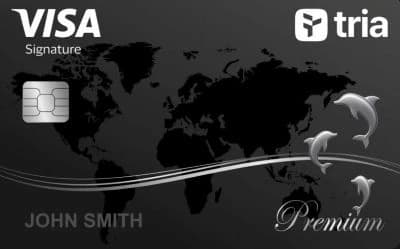
1. Tria Premium Card
Self-Custody Premium: 6% Cashback + Zero ATM Fees
2. Plasma One Platinum Card
Premium Self-Custodial Visa - 4% Base, 10% AI, 10% Flights, Lounge Access, Boosted 5% Yield
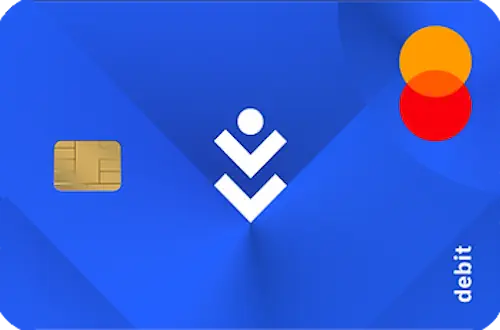
3. COCA Visa Card
Self-Banking: 8% Cashback + 5% APY + 0% FX
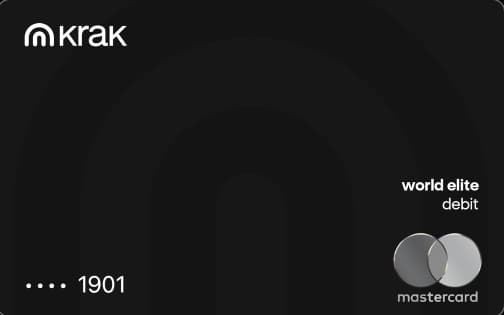
4. Krak Mastercard
Transparent Spending: No Fees + Up to 2% Back
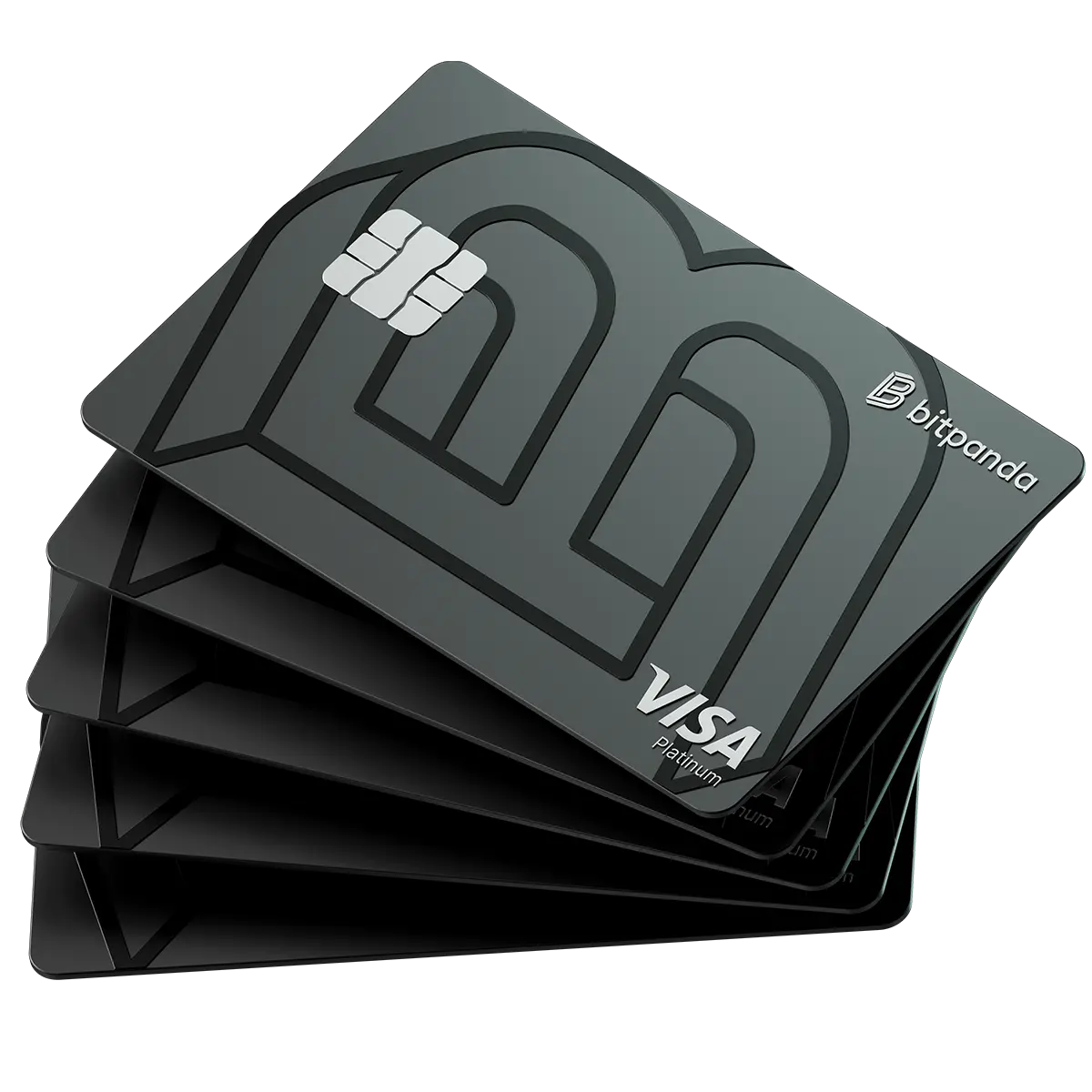
5. Bitpanda Visa Platinum Card
The EU Crypto Spending Card - 1% Back, Zero Fees

6. Plutus Visa Card
Non-Custodial PLU Rewards on Eligible Spend + Lifestyle Perks
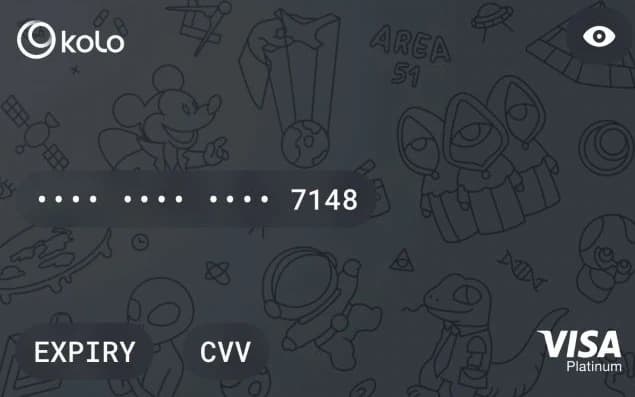
7. Kolo Card
Earn Bitcoin on Purchases: 2% for 30 Days, Then 1% (Capped) + Visa Platinum + 170+ Countries

8. ether.fi Core Card
3% Back on the First $2,000 Each Month, No Stake Required
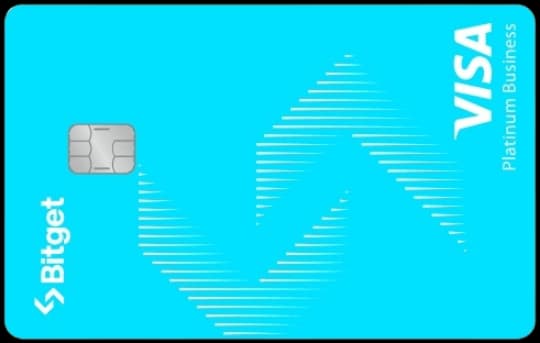
9. Bitget Card
Trade and Spend: Up to 8% BGB Cashback for Bitget Traders
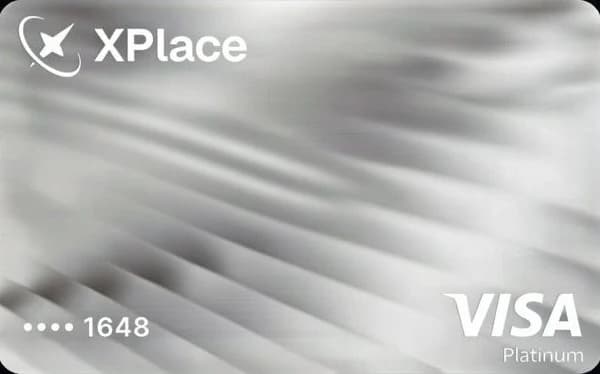
10. Xplace Platinum Card
10% Off Platinum with SPENDNODE: Pay $899.10 Instead of $999
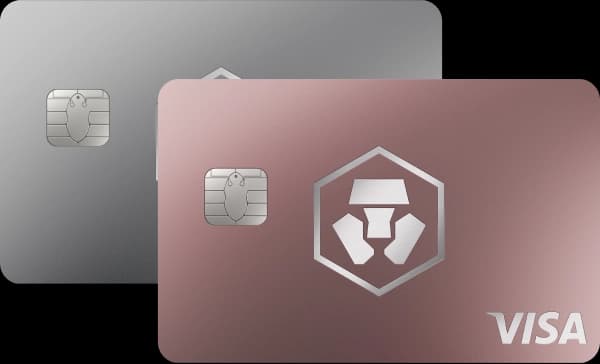
11. Private (Icy White / Rose Gold)
Private Tier: 4% Uncapped Cashback + Lounge Guest
Complete list:
All 54 crypto cards available in Germany in September 2026
This table includes every crypto card we currently track for Germany. Rows marked Top pick are ranked and reviewed above.
| Crypto card | Max rewards | Annual fee | FX fee | Type | Custody |
|---|---|---|---|---|---|
1 Tria Premium CardTop pick | Up to 6% rewards | $200 with code | 1% | Debit | Self-custody |
2 Plasma One Platinum CardTop pick | Up to 4% rewards | Free | 0% | Crypto Backed Credit | Self-custody |
3 COCA Visa CardTop pick | Up to 8% rewards | Free | 0% | Debit | Self-custody |
4 Krak MastercardTop pick | Up to 2% rewards | Free | 0% | Debit | Custodial |
5 Bitpanda Visa Platinum CardTop pick | Up to 1% rewards | Free | 0% | Debit | Custodial |
6 Plutus Visa CardTop pick | Up to 9% rewards | $240 | 2.5% | Debit | Non-custodial |
7 Kolo CardTop pick | Up to 2% rewards | Free | 0% | Prepaid | Custodial |
8 ether.fi Core CardTop pick | Up to 3% rewards | Free | 0.5% | Crypto Backed Credit | Self-custody |
9 Bitget CardTop pick | Up to 8% rewards | Free | 0% | Debit | Custodial |
10 Xplace Platinum CardTop pick | Up to 2% rewards | $999 | 0% | Crypto Backed Credit | Self-custody |
11 Private (Icy White / Rose Gold)Top pick | Up to 4% rewards | TBD | 0% | Prepaid | Custodial |
| Up to 10% rewards | Free | 3% | Debit | Hybrid | |
13 | Up to 8% rewards | TBD | 0% | Prepaid | Custodial |
| Up to 8% rewards | Free | 0% | Debit | Hybrid | |
| Up to 5% rewards | Free | 0% | Debit | Self-custody | |
| Up to 5% rewards | TBD | 0% | Prepaid | Custodial | |
| Up to 4.5% rewards | $87 with code | 1% | Debit | Self-custody | |
| Up to 4% rewards | Free | 0% | Crypto Backed Credit | Self-custody | |
| Up to 3% rewards | Free | 0.25% | Crypto Backed Credit | Self-custody | |
| Up to 3% rewards | Free | 0% | Crypto Backed Credit | Self-custody | |
| Up to 3% rewards | $10000 | 0.5% | Prepaid | Custodial | |
| Up to 3% rewards | Free | 0% | Debit | Custodial | |
| Up to 3% rewards | $199 | 0.5% | Crypto Backed Credit | Self-custody | |
| Up to 3% rewards | $299.9 | 0% | Prepaid | Custodial | |
| Up to 3% rewards | $129 | 1.2% | Prepaid | Custodial | |
| Up to 3% rewards | Free | 0% | Debit | Hybrid | |
| Up to 2% rewards | Free | 0% | Debit | Custodial | |
| Up to 2% rewards | Free | 0% | Debit | Self-custody | |
| Up to 2% rewards | $1000 | 0.5% | Prepaid | Custodial | |
| Up to 2% rewards | Free | 0.2% | Crypto Backed Credit | Hybrid | |
| Up to 2% rewards | Free | 1% | Crypto Backed Credit | Self-custody | |
| Up to 2% rewards | $49.9 | 0% | Prepaid | Custodial | |
| Up to 1.5% rewards | Free | 0.5% | Prepaid | Custodial | |
| Up to 1.5% rewards | Free | 0.5% | Prepaid | Custodial | |
| Up to 1.5% rewards | Free | 1% | Debit | Self-custody | |
| Up to 1.5% rewards | $249 | 0.25% | Crypto Backed Credit | Self-custody | |
| Up to 1% rewards | Free | 1.75% | Debit | Self-custody | |
| Up to 1% rewards | Free | 1% | Debit | Self-custody | |
| Up to 1% rewards | Free | TBD | Prepaid | Custodial | |
| Up to 1% rewards | $99 | 0.5% | Crypto Backed Credit | Self-custody | |
| Up to 0.5% rewards | Free | 0% | Debit | Hybrid | |
| Up to 0.5% rewards | Free | 1% | Crypto Backed Credit | Self-custody | |
| none | Free | 0% | Prepaid | Custodial | |
| Varies | Free | 1.7% | Prepaid | Custodial | |
| cashback | Free | 1.75% | Prepaid | Self-custody | |
| cashback | $199 | 0.75% | Prepaid | Self-custody | |
| cashback | Free | 0.5% | Prepaid | Custodial | |
| none | Free | 1% | Prepaid | Self-custody | |
| none | Free | 1% | Debit | Self-custody | |
| Varies | Free | 1.5% | Debit | Custodial | |
| Varies | Free | 1.2% | Prepaid | Custodial | |
| Varies | Free | 1.2% | Prepaid | Custodial | |
| Varies | Free | 1.2% | Prepaid | Custodial | |
| points | Free | 1% | Debit | Self-custody |
Crypto Card Regulation in Germany
BaFin (Bundesanstalt fur Finanzdienstleistungsaufsicht, Federal Financial Supervisory Authority) regulates crypto in Germany under the KWG (Kreditwesengesetz, Banking Act).
Germany was the first EU country to introduce a specific crypto custody license: the Kryptoverwahrgeschaft license (Section 1(1a) sentence 2 no. 6 KWG), required since January 1, 2020 for any entity providing safekeeping of crypto assets for German residents.
Over 40 entities have applied, with notable licensees including Coinbase Germany, Bitpanda, and crypto-native custodians.
BaFin's approach is regulatory by classification. Crypto tokens can be classified as:
- Rechnungseinheiten (units of account) under Section 1(11) KWG
- Financial instruments if they have security-like features
- E-money if pegged to fiat (stablecoins, pending MiCA reclassification)
Under MiCA, BaFin is the competent authority for CASP licensing in Germany. Germany passed the FinmadiG (Finanzmarktdigitalisierungsgesetz) and KMAG (Kryptomarkte-Aufsichtsgesetz) at the end of 2024, creating a national MiCA implementation framework. MiCA has been directly applicable since December 30, 2024.
Existing KWG licensees were grandfathered until December 31, 2025 - shorter than the EU-wide July 1, 2026 deadline. As of 2026, all crypto service providers in Germany must hold MiCA-compliant CASP authorization from BaFin or cease operations. BaFin maintains a strict approach to consumer protection, requiring clear fee disclosure and risk warnings.
Bitpanda is the only major crypto card issuer with a direct BaFin license (both crypto custody and financial services). Crypto.com operates through its Maltese and Lithuanian e-money licenses. Gnosis Pay operates through its EEA licensing structure.
The German government has been broadly supportive of blockchain technology. The Blockchain Strategy (Blockchain-Strategie der Bundesregierung, published September 2019) and subsequent updates position Germany as a blockchain-friendly jurisdiction. The Electronic Securities Act (eWpG, Gesetz uber elektronische Wertpapiere, June 2021) enables crypto-securities issuance.
EEA-licensed crypto card issuers operate in Germany under MiCA passporting rights. The full range of European issuers serves the German market: Bitget, COCA, Crypto.com, KuCoin, Kraken, Plutus, Gnosis Pay, Bitpanda, Wirex, Bleap, and others.
Tax Treatment of Card Rewards in Germany
Germany's crypto tax framework is uniquely favorable for long-term holders but punishing for short-term traders. The rules derive from Section 23 EStG (Einkommensteuergesetz, Income Tax Act) covering private sales transactions (private Verausserungsgeschafte), with the BMF's latest crypto tax guidance published here.
The 1-Year Spekulationsfrist (Speculation Period)
Crypto held for more than 12 months is completely exempt from capital gains tax on disposal. This is not a reduced rate or a preferential regime. It is a full exemption. If you bought ETH at EUR 500 in January 2025 and spend it through a crypto card in February 2026 at EUR 3,000, the EUR 2,500 gain is taxed at EUR 0.
Critical clarification (JStG 2022): Staking, lending, or providing liquidity does NOT extend the holding period. Before the Jahressteuergesetz 2022 clarification, there was uncertainty about whether DeFi activities would extend the Spekulationsfrist from 1 year to 10 years.
The BMF (Bundesministerium der Finanzen) confirmed on May 10, 2022 that the 1-year period remains for all crypto, regardless of staking or lending participation. Your staked ETH still qualifies for tax-free disposal after 12 months.
Proposed change to watch: Finance Minister Lars Klingbeil's 2027 federal budget key-points decision (Eckwertebeschluss) proposes abolishing this 1-year exemption from 2027, part of a plan to raise around EUR 2 billion in crypto tax revenue. It is a budget proposal, not enacted law, and the fourth such attempt in 18 months, so the exemption applies in full today. Holders planning around the 12-month rule should track whether it clears the 2027 budget process.
Short-Term Holdings (Under 1 Year)
Crypto held for less than 12 months is taxed at your personal income tax rate (Einkommensteuersatz) plus the Solidaritatszuschlag (solidarity surcharge, 5.5% of the tax):
| Taxable Income | Marginal Rate | With Solidaritatszuschlag |
|---|---|---|
| Up to EUR 11,604 | 0% | 0% |
| EUR 11,605 - EUR 66,760 | 14-42% (progressive) | 14.77-44.31% |
| EUR 66,761 - EUR 277,825 | 42% | 44.31% |
| Above EUR 277,825 | 45% (Reichensteuer) | 47.475% |
The EUR 1,000 Freigrenze is a threshold for the total annual gain from private sale transactions, not a EUR 1,000 allowance for crypto alone. The statutory test is less than EUR 1,000: EUR 999 of qualifying gains is exempt, while EUR 1,000 is taxable in full if no other exception applies.
Cashback Token Strategy
| Cashback Type | Tax at Receipt | Tax When Sold/Spent | Optimal German Strategy |
|---|---|---|---|
| BTC/ETH cashback | Not taxed (rebate/discount) | Tax-free if held 1+ year | Hold 12 months, then spend/sell |
| PLU cashback (Plutus) | Not taxed | Tax-free if held 1+ year | Hold PLU 12 months |
| GNO cashback (Gnosis) | Not taxed | Tax-free if held 1+ year | Hold GNO 12 months |
| BGB cashback (Bitget) | Not taxed | Tax-free if held 1+ year | Hold BGB 12 months |
| USDC cashback | Not taxed | Near-zero gain | Spend anytime |
Germany's Spekulationsfrist makes volatile cashback optimal. Unlike every other country where we recommend USDC cashback (to avoid CGT), in Germany you should receive cashback in BTC, ETH, or the issuer's native token, hold for 12 months, then sell or spend completely tax-free. This means your up to 5% GNO cashback from Gnosis Pay becomes tax-free GNO after 12 months, potentially worth far more if GNO appreciates.
Worked Example: Two-Wallet Strategy
Wallet A (Aged, 12+ months): Holds BTC and ETH purchased more than 12 months ago. Spend from this wallet through your card. Every transaction is tax-free regardless of gains.
Wallet B (Fresh, under 12 months): Holds recently purchased crypto and cashback tokens. Do not spend from this wallet. Wait until each position passes the 12-month mark, then transfer to Wallet A.
| Scenario | Wallet | Holding Period | Gain | Tax | Strategy |
|---|---|---|---|---|---|
| EUR 2,000 ETH spend (bought 14 months ago) | A | 14 months | EUR 1,200 | EUR 0 | Tax-free Spekulationsfrist |
| EUR 500 BTC spend (bought 3 months ago) | B | 3 months | EUR 200 | EUR 0 | Under EUR 1,000 Freigrenze |
| EUR 2,000 USDC spend | Either | Any | approx. EUR 0 | EUR 0 | Stablecoin, near-zero gain |
| EUR 100 PLU cashback (received 13 months ago) | B to A | 13 months | EUR 100 | EUR 0 | Tax-free after holding |
The goal: never spend short-term crypto above the EUR 1,000 Freigrenze. Use aged crypto for large purchases, stablecoins for immediate needs, and let cashback tokens age in Wallet B.
Tax reporting: Crypto gains are reported on Anlage SO (Sonstige Einkunfte, Other Income) of the annual Einkommensteuererklarung. The Finanzamt (local tax office) receives data from German-registered exchanges. Third-party tools like CoinTracking (German-founded) and Blockpit (Austrian, DACH-focused) generate Anlage SO-compatible reports.
How to Apply from Germany
German crypto card applications require a Personalausweis (national ID card, the credit card-sized version issued since November 2010 includes eID functionality) or a Reisepass (German passport). EU/EEA citizens residing in Germany can use their home-country national ID.
Meldebescheinigung (registration certificate from the Einwohnermeldeamt/Burgeramt) is Germany's primary proof of address. You register at your local Burgeramt when you move (Anmeldung), and the Meldebescheinigung costs EUR 0-10 depending on municipality.
Alternatively: utility bills from Stadtwerke (municipal utilities, varies by city), E.ON, Vattenfall, or EnBW (electricity), Telekom, Vodafone, or O2/Telefonica (telecoms), Rundfunkbeitrag (public broadcasting fee notice, EUR 18.36/month, sent to every registered address), or bank statements from Deutsche Bank, Sparkasse, Volksbank, DKB, ING, or N26.
Steueridentifikationsnummer (11-digit tax ID, assigned at birth or registration, permanent and unchanging) may be required by some issuers. Your Steuer-ID is different from the Steuernummer (tax number assigned by your local Finanzamt, changes when you move).
VideoIdent is the standard German KYC method: a live video call with an agent who verifies your ID document. Services like IDnow and WebID are integrated into most German fintech and crypto platforms. Completion: 5-15 minutes.
Physical cards ship via Deutsche Post or DHL within 5-10 business days. Virtual cards are available immediately for Apple Pay and Google Pay.
Spending Tips for Germany
What German Bank Cards Actually Cost You
Germany's banking sector includes Deutsche Bank (the largest commercial bank), the Sparkassen (savings banks, a network of 350+ independent institutions under the DSGV umbrella, 12,000+ branches), Volksbanken/Raiffeisenbanken (cooperative banks, 700+ institutions), Commerzbank, DKB (Deutsche Kreditbank, online-focused), ING-DiBa (ING Germany, online), and N26 (Berlin-based neobank, 8 million European customers).
Standard Girocard (EC-Karte) debit cards earn zero cashback. Girokonten (current accounts) at traditional banks cost EUR 3-10/month in Kontofuhrungsgebuhren (account fees). DKB, ING, and N26 offer free accounts with conditions (salary domiciliation or minimum balance). Visa/Mastercard debit (increasingly replacing Girocard-only) charges 1.5-2% FX on non-EUR transactions.
| Category | German Bank (Sparkasse) | Crypto Card (COCA 8%) | Annual Difference |
|---|---|---|---|
| Annual fee | EUR 36-120 | EUR 0 | EUR 36-120 saved |
| Cashback on EUR 2,000/mo | EUR 0 | EUR 1,920 (tax-free on 1yr+ crypto) | EUR 1,920 earned |
| FX on EUR 500/mo non-EUR | EUR 90-120 | EUR 0 | EUR 90-120 saved |
| Total annual advantage | - | - | EUR 2,046-2,160 |
We compared fees for German residents against traditional bank products: EUR 1,920/year in tax-free cashback alone. No German bank product offers this, and our comparison tool helps show which crypto cards keep that edge after caps and annual fees.
The 1-Year Holding Strategy in Practice
Keep two funding sources active:
- Aged crypto (12+ months): Your primary spending source. Every purchase is completely tax-free. Rotate the oldest positions first (FIFO, first-in-first-out, is the default German accounting method for crypto).
- USDC for immediate needs: When your aged crypto pipeline runs dry or you need to spend before a position ages, use USDC. Near-zero gain, near-zero tax.
Never spend short-term crypto above the EUR 1,000 Freigrenze. If you have EUR 800 in short-term gains from trading, you have only EUR 200 of room for short-term card spending gains before the entire amount becomes taxable.
Card Selection for German Residents
- Bitpanda (1%): The DACH default. BaFin-regulated, familiar brand, 600+ assets, zero FX. Lower cashback but maximum regulatory trust.
- Plutus (up to 9%, EUR 240/yr Premium): Domestic perk optimizer. Rebates on Netflix, Spotify, Amazon Prime (1-3 perks depending on plan). PLU cashback becomes tax-free after 12 months. Eligible spend capped at EUR 1,000/month on Premium. The 2.5% non-EUR FX fee means Plutus works for domestic EUR spending only - not travel.
- Plasma One Platinum (4% XPL, 100k XPL lock, 0% FX): Self-custodial Visa whose XPL cashback pairs naturally with the Spekulationsfrist: age the rewards 12 months and spend them tax-free. Up to $20/mo rebated toward each of ChatGPT Plus and Claude Pro.
- Crypto.com (up to 8%): Best for travelers. Airport lounge access at Frankfurt Main (FRA, Europe's 4th busiest hub), Munich (MUC), Dusseldorf (DUS), and 1,400+ global Priority Pass lounges.
- Gnosis Pay (up to 5% GNO): Self-custody Visa. Spend from a Safe wallet. 1% base, up to 4% with 100+ GNO held, 5% with OG NFT boost. GNO cashback becomes tax-free after 12 months.
- ether.fi (Core: 3% in ETHFI on the first $2,000/month, then lower bands): Spend supported stablecoins directly or borrow against eligible collateral. Borrowing may postpone an immediate sale before the 12-month holding period, but interest, liquidation, repayment, and individual tax treatment matter.
- Kraken (up to 2%): 0% fees plus Salary Match (0% to 1% of qualifying salary by Krak Rewards tier, in eligible regions). One of the few cards that also pays you to receive your paycheck.
- COCA (up to 8%): High staked-tier return with zero FX and zero transaction fee. Non-custodial multi-chain Visa; Elite requires 30K $COCA and has a $350 monthly claim capacity.
- Tria (up to 6% headline, 1% FX plus 0.5% per payment): Signature pays 4.5% on the first $1,000/mo ($109/yr, near 3% on euro spend once the fees come out) and Premium 6% on the first $2,000/mo ($250/yr, near 4.5% net). USDT cashback. Hold Tria rewards 12 months for Spekulationsfrist.
- Kolo (1% ongoing BTC, 2% intro, 0% FX on stablecoin top-ups, $0): Free BTC-payout card with 170+ country coverage and direct SEPA bank send from wallet to any German IBAN. Useful in Germany for two reasons: BTC held 12 months is tax-free under the Spekulationsfrist, and the SEPA off-ramp removes the exchange step when moving rewards back into EUR.
- KAST (1.5% USD cashback on first $2K/mo, 0.5-1.75% FX, free): Simple prepaid entry.
- Xplace Platinum (2% USDC Credit Mode, $250/mo cashback cap, 0% FX, $999/yr): Lounges at FRA and MUC without a token stake; compare borrowing costs and the value of the travel perks.
Cost of Living Context
Germany's cost of living varies more by city than almost any other European country:
- Munich: EUR 1,200-2,000 rent (1-bed, Schwabing/Maxvorstadt expensive, Sendling/Giesing more affordable), EUR 300-450 groceries, EUR 200-350 dining
- Berlin: EUR 800-1,400 rent (Kreuzberg/Neukolln gentrifying, Marzahn/Spandau cheaper), EUR 250-350 groceries, EUR 150-300 dining. Still 30-40% cheaper than Munich.
- Hamburg: EUR 900-1,500 rent, EUR 280-380 groceries
- Frankfurt: EUR 900-1,600 rent (banking hub premium), EUR 280-380 groceries
- Cologne/Dusseldorf: EUR 750-1,300 rent, EUR 260-350 groceries
- Leipzig/Dresden: EUR 500-900 rent, EUR 220-300 groceries. Eastern Germany remains 30-50% cheaper.
Monthly card-eligible spending: EUR 1,200-2,500 depending on city. At 4% cashback on EUR 1,500/month, a free card at that rate would return EUR 720/year, tax-free if funded with aged crypto. At 8% with COCA Elite staking tier: EUR 1,440/year.
The German Adoption Question: Why Should I Complicate This?
A German with a Girokonto at Sparkasse, a Girocard that works at every terminal, N26 or DKB for travel, and SEPA transfers that settle in hours already has a functional financial setup. Crypto cards in Germany do not solve a broken system. They have to beat a working one.
What moves German users is not "5% cashback" as a headline. The arguments that land are: tax-free after 12 months (the Spekulationsfrist turns a crypto card into a tax optimization tool, not a rewards gimmick), zero FX on Swiss and Polish trips (quantifiable savings against the 1.5-2.5% Sparkasse markup), and BaFin regulation (Germans trust products that carry a regulatory stamp more than products with higher yields).
This trust hierarchy explains why Bitpanda at 1% cashback holds a meaningful German user base while COCA at 8% is still gaining traction. Bitpanda has a direct BaFin license. For the Sparkasse-trust segment of the population, that outweighs 7 percentage points of cashback.
The ground is shifting. Sparkassen - 350+ savings banks, 50 million customers, 12,000+ branches - reversed their 2023 stance that crypto was "highly speculative." By summer 2026, their subsidiary DekaBank (BaFin-licensed) will offer BTC and ETH trading directly inside the Sparkasse banking app. Deutsche Bank is launching crypto custody with Bitpanda the same year.
When your local Sparkasse branch starts offering Bitcoin, the gap between "my normal banking setup" and "crypto card" narrows. The question shifts from "why would I bother?" to "I already hold crypto - can I spend it?"
From 2026, the EU also prohibits cash payments above EUR 10,000. Germany was the only major EU economy with no cash limit - the last holdout of "Bargeld ist Freiheit." Cash share has already dropped from 74% (2017) to under 50% (2025), and the Deutschlandticket (EUR 49/month contactless) pushed millions more toward digital. For the remaining cash-heavy segment, the EUR 10,000 cap is another push toward card spending, including crypto cards.
How German Spending Actually Splits
A Munich IT professional earning EUR 5,000/month net spends differently than a Berlin freelancer at EUR 3,000. But the category split is consistent:
Domestic EUR (60-70% of spending): REWE, Edeka, Aldi, dm, restaurants, Deutschlandticket, rent-adjacent costs. Zero FX on any EUR-denominated card. Pure cashback play. At EUR 1,500/month domestic and 8% cashback, that is EUR 1,440/year.
Eurozone travel (10-15%): Weekend trips to Austria (Salzburg, Vienna), Netherlands (Amsterdam, Maastricht), France (Strasbourg), Italy. Still EUR, still zero FX. Crypto cards offer the same advantage as at home.
Non-euro neighbors (10-15%): This is where zero-FX cards create the largest per-transaction savings. Switzerland (CHF) is the big one - 400,000+ Grenzganger (cross-border commuters) travel between southern Germany and Swiss cities. A Freiburg resident commuting to Basel who spends CHF 800/month on Swiss groceries, restaurants, and transit pays EUR 144-240/year in FX markup through a Sparkasse card. A zero-FX crypto card eliminates that.
Poland (PLN, Berlin to Poznan), Czech Republic (CZK, Munich/Dresden to Prague), and Denmark (DKK, Hamburg to Copenhagen) follow the same pattern at lower volumes.
USD/GBP subscriptions and online (5-10%): Netflix, Spotify, Adobe Creative Cloud, GitHub, AWS, ChatGPT, iCloud - most are billed in USD. A German with EUR 100/month in USD-billed subscriptions pays EUR 18-24/year in FX markup through a bank card. UK shopping (Amazon.co.uk, ASOS) adds GBP exposure. These are small per-transaction, but recurring and completely avoidable with a zero-FX card.
Funding Your Card: Salary to Spending
The German funding pipeline has no friction compared to markets where banks block crypto transfers or P2P is the only option.
Standard route: Salary lands in Girokonto (Sparkasse, Deutsche Bank, Commerzbank, DKB, ING, N26) → SEPA transfer to registered exchange (Bitpanda, Coinbase, Crypto.com, Kraken) → buy USDC or load crypto → transfer to card wallet. Total cost: near zero. SEPA transfers are free or EUR 0.15-0.50. Settlement: 1-2 business days for standard SEPA, same-day with DKB or N26 instant SEPA.
Aged crypto route: Transfer from existing wallet directly to card. No exchange needed, no banking friction. This is the cleanest path for users who built positions 12+ months ago.
Why not just use N26 or DKB abroad? N26 Metal (EUR 16.90/month) offers 0% FX on card payments. DKB's free Girokonto includes 0% FX internationally. Both are real alternatives for FX savings alone.
The difference: neither earns cashback, and neither provides Spekulationsfrist-optimized spending from aged crypto. A German professional who already holds 12-month-old BTC can spend it tax-free through a crypto card while earning 5-8% cashback. N26 Metal can match the FX savings but not the tax-free disposal or the rewards.
Common Mistakes and How to Avoid Them
Mistake 1: Accidentally crossing the EUR 1,000 Freigrenze with small card transactions. A user has EUR 900 in short-term trading gains already realized. They spend EUR 200 through a card from a wallet with crypto held for 8 months, generating EUR 120 in gains.
Total short-term gains: EUR 1,020. The ENTIRE EUR 1,020 is now taxable (Freigrenze is a threshold, not an allowance). At a 42% marginal rate plus Solidaritatszuschlag, that is approximately EUR 452 in tax, including EUR 399 on the first EUR 900 that would have been completely tax-free. A EUR 120 gain triggered EUR 452 in tax.
How to avoid it: Track your short-term gains throughout the year. If you are approaching EUR 900 in cumulative short-term gains, stop spending short-term crypto through your card immediately. Switch to aged crypto (12+ months, tax-free) or USDC (near-zero gain).
Mistake 2: Spending crypto that is 11 months old instead of waiting one more month. You hold BTC purchased on March 15, 2025 with EUR 5,000 in unrealized gains. On February 10, 2026 (11 months holding), you need EUR 2,000 and spend through your card. The EUR 1,000+ gain is taxed at your marginal rate (up to 47.475% with Solidaritatszuschlag). Waiting 33 more days to March 16, 2026 would have made the entire gain tax-free. Cost of impatience: up to EUR 475 on a EUR 1,000 gain.
How to avoid it: Maintain a spreadsheet or use CoinTracking/Blockpit to track the exact 12-month anniversary of each crypto purchase. For spending needs before the 12-month mark, use USDC or borrow via ether.fi.
Mistake 3: Confusing Freigrenze with Freibetrag when planning spending. Many German users incorrectly believe the EUR 1,000 threshold works like the GBP 3,000 UK allowance (where you pay tax only on the excess). It does not. EUR 1,001 in short-term gains means the full EUR 1,001 is taxable, not just EUR 1. This misunderstanding can result in hundreds of euros in unexpected tax.
How to avoid it: Treat the Freigrenze as a hard ceiling, not a deduction. Plan your short-term dispositions to stay at or below EUR 1,000, with a safety margin.
Local Payment Infrastructure: Girocard vs Visa/Mastercard
Germany has a unique dual payment network. Girocard (formerly EC-Karte, operated by the Deutsche Kreditwirtschaft) is the domestic debit network, accepted at most German merchants. Visa and Mastercard acceptance has grown steadily since 2020 but still lags Girocard at some smaller businesses, traditional bakeries (Backereien), butcher shops (Metzgereien), and rural merchants.
Major retailers with universal Visa/MC contactless: REWE (3,700+ stores), Edeka (11,000+ stores, Germany's largest food retailer by revenue), Aldi Nord/Aldi Sud (4,300+ stores combined), Lidl (3,200+ stores), dm-drogerie markt (2,100+ stores), Rossmann (2,300+ stores), MediaMarkt and Saturn (electronics, now merged as MediaMarktSaturn), IKEA Germany, H&M, Kaufland (700+ hypermarkets).
Transit: Deutsche Bahn (DB) tickets on bahn.de or the DB Navigator app accept Visa/MC. BahnCard 25/50 (EUR 62/244 per year) can be purchased by card. Regional transit: BVG Berlin (monthly EUR 49 Deutschlandticket), MVG Munich, VRS Cologne/Bonn, HVV Hamburg all accept contactless at ticket machines. The Deutschlandticket (EUR 49/month for all regional/local public transport nationwide) is purchased via app or subscription, payable by any card.
Cash note: Germany still uses more cash than most Western European countries, but the trend is toward digital. The share of cash transactions has dropped from 74% (2017) to under 50% (2025). Crypto cards work everywhere Visa/MC is accepted.
Cross-Border Spending
Germany borders nine countries:
Austria (EUR): Munich to Salzburg (1.5 hours), Innsbruck (2 hours). EUR, zero FX. Netherlands (EUR): Dusseldorf/Cologne to Maastricht/Amsterdam. EUR, zero FX. Belgium/Luxembourg (EUR): Western Germany to Brussels/Luxembourg City. EUR, zero FX. France (EUR): Saarbrucken/Strasbourg border region. EUR, zero FX.
Poland (PLN): Berlin to Poznan (3 hours). Polish zloty triggers 1.5-2% bank FX. Zero-FX crypto card saves. Czech Republic (CZK): Munich/Dresden to Prague. Czech koruna triggers bank FX. Zero-FX saves. Switzerland (CHF): Southern Germany to Zurich/Basel. Swiss franc triggers significant bank FX (2-2.5%). Zero-FX card saves substantially. Denmark (DKK): Hamburg to Copenhagen. Danish krone triggers bank FX.
Five eurozone neighbors (zero FX) plus four non-eurozone neighbors where FX savings apply.
Supported Exchanges & Wallets in Germany
Germany has a well-developed domestic crypto exchange scene alongside international issuers. BSDEX (Borse Stuttgart Digital Exchange, operated by the 6th-largest stock exchange in Europe) offers BaFin-supervised crypto trading. Trade Republic (Berlin-based, BaFin-regulated, 4 million German users) provides crypto alongside stocks and ETFs in a single brokerage.
Bison (also Borse Stuttgart, via the Bison app) focuses on simple BTC/ETH/XRP trading. Scalable Capital (Munich-based, BaFin-regulated) offers crypto as part of its wealth management platform. None of these domestic platforms currently offer consumer spending cards, but they provide BaFin-regulated on-ramps with SEPA bank transfers for German users.
The DACH-native option is Bitpanda: Vienna-headquartered, direct BaFin license, 600+ tradeable assets, 1% flat cashback, zero FX. For German users who prioritize regulatory trust above all else, Bitpanda has no direct competitor in Germany.
Plutus delivers up to 9% with PLU-based subscription rebates. Gnosis Pay provides up to 5% GNO self-custody spending from a Safe wallet (1% base, scaling to 4% at 100+ GNO, 5% with OG NFT).
Wirex offers a free Base tier (0.5%) and higher metal tiers up to 8% in USD, with no subscription (tiers are set by how much WPAY you hold). Bleap for account abstraction. Ready offered Starknet self-custody, but its card program is currently unavailable after its card issuer began winding down.
ether.fi lets German users spend supported stablecoins directly or borrow against eligible collateral. The borrowing route may postpone an immediate collateral sale before the one-year holding period is complete, but it is not an automatic no-tax strategy: interest, liquidation, repayment, and the user's tax treatment remain relevant. Nexo provides similar collateral-backed borrowing across a broader asset range.
Self-custody options: MetaMask (Virtual Card at 1%), Ledger CL Card (hardware wallet integration), Solflare (card paused as of July 28, 2026), and COCA for multi-chain users. 1inch Card (custodial via Baanx, 2% BXX cashback) rounds out the DeFi-adjacent options.
Tria now layers two costs across its tiers, a 1% FX fee on non-USD spend and a 0.5% charge on every payment: Signature runs 4.5% on the first $1,000/mo ($109/yr, about 3% on euro spend after the cuts) and Premium 6% on the first $2,000/mo ($250/yr, about 4.5%). USDT cashback pairs well with the Spekulationsfrist - hold rewards 12 months for tax-free gains.
Kolo (1% ongoing BTC, 2% intro, 0% FX on stablecoin spending, $0) is a free BTC-payout option with 170+ country coverage and direct SEPA bank send to any German IBAN. BTC held 12 months becomes completely tax-free under the Spekulationsfrist.
Global-reach alternatives: KAST (1.5% USD cashback on first $2K/mo, 0.5-1.75% FX, free), RedotPay with Virtual, Solana, and Physical options.
What Changes Next
Three developments are reshaping Germany's crypto card market simultaneously.
First, MiCA's full implementation is underway. Germany's grandfathering period for existing KWG licensees ended December 31, 2025 - six months ahead of the EU-wide July 1, 2026 deadline. All crypto service providers now need MiCA-compliant CASP authorization from BaFin. BaFin-licensed entities like Bitpanda transitioned smoothly, but smaller issuers relying solely on EEA passporting face ongoing compliance costs.
Second, mainstream banking is entering crypto. Sparkassen's 50 million customers will be able to trade BTC and ETH through their banking app by summer 2026, powered by DekaBank's BaFin-licensed infrastructure. Deutsche Bank is launching crypto custody services with Bitpanda the same year. These moves bring crypto from fintech-native users into the Sparkasse-trust segment of the population - the same demographic that needs a crypto card to spend what they buy.
Third, the Spekulationsfrist (1-year tax-free holding) is codified in EStG and is not affected by MiCA, but it now faces a live political threat.
Finance Minister Lars Klingbeil's 2027 federal budget key-points decision (Eckwertebeschluss) proposes abolishing the 1-year exemption to raise an estimated EUR 2 billion. It is the fourth attempt in 18 months and remains a proposal, not enacted law, so the exemption still applies today, though embedding it in a budget package makes this the most serious challenge yet.
For now, the Spekulationsfrist remains the single most valuable tax advantage for crypto card users in any major economy. Combined with the Sparkassen on-ramp and Germany's accelerating Girocard-to-Visa/Mastercard transition, the conditions for crypto card adoption in Germany are stronger entering 2026-2027 than at any point previously.
Germany's combination of the 1-year tax-free Spekulationsfrist, the EUR 1,000 short-term Freigrenze, BaFin regulatory clarity, the largest EEA market by card selection, and a dual cashback strategy (aged crypto for tax-free spending, volatile cashback for tax-free holding) gives German crypto card users more strategic options than any other European market.
Written by SpendNode Editorial
Frequently Asked Questions
Is spending crypto through a card tax-free in Germany after 1 year?
Yes. Under Section 23 EStG, crypto held for more than 12 months is completely tax-free on disposal. Spend year-old BTC through a card for a EUR 1,000 purchase with EUR 500 in gains: zero tax. This applies to the crypto itself. Cashback rewards restart the 1-year clock from when they are received. Note: a 2027 federal budget proposal (not yet enacted) could abolish this 1-year exemption from 2027.
What happens if my short-term gains exceed EUR 1,000?
The EUR 1,000 Freigrenze (threshold, raised from EUR 600 effective January 1, 2024) is not an allowance (Freibetrag). If your total short-term crypto gains exceed EUR 1,000 by even EUR 1, the ENTIRE amount becomes taxable at your income tax rate (up to 45% + 5.5% solidarity surcharge). Stay under EUR 1,000 or use only 1-year-old crypto.
Which card is best for German residents?
Tria Premium (6% on the first $2,000/mo then 1%, about 4.5% net after its 1% FX and 0.5% per-payment fees, $250/yr, no token stake) is a strong pick for typical German spending; the cheaper Signature tier covers lighter budgets. COCA reaches up to 8% with 0% FX through a non-custodial smart wallet, but requires $COCA staking and has tiered monthly claim capacity. Volatile cashback tokens can qualify for Germany's one-year holding rule, while stablecoin rewards generally have little price movement.
Bitget (up to 8% BGB, 7.1% net after the 0.9% tx fee) suits users already holding substantial BGB. Bitpanda (1%, free, BaFin-regulated, 600+ assets) is the DACH-native option. Plutus reaches up to 9% but requires PLU staking and has eligible-spend caps. Gnosis Pay and MetaMask cover direct self-custody.
Do I pay FX fees on eurozone purchases?
No. EUR-settled cards incur zero FX fees across all 20 eurozone countries. For purchases outside the eurozone (GBP in the UK, CHF in Switzerland), the card's FX fee applies. Cards with 0% FX fees save 1-3% on non-euro transactions.
Other Countries
View all 112 countries →


Latest Page Changes to the Best Crypto Cards in Germany Guide
- xPlace Platinum moved down the German ranking after its Credit Mode cashback changed to 2% USDC with a $250 monthly ceiling for new memberships. Lounges and 0% FX remain, but the $999 fee no longer supports its former rewards position
- Sparkassen BTC/ETH trading via DekaBank (expected summer 2026) and Deutsche Bank crypto custody launch with Bitpanda
- EU EUR 10,000 cash payment cap taking effect in 2026 - Germany was the last major EU economy with no limit
- Cross-border FX savings math for 400,000+ Grenzganger commuters to Switzerland, Poland, Czech Republic, and Denmark
- MiCA transition: FinmadiG/KMAG passed end 2024, KWG grandfathering ended Dec 31 2025