
Best Crypto Cards in United Kingdom (2026)
The UK has one of the broadest crypto card lineups anywhere, but the GBP 3,000 CGT allowance makes funding strategy critical. This guide compares the cards that still make sense after fees, caps, and tax friction.
Verified for United Kingdom
50 crypto cards available
Local currency: GBP
Chase UK, Monzo, and Starling are solid everyday cards, so the question is fair: why add a crypto card? The answer is net return. COCA delivers up to 8% cashback with zero FX and zero transaction fee through a non-custodial smart wallet, with 1% at the free Starter tier scaling to 8% at Elite. Chase UK offers 1%. At £1,500/month spending, COCA at Elite earns £1,440/year versus Chase's £180; that COCA amount remains within the tier's claim capacity.
If your wealth sits on-chain, whether ETH, BTC, or stablecoins, a crypto card is the shortest path to spending it at any UK merchant without withdrawing to a bank first.
The UK has 30+ verified crypto cards, more than any single country outside the EEA. Nearly every major issuer explicitly supports UK residents: exchange cards (Crypto.com, Kraken), self-custody options (MetaMask, Gnosis Pay, Ledger), COCA's non-custodial smart wallet, and UK-native issuers (Plutus, Wirex).
Top Crypto Cards Available in the UK
Summary:
Which crypto cards are best in United Kingdom?
The best crypto cards in United Kingdom in September 2026 are COCA Visa Card, Plasma One Platinum Card, Plutus Visa Card, Tria Signature Card, ether.fi Core Card, and Nexo Dual Card. The detailed ranking below explains the local tax, fee, and availability trade-offs.
| Crypto card | Base reward | Net after fees | Annual fee | FX fee | Type |
|---|---|---|---|---|---|
| 1% baseup to 8% with a large $COCA stake; $15-$350/mo claim capacity by tier | 1% | Free | 0% | Debit | |
| 4% base4% base, up to 10% on AI and flights; 100k XPL lock | 4% | Free | 0% | Crypto Backed Credit | |
| 3% baseup to 9% by stacking PLU; allowance-capped per plan | 0.5% | $240 | 2.5% | Debit | |
| 4.5% base4.5% on the first $1,000/mo, then 1% | 3% | $87 with code | 1% | Debit | |
| 3% base3% on the first $2,000/month, then 1% and 0.5% | 2.5% | Free | 0.5% | Crypto Backed Credit | |
| 1% baseneeds a $5,000 balance; up to 2% with NEXO loyalty | 0.8% | Free | 0.2% | Crypto Backed Credit | |
| 4% baseneeds a $50k CRO stake to hold the tier | 4% | TBD | 0% | Prepaid | |
| 1% base2% for the first 30 days, then 1%; also capped at $1/EUR 1 per transaction ($2/EUR 2 during intro) and $100/EUR 100 per month | 1% | Free | 0% | Prepaid | |
| 2% base2% in USDC on Credit Mode spend; cashback capped at $250/mo | 2% | $999 | 0% | Crypto Backed Credit | |
| 1.5% base | 1% | Free | 0.5% | Prepaid | |
| 1% basetiered by 30-day balance: 0% Starter, 0.5% Lite (£/€200), 1% Pro (£/€1,000), up to 2% Max (£/€50,000); new users get Max (2%) free for 30 days | 1% | Free | 0% | Debit |
Our UK fee comparison puts COCA among the highest headline cashback options at up to 8% with no transaction fee. The top rate requires a 30,000 COCA stake, and Elite reward claims are limited to $350 per month before added staking capacity.
Tria offers up to 6% headline, nearer 3% net once its 1% FX and 0.5% per-payment fees land, with stablecoin cashback that avoids volatile token CGT events: Signature at 4.5% on the first $1,000/mo ($109/yr) or Premium at 6% on the first $2,000/mo ($250/yr, about 4.5% net).
Kolo markets 1% ongoing BTC cashback (2% for the first 30 days) with 0% FX at $0, which keeps it relevant as a simple free BTC card but not a top cashback leader.
For a wider side-by-side card view, use the compare page after this section.
Plutus is the UK-native specialist with up to 9% headline rate, though the GBP 240/year subscription and 2.5% non-GBP FX fee limit it to domestic perk optimization. Crypto.com Icy adds 4% with lounge access at Heathrow, Gatwick, Manchester, Edinburgh (requires CRO stake).
Plasma One Platinum enters at the same 4% headline via a 100,000 XPL 12-month lock instead of a fee. Its UK relevance is custody: FSCS never covers exchange-held crypto, and this card's balance never sits with an exchange in the first place. The rebates of up to $20 a month each on ChatGPT Plus and Claude Pro also offset two of the USD-billed subscriptions UK cards usually leak FX on.
xPlace Platinum pairs 0% FX with lounges and concierge, but its 2% USDC Credit Mode cashback is capped at $250 a month for new memberships. The $999 fee and variable borrowing costs put it behind the stronger everyday-rewards options here; GBP conversion and reward-tax treatment still matter.
Best Card For Every Need in United Kingdom
Top 11 Crypto Cards in United Kingdom
The UK's GBP 3,000 annual CGT allowance can be used quickly if cardholders spend substantially appreciated crypto. COCA combines up to 8% cashback (1% at free Starter) with 0% FX, though the stake and monthly claim capacity determine its practical return.
Plasma One Platinum offers a self-custody funding route. Its 4% XPL reward has more price risk than USDC; keep receipt and disposal records. Its AI subscription rebates and travel cover add value for users who can use them.
Tria Signature at 4.5% on the first $1,000/mo at $109/yr, about 3% net once its 1% FX and 0.5% per-payment fees land, offers fixed-rate cashback that avoids volatile token CGT events at the UK's 24% higher rate, with no BTC, BGB, or CRO price risk to manage against the GBP 3,000 allowance.
Kolo at 1% ongoing BTC (2% intro) with 0% FX is the fee-free BTC card here - BTC cashback is a CGT asset, so plan holdings around the allowance. Plutus remains the only UK-native, FCA-registered card with GBP settlement and perk rebates, but the GBP 240/year subscription and 2.5% non-GBP FX fee limit it to domestic perk optimization.
Kraken keeps a tidy zero-fee niche: 0% FX, up to 2% tiered cashback (Krak Rewards), and Krak Vaults up to 3.6% APY, though the 2% only lands at a £50,000 balance, so for most users it sits behind the rewards leaders.
ether.fi and Nexo both provide collateral-backed borrowing routes that can postpone an immediate sale. At the UK's 24% higher CGT rate, that can be useful, but the outcome depends on borrowing costs, repayment, liquidation risk, and individual tax treatment. Crypto.com Icy (4%, CRO stake) adds Priority Pass lounges at Heathrow, Gatwick, Manchester, and Edinburgh.
xPlace Platinum is a narrower travel choice than its annual fee suggests: Credit Mode rewards max out at $3,000 in a full year before the $999 fee, while Cash Mode pays no card cashback on new memberships. Its USDC payout avoids a volatile reward-token position, and the 0% FX and lounges can still matter to frequent travelers. Borrowing costs belong in that comparison.
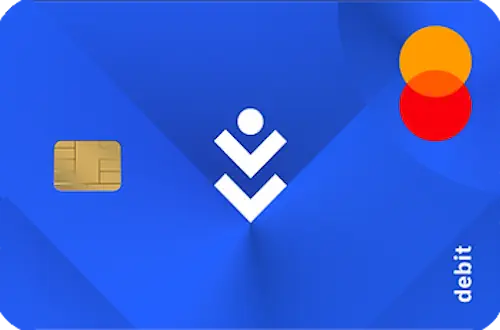
1. COCA Visa Card
Self-Banking: 8% Cashback + 5% APY + 0% FX

2. Plasma One Platinum Card
Premium Self-Custodial Visa - 4% Base, 10% AI, 10% Flights, Lounge Access, Boosted 5% Yield

3. Plutus Visa Card
Non-Custodial PLU Rewards on Eligible Spend + Lifestyle Perks

4. Tria Signature Card
High-Yield Self-Custody: 15% APY + Visa Signature Perks

5. ether.fi Core Card
3% Back on the First $2,000 Each Month, No Stake Required
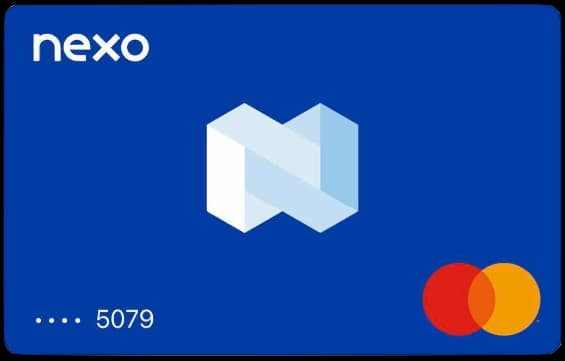
6. Nexo Dual Card
Credit/Debit Toggle: 2% Rewards + Up to 14% APY on Idle Balance
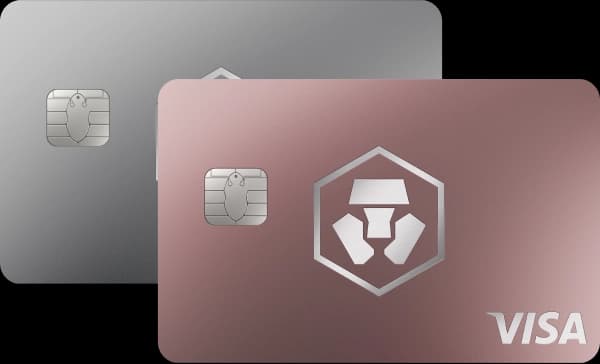
7. Private (Icy White / Rose Gold)
Private Tier: 4% Uncapped Cashback + Lounge Guest
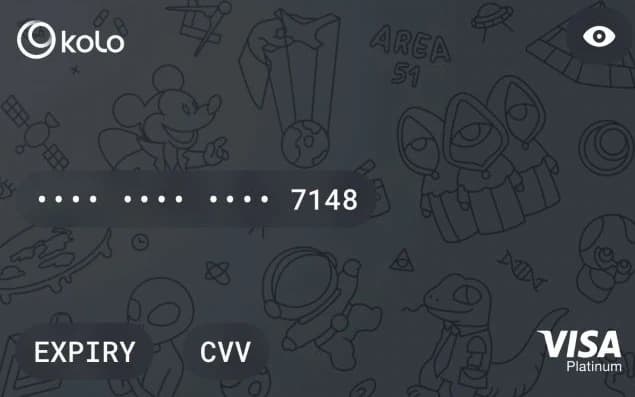
8. Kolo Card
Earn Bitcoin on Purchases: 2% for 30 Days, Then 1% (Capped) + Visa Platinum + 170+ Countries

9. Xplace Platinum Card
10% Off Platinum with SPENDNODE: Pay $899.10 Instead of $999

10. KAST K Card
Free USD Cashback: 1.5% on First $2K/Month

11. Krak Mastercard
Transparent Spending: No Fees + Up to 2% Back
Complete list:
All 50 crypto cards available in United Kingdom in September 2026
This table includes every crypto card we currently track for United Kingdom. Rows marked Top pick are ranked and reviewed above.
| Crypto card | Max rewards | Annual fee | FX fee | Type | Custody |
|---|---|---|---|---|---|
1 COCA Visa CardTop pick | Up to 8% rewards | Free | 0% | Debit | Self-custody |
2 Plasma One Platinum CardTop pick | Up to 4% rewards | Free | 0% | Crypto Backed Credit | Self-custody |
3 Plutus Visa CardTop pick | Up to 9% rewards | $240 | 2.5% | Debit | Non-custodial |
4 Tria Signature CardTop pick | Up to 4.5% rewards | $87 with code | 1% | Debit | Self-custody |
5 ether.fi Core CardTop pick | Up to 3% rewards | Free | 0.5% | Crypto Backed Credit | Self-custody |
6 Nexo Dual CardTop pick | Up to 2% rewards | Free | 0.2% | Crypto Backed Credit | Hybrid |
7 Private (Icy White / Rose Gold)Top pick | Up to 4% rewards | TBD | 0% | Prepaid | Custodial |
8 Kolo CardTop pick | Up to 2% rewards | Free | 0% | Prepaid | Custodial |
9 Xplace Platinum CardTop pick | Up to 2% rewards | $999 | 0% | Crypto Backed Credit | Self-custody |
10 KAST K CardTop pick | Up to 1.5% rewards | Free | 0.5% | Prepaid | Custodial |
11 Krak MastercardTop pick | Up to 2% rewards | Free | 0% | Debit | Custodial |
| Up to 10% rewards | Free | 3% | Debit | Hybrid | |
| Up to 8% rewards | Free | 0% | Debit | Custodial | |
14 | Up to 8% rewards | TBD | 0% | Prepaid | Custodial |
| Up to 8% rewards | Free | 0% | Debit | Hybrid | |
| Up to 6% rewards | $200 with code | 1% | Debit | Self-custody | |
| Up to 5% rewards | Free | 0% | Debit | Self-custody | |
| Up to 5% rewards | TBD | 0% | Prepaid | Custodial | |
| Up to 4% rewards | Free | 0% | Crypto Backed Credit | Self-custody | |
| Up to 3% rewards | Free | 0.25% | Crypto Backed Credit | Self-custody | |
| Up to 3% rewards | Free | 0% | Crypto Backed Credit | Self-custody | |
| Up to 3% rewards | $10000 | 0.5% | Prepaid | Custodial | |
| Up to 3% rewards | $199 | 0.5% | Crypto Backed Credit | Self-custody | |
| Up to 3% rewards | $299.9 | 0% | Prepaid | Custodial | |
| Up to 3% rewards | $129 | 1.2% | Prepaid | Custodial | |
| Up to 3% rewards | Free | 0% | Debit | Hybrid | |
| Up to 2% rewards | Free | 0% | Debit | Custodial | |
| Up to 2% rewards | $1000 | 0.5% | Prepaid | Custodial | |
| Up to 2% rewards | Free | 1% | Crypto Backed Credit | Self-custody | |
| Up to 2% rewards | $49.9 | 0% | Prepaid | Custodial | |
| Up to 1.5% rewards | Free | 0.5% | Prepaid | Custodial | |
| Up to 1.5% rewards | Free | 1% | Debit | Self-custody | |
| Up to 1.5% rewards | $249 | 0.25% | Crypto Backed Credit | Self-custody | |
| Up to 1% rewards | Free | 1.75% | Debit | Self-custody | |
| Up to 1% rewards | Free | 1% | Debit | Self-custody | |
| Up to 1% rewards | Free | 0% | Debit | Custodial | |
| Up to 1% rewards | $99 | 0.5% | Crypto Backed Credit | Self-custody | |
| Up to 0.5% rewards | Free | 0% | Debit | Hybrid | |
| Up to 0.5% rewards | Free | 1% | Crypto Backed Credit | Self-custody | |
| none | Free | 0% | Prepaid | Custodial | |
| Varies | Free | 1.7% | Prepaid | Custodial | |
| cashback | Free | 1.75% | Prepaid | Self-custody | |
| cashback | $199 | 0.75% | Prepaid | Self-custody | |
| cashback | Free | 0.5% | Prepaid | Custodial | |
| none | Free | 1% | Prepaid | Self-custody | |
| none | Free | 1% | Debit | Self-custody | |
| Varies | Free | 1.5% | Debit | Custodial | |
| Varies | Free | 1.2% | Prepaid | Custodial | |
| Varies | Free | 1.2% | Prepaid | Custodial | |
| Varies | Free | 1.2% | Prepaid | Custodial |
Crypto Card Regulation in United Kingdom
The FCA (Financial Conduct Authority) requires firms providing in-scope cryptoasset exchange or custody services in the UK to register under the Money Laundering Regulations. A card program may also involve separately regulated payment or e-money entities; the card brand alone does not establish which entity must appear on the Cryptoasset Register.
The FCA's approach is stricter than the EU's MiCA on marketing: all crypto promotions must be approved by an FCA-authorized firm under the Financial Promotions regime (effective October 2023). This means some card issuers restrict promotional features or cashback marketing in the UK even if the card itself is available.
The UK has not adopted MiCA and is building its own framework. The Financial Services and Markets Act 2000 (Cryptoassets) Regulations 2026 was passed on February 4, 2026, with the regime coming into force on October 25, 2027.
On June 30, 2026, the FCA published final policy statements and guidance for major parts of the regime, including stablecoin issuance, regulated activities, admissions and disclosures, market abuse, prudential rules, and Handbook application, following its December 2025 consultation papers. Firms can apply for authorization from September 30, 2026 to February 28, 2027.
The FCA has also finalized rules and guidance for UK-authorized stablecoin issuers (Policy Statement PS26/10), covering backing assets, safeguarding, redemption, disclosures, statutory trusts, limited intragroup custody, and up to 5% excess backing assets. These apply under the wider regime from October 25, 2027 and are not fully operative retail rules today.
During rule development, the FCA also invited stablecoin firms into its regulatory sandbox. The FCA has issued consumer warnings about crypto but has not restricted card-based spending.
The Financial Promotions regime also explains why UK crypto card marketing feels muted compared to the US or EEA. Card issuers cannot offer referral bonuses, new-joiner incentives, or any monetary inducement that encourages crypto investment. First-time investors face a mandatory 24-hour cooling-off period.
In February 2026, the FCA took its first enforcement action against a crypto firm (HTX) for breaching these rules. The result: UK users discover crypto cards through comparison pages and word of mouth rather than aggressive advertising campaigns.
Plutus and Wirex are UK-headquartered and FCA-registered. Crypto.com operates through its e-money licenses. Kraken holds FCA registration for exchange services. Verify each issuer's current FCA status on the register before applying.
Tax Treatment of Card Rewards in United Kingdom
HMRC treats crypto as property. Spending crypto through a card is a "disposal," subject to Capital Gains Tax (CGT). The annual CGT-free allowance is just £3,000 (reduced from £12,300 in April 2023). Gains above this are taxed at 18% (basic rate) or 24% (higher rate).
The £3,000 Problem
The slashed CGT allowance is the single biggest issue for UK crypto card users. Buy a £5 Pret sandwich with ETH you acquired at £1,000 when it is worth £3,000, and you owe CGT on the proportional appreciation. Across hundreds of small card transactions, you will exceed the £3,000 allowance quickly if you spend appreciated crypto.
Stablecoin funding can reduce the problem. USDC purchased and spent at the same GBP value creates little or no gain; GBP/USD movement between those dates can change the result.
Cashback: The Zero Cost Basis Trap
HMRC's published cryptoasset guidance does not settle every card-token reward by name. A reward tied to a purchase is commonly analyzed as a discount rather than income at receipt. If the holder gave no separate consideration for the tokens, a nil or low acquisition cost may then make most or all of their later sale value a capital gain.
A reward for a separate activity, or one taxed as income when received, may have different receipt and cost-basis treatment. Keep the program terms and GBP value at receipt; do not assign every reward a zero basis automatically.
| Cashback Type | Tax When Received | Tax When Spent/Sold | Complexity |
|---|---|---|---|
| BTC/ETH cashback | Purchase-linked rebate may be a discount | Nil or low cost basis is possible; later price changes add risk | High |
| Stablecoin cashback | Purchase-linked rebate may be a discount | Check basis and GBP disposal value | Medium |
| PLU cashback (Plutus) | Classify against program terms | Check basis before calculating later CGT | High |
From January 1, 2026, the UK's Cryptoasset Reporting Framework (CARF) goes further than the old data-sharing arrangements: platforms must collect your identity and transaction details and report them to HMRC automatically, with the first reports due in 2027. Crypto debit-card payments are within scope of what gets reported.
HMRC has also sent "nudge letters" to crypto holders, so keep records of every transaction for your Self Assessment return; tools like Koinly and CryptoTaxCalculator integrate with most UK-available card issuers.
One forward-looking caveat: the government is developing draft Finance Bill 2026-27 legislation for cryptoasset loans and liquidity pools, alongside stablecoin tax changes.
These are proposals, not current enacted treatment; the stablecoin measure is intended for April 2027, while technical details and possible limited retrospection for loans and liquidity pools remain under consultation. Borrow-to-spend against staked crypto currently creates no disposal, but that treatment could change if the draft rules are enacted.
How to Apply from United Kingdom
UK crypto card applications require a valid UK passport or DVLA driving licence (full or provisional), proof of UK address dated within 3 months (utility bill from British Gas, EDF, Thames Water, etc., council tax bill, or bank statement from a UK bank), and National Insurance number for some issuers.
FCA-registered issuers (Plutus, Wirex) typically offer instant or same-day verification for new users. Exchange-linked cards (Crypto.com, Kraken, Bitget) are instant if you already have a verified account. Physical cards ship to UK addresses via Royal Mail or courier, typically arriving within 5-7 business days. Virtual cards are available within minutes.
BRP (Biometric Residence Permit) holders and settled/pre-settled status holders can apply with their BRP card as ID. Some issuers may not accept provisional driving licences as primary ID.
Spending Tips for United Kingdom
Why UK Users Add a Crypto Card on Top of Monzo
The UK already has the best neobank ecosystem in Europe. Monzo and Starling offer 0% FX on spending abroad. Chase UK pays 1% cashback on everything with no fee. Revolut bundles crypto trading, budgeting, and 0% FX into one app. Most UK adults under 40 carry at least one neobank card. The setup works.
So what does a crypto card add that Monzo cannot? Three things.
First, cashback that neobanks do not offer. Monzo and Starling pay 0% on purchases. Chase UK pays 1%. A strong crypto card at 4-8% still returns materially more on every transaction. On £1,500/month, that gap is roughly £540-1,260/year in rewards that no neobank provides.
Second, collateral-backed spending. At 24% higher-rate CGT and a GBP 3,000 annual allowance, spending appreciated crypto through a card can use the allowance quickly. ether.fi can spend supported stablecoins directly or borrow against eligible collateral, potentially postponing an immediate sale. No neobank or traditional card offers that choice of funding rail.
Third, self-custody spending. Gnosis Pay, MetaMask, and Ledger let you spend directly from your own wallet. If your crypto sits in a self-custody wallet and you want to spend it at Tesco without moving it to an exchange first, a self-custody card is the only path. Revolut has crypto trading but not wallet-connected spending.
The typical UK adoption path: start with Monzo or Starling for daily banking and 0% FX travel. Add Chase UK for 1% cashback. Then discover that crypto cards at 5-8% make Chase UK's 1% look like a rounding error - and add one for the spending where cashback actually compounds.
The Traditional Card Comparison
The UK has excellent neobanks and traditional cards, but none match crypto card cashback rates. Monzo (free, 0% FX on spending) offers zero cashback. Starling (free, 0% FX) - zero cashback. Revolut Metal (£13.99/month, 0% FX, 1% cashback in Europe) costs £168/year for 1%. Chase UK (1% cashback, free, 0% FX) is the best traditional free card. Amex Gold (0.5 Avios per £1 or Nectar points, £160/yr) targets travel rewards.
At headline rates, COCA at 8% returns eight times Chase UK's 1%, but reaching that COCA tier requires a 30,000-token stake and claims are capacity-limited. Plutus reaches up to 9% but costs £240/year and caps eligible spend at £1,000/month on Premium - best for domestic spending only (2.5% FX on non-GBP).
The self-custody cards (Gnosis Pay at up to 5% GNO + 0% FX, MetaMask at 1% cashback + 1% cross-border) add on-chain spending from your own wallet. The crypto card advantage in the UK is raw cashback rates that traditional issuers do not offer.
The £3,000 Allowance Strategy
Our mistake section covers this CGT trap: the slashed allowance (from £12,300 to £3,000 in April 2023) changes everything. At £3,000/year, spending appreciated crypto through a card will exhaust your allowance in weeks. Consider: £500/month of spending with BTC that has 3x appreciated means approximately £333/month in taxable gains. You blow through your £3,000 annual allowance in 9 months. Every subsequent transaction is taxed at 18% (basic rate) or 24% (higher rate).
Fund your card with USDC or USDT to keep gains near zero. Reserve the £3,000 allowance for actual investment exits, not Pret sandwiches.
ether.fi is the other route: borrowing against eligible collateral may postpone a sale. At the higher 24% CGT rate, deferring a GBP 10,000 gain could defer GBP 2,400 in immediate tax, before interest and other borrowing risks. Core's 0.5% FX fee also needs to be included on non-USD spending.
Card Selection by Use Case
- UK-native, domestic perk optimizer: Plutus Visa (up to 9% with PLU staking, £240/yr, 2.5% non-GBP FX, GBP settlement, £1,000/mo eligible spend cap on Premium)
- Tiered cashback with 0% FX: COCA (1% free, up to 8% with staking, $15-$350 monthly claim capacity, non-custodial smart wallet)
- Premium self-custody, no exchange exposure: Plasma One Platinum (4% XPL, 100k XPL lock, 0% FX, ChatGPT Plus + Claude Pro rebates)
- Free BTC accumulator: Kolo (1% ongoing BTC, 2% intro, free, 0% FX)
- Zero-fee with yield: Krak Card (up to 2%, free, 0% FX + up to 3.6% APY via Krak Vaults)
- Multi-asset flexibility: Uphold UK Card (1% GBP, free, 0% FX, 300+ assets including Gold/Silver, GBP-funded cashback only)
- Self-custody: Gnosis Pay (up to 5% GNO, free, 0% FX) or MetaMask Card (1% cashback, free, 1% cross-border)
- Premium perks + travel: Crypto.com Obsidian (5% + lounge access + Spotify/Netflix rebates)
- Flexible funding (postpone an immediate sale): ether.fi Core (free, banded ETHFI cashback, direct stablecoin spend or borrowing)
- Lounges and 0% FX without a token stake: xPlace Platinum (2% USDC Credit Mode, $250/mo cashback cap, $999/yr, plus variable borrowing costs)
Plutus vs COCA vs Kolo Break-Even Math
Plutus Premium costs £19.99/month (£240/year), caps eligible spend at £1,000/month, and reaches 9% only at its top PLU reward level (up to 40,000 PLU). COCA's 8% requires staking 30,000 COCA. Rewards are earned only on the first £1,000 of monthly spending for Plutus regardless of total volume. Kolo's 1% figures assume each purchase stays at or under £100, above which its $1-per-transaction cap bites.
| Monthly Spend | Plutus Premium (9% at top PLU tier, first £1,000/mo, £240/yr) | COCA (8% at 30k COCA stake) | Kolo (1% BTC ongoing, free) |
|---|---|---|---|
| £300 | £324/yr - £240 = £84 | £288/yr | £36/yr |
| £500 | £540/yr - £240 = £300 | £480/yr | £60/yr |
| £1,000 | £1,080/yr - £240 = £840 | £960/yr | £120/yr |
| £1,500 | £1,080/yr - £240 = £840 (capped) | £1,440/yr | £180/yr |
| £2,000 | £1,080/yr - £240 = £840 (capped) | £1,920/yr | £240/yr |
COCA at 8% (with 30,000 COCA staked) beats Plutus's net cashback at every spend level shown - at £1,000/month, Plutus earns £840 net versus COCA's £960. These COCA examples remain within Elite's $350 monthly claim capacity and assume no subscription rebates or other rewards use that shared capacity.
Spending beyond the capacity still earns cashback, but the excess must be claimed later and can expire after 12 months. Kolo at 1% ongoing BTC (2% intro) is the simple free BTC option, not a cashback leader.
Plutus's remaining value is in perk rebates (Netflix, Spotify, Amazon Prime) and being the only UK-native FCA-registered card - not in raw cashback. At the base Starter tier (3%, £6.99/mo, £250/mo cap), COCA at 8% beats Plutus at every spend level. The 2.5% non-GBP FX fee also means Plutus should never be your travel card - use COCA or Kraken abroad.
Spending Scenario: £1,500/month
At £1,500/month through COCA at 8%, you earn £120/month in crypto rewards, or £1,440/year.
| Factor | USDC Funding (COCA 8%) | ETH Funding (appreciated) | ether.fi Borrow-to-Spend (3%) |
|---|---|---|---|
| Capital gains per purchase | Near-zero | Taxable at 18%/24% above £3K | None (loan, not disposal) |
| Cashback | £120/mo | £120/mo | £45/mo |
| CGT on cashback (when sold) | Depends on reward basis and allowance | Depends on reward basis and allowance | Depends on reward basis and allowance |
| FX savings vs bank card (euro holidays) | 2.5% saved | 2.5% saved | 1.5% saved (1% FX fee) |
| Gross annual cashback | approx. £1,440 | approx. £1,440 before disposal tax | approx. £540 before financing costs |
The £1,440/year reward figure is gross. If the tokens are purchase rebates with nil basis and the full amount becomes a taxable gain on sale, an illustrative 20% effective CGT charge would leave about £1,152 before other costs. That is one possible treatment, not HMRC's published rule for every card reward; the actual result depends on the award's terms, acquisition cost, disposal value and remaining allowance.
Cost of Living Context
London (Zone 1-2): Rent £1,500-3,000+/month. The highest spending in the UK. A Londoner spending £2,500/month on card earns £2,400/year at 8% COCA. Plutus at 9% caps eligible spend at £1,000/month, so even at £2,500/month spending, Plutus earns only £840/year net (£1,080 rewards minus £240 fee) - far less than COCA free.
TfL contactless (tube, bus, Overground, Elizabeth Line) works with all Visa/Mastercard crypto cards, capped at daily/weekly rates. Most London merchants accept contactless - from Pret and Greggs to Borough Market stallholders. Zone 1-2 is nearly cashless.
Manchester/Birmingham/Leeds (major cities): Rent £800-1,500/month. Card acceptance matches London in city centers. Arndale Centre (Manchester), Bullring (Birmingham), Trinity (Leeds) - all universal contactless. Local independents in Northern Quarter (Manchester) and Digbeth (Birmingham) also accept card.
Edinburgh/Glasgow (Scotland): Rent £700-1,400/month. St James Quarter (Edinburgh) and Buchanan Galleries (Glasgow) have full card acceptance. Festival season (Edinburgh Fringe, August) sees full card acceptance even at pop-up venues.
Bristol/Brighton/Cambridge (university cities): Rent £800-1,500/month. High card acceptance. Tech-forward populations with above-average crypto adoption. Bristol's Harbour area and Brighton's Lanes are nearly cashless.
The European Holiday FX Advantage
UK residents travel to Europe more than any other international destination. Spain (Malaga, Barcelona, Ibiza), France (Paris, Nice), Italy (Rome, Amalfi), Portugal (Lisbon, Algarve), Greece (Athens, islands) - these are the top UK holiday destinations, all using EUR.
High-street banks charge brutally on GBP-to-EUR conversion: Barclays adds 2.75% FX markup. HSBC adds 2.99%. Lloyds adds 2.95%. Even NatWest charges 2.75%.
A crypto card with 0% FX (COCA, Kraken, Gnosis Pay, Uphold UK Card) converts at competitive rates with no foreign transaction surcharge. On a 2-week holiday spending £2,000, a Barclays debit card costs £55-60 in FX markup. A 0% FX crypto card costs £0. Plutus now charges 2.5% on non-GBP transactions, making it £50 on that same £2,000 holiday - comparable to a bank card and far worse than COCA or Kraken at 0%.
Over 2-3 European trips per year, a 0% FX card saves £110-180 annually - on top of cashback. This FX advantage is the main reason UK residents carry a crypto card even if they have Monzo or Starling (which also offer 0% FX but zero cashback). Use Plutus domestically, switch to COCA or Kraken for travel.
Online Shopping and Subscriptions
Amazon.co.uk, ASOS, Argos, John Lewis, Tesco online - all accept Visa/Mastercard natively in GBP, so no FX involved. The crypto card advantage on domestic purchases is pure cashback (2-9% vs 0-1% from traditional cards). For USD-denominated subscriptions (Netflix UK prices in GBP but some software is USD-billed), 0% FX saves the bank markup.
Funding Your Card: The UK's Smoothest On-Ramp
In most countries we cover, getting money from a bank to a crypto card is the hard part. In the UK it is the easy part. The hard part is HMRC.
Faster Payments settles GBP deposits to FCA-registered exchanges (Kraken, Crypto.com) in seconds, 24/7, for free, up to GBP 1 million per transaction. Open Banking hit 351 million payments in 2025 (up 57% year-over-year) with 16.5 million user connections. One-click bank links through Plaid and TrueLayer connect Monzo, Starling, Barclays, HSBC, Lloyds, and NatWest to exchanges without manual sort codes or account numbers.
Buy USDC on an exchange, transfer to your card wallet, and you are spending within minutes. UK banks do not block transfers to registered crypto exchanges - unlike Australia where 30% of crypto investors report blocked or delayed transfers, or Canada where CSA enforcement has shrunk the exchange market. The UK funding pipeline is a competitive advantage, not a friction point.
Common Mistakes and How to Avoid Them
Mistake 1: Spending appreciated crypto and blowing through the GBP 3,000 CGT allowance on everyday purchases. A UK user holds ETH bought at GBP 800, now worth GBP 3,200. They spend GBP 500 worth through a card, realizing a GBP 375 gain. At that rate, 8 transactions totalling GBP 4,000 in spending exhaust the entire annual GBP 3,000 allowance. Every subsequent transaction is taxed at 18% or 24%. On GBP 10,000 of additional spending gains, that is GBP 1,800-2,400 in avoidable tax.
How to avoid it: Fund your card with USDC. Reserve the GBP 3,000 CGT allowance for planned investment exits, not Pret sandwiches.
Mistake 2: Assuming every token reward is tax-free at receipt or has a zero cost basis. A GBP 500 PLU award later sold for GBP 750 needs an assessment of the award's terms and acquisition cost before calculating any gain. Do not assign a GBP 180 tax bill solely from the reward label.
How to avoid it: Track your cashback tokens from the moment of receipt. Use Koinly or CryptoTaxCalculator to assign receipt dates and values. Factor the eventual CGT into your effective cashback rate when comparing cards.
Mistake 3: Assuming FCA registration means your deposits are FSCS-protected. The Financial Services Compensation Scheme (FSCS) protects up to GBP 85,000 in bank deposits. Crypto held on exchanges, even FCA-registered ones, is NOT covered by FSCS. If an exchange fails, your crypto balance has no government protection. The FCA's register confirms a firm is authorized, not that your assets are insured.
How to avoid it: Do not store more on any exchange than you plan to spend in the near term. For larger holdings, use self-custody (MetaMask, Gnosis Pay, Ledger) and load your card only when needed.
Local Payment Infrastructure
The UK processes 80%+ of in-store card transactions via contactless. Tap-to-pay works at TfL (London transport), Tesco, Sainsbury's, Asda, Morrisons, Aldi, Lidl, Pret, Costa, Greggs, Wetherspoons, pubs, market stalls, and even buskers. Apple Pay and Google Pay penetration matches or exceeds any European market. The £100 contactless limit covers most everyday transactions. For purchases above £100, chip-and-PIN works with all crypto Visa/Mastercard cards.
Open Banking (PSD2-equivalent in UK) and Faster Payments handle bank transfers. For merchant spending, Visa/Mastercard contactless is the default.
Supported Exchanges & Wallets in United Kingdom
The UK has broader crypto card availability than any individual EEA country because UK-specific issuers (Plutus, Wirex) stack on top of the global and European issuers that also serve the UK.
Plutus is the UK-native specialist. Headquartered in London, FCA-registered, GBP settlement, up to 9% on cards with cashback through PLU staking. The Plutus Visa is designed for domestic UK spending: GBP base currency means no conversion at UK merchants. However, the 2.5% non-GBP FX fee makes it unsuitable for travel or non-GBP purchases.
Subscription plans (Starter £6.99/mo, Everyday £9.99/mo, Premium £19.99/mo) cap eligible spend at £250/£500/£1,000 per month respectively - rewards are earned only within that cap. The 11 PLU staking tiers (1-40,000 PLU) scale your cashback rate. At Premium (£240/year), you need to spend close to £1,000/month domestically and hold enough PLU for a high tier to justify the cost.
The subscription perks (Netflix, Spotify, etc. rebates - 1/2/3 per plan) add value but require careful math. Plutus is a niche perk optimizer for committed PLU holders, not a general-purpose card. Wirex is also UK-headquartered with deep local roots. The free Base tier at 0.5% and the metal tiers up to 8% provide GBP settlement and USD cashback (higher tiers set by how much WPAY you hold).
COCA charges no annual or transaction fee and reaches 8% with a 30,000 COCA stake. It combines 0% FX with a non-custodial multichain smart wallet, while the $350 Elite monthly claim capacity matters above the spending levels modeled here.
Tria now charges 1% FX plus 0.5% on every payment across all tiers, about 3% net on pound spend and 4.5% on Premium: Signature at 4.5% on the first $1,000/mo ($109/yr) and Premium at 6% on the first $2,000/mo ($250/yr). Stablecoin cashback avoids volatile token CGT events at the UK's 24% higher rate.
Kolo (1% ongoing BTC, 2% intro, 0% FX, $0) remains the free BTC option, though its BTC cashback is a CGT asset, so plan holdings around the GBP 3,000 annual allowance.
Crypto.com provides the full premium tier system. Midnight Blue (free, 0% cashback) through Ruby (2%, Spotify rebate) to Icy (4%, CRO stake, crypto cards with airport lounges at Heathrow, Gatwick, Manchester, Edinburgh).
Obsidian (5%, CRO stake, full rebate suite) is the top tier.
For frequent UK travelers, Icy's Priority Pass pays for itself within 2-3 lounge visits at Heathrow T2/T3/T5.
ether.fi is the flexible-funding choice. Core pays 3% in ETHFI on the first $2,000 per month, 1% from $2,001 to $5,000, and 0.5% above that. Borrowing against eligible collateral may postpone a sale, but any potential CGT deferral must be weighed against the loan's full cost, collateral risk, and personal tax treatment. Nexo offers a similar borrowing model with different collateral options.
Self-custody is a UK strength: Gnosis Pay (true on-chain Visa, Gnosis Chain Safe wallet), MetaMask (1-3%, Mastercard from your MetaMask wallet), Ledger CL Card (1%, hardware wallet), Solflare (Solana ecosystem; card paused as of July 28, 2026).
1inch Card (custodial via Baanx, 2% BXX) rounds out the DeFi-adjacent options. Few markets match this range of wallet-connected options.
Bitget offers the Wallet Card (Mastercard prepaid, no rewards, 1.7% FX with $400/mo zero-fee quota), while Kraken (Krak Card) completes the exchange-linked options.
COCA pairs its tiered cashback with 5% APY on eligible USD for users comfortable with DeFi-backed yield and a $COCA stake. Ready (formerly Argent, Starknet self-custody, Lite free + Metal 120 USDC/yr) added EEA+UK-specific self-custody, but its card program is currently unavailable after its card issuer began winding down.
Uphold provides the UK Card, a free Mastercard with 1% GBP cashback and no foreign transaction fee. The critical limitation: cashback applies only to purchases funded by your GBP balance. Spend from crypto or stablecoins and you earn zero rewards.
That makes it a competent travel card and multi-asset spending tool (300+ assets including Gold and Silver), but not a crypto rewards card. Fund via Faster Payments (instant, free) and set GBP as your spending priority to earn cashback.
KAST (1.5% USD cashback on first $2K/mo, free), xPlace (0.5-2% Credit Mode cashback by tier, capped monthly), and RedotPay (stablecoin-native, no rewards, high limits) fill the global/prepaid side of the UK market for users who are not looking for another exchange-linked rewards stack.
On-Ramps: FCA-Registered Exchanges
The UK has strong fiat on-ramps. Kraken and Crypto.com are FCA-registered and support GBP Faster Payments deposits (instant, free). Revolut offers in-app crypto purchasing (though not a card issuer). GBP-to-crypto conversion is straightforward through FCA-registered exchanges. The Faster Payments system means deposits clear in minutes, not days. Open Banking integrations (Plaid, TrueLayer) enable instant verification and connection between UK bank accounts and exchange accounts.
What Changes Next
The UK's crypto regulatory framework is now largely final on paper. The Financial Services and Markets Act 2000 (Cryptoassets) Regulations 2026 was made by Parliament on February 4, 2026, with the new regime expected to come into force on October 25, 2027.
On June 30, 2026, the FCA published final policy statements and guidance covering stablecoin issuance, regulated activities, admissions and disclosures, market abuse, prudential rules, and Handbook application, following its December 2025 consultation papers (CP25/40, CP25/41, CP25/42).
The application period for firms seeking authorization under the new activities will run from September 30, 2026 to February 28, 2027. Stablecoin rules for UK-authorized issuers are now finalized (PS26/10) and apply under the wider regime from October 25, 2027. The FCA's Financial Promotions regime (October 2023) already restricted how cards can be marketed, and the new framework will add further compliance requirements.
The CGT annual allowance is unlikely to return to GBP 12,300 any time soon, making the stablecoin funding strategy a permanent fixture of UK crypto card usage.
The UK's combination of 20+ crypto card issuers (more than any single EEA country), FCA-registered exchanges with GBP Faster Payments, 80%+ contactless transaction rates, deep neobank competition (Monzo, Starling, Revolut) that crypto cards must beat on cashback, and the GBP 3,000 CGT allowance that demands stablecoin funding strategy makes the UK and EEA the two markets where crypto card strategy matters most.
Written by SpendNode Editorial
Frequently Asked Questions
Which crypto card offers the best cashback in the UK?
COCA reaches 8% cashback with 0% FX and no transaction fee, but requires a 30,000 COCA stake and has a $350 monthly Elite claim capacity before added staking capacity. Bitget offers 8% BGB, reduced to 7.1% after its 0.9% transaction fee. Plutus reaches up to 9% with PLU staking but only on the first GBP 1,000 of monthly spending; Premium costs GBP 240/year and charges 2.5% FX outside GBP. The best net result depends on spending, token exposure, and whether perks are used.
Do I pay tax every time I spend crypto through a card?
Yes. HMRC treats each transaction as a disposal. You owe CGT on any gain above the £3,000 annual allowance at 18% (basic rate) or 24% (higher rate). Spending stablecoins triggers near-zero gains, preserving your allowance for investment exits. Cashback rewards have a zero cost basis and are fully taxable when sold.
How does a crypto card compare to Monzo, Revolut, or Chase UK?
Traditional UK neobanks offer 1-4% cashback (Chase 1%, Monzo Plus 1%). Crypto cards like Plutus (up to 9%), Bitget (up to 8%), and COCA (up to 8%) offer higher rates. The trade-off is CGT complexity. Many UK users carry both: a neobank card for tracked everyday spending and a stablecoin-funded crypto card for maximizing rewards.
Are crypto cards FCA regulated?
The card payment runs on Visa/Mastercard through FCA-regulated e-money partners. The crypto exchange or wallet behind the card must be FCA-registered for AML compliance. Plutus and Wirex are UK-headquartered and FCA-registered. Kraken and Crypto.com hold FCA registration. Other issuers may operate through registered intermediaries. Check the FCA Cryptoasset Register for current status.
Other Countries
View all 112 countries →


Latest Page Changes to the Best Crypto Cards in United Kingdom Guide
- xPlace Platinum now pays new members 2% USDC in Credit Mode, capped at $250 per month. We moved it below the UK's stronger everyday rewards cards while retaining it for lounges and 0% FX
- Added the UK's Cryptoasset Reporting Framework (CARF), effective January 1, 2026: crypto platforms now report user identity and transaction data, including card payments, to HMRC automatically, with first reports due in 2027
- FCA Financial Promotions regime: no referral bonuses, 24-hour cooling-off, first enforcement action (HTX, Feb 2026)
- Open banking and Faster Payments data: 351 million payments in 2025 (+57%), 16.5 million user connections
- UK Cryptoassets Regulations 2026 were enacted on February 4, 2026, with rules scheduled to take force on October 25, 2027