

Best Crypto Cards in Thailand (2026)
Thailand is one of the easiest places in Asia to make a crypto card useful: strong card acceptance, expat-heavy demand, and practical stablecoin spending use cases.
Verified for Thailand
51 crypto cards available
Local currency: THB
Thailand's 2025-2029 tax exemption covers qualifying digital-asset transfers through licensed operators. Card conversions outside that route need separate tax analysis; the 15% withholding provision is not a flat final tax on every card-spending gain. Bangkok and Chiang Mai remain practical bases for cardholders who can meet issuer eligibility rules.
Bangkok Bank, Kasikorn (KBank), and SCB debit cards earn minimal cashback (0.1-0.3% on select categories) and charge 2.5% on non-THB purchases. A crypto card with zero FX fees and up to 8% cashback replaces that with a tool that earns money on every baht spent.
A critical geo-restriction shapes Thailand's card situation: Bybit is banned by the SEC Thailand (Investor Alert List). In May 2025, the SEC expanded enforcement to five platforms (Bybit, 1000X, CoinEx, OKX, and XT.COM) for operating without licenses. This eliminates several APAC exchange cards, making Bitget (8%) and Crypto.com (up to 8%) the exchange-linked leaders for Thailand.
Thailand's baht (THB) fluctuates against the USD (typically THB 33-37 per dollar), so every card transaction involves FX conversion. A zero-FX crypto card saves 2.5% per transaction versus Bangkok Bank or KBank debit cards, adding a second layer of savings on top of cashback rewards.
Summary:
Which crypto cards are best in Thailand?
The best crypto cards in Thailand in September 2026 are Bitget Card, COCA Visa Card, Tria Signature Card, Plasma One Core Card, Jupiter Global, and Kolo Card. The detailed ranking below explains the local tax, fee, and availability trade-offs.
| Crypto card | Base reward | Net after fees | Annual fee | FX fee | Type |
|---|---|---|---|---|---|
| 0.5% baseup to 8% by holding 20,000+ BGB | 0.5% | Free | 0% | Debit | |
| 1% baseup to 8% with a large $COCA stake; $15-$350/mo claim capacity by tier | 1% | Free | 0% | Debit | |
| 4.5% base4.5% on the first $1,000/mo, then 1% | 3% | $87 with code | 1% | Debit | |
| 3% base3% base, up to 5% on AI spend; ChatGPT Go rebate; $199/yr or 20k XPL | 2.5% | $199 | 0.5% | Crypto Backed Credit | |
| 2% baseup to 4% by referring 2 qualifying friends the prior month | 1% | Free | 1% / 1.8% | Debit | |
| 1% base2% for the first 30 days, then 1%; also capped at $1/EUR 1 per transaction ($2/EUR 2 during intro) and $100/EUR 100 per month | 1% | Free | 0% | Prepaid | |
| 4% baseneeds a $50k CRO stake to hold the tier | 4% | TBD | 0% | Prepaid | |
| 3% base3% on the first $2,000/month, then 1% and 0.5% | 2.5% | Free | 0.5% | Crypto Backed Credit | |
| 1.5% base | 1% | Free | 0.5% | Prepaid | |
| Up to 2.5% rewards | - | $83.88 | 1.02% | Crypto Backed Credit | |
| 1.5% base1.5% in USDC on Credit Mode spend; cashback capped at $100/mo | 1.3% | $249 | 0.25% | Crypto Backed Credit |
Bitget and COCA lead on raw cashback here. Jupiter Global is the free self-custody option for dollar-paid users: 2% base cashback (4% for a month after referring 2 qualifying friends), $0 fees, 0% FX on USD-billed transactions, and USDC funding from a Solana wallet.
USDC limits token-price movement, although THB conversion can still produce a gain or loss. Jupiter fits that funding preference even though it no longer leads on reward rate.
For the Digital Nomad visa cohort earning $80K+ per year and the broader Bangkok/Chiang Mai expat scene paying Netflix, Spotify, AWS, Adobe, and GitHub in dollars, Jupiter turns dollar income into dollar spending without a Bangkok Bank FX cycle. THB local merchant spending nets about 1% (2% base minus 1% Rain non-USD FX), so Bitget and COCA are the cashback leaders for THB-only spend. Jupiter's pull is the clean zero-fee dollar half of a nomad's month, not the rate.
Bitget ranks next on net return for THB domestic: 8% BGB cashback with 0% FX and a 0.9% transaction fee, yielding approximately 7.1% net. COCA scales to 8% with staking $COCA tokens (1% at free Starter) and adds 5% APY on eligible USD. Its monthly reward claim capacity ranges from $15 to $350 by tier. If you want to line those up against the rest of the market, open the compare page.
Tria offers up to 6% (4.5% on the first $1,000/mo, then 1%), though a 1% FX charge and 0.5% on every payment leave it near 3% net on baht spend. Its USDT cashback avoids volatile reward-token pricing. Kolo delivers 1% ongoing BTC cashback (2% for the first 30 days) with 0% FX at $0.
xPlace Gold offers 0.25% FX, Solana self-custody, and lounge access without a token stake. New memberships earn 1.5% in USDC in Credit Mode up to $100/month; Cash Mode pays no cashback.
Its $249 annual fee needs about $1,383/month of eligible Credit Mode spend to be covered by cashback alone, before borrowing costs. Paid memberships bought before September 14, 2026 can keep their earlier rates for up to 12 months from purchase.
Plasma One Core solves a problem no cashback rate can: the missing Thai bank account. Opening one on a tourist or even LTR visa remains a branch-by-branch lottery, and plenty of Chiang Mai nomads live here for years without one. Core works as the account itself, a self-custodial USDT balance that receives dollar income, holds the monthly float, and spends through a Visa.
It costs $199/yr or a 20,000 XPL lock, rebates $8/month of ChatGPT Go, and pays 3% in XPL on the first $1,000 of monthly spend. Its ~1.5% FX on baht purchases remains a cost, but its account utility and opening reward band put it ahead of xPlace Gold here.
Crypto.com Icy adds 4% cashback with airport lounge access at Suvarnabhumi (BKK) and Don Mueang (DMK) (requires CRO stake).
Best Card For Every Need in Thailand
Top 11 Crypto Cards in Thailand
Thailand's 2025-2029 exemption applies to qualifying licensed-operator transfers, not automatically to conversions made by a card issuer. The SEC's action against Bybit, OKX, CoinEx, 1000X, and XT.COM narrows the exchange options for Thai residents.
Jupiter Global is the free self-custody expression of the page's USDC funding advice: 2% base (4% for a month after referring 2 qualifying friends), $0 fees, 0% FX on USD-billed transactions, USDC straight from a self-custody Solana wallet.
USDC funding can reduce token-price movement, though baht exchange-rate changes still matter. Jupiter supports that funding route without a Thai exchange step in the card transaction. The trade-off: THB merchant spending nets about 1% after the 1% Rain non-USD FX, so a Bangkok local whose entire spend is 7-Eleven and BTS gets more cashback elsewhere. It fits dollar-paid nomads and dollar-billed subscriptions best.
Bitget leads on raw THB cashback among available cards (8% BGB, net 7.1% after 0.9% tx fee). COCA scales to 8% cashback with staking $COCA (1% at free Starter) and 5% APY on eligible USD. Tria Signature at 4.5% on the first $1,000/month (then 1%), about 3% net once its 1% FX and 0.5% per-payment fees land ($109/yr), pays USDT cashback without volatile token tax events.
xPlace Gold is the low-FX Solana option at 0.25% on baht purchases, with lounge access at BKK and DMK. Its 1.5% USDC Credit Mode cashback stops at $100/month, and the $249 annual fee makes it hard to justify on rewards alone against the free cards above it. Borrowing costs and the value of the travel perks matter to the decision.
Plasma One Core is a self-held USDT account with a card attached, which can serve nomads who cannot open a Thai bank account. The XPL rewards and a 0.5% baht FX are real trade-offs; its rank reflects the account utility and opening reward band rather than a pure FX comparison.
Kolo at 1% ongoing BTC, or 2% during its introductory period, is the plain zero-fee BTC card. Crypto.com Icy adds 4% cashback with lounge access at BKK and DMK. ether.fi Core pairs stepped ETHFI rewards with stablecoin funding and an eligible collateral route; using the latter does not guarantee a tax exemption.
KAST at 1.5% USD cashback on the first $2,000/month with 0.5-1.75% FX rounds out the list as the simplest free entry. At Thailand's cost of living, even 4% cashback on THB 30,000/month spending translates to THB 14,400/year, meaningful savings locally.
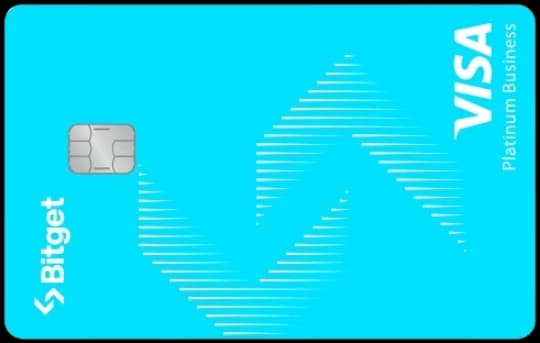
1. Bitget Card
Trade and Spend: Up to 8% BGB Cashback for Bitget Traders
2. COCA Visa Card
Self-Banking: 8% Cashback + 5% APY + 0% FX
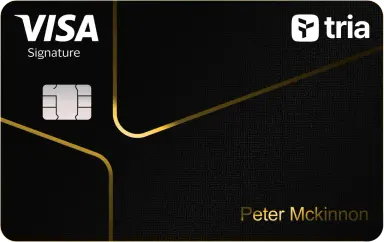
3. Tria Signature Card
High-Yield Self-Custody: 15% APY + Visa Signature Perks
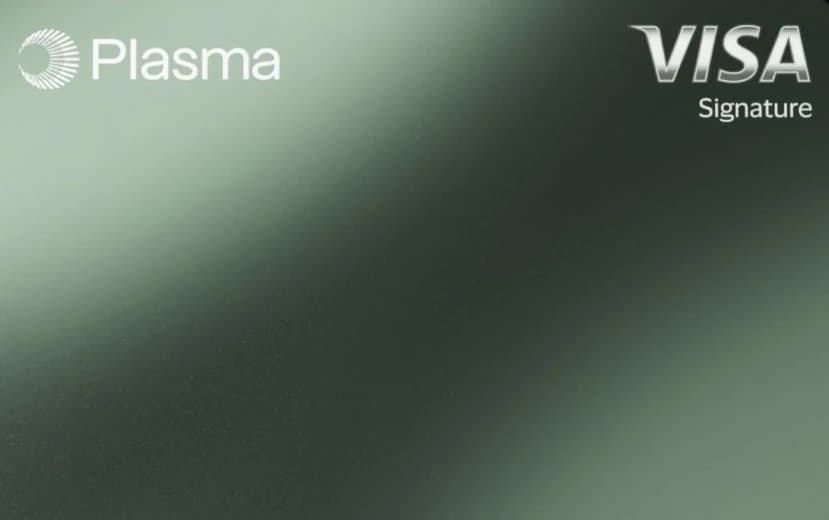
4. Plasma One Core Card
Self-Custodial Visa for AI Spenders - 3% Base, 5% on AI Spend, ChatGPT Go Rebate
5. Jupiter Global
Free virtual USDC card with 2% base cashback
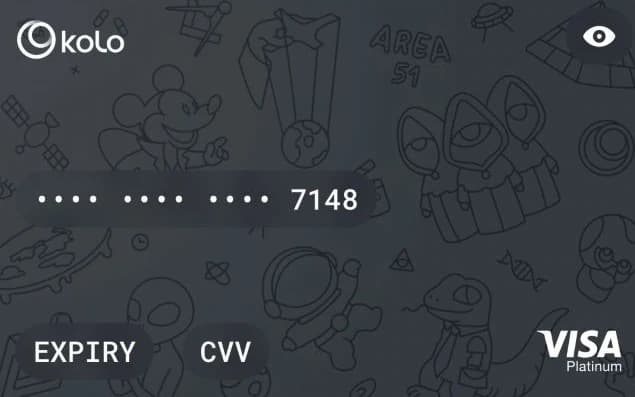
6. Kolo Card
Earn Bitcoin on Purchases: 2% for 30 Days, Then 1% (Capped) + Visa Platinum + 170+ Countries
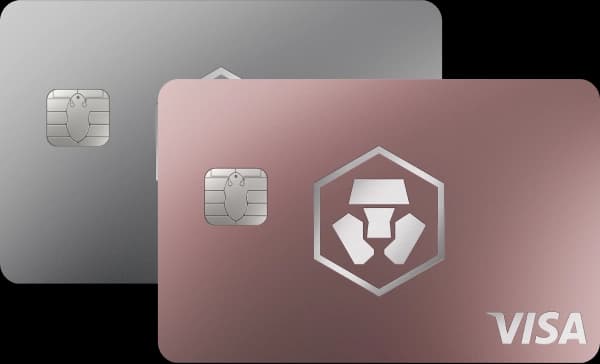
7. Private (Icy White / Rose Gold)
Private Tier: 4% Uncapped Cashback + Lounge Guest

8. ether.fi Core Card
3% Back on the First $2,000 Each Month, No Stake Required
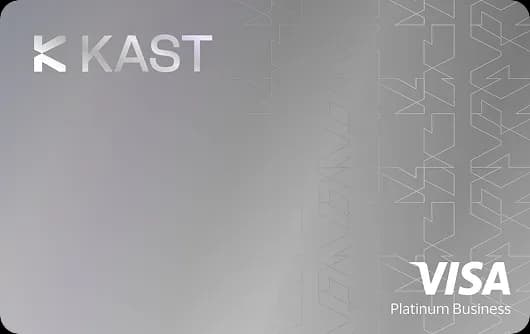
9. KAST K Card
Free USD Cashback: 1.5% on First $2K/Month
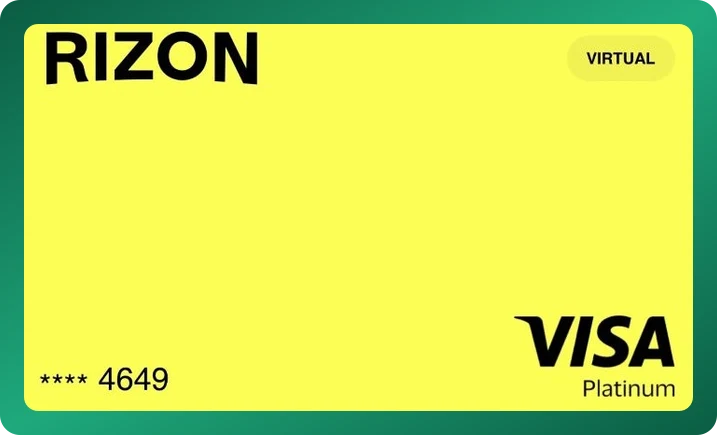
10. Rizon Emerald Card
Rizon's top plan: international fees near 1%, trading at 0.85%, and the physical Visa Platinum included.

11. Xplace Gold Card
10% Off Gold with SPENDNODE: Pay $224.10 Instead of $249
Complete list:
All 51 crypto cards available in Thailand in September 2026
This table includes every crypto card we currently track for Thailand. Rows marked Top pick are ranked and reviewed above.
| Crypto card | Max rewards | Annual fee | FX fee | Type | Custody |
|---|---|---|---|---|---|
1 Bitget CardTop pick | Up to 8% rewards | Free | 0% | Debit | Custodial |
2 COCA Visa CardTop pick | Up to 8% rewards | Free | 0% | Debit | Self-custody |
3 Tria Signature CardTop pick | Up to 4.5% rewards | $87 with code | 1% | Debit | Self-custody |
4 Plasma One Core CardTop pick | Up to 3% rewards | $199 | 0.5% | Crypto Backed Credit | Self-custody |
5 Jupiter GlobalTop pick | Up to 4% rewards | Free | 1% / 1.8% | Debit | Hybrid |
6 Kolo CardTop pick | Up to 2% rewards | Free | 0% | Prepaid | Custodial |
7 Private (Icy White / Rose Gold)Top pick | Up to 4% rewards | TBD | 0% | Prepaid | Custodial |
8 ether.fi Core CardTop pick | Up to 3% rewards | Free | 0.5% | Crypto Backed Credit | Self-custody |
9 KAST K CardTop pick | Up to 1.5% rewards | Free | 0.5% | Prepaid | Custodial |
10 Rizon Emerald CardTop pick | Up to 2.5% rewards | $83.88 | 1.02% | Crypto Backed Credit | Self-custody |
11 Xplace Gold CardTop pick | Up to 1.5% rewards | $249 | 0.25% | Crypto Backed Credit | Self-custody |
| Up to 10% rewards | Free | 0% | Prepaid | Custodial | |
| Up to 10% rewards | Free | 3% | Debit | Hybrid | |
14 | Up to 8% rewards | TBD | 0% | Prepaid | Custodial |
| Up to 6% rewards | $200 with code | 1% | Debit | Self-custody | |
| Up to 5% rewards | Free | 1% | Crypto Backed Credit | Self-custody | |
| Up to 5% rewards | TBD | 0% | Prepaid | Custodial | |
| Up to 5% rewards | Free | 1% | Debit | Self-custody | |
| Up to 4% rewards | Free | 0% | Crypto Backed Credit | Self-custody | |
| Up to 4% rewards | Free | 0% | Crypto Backed Credit | Self-custody | |
| Up to 3% rewards | Free | 0.25% | Crypto Backed Credit | Self-custody | |
| Up to 3% rewards | Free | 0% | Crypto Backed Credit | Self-custody | |
| Up to 3% rewards | $10000 | 0.5% | Prepaid | Custodial | |
| Up to 3% rewards | $299.9 | 0% | Prepaid | Custodial | |
| Up to 3% rewards | $129 | 1.2% | Prepaid | Custodial | |
| Up to 2% rewards | $1000 | 0.5% | Prepaid | Custodial | |
| Up to 2% rewards | Free | 1% | Crypto Backed Credit | Self-custody | |
| Up to 2% rewards | $49.9 | 0% | Prepaid | Custodial | |
| Up to 2% rewards | $999 | 0% | Crypto Backed Credit | Self-custody | |
| Up to 1.5% rewards | Free | 0.5% | Prepaid | Custodial | |
| Up to 1.5% rewards | Free | 1% | Debit | Self-custody | |
| Up to 1% rewards | Free | 1% | Crypto Backed Credit | Self-custody | |
| Up to 1% rewards | Free | TBD | Prepaid | Custodial | |
| Up to 1% rewards | $47.88 | 1.275% | Crypto Backed Credit | Self-custody | |
| Up to 1% rewards | $99 | 0.5% | Crypto Backed Credit | Self-custody | |
| Up to 0.5% rewards | Free | 1% | Crypto Backed Credit | Self-custody | |
| none | Free | 0% | Crypto Backed Credit | Self-custody | |
| none | $30 | 0% | Crypto Backed Credit | Self-custody | |
| none | Free | 0% | Prepaid | Custodial | |
| Varies | Free | 1.7% | Prepaid | Custodial | |
| cashback | Free | 1.75% | Prepaid | Self-custody | |
| cashback | $199 | 0.75% | Prepaid | Self-custody | |
| cashback | Free | 0.5% | Prepaid | Custodial | |
| none | Free | 1% | Prepaid | Self-custody | |
| none | Free | 1% | Debit | Self-custody | |
| Varies | Free | 1.5% | Debit | Custodial | |
| Varies | Free | 1.2% | Prepaid | Custodial | |
| Varies | Free | 1.2% | Prepaid | Custodial | |
| Varies | Free | 1.2% | Prepaid | Custodial | |
| Varies | Free | 1.7% | Crypto Backed Credit | Self-custody | |
| points | Free | 1% | Debit | Self-custody |
Crypto Card Regulation in Thailand
The SEC Thailand (Samnak-ngan Khanakammakan Kamkap Laktharap, Office of the Securities and Exchange Commission) and the Bank of Thailand (BOT, Thanaakhaan Haeng Prathet Thai) jointly regulate the crypto market.
The SEC oversees exchange licensing, token offerings, and digital asset businesses under the Digital Asset Business Decree B.E. 2561 (2018), the Royal Decree on Digital Asset Businesses and one of Asia's earliest dedicated crypto regulatory frameworks.
Key regulatory milestones:
- 2018: Digital Asset Business Decree (B.E. 2561) enacted. All exchanges, brokers, and dealers must hold SEC licenses
- 2022: BOT and SEC jointly banned direct crypto payments at merchants (retailers cannot accept BTC, ETH, etc. directly)
- 2023-2024: SEC tightened advertising rules, required customer suitability assessments, added Bybit and OKX to the Investor Alert List for operating without licenses
- March 2025: SEC approved USDC and USDT for use in digital asset transactions through licensed platforms
- April 2025: Extraterritorial licensing requirement enacted. Foreign platforms targeting Thai users (Thai-language content, local payment methods, marketing) must obtain an SEC license
- May 2025: SEC identified five platforms operating illegally: Bybit, 1000X, CoinEx, OKX, and XT.COM
- September 2025: Ministerial Regulation No. 399 (B.E. 2568) published in Royal Gazette, formalizing the 5-year crypto tax exemption (Jan 2025 - Dec 2029) for trades through licensed exchanges
- July 23, 2026: The SEC filed a criminal complaint concerning Bitkub and former directors over alleged false statements or documents. The complaint is an allegation and referral, not a conviction; the SEC evidence establishes no license restriction or customer-asset impact
The BOT payment ban applies to direct crypto-to-merchant transactions, NOT to crypto cards settling via Visa/Mastercard in THB. When you tap a Bitget card at a 7-Eleven, the merchant receives Thai baht through the Visa network. The crypto-to-fiat conversion happens upstream, outside Thailand's payment system. This is a critical legal distinction.
Licensed domestic exchanges: As of early 2025, the SEC lists 12 licensed digital asset exchanges. Bitkub (Thailand's dominant exchange, SEC-licensed, approximately 77% domestic market share, founded 2018, headquartered in Bangkok, planning a Hong Kong IPO in 2026) processes the majority of THB/crypto volume.
Gulf Binance (joint venture between Binance and Gulf Energy Development) is the licensed Binance entity for Thailand. Orbix (formerly Satang Pro, now owned by KasikornBank/KBank) provides banking-integrated trading. Upbit Exchange Thailand and Bitazza are additional licensed options.
Bitkub offers THB/BTC, THB/ETH, THB/USDT, and THB/USDC pairs, making stablecoin on-ramping simple. The SEC's March 2025 approval of USDC and USDT for licensed platforms streamlined the card-funding pipeline.
Bybit, OKX, CoinEx, 1000X, and XT.COM were identified by the SEC in May 2025 as operating digital asset exchanges without licenses. Thai residents should not use these platforms. Bybit also appears on the SEC's Investor Alert List. This is why Bybit does not appear in our card table, and why OKX (which has no card products in our system) is also excluded.
Tax Treatment of Card Rewards in Thailand
Ministerial Regulation No. 399 (B.E. 2568), listed by the Revenue Department, exempts qualifying gains from digital-asset transfers through licensed exchanges, brokers, or dealers from personal income tax for January 1, 2025 through December 31, 2029. A 15% withholding provision exists for specified digital-asset gains, but withholding is not a universal flat final rate on every personal card conversion.
What this means for card users: A card issuer's conversion is not automatically a qualifying trade through a licensed Thai operator. The gain and reporting treatment needs to be checked for the actual transaction. USDC or USDT can reduce crypto-price volatility, but baht conversion can still create a gain or loss.
| Scenario | Acquisition Cost | Disposal Value | Economic Gain | Tax Treatment | | :--- | ---: | ---: | ---: | ---: | ---: | | BTC purchased at THB 800K, spent at THB 1.2M | THB 800,000 | THB 1,200,000 | THB 400,000 | Check conversion route and individual return | | ETH purchased at THB 50K, spent at THB 80K | THB 50,000 | THB 80,000 | THB 30,000 | Check conversion route and individual return | | USDC purchased at THB 35, spent at THB 35.10 | THB 35 | THB 35.10 | THB 0.10 | Small baht gain, not automatically zero |
The exemption is valuable when its licensed-operator conditions are met. It should not be used as a shortcut for assigning a fixed tax rate to card spending through an offshore issuer.
Capital losses can offset gains within the same tax year. No holding period exemption exists. Filing happens through the annual PND 90/91 return (Personal Income Tax return). The filing deadline is March 31 for the previous calendar year.
Cashback treatment: Thailand's licensed-operator exemption does not, by itself, settle how card rewards are treated when received. Keep their receipt value and later disposal records. Do not assume a universal zero cost basis or 15% final rate.
| Cashback Type | Tax When Received | Tax When Spent/Sold | Optimal Strategy |
|---|---|---|---|
| BGB cashback (Bitget) | Depends on reward terms | Check whether later sale qualifies for exemption | Keep receipt and sale records |
| CRO cashback (Crypto.com) | Depends on reward terms | Check whether later sale qualifies for exemption | Keep receipt and sale records |
| USDC cashback | Depends on reward terms | Track THB value at disposal | Keep receipt and sale records |
| COCA cashback (USDC/EURC) | Not taxed | Near-zero gain | Spend or retain as stablecoins |
If selling reward tokens through a Thai licensed operator, check whether the transaction meets all conditions of the 2025-2029 exemption. This does not determine the tax treatment when rewards were first received, and a card issuer's own conversion is a separate route.
How to Apply from Thailand
Thai crypto card applications require a bat prachachon (บัตรประชาชน, Thai National ID Card) for Thai citizens, a mandatory chip-based smart card issued by the Department of Provincial Administration to all citizens age 7+. The 13-digit citizen ID number (lek prachachon) printed on the card is the primary identifier.
Foreign residents need a passport plus a bai anuyaat thamngan (ใบอนุญาตทำงาน, work permit) or a valid long-term visa. Acceptable visa types: Non-Immigrant B (business), Non-Immigrant O (retirement, Thai family), Non-Immigrant ED (education), Thailand Elite visa, Long-Term Resident (LTR) visa, or the new Digital Nomad visa (announced 2024, 5-year validity for remote workers earning $80,000+/year).
Proof of Thai address: utility bills from PEA (Provincial Electricity Authority) or MEA (Metropolitan Electricity Authority, Bangkok area), MWA (Metropolitan Waterworks Authority), or telecom bills from AIS (largest carrier, 46+ million subscribers), TrueMove H (True Corporation, merged with DTAC in 2023), or DTAC (now under True brand). Bank statements from Bangkok Bank, Kasikorn, SCB, Krungthai, or Krungsri also work.
Tabien baan (ทะเบียนบ้าน, house registration book, yellow book for foreigners) is the strongest proof of address.
Digital nomads on tourist visas (TR-60 or visa-exempt 30/60-day stays) may face challenges with issuers requiring proof of residence. Global cards (KAST, RedotPay) make more sense here because they let short-term visitors keep spending working without waiting for longer-term Thai address history.
Bitkub KYC uses the Thai National ID for instant verification, making it the fastest domestic on-ramp for Thai citizens.
Spending Tips for Thailand
What Thai Bank Cards Actually Cost You
Thailand's banking sector is dominated by five commercial banks: Bangkok Bank (thanakhaan krung thep, Thailand's largest by assets), Kasikorn Bank (KBank, the green bank, strongest digital banking), SCB (Siam Commercial Bank, Thailand's oldest, royal charter 1907), Krungthai Bank (state-owned, largest branch network), and Krungsri (Bank of Ayudhya, MUFG subsidiary).
Thai bank debit cards earn negligible cashback (0.1-0.3% on specific promotional categories, often capped at THB 50-100/month). Credit cards are more competitive (KBank JOY Card offers 1% cashback, SCB M LUXE offers up to 3% on dining) but require Thai credit history and income proof. FX markup on non-THB transactions: 2.5% across all major banks (Visa/MC base rate + bank spread).
| Category | KBank Debit | Crypto Card (Bitget 7.1% net) | Annual Difference |
|---|---|---|---|
| Annual fee | THB 0 | THB 0 | THB 0 |
| Cashback on THB 30K/mo | THB 360-1,080 (0.1-0.3%) | THB 25,560 (7.1%) | THB 24,480-25,200 earned |
| FX on THB 5K/mo non-THB | THB 1,500 (2.5%) | THB 0 | THB 1,500 saved |
| Total annual advantage | - | - | THB 25,980-26,700 |
THB 26,000+ per year. In Bangkok, that covers 3 months of co-working space at common.co (THB 7,000-9,000/month) or Hubba (THB 6,500/month). In Chiang Mai, it covers 4-5 months at Punspace (THB 5,000/month).
Card Selection for Thailand
- Jupiter Global (2% base, 4% via referrals, $0, 0% USD FX): Best fit for LTR/Digital Nomad visa holders earning USD and the USD subscription stack (Netflix, Spotify, AWS, Adobe, GitHub). USDC funded direct from a self-custody Solana wallet, virtual + Apple/Google Pay.
- Bitget (8% BGB, 0% FX + 0.9% tx, free): Best exchange-linked card for THB domestic spending after the Bybit ban
- COCA (up to 8% with staking $COCA, 1% free, + 5% USD APY): Non-custodial yield on eligible USD, strong on THB merchant spend
- Tria (up to 6% headline, ~3% net Signature / ~4.5% Premium): Signature at 4.5% on the first $1,000/mo ($109/yr) or Premium at 6% on the first $2,000/mo ($250/yr), each trimmed by a 1% FX charge and 0.5% per payment. USDT cashback avoids volatile token tax events.
- xPlace Gold (1.5% USDC in Credit Mode, capped at $100/month; 0.25% FX; $249/yr): Solana self-custody and lounges at BKK/DMK
- Kolo (1% ongoing BTC, 2% intro, 0% FX, $0): Free BTC cashback on THB spending
- Crypto.com Icy (4%, 0% FX, CRO stake): Lounge access at BKK and DMK
- ether.fi Core (3% ETHFI on first $2K/mo, then 1% / 0.5%, 0-0.5% FX): direct stablecoin spending or optional collateral-backed borrowing
- KAST (1.5% USD cashback on first $2K/mo, 0.5-1.75% FX, free): Free prepaid backup for nomads
- Rizon Emerald (~1.02% intl, 2.5% capped at plan fee, $6.99/mo): US-issued Visa with USD/EUR account details for Thai passport holders and eligible nomads, ATM cash at a published $1 + 0.65% against the 220 THB local ATM fee, both cards included. The cashback is a fee rebate, not a rate - hold it for the US rail and the cash price
Bitget vs COCA vs Crypto.com: Thailand-Specific Math
With Bybit banned, these cards cover several of Thailand's stronger reward options. The COCA figures assume Elite tier and that no subscription rebates or other rewards consume its shared $350 monthly claim capacity; every spend level shown remains below that capacity. All amounts at THB 30,000/month (approx. $860).
| Monthly Spend | Bitget (8%, 0.9% tx) | COCA (up to 8%, 0% FX) | Tria Sig (4.5% to $1K/mo, net of 1% FX + 0.5%/payment, before $109/yr) | Crypto.com Icy (4%, 0% FX) |
|---|---|---|---|---|
| THB 20,000 | THB 17,040/yr | THB 19,200/yr | THB 7,200/yr | THB 9,600/yr + lounges |
| THB 30,000 | THB 25,560/yr | THB 28,800/yr | THB 10,800/yr | THB 14,400/yr + lounges |
| THB 50,000 | THB 42,600/yr | THB 48,000/yr | approx. THB 10,860/yr | THB 24,000/yr + lounges |
| THB 80,000 | THB 68,160/yr | THB 76,800/yr | approx. THB 9,060/yr | THB 38,400/yr + lounges |
COCA edges Bitget on cashback within the spending range shown because it has no 0.9% transaction fee. Bitget may fit users already committed to its BGB ecosystem.
Tria's fees and $109 annual cost reduce its return here; its stablecoin payout lowers token-price volatility, not necessarily tax complexity. Crypto.com makes sense if you travel frequently through BKK and value Netflix/Spotify rebates.
Jupiter Global is not in this THB-spend table because the math splits by funding currency: 2% net at 0% FX on USD-billed transactions (Upwork or LTR-visa USD income spent on AWS, Adobe, Netflix), versus about 1% net after the 1% Rain non-USD FX on THB merchant spending. For a dollar-paid nomad whose subscriptions and SaaS bills match their income currency, Jupiter's 2% at 0% FX and $0 fees is a simpler flow than Bitget, though Bitget's 7.1% net is the higher rate even after its 0.9% tx fee.
Spending Scenario: THB 30,000/month Bangkok Professional
| Category | Monthly | Annual | Where It Goes |
|---|---|---|---|
| Groceries | THB 6,000 | THB 72,000 | Tops, Makro, Big C, Villa Market |
| Dining | THB 8,000 | THB 96,000 | Restaurants, cafes, food courts |
| Transport | THB 2,000 | THB 24,000 | BTS/MRT pass, Grab |
| Convenience stores | THB 4,000 | THB 48,000 | 7-Eleven (hot meals, coffee), FamilyMart |
| Subscriptions | THB 1,500 | THB 18,000 | Netflix, Spotify, gym, LINE premium |
| Shopping | THB 5,000 | THB 60,000 | CentralWorld, Terminal 21, Siam Paragon |
| Travel/entertainment | THB 3,500 | THB 42,000 | Domestic flights, bars, events |
Total: THB 360,000/year ($10,300). At 8% cashback: THB 28,800/year ($823) before fees and any individual tax effect. Keep the THB acquisition, conversion, and reward records rather than assuming either the card spending or the cashback is tax-free.
Cost of Living and Spending Tiers
- Bangkok (Sukhumvit/Silom): THB 15,000-30,000 rent (1-bed, Thong Lor/Ekkamai expensive, On Nut/Bang Na moderate, Ratchada affordable), THB 5,000-10,000 groceries, THB 6,000-15,000 dining. Most card-friendly city.
- Bangkok (outer): THB 8,000-18,000 rent, THB 4,000-8,000 groceries. Card acceptance drops in local neighborhoods.
- Chiang Mai: THB 6,000-15,000 rent (Old City/Nimman premium, Mae Rim/Hang Dong affordable), THB 3,000-7,000 groceries. Nomad hub with strong cafe/co-working card acceptance.
- Phuket: THB 10,000-25,000 rent (tourism premium), seasonal pricing. High card acceptance in tourist areas (Patong, Kata, Karon).
- Pattaya: THB 6,000-15,000 rent, moderate card acceptance in walking street and mall areas.
- Koh Samui/Koh Phangan: THB 8,000-20,000 rent, limited card acceptance outside resorts. Cash essential.
Monthly card-eligible spending: THB 15,000-80,000 ($430-2,300).
Thailand's 7-Eleven Economy
Thailand has 14,000+ 7-Eleven stores (operated by CP ALL, the Charoen Pokphand Group subsidiary), the third-highest density globally after Japan and Taiwan. Thai 7-Elevens are practically full-service convenience centers: hot meals (toasted sandwiches, rice boxes from THB 35), fresh coffee (All Cafe), bill payments (electricity, phone, insurance), concert/event tickets via Counter Service, SIM card top-ups, and parcel services (Kerry Express, Flash Express pickup).
All accept contactless Visa/Mastercard. FamilyMart has 800+ stores focused on Bangkok. Lawson (via Saha Group) has 150+ stores. For a crypto card user, 7-Eleven alone can absorb THB 3,000-5,000/month.
Local Payment Infrastructure
Card acceptance is strong in Bangkok's commercial districts, malls, chain restaurants, hotels, and tourist areas.
Contactless Visa/Mastercard works at all major retailers: Central Group stores (CentralWorld, Central Chidlom, Central Pinklao, Robinson), The Mall Group (Siam Paragon, Siam Center, EmQuartier, Emporium), Terminal 21, MBK Center, Platinum Fashion Mall (limited), Tops (supermarket, 200+ stores), Makro (wholesale), Big C (hypermarket), Villa Market (premium import groceries, 36 branches), Gourmet Market (Siam Paragon basement).
PromptPay (phrom phei) is Thailand's national instant payment system linked to citizen ID or phone number. Bank-to-bank transfers via PromptPay are free, making it ubiquitous for P2P payments. PromptPay QR codes are accepted at merchants, but this is bank-linked, not card-linked. TrueMoney Wallet and Rabbit LINE Pay handle mobile payments.
Cash remains essential for street food vendors (pad thai carts, som tam stands, grilled pork vendors), tuk-tuks (negotiate in cash), motorcycle taxis (win), local markets (Chatuchak Weekend Market's 15,000+ stalls are mostly cash, Or Tor Kor Market, Khlong Toei Market), and small local shops. Budget THB 200-500 per street food outing.
Transit: BTS Skytrain (rot fai fa) uses Rabbit card (contactless stored-value, NOT direct Visa/MC). MRT (rot fai fa din, subway) uses its own stored-value card or single-journey tokens. Neither directly accepts Visa/Mastercard contactless. Fares: THB 16-62 per trip. Grab (ride-hailing) accepts card payment. Apple Pay works at major retailers and chains.
Online Shopping and Subscriptions
Lazada (Alibaba-backed, Thailand's largest e-commerce by GMV), Shopee (Sea Group, aggressive promotions), and Central Online (Central Group's own platform) all accept Visa/Mastercard. International subscriptions billed in USD (Netflix at THB 419/month for premium, Spotify at THB 129/month, YouTube Premium at THB 159/month, Apple iCloud, AWS, and software licenses) trigger 2.5% FX through bank cards. A zero-FX crypto card eliminates this markup on every subscription renewal.
Cross-Border Spending
Thailand's geographic position creates frequent cross-border spending:
- Laos (LAK): Friendship bridges, Vientiane day trips from Nong Khai/Udon Thani
- Cambodia (KHR/USD): Aranyaprathet-Poipet border, Siem Reap tourism
- Malaysia (MYR): Sadao-Bukit Kayu Hitam border, Penang/KL trips from southern Thailand
- Myanmar (MMK): Mae Sot-Myawaddy border crossing
- Vietnam (VND): Flights from Bangkok, growing tourism
Bank cards charge 2.5% FX on every cross-border transaction. Zero-FX crypto cards eliminate this cost on regional travel.
Supported Exchanges & Wallets in Thailand
Bitkub (bi ta kap, SEC-licensed, headquartered in Bangkok) dominates Thailand's domestic exchange market with approximately 77% of THB/crypto trading volume and is planning a Hong Kong IPO in 2026. Bitkub offers THB/BTC, THB/ETH, THB/USDT, THB/USDC, and THB/KUB (Bitkub's native token) pairs with instant bank transfer deposits via Bangkok Bank, KBank, SCB, Krungthai, and Krungsri. The THB/USDC pair provides a direct stablecoin on-ramp for card funding.
Gulf Binance (joint venture between Binance and Gulf Energy) is the licensed Binance entity. Orbix (formerly Satang Pro, now owned by KasikornBank) and Upbit Exchange Thailand are SEC-licensed alternatives. All trades through these licensed platforms qualify for the 2025-2029 tax exemption on capital gains.
Among available issuers (excluding the five SEC-banned platforms), Jupiter Global is the free self-custody pick for the LTR-visa and Digital Nomad cohort: 2% base cashback (4% for a month after referring 2 qualifying friends), $0 annual fee, 0% FX on USD-billed transactions, USDC funded straight from a self-custody Solana wallet.
Funding the Jupiter Global card with USDC can keep gains on the funding asset small. It does not require a Bitkub step, and the card has no annual fee. Cashback arrived within 48 hours in our testing.
Bitget leads on raw cashback for THB domestic spending: 8% BGB via the exchange card and wallet card.
Crypto.com provides CRO-staking metal tiers from Midnight Blue (free, 0% cashback) through Obsidian (5%, CRO stake). The Icy tier (4%, CRO stake) adds lounge access at Suvarnabhumi (BKK) and Don Mueang (DMK).
COCA pairs up to 8% cashback with 5% APY on eligible USD and a non-custodial smart wallet. Its monthly reward claim capacity ranges from $15 to $350 by tier. Avici provides crypto-backed credit through Platinum and Signature.
The ether.fi Core Card is free and pays stepped ETHFI rewards. Its supported stablecoins work as a direct funding source, while eligible collateral opens a separate borrowing route. Keeping the asset unsold may change the timing, but the loan adds cost and liquidation risk and should not be described as indefinitely tax-free under Thai rules.
Tria applies 1% FX on non-USD spend plus 0.5% on every payment across all tiers. That leaves about 3% net on baht spend for Signature and 4.5% for Premium, before annual cost. USDT rewards reduce token-price swings but do not determine tax treatment.
Kolo (1% ongoing BTC, 2% intro, 0% FX, $0) is the no-fee BTC option.
xPlace brings a Solana self-custody tier ladder to Thailand. The Gold tier pays 1.5% USDC in Credit Mode, capped at $100/month, with 0.25% FX and a $249 annual fee. Its strongest case is low-FX spending and lounge use.
KAST (1.5% USD cashback on first $2K/mo, 0.5-1.75% FX, free) is the simplest prepaid entry. RedotPay with Virtual, Solana, and Physical suits stablecoin users.
Thailand combines a conditional 2025-2029 tax exemption for licensed-operator transfers, SEC-licensed domestic exchanges for stablecoin on-ramping, and the Bangkok/Chiang Mai nomad scene. Card-issuer conversions need their own tax assessment.
The May 2025 enforcement wave (Bybit, OKX, CoinEx, 1000X, XT.COM) narrowed the field, but Bitget, COCA, and Crypto.com remain in this page's lineup. Stablecoin funding can reduce price volatility; preserve THB records and check whether any separate licensed-exchange sale qualifies for the exemption.
Written by SpendNode Editorial
Frequently Asked Questions
Is crypto card spending tax-free in Thailand under the 2025-2029 exemption?
No. Ministerial Regulation No. 399 (B.E. 2568) exempts capital gains from trades through SEC-licensed exchanges (Bitkub, Gulf Binance, Orbix, Upbit Thailand) from personal income tax through December 31, 2029. Card spending converts crypto through the card issuer, not a licensed exchange, so the standard 15% withholding rate still applies to card spending gains. Fund with USDC/USDT to generate near-zero taxable gains on card spending.
Are crypto cards legal in Thailand despite the payment ban?
Yes. The BOT banned direct crypto-to-merchant payments, but crypto cards convert to THB through Visa/Mastercard networks. The merchant receives fiat currency. This is legally distinct from the banned direct crypto payment.
Which crypto card is best for Thailand?
Bitget Card offers 8% BGB with 0% FX and a 0.9% transaction fee. COCA reaches up to 8% with staking $COCA (1% at free Starter), adds 5% APY on eligible USD, and has monthly reward claim capacity of $15 to $350 by tier. Tria Signature offers 4.5% on the first $1,000/month (then 1%) paid in USDT ($109/year), though a 1% FX charge and 0.5% per payment leave it near 3% net on baht spend. xPlace Gold pays 1.5% USDC in Credit Mode (capped at $100/month) with 0.25% FX at $249/year. Kolo offers 1% ongoing BTC (2% for the first 30 days) with 0% FX at $0. Crypto.com Icy adds 4% with lounge access at BKK and DMK (CRO stake). Bybit, OKX, CoinEx, 1000X, and XT.COM are banned by SEC Thailand.
How can I minimize crypto tax on card spending in Thailand?
Fund your card with USDC/USDT (near-zero capital gains on stablecoin spending). Earn cashback in tokens. Then sell the cashback tokens through a licensed Thai exchange (Bitkub, Gulf Binance) to qualify for the 2025-2029 tax exemption on the sale. This way, card spending generates near-zero tax and cashback liquidation is tax-free through licensed platforms.
Other Countries
View all 112 countries →


Latest Page Changes to the Best Crypto Cards in Thailand Guide
- xPlace Gold now sits lower on the Thailand list: new-member Credit Mode cashback is 1.5% USDC capped at $100 a month. Its Bangkok lounge access and 0.25% FX remain, but the $249 fee is harder to recover
- Ministerial Regulation No. 399 created a five-year tax exemption for capital gains from trades through SEC-licensed exchanges, while card-spending gains remain taxed outside that exchange route
- Thailand approved USDC and USDT, expanded extraterritorial licensing, and moved against Bybit, 1000X, CoinEx, OKX, and XT.COM