
Best Crypto Cards in New Zealand (2026)
New Zealand crypto cards work best when they save real FX and keep taxable gains under control. This guide compares the cards that still make sense once you account for NZ's income-tax treatment and the lack of an Australian-style long-term discount.
Verified for New Zealand
53 crypto cards available
Local currency: NZD
ANZ NZ, ASB, BNZ, and Westpac NZ debit cards earn zero crypto cashback and charge 2-3% on non-NZD purchases. New Zealand's crypto cards offer up to 8% cashback, zero FX fees, and work within a regulatory environment that is clear and well-documented: crypto treated as property, gains taxed as income at up to 39%.
New Zealand's IRD (Inland Revenue Department) has issued some of the most detailed crypto tax guidance of any tax authority globally. The rules are unambiguous: every crypto card transaction is a disposal event taxed at your marginal income tax rate. This clarity has a silver lining for disciplined users: the rules are simple to follow, and stablecoin funding eliminates most complexity.
NZD floats freely against USD, making FX fees a real cost factor on every transaction. Cards with 0% FX fees save 2-3% per purchase compared to traditional bank cards.
New Zealand is a small but highly cashless society. Contactless "payWave" adoption is among the highest globally. The population is tech-savvy (6th highest internet penetration rate per capita) with a pragmatic attitude toward financial innovation. Easy Crypto, New Zealand's largest domestic platform, reports steady growth in crypto adoption, though the country's 5.1 million population means absolute numbers are modest compared to Australia across the Tasman.
Summary:
Which crypto cards are best in New Zealand?
The best crypto cards in New Zealand in September 2026 are Tria Signature Card, Plasma One Platinum Card, Jupiter Global, ether.fi Core Card, Bitget Card, and COCA Visa Card. The detailed ranking below explains the local tax, fee, and availability trade-offs.
| Crypto card | Base reward | Net after fees | Annual fee | FX fee | Type |
|---|---|---|---|---|---|
| 4.5% base4.5% on the first $1,000/mo, then 1% | 3% | $87 with code | 1% | Debit | |
| 4% base4% base, up to 10% on AI and flights; 100k XPL lock | 4% | Free | 0% | Crypto Backed Credit | |
| 2% baseup to 4% by referring 2 qualifying friends the prior month | 1% | Free | 1% / 1.8% | Debit | |
| 3% base3% on the first $2,000/month, then 1% and 0.5% | 2.5% | Free | 0.5% | Crypto Backed Credit | |
| 0.5% baseup to 8% by holding 20,000+ BGB | 0.5% | Free | 0% | Debit | |
| 1% baseup to 8% with a large $COCA stake; $15-$350/mo claim capacity by tier | 1% | Free | 0% | Debit | |
| 4% baseneeds a $50k CRO stake to hold the tier | 4% | TBD | 0% | Prepaid | |
| 1.5% base | 1% | Free | 0.5% | Prepaid | |
| 2% base2% in USDC on Credit Mode spend; cashback capped at $250/mo | 2% | $999 | 0% | Crypto Backed Credit |
The IRD's crypto guidance is among the clearest of any tax authority globally: every card swipe is a disposal taxed at your marginal income rate (10.5-39%), every reward token received is income at receipt, and there's no holding-period discount. The cleanest setup is USDC funding plus a card that doesn't drop a second reward-token line on the same return.
Tria Signature pays 4.5% on the first $1,000/mo of spend (then 1%) in a stablecoin-equivalent form, $109/yr, with a 1% FX fee and 0.5% per payment netting about 3% on NZD spend.
xPlace Platinum pays 2% USDC in Credit Mode for new memberships, capped at $250/month, with 0% FX on overseas shopping and travel. That FX saving can matter on a floating NZD, but cashback covers its $999 fee only from about $4,163 of eligible monthly spend before borrowing costs, well above the NZD 3,000/month profile used here.
Plasma One Platinum answers a question New Zealand has already lived through once. Cryptopia was a Christchurch exchange when it was hacked and collapsed in 2019, and its liquidation dragged on for years; this card removes the custodian from the picture entirely, a self-held USDT balance spending through a Visa. Entry is a 100,000 XPL lock rather than a fee.
Be clear-eyed on the IRD side: XPL cashback is income at receipt and a disposal when spent, the exact double line the stablecoin cards avoid, so the custody model and the travel and AI-subscription perks are what you are buying.
Jupiter Global is the zero-fee alternative at 2% USDC base, or 4% for one month after referring two friends. Its 1% FX leaves about 1% net on NZD spend, below Tria's approximate 3%, up to the $100 monthly cashback cap.
ether.fi Core pays 3% in ETHFI within its first monthly band. Cardholders can fund purchases with supported stablecoins or use eligible assets as collateral. The loan route can avoid an immediate sale, but its financing cost, liquidation risk, and New Zealand tax treatment must be assessed together.
Bitget and COCA still offer 8% headline rates for users holding BGB or staking $COCA. Their reward tax paths differ: Bitget pays BGB, which can create a later gain or loss when sold, while COCA pays stablecoins. Both still require users to weigh the token position needed to unlock the rate.
Best Card For Every Need in New Zealand
Top 9 Crypto Cards in New Zealand
New Zealand has one of the cleanest crypto tax frameworks in APAC, which is also one of the more punishing. The IRD treats every card swipe as a disposal at the cardholder's marginal income rate (up to 39% in the top bracket) and treats every reward-token receipt as income on top of that.
There's no Australian-style 12-month CGT discount. At the 33% bracket, the disposal tax on a 100% appreciated position exceeds what the card earns in cashback. Stablecoin funding keeps the disposal gain small, while collateral-backed borrowing is a more complex alternative rather than an automatic tax solution.
Tria Signature is the simplest fit on the cashback side. 4.5% on the first $1,000/mo of NZD spend, then 1%, $109/yr, with a 1% FX fee and 0.5% per payment that net it to about 3%. The cashback arrives without a separate BGB, CRO, or PLU income-at-receipt line on the IRD return, so the only tax workflow per swipe is the USDC funding disposal. Stepping up to Premium ($250/yr) reaches 6% on the first $2,000/mo, breaking even with Signature net at roughly NZD 1,290/month of card spend.
Plasma One Platinum uses self-held funding rather than an exchange balance. Its XPL rewards carry receipt and later-disposal recordkeeping, while the 100,000 XPL lock adds token-price risk. Those are material costs alongside the custody and travel benefits.
Jupiter Global takes the free-entry slot for users funding through an Easy Crypto or self-custody USDC balance. 2% USDC base (4% for a month after referring 2 friends), $0 annual, 1% FX, virtual-only with QR-based handoff. The $100/month cashback cap kicks in at $5,000/month of card spend, comfortably above the typical NZ professional's NZD 3,000/month profile.
ether.fi remains relevant for ETH holders because Core supports both direct stablecoin spending and collateral-backed borrowing. The borrowing route can postpone a sale, but its value depends on interest, collateral performance, liquidation risk, and IRD treatment rather than the reward rate alone.
Bitget's 8% BGB and COCA's 8% tier both still apply for users already running the required token positions. Below the thresholds, the available rates fall, with COCA Starter at 1% and Bitget varying by BGB balance. Crypto.com Icy White (4%, CRO stake) carries its own volatile-token requirement but adds Priority Pass at Auckland Airport, where a geographically isolated cardholder makes one long-haul lounge visit count for several short-haul ones elsewhere.
xPlace Platinum remains the no-stake lounge and 0%-FX option with USDC rewards. Its 2% Credit Mode cashback is capped at $250/month, so its $999 annual fee is difficult to recover at ordinary Auckland spending levels.

1. Tria Signature Card
High-Yield Self-Custody: 15% APY + Visa Signature Perks

2. Plasma One Platinum Card
Premium Self-Custodial Visa - 4% Base, 10% AI, 10% Flights, Lounge Access, Boosted 5% Yield

3. Jupiter Global
Free virtual USDC card with 2% base cashback

4. ether.fi Core Card
3% Back on the First $2,000 Each Month, No Stake Required
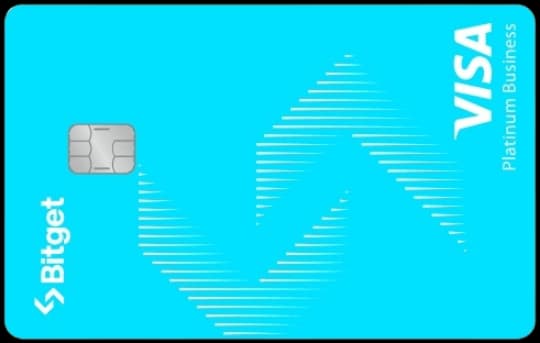
5. Bitget Card
Trade and Spend: Up to 8% BGB Cashback for Bitget Traders
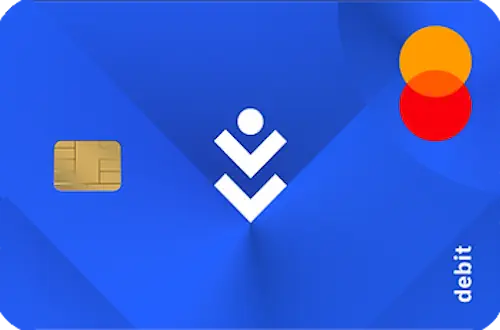
6. COCA Visa Card
Self-Banking: 8% Cashback + 5% APY + 0% FX
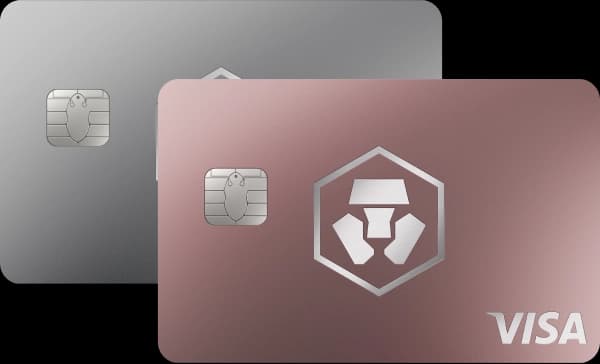
7. Private (Icy White / Rose Gold)
Private Tier: 4% Uncapped Cashback + Lounge Guest

8. KAST K Card
Free USD Cashback: 1.5% on First $2K/Month

9. Xplace Platinum Card
10% Off Platinum with SPENDNODE: Pay $899.10 Instead of $999
Complete list:
All 53 crypto cards available in New Zealand in September 2026
This table includes every crypto card we currently track for New Zealand. Rows marked Top pick are ranked and reviewed above.
| Crypto card | Max rewards | Annual fee | FX fee | Type | Custody |
|---|---|---|---|---|---|
1 Tria Signature CardTop pick | Up to 4.5% rewards | $87 with code | 1% | Debit | Self-custody |
2 Plasma One Platinum CardTop pick | Up to 4% rewards | Free | 0% | Crypto Backed Credit | Self-custody |
3 Jupiter GlobalTop pick | Up to 4% rewards | Free | 1% / 1.8% | Debit | Hybrid |
4 ether.fi Core CardTop pick | Up to 3% rewards | Free | 0.5% | Crypto Backed Credit | Self-custody |
5 Bitget CardTop pick | Up to 8% rewards | Free | 0% | Debit | Custodial |
6 COCA Visa CardTop pick | Up to 8% rewards | Free | 0% | Debit | Self-custody |
7 Private (Icy White / Rose Gold)Top pick | Up to 4% rewards | TBD | 0% | Prepaid | Custodial |
8 KAST K CardTop pick | Up to 1.5% rewards | Free | 0.5% | Prepaid | Custodial |
9 Xplace Platinum CardTop pick | Up to 2% rewards | $999 | 0% | Crypto Backed Credit | Self-custody |
| Up to 10% rewards | Free | 0% | Prepaid | Custodial | |
| Up to 10% rewards | Free | 3% | Debit | Hybrid | |
12 | Up to 8% rewards | TBD | 0% | Prepaid | Custodial |
| Up to 8% rewards | Free | 0% | Debit | Hybrid | |
| Up to 6% rewards | $200 with code | 1% | Debit | Self-custody | |
| Up to 5% rewards | Free | 1% | Crypto Backed Credit | Self-custody | |
| Up to 5% rewards | TBD | 0% | Prepaid | Custodial | |
| Up to 5% rewards | Free | 1% | Debit | Self-custody | |
| Up to 4% rewards | Free | 0% | Crypto Backed Credit | Self-custody | |
| Up to 3% rewards | Free | 2% | Prepaid | Custodial | |
| Up to 3% rewards | Free | 0.25% | Crypto Backed Credit | Self-custody | |
| Up to 3% rewards | Free | 0% | Crypto Backed Credit | Self-custody | |
| Up to 3% rewards | $10000 | 0.5% | Prepaid | Custodial | |
| Up to 3% rewards | $199 | 0.5% | Crypto Backed Credit | Self-custody | |
| Up to 3% rewards | $299.9 | 0% | Prepaid | Custodial | |
| Up to 3% rewards | $129 | 1.2% | Prepaid | Custodial | |
| Up to 3% rewards | Free | 0% | Debit | Hybrid | |
| Up to 2.5% rewards | $83.88 | 1.02% | Crypto Backed Credit | Self-custody | |
| Up to 2% rewards | $1000 | 0.5% | Prepaid | Custodial | |
| Up to 2% rewards | Free | 0% | Prepaid | Custodial | |
| Up to 2% rewards | Free | 1% | Crypto Backed Credit | Self-custody | |
| Up to 2% rewards | $49.9 | 0% | Prepaid | Custodial | |
| Up to 1.5% rewards | Free | 0.5% | Prepaid | Custodial | |
| Up to 1.5% rewards | Free | 1% | Debit | Self-custody | |
| Up to 1.5% rewards | $249 | 0.25% | Crypto Backed Credit | Self-custody | |
| Up to 1% rewards | Free | 1% | Crypto Backed Credit | Self-custody | |
| Up to 1% rewards | Free | TBD | Prepaid | Custodial | |
| Up to 1% rewards | $47.88 | 1.275% | Crypto Backed Credit | Self-custody | |
| Up to 1% rewards | $99 | 0.5% | Crypto Backed Credit | Self-custody | |
| Up to 0.5% rewards | Free | 0% | Debit | Hybrid | |
| Up to 0.5% rewards | Free | 1% | Crypto Backed Credit | Self-custody | |
| none | Free | 0% | Crypto Backed Credit | Self-custody | |
| none | $30 | 0% | Crypto Backed Credit | Self-custody | |
| none | Free | 0% | Prepaid | Custodial | |
| cashback | Free | 1.75% | Prepaid | Self-custody | |
| cashback | $199 | 0.75% | Prepaid | Self-custody | |
| cashback | Free | 0.5% | Prepaid | Custodial | |
| none | Free | 1% | Prepaid | Self-custody | |
| Varies | Free | 1.5% | Debit | Custodial | |
| Varies | Free | 1.2% | Prepaid | Custodial | |
| Varies | Free | 1.2% | Prepaid | Custodial | |
| Varies | Free | 1.2% | Prepaid | Custodial | |
| Varies | Free | 1.7% | Crypto Backed Credit | Self-custody | |
| points | Free | 1% | Debit | Self-custody |
Crypto Card Regulation in New Zealand
The FMA (Financial Markets Authority, Te Mana Tatai Hokohoko) is New Zealand's primary financial regulator for crypto service providers. The FMA requires virtual asset service providers (VASPs) to register under the Financial Service Providers (Registration and Dispute Resolution) Act 2008 and comply with the Anti-Money Laundering and Countering Financing of Terrorism Act 2009 (AML/CFT Act).
Registration with the Financial Service Providers Register (FSPR) is mandatory for any business offering financial services to New Zealand consumers.
The RBNZ (Reserve Bank of New Zealand, Te Putea Matua) oversees monetary policy and NZD. The RBNZ has not issued specific restrictions on crypto card products but monitors systemic risk from digital assets. The RBNZ's payment systems oversight includes monitoring emerging payment technologies, including crypto-to-fiat settlement.
New Zealand's approach mirrors Australia's in many ways: pragmatic regulation treating crypto as property, clear tax guidance from the IRD, and a focus on AML compliance rather than outright prohibition. Australia passed its Digital Assets Framework Bill on April 1, 2026; NZ has not implemented an equivalent licensing bill, leaving the regulatory framework more reliant on existing financial services laws.
CARF reporting went live April 1, 2026. New Zealand now requires crypto exchanges and service providers to collect and report user transaction data to the IRD under the OECD's Crypto-Asset Reporting Framework. The first reports cover April 1, 2026 to March 31, 2027, due by June 30, 2027. Transfers over NZD 1,000 require sender and beneficiary identification. For card users, this means every exchange you use to fund your card is now reporting your activity to the IRD automatically.
The FMA also introduced an on-ramp license in early 2026, allowing smaller fintechs and crypto startups to enter the market with lighter compliance burdens initially, scaling up as volume grows.
In March 2026 the FMA issued a first-of-its-kind designation, ruling that the NZD-pegged NZDD stablecoin is not a financial product under the FMC Act. The regulator treated it as a payment mechanism rather than an investment, so holding or using NZDD does not trigger the disclosure and licensing rules that apply to regulated investment offers. The designation is specific to NZDD, not a blanket ruling on all stablecoins.
That gives New Zealand its first clearly-classified domestic stablecoin. The international issuers on this page still settle in USD and fund from USDC, so NZDD is not yet a mainstream card-funding route, but it is the cleanest NZD-denominated on-chain option a local user can currently hold.
The Commerce Commission enforces the Fair Trading Act 1986, which applies to crypto card marketing claims. Misleading cashback rates, hidden fees, or unclear terms would fall under Commerce Commission jurisdiction. The Privacy Commissioner oversees data protection under the Privacy Act 2020, affecting how card issuers handle KYC data.
Bitget and Crypto.com serve NZ users through their APAC entities. None hold specific NZ FSPR registration for card products, but they operate under their home jurisdiction licenses. Wirex is available in New Zealand.
The FMA maintains a public warnings list for unlicensed financial service providers at fma.govt.nz. Check before sending funds to any platform.
Tax Treatment of Card Rewards in New Zealand
New Zealand's IRD (Inland Revenue Department, Te Tari Taake) treats cryptoassets as property. In most cases, amounts from selling or exchanging crypto are taxable; using crypto to fund a card is also a disposal. Taxable gains join ordinary income and face the holder's marginal rate.
The key test is why the asset was acquired: disposal-purpose holdings and business stock are taxable, while a different original purpose can produce a different result. Keep NZD cost and disposal records.
There is no separate capital gains tax in New Zealand (one of only a few OECD countries without one). Instead, crypto gains are folded into your regular income and taxed at progressive rates. This means the effective tax rate depends entirely on your total income:
| Taxable Income | Tax Rate | Crypto Gain Impact |
|---|---|---|
| Up to NZD 15,600 | 10.5% | NZD 1,000 gain = up to NZD 105 tax |
| NZD 15,601-53,500 | 17.5% | NZD 1,000 gain = up to NZD 175 tax |
| NZD 53,501-78,100 | 30% | NZD 1,000 gain = up to NZD 300 tax |
| NZD 78,101-180,000 | 33% | NZD 1,000 gain = up to NZD 330 tax |
| Over NZD 180,000 | 39% | NZD 1,000 gain = NZD 390 tax |
Example: You bought 0.01 BTC at NZD 5,000 and spend it via card when worth NZD 20,000. If the gain is taxable under the ordinary cryptoasset rules, NZD 15,000 enters the progressive income-tax calculation. At NZD 90,000 of other taxable income, that slice is within the 33% band, producing NZD 4,950 of tax before other adjustments. USDC funding can reduce crypto-price movement, but NZD/USD exchange-rate changes and the reason the asset was acquired still matter.
Cashback and Later Disposals
The treatment of a card reward at receipt depends on what the reward is for. A commercial purchase rebate is not automatically the same as a payment for services or a staking reward. If receipt is taxable, use the NZD value then as the acquisition cost for any later taxable disposal; do not tax the same value twice. USDC can still change value against NZD between receipt and spend.
| Cashback Type | Tax When Received | Tax When Spent/Sold | Total Burden (33% bracket) |
|---|---|---|---|
| BTC cashback | Depends on reward terms | Gain may be taxable on disposal | Record NZD value at both dates |
| USDC cashback | Depends on reward terms | NZD movement may matter | Record NZD value at both dates |
| Points/perks | Depends on how earned and redeemed | Depends on conversion | Keep program terms |
The Cost Basis Problem
The IRD permits either first-in, first-out (FIFO) or weighted average cost (WAC) for identifying the cost of cryptoassets disposed of. If you bought BTC at different prices, keep enough records to apply your chosen method consistently. Hundreds of small card transactions can make that work substantial.
This is another reason stablecoin funding is critical: USDC purchases cluster tightly around the NZD-USD exchange rate, generating minimal gains and trivial record-keeping.
IRD reporting: Crypto gains must be reported in your annual Individual Tax Return (IR3). The IRD does not require transaction-level reporting (unlike some jurisdictions), but you must declare total crypto income. The IRD has data-matching agreements with New Zealand and Australian exchanges. Tax tools: Koinly, CoinTracker, and CryptoTaxCalculator all support NZ IRD reporting formats.
ACC levy: The 2026-27 earners' levy is 1.75% on covered earnings, subject to a cap. It is not an automatic extra charge on ordinary crypto investment gains, so it is excluded from the card-disposal examples above.
How to Apply from New Zealand
NZ crypto card applications require a New Zealand passport (navy blue, NZ coat of arms) or NZ driver licence (issued by Waka Kotahi NZ Transport Agency). For foreign residents, a valid passport plus evidence of right to work or reside (visa conditions page, Immigration NZ letter, or partnership-based visa documentation).
The IRD number (8 or 9-digit tax identification number) is required by most financial services providers for AML compliance. If you do not have one, apply online at ird.govt.nz (takes 5-10 business days). New residents can apply using their NZ visa and proof of address.
RealMe is New Zealand's government digital identity service, used for online identity verification with banks and financial services. Some APAC-based card issuers may not integrate with RealMe directly and will instead require passport photo upload plus selfie verification.
Proof of NZ address via utility bill (Mercury Energy, Genesis Energy, Contact Energy, Meridian Energy for electricity; Watercare for Auckland water; Chorus/Spark/2degrees for internet/phone), bank statement (ANZ, ASB, BNZ, Westpac, Kiwibank, TSB), or tenancy agreement (signed by both parties with the address).
For recent immigrants and working holiday visa holders: Card issuers typically require at least 3 months of NZ address history. If you recently arrived, a bank statement from a newly opened NZ bank account (Kiwibank is easiest to open for new arrivals) plus your visa documentation usually suffices.
Physical cards ship to NZ addresses within 7-14 business days via NZ Post or private courier (CourierPost, DHL). International issuers may ship from Singapore or Hong Kong hubs, adding a few days. Virtual cards are available immediately for Apple Pay and Google Pay use - both are widely supported at NZ merchants.
Spending Tips for New Zealand
Funding from an Appreciated Position
When a crypto disposal produces taxable income, the gain joins your other income and may span more than one tax band. Someone already earning NZD 90,000 will generally be in the 33% band on an additional taxable gain below the next threshold. The card's reward type does not determine whether the funding disposal is taxable, and purchase cashback is not automatically income at receipt.
At NZD 3,000/month of spend from BTC that has doubled since acquisition, roughly NZD 18,000 of the NZD 36,000 spent represents appreciation. If that gain is taxable and all falls in the 33% band, the illustrative tax is NZD 5,940. USDC funding avoids the same BTC-price exposure but not NZD/USD movement, record-keeping, or possible taxable income from the underlying work used to acquire it.
Card Selection by Use Case
- Tria Signature (4.5% on first $1,000/mo, 1% FX + 0.5%/payment, ~3% net, $109/yr): USDT-denominated rewards without a BGB, CRO, or PLU staking gate. Premium at $250/yr reaches 6% on the first $2,000/mo, breakeven against Signature around NZD 1,290/month of spend.
- Jupiter Global (2% USDC base, 4% via referrals, $100/mo cashback cap, $0): The free counterpart for Easy Crypto- or self-custody-USDC-funded NZD spend. Cap binds at $5,000/month of card spend, sitting above the typical NZ professional NZD 3,000/month profile.
- ether.fi Core (3% ETHFI on first $2K/mo, then 1% / 0.5%): supported stablecoins for direct purchases, with eligible collateral available for credit.
- Bitget (8%, 0.9% tx = approx. 7.1% net, free): Highest headline for users already running 20,000+ BGB; without the stake, runs 0.5-4% and falls behind Tria.
- COCA (up to 8% with staking $COCA, 1% free, + 5% USD APY): Strong net-return option for users running $COCA exposure; 5% APY on eligible idle USD is a useful sidecar.
- Crypto.com Icy White (4%): Best for lounge access at Auckland (AKL) and international airports
- KAST (1.5% USD cashback on first $2K/mo, free): Stablecoin-funded NZD spending without staking tiers or token exposure that don't help the use case
COCA vs Bitget vs Crypto.com: New Zealand Spending Math
All free with 0% FX. Fund with USDC for the lightest IRD record-keeping burden.
| Monthly Spend | COCA Elite 8% (staking 30K $COCA) | Bitget (8%, 0.9% tx) | Crypto.com Icy White (4%) |
|---|---|---|---|
| NZD 1,500 | NZD 1,440/yr | NZD 1,278/yr net | NZD 720/yr |
| NZD 2,500 | NZD 2,400/yr | NZD 2,130/yr net | NZD 1,200/yr |
| NZD 4,000 | NZD 3,840/yr | NZD 3,408/yr net | NZD 1,920/yr |
| NZD 6,000 | NZD 5,760/yr | NZD 5,112/yr net | NZD 2,880/yr |
COCA leads at every level shown because it has no transaction fee and pays rewards in stablecoins. Bitget pays in BGB. Both finish ahead of Crypto.com Icy White at 4% in this comparison.
At NZD 4,000 per month, COCA returns NZD 3,840 per year versus NZD 1,920 from Crypto.com Icy White; that COCA scenario remains inside Elite's $350 monthly claim capacity at the exchange rate used. Crypto.com adds lounge access. Tria Signature sits outside this staked-tier table and nets about 3% on NZD spend after its FX and payment fees, with no token position required.
Spending Scenario: NZD 3,000/month (~USD 1,800)
| Factor | USDC Funding (COCA) | BTC Funding (appreciated 100%) |
|---|---|---|
| Annual spend | NZD 36,000 | NZD 36,000 |
| Cashback (8%) | NZD 2,880 | NZD 2,880 |
| Tax on cashback | Depends on reward terms | Depends on reward terms |
| Tax on disposal gain | Depends on NZD value and tax classification | Up to NZD 5,940 in this taxable-gain example |
| FX savings vs ANZ (2.5%) | NZD 900 | NZD 900 |
| Reward plus illustrative FX saving before tax | NZD 3,780 | NZD 3,780 |
The BTC column shows how an appreciated funding asset can overwhelm rewards when its gain is taxable. The table does not establish a universal after-tax winner: reward classification, NZD exchange-rate changes, the reason crypto was acquired, and actual card fees all affect the result.
FX Is Critical for NZD Users
NZD floats freely and is not pegged to any currency. Every transaction through a USD-settled card involves NZD-to-USD conversion. Traditional NZ bank cards charge brutal FX markups:
| Card | FX Markup | Cost on NZD 2,000/month Foreign Spend |
|---|---|---|
| ANZ NZ Visa Debit | 2.5% | NZD 600/yr |
| ASB Visa Debit | 2.5% | NZD 600/yr |
| BNZ Visa Debit | 2.5% | NZD 600/yr |
| Westpac NZ Visa | 2.0% | NZD 480/yr |
| Wise debit card | 0.4-0.6% | NZD 96-144/yr |
| Bitget (0% FX) | 0% + 0.9% tx | NZD 216/yr |
| COCA (0% FX) | 0% | NZD 0/yr |
The Big Four NZ banks all charge 2-2.5% on every foreign purchase. Even Wise, which is popular among NZ travelers, charges 0.4-0.6%. COCA at 0% FX is among the cheapest options for NZD users. For New Zealanders who travel to Australia (the most common NZ travel destination), Southeast Asia, or shop online from international retailers, this saves NZD 480-600/year.
Local Payment Infrastructure
New Zealand is one of the world's most cashless societies. Contactless "payWave" Visa and Mastercard tap-to-pay works at most retailers, from Countdown and New World supermarkets to Pak'nSave, The Warehouse, Briscoes, Noel Leeming, and JB Hi-Fi NZ. Small cafes, farmers' markets, and even many rural businesses accept contactless. The only places you might still need cash are some rural farm stalls and certain market vendors.
Transit: Auckland AT HOP, Wellington Snapper, and Christchurch Metro cards are closed-loop transit cards that do not accept Visa/Mastercard contactless (unlike London or Sydney). Load these separately. However, KTX (intercity coach, GreatSights, InterCity) tickets can be purchased online with Visa/Mastercard, earning cashback on longer-distance travel.
Apple Pay and Google Pay penetration is very high. Samsung Pay also works at most NFC terminals. EFTPOS (New Zealand's domestic debit network) is ubiquitous but is not compatible with international crypto cards. However, all merchants that accept EFTPOS also accept Visa/Mastercard contactless, so this is not a limitation in practice.
Online shopping: NZ's small domestic market means heavy reliance on international e-commerce. Amazon Australia, ASOS, The Iconic, iHerb, and AliExpress are popular. All foreign-currency online purchases incur FX conversion, making a 0% FX crypto card valuable for online shopping.
Trans-Tasman Angle
New Zealand and Australia share the closest economic relationship in the Oceania region. An estimated 600,000+ New Zealanders live in Australia under the Trans-Tasman Travel Arrangement. NZ residents frequently travel to Australia for holidays, business, and family visits. A 0% FX crypto card eliminates the 2-2.5% NZD-to-AUD conversion fee that ANZ, ASB, BNZ, and Westpac charge. At NZD 1,500/month spending during Australian trips, the annual FX saving is NZD 360-450.
Supported Exchanges & Wallets in New Zealand
Bitget serves New Zealand through its APAC entity with 8% BGB cashback on the exchange-linked Visa debit (0% FX, 0.9% transaction fee). For NZ users who prioritize zero FX on every NZD transaction, Bitget is the strongest exchange-linked option.
COCA reaches NZ with up to 8% cashback (scaling with staking $COCA tokens, 1% at free Starter), 0% FX, and 5% APY on eligible USD. Its Privy-managed non-custodial wallet keeps spending funds outside an exchange. Given NZ's up to 39% marginal rate on disposal gains, stablecoin funding can keep taxable gains per swipe small.
Crypto.com Icy White serves NZ through its global platform with the full tier range. The Icy White tier is one of the stronger crypto cards with airport lounges at Auckland Airport (AKL), useful for NZ's geographically isolated population that flies frequently for international travel. Spotify and Netflix rebates add recurring value.
Wirex is available in New Zealand, with 0.5% in USD at the free Base tier and up to 8% at the metal tiers (unlocked by holding WPAY, no subscription). The multi-currency EUR/USD/GBP accounts suit NZ's internationally connected population.
ether.fi pays 3% in ETHFI on the first $2,000 per month, 1% through $5,000, and 0.5% above. Users can spend supported stablecoins directly or use eligible collateral through its borrowing mode; the second route needs a case-specific tax and financing assessment.
Self-custody spending: Avici (crypto-backed credit) serves APAC with a borrow model that avoids disposal events. For NZ's tech-savvy early adopter community, self-custody cards remove exchange counterparty risk.
Domestic platforms: Easy Crypto is New Zealand's most recognized domestic crypto platform. Founded in 2018 and NZ-based, Easy Crypto supports NZD-to-crypto purchases via bank transfer and POLi (instant bank payment). It does not offer a Visa/Mastercard spending card but is the primary NZD on-ramp. Dasset (NZ-founded exchange, went into liquidation in 2023) and Independent Reserve NZ are also available.
The NZD-to-USDC-to-card pipeline runs through Easy Crypto or a direct bank transfer to Bitget: deposit NZD (bank transfer, 1-2 business days or instant via POLi), buy USDC, transfer to your card wallet. Total time: 1-2 hours including bank settlement.
KAST (1.5% USD cashback on first $2K/mo), RedotPay (stablecoin-native, APAC issuer), xPlace (0.5-2% Credit Mode cashback by tier, capped monthly, Solana self-custody), and Jupiter (2% base cashback, Solana ecosystem) broaden the field for users who want a stablecoin spending option when a plain spending rail is more useful than a staking-heavy premium tier.
New Zealand's strong cashless acceptance, clear IRD tax guidance, and APAC card coverage make it a market where funding source matters more than card access. The single most important decision is funding source: always use stablecoins to avoid NZ's steep 33-39% tax on crypto disposal gains.
Written by SpendNode Editorial
Frequently Asked Questions
How is crypto card spending taxed in New Zealand?
Crypto gains are taxed as income at progressive rates (10.5-39%). Spending through a card is a disposal event. Fund with USDC to minimize gains. NZ has no separate capital gains tax, but crypto gains are folded into your regular income.
Which crypto card is best for NZ residents?
Tria Signature pays 4.5% on the first $1,000/month, then 1%, with a 1% FX fee and 0.5% per payment leaving about 3% on NZD spend, for $109/year and no token stake.
Jupiter Global is a free alternative at 2% USDC base (4% for a month after referring 2 friends) with 1% FX and a $100 monthly cashback cap. Both Tria and Jupiter pay stablecoin rewards, limiting later price gains.
Bitget's 8% BGB rewards introduce token-price exposure. COCA also reaches 8% through a $COCA stake, but pays cashback in USDC/EURC; monthly claim capacity ranges from $15 to $350 by tier. ether.fi Core pays stepped ETHFI rewards and supports direct stablecoin spending or optional collateral-backed borrowing. Borrowing can avoid an immediate sale but does not guarantee a particular New Zealand tax result.
Is NZ's crypto tax similar to Australia's?
Yes, both treat crypto as property with disposal gains taxable. However, Australia offers a 50% CGT discount for holdings over 12 months. NZ has no such discount, making stablecoin strategy even more important.
Do domestic NZ platforms offer crypto cards?
No. Easy Crypto and Dasset are NZ-focused but don't offer Visa/Mastercard spending cards. APAC exchange cards (Bitget) and globally available cards (KAST, Crypto.com, COCA) are the primary options.
Other Countries
View all 112 countries →


Latest Page Changes to the Best Crypto Cards in New Zealand Guide
- We moved xPlace Platinum down the New Zealand list because its new-member Credit Mode cashback is 2% USDC, capped at $250 monthly. The $999 fee is harder to recover at a typical Auckland budget, though 0% FX and lounges remain
- CARF reporting framework going live April 1, 2026. First reports due June 30, 2027
- FMA on-ramp license for smaller fintechs (early 2026)
- Australia comparison to reflect Digital Assets Framework Bill passing April 1
- CARF reporting framework from April 1 2026