

Best Crypto Cards in Malaysia (2026)
Malaysia is an upgrade-layer crypto-card market where DuitNow QR and FPX already cover domestic payments, leaving crypto cards to compete on cross-border FX, cashback, and stablecoin-funded spending.
Verified for Malaysia
50 crypto cards available
Local currency: MYR
Maybank, CIMB, Public Bank, RHB, and Hong Leong debit cards earn negligible cashback and charge 1-2% on non-MYR transactions. Domestic Malaysian spending is, on its own, fine: DuitNow QR is everywhere, FPX bank-to-bank transfers are instant and free, and e-wallets like Touch 'n Go, GrabPay, Boost, and MAE settle daily expenses cheaply.
Where Malaysian banking gets expensive is the cross-border layer, the stablecoin-funding question, and the cashback-on-everyday-spend opportunity that Malaysian banks barely participate in.
That is the part of Malaysian financial life where crypto cards fit. They are not a workaround for broken payments. They are an upgrade layer on top of a domestic rails network that already works.
The practical fit is the JB-Singapore commuter spending SGD weekly, the MM2H expat funding from offshore stablecoin balances, and the high-volume cashback case for KL professionals routing MYR 3,000+/month through cards.
Malaysia's domestic payment network is unusually strong. PayNet, the operator behind FPX and DuitNow, reported 8.44 billion digital payment transactions in 2025 and over 3 million DuitNow QR touchpoints across Malaysia. DuitNow QR is interoperable across all major banks and e-wallets.
That backdrop matters: a crypto card has to compete against payment infrastructure that is already cheap, fast, and ubiquitous, which is why the practical value of crypto cards in Malaysia lives mostly in cashback, FX-on-cross-border, and stablecoin-to-MYR funding rather than acceptance gaps.
Malaysia is effectively three crypto-card markets at once. For the Klang Valley professional, the decision is a cashback play against a tax framework where personal-investment crypto disposals are generally not taxed. For the JB-Singapore commuter (an estimated 100,000+ Malaysians earning SGD and living in MYR), it is a zero-FX cross-border tool.
For the MM2H expat living off offshore portfolio income, and for remote workers (whose Malaysian-sourced employment income is taxable here at progressive rates regardless of how the employer pays), it is the funding rail that converts offshore stablecoin liquidity into Malaysian daily life without sitting through SWIFT correspondent banking.
For Malaysian residents, the usable card list is narrower than the global market: Bybit and Binance are not available, with the SC having taken specific enforcement action against both. The remaining lineup is led by Bitget, COCA, Oobit, Tria, xPlace, Kolo, Crypto.com, ether.fi, KAST, RedotPay, Avici, and Jupiter.
Summary:
Which crypto cards are best in Malaysia?
The best crypto cards in Malaysia in September 2026 are Tria Signature Card, COCA Visa Card, Plasma One Core Card, Oobit Visa Card, Bitget Card, and Jupiter Global. The detailed ranking below explains the local tax, fee, and availability trade-offs.
| Crypto card | Base reward | Net after fees | Annual fee | FX fee | Type |
|---|---|---|---|---|---|
| 4.5% base4.5% on the first $1,000/mo, then 1% | 3% | $87 with code | 1% | Debit | |
| 1% baseup to 8% with a large $COCA stake; $15-$350/mo claim capacity by tier | 1% | Free | 0% | Debit | |
| 3% base3% base, up to 5% on AI spend; ChatGPT Go rebate; $199/yr or 20k XPL | 2.5% | $199 | 0.5% | Crypto Backed Credit | |
| 5% baseup to 10% in OOB at Level 2, no stake | 2% | Free | 3% | Debit | |
| 0.5% baseup to 8% by holding 20,000+ BGB | 0.5% | Free | 0% | Debit | |
| 2% baseup to 4% by referring 2 qualifying friends the prior month | 1% | Free | 1% / 1.8% | Debit | |
| 1% base2% for the first 30 days, then 1%; also capped at $1/EUR 1 per transaction ($2/EUR 2 during intro) and $100/EUR 100 per month | 1% | Free | 0% | Prepaid | |
| 4% baseneeds a $50k CRO stake to hold the tier | 4% | TBD | 0% | Prepaid | |
| 3% base3% on the first $2,000/month, then 1% and 0.5% | 2.5% | Free | 0.5% | Crypto Backed Credit | |
| 1.5% base | 1% | Free | 0.5% | Prepaid | |
| Up to 2.5% rewards | - | $83.88 | 1.02% | Crypto Backed Credit | |
| 1.5% base1.5% in USDC on Credit Mode spend; cashback capped at $100/mo | 1.3% | $249 | 0.25% | Crypto Backed Credit |
Jupiter Global is the free self-custody option for the cross-border slot. 2% USDC (4% for a month after referring 2 friends), $0 annual, virtual debit with QR-based handoff. Malaysian users already trust QR rails through DuitNow, so Jupiter's QR-first design matches the existing payment behavior closely. The $100/month cashback cap binds only at $5,000/month of card spend, well above the typical cross-border profile.
Tria Signature pays 4.5% on the first $1,000 per month, then 1%, with a 1% FX charge and 0.5% per-payment fee. It nets about 4% on USD-billed spend inside the cap and nearer 3% on SGD or MYR purchases.
It is the paid upgrade for cross-border users who want USDT cashback. A JB-Singapore commuter spending SGD 4,000 or more per month can recover the annual fee within the first quarter at the approximate 3% SGD rate.
COCA holds the case for users running $COCA staking exposure: up to 8% cashback (1% at free Starter, scaling with stake) plus 5% APY on eligible idle USD. Monthly reward claims range from $15 to $350 by tier. Bitget is the strongest exchange-linked alternative at 8% BGB (7.1% net) for users already holding 20,000+ BGB.
Plasma One Core takes the no-exchange idea to its endpoint: there is no platform account of any kind, only a USDT balance in the user's own wallet with a Visa layer over it. In a market where the SC has already pulled the plug on Bybit and Binance, a card that has nothing for a regulator to switch off is a structural comfort.
Entry is $199/yr, or holders of 20,000 XPL can lock those instead of paying, and the $8/month ChatGPT Go rebate quietly refunds a subscription that is close to standard issue in KL tech circles. Its ~1.5% all-in FX is the main cost to watch on MYR and SGD purchases.
Oobit is the no-stake counterpart to both, paying up to 10% in OOB or 5% in stablecoin with no token to lock and no annual fee; in our live testing on a Malaysian account the MYR conversion ran about 3%, so it pays best funded and spent in USDT rather than on MYR.
Kolo delivers 1% ongoing BTC cashback (2% for the first 30 days) at $0. Crypto.com Icy adds 4% with lounge access at KLIA and KLIA2 (CRO stake required), which earns its keep for any Malaysian flying twice a month or more given KL's centrality as an ASEAN regional hub.
Best Card For Every Need in Malaysia
Top 12 Crypto Cards in Malaysia
Malaysia's tax position on personal-investment crypto is favourable but not the blanket "tax-free" picture sometimes implied. For a passive holder spending occasional appreciated crypto through a card, disposals are typically outside the income-tax base. For high-velocity, high-volume traders, the LHDN may treat activity as revenue under the badges-of-trade test, with rates up to 30% in the top bracket. We treat this in detail in the tax section below.
That said, the SC has narrowed the local exchange-card field. Bybit was ordered to disable its website and apps for Malaysian users and added to the SC Investor Alert List. Binance was directed to cease operations in Malaysia in 2021 for operating as an unregistered DAX. The enforcement push has nudged Malaysian users toward self-custody or non-exchange-anchored card options, where the card doesn't depend on a single exchange's local standing.
Tria Signature lands at the top of the page for that reason: self-custodial with no exchange-account dependency, and at 4.5% on the first $1,000/month (in USDT) it is the highest no-stake self-custody rate here. Jupiter Global is the free version of the same idea: 2% base (4% for a month after referring 2 friends), $0 annual, virtual debit with a QR handoff, 1% FX, self-custody at the wallet level so there's no exchange-account counterparty risk attached to the card itself.
The QR mechanic mirrors DuitNow, which Malaysian users already pay through eight billion transactions a year. Its $100/month cashback cap kicks in only at $5,000/month of card spend, above the typical KL professional cross-border profile.
In fee terms, Tria's 4.5% on the first $1,000/month (then 1%) carries a 1% FX charge and a 0.5% per-payment fee: about 4% net on USD-billed spend, closer to 3% on SGD or MYR, at $109/yr.
That comfortably beats Jupiter's free 2% on rate, though Jupiter carries no annual fee and its $100 cap does not bind until $5,000/month of spend, while Tria's headline rate falls to 1% past its $1,000 cap. So for a light cross-border spender who wants zero fees, Jupiter still holds up; for a JB-Singapore commuter running SGD 4,000+/month, Tria's higher rate earns back the $109 fee and nets more.
COCA's 8% (with $COCA stake, 1% at free Starter) is the rate leader for users running token exposure, and the 5% APY on eligible idle USD is a useful sidecar for MM2H expats holding stablecoins as parallel reserves. Bitget at 7.1% net follows on the BGB-holder path, while users prioritizing direct key control have separate wallet-based options.
Plasma One Core takes the third slot because it pushes the page's own logic to its endpoint. If the SC enforcement wave argues for cards that don't hang off an exchange account, the strongest version of that argument is a card that doesn't hang off any account a third party controls.
The costs are known quantities: rewards arrive in XPL rather than USDC, and its roughly 1.5% FX takes a real bite out of every ringgit and Singapore-dollar purchase on a page where FX decides winners.
Oobit still earns its place as the free no-stake option: up to 10% in OOB or 5% in stablecoin, Tether-backed, and issued through Rain with hybrid custody, so the card does not lean on an exchange account, which the SC context makes attractive. The trade-off is FX. We measured about 3% on a live MYR purchase, so Oobit is strongest funded and spent in USDT rather than as an everyday MYR card.
Kolo at 1% ongoing BTC keeps a free entry option for users who want BTC accumulation. Crypto.com Icy adds airport lounge access at KLIA, while KAST pays 1.5% USD cashback on the first $2,000 per month.
ether.fi Core pays stepped ETHFI rewards and supports direct spending from eligible stablecoins. Collateral-backed borrowing is optional, but its financing, liquidation, and Malaysian tax treatment need individual assessment under the badges-of-trade framework.
xPlace Gold rounds out the list. Its 0.25% FX is still the best paid-tier conversion cost here, and the Solana self-custody structure shares the no-exchange-account virtue this page keeps returning to, but the September 2026 reward change (1.5% USDC in Credit Mode, ceiling of $100 a month) means cashback covers the $249 membership fee only from roughly MYR 6,000 of monthly eligible spend, before FX and variable borrowing costs. Even maxed out, it returns at most $1,200 a year before those costs. Pre-September 14 Gold buyers retain the earlier terms for up to twelve months.
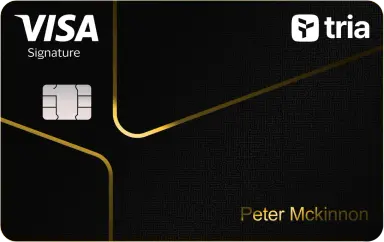
1. Tria Signature Card
High-Yield Self-Custody: 15% APY + Visa Signature Perks
2. COCA Visa Card
Self-Banking: 8% Cashback + 5% APY + 0% FX
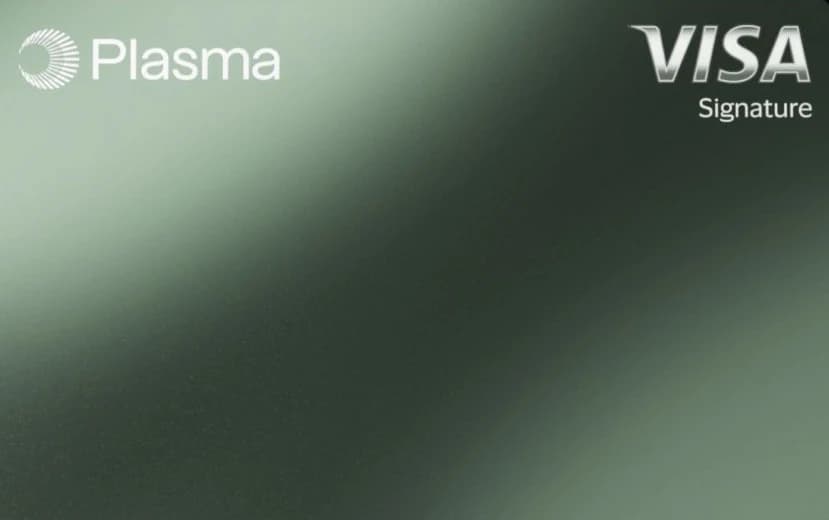
3. Plasma One Core Card
Self-Custodial Visa for AI Spenders - 3% Base, 5% on AI Spend, ChatGPT Go Rebate
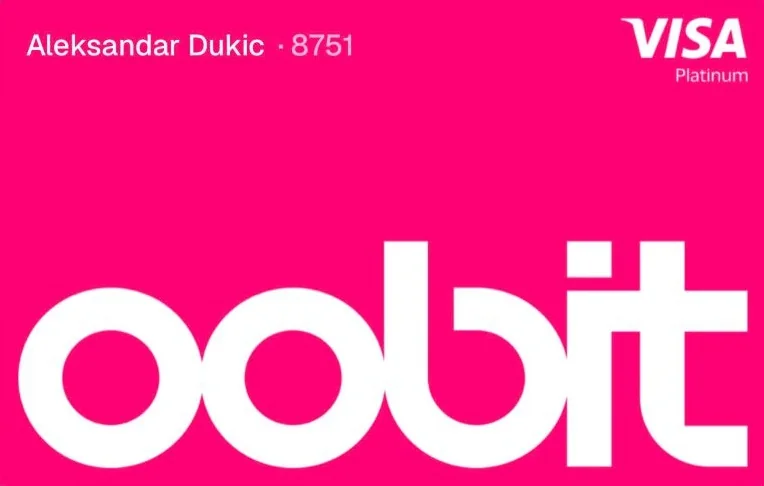
4. Oobit Visa Card
Spend Crypto Anywhere Visa Works - Self-Custody or In-App
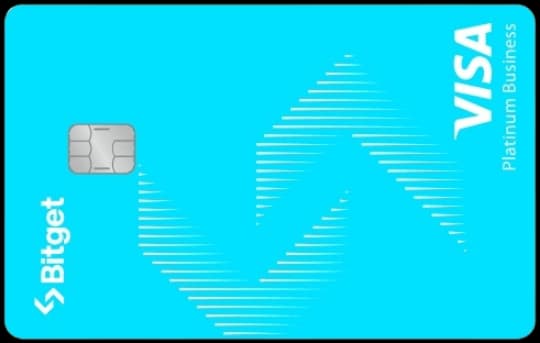
5. Bitget Card
Trade and Spend: Up to 8% BGB Cashback for Bitget Traders
6. Jupiter Global
Free virtual USDC card with 2% base cashback
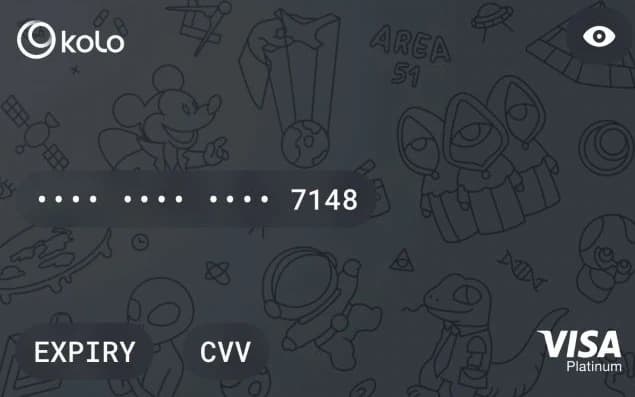
7. Kolo Card
Earn Bitcoin on Purchases: 2% for 30 Days, Then 1% (Capped) + Visa Platinum + 170+ Countries
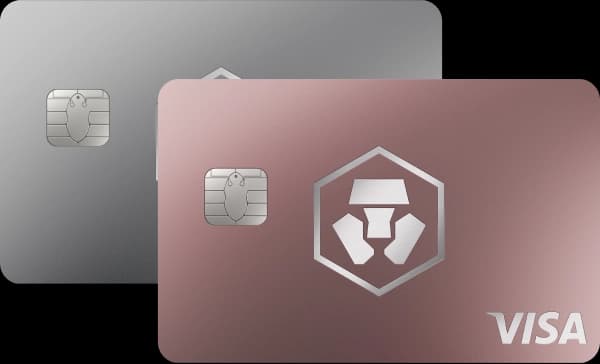
8. Private (Icy White / Rose Gold)
Private Tier: 4% Uncapped Cashback + Lounge Guest

9. ether.fi Core Card
3% Back on the First $2,000 Each Month, No Stake Required
10. KAST K Card
Free USD Cashback: 1.5% on First $2K/Month
11. Rizon Emerald Card
Rizon's top plan: international fees near 1%, trading at 0.85%, and the physical Visa Platinum included.
12. Xplace Gold Card
10% Off Gold with SPENDNODE: Pay $224.10 Instead of $249
Complete list:
All 50 crypto cards available in Malaysia in September 2026
This table includes every crypto card we currently track for Malaysia. Rows marked Top pick are ranked and reviewed above.
| Crypto card | Max rewards | Annual fee | FX fee | Type | Custody |
|---|---|---|---|---|---|
1 Tria Signature CardTop pick | Up to 4.5% rewards | $87 with code | 1% | Debit | Self-custody |
2 COCA Visa CardTop pick | Up to 8% rewards | Free | 0% | Debit | Self-custody |
3 Plasma One Core CardTop pick | Up to 3% rewards | $199 | 0.5% | Crypto Backed Credit | Self-custody |
4 Oobit Visa CardTop pick | Up to 10% rewards | Free | 3% | Debit | Hybrid |
5 Bitget CardTop pick | Up to 8% rewards | Free | 0% | Debit | Custodial |
6 Jupiter GlobalTop pick | Up to 4% rewards | Free | 1% / 1.8% | Debit | Hybrid |
7 Kolo CardTop pick | Up to 2% rewards | Free | 0% | Prepaid | Custodial |
8 Private (Icy White / Rose Gold)Top pick | Up to 4% rewards | TBD | 0% | Prepaid | Custodial |
9 ether.fi Core CardTop pick | Up to 3% rewards | Free | 0.5% | Crypto Backed Credit | Self-custody |
10 KAST K CardTop pick | Up to 1.5% rewards | Free | 0.5% | Prepaid | Custodial |
11 Rizon Emerald CardTop pick | Up to 2.5% rewards | $83.88 | 1.02% | Crypto Backed Credit | Self-custody |
12 Xplace Gold CardTop pick | Up to 1.5% rewards | $249 | 0.25% | Crypto Backed Credit | Self-custody |
13 | Up to 8% rewards | TBD | 0% | Prepaid | Custodial |
| Up to 6% rewards | $200 with code | 1% | Debit | Self-custody | |
| Up to 5% rewards | Free | 1% | Crypto Backed Credit | Self-custody | |
| Up to 5% rewards | TBD | 0% | Prepaid | Custodial | |
| Up to 5% rewards | Free | 1% | Debit | Self-custody | |
| Up to 4% rewards | Free | 0% | Crypto Backed Credit | Self-custody | |
| Up to 4% rewards | Free | 0% | Crypto Backed Credit | Self-custody | |
| Up to 3% rewards | Free | 0.25% | Crypto Backed Credit | Self-custody | |
| Up to 3% rewards | Free | 0% | Crypto Backed Credit | Self-custody | |
| Up to 3% rewards | $10000 | 0.5% | Prepaid | Custodial | |
| Up to 3% rewards | $299.9 | 0% | Prepaid | Custodial | |
| Up to 3% rewards | $129 | 1.2% | Prepaid | Custodial | |
| Up to 2% rewards | $1000 | 0.5% | Prepaid | Custodial | |
| Up to 2% rewards | Free | 1% | Crypto Backed Credit | Self-custody | |
| Up to 2% rewards | $49.9 | 0% | Prepaid | Custodial | |
| Up to 2% rewards | $999 | 0% | Crypto Backed Credit | Self-custody | |
| Up to 1.5% rewards | Free | 0.5% | Prepaid | Custodial | |
| Up to 1.5% rewards | Free | 1% | Debit | Self-custody | |
| Up to 1% rewards | Free | 1% | Crypto Backed Credit | Self-custody | |
| Up to 1% rewards | Free | TBD | Prepaid | Custodial | |
| Up to 1% rewards | $47.88 | 1.275% | Crypto Backed Credit | Self-custody | |
| Up to 1% rewards | $99 | 0.5% | Crypto Backed Credit | Self-custody | |
| Up to 0.5% rewards | Free | 1% | Crypto Backed Credit | Self-custody | |
| none | Free | 0% | Crypto Backed Credit | Self-custody | |
| none | $30 | 0% | Crypto Backed Credit | Self-custody | |
| none | Free | 0% | Prepaid | Custodial | |
| Varies | Free | 1.7% | Prepaid | Custodial | |
| cashback | Free | 1.75% | Prepaid | Self-custody | |
| cashback | $199 | 0.75% | Prepaid | Self-custody | |
| cashback | Free | 0.5% | Prepaid | Custodial | |
| none | Free | 1% | Prepaid | Self-custody | |
| none | Free | 1% | Debit | Self-custody | |
| Varies | Free | 1.5% | Debit | Custodial | |
| Varies | Free | 1.2% | Prepaid | Custodial | |
| Varies | Free | 1.2% | Prepaid | Custodial | |
| Varies | Free | 1.2% | Prepaid | Custodial | |
| Varies | Free | 1.7% | Crypto Backed Credit | Self-custody | |
| points | Free | 1% | Debit | Self-custody |
Crypto Card Regulation in Malaysia
The Securities Commission Malaysia (SC, Suruhanjaya Sekuriti) is the primary regulator for digital-asset activities under the Capital Markets and Services (Prescription of Securities) (Digital Currency and Digital Token) Order 2019. Only SC-registered Digital Asset Exchanges (DAXs) may legally operate Malaysian-facing services.
The SC maintains a public register of approved DAX operators, a list of tradeable digital assets, and an Investor Alert List of platforms that have been ordered to stop, all updated on its digital-assets page.
Bank Negara Malaysia (BNM), the central bank (Bank Pusat Malaysia), oversees payment systems, anti-money-laundering, exchange control, and the broader Financial Services Act 2013 framework. BNM's exchange-control rules influence how Malaysian residents can fund offshore crypto balances from MYR accounts. Domestic banks are required to flag large or pattern-suggestive crypto-related transfers under BNM's AML/CFT obligations.
In practice, MYR transfers to SC-licensed DAXs are less likely to draw the same level of bank-side concern as transfers to offshore or unregistered exchanges, especially where the destination wallet is associated with a platform on the SC Investor Alert List, which can produce holds or follow-up KYC questions from the originating bank.
SC enforcement actions, named precisely:
- Binance: directed by the SC in July 2021 to cease operations in Malaysia for running an unregistered DAX. Binance card is not available to Malaysian residents.
- Bybit: the SC took enforcement action ordering Bybit to disable its website and mobile applications for Malaysian users, cease all marketing to Malaysians, and was added to the Investor Alert List. Bybit card is not available to Malaysian residents.
- Huobi (HTX), and a long tail of unregistered platforms: present on the SC Investor Alert.
The SC's Investor Alert is updated frequently. Before applying for any crypto card or funding through any exchange, check the current Investor Alert listing on the SC website.
SC-licensed DAXs (current): HATA, Luno, MX Global, SINEGY, and Kinetic are the named DAX operators on the SC's current digital-assets page. These five provide MYR-to-crypto on-ramps via local bank transfer, FPX, or DuitNow where supported by each operator. None currently issue consumer crypto-spending cards. Cardholders typically use a DAX for the MYR-to-stablecoin or MYR-to-crypto conversion, then fund a global card issuer from there.
The 2025 token reclassification. The SC's January 2025 amendment to the Prescription Order tightened the classification of digital tokens, with knock-on effects on which assets DAXs may list. The 2026 framework moves toward letting DAX operators list eligible tokens without case-by-case SC approval, conditional on meeting the tradeable-asset criteria the SC publishes.
Shariah and digital assets, the 2026 endorsement requirement. Malaysia is the world's largest Islamic-finance market by sukuk issuance and assets under management, and the SC's Shariah Advisory Council (SAC) actively rules on whether financial products are permissible. The SAC issued a 2020 resolution that trading of digital assets meeting specified criteria (utility, no gambling/harm, screened underlying activity) is permissible for Muslims.
Practically, this means Malaysian Muslims have an in-country religious framework that permits regulated crypto trading, which is materially different from jurisdictions where the question stays informal.
The SC's digital-assets page now publishes which listed tradeable digital assets are Shariah-compliant. From 30 March 2026, DAX operators offering Shariah-compliant digital currencies must obtain SAC endorsement.
For card users this matters in two practical ways. First, it formalises the universe of "Shariah-screened" cryptocurrencies that a Malaysian Muslim cardholder might choose to fund their card with. Second, cards that settle through Visa or Mastercard at point-of-sale (where the merchant receives MYR fiat) avoid the direct-payment shariah question entirely; the SAC concern attaches to the underlying digital asset held, not to the card payment itself.
International card issuers serving Malaysian residents (and not on the SC Investor Alert): Bitget, Crypto.com, KAST, COCA, Oobit, xPlace, RedotPay, ether.fi, Tria, Kolo, Avici, and Jupiter.
Tax Treatment of Card Rewards in Malaysia
Malaysia does not have a dedicated capital gains tax on personal-investment crypto disposals for individuals. The Inland Revenue Board, LHDN (Lembaga Hasil Dalam Negeri), has published guidelines on the tax treatment of digital currency transactions that set out the framework. The right summary is more careful than "tax-free":
- Personal-investment disposals (including card spending of long-held crypto) are generally outside the Malaysian income-tax base. No Real Property Gains Tax applies (RPGT covers real property, not digital assets). No SST (Cukai Jualan dan Perkhidmatan) applies to crypto disposals.
- Active or business-character activity is taxable as revenue under Section 4(a) of the Income Tax Act 1967. The LHDN applies a badges-of-trade test: frequency, holding period, intent, source of funds, financing, and supplementary trading work. A high-velocity card user converting daily into stablecoins, or a trader running material crypto activity alongside salary income, can be re-characterised as carrying on a business. Top progressive rate is 30% on chargeable income above MYR 2 million.
- Records must still be kept even if the position taken is that disposals are personal-investment in character. Acquisition cost (in MYR), date, counterparty, transaction hash where relevant, and disposal amount are the practical minimum. The LHDN can request these years later.
Cashback treatment. Cashback received in BTC, BGB, CRO, USDC, or any other token is not separately taxable at receipt for a personal-investment cardholder. On disposal, the same personal-investment-versus-business framework applies. For the typical card user with monthly MYR 3,000–5,000 of regular spending and a steady salary, the personal-investment characterisation is the natural one, and cashback through to spending generally falls outside the income-tax base.
Foreign-source income, narrower than it looks for remote workers physically in Malaysia. Malaysia taxes individual income on a territorial basis: Malaysian-source income is taxed in Malaysia, foreign-source income is generally not, with current exemption rules for individuals scheduled through 31 December 2026 (subject to conditions and Finance Act detail).
The important nuance for crypto-card users: under LHDN's source-of-income rules, employment income is sourced where the work is physically performed, not where the employer sits or how they pay. A remote worker physically in Malaysia performing services for a US employer paid in USDC has Malaysian-source employment income, fully taxable in Malaysia at progressive rates.
The territorial-system exemption does not rescue that case; it attaches to genuinely foreign-source income such as overseas employment exercised abroad before relocation, foreign portfolio income, foreign rental, and similar.
Where the territorial framing does help: long-held foreign assets generating dividend, interest, or rental income; pensions from prior overseas employment; and the general absence of CGT on personal-investment crypto disposals regardless of where the underlying was bought.
For an MM2H holder who is not permitted to perform local employment and lives off offshore portfolio income, the position is cleaner than for a remote worker doing day-to-day work from a Bangsar apartment. Check current LHDN guidance and your specific facts before relying on this for material amounts.
| Scenario | Personal investment? | Likely treatment |
|---|---|---|
| Bought BTC 2019, spent through card 2026, ~10x gain | Yes | Generally outside income-tax base |
| ETH cashback received and held, sold months later | Yes | Generally outside income-tax base |
| 200+ disposals/year, leveraged trading, primary income source | No (business) | Section 4(a) revenue, progressive rates |
| USDC cashback from offshore employer, funded directly to card | Mixed | Underlying USDC income may be employment income; spending the USDC is not a separate event |
No GST/SST on crypto. Malaysia's SST regime does not apply to digital-asset disposals.
Practical posture for cardholders: for someone routing MYR 3,000–5,000 per month through a single crypto card alongside regular salaried employment, the personal-investment position is the natural one and produces no MYR tax drag on cashback or appreciated-crypto card spending. Keep records, do not over-claim "no records needed", and be aware that crossing into business-character activity changes the answer.
How to Apply from Malaysia
Malaysian crypto-card applications require a MyKad (kad pengenalan Malaysia, the 12-digit national identity number in YYMMDD-PB-XXXX format) for citizens. The MyKad number functions as both ID and tax identifier. Foreign residents need a passport plus one of: MyPR (permanent resident card), Employment Pass, Dependant Pass, or Malaysia My Second Home (MM2H) visa.
Proof of Malaysian address: utility bills from Tenaga Nasional Berhad (TNB), Air Selangor or state water utilities, or telecom bills from Maxis, CelcomDigi, or U Mobile; bank statements from Maybank, CIMB, Public Bank, RHB, or Hong Leong; Indah Water Konsortium (sewerage) bills also work.
SC-licensed DAXs (HATA, Luno, MX Global, SINEGY, Kinetic) have well-established MyKad onboarding. International card issuers use standard ID-plus-selfie verification. Physical cards typically ship to Malaysian addresses in 14–21 business days. Virtual-card add-to-wallet support for Apple Pay and Google Pay varies by issuer; verify with the specific issuer before relying on NFC at checkout.
Spending Tips for Malaysia
What Malaysian bank cards actually cost you
Malaysia's banking sector is led by Maybank (Malayan Banking Berhad, the largest bank in Southeast Asia by assets, 400+ domestic branches), CIMB (Commerce International Merchant Bankers), Public Bank, RHB Bank, Hong Leong Bank, AmBank, and Bank Islam (the largest Islamic bank). Digital banking licensees from BNM's 2022 round include GX Bank (Grab/SEA), Boost Bank, AEON Bank, Ryt Bank, and KAF.
Standard debit cards from major Malaysian banks earn minimal cashback. Maybank's debit card runs at zero cashback; most credit cards offer 0.5-1% on category-restricted spending. FX fees on non-MYR transactions sit at 1-2%. Annual debit-card fees: MYR 0-8.
| Category | Maybank Debit Card | Crypto Card (COCA up to 8%) | Annual difference |
|---|---|---|---|
| Annual fee | MYR 0-8 | MYR 0 | MYR 0-8 saved |
| Cashback on MYR 3,000/mo | MYR 0 | up to MYR 2,880/yr | up to MYR 2,880 earned |
| FX on MYR 500/mo non-MYR | MYR 60-120 | MYR 0 | MYR 60-120 saved |
| Total annual advantage | - | - | up to MYR 2,940-3,008 |
For the personal-investment cardholder, that advantage is generally outside the Malaysian income-tax base. For someone whose card activity tips them into business-character revenue, some of that uplift becomes taxable. For most steady salaried Malaysians routing routine card spending, the personal-investment characterisation is the natural one.
Why DuitNow QR matters for the crypto-card decision
Visa and Mastercard are not the dominant payment rails for daily Malaysian life. DuitNow QR is. The interoperable QR network connects every major Malaysian bank account and e-wallet (Touch 'n Go, GrabPay, Boost, MAE) to almost every retail counter, hawker stall, kopitiam, and night-market vendor. PayNet's 2025 figures show 8.44 billion digital payment transactions and over 3 million DuitNow QR touchpoints, with the QR network specifically expanding into the long tail of small merchants.
This shapes the crypto-card decision in two important ways:
- For domestic-only spending, the upside is cashback, not access. A Malaysian who never crosses the causeway, never travels, and never funds offshore is not gaining payment access from a crypto card; DuitNow QR plus a TNG eWallet already cover the ground. The card earns its keep through cashback and on the 20-30% of spending (malls, chains, online retail, subscriptions, regional travel) where Visa or Mastercard is the natural rail.
- For cross-border or stablecoin-funded users, crypto cards still fill real gaps. DuitNow QR does not solve SGD spending in Singapore, USD subscriptions, regional travel, or USDC-to-MYR funding for remote workers. That is where the practical value concentrates.
The MM2H expat case (and the limit for remote workers)
Malaysia My Second Home (MM2H) is a long-term-residence programme attracting retirees, wealthy foreigners, and increasingly crypto-wealthy individuals. The MM2H restructure introduced higher financial thresholds (offshore liquid assets and fixed-deposit requirements that depend on the tier) and a renewable visa.
MM2H holders are generally not permitted to take local employment, which actually strengthens the territorial-tax case for that cohort: their income is more likely to be genuinely foreign-source (overseas pensions, foreign portfolio income, prior-employment investment income).
For MM2H holders, the practical advantages stack:
- Personal-investment crypto disposals are generally outside the Malaysian income-tax base for individuals.
- Genuinely foreign-source income (foreign dividends, interest, rental, and pension income) for individuals is currently subject to exemptions through 31 December 2026 (subject to detail; check LHDN guidance for the position at the time).
- Crypto cards funded from offshore stablecoin balances convert long-held offshore liquidity directly into Malaysian daily life without correspondent-banking friction.
The line that matters for remote workers physically in Malaysia: employment income is sourced where the work is performed, so remote work for a US employer paid in USDC while sitting in KL is Malaysian-source employment income, taxable here at progressive rates. The crypto-card layer still works (cashback under the personal-investment characterisation is generally outside the income-tax base, FX savings are real, DAX on-ramps are functional), but the underlying salary is taxable.
Combined with KL or Penang cost of living well below Singapore, Tokyo, or Sydney, the stack is still favourable, just not as one-sidedly tax-free as a "USDC nomad" framing would suggest.
Cost of living and spending scenarios
Malaysia offers one of the best cost-of-living-to-quality-of-life ratios in Asia.
- Kuala Lumpur: MYR 1,500-3,500 rent (1-bed, KLCC and Bukit Bintang premium, Bangsar South and Cheras moderate, Setapak and Kepong budget), MYR 800-1,500 groceries, MYR 500-1,200 dining.
- Penang (Georgetown): MYR 1,200-2,500 rent, MYR 600-1,200 groceries, MYR 400-800 dining. UNESCO-listed cuisine city, dense expat and digital-nomad community.
- Johor Bahru: MYR 1,000-2,000 rent, MYR 600-1,000 groceries. Iskandar Malaysia premium pulled up by Singapore-commuter demand.
- Ipoh and Malacca: MYR 800-1,500 rent, MYR 500-900 groceries. Quieter secondary cities popular with remote workers.
- Kota Kinabalu and Kuching (East Malaysia): MYR 800-1,800 rent. Different cost structure from Peninsular Malaysia.
Monthly card-eligible spending typically runs MYR 2,000-5,000 ($440-1,100). At up to 8% cashback on MYR 3,000/month: up to MYR 2,880/year, which covers roughly 3-4 months of groceries in KL.
Spending scenario: MYR 3,500/month KL professional
| Category | Monthly | Annual | Where it goes |
|---|---|---|---|
| Groceries | MYR 1,000 | MYR 12,000 | Jaya Grocer, Village Grocer, NSK, AEON |
| Dining and cafes | MYR 800 | MYR 9,600 | Mamak, hawker centres, restaurants, Starbucks |
| Transport | MYR 200 | MYR 2,400 | Grab, RapidKL (LRT, MRT), Touch 'n Go |
| Subscriptions | MYR 150 | MYR 1,800 | Netflix, Spotify, gym, Astro |
| Shopping | MYR 600 | MYR 7,200 | Pavilion KL, Mid Valley, Suria KLCC, Lazada |
| Travel | MYR 750 | MYR 9,000 | AirAsia, Firefly, Singapore weekends |
Total card-eligible spending of MYR 42,000/year ($9,300). At up to 8% cashback: up to MYR 3,360/year ($740). Under the personal-investment characterisation, that uplift is generally outside the Malaysian income-tax base.
Local payment infrastructure
Malaysia's e-wallet ecosystem is led by Touch 'n Go eWallet (TNG, 20+ million users, also the toll and transit card), GrabPay (ride-hailing ecosystem), Boost (Axiata Group), and MAE (Maybank). All of these are interoperable through DuitNow QR and FPX. They do not work directly with crypto cards.
Visa and Mastercard contactless acceptance is strong and growing across mainstream retail. Major chains: AEON (Big, MaxValu, Wellness), Jaya Grocer (40+ Klang Valley stores), Village Grocer, NSK Trade City, Cold Storage, Lotus's (the renamed Tesco network, 140+ hypermarkets), Giant (100+), 99 Speedmart (2,500+ convenience stores, contactless expanding), Watsons (800+), Guardian (500+).
Malls are central: Pavilion KL, Suria KLCC at the Petronas Twin Towers, Mid Valley Megamall, 1 Utama, Sunway Pyramid, IOI City Mall (Putrajaya), Gurney Plaza (Penang), Queensbay Mall (Penang). All have universal Visa/MC contactless.
Hawker centres, mamaks, and kopitiam are Malaysia's cultural food institutions. Card acceptance varies. Newer hawker-centre formats (Lot 10 Hutong, certain Genting, KLCC) take cards. Traditional roadside mamak and kopitiam are still strongly DuitNow QR or cash. Budget around 30-40% of food spending as DuitNow QR or cash in KL, more outside the Klang Valley.
Transit: RapidKL (LRT, MRT, monorail, buses) primarily uses Touch 'n Go. Visa and Mastercard contactless is being rolled out at MRT stations. KTM Komuter and ERL (the Express Rail Link to KLIA) accept cards at ticket counters.
Apple Pay is live in Malaysia and works at most major retailers and chains. Google Pay availability is expanding through partner banks, with broader rollouts continuing through 2026. For crypto-card holders, virtual-card add-to-wallet support varies by issuer; verify before relying on NFC for a specific card.
The JB-Singapore corridor: Malaysia's distinctive crypto-card use case
The Johor-Singapore causeway is one of the world's busiest land borders. Approximately 300,000 people cross daily, with an estimated 100,000+ Malaysians commuting to Singapore for work. They earn SGD salaries (typically SGD 3,000-6,000/month in mid-skill roles, materially higher in tech and finance) and live in JB where housing, groceries, and dining are 50-60% cheaper than Singapore.
This commuter pattern produces a daily MYR-and-SGD spending mix unlike anything in any other country. The crypto-card value math is concentrated:
- SGD lunch and transport in Singapore on workdays (SGD 30-60/day, SGD 600-1,200/month), routed through a non-MYR card that charges 1-2% FX through a bank, or 0% FX through COCA, Bitget, Kolo, or Crypto.com.
- MYR rent, groceries, dining in JB (MYR 3,000-5,000/month), where DuitNow QR handles a large share of small-merchant spending and Visa/MC contactless covers chains and malls.
- Cross-border SGD-to-MYR conversion if part of the salary is spent locally in JB, where the bank's spread can compete unfavourably with stablecoin rails.
Concretely: a JB-Singapore commuter spending SGD 800/month in Singapore through a 1.5%-FX bank card pays roughly SGD 144/year (around MYR 500) in FX fees alone. A 0%-FX crypto card erases that fee and adds cashback on top: at 4-6% reward rates, another SGD 384-576/year (around MYR 1,300-2,000) in benefits. That is the corridor value before considering cashback on MYR home-side spending.
Cross-border and ASEAN regional spending
- Thailand (THB): Penang and Langkawi to Hat Yai, Krabi, and Phuket are common weekend trips. THB FX savings on a 0% FX crypto card add up over a year of regular travel.
- Indonesia (IDR): KL to Jakarta or Bali on AirAsia are 2-3 hours and are common for both leisure and business. IDR FX savings on a 0% FX card.
- Vietnam (VND), Philippines (PHP), Cambodia (KHR), Laos (LAK): ASEAN regional travel cluster. Crypto cards earn cashback on flights and hotels and avoid the FX markup banks apply on each currency conversion.
- Brunei (BND): East Malaysia to Bandar Seri Begawan. BND is pegged to SGD at 1:1, so cards optimised for SGD also work cleanly on BND spending.
Malaysia as a remittance-sender market
The narrative that Malaysia is mainly a crypto-card-receiver market mistakes its actual position. Malaysia hosts millions of foreign workers, primarily from Indonesia, Bangladesh, Nepal, Myanmar, Pakistan, the Philippines, and India, and is the originator of significant remittance outflows to South and Southeast Asia. World Bank data consistently shows Malaysia as a top-20 sender market globally.
For documented foreign-worker cardholders, the stablecoin-and-card stack provides a meaningful improvement on traditional remittance fees:
- Foreign worker earns MYR salary domestically.
- Converts a portion via FPX or DuitNow into a regulated DAX (Luno, MX Global) into USDC.
- Sends USDC to family abroad on a low-fee chain (Solana, Polygon, Tron-USDT where supported).
- Family receives and either converts locally or spends directly through a crypto card.
For a worker sending MYR 1,500-2,500/month, the saving against traditional remittance channels (which often quote 4-8% all-in) compounds into a four-figure MYR amount annually. The constraint is documentation: undocumented workers face KYC barriers at SC-licensed DAXs and at international card issuers, which is the practical limit on this corridor. For documented workers, the rails are open and the math is favourable.
Common mistakes Malaysian cardholders make
- Mistake 1: Treating "no CGT" as "no records needed." LHDN guidance still expects taxpayers to keep cost-basis, date-of-acquisition, and disposal records. A high-velocity cardholder facing a later LHDN review with no records cannot retroactively prove personal-investment character. Cost of getting this wrong: a 10x-appreciated MYR 50,000 disposal re-characterised as Section 4(a) revenue at the top rate adds roughly MYR 13,500 of tax plus penalties.
- Mistake 2: Funding a card from a platform on the SC Investor Alert. Even if the card itself is from a separate issuer, the funding leg can hit Malaysian-bank AML flags and produce account holds. Use SC-licensed DAXs (HATA, Luno, MX Global, SINEGY, Kinetic) for the MYR-to-stablecoin step; fund the card from there.
- Mistake 3: Ignoring DuitNow QR for the local 70%. Pushing every small daily transaction through a Visa or Mastercard crypto card when DuitNow QR is faster, free, and accepted by the local merchant is rarely the right call for hawker, kopitiam, and small-merchant spending. Reserve the crypto card for chains, malls, online retail, subscriptions, and cross-border. Cost of getting this wrong is mostly opportunity cost: time and merchant friction rather than money.
- Mistake 4: JB-Singapore commuters using a single bank-issued debit card across both currencies. A SGD 800/month spender on a 1.5%-FX card pays roughly MYR 500/year in unnecessary FX. Splitting between a 0%-FX crypto card for the SGD leg and a sensible MYR rail for home-side spending captures both legs efficiently.
Where crypto cards fit in Malaysia
Malaysia is a strong crypto-card market for personal-investment cardholders, MM2H expats living off offshore portfolio income, JB-Singapore commuters, and remote workers willing to file Malaysian-source employment income properly. The pull is less about payment-acceptance gaps and more about a stack of favourable conditions.
Personal-investment disposals are generally outside the income-tax base. The territorial system is favourable for genuinely foreign-source income through 2026. The SAC has formalised a Shariah-screened path with a 30 March 2026 endorsement requirement. DuitNow QR, FPX, and the SC-licensed DAX shortlist make the on-ramps and off-ramps reliable.
The card decisions that matter are SC enforcement (Bybit and Binance out), funding-rail choice (HATA, Luno, MX Global, SINEGY, Kinetic), and the cross-border layer where Malaysian banks charge 1-2% FX that crypto cards remove.
Supported Exchanges & Wallets in Malaysia
Malaysia's domestic exchange scene is the SC-licensed DAX shortlist: HATA, Luno (the most retail-recognised, MYR deposits via FPX instant transfer), MX Global, SINEGY, and Kinetic. All five provide MYR-to-crypto on-ramps via FPX and DuitNow, and none currently offer consumer spending cards.
Critical: Bybit and Binance are not available to Malaysian residents under SC enforcement actions. Bybit was ordered to disable its website and apps for Malaysian users; Binance was directed to cease operations in 2021. Their card products are not accessible from Malaysian addresses.
Among issuers that remain available, COCA offers up to 8% cashback with 0% FX, no transaction fee, a non-custodial smart wallet, and 5% APY on eligible USD. Bitget at 8% BGB through the exchange card and wallet card is the strongest exchange-linked alternative (7.1% net after the 0.9% transaction fee).
Oobit is the no-stake alternative to those staking cards, also issued through Rain: up to 10% in OOB or 5% in stablecoin on a free virtual Visa, Tether-backed, with hybrid custody. In our live Malaysian testing the MYR conversion ran about 3%, so it rewards USDT-funded spending more than everyday MYR use.
Tria now charges 1% FX on non-USD spend plus a 0.5% fee on every payment across all tiers, with Signature at 4.5% on the first $1,000/mo ($109/yr) and Premium at 6% on the first $2,000/mo ($250/yr); after the 0.5% fee the effective USD rates are about 4% and 5.5%. USDT cashback means predictable returns rather than volatile token-price exposure.
xPlace runs a Solana self-custody tier ladder; Gold pairs 1.5% USDC in Credit Mode (to $100/month) with 0.25% FX for $249/yr, so at Malaysian spending levels the near-zero FX on the SGD corridor and the wallet-held funding are what it actually sells.
Kolo at 1% ongoing BTC (2% intro), 0% FX, $0 is the zero-cost BTC earner in the lineup.
Crypto.com adds airport lounge access at KLIA on the Icy tier (4%, CRO stake), practical for any Malaysian flying twice a month or more given KL's centrality as an ASEAN hub. Avici offers crypto-backed credit via Platinum and Signature.
ether.fi Core is free and pays 3% in ETHFI on the first $2,000 per month, 1% through $5,000, and 0.5% above. It supports the direct stablecoin and collateral-backed modes described earlier on the page.
KAST (1.5% USD cashback on first $2K/mo, 0.5-1.75% FX, free) is the simplest prepaid entry for MYR spending from offshore stablecoin balances. RedotPay with Virtual, Solana, and Physical cards suits stablecoin users.
Rizon Emerald ends the list on rails rather than rate. It is a US-issued Visa Platinum available to Malaysian passport holders, with approximately 1.02% international fees, USD and EUR account details, and ATM pricing of $1 plus 0.65%.
Both Rizon cards sit inside the $6.99 monthly plan. Stablecoin collateral remains in the user's smart-contract wallet rather than a centralized exchange, which is relevant against the SC enforcement backdrop.
The 2.5% cashback caps at the plan fee, so treat it as a subscription rebate; the cards above it earn more on every ringgit.
Outlook (our read)
A handful of open questions will shape the next 18 months for Malaysian crypto-card users.
- The 30 March 2026 SAC endorsement requirement. DAX operators offering Shariah-compliant digital currencies now need the endorsement described above. For card funding, check the SC's published compliant-asset list; the card payment itself settles in fiat at the merchant.
- 2026 DAX listing reform. The shift toward letting SC-licensed DAXs list eligible tokens without case-by-case approval should broaden the universe of MYR-fundable assets. The practical question is whether the SC's tradeable-asset criteria operate as a binding gate or as a light-touch filter. The first six months post-implementation will tell.
- BNM stablecoin posture. Malaysia has not yet issued a dedicated stablecoin licensing framework. Singapore (MAS), Hong Kong, and the UAE all have. BNM has signalled engagement; whether 2026 produces a formal payments-stablecoin regime, especially one covering MYR-denominated stablecoins, is the most consequential outstanding question for cross-border card funding.
- Foreign-source income exemption beyond 2026. The current exemption regime for individuals is scheduled through 31 December 2026. Whether it is renewed, narrowed, or restructured will materially change the MM2H and offshore-portfolio-income case (less so the remote-worker case, which is governed by where work is physically performed rather than by FSI rules).
- JB-Singapore corridor stablecoin opening. As MAS-licensed stablecoins scale on the Singapore side and SC-licensed DAXs scale on the Malaysian side, the corridor between two regulated frameworks looks unusually well-positioned for a clean stablecoin-funded cross-border card flow. Expect issuers to lean into this.
Under the personal-investment characterisation, a Malaysian cardholder routing reasonable monthly spend through a 0%-FX, high-cashback crypto card is in one of the better positions globally. The card, DAX, and spending corridor determine the result.
Written by SpendNode Editorial
Frequently Asked Questions
Is crypto card spending taxed in Malaysia?
For individuals holding crypto as personal investment, disposals (including card spending of long-held crypto) are generally outside Malaysia's income-tax base, and there is no Real Property Gains Tax or SST on digital-asset disposals.
The LHDN's digital currency tax guidelines apply a badges-of-trade test (frequency, intent, holding period, financing), and high-velocity or business-character activity can be re-characterised as revenue under Section 4(a) of the Income Tax Act 1967, taxed at progressive rates up to 30%. Records should still be kept either way.
Which crypto cards work for Malaysian residents after SC enforcement?
Bybit and Binance card products are not available: the SC ordered Bybit to disable its website and apps for Malaysian users and added it to the Investor Alert List, and directed Binance to cease operations in 2021. The SC-licensed DAX shortlist for MYR-to-crypto on-ramps is HATA, Luno, MX Global, SINEGY, and Kinetic.
Jupiter Global (2% USDC base, 4% for a month after referring 2 friends, $0 annual, 1% FX, virtual + QR) is a free self-custody pick for the cross-border slot where domestic DuitNow QR already covers MYR spend. Tria Signature (4.5% on the first $1,000/mo then 1%, 1% FX plus a 0.5% per-payment fee, about 4% net on USD, $109/yr) is the paid upgrade for higher-volume cross-border users.
COCA up to 8% needs $COCA staking. Oobit pays up to 10% in OOB or 5% in stablecoin with no stake or annual fee, though its ~3% FX suits USD-billed spend more than MYR. xPlace Gold pays 1.5% USDC in Credit Mode (capped at $100/month) with 0.25% FX at $249/yr; its draw is Solana self-custody and low FX, not the rate. Bitget 8% BGB (7.1% net) needs 20,000+ BGB. Kolo is 1% ongoing BTC (2% intro) at $0. Crypto.com Icy is 4% with KLIA lounge access.
Why does FX still matter when DuitNow QR covers most domestic spending?
Domestic Malaysian spending is well-served by DuitNow QR, FPX, and e-wallets like Touch 'n Go, GrabPay, Boost, and MAE. The crypto-card FX advantage concentrates on the cross-border layer: SGD spending in Singapore for the 100,000+ JB-Singapore commuters, USD subscriptions, ASEAN regional travel, and stablecoin-funded card balances. A 0% FX card saves 1-2% per non-MYR transaction versus a Maybank or CIMB debit card, which compounds materially for cross-border-heavy users.
What changes for Shariah-compliant cardholders from 30 March 2026?
From 30 March 2026, DAX operators offering Shariah-compliant digital currencies in Malaysia must obtain endorsement from the Securities Commission's Shariah Advisory Council (SAC). The SAC's 2020 resolution permitted trading of digital assets meeting specified screening criteria.
Cards that settle through Visa or Mastercard at point-of-sale (where the merchant receives MYR fiat) avoid the direct-payment Shariah question entirely; the SAC concern attaches to the underlying digital asset held, not to the card payment itself.
Other Countries
View all 112 countries →


Latest Page Changes to the Best Crypto Cards in Malaysia Guide
- xPlace cut Gold's Credit Mode cashback to 1.5% USDC with a $100 monthly cap for new memberships, effective September 14, 2026. We moved xPlace down this page's rankings accordingly. Memberships purchased before that date keep the previous rates for up to 12 months
- Reordered COCA above Bitget: 8% net vs 7.1% net after tx fee
- SC-licensed DAXs from 5 to 6 (Oct 2025)
- SC Prescription Order amendment (Jan 2025) and independent token listing (2026)