

Best Crypto Cards in Peru (2026)
Peru still lacks a full crypto-specific rulebook, so the best cards are the ones that stay practical: strong prepaid funding routes, clean FX economics, and simple stablecoin-to-spending workflows for everyday PEN users.
Verified for Peru
52 crypto cards available
Local currency: PEN
Peru has strong crypto adoption across Latin America, driven by sol depreciation concerns, a large informal economy, and remittance demand from Peruvians abroad.
Peru has not enacted a comprehensive crypto-market law, but virtual-asset service providers are subject to anti-money-laundering rules supervised by the SBS's financial intelligence unit. Card payments settle through ordinary card networks; that does not remove the need to check an issuer's eligibility or the tax treatment of the funding asset.
BCP (Banco de Credito del Peru, largest by assets), BBVA Peru, Interbank, and Scotiabank Peru debit cards earn zero cashback and charge 3-5% FX markup on non-PEN purchases. BCP's Yape dominates domestic mobile payments (15M+ users on a 33M population) but offers zero rewards and zero international functionality.
For USD subscriptions and cross-border e-commerce, a stablecoin-funded card may charge 0-1.75% FX instead of the banks' 3-5%, while also earning rewards.
Summary:
Which crypto cards are best in Peru?
The best crypto cards in Peru in September 2026 are COCA Visa Card, Tria Signature Card, Kolo Card, Rizon Emerald Card, Pro (Royal Indigo / Jade Green), and ether.fi Core Card. The detailed ranking below explains the local tax, fee, and availability trade-offs.
| Crypto card | Base reward | Net after fees | Annual fee | FX fee | Type |
|---|---|---|---|---|---|
| 1% baseup to 8% with a large $COCA stake; $15-$350/mo claim capacity by tier | 1% | Free | 0% | Debit | |
| 4.5% base4.5% on the first $1,000/mo, then 1% | 3% | $87 with code | 1% | Debit | |
| 1% base2% for the first 30 days, then 1%; also capped at $1/EUR 1 per transaction ($2/EUR 2 during intro) and $100/EUR 100 per month | 1% | Free | 0% | Prepaid | |
| Up to 2.5% rewards | - | $83.88 | 1.02% | Crypto Backed Credit | |
| 3% baseneeds $29.99/mo or a $5,000 CRO stake | 3% | $299.9 | 0% | Prepaid | |
| 3% base3% on the first $2,000/month, then 1% and 0.5% | 2.5% | Free | 0.5% | Crypto Backed Credit | |
| 1.5% base | 1% | Free | 0.5% | Prepaid |
Based on our Peru research, KAST works best for users moving from Yape-funded exchange balances into daily card spending: 1.5% USD cashback on the first $2,000/month, $0 annual fee, and a setup that fits Peru's dominant mobile wallet rails.
COCA at up to 8% (scaling with staking $COCA tokens, 1% at free Starter) plus 5% APY maximizes yield. Crypto.com Jade adds lounge access at Jorge Chavez International Airport (LIM), Peru's only major international gateway.
Best Card For Every Need in Peru
Top 7 Crypto Cards in Peru
Peru's large informal workforce makes documentation friction a real market barrier. COCA delivers up to 8% cashback (scaling with staking $COCA tokens, 1% at free Starter) plus 5% APY for users comfortable with token staking. A proposed 5% rate for crypto gains is not current law.
Tria Signature at 4.5% on the first $1,000/month (then 1%) at $109/yr offers USDT cashback without volatile token exposure, though a 1% FX charge and 0.5% per payment leave it near 3% net on sol spend. Kolo at 1% ongoing BTC (2% intro, capped at $1 per transaction and $100 per month) with 0% FX stays relevant as a simple free BTC card, but not as a major rewards leader.
Rizon Emerald follows on the documentation problem that defines Peru's 70% informal workforce: eligibility is passport-based (the Peruvian passport is on Rizon's 49-nationality list), with no payroll slips and no local bank relationship in the application. What it delivers is a US-issued Visa Platinum with USD account details, a dollar rail for the remittance corridor's 3M+ Peruvians abroad and their families at home, with collateral parked in the holder's own smart-contract wallet.
For anyone actually running spend through it, the numbers work on the $6.99/month Emerald plan: sol purchases at roughly 1.02% compared with 1.7% + $0.30 on the free plan, both cards included, and 2.5% cashback (capped at the plan fee) that refunds the subscription at roughly $280 of eligible purchases a month. KAST and COCA keep the PEN cashback while Rizon holds the US card and dollar account; lighter users can stay on the free Standard plan, where the code spendnode virtual card costs $1.
ether.fi Core supports direct stablecoin spending and optional collateral-backed borrowing. Keeping the asset unsold may offer a timing benefit, but the financing cost, liquidation risk, and treatment under any future SUNAT rules would still need review.
Crypto.com Jade covers Jorge Chavez (LIM), Peru's only major international gateway. KAST plugs directly into the Yape-to-Binance P2P pipeline with lightweight onboarding that fits Peru's informal economy.
1. COCA Visa Card
Self-Banking: 8% Cashback + 5% APY + 0% FX

2. Tria Signature Card
High-Yield Self-Custody: 15% APY + Visa Signature Perks
3. Kolo Card
Earn Bitcoin on Purchases: 2% for 30 Days, Then 1% (Capped) + Visa Platinum + 170+ Countries
4. Rizon Emerald Card
Rizon's top plan: international fees near 1%, trading at 0.85%, and the physical Visa Platinum included.
5. Pro (Royal Indigo / Jade Green)
The Lifestyle Sweet Spot: 3% Cashback + Lounges + Netflix

6. ether.fi Core Card
3% Back on the First $2,000 Each Month, No Stake Required
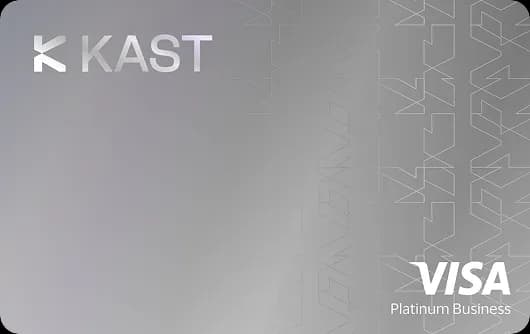
7. KAST K Card
Free USD Cashback: 1.5% on First $2K/Month
Complete list:
All 52 crypto cards available in Peru in September 2026
This table includes every crypto card we currently track for Peru. Rows marked Top pick are ranked and reviewed above.
| Crypto card | Max rewards | Annual fee | FX fee | Type | Custody |
|---|---|---|---|---|---|
1 COCA Visa CardTop pick | Up to 8% rewards | Free | 0% | Debit | Self-custody |
2 Tria Signature CardTop pick | Up to 4.5% rewards | $87 with code | 1% | Debit | Self-custody |
3 Kolo CardTop pick | Up to 2% rewards | Free | 0% | Prepaid | Custodial |
4 Rizon Emerald CardTop pick | Up to 2.5% rewards | $83.88 | 1.02% | Crypto Backed Credit | Self-custody |
5 Pro (Royal Indigo / Jade Green)Top pick | Up to 3% rewards | $299.9 | 0% | Prepaid | Custodial |
6 ether.fi Core CardTop pick | Up to 3% rewards | Free | 0.5% | Crypto Backed Credit | Self-custody |
7 KAST K CardTop pick | Up to 1.5% rewards | Free | 0.5% | Prepaid | Custodial |
| Up to 10% rewards | Free | 0% | Prepaid | Custodial | |
| Up to 10% rewards | Free | 3% | Debit | Hybrid | |
| Up to 8% rewards | Free | 0% | Debit | Custodial | |
11 | Up to 8% rewards | TBD | 0% | Prepaid | Custodial |
| Up to 6% rewards | $200 with code | 1% | Debit | Self-custody | |
| Up to 5% rewards | Free | 1% | Crypto Backed Credit | Self-custody | |
| Up to 5% rewards | TBD | 0% | Prepaid | Custodial | |
| Up to 5% rewards | Free | 1% | Debit | Self-custody | |
| Up to 4% rewards | Free | 0% | Crypto Backed Credit | Self-custody | |
| Up to 4% rewards | Free | 1% / 1.8% | Debit | Hybrid | |
| Up to 4% rewards | Free | 0% | Crypto Backed Credit | Self-custody | |
| Up to 4% rewards | TBD | 0% | Prepaid | Custodial | |
| Up to 3% rewards | Free | 2% | Prepaid | Custodial | |
| Up to 3% rewards | Free | 0.25% | Crypto Backed Credit | Self-custody | |
| Up to 3% rewards | Free | 0% | Crypto Backed Credit | Self-custody | |
| Up to 3% rewards | $10000 | 0.5% | Prepaid | Custodial | |
| Up to 3% rewards | $199 | 0.5% | Crypto Backed Credit | Self-custody | |
| Up to 3% rewards | $129 | 1.2% | Prepaid | Custodial | |
| Up to 2% rewards | $1000 | 0.5% | Prepaid | Custodial | |
| Up to 2% rewards | Free | 1% | Crypto Backed Credit | Self-custody | |
| Up to 2% rewards | $49.9 | 0% | Prepaid | Custodial | |
| Up to 2% rewards | $999 | 0% | Crypto Backed Credit | Self-custody | |
| Up to 1.5% rewards | Free | 0.5% | Prepaid | Custodial | |
| Up to 1.5% rewards | Free | 1% | Debit | Self-custody | |
| Up to 1.5% rewards | $249 | 0.25% | Crypto Backed Credit | Self-custody | |
| Up to 1% rewards | Free | 1% | Crypto Backed Credit | Self-custody | |
| Up to 1% rewards | Free | TBD | Prepaid | Custodial | |
| Up to 1% rewards | $47.88 | 1.275% | Crypto Backed Credit | Self-custody | |
| Up to 1% rewards | $99 | 0.5% | Crypto Backed Credit | Self-custody | |
| Up to 0.5% rewards | Free | 1% | Crypto Backed Credit | Self-custody | |
| none | Free | 0% | Crypto Backed Credit | Self-custody | |
| none | $30 | 0% | Crypto Backed Credit | Self-custody | |
| none | Free | 0% | Prepaid | Custodial | |
| Varies | Free | 1.7% | Prepaid | Custodial | |
| cashback | Free | 1.75% | Prepaid | Self-custody | |
| cashback | $199 | 0.75% | Prepaid | Self-custody | |
| cashback | Free | 0.5% | Prepaid | Custodial | |
| none | Free | 1% | Prepaid | Self-custody | |
| none | Free | 1% | Debit | Self-custody | |
| Varies | Free | 1.5% | Debit | Custodial | |
| Varies | Free | 1.2% | Prepaid | Custodial | |
| Varies | Free | 1.2% | Prepaid | Custodial | |
| Varies | Free | 1.2% | Prepaid | Custodial | |
| Varies | Free | 1.7% | Crypto Backed Credit | Self-custody | |
| points | Free | 1% | Debit | Self-custody |
Crypto Card Regulation in Peru
Peru has no comprehensive crypto-market statute, but it does regulate virtual-asset service providers for anti-money-laundering purposes. Under Decree No. 006-2023-JUS and SBS Resolution No. 02648-2024, providers fall under the UIF-Peru's supervision and must implement customer due diligence and suspicious-transaction controls. The BCRP has warned about crypto risks without prohibiting ownership or trading.
Peru's Congress has considered crypto legislation (Bill No. 1042/2021-CR and subsequent proposals) including a Registry of Cryptoasset Exchange Platforms (RUPIC) under SBS licensing, but no full framework has been enacted.
The UIF's framework is a provider-level AML regime, not a general authorization for every crypto product or an exemption from ordinary card KYC.
SUNAT has discussed a 5% second-category rate for individual crypto gains, but a proposal is not an enacted tax classification. The applicable treatment still depends on the facts and on the income-tax law as applied by SUNAT.
In 2023, Congresswoman Norma Yarrow introduced Bill 4560/2022-CR to establish a full digital asset framework, proposing SBS oversight for crypto exchanges, mandatory registration, consumer protection standards, and a regulatory sandbox. The bill was referred to committee and remained in discussion through 2024 without a floor vote. The BCRP has separately been exploring a CBDC (digital sol) pilot, which could interact with future crypto regulation.
Individual card users should distinguish the issuer's card rules from the rules for the exchange or wallet used to fund it. Peru's AML regime applies to local virtual-asset providers even without a comprehensive crypto-market law.
Tax Treatment of Card Rewards in Peru
Peru's SUNAT has not established a blanket 5% rate for all individual crypto gains. The securities-gain rate cannot simply be applied to tokens, and the progressive 8-30% schedule for work income cannot automatically be applied to every personal crypto-card disposal either. For reference, the 2026 UIT is PEN 5,500, but an UIT-based example is only useful once the income category is known.
A card-funded sale of appreciated BTC may create a gain. The amount is the value realized less documented acquisition cost; the applicable tax classification needs individual review. A stablecoin can reduce price volatility, but PEN/USD exchange movements may still change its value in soles. Cashback and staking rewards may have different treatment from a purchase-price rebate, so this page does not assign them a universal zero-tax result.
Keep acquisition, conversion, and card-spend records in PEN. Borrowing against ETH avoids selling that collateral at the time of borrowing, but loan costs and any later liquidation need their own assessment.
How to Apply from Peru
Peruvian crypto card applications require a DNI (Documento Nacional de Identidad, 8 digits) issued by RENIEC (Registro Nacional de Identificacion y Estado Civil) for citizens, or carnet de extranjeria plus passport for foreign residents. The RUC (Registro Unico de Contribuyentes, 11 digits) is Peru's tax ID and may be required for full verification.
Proof of Peruvian address via utility bill (recibo de luz from Enel/Luz del Sur, recibo de agua from Sedapal, recibo de gas from Calidda), bank statement (estado de cuenta from BCP, BBVA, Interbank), or municipal certificate (constancia de domicilio from the municipalidad).
Physical cards ship to Peruvian addresses within 10-21 business days. Virtual cards are available immediately for Apple Pay and Google Pay use.
Spending Tips for Peru
Banking System: Digital Leaders, International Laggards
Peru's banking sector is digitally advanced domestically but expensive internationally. BCP (Banco de Credito del Peru, largest by assets, PEN 200B+) created Yape, Peru's dominant mobile payment platform (15M+ users, covering nearly half the population). But BCP's debit card charges 3-4% FX markup on international purchases, and online USD transactions decline at 15-25% rates.
BBVA Peru offers better international connectivity through its Spanish parent but charges 2.5-4% on non-PEN transactions. Interbank (known for digital innovation, iGo digital account) charges 3-5% FX. Scotiabank Peru provides Canadian-parent connectivity with similar markups. Banco de la Nacion (state-owned, serves government payroll and DNI-linked services) has the most restrictive international limits.
The critical comparison: a BCP Visa on a USD 100 Amazon purchase costs approximately PEN 385-395 (including 3-4% FX spread). A crypto card at 0% FX converts at the Visa/Mastercard interbank rate, costing approximately PEN 375 (cards at 1-1.75% FX still save vs bank markups).
Cashback adds another 1.5-8% on top depending on the card (KAST 1.5% USD on the first $2K/month, Kolo 1% BTC (2% intro), Crypto.com Jade 3%, Tria Signature 4.5% on the first $1K/month, COCA up to 8% with $COCA staking). Over PEN 3,000/month (approx. USD 800) in international spending, FX savings alone reach PEN 1,080-1,800/year before any cashback.
PEN Depreciation: Structural Weakness
The Peruvian Sol has depreciated from PEN 2.6/USD in 2013 to PEN 3.7-3.8/USD - a 30%+ decline over a decade. While more stable than Colombia's COP or Argentina's ARS, the structural trend is clear: every USD-denominated international purchase has become progressively more expensive.
During political crises (Pedro Castillo's impeachment in 2022, subsequent instability), the PEN spiked to PEN 4.0+ before recovering. For Peruvians spending in USD internationally, crypto cards lock in the interbank rate at the moment of transaction, avoiding the additional 3-5% bank markup on top of already-unfavorable rates.
Card Selection by Use Case
- Highest cashback: COCA (up to 8% + 5% APY, 1% at free Starter)
- USDT cashback, no token risk: Tria Signature (4.5% on first $1K/mo, then 1%, 1% FX + 0.5%/payment, ~3% net, $109/yr) or Tria Premium (6% on first $2K/mo, then 1%, 1% FX + 0.5%/payment, ~4.5% net, $250/yr)
- Free BTC cashback: Kolo (1% ongoing BTC, 2% intro, 0% FX, $0)
- ETHFI rewards / optional collateral: ether.fi Core (3% ETHFI on first $2K/mo, then 1% / 0.5%, 0-0.5% FX)
- Premium perks: Crypto.com Jade (3% + airport lounge perks at LIM, $299.90/yr)
- Yape-funded daily spend: KAST (1.5% USD cashback on first $2K/mo, 0.5-1.75% FX, free)
- Crypto-backed credit: Avici (no disposal event)
Break-Even Math: KAST vs COCA vs Crypto.com Jade
| Monthly Spend | KAST (1.5% USD, $2K/mo cap, free) | COCA (8%, $COCA staked, claims capped) | Crypto.com Jade (3%, CRO stake) |
|---|---|---|---|
| PEN 1,500 | PEN 270/yr | PEN 1,440/yr | PEN 540/yr + lounges |
| PEN 3,000 | PEN 540/yr | PEN 2,880/yr | PEN 1,080/yr + lounges |
| PEN 5,000 | PEN 900/yr | PEN 4,800/yr | PEN 1,800/yr + lounges |
| PEN 10,000 | PEN 1,368/yr (cap reached at ~$2,000/month of spend) | PEN 9,600/yr | PEN 3,600/yr + lounges |
Our Peru tax analysis confirms COCA dominates on raw cashback. KAST is the cleanest prepaid route for turning Yape-funded or P2P-funded balances into day-to-day card spend without layering traditional bank paperwork onto the process. Crypto.com Jade is worth it for frequent flyers at Jorge Chavez (LIM); lounge visits save PEN 90-150 each.
Cost of Living by Area
Miraflores/San Isidro (Lima upscale): Rent PEN 2,500-6,000/month (USD 660-1,580). Larcomar shopping center, Parque Kennedy restaurants, and Avenida Larco dining strip have universal card acceptance. Lima's expat and business district. Best card infrastructure in Peru.
Barranco/Surco (Lima upper-middle): Rent PEN 1,800-3,500/month. Barranco's bohemian restaurants and bars along Avenida Grau accept cards. Jockey Plaza (Peru's largest mall) in Surco has full contactless support.
Lima Centro/Rimac (historic center): Rent PEN 800-1,800/month. Plaza de Armas area hotels and formal restaurants accept cards. Mercado Central and Chinatown (Barrio Chino) are cash-heavy.
Cusco (tourism capital): Rent PEN 1,200-3,000/month (tourist premium). Nearly all tourist-facing businesses accept Visa/Mastercard: restaurants on Plaza de Armas, hotels, tour operators for Machu Picchu, Sacred Valley, and Rainbow Mountain. Cusco is Peru's second-best city for card acceptance after Lima. San Pedro market is cash-only.
Arequipa (second city, "White City"): Rent PEN 1,000-2,000/month. Mall Aventura and Real Plaza have card acceptance. Colonial center restaurants accept cards. More affordable than Lima by 30-40%.
Trujillo/Piura (northern coast): Rent PEN 700-1,500/month. Mall Aventura Trujillo and Open Plaza Piura accept cards. Outside malls, card acceptance drops sharply.
The Informal Economy and No-KYC Access
Peru's informal economy (approximately 70% of the workforce, 30%+ of GDP) creates a population of millions who earn income outside the formal banking system. While Yape has brought digital payments to many unbanked Peruvians, traditional crypto card KYC requirements (government ID, proof of address, bank statement) exclude a large share of the population.
KAST addresses this directly with a lighter basic tier that can go live before a full bank-style document stack is assembled. For informal workers who receive payment in cash and convert to crypto via Binance P2P (accepting Yape), a KAST card provides international Visa spending capability without the documentation barriers of Peruvian bank accounts.
PEN Depreciation: Spending Scenario
At PEN 5,000/month (approx. USD 1,315) in international spending through a BCP Visa card at 3.5% FX markup, the annual FX cost is PEN 2,100. A crypto card with 0% FX (COCA, Kolo, Crypto.com) saves this entirely. With KAST (0.5-1.75% FX), the savings are still real: PEN 1,050-1,800/year in FX alone, depending on where the FX rate lands within KAST's range.
Adding 1.5% USD cashback from KAST (capped at $2,000/month of spend, which is ~PEN 7,600 - so PEN 5,000/month is fully within the cap): PEN 900/year. Total annual benefit with KAST: PEN 1,950-2,700 (approx. USD 513-710). During PEN stress periods (political crises, commodity price drops), when the Sol weakens from PEN 3.80 to PEN 4.00+/USD, BCP's FX spread often widens to 4-5%, increasing the crypto card advantage further.
The Tourism Economy and Machu Picchu
Peru received 4.4M+ international visitors in 2023, generating USD 5B+ in tourism revenue. Machu Picchu alone draws 1.5M+ visitors annually (capped at 4,044/day since 2023). The tourism industry from Lima to Cusco to Arequipa drives strong Visa/Mastercard acceptance along the "Gringo Trail."
For Peruvians working in tourism (guides, hotel staff, restaurant workers) who receive tips in USD, crypto cards provide a way to spend those dollars with cashback rather than losing 3-5% converting back to PEN through banks.
Diaspora and Remittances
Peru's diaspora numbers 3M+ people. The US hosts 700K+ (concentrated in New Jersey, New York, Miami, Virginia, and California). Spain has 250K+ (Madrid, Barcelona). Argentina (200K+), Chile (200K+), Italy (100K+), and Japan (100K+; Peru has LATAM's largest Japanese-descent community). Remittances reached USD 4.2B in 2023, approximately 1.5% of GDP. Western Union and MoneyGram charge 4-7% on the US-Peru corridor. USDC-loaded crypto cards offer a zero-fee alternative.
Cross-Border Spending
Bolivia (Desaguadero/Kasani border on Lake Titicaca): The most active southern land crossing. Crypto cards avoid BOB/PEN conversion at border cambios. Ecuador (Aguas Verdes/Huaquillas): Northern border, common for trade in electronics. Chile (Tacna/Arica): The Tacna duty-free zone draws 500K+ Chilean visitors annually. Colombia (Leticia/Tabatinga tri-border with Brazil): Amazon region trade. US/Miami: Classic LATAM shopping destination with direct flights from LIM.
Online Shopping and Subscriptions
Netflix (PEN 24.90-49.90/month), Spotify, Amazon (shipped via Aeropost, Box Correos, or Lima Cargo through Miami forwarding), iCloud, Google One, Steam, PlayStation Store. BCP and BBVA charge 3-5% FX on USD-denominated subscriptions. A crypto card eliminates this markup. Domestically, Mercado Libre Peru, Falabella.com, Linio, and Rappi Peru accept local cards natively.
Local Payment Infrastructure
Card acceptance is strong in Lima (Miraflores, San Isidro, Barranco, Surco) and Cusco tourist areas. Contactless Visa/Mastercard works at malls (Jockey Plaza, Larcomar, Real Plaza, Mall Aventura), supermarkets (Wong, Plaza Vea, Metro, Tottus), pharmacies (Inkafarma, Mifarma), and modern restaurants.
Yape (BCP-owned, 15M+ users) and Plin (multi-bank: BBVA, Interbank, Scotiabank) dominate mobile P2P payments but are bank-account-only systems. Mercados, street vendors, combis (minibuses), and mototaxis are cash-only. Apple Pay and Google Pay adoption is growing at major retailers.
Supported Exchanges & Wallets in Peru
25 card issuers are available to Peruvian users. The absence of crypto-specific legislation means no additional compliance burden beyond standard card issuer KYC.
COCA delivers the highest combined yield for Peruvian users: up to 8% cashback cards paid in stablecoins (scaling with staking $COCA, 1% at free Starter) plus 5% APY on the USD balance. In Peru's uncertain tax environment (no SUNAT guidance on crypto), the non-custodial architecture also means your funds stay in your wallet until spending.
Crypto.com offers the most structured tier system with airport lounge access at Jorge Chavez (LIM) on the Jade/Indigo tier. Since LIM is Peru's only major international gateway, nearly every international trip passes through it - making Priority Pass access consistently valuable.
KAST is the cleanest prepaid route for moving Yape and P2P balances into day-to-day card spend: $0 annual fee, 1.5% USD cashback on the first $2,000/month, and the most direct route from local wallet rails to a spendable prepaid balance. Combined with Yape-to-P2P on-ramping, a Peruvian user can go from PEN to USDT to card-loaded in under an hour.
ether.fi Core pays stepped ETHFI rewards and can draw from supported stablecoins or an eligible collateral position. Avici offers a separate crypto-backed Visa credit model. Neither borrowing arrangement should be described as automatically tax-free without SUNAT guidance.
Tria charges 1% FX plus 0.5% on each payment. Signature pays 4.5% on the first $1,000/month (then 1%, $109/yr); Premium pays 6% on the first $2,000/month (then 1%, $250/yr). USDT cashback limits reward-price volatility, not tax uncertainty.
Kolo (1% ongoing BTC, 2% introductory, 0% FX, $0) remains a free BTC cashback option.
Cypher is being discontinued after its acquisition by Nium, while MetaMask and Ledger are not available in Peru. xPlace provides a Solana self-custody card alternative for eligible users, and Jupiter serves the Solana/DeFi segment. RedotPay serves stablecoin-first users.
On-Ramps: Yape-Powered P2P
Binance P2P is Peru's dominant crypto on-ramp and one of the most active P2P markets in LATAM. PEN pairs trade actively with payment via BCP bank transfer, Yape mobile transfer, Interbank transfer, and BBVA Peru transfer. Yape's ubiquity (15M+ users) makes it the fastest P2P payment method - sellers accept Yape for instant PEN settlement.
Spreads are typically 1-3% above spot, tightening to under 1% during high-volume periods. Buda.com (Chile-founded) operates PEN pairs with bank transfer deposits, offering a more traditional exchange experience. Bitso has expanded into Peru from Mexico, adding another regulated on-ramp option.
Peru's 15M-user Yape ecosystem feeding P2P on-ramps, 3M+ diaspora generating $4.2B in remittances, growing tourism-driven card acceptance from Lima to Cusco, no crypto ban with permissive regulatory default, and 70% informal workforce that could benefit from no-KYC card access make it one of LATAM's fastest-growing crypto card markets.
Written by SpendNode Editorial
Frequently Asked Questions
Is crypto card spending taxed in Peru?
No specific crypto tax framework exists. General income tax rules of 8-30% may apply, but SUNAT has not issued crypto-specific guidance. Stablecoin funding generally keeps disposal gains small. ether.fi Core also offers optional collateral-backed borrowing, but its future tax treatment should not be assumed. Keep records for potential reporting requirements.
Which crypto card is best for Peruvian users?
COCA (up to 8% with staking $COCA, 1% at free Starter, 0% FX) offers the highest cashback. Tria Signature (4.5% on the first $1,000/month then 1%, $109/yr; a 1% FX charge and 0.5% per payment net it to about 3% on sol spend) provides USDT cashback. Kolo (1% ongoing BTC, 2% intro, 0% FX, $0) remains a free BTC cashback option. KAST (1.5% USD cashback on first $2K/mo, 0.5-1.75% FX, $0) is the simplest Yape-funded option. Note: MetaMask and Ledger are not available in Peru.
Is crypto regulated in Peru?
No comprehensive crypto-specific regulation exists. The SBS and SMV have explored frameworks but nothing is enacted. Crypto is not banned. Use established global issuers for better consumer protection.
Can I use Yape or Plin with a crypto card?
No. Yape and Plin are separate Peruvian mobile payment apps linked to bank accounts. Crypto cards work at Visa/Mastercard terminals. Most malls, supermarkets, and modern restaurants accept both systems.
Other Countries
View all 112 countries →


Latest Page Changes to the Best Crypto Cards in Peru Guide
- Decree No. 006-2023-JUS (AML/KYC requirements for exchanges), SUNAT Feb 2025 announcement of proposed 5% crypto tax rate as second-category income, and RUPIC exchange registry from pending Bill 1042/2021-CR