
Best Crypto Cards for Families (2026)
Compare crypto cards for families by grocery cashback, subscription rebates, lounge guest policy, staking risk, and total household value at real monthly spending levels.

Curated for Families
45 matching cards
Filtered by subscription rebates, cashback, lounge access
A family of four spending $5,000/month has different priorities than a solo trader or digital nomad. You need consistent cashback on groceries (the largest single category in most family budgets), rebates on the streaming subscriptions everyone uses, and, if you travel, lounge access that actually includes your partner and kids rather than just the cardholder.
Most crypto card reviews focus on maximum cashback rates. For families, the math is different. A card offering 8% cashback but requiring $4,000 in staked tokens ties up capital you might need for an emergency.
A card offering 4% with free Netflix and Spotify rebates can deliver more total value when you factor in the $30-40/month you are already paying for those subscriptions. The best family card is the one that maximizes total household value across spending categories you already have, not the one with the flashiest headline rate.
Our editorial team reviewed each card below for subscription rebates, broad cashback on everyday spending, and lounge access with guest policies that work for families.
Our best overall picks are still useful for seeing the wider market first; this page is where household tradeoffs start to change the math.
Family Card Comparison: At a Glance
| Card | Max Cashback | Subscription Rebates | Lounge Access | Guest Policy | Annual Fee / Stake |
|---|---|---|---|---|---|
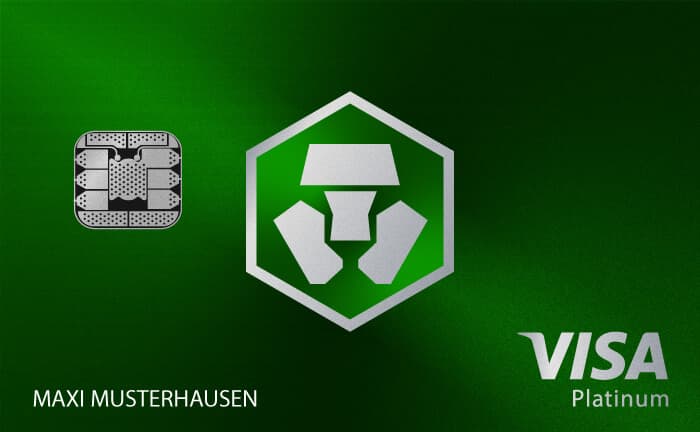
| Crypto.com Icy White | 4% | Netflix, Spotify, Amazon Prime | Priority Pass | 1 guest included | $50,000 CRO stake |
| Crypto.com Pro | 3% | Netflix, Spotify | Priority Pass | Holder only | $299.90/yr |
| Plutus Premium | 5% | Up to 3 perks (GBP 1,000 spend cap) | No | N/A | $240/yr |
| COCA Card | Up to 8% (1% free) | 50% off 1-4 categories by tier | No | N/A | Free |
| Coinbase Card | 4% | No | No | N/A | Free (US only) |
| Bitget Card | 8% (net 7.1%) | No | No | N/A | Free (0.9% tx) |
| Kraken | 1% | No | No | N/A | Free (EEA/UK) |
What Families Need in a Crypto Card
Subscription rebates on family services - Netflix, Spotify, Amazon Prime are the big three
Cashback on groceries and everyday purchases - the largest category in family budgets
Airport lounge access with guest passes for partner and children
High monthly spending limits to cover full family expenses without hitting caps
Stable, reliable card from an established issuer - families cannot afford payment disruptions
Top 6 Cards for Families
Family card strategy is a two-card problem, not a one-card problem.
One partner carries the perks card (subscription rebates, lounge guest passes) while the other runs an uncapped cashback card for groceries, fuel, and everything else. Plutus leads because its subscription perk system covers Netflix, Spotify, and Amazon Prime (3 perks on Premium at GBP 19.99/month) in one card - no CRO stake required, though the eligible spend cap (GBP 1,000/month on Premium) limits cashback at high volumes.
Bitget sits opposite as the highest uncapped cashback card at 7.1% net, where $1,000/month in groceries alone generates $852/year. Crypto.com Icy White makes the list because it is the only card that bundles rebates, 4% cashback, and Priority Pass with a guest pass in a single product ($50K CRO stake) - relevant for traveling families who want lounge access without a second subscription. COCA offers up to 8% cashback (1% at free Starter, scaling with $COCA staking) plus 50% off subscriptions across 1-4 categories by tier, with 0% FX. Coinbase fills the zero-cost, zero-complexity daily driver role for US-based families.
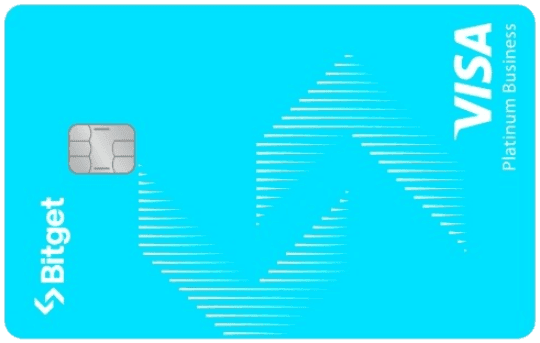
1. Bitget Card
Trade and Spend: Up to 8% BGB Cashback for Bitget Traders
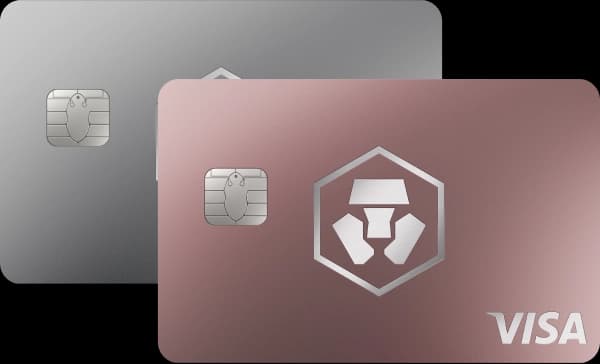
2. Private (Icy White / Rose Gold)
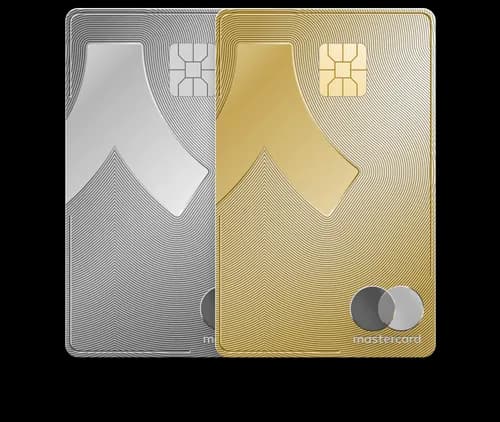
Elite Private Status: 4% Uncapped Cashback + Guests

3. Plutus Visa Card
Non-Custodial PLU Rewards on Eligible Spend + Lifestyle Perks
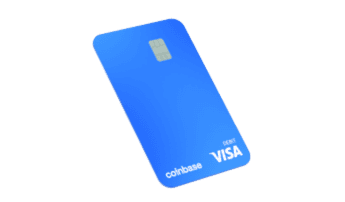
4. Coinbase Card (Prepaid Visa)
Safe & Simple: US Regulated Prepaid Visa with Rotating Crypto Rewards

5. COCA Visa Card
Self-Banking: 8% Cashback + 6% APY + 0% FX

6. Wirex Elite Card
Elite Travel Status: 8% Rewards + Priority Support
What $5,000/Month Looks Like
$500
/month in cashback (based on Jupiter Global at 10%)
Scenario 1: The Hendersons, Young Family in Toronto
Setup: Sarah (teacher) and Mark (engineer). One child, age 3. Monthly spending: $4,200. No international travel. Mark handles the crypto cards.
| Category | Monthly | Card Used | Rate | Cashback |
|---|---|---|---|---|
| Groceries + baby supplies | $900 | Mark: Bitget Card | 7.1% | $63.90 |
| Childcare | $800 | Mark: Bitget Card | 7.1% | $56.80 |
| Subscriptions (Netflix, Spotify, Disney+) | $46 | Sarah: Plutus | Rebated | $46.00 saved |
| Dining + takeout | $350 | Mark: Bitget Card | 7.1% | $24.85 |
| Gas + transport | $400 | Mark: Bitget Card | 7.1% | $28.40 |
| Online shopping | $500 | Mark: Bitget Card | 7.1% | $35.50 |
| Other household | $1,204 | Mark: Bitget Card | 7.1% | $85.48 |
| Total | $4,200 | $340.93/mo |
Annual result: Bitget cashback $3,539 + Plutus rebates $552 (3 perks) - Plutus Premium fee $240 = $3,851 net per year
That is $321/month, which covers their entire grocery bill every third week. Sarah manages just one thing: making sure the three streaming subscriptions are charged to her Plutus Premium card (3 perks: Netflix + Spotify + Disney+). Mark handles everything else with Bitget.
"We tried a traditional rewards credit card first. It gave us 1.5% on everything. The crypto cards give us 7% on everything. The math was obvious." - Composite profile
Scenario 2: The Morales Family, Established Family in Madrid
Setup: Ana (freelancer, see our freelancer guide) and Carlos (remote worker). Two children, ages 6 and 9. Monthly spending: $6,500. Travel 3 times per year within Europe.
| Category | Monthly | Card Used | Rate | Value |
|---|---|---|---|---|
| Groceries | $1,100 | Carlos: Bitget Card | 7.1% | $78.10 |
| Kids activities + school | $600 | Carlos: Bitget Card | 7.1% | $42.60 |
| Subscriptions (3 services) | $47 | Ana: Plutus Premium | Rebated | $47.47 saved |
| Dining + entertainment | $500 | Carlos: Bitget Card | 7.1% | $35.50 |
| Travel (averaged monthly) | $700 | Ana: Plutus Premium | 5% | $35.00 |
| Ana's business expenses | $800 | Ana: Plutus Premium | 5% | $40.00 |
| Other household | $2,716 | Carlos: Bitget Card | 7.1% | $192.84 |
| Total | $6,500 | $355.64/mo |
Annual result: Bitget cashback $4,189 (7.1% net on Carlos's $4,916/mo) + Plutus cashback $780 (5% on $1,300/mo eligible cap) + Plutus rebates $569 (3 perks) - Plutus fee $240 = $5,298 net per year
Ana chose Plutus over Crypto.com because she did not want to stake CRO. The 3 perk slots (Premium plan) cover Netflix, Spotify Family, and Amazon Prime. Total subscription value: $47.47/month rebated. The eligible spend cap (GBP 1,000/month) means Ana's cashback is limited even though she spends more. Carlos uses Bitget Card because 7.1% net cashback on uncapped volume generates the highest return for their household. He loads USDT, taps to pay.
"Carlos does not care about crypto. He cares that the card works at Mercadona and gives us 7% back. That is all he needs to know." - Composite profile
Scenario 3: The Tanaka-Smiths, High-Spending Family in Dubai
Setup: Kenji (finance professional) and Claire (consultant). Three children, ages 4, 8, and 12. Monthly spending: $12,000. Travel 6 times per year internationally. Both are comfortable with crypto.
| Category | Monthly | Card Used | Rate | Value |
|---|---|---|---|---|
| Groceries + household | $2,000 | Kenji: Bitget Card | 7.1% | $142.00 |
| Kids school fees | $3,000 | Kenji: Bitget Card | 7.1% | $213.00 |
| Subscriptions | $47 | Claire: Crypto.com Icy | Rebated | $47.47 saved |
| Dining + entertainment | $800 | Kenji: Bitget Card | 7.1% | $56.80 |
| Travel | $1,500 | Claire: Crypto.com Icy | 4% (capped) | $50.00 (cap) |
| Shopping + misc | $4,653 | Kenji: Bitget Card | 7.1% | $330.36 |
| Total | $12,000 | $839.63/mo |
Annual result: Bitget cashback $8,906 + Crypto.com capped cashback $600 + Crypto.com rebates $570 + Lounge savings (6 trips x 2 visits x $64 saved) $768 - Crypto.com stake opportunity cost on $50K = $10,844 before stake risk
The math looks excellent, but the $50,000 CRO stake adds risk. Kenji and Claire discussed whether the $1,938/year from Crypto.com (cashback + rebates + lounges) justified tying $50,000 in a volatile token. Their conclusion: 3.9% annual return on the stake, but only if CRO holds its value. If CRO drops 10% ($5,000 loss), they need 2.5+ years of perks just to break even.
Their fallback plan: if CRO drops 30% from their entry price, they unstake (after the 180-day lock), take the loss, and switch Claire to Plutus Premium. The Bitget Card on Kenji's side is risk-free and generates the bulk of their value.
"The Bitget Card earns us more than our old Amex Platinum ever did, and it costs nothing. The Crypto.com is the one that keeps us up at night." - Composite profile
Multi-Card Strategy for Families
How Subscription Rebates Actually Work for Families
The word "rebate" implies you get your money back. The mechanics are more specific than that, and understanding them prevents surprises on your statement.
When you pay for Netflix ($15.49/month) with a Crypto.com Pro or higher card, the transaction goes through normally. You see the $15.49 charge. Within 24-48 hours, the card issuer deposits an equivalent amount in CRO tokens back to your crypto wallet. You did not get a credit on your card. You received CRO. If CRO drops 20% before you convert it, your $15.49 rebate is now worth $12.39.
The rebate flow, step by step:
- Netflix charges $15.49 to your Crypto.com card
- The MCC code (5968, streaming) triggers the rebate rule
- Within 48 hours, CRO worth $15.49 (at that moment's price) lands in your exchange wallet
- You either hold CRO (price risk) or sell immediately (taxable event)
- If you sell immediately, the rebate is effectively $15.49 minus any spread and trading fee (approx. $0.15)
Plutus works differently. Rebates are credited in PLU tokens after you manually select which perks you want each billing cycle. PLU can be sold or staked for higher cashback tiers. The advantage: Plutus offers a broader perk menu (Netflix, Spotify, Disney+, Amazon Prime, Apple One, and more). The disadvantage: PLU is less liquid than CRO, with wider spreads when selling.
Why this matters for families: Our break-even analysis shows a household running Netflix, Spotify Family, and Amazon Prime pays $47.47/month ($569.64/year). Full rebates on all three (using Plutus Premium's 3 perk slots) turn a cost center into a net-zero line item, but only if you convert the rebate tokens immediately. If you hold them, you are speculating with your subscription budget.
The Three Numbers That Determine Your Family Card Value
Number 1: Combined household cashback at your actual spending level. Not the headline rate, but what you actually earn after fees, caps, and the spending you do.
| Card | Rate | At $4,000/mo | At $6,000/mo | At $8,000/mo | Monthly Cap? |
|---|---|---|---|---|---|
| Bitget Card | 7.1% net | $284/mo ($3,408/yr) | $426/mo ($5,112/yr) | $568/mo ($6,816/yr) | None |
| COCA | Up to 8% | Up to $320/mo | Up to $480/mo | Up to $640/mo | Tier-dependent allowance |
| Crypto.com Icy | 4% | $160/mo ($1,920/yr) | $240/mo ($2,880/yr) | $320/mo ($3,840/yr) | $50 |
| Coinbase | 4% | $160/mo ($1,920/yr) | $240/mo ($2,880/yr) | $320/mo ($3,840/yr) | None (US only) |
| Plutus Premium | 5% (capped) | $65/mo ($780/yr) | $65/mo ($780/yr) | $65/mo ($780/yr) | GBP 1,000/mo eligible |
| Kraken | 1% | $40/mo ($480/yr) | $60/mo ($720/yr) | $80/mo ($960/yr) | None (EEA/UK) |
CRITICAL: Cashback caps. Crypto.com Icy caps at $50/month (effective 0.83% at $6,000/month spending). COCA's cashback has tier-dependent monthly allowances ($1K-$10K), with 1% on spending above the allowance. At family spending volumes, uncapped cards (Bitget, Coinbase) almost always deliver more total cashback than capped cards.
Number 2: Total subscription rebate value. What subscriptions does your family already pay for, and which card covers them?
| Service | Monthly Cost | Crypto.com Pro | Crypto.com Icy | Plutus (any tier) |
|---|---|---|---|---|
| Netflix Standard | $15.49 | Yes | Yes | Yes (1 perk slot) |
| Spotify Family | $16.99 | Yes | Yes | Yes (1 perk slot) |
| Amazon Prime | $14.99 | No | Yes | Yes (1 perk slot) |
| Disney+ | $13.99 | No | No | No (Premium has 3 slots) |
| Apple One Family | $22.95 | No | No | No |
| Total coverable | $84.41 | $32.48/mo ($390/yr) | $47.47/mo ($570/yr) | $47.47/mo ($570/yr) (3 perks) |
Plutus wins on rebate breadth. Crypto.com wins on brand recognition and lounge access. The choice depends on whether your family flies.
Number 3: Lounge access value per family trip. Airport lounge visits save real money, but only when the guest policy covers your actual family.
| Scenario | Walk-in Cost (4 people) | Crypto.com Pro | Crypto.com Icy |
|---|---|---|---|
| Family of 2 | $64 ($32 x 2) | $32 saved (holder only) | $64 saved (holder + 1) |
| Family of 3 | $96 ($32 x 3) | $32 saved | $64 saved |
| Family of 4 | $128 ($32 x 4) | $32 saved | $64 saved, $64 paid |
No crypto card currently covers an entire family of four. The best case (Icy White) covers cardholder plus one guest. Children under 2 are typically free. Children aged 2-12 pay $15-$20 per visit at most Priority Pass lounges (varies by lounge). For a family of four traveling 4 times per year (8 lounge visits round-trip), Icy White saves approximately $512 on lounge access versus paying walk-in rates.
The Family Card Strategy: Rebates + Cashback Stacking
The most powerful approach for families is to stack two value streams: subscription rebates (fixed monthly savings) and cashback (percentage-based on all spending).
Tier 1: Maximum Value (if you can stake)
Crypto.com Icy White or Rose Gold is the strongest single family card. The $50,000 CRO stake is steep, but the return package at $6,000/month spending is: $240/month cashback (capped at $50, so actually $50/month) + $47.47/month rebates + Priority Pass with one guest. Total: approximately $1,170/year.
That is a 2.3% return on the $50,000 stake, on top of whatever CRO price does. The problem: if CRO drops 50% (it has before), you lose $25,000 in stake value and your "returns" are suddenly negative.
Tier 2: No Staking Required
Plutus Premium at $240/year gives 5% cashback with a GBP 1,000/month eligible spend cap (approx. $1,300) plus 3 subscription perks. At $5,000/month family spending: $65/month cashback (capped) + $47/month rebates (3 perks) = $1,344/year minus $240 fee = $1,104 net. No token staking, no price risk on your principal. Note: the eligible spend cap means Plutus cashback does not scale with higher family spending - a free 4% card like Coinbase earns $200/month uncapped at the same spend level.
Wirex Elite at $360/year gives 8% cashback (35 countries only). At $5,000/month within Wirex's coverage area, it delivers strong returns but is limited to 35 countries and does not include lounge access.
Tier 3: Zero Cost Entry
Coinbase Card at 4% with no cap, no annual fee, and no staking. At $5,000/month: $200/month = $2,400/year free. Bitget Card at 7.1% net (after 0.9% tx fee) with no cap: $355/month = $4,260/year free. No subscription rebates or lounge access, but the raw cashback numbers beat most paid cards.
The Two-Card Family Setup
The optimal family strategy uses two cards from different issuers on different networks:
Card A (Partner 1): Subscription and perks card. Plutus for rebates on all streaming services, or Crypto.com Icy for rebates plus lounge access. This card handles all recurring subscriptions and travel purchases.
Card B (Partner 2): High-cashback daily driver. Bitget Card or Coinbase for groceries, fuel, dining, and everyday spending. No annual fee, no staking, maximum cashback on volume.
Why different issuers? If one card provider has an outage, maintenance window, or security incident, your family still has a working payment card.
This redundancy matters more for families than solo users because you cannot tell a grocery store cashier to wait while your card provider resolves a technical issue with two kids in the cart.
Grocery Optimization: Where Families Spend Most
Groceries are typically 15-25% of family spending. At $5,000/month total, that is $750-$1,250 on groceries alone. The card you use for groceries matters more than the card you use for anything else.
| Card | Grocery Rate | At $1,000/mo Groceries | Annual Grocery Cashback | Notes |
|---|---|---|---|---|
| Bitget Card | 7.1% net | $71/mo | $852/yr | Best grocery return, no cap |
| 1inch | 2% | $20/mo | $240/yr | No cap, Mastercard |
| Coinbase | 4% | $40/mo | $480/yr | Simplest UX |
| Crypto.com Icy | 4% (capped) | $50/mo max | $600/yr max | Cap may hit before groceries |
| COCA | Up to 8% (1% free) | Up to $80/mo | Up to $960/yr | Tier-dependent, 0% FX |
The dedicated grocery card should be uncapped. If your family spends $1,000/month on groceries and another $4,000 on everything else, using a capped card means the cap might be exhausted on non-grocery spending before your big supermarket trips.
Common Mistakes to Avoid
1. Staking More Than You Can Afford to Lose
Crypto.com's Icy White requires $50,000 in CRO. CRO has dropped over 90% from its all-time high. If CRO falls 50% from your entry, you lose $25,000 in stake value. The perks (cashback + rebates + lounges) are worth approximately $1,900/year at $6,000/month spending. That means it takes over 13 years of perks to recover a 50% stake loss. Never stake family emergency funds.
How to avoid it: Use Plutus ($240/year) or free cards (Coinbase, Bitget, 1inch) instead. The cashback is comparable or better at family spending volumes. If you do stake, use only discretionary funds that would otherwise sit in a speculative crypto position anyway, not funds earmarked for children's education, emergency reserves, or mortgage payments.
2. Overlooking Guest Lounge Policies
Crypto.com Pro gives you Priority Pass but only for the cardholder. Your partner and children wait at the gate. Upgrading to Icy White adds one guest ($32 saved per visit). For a family of four at $32/person, you still pay $64 out of pocket for the remaining two family members per visit. Over 4 trips (8 lounge visits), the out-of-pocket cost for uncovered family members: $512/year.
How to avoid it: Check the specific lounge's child policy before arriving. Many Priority Pass lounges admit children under 2 free and charge $15-$20 for ages 2-12 (not the full $32). Call ahead. Some lounges cap total guests regardless of your card benefits. If lounge access for the full family matters to you, consider whether the $512+ annual gap justifies the Icy White's $50K stake versus simply paying walk-in rates with the cashback from a free card. The easiest way to weigh that tradeoff is in the side-by-side compare tool.
3. Loading the Entire Monthly Budget at Once
Putting $6,000 on a crypto card on the first of the month creates a single point of failure. If the card issuer has a security incident, maintenance window, or freezes your account for compliance review, your family loses access to the entire month's spending budget.
Cost if it happens: A 3-day freeze on a fully loaded card means $600 of your family's money is inaccessible. You resort to cash withdrawals from a bank (ATM fees), miss autopay deadlines (late fees), and scramble to cover groceries and gas from savings.
How to avoid it: Load weekly. $1,500 each Monday covers the week's spending with a small buffer. Keep 2 weeks of expenses in a traditional bank account. Keep an additional emergency fund in stablecoins in a self-custody wallet, completely independent of any card issuer.
4. Ignoring Cashback Caps at Family Spending Volumes
A card advertising 8% with a $100/month cashback cap delivers 8% only up to $1,250/month in spending. After that, additional spending earns 0%. At $6,000/month family spending, your effective rate on a $100-capped card is 1.67%, not 8%.
The dollar cost: On $6,000/month, an uncapped 4% card (Coinbase) earns $240/month. An "8%" card capped at $100 earns $100/month. The "lower rate" card earns $1,680 more per year at family spending volumes.
How to avoid it: Always calculate your effective rate: (monthly cap / monthly spending) x 100. If the effective rate is lower than a free uncapped card, the capped card is worse for your family. Caps matter exponentially more as spending rises.
5. Not Coordinating Between Partners
Two adults using the same card from the same issuer doubles your exposure to a single point of failure. If that issuer has an outage, both cards stop working simultaneously. Additionally, using two cards from the same tier at the same issuer wastes potential: you are paying for (or staking for) the same perks twice instead of diversifying.
How to avoid it: Use cards from different issuers on different networks. One partner on Visa (Crypto.com), one on Mastercard (Bitget, 1inch). If Visa's network goes down, Mastercard still works. If one issuer freezes accounts, the other partner's card is unaffected. This also naturally creates the optimal two-card setup: one perks card, one high-cashback card.
6. Treating Cashback Tokens as Savings
CRO, PLU, BGB, and other cashback tokens are not stablecoins. They can lose 50-90% of their value. If your family earns $300/month in BGB cashback from Bitget and holds it for 6 months, you have $1,800 in BGB. If BGB drops 40%, that $1,800 becomes $1,080. You "earned" $1,080 on $36,000 in spending: an effective 3% rate, not the 7.1% headline.
How to avoid it: Convert cashback tokens to USDC or fiat immediately upon receipt. Treat the cashback as income, not as an investment. The only exception: if you are intentionally building a position in that token (e.g., staking CRO for tier benefits), then holding is a deliberate investment decision, not a savings strategy. Fund cards with stablecoins to avoid creating additional taxable events. See our tax-conscious guide.
Risk Analysis: What Can Go Wrong for Families
| Risk Event | Impact on Family | Likelihood | Mitigation |
|---|---|---|---|
| Card issuer outage (1-3 days) | No access to loaded funds | Medium | Two cards from different issuers |
| CRO stake drops 50% | $25,000 loss on $50K stake | Has happened | Use fee-based cards instead of staking |
| Cashback token drops 80% | 6 months of earnings wiped | Has happened | Convert to stablecoin same day |
| Account frozen for compliance | Funds locked 7-30 days | Low | Never load more than 2 weeks |
| Card program shuts down | Must migrate to new card | Low | Always have a backup card active |
| Merchant does not accept crypto card | Cannot pay at point of sale | Low | Keep a traditional bank card as backup |
Tax Implications for Families
Crypto card cashback creates taxable events in most jurisdictions. For families, the stakes are higher because the volumes are larger.
| Situation | US Treatment | EU Treatment | Action |
|---|---|---|---|
| Receiving cashback in CRO/BGB/PLU | Taxable as ordinary income at FMV | Varies by country, often taxable | Record date and value of each receipt |
| Selling cashback tokens for fiat | Capital gains/loss on difference | Capital gains in most EU countries | Use accounting software (Koinly, CoinTracker) |
| Funding card with BTC/ETH | Taxable disposal at current FMV | Taxable disposal in most jurisdictions | Fund with USDC to avoid this entirely |
| Subscription rebates in tokens | Taxable as ordinary income | Varies | Convert immediately, record as income |
Family-specific tax tip: At $5,000/month spending with 5% cashback, your family generates $3,000/year in cashback tokens. That is $3,000 of reportable income in most jurisdictions. If you also receive $700/year in subscription rebates, total reportable: $3,700. Keep records from day one. Fund with stablecoins. Convert cashback tokens to stablecoins immediately. This simplifies your tax filing to a list of income events with zero capital gains calculations.
Card Selection by Family Stage
Young family (1 child, under $4,000/month): Coinbase Card (4%, free, simplest UX, US only) or Kraken (1%, free, 0% FX, EEA/UK). No staking, no annual fee, no complexity. At $3,500/month on Coinbase: $1,680/year in cashback. The non-crypto-native partner can use it without understanding anything about blockchain. See our beginners guide.
Growing family (2 kids, $5,000-$7,000/month): Plutus Premium ($240/yr) for one partner (3 subscription rebates covering $47/month) + Bitget Card (free, 7.1% net) for the other. Combined annual value at $6,000/month: $3,500-$4,500. The Plutus fee pays for itself in 5 months of subscription rebates. The eligible spend cap (GBP 1,000/month) means most family spending should go on the uncapped Bitget card.
Traveling family (4+ flights/year): Crypto.com Icy White if you can justify the $50K CRO stake (the only crypto card with Priority Pass + guest). Pair with a free uncapped card for daily spending. At 4+ trips per year, lounge access saves $500-$800 annually for the covered family members. See our travelers guide.
Single-income family: Start with Coinbase (4%, free, US only) or COCA (1% free tier, 0% FX). When household spending relies on a single income, locking capital in volatile tokens is not appropriate. Free-tier cashback at $4,000/month generates $480-$1,920/year with zero commitment and zero risk of losing principal.
International family (expats or mixed nationality): COCA Card (multi-chain, 0% FX, USDC-funded, up to 8%) for the partner who handles cross-border transfers, plus a local-currency-optimized card for daily domestic spending.
Tech-savvy family: ether.fi Core (free, 3% cashback) for the crypto-native partner + Coinbase for the other. The ether.fi card earns restaking yield on idle ETH collateral on top of regular cashback. See our DeFi users guide.
Emergency Fund Strategy for Families
Never load more than 2 weeks of family spending onto any single crypto card. The rest stays in a traditional bank account.
The three-layer family safety net:
- Layer 1: Traditional bank - 1 month of expenses. Immediate access. No crypto exposure.
This is your absolute backup. 2. Layer 2: Crypto card - 2 weeks of expenses. Loaded weekly. This is your daily spending tool. 3. Layer 3: Self-custody stablecoin reserve - $2,000-$5,000 in USDC in a hardware wallet or self-custody app. Independent of all card issuers. If both your bank and card issuer have problems simultaneously, this reserve covers essentials for 2-4 weeks.
Quick Reference: Family Card Pairing by Budget
| Monthly Spend | Best Free Pairing | Annual Value | Best Paid Pairing | Annual Value (net) |
|---|---|---|---|---|
| $3,500 | Coinbase + 1inch | $1,680 + $420 | Plutus $240 + Bitget | $780 + $1,491 + $569 rebates |
| $5,000 | Bitget + Coinbase | $4,260 + split | Plutus $240 + Bitget | $780 + $2,627 + $569 rebates |
| $7,000 | Bitget + Coinbase | $5,964 + split | Plutus $240 + Bitget | $780 + $4,260 + $569 rebates |
| $10,000 | Bitget + Coinbase | $8,520 + split | Crypto.com Icy + Bitget | $600 + $5,680 + $570 rebates + lounges |
For couples without children, the strategy is similar but with lower monthly spend thresholds. For tax-conscious families, fund all cards with USDC to minimize taxable events across the household.
Check our country pages for region-specific card availability before choosing, as some family-friendly cards (Plutus, Gnosis Pay) are EEA-only.
Quick verdict: Family card strategy is about total household value, not individual card optimization. Stack subscription rebates (Plutus or Crypto.com) on one partner's card and high reward cards (Bitget or Coinbase) on the other.
At $5,000-$6,000/month family spending, this two-card approach generates $4,000-$5,000 per year in combined value. Start with free cards to learn the mechanics, upgrade one card when the rebate and lounge math justifies it, and never stake more than you can afford to lose with a family depending on those funds.
Disclaimer: SpendNode is a data comparison platform. We are not financial advisors. Crypto cards involve risks including asset volatility, custodial risk, and tax complexity. Verify all terms directly with issuers before applying.
Written by Aleksandar Dukic
Frequently Asked Questions
Which crypto card has the best subscription rebates for families?
Crypto.com Jade/Indigo tier and above reimburse Netflix and Spotify subscriptions (100% rebate in CRO). Plutus offers up to 9 subscription perks including Netflix, Spotify, Amazon Prime, Disney+, and more depending on your tier. No other crypto card currently matches these subscription rebate packages.
Can my partner use the same crypto card account?
Most crypto card issuers do not offer additional cards on the same account. The practical solution is for each partner to have their own card - ideally from different issuers for redundancy. Some couples coordinate tiers: one partner gets the premium card with lounge access, the other uses a free high-cashback card for daily groceries.
Do crypto card lounges allow children?
Priority Pass lounges typically allow children under a certain age (usually 2-12) for free or at a reduced rate depending on the specific lounge. Policies vary by location. The card holder's guest allowance usually covers a partner but children may count as additional guests. Check your specific card's Priority Pass terms.
Is it safe to put family grocery money on a crypto card?
If you fund with stablecoins (USDC/USDT), your balance stays at $1 per token regardless of crypto market conditions. The risk is exchange or issuer failure - mitigate this by only loading what you plan to spend in the next 1-2 weeks, not your entire monthly budget. Keep an emergency fund in a traditional bank account.
Recent Updates to Best Crypto Cards for Families
- Fixed Crypto.com Icy White from 5% to 4% and $40K to $50K stake throughout. Renamed Jade to Pro ($299.90/yr subscription)
- Removed Wirex Elite lounge/guest claims. COCA upgraded from 1% to up to 8% with tier system
- Fixed Coinbase as US-only. Morales scenario rewritten: Coinbase replaced with Bitget Card for Madrid ($3,466 to $5,298/yr)