
Best Crypto Cards in Serbia (2026)
Serbia legalized crypto under the Digital Assets Act with a clear 15% capital gains tax. The Balkan crypto hub has DinaCard contactless payments, IPS instant transfers, and an EU accession path that may bring MiCA alignment.
Verified for Serbia
31 crypto cards available
Local currency: RSD
Serbia enacted the Digital Assets Act (Zakon o digitalnoj imovini) on December 16, 2020 - one of Southeastern Europe's earliest and most comprehensive crypto regulatory frameworks. Licensed exchanges operate, smart contracts gained legal recognition in 2025, and a 15% flat capital gains tax provides clarity that most Balkan neighbors lack.
Yet Serbia is not an EU member, which means no MiCA passporting and no access to the deep bench of EEA-licensed crypto card issuers (Plutus, Gnosis Pay, Bitpanda, Bleap, Ready). Serbian residents rely on globally available card issuers - a smaller pool, but one that includes some of the strongest cards in the market.
Serbia's domestic payment infrastructure is surprisingly advanced. Over 60% of in-store payments go contactless, the NBS IPS (National Bank of Serbia Instant Payment System) processes real-time transfers 24/7, and DinaCard (Serbia's domestic network, operated by NBS) connects 150,000+ POS terminals.
The major banks - Banca Intesa Beograd (largest, Intesa Sanpaolo subsidiary), UniCredit Bank Serbia, Erste Bank Serbia, Komercijalna Banka (NLB Group), Raiffeisen Bank Serbia, and OTP Banka - offer Visa/Mastercard debit cards with 1.5-3% FX markup and minimal cashback. The Serbian dinar (RSD) trades around 117/EUR under the NBS's managed float, making EUR-denominated crypto cards particularly attractive since Serbia's dominant trade partner is the EU.
| Card | Max Rewards | Annual Fee | FX Fee | Card Type | Best For |
|---|---|---|---|---|---|
| Kolo | 5% BTC | $0 | 0% | Prepaid | 5% BTC cashback, $5/txn cap, $200/mo cap |
| Crypto.com | Icy 4% | CRO stake | 0% | Prepaid | Tiered metal cards, lounge access |
| ether.fi | 3% | $0 | 1% | Credit | Borrow-to-spend, defer 15% CGT |
| RedotPay | - | $0 | 1.2% | Prepaid | Stablecoin spending, global reach |
| KAST | 2% pts | $0 | 0.5% | Prepaid | Euro-linked daily spend and diaspora-funded balances |
| xPlace | 0.5-2% | $0-$5,000 | 1% | Debit | Tiered rewards system |
| Jupiter | 4-10% JupUSD | $0 | 1% | Debit | Solana ecosystem |
We reviewed Serbia-specific compliance under the Digital Assets Act. KAST is a straightforward everyday option for Serbian residents who want exchange balances to stay spendable at ordinary RSD merchants: 2% rewards points (plus 4% $MOVE cashback) and $0 annual fee.
ether.fi is strategically valuable for deferring Serbia's 15% CGT through its borrow-to-spend model. RedotPay adds stablecoin-native spending with $1M daily limits and genuine global coverage.
Best Card For Every Need in Serbia
Top 5 Crypto Cards in Serbia
Serbia's Digital Assets Act gave crypto card spending unambiguous legal status and a clear 15% CGT - making ether.fi's borrow-to-spend the strategic centerpiece for Belgrade's 70,000+ IT professionals sitting on appreciated ETH from the 2020-2021 cycle.
Non-EEA status locks out Plutus, Gnosis Pay, and Bitpanda, but the globally available pool is strong. Kolo's 5% BTC cashback (capped at $5/txn, $200/mo) with 0% FX offers the highest free cashback rate, while KAST's 2% rewards points with $0 annual fee serves practical daily spending needs.
RedotPay adds stablecoin-native spending with high limits for users who prioritize USDC loading over cashback. Crypto.com Icy White (4%) adds BEG lounge access for a tech class that travels frequently to Munich, Vienna, and Zurich where 600,000+ of the diaspora live.
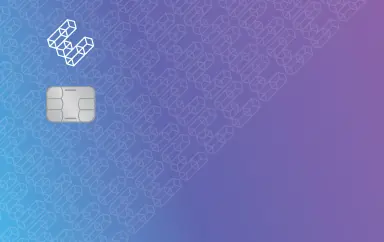
1. ether.fi Core Card
Zero Barriers: 3% Back on Every Purchase, No Stake Required
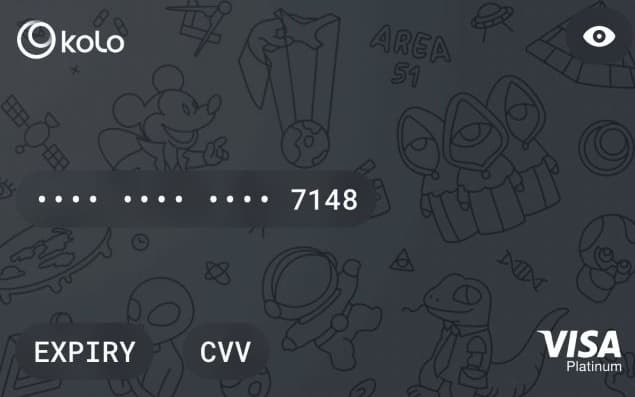
2. Kolo Card
Earn Bitcoin on Every Purchase: 5% BTC Cashback + Visa Platinum + 170+ Countries
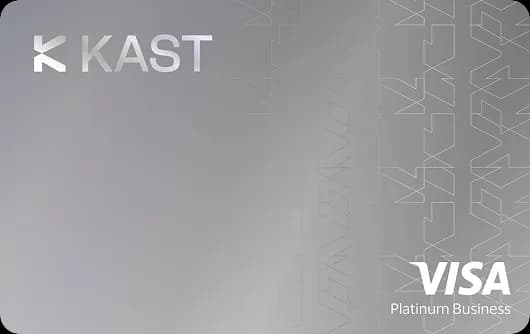
3. KAST K Card
Early Adopter Access: 2% Points + 4% $MOVE on Every Swipe
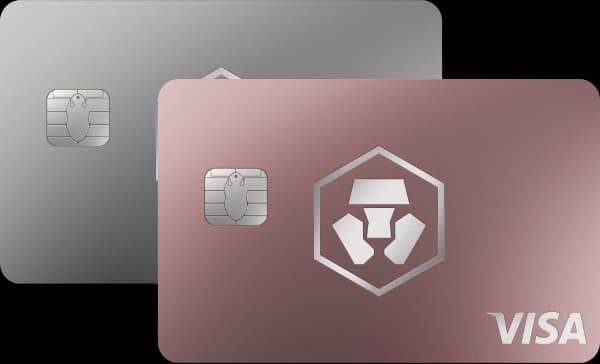
4. Private (Icy White / Rose Gold)
Elite Private Status: 4% Uncapped Cashback + Guests
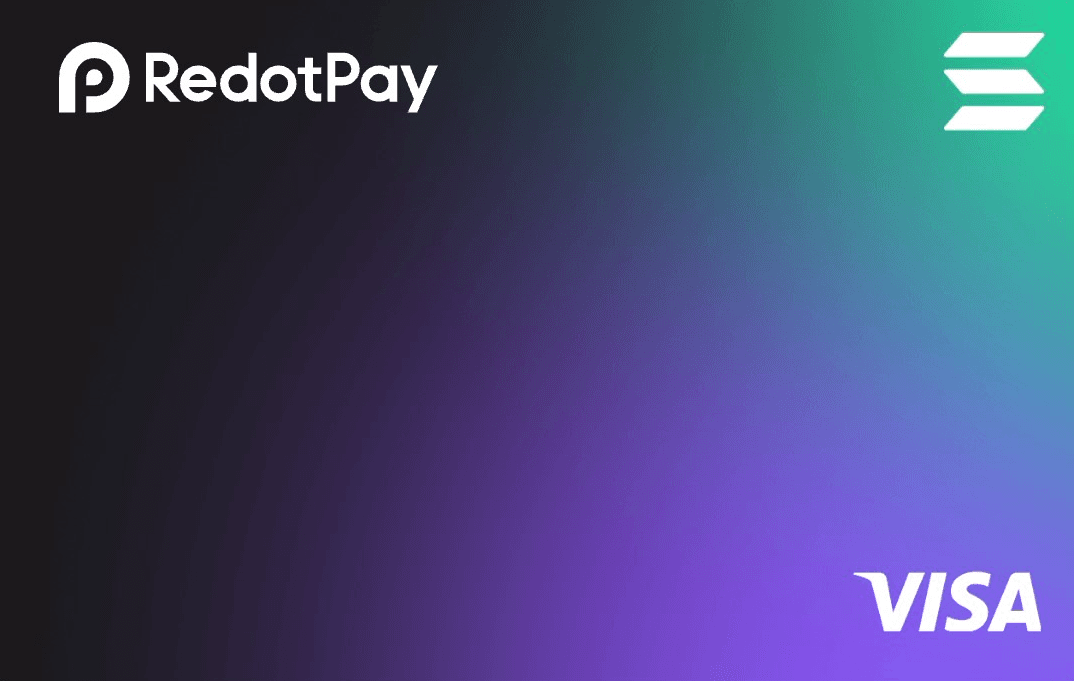
5. RedotPay Solana Card
Solana Goes IRL: Spend SOL Directly at 130M+ Merchants
Crypto Card Regulation in Serbia
Serbia's Digital Assets Act (Zakon o digitalnoj imovini), effective June 29, 2021, establishes a comprehensive licensing regime that distinguishes between "virtual currencies" (Bitcoin, Ethereum, stablecoins) and "digital tokens" (security-like instruments subject to securities law).
The distinction matters: virtual currencies fall under the National Bank of Serbia (Narodna banka Srbije, NBS), while digital tokens are regulated by the Securities Commission (Komisija za hartije od vrednosti, KHoV).
The NBS oversees licensing of virtual currency exchanges and custodians. Requirements include minimum capital reserves, mandatory AML/KYC implementation, segregation of client funds, and regular reporting. The KHoV oversees digital token offerings, white paper approvals, and secondary market trading. Both regulators operate within Serbia's broader AML framework aligned with FATF recommendations.
Key restrictions and features of the Digital Assets Act:
- Crypto cannot be used as legal tender for daily payments - it is legally recognized as property, not money
- Smart contracts gained formal legal recognition in 2025 amendments
- All VASPs must register with the NBS or KHoV depending on the asset type
- Penalties for unlicensed operation: fines up to RSD 3,000,000 ($25,600) for companies and RSD 150,000 ($1,280) for individuals
- Cross-border VASP advertising is regulated - foreign platforms marketing to Serbian residents must comply
Serbia is an EU accession candidate (application 2009, candidate status 2012, Chapters 33 and 35 remain contentious due to Kosovo). If EU membership materializes, MiCA alignment would unlock the full range of EEA-licensed crypto card issuers. Serbia has already begun informal regulatory harmonization with EU standards. The Ministry of Finance has indicated that a "regulatory sandbox" for fintech and crypto is under development.
The practical impact for card users: Serbia's clear legal framework means using a crypto card is unambiguously legal. You are spending legally recognized property. Tax obligations are defined. This puts Serbia ahead of most neighbors (Bosnia has no framework, Montenegro's is nascent, Albania's Law 66/2023 is newer). The limitation is access: non-EEA status means only globally available issuers serve the market.
Tax Treatment of Card Rewards in Serbia
Serbia taxes cryptocurrency capital gains at a flat rate of 15% for individuals under the Digital Assets Act. The Poreska uprava (Tax Administration of Serbia, Пореска управа) administers all collection. Every disposal of crypto - including spending via a crypto card, crypto-to-crypto swaps, and selling for RSD/EUR - is a taxable event.
Tax relief mechanisms that make Serbia's 15% more nuanced than it appears:
- 10-year exemption: Capital gains tax is completely exempt for digital assets held more than 10 years. This is one of the longest holding exemptions in Europe and creates a powerful incentive for long-term holders.
- Reinvestment relief: 50% tax reduction if proceeds are reinvested into a resident Serbian company within 90 days (effectively 7.5% rate)
- Extended reinvestment: 50% refund available if investment is made within 12 months
- Loss offset limitation: Losses can only offset gains from the same cryptocurrency. BTC losses cannot offset ETH gains, which complicates multi-asset tax planning.
Example - Belgrade IT professional spending BTC: You acquired BTC at RSD 100,000 (approx. EUR 855) and it appreciated to RSD 300,000 (approx. EUR 2,565). Spending RSD 300,000 via crypto card triggers 15% on the RSD 200,000 gain = RSD 30,000 (EUR 256) in tax.
If instead funded via USDC: approximately zero capital gain = approximately RSD 0 in tax.
Example - ether.fi borrow-to-spend: Same BTC position. Instead of spending BTC directly, you deposit ETH as collateral on ether.fi, borrow against it, and spend via the credit card. No disposal event occurs. Your ETH continues staking and earning yield. When the market moves favorably, you can repay the loan. Zero immediate tax liability, plus continued exposure to ETH appreciation.
| Funding Method | Annual Spend (RSD 1.2M / EUR 10,260) | Cashback (3%) | Tax (15% CGT) | Net Annual Benefit |
|---|---|---|---|---|
| BTC (appreciated 200%) | RSD 1,200,000 | RSD 36,000 | RSD 120,000 | -RSD 84,000 |
| USDC (stablecoin) | RSD 1,200,000 | RSD 36,000 | approx. RSD 0 | RSD 36,000 |
| ether.fi borrow | RSD 1,200,000 | RSD 36,000 | RSD 0 (no disposal) | RSD 36,000 + staking yield |
Tax returns are due within 120 days after the end of each quarter in which gains were realized. At 15% CGT on appreciated BTC, the tax wipes out all cashback and then some - making stablecoin funding or ether.fi borrow-to-spend the only financially rational approaches for holders of appreciated crypto.
How to Apply from Serbia
Serbian crypto card applications require a Licna karta (Лична карта, National Identity Card) or Pasos (Пасош, Serbian passport), both issued by the Ministry of Internal Affairs (Ministarstvo unutrasnjih poslova, MUP). Serbia issues biometric ID cards with electronic chip functionality. The JMBG (Jedinstveni maticni broj gradana, Јединствени матични број грађана, 13-digit unique personal number) is assigned to all citizens at birth and may be requested for verification.
Proof of address via utility bills from Elektroprivreda Srbije (EPS, electricity), Srbijagas (natural gas), Telekom Srbija, or bank statements from Banca Intesa, UniCredit, Erste, or Komercijalna Banka.
KAST offers a lighter basic tier before full verification for higher limits. RedotPay accepts Serbian passports. Physical card shipping to Serbia takes 10-15 business days from international issuers. Serbian biometric passports are ICAO-compliant and well-recognized.
The Serbian diaspora (3.5+ million abroad, primarily in Germany 600K+, Austria 300K+, Switzerland 200K+, US 200K+) often holds dual documentation. EU/Schengen country residence permits provide broader issuer access and may be preferable for KYC purposes if available.
Spending Tips for Serbia
Currency Management: The RSD-EUR Dynamic
Serbia's primary consideration for crypto card users is the RSD currency mismatch. Most globally available crypto cards denominate in USD or EUR, but Serbian merchants price in RSD. Every purchase involves currency conversion at the Visa/Mastercard network rate.
Cards with low FX fees (RedotPay at 1.2%, KAST at 0.5%) significantly reduce the issuer's markup but you remain subject to network exchange rates. The RSD/EUR rate has been remarkably stable under the NBS's managed float, typically trading within a narrow band around 117 RSD per EUR.
This stability actually benefits crypto card users: unlike countries with volatile currencies (Turkey, Argentina, Pakistan), the conversion rate you see is essentially the rate you get. There's no urgency to time purchases or worry about intraday depreciation.
Banking System Comparison
Understanding what Serbian banks charge clarifies the crypto card value proposition:
- Banca Intesa Beograd (largest bank, Intesa Sanpaolo subsidiary): Mastercard Debit with 1.5% FX markup, RSD 2,400/year ($20.50) annual fee, no cashback on international spend
- UniCredit Bank Serbia: Visa Debit with 2% FX markup, RSD 1,800/year ($15.40) fee
- Erste Bank Serbia: Mastercard with 1.5-2% FX, RSD 2,000/year ($17.10), 0.5% cashback on domestic only
- Komercijalna Banka (NLB Group, Slovenian-owned): 2.5% FX, RSD 1,500/year ($12.80)
- Raiffeisen Bank Serbia: 2% FX, RSD 2,200/year ($18.80), premium tiers available with lower FX
- OTP Banka (Hungarian-owned): 2-3% FX, RSD 1,200/year ($10.25)
According to our regional data, a crypto card with 0% FX and up to 2% cashback provides a 3.5-5% advantage per transaction over the best Serbian bank cards. On annual international spending of RSD 1,200,000 ($10,260), that is RSD 42,000-60,000 ($359-513) in savings.
Card Selection for Serbian Residents
- KAST (2% pts, 0.5% FX, free): Everyday card for moving exchange balances into ordinary RSD spending.
- RedotPay (stablecoin-native, free virtual): Best for high-limit stablecoin spending. $1M daily limits, USDC/USDT/SOL support, HK-based issuer. The Solana variant adds direct SOL spending.
- Kolo (5% BTC, $0, 0% FX): Highest free cashback rate among available cards. Capped at $5 per transaction and $200/month.
- ether.fi (3%, borrow-to-spend): Best for ETH holders who want to avoid triggering Serbia's 15% CGT. Keep staking, keep exposure, spend borrowed funds.
- Crypto.com (Icy White 4%): CRO staking tiers with lounge access at Belgrade Nikola Tesla (BEG) and Nis Constantine the Great (INI) - valuable for Serbia's growing tech professional class that travels frequently.
Break-Even Math
At 15% CGT with stablecoin funding (zero disposal tax). Non-EEA, limited to globally available cards.
| Monthly Spend | KAST (2% pts, free) | Kolo (5% BTC, $5/txn cap) | ether.fi (3%, borrow) | Crypto.com Icy (4%, CRO stake) |
|---|---|---|---|---|
| RSD 60,000 (EUR 513) | RSD 14,400/yr | RSD 36,000/yr | RSD 21,600/yr + staking | RSD 28,800/yr |
| RSD 85,000 (EUR 727) | RSD 20,400/yr | RSD 51,000/yr | RSD 30,600/yr + staking | RSD 40,800/yr |
| RSD 120,000 (EUR 1,026) | RSD 28,800/yr | RSD 72,000/yr | RSD 43,200/yr + staking | RSD 57,600/yr |
| RSD 200,000 (EUR 1,709) | RSD 48,000/yr | RSD 120,000/yr | RSD 72,000/yr + staking | RSD 96,000/yr |
Kolo figures show uncapped 5% rates. The $5/txn cap reduces effective returns on transactions over $100 (RSD 11,700); the $200/mo cap limits total cashback on monthly spend above $4,000 (RSD 468,000). Actual returns depend on transaction size distribution.
At RSD 120,000/month (a Belgrade IT professional's typical international spend), ether.fi delivers RSD 43,200/year (EUR 369) in cashback plus approximately RSD 14,400/year (EUR 123) in FX savings versus Banca Intesa's 2% markup = RSD 57,600/year (EUR 492) total benefit.
Cost of Living by Area
- Belgrade - Vracar/Dorcol (RSD 120,000-250,000/month): Serbia's economic center. Knez Mihailova pedestrian zone, Skadarlija. Usce Shopping Center, Delta City, Rajiceva. Excellent card acceptance in Savski Venac business district, Zemun waterfront, and New Belgrade office parks.
- Belgrade - Novi Beograd (RSD 80,000-150,000/month): Modern towers and malls. Delta City, Usce TC. Strong card acceptance at chain restaurants and retail. Many IT company offices (NCR, Microsoft Development Center, Nordeus).
- Novi Sad - Centar (RSD 70,000-130,000/month): Serbia's second city, EXIT Festival host. Promenada mall, Bulevar Oslobodjenja. Strong card acceptance. Growing IT hub (Startit Centar, Faculty of Technical Sciences, DMS Group).
- Nis (RSD 50,000-90,000/month): Third city. Forum mall, Kalca fortress area. Card acceptance improving. University city with growing tech scene.
- Kragujevac (RSD 45,000-80,000/month): Industrial city (Fiat/Stellantis factory). Plaza mall. Card acceptance moderate. Working-class economy.
- Subotica/Zlatibor/Kopaonik (seasonal): Tourist destinations. Zlatibor and Kopaonik ski resorts have excellent international card acceptance. Subotica near Hungarian border has growing cross-border commerce.
Diaspora Remittances: 3.5 Million Abroad
Serbia's diaspora of 3.5+ million (in a home population of 6.6M) generates significant remittance flows. Germany (600K+ Serbians, concentrated in Munich, Stuttgart, Frankfurt, and Hamburg), Austria (300K+, Vienna), Switzerland (200K+, Zurich/Basel), and the US (200K+, Chicago/NYC) are the primary corridors.
Traditional remittance channels charge 3-7% on the Germany-Serbia corridor. A family member in Munich sends USDC to a KAST or RedotPay wallet - zero transfer fee. The recipient spends via card at the Visa interbank RSD rate. On EUR 500/month in remittances at 4% average fee savings, the annual benefit is EUR 240.
Online Shopping and Digital Services
Serbian tech workers drive heavy international digital service consumption. Netflix (RSD 1,090-3,190/month), Spotify, YouTube Premium, HBO Max, Amazon Prime Video, Steam, PlayStation Store, Adobe Creative Cloud, JetBrains IDEs, GitHub, AWS, and Google Cloud are all commonly used. Banca Intesa and UniCredit charge 1.5-2% FX on these EUR/USD-denominated subscriptions. A crypto card eliminates this.
AliExpress ships directly to Serbia (7-15 days, popular for electronics accessories and fashion). Amazon.de delivers to Serbia via DHL. KupujemProdajem.com (Serbia's largest classifieds/marketplace) handles domestic commerce in RSD.
The EU Accession Angle
Serbia's EU candidate status (Chapters open since 2014) means regulatory alignment with MiCA is a long-term possibility. If Serbia joins the EEA, the full range of European crypto card issuers - Plutus, Gnosis Pay, Wirex, Bitpanda, Bleap, Ready - would become available.
That would expand from 8 issuers to 20+. For now, globally available cards are the only option, but the long-term trajectory favors expansion.
Belgrade Tech Economy
Belgrade has emerged as a significant Balkan tech hub. The IT sector accounts for 7%+ of GDP, with 70,000+ IT professionals. Companies like Nordeus (gaming, acquired by Take-Two for $378M), FishingBooker, Tenderly, Hooloovoo, and Frame VR were founded here.
The tech professional class earns RSD 200,000-500,000/month ($1,700-4,275), making them natural crypto card adopters. Startit Centar, Nova Iskra, and ICT Hub form the startup ecosystem. Monthly tech meetups and conferences (Voxxed Days, Belgrade Design Week) create a crypto-aware professional network.
Cross-Border Spending
Serbia's geographic position drives cross-border spending. Budapest (3 hours by car), Thessaloniki (5 hours), Sofia (4 hours), and Sarajevo (4.5 hours) are common weekend destinations. Serbians shop in Budapest's fashion outlets and Thessaloniki's electronics stores. A 0% FX crypto card saves 1.5-3% versus Serbian bank cards on every cross-border purchase. The Nis-Sofia highway makes day trips to Bulgaria common for southern Serbian residents.
Local Payment Infrastructure
DinaCard is Serbia's domestic card network (operated by NBS), accepted at over 150,000 POS terminals. Since June 2024, all DinaCards have contactless functionality (PIN-free up to RSD 6,000). Visa and Mastercard are widely accepted at international-standard merchants.
Apple Pay and Google Pay are supported through major banks (Banca Intesa, UniCredit, Erste). The NBS IPS (Instant Payment System) enables real-time 24/7 bank transfers, useful for managing funds between traditional banking and crypto. QR payment adoption is growing through domestic banking apps.
Supported Exchanges & Wallets in Serbia
Serbia's Digital Assets Act created a licensing framework for domestic exchanges. Several operators hold NBS licenses. Binance P2P is the most popular marketplace with RSD pairs. Belgrade's tech community drives active crypto trading through both licensed and global platforms.
Kolo delivers the highest free cashback rate available in Serbia: 5% BTC cashback with $0 annual fee and 0% FX. The $5 per transaction cap and $200/month cap limit the total return, but for moderate spending it outperforms flat-rate cards.
KAST provides 2% rewards points at $0 annual fee with 0.5% FX - the simplest prepaid route for daily RSD spending. RedotPay complements both as a stablecoin-native spending tool with $1M daily limits - HK-based issuance means Serbian passports are accepted, and the virtual card works immediately.
KAST suits users who need a working card for day-to-day euro-priced imports, travel spend, or diaspora-funded balances without tying the whole setup to staking requirements or exchange-status perks. The basic tier gets the card usable quickly, then full verification can be added later for higher limits.
ether.fi is strategically important given Serbia's 15% CGT on crypto disposals. Belgrade's IT professionals who accumulated ETH during the 2020-2021 cycle face a painful choice: sell and pay 15%, or hold and forgo spending utility.
ether.fi resolves this by lending against staked ETH - no disposal, no tax, continued staking yield, and a 3% cashback card.
Crypto.com appeals to frequent travelers in Serbia's tech professional class. The Icy White tier (4% + airport lounge access) is valuable at Belgrade Nikola Tesla Airport (BEG), which is a regional hub.
Jupiter integrates with the Solana ecosystem. xPlace offers tiered rewards that build over time.
Serbia's combination of clear legal framework (Digital Assets Act), moderate 15% CGT with 10-year exemption, growing tech economy, and EU accession trajectory makes it Southeastern Europe's most structured crypto card market. The limitation is access: non-EEA status restricts options to globally available issuers, but the quality of those issuers is high.
Written by SpendNode Editorial
Frequently Asked Questions
Is cryptocurrency legal in Serbia?
Yes. Serbia's Digital Assets Act (enacted December 2020, effective June 29, 2021) provides a comprehensive legal framework. The National Bank of Serbia (NBS) licenses digital asset service providers, and the Securities Commission (SSC) oversees digital tokens. However, crypto cannot be used as legal tender for daily payments.
How is crypto taxed in Serbia?
Capital gains from crypto are taxed at a flat 15%. Crypto-to-crypto swaps are also taxable. A 50% tax exemption is available if you reinvest proceeds into a resident company within 90 days. Holdings of 10+ years are completely tax-free. Tax returns are due within 120 days after each quarter end.
Which crypto cards work in Serbia?
Serbia is not an EEA member, so only globally available cards serve this market. Kolo (5% BTC cashback), KAST (2%), ether.fi (3%, borrow-to-spend), Crypto.com (Icy White 4%), and RedotPay (stablecoin-native) all serve Serbian residents. Visa and Mastercard are widely accepted alongside the domestic DinaCard network.
Is Serbia joining the EU?
Serbia is an EU accession candidate. If and when Serbia joins the EU/EEA, MiCA would apply, unlocking access to the full range of EEA-licensed crypto card issuers like Plutus, Gnosis Pay, and Wirex. This would significantly expand card options for Serbian residents.
Other Countries
View all 108 countries →


Recent Updates to Best Crypto Cards in Serbia
- Corrected ether.fi card type, RedotPay fee and reward framing, and xPlace fee range
- Recalculated FX savings and fixed the Kolo return table to reflect actual cap behavior
- COCA removed from page and topCardSlugs (not in COCA availableCountries list), replaced with Kolo
- KAST corrected from up to 4% to 2% with 0.5% FX throughout page
- ether.fi card type corrected from Credit to Debit
- Crypto.com generic 5% corrected to Icy White 4%, topCardSlugs updated
- Break-even table rebuilt with Kolo ($200/mo cap), ether.fi 3%, Crypto.com Icy 4%
- Exchanges section: COCA references replaced with Kolo