
Best Crypto Cards in Kuwait (2026)
Kuwait has excellent card economics on paper and one of the worst legal setups in practice. This guide is really for expats and Kuwaitis with offshore access, not a normal domestic crypto-card market.
Verified for Kuwait
31 crypto cards available
Local currency: KWD
Kuwait enforces an absolute prohibition on all cryptocurrency activities. On July 17, 2023, four regulatory authorities simultaneously issued circulars creating one of the world's strictest crypto bans, comparable to China's. Penalties include fines, asset seizure, and criminal prosecution. Over 60 individuals have been investigated for illegal crypto mining operations.
This page primarily serves Kuwait's large diaspora, residents with offshore financial relationships, and the 3.3 million expatriates (67% of Kuwait's total population) who may hold crypto through their home countries.
Despite the ban, Kuwait has one of the world's most advanced digital payment ecosystems. KNET processes 80% of all online transactions, and the WAMD real-time payment scheme onboarded 30% of the banked population within three months of its June 2024 launch.
The Kuwaiti dinar (KWD) is pegged to a currency basket dominated by the US dollar, with 1 KWD = approx. $3.25, making it the world's highest-valued currency unit. Kuwait also levies zero personal income tax, meaning every unit of crypto card cashback is pure, untaxed profit for Kuwaiti nationals.
| Card | Max Rewards | Annual Fee | FX Fee | Card Type | Access Note |
|---|---|---|---|---|---|
| Kolo | 5% BTC | Free | 0% | Prepaid | 5% BTC cashback, $0 annual, 0% FX |
| Tria Signature | 4.5% | $109/yr | 0% | Debit | Yield-linked rewards, 0% FX |
| Crypto.com Icy | 4% | CRO stake | 0% | Prepaid | Metal card + lounge access at KWI |
| ether.fi | 3% | Free | 1% | Credit | Borrow-to-spend, staking yield |
| KAST | 2% points | Free | 0.5% | Prepaid | Free prepaid, 2-minute KYC |
| RedotPay | - | Free-$100 | 1.2% | Prepaid | Stablecoin-native |
| xPlace | 0.5-2% | Free-$5,000 | 1% | Debit | Tiered SOL cashback |
Our Kuwait availability check confirms none of these cards are currently legal for domestic use within Kuwait. For Kuwaiti nationals abroad, dual residents, or the 3.3 million expats with offshore crypto holdings, Kolo offers 5% BTC cashback at $0 annual and 0% FX.
Tria Signature adds 4.5% yield-linked rewards with 0% FX. KAST at 2% points, free with 0.5% FX provides the most accessible entry point.
Best Card For Every Need in Kuwait
Top 5 Crypto Cards in Kuwait
Kuwait's triple-zero tax environment - no income tax, no capital gains tax, no VAT - makes it theoretically the most efficient jurisdiction for crypto card returns in the entire GCC, yet the July 2023 absolute prohibition means these picks serve the diaspora and the 3.3 million expats who hold 67% of the population.
Kolo's 5% BTC cashback at $0 annual and 0% FX compounds in full against the world's highest-valued currency. Tria Signature delivers 4.5% yield-linked rewards with 0% FX at $109/year. Crypto.com Icy's 4% cashback plus KWI lounge access match the high-spending travel patterns of Kuwaiti nationals abroad. KAST's 2-minute KYC at 2% points serves the Indian, Egyptian, and Filipino expat communities who route $17+ billion in annual remittances through Kuwait.
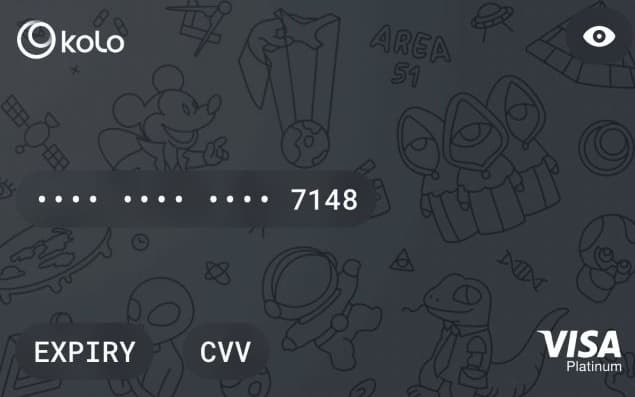
1. Kolo Card
Earn Bitcoin on Every Purchase: 5% BTC Cashback + Visa Platinum + 170+ Countries
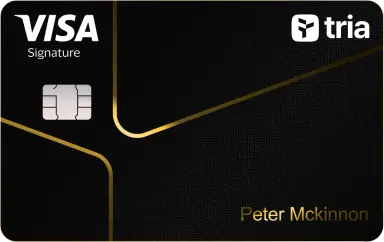
2. Tria Signature Card
High-Yield Mastery: 15% APY + Visa Signature Perks
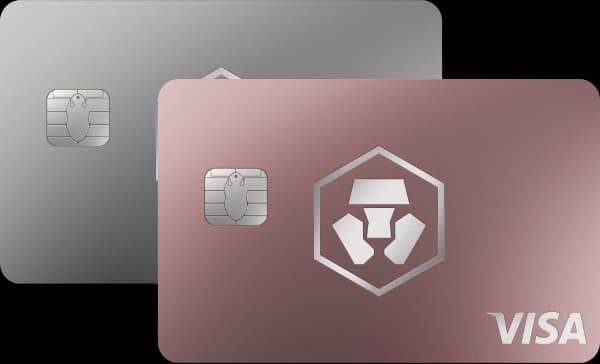
3. Private (Icy White / Rose Gold)
Elite Private Status: 4% Uncapped Cashback + Guests

4. ether.fi Core Card
Zero Barriers: 3% Back on Every Purchase, No Stake Required
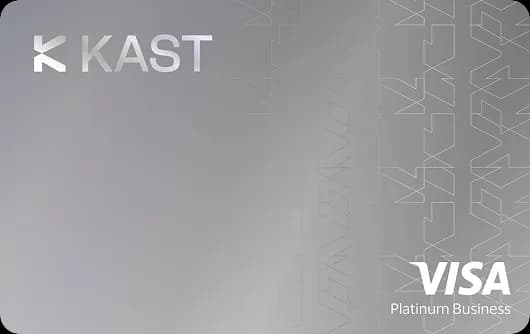
5. KAST K Card
Early Adopter Access: 2% Points + 4% $MOVE on Every Swipe
Crypto Card Regulation in Kuwait
Kuwait's crypto regulatory framework is among the most restrictive globally. On July 17, 2023, four regulatory authorities simultaneously issued parallel directives creating an "absolute prohibition" on all virtual currency activities.
The Central Bank of Kuwait (CBK, Bank Al-Kuwait Al-Markazi, بنك الكويت المركزي) issued Circular No. 2/RB, RBA/442/2023 to all local banks, financing companies, and exchange companies, prohibiting any dealing in virtual currencies.
The Capital Markets Authority (CMA, Hayat Aswaq Al-Mal, هيئة أسواق المال), the Insurance Regulatory Unit (IRU), and the Ministry of Commerce and Industry (Wizarat At-Tijara wa-s-Sinaa, وزارة التجارة والصناعة) all followed with complementary directives.
The prohibitions are comprehensive and cover every conceivable crypto activity:
- Virtual assets cannot be used as payment for goods or services
- Virtual assets cannot be offered as investment products
- Mining is completely banned, prompted by concerns over Kuwait's subsidized electricity grid. Over 60 individuals have been investigated by the Public Prosecution, with farms discovered in residential areas drawing massive power loads
- Financial institutions cannot facilitate any crypto-related transactions
- Banks cannot process crypto payments or provide accounts for crypto businesses
- No VASP licensing regime exists or has been proposed
How Kuwait compares to GCC peers:
- UAE: VARA licensing, comprehensive framework, Dubai Crypto Hub ambitions
- Bahrain: CBB Category 3 licensing, Rain exchange approved, FinTech Bay ecosystem
- Saudi Arabia: Studied ambiguity, not banned for individuals, 14M+ users
- Oman: CMA Virtual Assets framework (2024), VASP registration pathway
- Qatar: Restrictive but studying regulation under QFC framework
- Kuwait: Absolute prohibition with criminal penalties. No path to licensing visible
The CBK is developing a CBDC (digital dinar) as the preferred digital currency path. Until legislative change occurs, crypto cards remain relevant only for Kuwait's diaspora, nationals with offshore financial arrangements, and the expatriate majority.
Tax Treatment of Card Rewards in Kuwait
Kuwait does not levy personal income tax on individuals, whether Kuwaiti nationals or foreign residents. This applies to all personal income: salary, investment returns, capital gains, dividends, rental income, and crypto profits. There is no capital gains tax, no income tax, and no withholding tax on personal transactions.
What is taxed: Corporate income tax applies only to foreign entities at a flat 15%. Kuwaiti-owned businesses pay Zakat (2.5%), NLST (National Labour Support Tax, 2.5%), and KFAS (Kuwait Foundation for the Advancement of Sciences, 1%). There is currently no VAT in Kuwait, although GCC-wide implementation has been under discussion since 2018.
| Scenario | Gain | Tax (Individual) | Net Retained |
|---|---|---|---|
| BTC appreciated 200%, spent via card | KWD 1,000 | KWD 0 (0%) | KWD 1,000 |
| ETH staking yield earned | KWD 500 | KWD 0 (0%) | KWD 500 |
| 5% BTC cashback received (Kolo) | KWD 150 | KWD 0 (0%) | KWD 150 |
| USDC spent (near-zero gain) | approx. KWD 0 | KWD 0 | Full value |
| No VAT | - | No VAT in Kuwait | - |
Our 2026 Kuwait review confirms all funding methods are equally tax-efficient. BTC, USDC, and token rewards all carry zero personal tax burden. The absence of both income tax and VAT makes Kuwait the most tax-efficient GCC country for crypto card returns (UAE and Bahrain have 5% and 10% VAT respectively, Saudi has 15% VAT). The critical issue is legality, not taxation.
Zakat note: Muslim Kuwaitis have a 2.5% religious obligation on net wealth held for a full lunar year. Crypto holdings would logically be included in zakat calculations, though enforcement is through personal conscience for individuals (ZATCA-style collection only applies to businesses).
How to Apply from Kuwait
Kuwaiti crypto card applications require the Al-Bitaqa Al-Madaniyya (Civil ID Card, البطاقة المدنية), issued by the Public Authority for Civil Information (PACI, Al-Haya Al-Amma li-l-Malumat Al-Madaniyya, الهيئة العامة للمعلومات المدنية). The Civil ID is mandatory for all citizens and residents, containing a 12-digit civil number, biometric data, and digital signature capability.
Alternative: Kuwaiti passport (Jawaz As-Safar Al-Kuwaiti, جواز السفر الكويتي). Kuwaiti passports have strong international recognition, and GCC nationals generally have high approval rates with international financial services.
Proof of address via utility bills from the Ministry of Electricity, Water and Renewable Energy (MEW), or bank statements from NBK (National Bank of Kuwait, largest bank, highest-rated in the Middle East), KFH (Kuwait Finance House, world's second-largest Islamic bank), Boubyan Bank, Gulf Bank, or Burgan Bank.
Critical access note: Card issuers aware of Kuwait's ban may restrict onboarding for Kuwait-resident applicants. Kuwaiti nationals with dual residency (London, Dubai, Bahrain) or international addresses may have better success. The Sahel government app provides some digital identity services but is designed for domestic use.
Spending Tips for Kuwait
The World's Strongest Currency
At KWD 1 = approx. $3.25, the Kuwaiti dinar is the world's highest-valued currency unit. This means a KWD 300/month spending budget equals approximately $975 in purchasing power. Crypto card cashback in KWD terms represents significant dollar-equivalent value: 2% on KWD 300/month = KWD 72/year ($234).
The KWD is pegged to a basket of currencies dominated by the USD, providing exceptional stability. Unlike fully floating currencies (EGP, TRY) that can lose 30-70% of value, the KWD has been remarkably stable, moving within a narrow band around $3.25 for decades.
What Kuwaiti Bank Cards Offer
Kuwait's banking sector is one of the strongest in the Gulf. NBK (National Bank of Kuwait, AA- rated), KFH (Kuwait Finance House, the largest Islamic bank in Kuwait), Boubyan Bank (fastest-growing Islamic bank), Gulf Bank, and Burgan Bank (Kipco group) offer premium card products.
| Bank | Best Credit Card | Cashback | FX Markup | Monthly Fee |
|---|---|---|---|---|
| NBK | Visa Infinite | Up to 2% on select | 2-3% | KWD 0 (high income) |
| KFH | World Mastercard | Up to 1% (points) | 2-3% | KWD 0-5 |
| Boubyan Bank | Visa Signature | 1% (points) | 2-2.5% | KWD 0-3 |
| Gulf Bank | Visa Infinite | Up to 1.5% | 2-3% | KWD 0-5 |
| Burgan Bank | World Elite | Up to 1% | 2-3% | KWD 0-5 |
Kuwaiti bank cards are already strong by regional standards, with better loyalty programs than most GCC peers. The crypto card advantage is the combination of higher cashback (up to 5% vs 2%) plus zero FX on international spending. On KWD 200/month of international spending ($650), FX savings alone reach KWD 48-72/year ($156-234).
Card Selection for Kuwaitis Abroad
- Kolo (5% BTC): $0 annual, 0% FX. BTC cashback capped at $5/txn, $200/month.
- Tria Signature (4.5%): $109/year, 0% FX. Yield-linked rewards.
- Crypto.com Icy (4%): CRO stake. Lounge access at KWI. Netflix/Spotify rebates.
- ether.fi (3%): 1% FX. Staking yield retained tax-free.
- KAST (2% points): $0 annual, 0.5% FX. 2-minute KYC.
- RedotPay: 1.2% FX. Virtual (free) and Physical ($100).
- xPlace (0.5-2%): 1% FX. Tiered SOL rewards.
Zero Tax Yield Stacking (Nationals Abroad)
Kuwait's combination of zero income tax + zero CGT + zero VAT creates the purest yield stacking environment in the GCC:
- 5% BTC cashback (Kolo) on spending, capped at $5/txn and $200/month
- 4.5% yield-linked (Tria Signature) with 0% FX at $109/year
- 4% cashback (Crypto.com Icy) with lounge access
- 0% tax on all returns
- 0% VAT (unlike UAE 5%, Saudi 15%)
On KWD 300/month spending at Kolo 5%: KWD 180/year ($585) in pure, untaxed returns. At Crypto.com Icy 4%: KWD 144/year ($468) plus KWI lounge access. No other GCC country offers this triple-zero (income + CGT + VAT) combination.
Spending Scenario: KWD 500/month (approx. $1,625, Kuwaiti Professional Abroad)
| Category | Monthly | Annual | Context |
|---|---|---|---|
| Groceries | KWD 100 | KWD 1,200 | The Sultan Center, Lulu, Carrefour |
| Dining | KWD 120 | KWD 1,440 | Salmiya restaurants, Kuwait City |
| Transport | KWD 60 | KWD 720 | Petrol (subsidized), car expenses |
| Subscriptions | KWD 40 | KWD 480 | Netflix, Spotify, gym, OSN |
| Shopping | KWD 120 | KWD 1,440 | The Avenues, 360 Mall, Al Kout |
| Travel/Bahrain | KWD 60 | KWD 720 | Bahrain weekends, regional trips |
Total: KWD 6,000/year ($19,500). At Kolo 5%: KWD 300/year ($975, subject to $200/month cap). At Crypto.com Icy 4%: KWD 240/year ($780). At KAST 2% points: KWD 120/year ($390). All tax-free.
Local Payment Infrastructure
Kuwait has one of the GCC's most sophisticated digital payment ecosystems. KNET (Al-Khadamat Al-Mashrutaka li-l-Masrafiyya Al-Elektroniyya, الخدمات المشتركة للمصرفية الإلكترونية) is the backbone, processing approximately 80% of online transactions via cards from its 11 member banks. WAMD (وامض), Kuwait's real-time payment scheme powered by KNET, launched in June 2024 and surpassed 1 million accounts within its first year, enabling instant phone-number-based transfers.
Excellent card acceptance: Malls (The Avenues - largest mall in Kuwait, 1,200+ stores, 360 Mall, Al Kout Mall, Marina Mall, Gate Mall), hotels (Four Seasons, JW Marriott, Jumeirah Messilah Beach, Waldorf Astoria), supermarkets (The Sultan Center TSC, Lulu Hypermarket, Carrefour, Saveco), restaurants across Salmiya, Kuwait City, and Hawally.
Mobile payments: Apple Pay, Google Pay, Samsung Pay all supported through major banks. Digital wallets: Zain Cash, STC Pay, and bank-specific apps.
The Expat Majority (67% of Population)
Kuwait's total population is approximately 4.9 million, of which 3.3 million are non-nationals (67%), one of the highest expat-to-citizen ratios in the world. These communities drive massive remittance flows ($17+ billion annually):
- India: 1+ million. Largest expat community. Construction, IT, retail, healthcare, education. Remittance corridor: $5+ billion/year.
- Egypt: 500,000+. Education, engineering, construction. Major remittance to families navigating EGP collapse.
- Philippines: 250,000+. Healthcare (nurses, doctors), hospitality, domestic workers.
- Pakistan: 200,000+. Construction, transport, retail.
- Bangladesh: 200,000+. Construction, service industry.
- Sri Lanka: 100,000+. Hospitality, domestic workers.
Many of these expats come from countries with active crypto markets (India, Philippines) and may use crypto cards for both personal spending and remittance. Traditional channels (Western Union, bank wire, exchange houses in Farwaniya) charge 2-5% in combined fees. For tech-literate expats earning KWD 200-500/month, a crypto card offers both spending cashback and cheaper cross-border value transfer.
Cost of Living: The World's Highest-Valued Currency
Kuwait's cost of living is moderate by GCC standards despite the KWD's exceptional value. Government subsidies on electricity, water, and petrol keep utility costs low for citizens.
| Area | 1-Bed Rent/Month | Groceries/Month | Card-Eligible Spending |
|---|---|---|---|
| Kuwait City (Sharq/Bneid Al Gar) | KWD 300-600 | KWD 80-150 | KWD 400-800 |
| Salmiya | KWD 250-500 | KWD 70-130 | KWD 350-700 |
| Hawally | KWD 200-400 | KWD 60-120 | KWD 300-600 |
| Sabah Al Salem/Mishref | KWD 200-400 | KWD 60-120 | KWD 300-600 |
| Jahra | KWD 150-300 | KWD 50-100 | KWD 200-450 |
| Ahmadi | KWD 150-350 | KWD 50-100 | KWD 200-500 |
Kuwaiti citizens receive government stipends, housing allowances (KWD 150-300/month for families), and subsidized services that reduce mandatory expenses. This means a larger proportion of income is available for discretionary card-eligible spending. An average Kuwaiti household's discretionary budget is among the highest in the Middle East.
Online Shopping and Digital Subscriptions
Kuwait's e-commerce market is mature and growing. Xcite (Alghanim Electronics, Kuwait's largest electronics retailer, 20+ stores plus full e-commerce), Amazon.ae (delivering to Kuwait), Noon.com (active in Kuwait), Shein, AliExpress, and Namshi handle most online purchases. Deliveroo Kuwait and Talabat (Delivery Hero) dominate food delivery, while Carriage (acquired by Delivery Hero) was the original Kuwaiti food delivery platform.
International subscriptions billed in USD are common: Netflix, Spotify, Apple services, Adobe, Microsoft 365, PlayStation Plus, Xbox Game Pass. The KWD-USD stability means these subscriptions do not become more expensive over time (unlike Turkey, Egypt, or Pakistan). Zero-FX crypto cards eliminate the 2-3% bank markup on all USD-billed purchases.
Gaming is a major spending category: Kuwait has one of the highest per-capita gaming expenditures in the Middle East. PlayStation, Xbox, Steam, and mobile gaming (particularly among the under-30 demographic) generate significant card-eligible spending on international platforms.
The Oil Economy and Sovereign Wealth
Kuwait's economy is dominated by oil (90%+ of government revenue). The Kuwait Investment Authority (KIA) manages one of the world's largest sovereign wealth funds ($900+ billion). While diversification under Kuwait Vision 2035 is underway, the oil economy means high per-capita income (GDP per capita approximately $35,000) and strong consumer spending power. Government sector employment (approximately 80% of Kuwaiti nationals work in government) provides stable income and generous benefits.
This creates a unique crypto card demographic: high disposable income, strong international travel habits, government-subsidized living costs, and zero personal taxation. The prohibition on crypto is the only barrier.
Cross-Border: The Bahrain Weekend
The King Fahd Causeway connects Saudi Arabia's Eastern Province to Bahrain, but Kuwaitis also frequently fly to Bahrain (40-minute flight) for weekend entertainment, dining, and social activities. Bahrain's more liberal social regulations make it a popular Kuwaiti destination. KWD-BHD conversion is near-direct (both basket-pegged, with KWD worth approximately 4.6x BHD), and zero-FX crypto cards eliminate the 2-3% bank markup on these frequent trips.
Beyond Bahrain, Kuwaitis are among the Gulf's most frequent international travelers: London (shopping, medical tourism, education), Istanbul (vacation homes, entertainment), Dubai (business, shopping), and Maldives/Southeast Asia (honeymoons, family vacations) are top destinations. International travel spending is where zero-FX crypto cards generate the largest savings for Kuwaiti nationals.
Supported Exchanges & Wallets in Kuwait
Kuwait has no legal crypto exchanges. The primary on-ramp for Kuwaitis with offshore access is Binance P2P (KWD pairs, operating informally), Rain Financial (Bahrain-licensed, may restrict Kuwait-resident clients), and Crypto.com (global platform). Banks (NBK, KFH, Boubyan) actively monitor and may block transactions flagged as crypto-related, making P2P the dominant channel.
For Kuwaitis with offshore crypto access, Kolo at 5% BTC cashback with $0 annual and 0% FX delivers zero-tax returns. Tria Signature adds 4.5% yield-linked rewards with 0% FX at $109/year.
Crypto.com metal tiers from Midnight Blue (0%) through Icy (4%, CRO stake required) pair with crypto cards with airport lounges at KWI. ether.fi with the Core Card offers 3% cashback with 1% FX, letting stakers spend without selling.
KAST provides 2% points at $0 annual with 0.5% FX. RedotPay offers Virtual (free) and Physical ($100) variants at 1.2% FX. xPlace provides tiered SOL cashback from Standard (0.5%) to Platinum (2%).
Kuwait's absolute prohibition stands in sharp contrast to the regulatory frameworks adopted by every other GCC state. The zero-tax, zero-VAT environment makes it theoretically the most attractive jurisdiction for crypto card returns, but the legal prohibition means these benefits are only practically accessible to Kuwaitis with offshore financial arrangements or the 3.3 million expatriates with connections to their home countries' crypto ecosystems.
Written by SpendNode Editorial
Frequently Asked Questions
Is cryptocurrency legal in Kuwait?
No. Kuwait enforces an absolute prohibition on all crypto activities including payments, investments, and mining. The Central Bank of Kuwait, Capital Markets Authority, Insurance Regulatory Unit, and Ministry of Commerce and Industry all issued circulars banning virtual currencies in July 2023.
How is crypto taxed in Kuwait?
Kuwait has no personal income tax, so individual crypto gains held offshore are not subject to taxation. However, since crypto activities are banned domestically, taxation is largely moot. Corporate income tax applies to business entities engaged in crypto operations.
Which crypto cards work in Kuwait?
No crypto card formally targets Kuwait due to the ban. For Kuwaitis abroad or expats with offshore access, Kolo offers 5% BTC cashback at $0 annual and 0% FX. Tria Signature provides 4.5% yield-linked rewards with 0% FX. Crypto.com Icy delivers 4% cashback with KWI lounge access. KAST provides 2% at $0 with 0.5% FX.
What is Kuwait's digital payments landscape?
Kuwait has a sophisticated digital payments ecosystem. KNET processes 80% of online transactions. WAMD, the real-time payment scheme launched in June 2024, onboarded 30% of Kuwait's banked population in 3 months. Apple Pay and Google Pay are available.
Other Countries
View all 108 countries →


Recent Updates to Best Crypto Cards in Kuwait
- Corrected KAST and ether.fi data and normalized the table around the current offshore-only audience
- Kept the Kuwait page coherent around the ban, diaspora framing, and practical shortlist for offshore users
- Removed COCA (unavailable in Kuwait). Replaced with Kolo (5% BTC, $0, 0% FX) and Tria Signature (4.5%, 0% FX, $109/yr) as lead recommendations
- Corrected ether.fi FX from 0% to 1%. Fixed KAST from 'up to 12%' to 2% base and FX from '0.5-1.75%' to 0.5%. Fixed Midnight Blue from 1% to 0%. Upgraded Crypto.com to Icy 4%
- Rebuilt yield stacking section and spending scenario calculations with corrected card data