

Best Crypto Cards in Sri Lanka (2026)
Sri Lanka's crypto card use case is shaped by post-crisis currency damage, a large overseas workforce, and banks that still make offshore spending difficult. This guide compares the cards that still make practical sense.
Verified for Sri Lanka
35 crypto cards available
Local currency: LKR
Sri Lanka's 2022 economic crisis destroyed household purchasing power overnight. The rupee collapsed from LKR 200/USD to over LKR 360/USD, inflation peaked above 70%, foreign reserves evaporated to near zero, and the country defaulted on its sovereign debt for the first time in history. Fuel queues stretched for kilometers, 22-hour daily power cuts became normal, and the banking system effectively froze international transactions.
That crisis drove Sri Lankans into crypto in unprecedented numbers - Chainalysis estimates roughly 593,000 users generating $21+ million in on-chain activity by 2025, figures that dramatically understate real volumes flowing through P2P channels.
The Central Bank of Sri Lanka (CBSL, Sri Lanka Maha Bankuwa) has repeatedly cautioned against cryptocurrency since 2018 but has not enacted an outright ban.
Sri Lanka occupies a regulatory gray zone: investing in crypto carries no legal impediment, but using it for payments and running exchanges remain unauthorized. For the 2+ million Sri Lankan diaspora (primarily in the Middle East, South Korea, Japan, Italy, UK, Canada, and Australia) and the growing freelancer community earning in USD through platforms like Upwork, Fiverr, and Toptal, a crypto card provides spending access that the domestic banking system cannot.
The major banks - Commercial Bank of Ceylon (largest private, 270+ branches), Bank of Ceylon (BOC, state-owned, 630+ branches), Sampath Bank (210+ branches), Hatton National Bank (HNB, 250+ branches), Seylan Bank, and Nations Trust Bank - charge 2.5-4% FX markup on international transactions and impose strict foreign currency spending limits under the Foreign Exchange Act.
| Card | Max Rewards | Annual Fee | FX Fee | Card Type | Best For |
|---|---|---|---|---|---|
| Kolo | 5% BTC | $0 | 0% | Prepaid | 5% BTC cashback, $5/txn cap, $200/mo cap |
| Crypto.com | Icy 4% | CRO stake | 0% | Prepaid | Tiered metal cards, lounge access |
| ether.fi | 3% | $0 | 1% | Credit | Borrow-to-spend, defer 10% CGT |
| RedotPay | - | $0 | 1.2% | Prepaid | Stablecoin spending, HK-based issuer |
| KAST | 2% points | $0 | 0.5% | Prepaid | Fastest passport-to-card route |
| xPlace | 0.5-2% | $0 | 1% | Debit | Tiered rewards system |
| Jupiter | 4-10% JupUSD | $0 | 1% | Debit | 4% base ($100/mo cap), Solana ecosystem |
Based on our Sri Lanka research, KAST is the quickest way for a passport-holding Sri Lankan abroad to move from offshore crypto balances to a live working card with no annual fee. Kolo delivers 5% BTC cashback with $0 annual fee and 0% FX - the highest free cashback rate among available cards. ether.fi lets ETH holders borrow-to-spend without triggering the 10% CGT.
Best Card For Every Need in Sri Lanka
Top 5 Crypto Cards in Sri Lanka
The 2022 sovereign default and 70% inflation peak destroyed Sri Lankan confidence in domestic savings instruments overnight. Kolo's 5% BTC cashback with $0 annual fee and 0% FX provides the highest free return among available cards.
KAST earns its place because a Gulf-based or Korean-based Sri Lankan worker can clear KYC quickly with passport and residency documents, then start spending remittance-funded balances without waiting for a complicated bank-style review. ether.fi solves a math problem: BTC priced in LKR has appreciated so enormously (from both USD-denominated growth and rupee collapse) that spending it directly triggers 10% CGT on gains that dwarf the cashback earned - borrowing against staked ETH avoids this entirely.
RedotPay Solana's HK-based issuance processes Sri Lankan passports more reliably than European issuers, and stablecoin-native spending with $0 annual fee makes it a practical off-ramp for freelancers already receiving USDC through Upwork and Toptal.
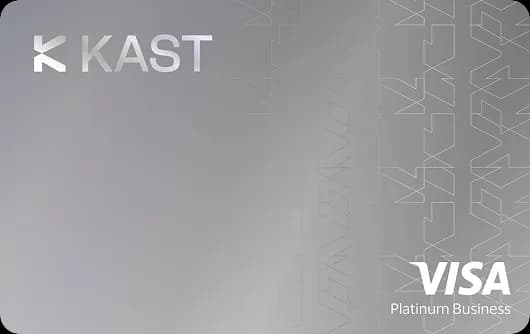
1. KAST K Card
Early Adopter Access: 2% Points + 4% $MOVE on Every Swipe
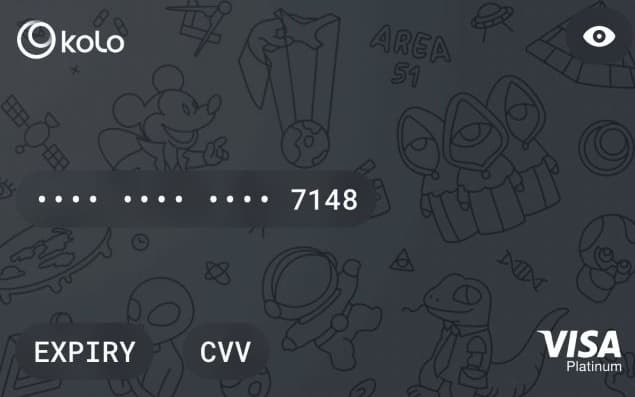
2. Kolo Card
Earn Bitcoin on Every Purchase: 5% BTC Cashback + Visa Platinum + 170+ Countries
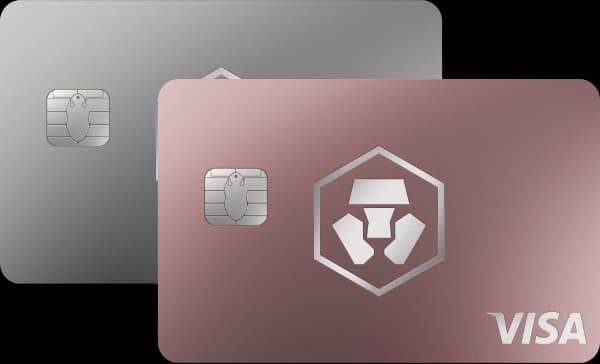
3. Private (Icy White / Rose Gold)
Elite Private Status: 4% Uncapped Cashback + Guests

4. ether.fi Core Card
Zero Barriers: 3% Back on Every Purchase, No Stake Required
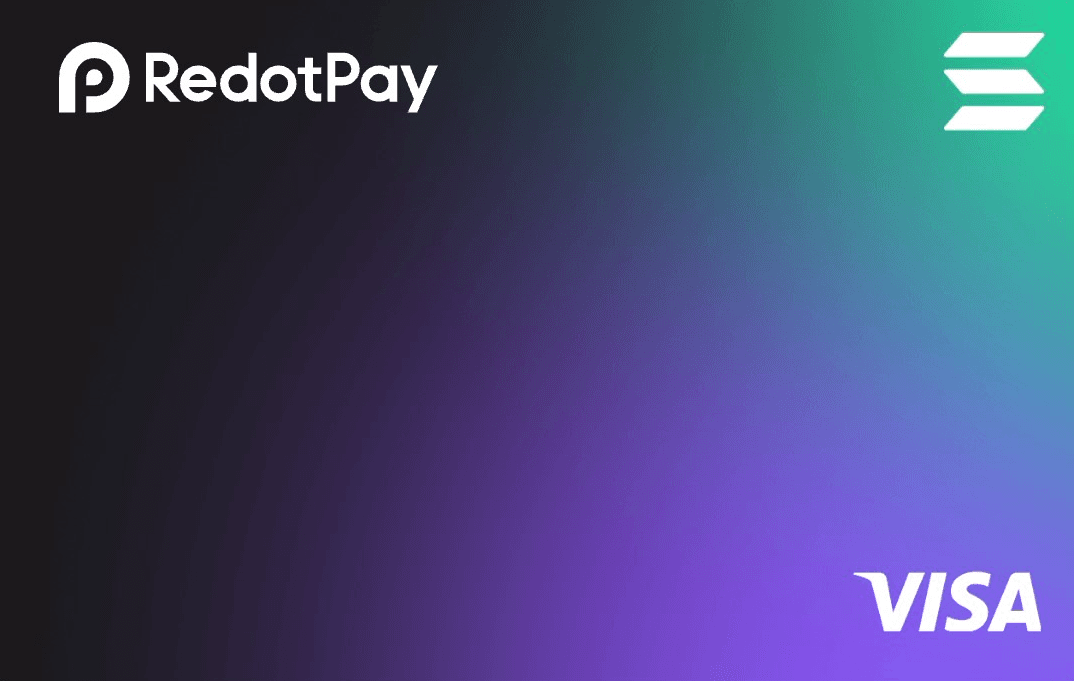
5. RedotPay Solana Card
Solana Goes IRL: Spend SOL Directly at 130M+ Merchants
Crypto Card Regulation in Sri Lanka
Sri Lanka's crypto regulatory position is defined by absence rather than prohibition. The CBSL is the sole monetary authority and has issued multiple public warnings against crypto since 2018, but has stopped short of an outright ban. Governor Dr. Nandalal Weerasinghe confirmed in September 2025 that "crypto cannot be used for payments in Sri Lanka" while acknowledging that investment in virtual currencies has "no legal impediment."
The Securities and Exchange Commission (SEC) of Sri Lanka does not currently regulate crypto assets. The Financial Intelligence Unit (FIU) is developing AML/CFT-focused regulations, with draft VASP (Virtual Asset Service Provider) guidelines in development.
Under the proposed framework, VASPs would be required to register with the FIU, implement KYC procedures, and report suspicious transactions. Sri Lanka's compliance with FATF recommendations adds urgency - the country was removed from the FATF monitoring list in 2019 but maintains enhanced AML oversight.
The Foreign Exchange Act creates the most practical barrier: banks are prohibited from processing crypto-related card transactions. This means even if a card issuer lists Sri Lanka as a supported country, Sri Lankan bank accounts cannot directly fund crypto purchases through traditional banking channels. The Monetary Law Act further restricts unauthorized payment instruments.
The Central Bank has explored a digital rupee (CBDC) concept, though progress has been slow given competing priorities (IMF program compliance, debt restructuring). The Colombo tech community has lobbied for a regulated framework, citing the economic potential of blockchain and digital assets for remittance optimization, but the CBSL has consistently prioritized monetary stability over innovation.
Sri Lanka is moving toward regulation rather than prohibition. The FIU registration framework, once enacted, could open the door for licensed crypto card services. Until then, the gray zone persists - investing is legal, using it for payments is not officially sanctioned, and banks block crypto-related transactions.
Tax Treatment of Card Rewards in Sri Lanka
Sri Lanka taxes crypto gains under the Inland Revenue Act. The Inland Revenue Department (IRD, Adayam Badu Departamentuwa) classifies cryptocurrency as an intangible asset subject to capital gains tax.
Individual CGT: 10% on crypto profits. This applies to gains realized from selling, spending, or swapping crypto. The taxable amount is the disposal value minus the acquisition cost plus any allowable expenses.
Corporate CGT: 30% on crypto classified as investment assets for companies.
Since October 2025, overseas digital services (including global crypto exchanges and payment platforms) are subject to 18% VAT under new rules published in the government gazette. This affects platforms like Binance and Bybit operating from outside Sri Lanka - the VAT applies to their fee income, not to the crypto assets themselves.
Example - Colombo IT professional spending BTC: You acquired BTC at LKR 200,000 when the rate was 200/USD ($1,000). The rupee collapsed to 360/USD but BTC appreciated in USD terms. Your BTC is now worth LKR 900,000. Spending LKR 900,000 via a crypto card: 10% CGT on the LKR 700,000 gain = LKR 70,000 in tax ($194). If funded via USDC: approximately zero gain = approximately zero CGT.
Example - Diaspora worker receiving crypto payment: A Middle East-based Sri Lankan receives $500/month in USDC for freelance work. Spending via KAST at 2% points creates no taxable gain (USDC is stable). They earn $120/year in points value tax-free. If the same worker held BTC that appreciated 300%, spending it would trigger 10% CGT on the gain portion - a potentially large tax bill that stablecoin funding eliminates entirely.
| Funding Method | Annual Spend (LKR 600K / $1,660) | Rewards (2% points) | Tax (10% CGT) | Net Annual Benefit |
|---|---|---|---|---|
| BTC (appreciated 350% since crisis) | LKR 600,000 | LKR 12,000 | LKR 46,700 | -LKR 34,700 |
| USDC (stablecoin) | LKR 600,000 | LKR 12,000 | approx. LKR 0 | LKR 12,000 |
| ether.fi borrow | LKR 600,000 | LKR 12,000 | LKR 0 (no disposal) | LKR 12,000 + staking yield |
USDC funding eliminates the CGT hit entirely. BTC funding for those who bought during or before the 2022 crisis produces very large gains (BTC priced in LKR has appreciated enormously due to both USD-denominated BTC growth and LKR depreciation), making direct BTC spending a net loss after 10% CGT. ether.fi provides the alternative: borrow against staked ETH, spend the borrowed funds, no disposal event. The tax year runs January to December.
How to Apply from Sri Lanka
Sri Lankan crypto card applications would require a Jathika Haeandunumpatha (National Identity Card/NIC), the mandatory identification for all citizens over 16 issued by the Department for Registration of Persons. The NIC follows either the old format (9 digits + V/X) or the new 12-digit format introduced in 2015. Sri Lanka is rolling out biometric e-NICs with facial recognition, fingerprints, and iris data, with the initial phase deploying in 2025.
Alternative identification: Sri Lankan passport (issued by the Department of Immigration and Emigration). Proof of address via utility bills from Ceylon Electricity Board (CEB), Lanka Electricity Company (LECO), National Water Supply and Drainage Board, or bank statements from Bank of Ceylon, Commercial Bank, Sampath Bank, or Hatton National Bank.
Most offshore crypto card issuers may not recognize Sri Lankan NIC cards during KYC.
KAST is the most accessible prepaid option when a user is relying on passport-level documentation rather than a stronger domestic banking file. Sri Lankan passports have better recognition than NICs with global issuers. Diaspora members with foreign residency documents - UAE residence visa, Saudi iqama, South Korean E-9/D-2 visa, Italian permesso di soggiorno, UK BRP - have significantly higher approval rates across all issuers.
Virtual cards loaded to Apple Pay or Google Pay are the most practical option. Apple Pay and Google Pay are not officially supported in Sri Lanka, but virtual cards loaded to these wallets work at any NFC terminal worldwide - critical for the diaspora. Physical cards face postal reliability challenges to Sri Lankan addresses.
Spending Tips for Sri Lanka
The Post-Crisis Currency Hedge
The 2022 crisis was a masterclass in why stablecoin holdings matter. Families with LKR savings saw their purchasing power halve in months. Those who held even small amounts of USD-denominated assets (whether traditional or crypto) preserved their standard of living.
The rupee has partially recovered under the IMF program (from LKR 360/USD to approximately LKR 300-320/USD by 2026), but remains down 50%+ from pre-crisis levels. The IMF program's conditions - fiscal austerity, debt restructuring, reduced subsidies - mean continued economic pressure.
Holding stablecoins (USDC/USDT) via a crypto card provides a direct dollar hedge while maintaining instant spending capability. For a Colombo professional, converting monthly savings to USDC rather than leaving them in an LKR fixed deposit (yielding 8-10% against 8-10% inflation = zero real return) provides genuine purchasing power protection.
Banking System: What You Are Leaving Behind
Sri Lanka's banking system was deeply shaken by the crisis. Understanding what the banks charge clarifies the crypto card value:
- Bank of Ceylon (state-owned, 630+ branches): Visa Debit with 3-4% FX markup. International spending limits under Foreign Exchange Act. LKR 1,000/year ($2.80) fee.
- Commercial Bank of Ceylon (largest private, 270+ branches): Mastercard with 2.5-3% FX. Better international acceptance. LKR 2,000/year ($5.55) fee.
- Sampath Bank (210+ branches): 2.5-3.5% FX, LKR 1,500/year ($4.15). Known for better digital banking.
- Hatton National Bank (HNB, 250+ branches): 3% FX, LKR 1,800/year ($5). Plantation-area coverage.
- Seylan Bank: 3-4% FX, limited international acceptance.
- Nations Trust Bank: Offers FriMi digital wallet. 2.5% FX on international card transactions.
We checked LKR conversion rates across all issuers: a crypto card with 0% FX saves 2.5-4% on every international transaction. On LKR 600,000/year ($1,660) in international spend, that is LKR 15,000-24,000 ($42-67) in FX savings alone - before cashback.
Card Selection for Sri Lankans
- KAST (2% points, free): Best for diaspora workers who need the fastest passport-to-card setup without paying an annual fee.
- RedotPay (stablecoin-native, free virtual): Best for stablecoin spending. HK-based and available in Sri Lanka - better positioning for Sri Lankan KYC documents than European issuers.
- Kolo (5% BTC, $0, 0% FX): Highest free cashback. Capped at $5/txn and $200/mo.
- ether.fi (3%, borrow-to-spend): Best for ETH holders avoiding the 10% CGT. Borrow against staked ETH, spend the loan, keep your exposure.
- Crypto.com (Icy White 4%): For higher-earning diaspora. Icy White adds lounge access at Bandaranaike International Airport (CMB) - valuable given the limited lounges available to Sri Lankan cardholders.
- Tria (1.5%, $20/yr, 0% FX): Self-custody Visa debit with 0% FX and Apple Pay - strong entry for DeFi-native users.
Break-Even Math
At 10% CGT. USDC funding eliminates disposal tax. Banking barriers limit practical access from within Sri Lanka.
| Monthly Spend | KAST (2% points, free) | Kolo (5% BTC, $200/mo cap) | Jupiter (4% JupUSD, $100/mo cap) | ether.fi (3%, borrow) |
|---|---|---|---|---|
| LKR 30,000 ($83) | LKR 7,200/yr | LKR 18,000/yr | LKR 14,400/yr | LKR 10,800/yr + staking |
| LKR 50,000 ($139) | LKR 12,000/yr | LKR 30,000/yr | LKR 24,000/yr | LKR 18,000/yr + staking |
| LKR 80,000 ($222) | LKR 19,200/yr | LKR 48,000/yr | LKR 38,400/yr | LKR 28,800/yr + staking |
| LKR 150,000 ($416) | LKR 36,000/yr | LKR 90,000/yr | LKR 72,000/yr | LKR 54,000/yr + staking |
At LKR 80,000/month (a Colombo IT professional's typical spend), Kolo at 5% BTC delivers LKR 48,000/year ($133) in cashback plus FX savings = meaningful purchasing power recovery.
Cost of Living by Area
- Colombo 3/5/7 (Kollupitiya/Havelock/Cinnamon Gardens) (LKR 150,000-350,000/month): Sri Lanka's premium areas. One Galle Face mall, Colombo City Centre, Dutch Hospital complex. Best card acceptance in the country. Keells (90+ stores), Cargills Food City (400+ stores), Arpico Supercentre for groceries. Fine dining at Ministry of Crab, Nihonbashi.
- Colombo 4/6 (Bambalapitiya/Wellawatte) (LKR 80,000-150,000/month): Middle-class residential. Liberty Plaza, Majestic City. Good card acceptance at chains. Strong Tamil community with links to Chennai.
- Kandy (LKR 60,000-120,000/month): Hill capital, Temple of the Tooth. Kandy City Centre mall. Card acceptance at tourist-oriented businesses. Cash-dominant in Kandy Market area.
- Galle (LKR 50,000-100,000/month): Southern coast, UNESCO Fort district. Growing digital nomad scene. Card acceptance at Fort restaurants and boutique hotels. Cash for local shops.
- Negombo/Wattala (LKR 50,000-100,000/month): Airport proximity. Beach tourism. Card acceptance at hotels and resorts. Cash for local markets.
- Jaffna (LKR 40,000-80,000/month): Northern province, post-war reconstruction. Limited card acceptance. Cash-dominant. Strong diaspora connections to Tamil Nadu, Canada, UK.
The Remittance Angle
Sri Lanka receives approximately $6 billion in annual remittances (World Bank 2024), primarily from the Middle East (UAE, Saudi Arabia, Qatar, Kuwait), South Korea, Japan, Italy, UK, and Canada. Traditional channels (Western Union, MoneyGram, Lanka Money Transfer) charge 4-7% in fees. The CBSL's "Inward Remittance Promotion" scheme offers favorable exchange rates to encourage formal channels, but fees remain high.
Stablecoin transfers via crypto card reduce remittance costs to near zero. For a Middle East worker sending $500/month home, the savings are $20-35/month ($240-420/year) versus Western Union. The challenge is the last-mile: converting stablecoins to LKR for family use in Sri Lanka. P2P channels (Binance P2P with LKR pairs) provide the bridge, though at some premium.
Domestic Payment Infrastructure
Sri Lanka's digital payment adoption accelerated post-crisis as cash shortages forced adoption. FriMi (Nations Trust Bank) and Genie (Dialog Axiata) are the leading mobile wallets. eZ Cash (Mobitel, SLT-Mobitel subsidiary) handles peer-to-peer transfers. Lanka QR (LankaQR) is the national QR payment standard promoted by CBSL.
Visa and Mastercard contactless payments are accepted at supermarkets (Keells, Cargills, Arpico), shopping malls (One Galle Face, Colombo City Centre, Crescat Boulevard), international hotel chains, and chain restaurants in Colombo, Kandy, and Galle.
Card penetration is growing but cash remains dominant in rural areas, local markets (Pettah, Manning Market), three-wheeler transport, and smaller towns. Apple Pay and Google Pay are not officially supported in Sri Lanka, though virtual cards loaded to these wallets work at NFC terminals.
Supported Exchanges & Wallets in Sri Lanka
No crypto exchanges operate legally in Sri Lanka. The CBSL's warnings and the Foreign Exchange Act's banking restrictions prevent formal market development. Binance P2P (LKR pairs) is the most popular on-ramp, processing the majority of Sri Lankan crypto volume. Traditional banks actively block suspected crypto transactions.
KAST is the prepaid card that best fits Sri Lankan users abroad who are working from offshore balances and passport-level documentation. For the 2+ million Sri Lankans abroad, that matters because domestic banking access remains unreliable and remittance-funded spending often needs to work before anything more elaborate is worth setting up.
The 2% points reward is straightforward, and the $0 annual fee keeps the setup cheap for workers testing whether a live remittance-funded card fits their routine.
RedotPay operates from Hong Kong and is available in Sri Lanka. Its Asian base means Sri Lankan passports are more likely to be accepted than with European-based issuers. The Solana variant offers stablecoin-native spending with a $0 annual fee and 1.2% FX - a practical off-ramp for freelancers receiving USDC payments.
Kolo delivers 5% BTC cashback with $0 annual fee and 0% FX. The $5/txn and $200/mo caps limit total yield at higher spending levels, but at Sri Lanka's moderate spending patterns it provides strong value for diaspora workers.
ether.fi solves the tax problem for ETH holders. Sri Lanka's 10% CGT on crypto disposals means spending appreciated ETH directly costs money. The borrow-to-spend model creates zero disposal events - you access liquidity while your ETH continues staking and earning yield. For the small but growing community of Sri Lankan DeFi participants, this is a genuinely unique financial product.
Crypto.com appeals to higher-earning diaspora members. The Icy White tier (4%) adds airport lounge access at Bandaranaike International Airport (CMB), which has limited Priority Pass lounges.
Jupiter integrates with the Solana ecosystem. xPlace offers tiered rewards that scale with usage.
Sri Lanka's regulatory gray zone creates a paradox: crypto investment is not illegal, but the banking infrastructure needed to access it from within Sri Lanka is blocked. The upcoming FIU registration framework could resolve this. Until then, the 2+ million diaspora and the growing freelancer community earning offshore represent the primary crypto card audience - and for them, the value proposition is overwhelming: dollar-denominated savings, zero FX fees, and an escape from the banking system that failed them in 2022.
Written by SpendNode Editorial
Frequently Asked Questions
Is crypto legal in Sri Lanka?
Crypto occupies a legal gray area. It is not explicitly banned, but the Central Bank of Sri Lanka (CBSL) has not authorized any crypto businesses and banks are prohibited from processing crypto transactions. Investing in crypto has no legal impediment, but using it for payments is restricted.
How is crypto taxed in Sri Lanka?
Sri Lanka applies a 10% capital gains tax on crypto profits for individuals and 30% for companies. Since October 2025, overseas digital services (including global exchanges) are subject to 18% VAT. The Inland Revenue Department (IRD) classifies crypto as intangible assets.
Which crypto cards work in Sri Lanka?
No crypto card issuer officially targets Sri Lanka. Globally available cards like KAST and RedotPay list worldwide coverage, but Sri Lankan banks block crypto-related card transactions under the Foreign Exchange Act. Virtual cards for Apple Pay or Google Pay may offer a workaround for tech-savvy users.
Can I use crypto to hedge against LKR depreciation?
Holding stablecoins like USDC effectively hedges against rupee weakness, which saw the LKR lose over 80% against USD during the 2022 crisis. However, converting LKR to crypto through local banking channels is restricted. P2P platforms remain the primary on-ramp for Sri Lankan users.
Other Countries
View all 108 countries →


Recent Updates to Best Crypto Cards in Sri Lanka
- Cleaned the remaining encoding and terminology issues in the regulatory, tax, and KYC sections
- Kept the page aligned with Sri Lanka's post-crisis stablecoin, diaspora, and 10% CGT card logic
- COCA removed (not in availableCountries), replaced with Kolo throughout
- Crypto.com 5% corrected to Icy White 4%
- ether.fi Credit corrected to Debit
- KAST FX 0.5-1.75% corrected to 0.5%
- Break-even table header updated with Kolo