


Best Crypto Cards in Nepal (2026)
Nepal enforces one of the world's strictest crypto bans. Nepal Rastra Bank (NRB) prohibits all crypto activities with penalties up to 3 years imprisonment. Yet remittance-dependent Nepal (25% of GDP) has massive latent demand for cheaper cross-border payment rails.
Verified for Nepal
35 crypto cards available
Local currency: NPR
Cryptocurrency is illegal in Nepal. Nepal Rastra Bank (NRB) has prohibited all crypto activities - trading, mining, and payments - with criminal penalties that include imprisonment up to three years and fines up to three times the transaction amount. Over 50 arrests were made in 2024-25 alone, making Nepal one of the most active enforcers of crypto bans globally.
Yet Nepal ranks among the most remittance-dependent economies on Earth: $10.6 billion flowed into the country in 2024 (approximately 25% of GDP), primarily from the 4+ million Nepalis working in Gulf states, Malaysia, South Korea, Japan, Australia, and India. Traditional remittance channels - Western Union, IME, Prabhu Money Transfer, Himal Remit - charge 5-10% in fees. That gap between prohibition and economic need defines the Nepali crypto card reality.
The primary audience for crypto cards in Nepal is not domestic residents (who face genuine legal risk) but rather Nepal's massive diaspora, its growing freelancer community earning in USD, and dual citizens with offshore financial lives.
Nabil Bank, NIC Asia, Machhapuchchhre Bank, and Global IME Bank issue Visa/Mastercard debit cards with 2.5-4% FX markups, $20-50/year fees, and withdrawal limits that make them impractical for international spending. A crypto card sidesteps these limitations entirely - if you have the right documentation.
| Card | Max Cashback | Annual Fee | FX Fee | Card Type | Best For |
|---|---|---|---|---|---|
| Kolo | 5% BTC | $0 | 0% | Prepaid | 5% BTC cashback, $5/txn cap, $200/mo cap |
| Crypto.com | Icy 4% | CRO stake | 0% | Prepaid | Tiered metal cards for diaspora |
| ether.fi | 3% | $0 | 1% | Debit | Borrow-to-spend, keep crypto exposure |
| RedotPay | - | $0-$100 | 1.2% | Prepaid | Stablecoin spending, HK-based global |
| KAST | 2% | $0 | 0.5% | Prepaid | Fast KYC (2 min), fastest onboarding |
| xPlace | 0.5-2% | $0 | 1% | Debit | Tiered rewards system |
| Jupiter | 4-10% JupUSD | $0 | 1% | Debit | Solana ecosystem, Jupiter DEX |
We confirmed Nepal's card access situation - none of these cards are legally endorsed for use within Nepal. Nepali nationals with foreign work permits, residency documents, or dual citizenship face significantly fewer barriers to access.
KAST is the quickest low-cost prepaid route for diaspora workers who need spending access on top of remittance flows. Kolo delivers 5% BTC cashback with $0 annual fee and 0% FX - the highest free cashback rate among available cards.
Best Card For Every Need in Nepal
Top 5 Crypto Cards in Nepal
Nepal's $10.6 billion remittance corridor - 25% of GDP, flowing from 4+ million workers in Gulf states, Malaysia, South Korea, and Japan through channels charging 5-10% in fees - makes the cost of NOT having a crypto card the most expensive gap of any country on this site. KAST matters because a Qatari construction worker earning $400/month can turn P2P USDT and a work permit into live card spend quickly, without waiting for a richer exchange-tier setup.
Kolo's 5% BTC cashback with $0 annual fee and 0% FX delivers the highest free return at moderate spending levels. RedotPay Solana's HK issuance accepts Nepali passports where European issuers often reject them, and the stablecoin-native spending suits freelancers already receiving USDC.
ether.fi matters specifically for the Japan and South Korea corridors - Nepal's domestic 5% CGT is manageable, but Nepalis in Tokyo face up to 55% on crypto disposals, making borrow-to-spend the only viable path. Self-custody wallet-based spending avoids centralized exchange dependency - important when Nepal's CIB has conducted over 50 crypto-related arrests and platform associations carry genuine risk.
1. KAST K Card
Early Adopter Access: 2% Points + 4% $MOVE on Every Swipe
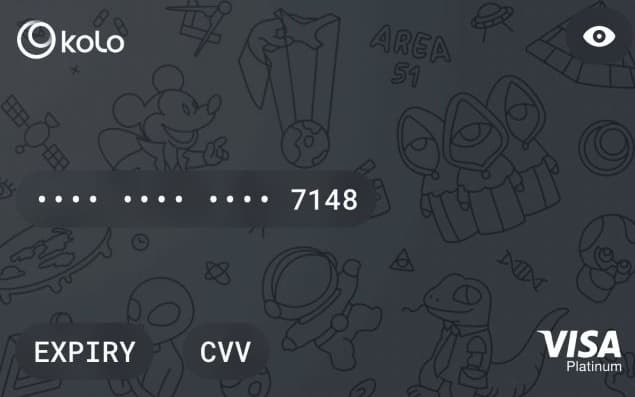
2. Kolo Card
Earn Bitcoin on Every Purchase: 5% BTC Cashback + Visa Platinum + 170+ Countries
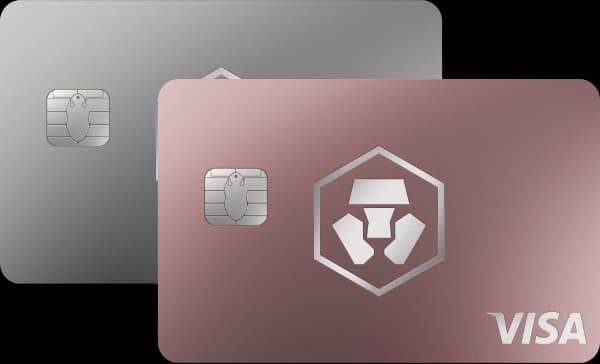
3. Private (Icy White / Rose Gold)
Elite Private Status: 4% Uncapped Cashback + Guests

4. RedotPay Solana Card
Solana Goes IRL: Spend SOL Directly at 130M+ Merchants

5. ether.fi Core Card
Zero Barriers: 3% Back on Every Purchase, No Stake Required
Crypto Card Regulation in Nepal
Nepal enforces one of the world's strictest anti-crypto regulatory regimes. The NRB (Nepal Rastra Bank, नेपाल राष्ट्र बैंक) is the sole monetary authority and has issued multiple directives banning all cryptocurrency-related activities.
The legal foundation rests on two pillars: the Foreign Exchange (Regulation) Act of 1962 (Bideshi Binimay Niyamit Ain 2019 BS) and the Nepal Rastra Bank Act of 2002 (NRB Ain 2058 BS). Together, these laws give the NRB sweeping authority over all cross-border financial flows and unauthorized monetary instruments.
The NRB's most recent notice expanded the prohibition beyond Bitcoin and Ethereum to include NFTs, decentralized finance (DeFi) activities, and all forms of virtual assets that may enable offshore investment or undermine national foreign exchange controls.
The Nepal Police Cyber Bureau and the Central Investigation Bureau (CIB) actively investigate crypto-related cases. CIB has conducted raids targeting P2P traders operating through Telegram groups, mining operations in Kathmandu Valley, and individuals promoting crypto investment schemes on social media.
Penalties are severe: imprisonment up to 3 years, fines up to 3 times the transaction amount, and confiscation of all related assets. The enforcement is not theoretical - over 50 arrests in 2024-25 included university students, IT professionals, and remittance shop operators. One high-profile case in 2024 involved a Pokhara-based group processing over NPR 200 million through P2P channels.
The NRB is developing a Central Bank Digital Currency (CBDC) targeted for pilot deployment by 2026-2027, but this explicitly excludes cryptocurrencies and stablecoins. The digital rupee would operate within the NRB's existing monetary framework. Nepal has shown no official intent to legalize cryptocurrency - the regulatory direction remains prohibition, not regulation. The Securities Board of Nepal (SEBON) has similarly declined to recognize crypto as a tradeable security.
However, there is a gap between enforcement and reality. Chainalysis data suggests over 593,000 Nepali users generating $21+ million in on-chain activity by 2025, a figure that almost certainly understates real volumes flowing through P2P channels and offshore exchanges. The Nepal Blockchain Society and private-sector advocates have lobbied for a regulatory framework, but the NRB has consistently rejected these proposals.
Tax Treatment of Card Rewards in Nepal
Despite banning crypto trading, Nepal does tax crypto gains if reported. The Income Tax Act 2058 BS (Aayakar Ain 2058) mandates that all forms of income, including cryptocurrency profits, are taxable under the Inland Revenue Department (IRD, Aantarik Rajaswa Bibhag, आन्तरिक राजस्व विभाग). Crypto-assets are treated as property/investment assets.
Capital gains tax is 5% for assets held over 12 months and 7.5% for assets held under 12 months for individuals. For entities, CGT is 10% on investment assets and 25% on ordinary business gains. Nepal's rates are actually among the lowest in South Asia - India charges 30%, Bangladesh 15%, Pakistan up to 35%.
Example - Nepali IT professional with offshore crypto (held 2 years): You acquired 0.05 BTC at NPR 150,000 and it appreciated to NPR 450,000. Spending NPR 450,000 via a crypto card triggers 5% CGT on the NPR 300,000 gain = NPR 15,000 in tax. That same transaction funded via USDC creates approximately zero taxable gain.
Example - Short-term holder (under 12 months): Same scenario but held only 6 months. The 7.5% rate applies: NPR 300,000 gain x 7.5% = NPR 22,500 in tax. The 50% rate difference incentivizes holding at least one year.
| Funding Method | Annual Spend (NPR 300K) | Cashback (2%) | Tax on Disposal | Net Annual Benefit |
|---|---|---|---|---|
| BTC (held 12+ months, 200% gain) | NPR 300,000 | NPR 6,000 | NPR 5,000 (5% on gain portion) | NPR 1,000 |
| BTC (held under 12 months) | NPR 300,000 | NPR 6,000 | NPR 7,500 (7.5%) | -NPR 1,500 |
| USDC (stablecoin) | NPR 300,000 | NPR 6,000 | approx. NPR 0 | NPR 6,000 |
USDC funding is overwhelmingly superior in Nepal. BTC funding with short-term holds actually produces a net loss after tax. Even long-term BTC holds barely break even after the 5% CGT. The fundamental legal paradox remains: the underlying crypto activity is prohibited, making formal tax compliance secondary to the legality question.
Capital losses on crypto can offset gains in the same year, with up to seven years of carry-forward. Nepali nationals working abroad should follow the tax rules of their country of residence - Gulf states generally impose zero income tax, South Korea has a 20% crypto CGT (deferred to 2027), and Japan taxes up to 55%.
How to Apply from Nepal
Nepali crypto card applications would require a Nagarikta (नागरिकता, Citizenship Certificate), the foundational identity document for all Nepali citizens issued by the District Administration Office (Jilla Prasasan Karyalaya).
Nepal is also rolling out a biometric Rastriya Parichay Patra (राष्ट्रिय परिचयपत्र, National Identity Card/NID), which became mandatory for opening bank accounts starting January 14, 2025. The NID is issued by the Department of National ID and Civil Registration to citizens aged 16+ who hold a citizenship certificate.
Alternative identification: Nepali passport (राहदानी, issued by the Department of Passports). Proof of address via utility bills from Nepal Electricity Authority (NEA, Bidyut Pradhikaran), Nepal Telecom, or bank statements from Nepal Bank, Rastriya Banijya Bank, Nabil Bank, NIC Asia Bank, or Machhapuchchhre Bank.
In practice, most offshore crypto card issuers may not accept Nepali citizenship certificates or NID cards for KYC verification. The acceptance rate depends on the issuer: KAST has the lightest prepaid onboarding path. RedotPay (HK-based) may accept Nepali passports.
Nepali nationals with foreign work permits - particularly Gulf state iqama/labor cards, Malaysian work permits, South Korean E-9 visas, or Japanese Specified Skilled Worker visas - have significantly higher approval rates with all issuers.
Physical cards cannot reliably ship to Nepali addresses due to customs and postal infrastructure challenges. Virtual cards for Apple Pay or Google Pay are the most practical option. Note that Apple Pay and Google Pay are not officially supported in Nepal, but virtual cards loaded to these wallets work at any NFC terminal worldwide - critical for the diaspora.
Spending Tips for Nepal
The Remittance Corridor Problem
Nepal is one of the most remittance-dependent economies in the world. Approximately $10.6 billion flowed in during 2024 (roughly 25% of GDP), with an estimated 4+ million Nepalis working abroad. The breakdown by corridor tells the spending story:
- Gulf states (Qatar, UAE, Saudi Arabia, Kuwait, Bahrain): 55-60% of total remittances. Workers earn $300-800/month. Western Union charges 5-8% ($15-40 per $500 transfer). Stablecoin transfers via crypto card reduce this to near zero.
- Malaysia: 15-20% of flows. Manufacturing, plantation, and construction workers earning RM 1,500-3,000/month ($320-650). IME charges 3-5%.
- South Korea: 8-10%. E-9 visa holders earning KRW 2.5-3.5M/month ($1,800-2,500). Korea's NPS (National Pension Service) refund on departure adds complexity. Himal Remit charges 2-3%.
- Japan: Growing corridor. Specified Skilled Worker and Technical Intern Training visas. Earning JPY 200,000-300,000/month ($1,300-2,000). SBI Remit charges 3-5%.
- India: Largest by volume but smallest per-transaction. Open border, NPR/INR peg at 1.6:1. Mostly informal hawala.
Even a 3% reduction in remittance costs across the Nepali corridor would save $318 million annually. A crypto card funded with USDC effectively provides zero-cost cross-border spending power.
Banking System Limitations
Nepal's banking system creates the friction that makes crypto cards compelling. The major banks - Nabil Bank (largest private, 100+ branches), NIC Asia (largest by deposits), Global IME Bank (largest branch network, 300+ branches), Machhapuchchhre Bank, and Sanima Bank - all offer Visa/Mastercard debit cards, but with significant limitations:
- FX markup: 2.5-4% above NRB mid-rate on all foreign currency transactions
- Annual fees: NPR 1,000-3,000 ($7-22)
- International spending limits: NPR 100,000-300,000 ($740-2,220) per year for individuals
- ATM withdrawal limits: $200-500/day internationally
- Processing delays: Cross-border settlements take 3-5 business days
The state-owned banks - Nepal Bank Limited and Rastriya Banijya Bank - offer even worse terms. A crypto card with 0% FX, instant settlement, and no spending caps provides a fundamentally different experience.
Card Selection for Nepalis Abroad
- KAST (2% cashback, free): Best prepaid route for Gulf state workers funding spending from remittances and work-permit documents.
- RedotPay (stablecoin-native, free virtual): Best for stablecoin-native users. HK-based issuer with genuine global coverage. The Solana variant is a stablecoin-native option with high limits.
- Kolo (5% BTC, $0, 0% FX): Highest free cashback. Capped at $5/txn and $200/mo.
- ether.fi (3%): Borrow-to-spend model. For Nepalis with accumulated ETH who want to maintain exposure while spending. No taxable disposal event.
- Ledger CL Card (1%): Self-custody hardware-backed spending with no exchange dependency.
- Crypto.com (Icy White 4%): For higher-earning diaspora (Japan, South Korea, Australia).
Break-Even Math for Nepali Workers Abroad
Tax depends on country of residence (Gulf states = 0%, South Korea = 20% deferred to 2027, Japan = up to 55%).
| Monthly Spend | KAST (2%, free) | Kolo (5% BTC, $200/mo cap) | RedotPay Solana (high limits, free) | ether.fi (3%, borrow) |
|---|---|---|---|---|
| $200 (Gulf worker) | $48/yr | $120/yr | $72/yr | $72/yr + keep ETH |
| $400 (Malaysia) | $96/yr | $240/yr | $144/yr | $144/yr + keep ETH |
| $800 (South Korea) | $192/yr | $480/yr | $288/yr | $288/yr + keep ETH |
| $1,500 (Japan/Australia) | $360/yr | $900/yr | $540/yr | $540/yr + keep ETH |
For a Gulf state worker spending $200/month, KAST delivers $48/year in a zero-tax jurisdiction - pure profit. Kolo at 5% delivers up to $120/year (capped at $200/mo) in a zero-tax jurisdiction.
Cost of Living by Diaspora Destination
Understanding where Nepalis actually live and spend determines the right card:
- Doha/Dubai ($800-1,500/month): Labor camps, shared accommodation. Spending: grocery (Lulu, Carrefour), remittance, phone credit (Ooredoo, du). Cash-heavy but card acceptance at malls (Villaggio, Mall of the Emirates). Zero income tax.
- Kuala Lumpur ($400-700/month): Factory/plantation areas. Spending: grocery (Tesco Lotus, Giant), food stalls, transport. Growing contactless adoption. Zero tax on foreign income.
- Seoul ($1,200-2,000/month): Factory towns (Ansan, Gimpo). Spending: convenience stores (CU, GS25), Korean grocery, transport (T-Money). Near-universal card acceptance. 20% crypto CGT from 2027.
- Tokyo/Osaka ($1,500-2,500/month): Factory, restaurant, and care worker roles. Japan has the best card infrastructure - IC card (Suica/Pasmo) and contactless everywhere. Up to 55% crypto tax.
- Kathmandu (NPR 25,000-50,000/month for diaspora visits): Bhatbhateni (35+ stores), Salesberry, Big Mart, City Center Mall, Civil Mall. Cash-dominant. Mastercard accepted at malls, hotels, and tourist restaurants in Thamel and Lazimpat.
NPR Depreciation and the Currency Hedge
We track Nepal-specific currency risk: the Nepali rupee is pegged to the Indian rupee at NPR 1.6 = INR 1, which means Nepal imports India's monetary conditions. Against the USD, the NPR has weakened from approximately 72/USD in 2014 to 135/USD in 2026 - an 88% decline.
Holding stablecoins (USDC/USDT) via a crypto card provides a direct hedge against further depreciation while maintaining instant spending capability. For Nepali workers sending money home, timing the USDC-to-NPR conversion can save 3-5% on the final amount versus locked-in Western Union rates.
Domestic Payment Infrastructure
Nepal's domestic payment infrastructure is increasingly digital despite the crypto ban. eSewa (20+ million users, Fonepay-backed) dominates digital wallets, handling everything from utility payments to QR-based retail transactions. Khalti (5+ million users) competes with eSewa in the urban market. IME Pay, ConnectIPS (bank-to-bank), and the Fonepay QR network are widely accepted. The NRB's interbank payment gateway processes real-time settlements.
Physical card acceptance: Visa and Mastercard work at hotels (Hyatt Regency, Marriott, Soaltee Crowne Plaza), larger restaurants (Thamel and Lazimpat dining), and shopping centers in Kathmandu (City Center, Civil Mall, Labim Mall, KL Tower), Pokhara (Lakeside merchants), and Chitwan (Bharatpur hotels).
Cash remains overwhelmingly dominant outside the Kathmandu Valley. Even within Kathmandu, cash accounts for an estimated 70%+ of retail transactions. Street markets (Asan Tole, Indra Chowk, New Road), local buses, and small shops are cash-only.
Supported Exchanges & Wallets in Nepal
No crypto exchanges operate legally in Nepal. The NRB has shut down every domestic attempt, and banks actively report suspected crypto transactions. That said, a thriving underground P2P ecosystem serves the market.
KAST is the quickest prepaid route for Nepalis abroad who are already moving money through USDT. The lighter onboarding path means a Gulf state worker can turn a work permit and stablecoin balance into live spending without first building around a larger exchange tier. The 2% cashback compounds into NPR 6,000-12,000/year ($44-88) at typical spending levels - small individually but meaningful in aggregate for a $300-800/month earner.
RedotPay operates out of Hong Kong with genuine global coverage. The Solana variant's stablecoin-native spending suits diaspora members who receive payments in USDC through freelancing platforms or P2P transfers. HK-based issuance means Nepali passports may be accepted where other issuers reject them - Hong Kong's APAC orientation helps.
Kolo delivers 5% BTC cashback with $0 annual fee and 0% FX. For Nepali workers spending $200-400/month, the $200/mo cap allows the full 5% rate to apply at lower spending levels. The $5/txn cap means transactions above $100 earn proportionally less.
Crypto.com appeals to higher-earning diaspora members in Japan, South Korea, or Australia. The Icy White tier (4%) adds lounge access, valuable for workers transiting through Tribhuvan International Airport (KTM) or Gulf hubs (Doha DOH, Dubai DXB).
ether.fi provides a borrow-to-spend model that avoids taxable disposal entirely. For the small but growing number of Nepali crypto holders who accumulated ETH during the 2020-2021 cycle, ether.fi lets them access liquidity while maintaining staking yield - a genuinely unique financial product.
Jupiter integrates with the Solana ecosystem for DeFi-native users. xPlace offers tiered rewards that scale with usage.
xPlace rounds out the options with a tiered rewards system (Standard through Platinum) that can reach up to 2% cashback for active users.
On-ramps for Nepalis abroad: Binance P2P is the most popular (NPR and USD pairs through Telegram groups), followed by local P2P networks in each diaspora country. In South Korea, Upbit and Bithumb serve as regulated on-ramps. In Japan, bitFlyer and Coincheck. Gulf state workers typically use Binance P2P with cash-in-person trades. The underground nature of these on-ramps means transaction sizes are small ($50-500) and trust-based.
Nepal's $10.6B remittance economy, 4M+ diaspora, and the enormous gap between traditional remittance costs (5-10%) and crypto transfer costs (near zero) create perhaps the strongest economic case for crypto payment rails of any country on Earth. The NRB's hardline prohibition prevents formal market development, but the diaspora audience is vast, underserved, and increasingly crypto-literate.
Written by SpendNode Editorial
Frequently Asked Questions
Is crypto legal in Nepal?
No. Nepal Rastra Bank (NRB) prohibits all cryptocurrency activities under the Foreign Exchange (Regulation) Act 1962 and NRB Act 2002. Penalties include up to 3 years imprisonment, fines up to 3x the transaction amount, and asset confiscation. Over 50 arrests were made in 2024-25.
How is crypto taxed in Nepal?
Despite the ban, the Income Tax Act 2058 taxes all income including crypto gains. Capital gains tax is 5% for assets held over 12 months and 7.5% for under 12 months. This creates a legal paradox where illegal activity is still taxable.
Which crypto cards work for Nepalis?
No crypto card issuer officially targets Nepal. Globally available cards like KAST and RedotPay list worldwide coverage but practical access from within Nepal is extremely limited. Nepali nationals working abroad (particularly in Gulf states, Malaysia, South Korea) face fewer barriers.
Can crypto cards help with remittances to Nepal?
Nepal receives approximately $10 billion annually in remittances (25% of GDP). Traditional channels charge 5-10% in fees. Stablecoin transfers via crypto cards theoretically reduce costs to near zero, but the ban prevents legal domestic use. The diaspora community is the primary audience.
Other Countries
View all 108 countries →


Recent Updates to Best Crypto Cards in Nepal
- COCA removed (not in availableCountries), replaced with Kolo throughout
- MetaMask Virtual removed from topCardSlugs (US/EEA/UK only)
- Crypto.com 5% corrected to Icy White 4%
- ether.fi Credit corrected to Debit
- KAST FX 0.5-1.75% corrected to 0.5%
- Break-even table rebuilt with Kolo