
Best Crypto Cards in Luxembourg (2026)
Luxembourg may be the strongest crypto-card market in Europe for patient holders: euro settlement, high spending power, and a six-month disposal rule that can erase capital-gains tax. This guide compares the cards that still make sense once reward taxation is handled honestly too.
Verified for Luxembourg
50 crypto cards available
Local currency: EUR
Luxembourg hosts one of the most concentrated financial ecosystems in the world. Over 120 banks operate in a country of 660,000 people, more banks per capita than anywhere else in Europe. Bitstamp, the world's longest-running crypto exchange, is headquartered in Luxembourg City with a full CSSF payment institution license.
PayPal holds its European banking license here. Amazon runs its EU operations from Luxembourg. This is not a country that discovered fintech recently. It is where European financial infrastructure lives.
We compared fees for Luxembourg residents across all EEA-licensed issuers - the defining advantage is the 6-month holding rule: hold any crypto asset for more than six months and capital gains are completely tax-free, regardless of the amount. No other major EU country offers this.
Combined with eurozone membership (zero FX on EUR spending), the highest average salaries in the EU, and near-universal contactless acceptance, Luxembourg may be the single best country in Europe for maximizing crypto card returns.
| Card | Max Rewards | Annual Fee | FX Fee | Card Type | Why It Fits Luxembourg |
|---|---|---|---|---|---|
| Bitget | 8% BGB | Free | 0% + 0.9% tx | Debit | BGB staking tiers, exchange-linked |
| Plutus | 9% | GBP 6.99-19.99/mo | 2.5% | Debit | Domestic perk optimizer, subscription rebates |
| Gnosis Pay | 1-4% GNO (5% w/ OG NFT) | Free | 0% | Debit | Self-custody Visa, on-chain |
| Crypto.com | Icy 4% | CRO stake | 0% | Prepaid | CRO ecosystem, Findel Airport lounge access |
| ether.fi | 3% | $0 | 1% | Credit | Borrow-to-spend, preserves 6-month rule |
| Bitpanda | 1% | Free | 0% | Debit | Austrian-based, 600+ assets, simplest setup |
Bitget offers the highest raw rewards rate for Luxembourg residents willing to stake exchange tokens. Plutus reaches 9% with subscription rebates (1-3 perks), though the GBP 240/year cost and GBP 1,000/month eligible spend cap (Premium plan) limit its advantage over free alternatives. ether.fi deserves special attention here: its borrow-to-spend model lets you access liquidity without selling crypto, keeping your holdings on the 6-month clock ticking toward the tax-free threshold.
Best Card For Every Need in Luxembourg
Top 6 Crypto Cards in Luxembourg
Luxembourg's 6-month holding rule - 0% tax after six months versus up to 45.7% within - is the single most powerful tax optimization in the EU and shapes every recommendation. Bitget at 8% (7.1% net after the 0.9% transaction fee) makes the most of this rule: spend 7-month-old crypto and the disposal gain is untaxed. Rewards received in crypto still need separate treatment at receipt.
ether.fi is the most strategically important card here because borrow-to-spend preserves the 6-month clock - for large holders, resetting the clock by selling could trigger a 45.7% bill. Bitpanda, based in neighboring Vienna, fits Luxembourg's DACH-influenced market as the simplest low-fee entry point. At Luxembourg's EU-highest salary levels, even moderate cashback rates translate into significant annual returns.

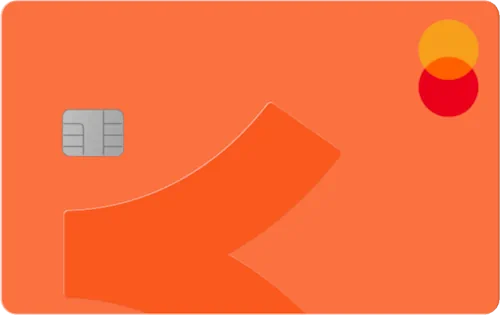
1. ether.fi Core Card
Zero Barriers: 3% Back on Every Purchase, No Stake Required
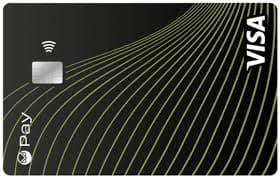
2. Gnosis Pay Card
Your Keys, Your Card, Your Money
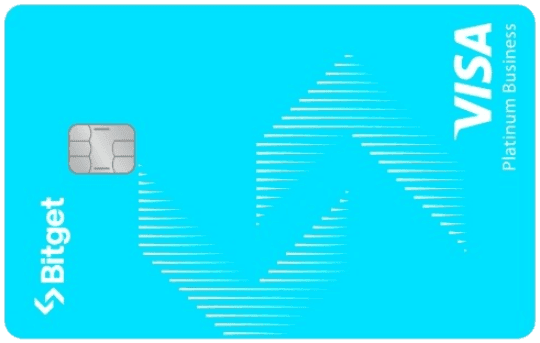
3. Bitget Card
Trade and Spend: Up to 8% BGB Cashback for Bitget Traders
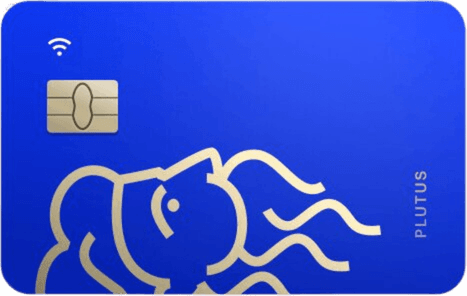
4. Plutus Visa Card
Non-Custodial PLU Rewards on Eligible Spend + Lifestyle Perks
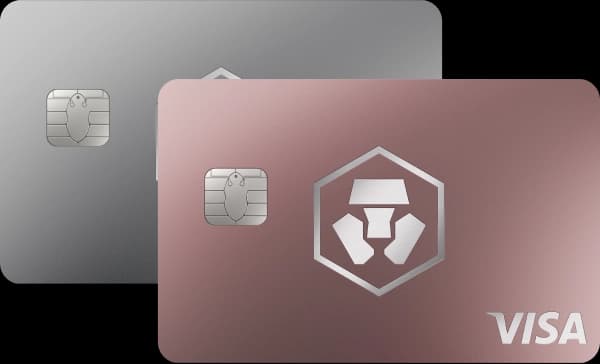
5. Private (Icy White / Rose Gold)
Elite Private Status: 4% Uncapped Cashback + Guests
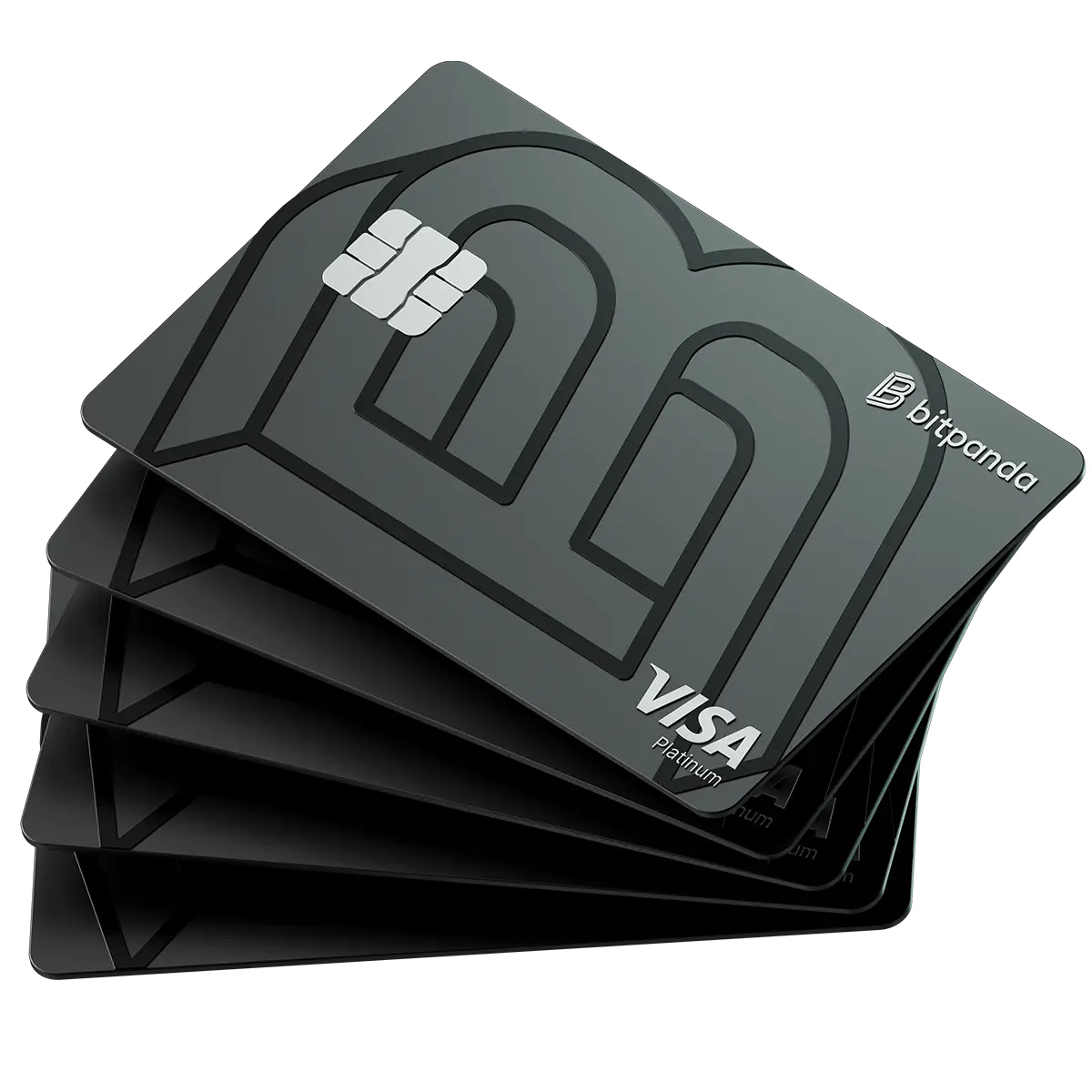
6. Bitpanda Visa Platinum Card
The EU Crypto Spending Card - 1% Back, Zero Fees
Crypto Card Regulation in Luxembourg
Luxembourg's crypto regulatory framework is built on the Commission de Surveillance du Secteur Financier (CSSF), one of Europe's most established financial regulators. The CSSF oversees over 120 banks, 3,500+ investment funds, and the entire financial services sector from its headquarters on Route d'Arlon. Its institutional depth is unmatched among smaller EU states.
The Luxembourg Parliament adopted the MiCA implementation law on January 22, 2025, formally designating the CSSF as the national MiCA authority responsible for licensing, supervising, and enforcing rules on all crypto-asset service providers (CASPs).
This was not a stretch for the CSSF, which had already been supervising VASPs under the 2004 Law on the Financial Sector (as amended in 2020 to add crypto provisions). Luxembourg's VASP registration regime, operational since March 2020, required AML/CFT compliance, fit-and-proper management, and minimum capital before MiCA even existed.
Under MiCA transition rules, Luxembourg applies an 18-month grandfathering period. Existing registered VASPs may continue operating until July 1, 2026, provided they submitted a CASP license application by December 30, 2024. New entrants must apply for full CASP authorization directly.
The CSSF authorization process requires four pillars: a Program of Activities detailing all services, Governance with fit-and-proper directors, Technical and Operational Resilience compliant with DORA (Digital Operational Resilience Act), and Prudential Resources (EUR 50,000 to EUR 150,000 depending on service scope).
Luxembourg's 2025 national risk assessment classified the crypto sector as "high risk" for AML/CFT purposes, triggering enhanced due diligence requirements for all CASPs. Despite this classification, Luxembourg continues attracting crypto firms because the CSSF's process, while thorough, is predictable.
Bitstamp chose Luxembourg for its EU headquarters specifically because of this regulatory credibility. The CSSF's track record supervising UCITS funds (EUR 5+ trillion in assets under management, largest fund domicile in the EU after the US globally) means it understands complex financial products at a level most national regulators simply do not.
All EEA-licensed crypto card issuers operate in Luxembourg under MiCA passporting rights. Bitstamp holds a full CSSF payment institution license. Crypto.com, Plutus, Wirex, Gnosis Pay, Bitpanda, and Ready all passport their EEA licenses into Luxembourg without additional local authorization.
Tax Treatment of Card Rewards in Luxembourg
Luxembourg's crypto tax framework is the most favorable for long-term holders anywhere in the EU. There is no dedicated capital gains tax. Instead, gains from crypto disposals fall under the income tax framework, governed by Circular L.I.R. n 14/5 issued July 26, 2018 by the Administration des contributions directes (ACD).
The 6-month rule: Hold any crypto asset for more than six months before disposing of it and the capital gain is completely tax-free for individuals. No cap on the gain amount. No annual limit. No reporting threshold. Six months and one day of holding turns any gain, whether EUR 100 or EUR 100,000, into zero tax liability.
If you dispose of crypto within six months of acquisition, the gain is classified as speculative income (benefice de speculation) under Article 99bis L.I.R. A EUR 500 annual exemption applies to combined speculative gains. If total speculative gains exceed EUR 500, the entire amount becomes taxable (this is a cliff, not a deduction) at your marginal income tax rate, which ranges from 0% to 42%. Add the 7% solidarity surcharge (Zuschlag) and 1.4% employment fund contribution, and the effective maximum rate on short-term gains reaches approximately 45.7%.
| Scenario | Holding Period | Gain | Tax Treatment | Estimated Tax |
|---|---|---|---|---|
| ETH bought Jan, spent Aug | 7 months | EUR 2,000 | Tax-free (6-month rule) | EUR 0 |
| BTC bought Jan, spent Apr | 3 months | EUR 400 | Under EUR 500 exemption | EUR 0 |
| BTC bought Jan, spent Apr | 3 months | EUR 600 | Full amount taxable (cliff) | EUR 180-274 |
| USDC bought, spent same month | Same week | EUR 5 | Negligible gain, under exemption | EUR 0 |
| Staking rewards received | N/A | EUR 1,000 | Miscellaneous income, marginal rate | EUR 300-457 |
Staking rewards and rewards received in crypto are treated as miscellaneous income (revenus divers) at the moment of receipt, taxed at your marginal rate. When you later spend or sell that crypto, the clock starts from the receipt date. If you hold the cashback tokens for 6+ months before spending them, any additional gain above the receipt value is tax-free.
Worked example - the two-wallet strategy: A Luxembourg professional earning EUR 85,000/year (roughly the median professional salary) acquires EUR 5,000 in ETH in January. She loads a second wallet with EUR 500/month in USDC for immediate card spending. By August, the ETH has appreciated to EUR 7,000. She moves the ETH to her crypto card and spends it over the next four months.
The EUR 2,000 gain is completely tax-free because she held for 7+ months. Meanwhile, the USDC spending generated near-zero gains throughout the year, keeping her well under the EUR 500 speculative exemption. The disposal side of the card spend can therefore be tax-free, while any crypto-denominated rewards still need separate treatment at receipt.
DAC8 reporting from 2026: On July 24, 2025, the Luxembourg government introduced draft law n°8592 to transpose the EU DAC8 directive. Starting January 1, 2026, crypto-asset service providers must report customer transaction data to Luxembourg tax authorities. The first information exchange between EU member states covers the 2026 calendar year, with data shared in September 2027. This means the ACD will have direct visibility into your exchange activity starting 2026.
Compared to neighbors: France taxes all crypto gains at 30% flat (PFU). Germany offers a 1-year holding exemption (vs Luxembourg's 6 months). Belgium's situation remains legally ambiguous. Luxembourg's 6-month rule is shorter than Germany's, clearer than Belgium's, and cheaper than France's.
How to Apply from Luxembourg
Luxembourg crypto card applications require a Carte d'identite luxembourgeoise (National Identity Card) or Passeport luxembourgeois (Luxembourg passport), both issued by the Service des Passeports, Visas et Legitimations at the Ministry of Foreign and European Affairs.
Nearly 48% of Luxembourg's population holds a non-Luxembourgish nationality, so in practice most applicants use a national ID from another EU/EEA country. Non-EU nationals present their Titre de sejour (residence permit) issued by the Direction de l'immigration.
Proof of address is verified through utility bills from Creos Luxembourg (electricity/gas network operator), POST Luxembourg (telecommunications and postal services), or Enovos (energy supplier). Bank statements from BGL BNP Paribas, Banque de Luxembourg, Spuerkeess (BCEE), ING Luxembourg, or Banque Raiffeisen are also accepted. Luxembourg's national identification number, the Matricule (13 digits, format: YYYYMMDDXXXCC), is assigned to all residents at registration with the commune and may be required for higher-tier verification on some platforms.
EEA-licensed issuers (Crypto.com, Plutus, Wirex, Gnosis Pay, Bitpanda, Ready) readily process Luxembourg documents. Verification is typically instant to 24 hours. Physical cards ship domestically without customs delays.
The 200,000+ cross-border commuters from France, Belgium, and Germany present unique documentation: they may have a French home address but a Luxembourg work address. Most EEA issuers accept the residential address regardless of country, since all three neighboring countries are also in the EEA.
Spending Tips for Luxembourg
The 6-Month Rule Changes Everything
In most EU countries, the primary crypto card strategy is "fund with stablecoins to minimize tax." In Luxembourg, the strategy is fundamentally different: fund with appreciated crypto, as long as you have held it for 6+ months. This means BTC, ETH, or any other asset that has gained value becomes the optimal funding source once it crosses the 6-month mark, because the entire gain is tax-free. Stablecoins remain the backup for spending needs within the first 6 months of acquisition, but they are not the default.
This creates a natural two-phase funding cycle. Phase 1 (months 1-6): spend from USDC or other stablecoins loaded onto your card, keeping speculative gains under the EUR 500 annual exemption. Phase 2 (month 7 onward): switch to spending appreciated crypto assets through your card. The disposition triggers zero capital gains tax. Your cashback rewards start a new 6-month clock of their own.
Card Selection for Luxembourg
- Plutus (up to 9%): Best for professionals who already pay for Netflix, Spotify, Amazon Prime, and other subscriptions. The rebate perks at paid tiers offset costs you already have. UK-based with EEA passporting, fees in GBP.
- Gnosis Pay (1-4% GNO, up to 5% with OG NFT): The self-custody option for Luxembourg's DeFi community. Spend directly from your Safe wallet. No intermediary holds your funds.
- ether.fi (3%): The most strategically important card in Luxembourg for large holders. Borrow against staked ETH without selling, so your 6-month clock never resets. You keep earning staking yield while spending. For someone with significant ETH holdings past the 6-month mark, this avoids ever triggering the speculative income rules on new purchases.
- Crypto.com (Icy White 4%): CRO staking tiers plus crypto cards with lounge access at Luxembourg Findel Airport. Icy White and above include LoungeKey Select, useful for frequent travelers departing from Findel.
- Bitpanda (1%): The no-effort option. Zero annual fee, zero FX, 1% back on everything, 600+ assets. Austrian-based, EEA-native, familiar to the DACH-influenced Luxembourg market.
Gnosis Pay vs Plutus vs Bitget at Luxembourg Spending Levels
Luxembourg has the highest average salaries in the EU. A monthly card spend of EUR 2,000-4,000 is realistic for a professional household. All three cards charge 0% FX in the eurozone.
| Monthly Spend | Gnosis Pay (4% at 100+ GNO, free) | Plutus (3%, GBP 6.99/mo, capped) | Bitget (7.1% net, free) |
|---|---|---|---|
| EUR 1,500 | EUR 720/yr | EUR 7/yr (GBP 250 cap) + rebates | EUR 1,278/yr |
| EUR 2,500 | EUR 1,200/yr | EUR 7/yr (capped) + rebates | EUR 2,130/yr |
| EUR 4,000 | EUR 1,920/yr | EUR 7/yr (capped) + rebates | EUR 3,408/yr |
At EUR 2,500/month, Bitget returns EUR 2,130/year in cashback (7.1% net), while Gnosis Pay at the 4% tier (100+ GNO held) returns EUR 1,200/year with zero fees and self-custody. If rewards are held for 6+ months, only the additional appreciation above receipt value becomes tax-free; the receipt itself still needs separate income treatment. Plutus's raw cashback is lower and capped, but the subscription rebates (potentially EUR 600-1,200/year at premium tiers for Netflix, Spotify, Amazon Prime, Disney+, Curve) narrow the gap substantially.
Spending Scenario: EUR 2,000/month Luxembourg Professional Household
| Funding Method | Annual Spend | Cashback (4% Gnosis) | Tax on Gains | Tax on Cashback | Net Return |
|---|---|---|---|---|---|
| ETH held 7 months (appreciated 40%) | EUR 24,000 | EUR 960 | EUR 0 | Tax still depends on reward treatment at receipt | Positive |
| ETH held 3 months (appreciated 40%) | EUR 24,000 | EUR 960 | Up to EUR 3,134 | Tax still depends on reward treatment at receipt | Negative |
| USDC (immediate) | EUR 24,000 | EUR 960 | approx. EUR 0 | Tax still depends on reward treatment at receipt | Positive |
We mapped Luxembourg's two-phase funding approach: the middle row illustrates why the 6-month rule matters so much. Selling appreciated ETH within 6 months at Luxembourg's effective top rate of 45.7% on a 40% gain (EUR 6,857 gain on EUR 24,000 spent from a EUR 17,143 cost basis) could cost EUR 3,134 in tax, dwarfing the EUR 1,200 cashback. Patience is not optional here, it is the entire strategy.
Local Payment Infrastructure
Luxembourg has near-universal contactless acceptance. Luxembourg City covers the main spending surface: Cactus supermarkets (Luxembourg's largest domestic grocery chain, 10+ locations), Auchan (Kirchberg and Cloche d'Or hypermarkets), Delhaize, and Match for groceries.
The Royal-Hamilius shopping center in the city center, the Cloche d'Or commercial district in the south, and the Kirchberg Plateau (home to EU institutions, the European Court of Justice, the European Investment Bank, and major bank headquarters) all have excellent POS coverage.
Digicash, Luxembourg's homegrown mobile payment app backed by six domestic banks (Spuerkeess, BGL BNP Paribas, Banque Raiffeisen, POST Finance, BIL, and ING Luxembourg), handles P2P transfers, parking meters, and some merchant payments. It does not compete with crypto cards for daily spending but complements them for small Luxembourg-specific transactions like parking in Ville Haute or paying at outdoor markets.
Public transit across Luxembourg has been completely free since March 2020 (buses, trams, and trains within the country), so there is no transit spending to optimize. Cross-border trains to Metz, Brussels, or Trier require tickets, and these can be purchased with contactless cards at CFL stations.
Cross-Border Spending
Over 200,000 workers commute into Luxembourg daily, roughly 47% of the domestic workforce. This flow also works in reverse: Luxembourg residents frequently cross into France (Metz, Thionville for cheaper groceries and fuel), Belgium (Arlon, Bastogne), and Germany (Trier, Saarbrucken for electronics and household goods). All four countries use the euro (or in Germany's case, use the euro), so no FX fee cards provide zero-cost spending across all borders.
The savings come from price arbitrage rather than FX: groceries in French hypermarkets (Leclerc, Carrefour in Thionville) can be 15-25% cheaper than Cactus or Auchan in Luxembourg. Using a 4% cashback card on a EUR 200 weekly French grocery run yields EUR 416/year in rewards with zero FX cost. Luxembourg residents who shop cross-border are effectively stacking cashback on top of already-cheaper prices.
Online Shopping and Subscriptions
Amazon Luxembourg (amazon.lu, launched 2023) charges in EUR. Most Luxembourg residents also use Amazon.de, Amazon.fr, or Amazon.be depending on language preference. SaaS subscriptions billed in USD (ChatGPT, GitHub, Notion, Figma) benefit from 0% FX cards. Luxembourg's multilingual market means residents commonly shop across .lu, .fr, .de, and .be domains, all EUR-denominated, all zero-FX.
Supported Exchanges & Wallets in Luxembourg
Luxembourg's position as Europe's financial infrastructure hub shapes its crypto card market differently than any other EEA country. Where most European countries import crypto services from abroad, Luxembourg exports them.
Bitstamp, the world's longest-running crypto exchange (founded 2011), has its EU legal entity and payment institution license in Luxembourg. It does not currently offer a consumer card, but its CSSF-licensed infrastructure provides the EUR banking rails that other card issuers rely on.
PayPal, which holds a Luxembourg banking license (since 2007, under the name PayPal Europe S.a r.l. et Cie, S.C.A.), processes crypto buy/sell/hold transactions for its European users through its Luxembourg entity.
Among exchange-linked card issuers, Bitget provides up to 8% BGB cashback through its exchange-linked Visa debit, with a separate Bitget Wallet Card for self-custody users. Crypto.com remains the most recognized brand with its CRO staking tiers and metal card designs. Gate.io and KuCoin round out the exchange options, with Gate offering the Classic card and KuCoin its KuCard Visa.
EEA-native issuers have a natural fit here. Plutus is UK-headquartered with EEA operations, offering up to 9% PLU cashback with subscription rebates that match Luxembourg's high-subscription professional lifestyle. Bitpanda operates from neighboring Austria, making it culturally familiar to Luxembourg's German-speaking population.
Gnosis Pay provides the purest self-custody Visa in the market, spending directly from an on-chain Safe wallet. Ready (formerly Argent) offers self-custody Mastercard on Starknet with up to 3% STRK cashback, an option that appeals to Luxembourg's growing DeFi community.
For holders with significant crypto positions past the 6-month mark, ether.fi and Nexo solve a specific problem: accessing liquidity without resetting the holding period clock. Borrow against staked ETH or a diversified portfolio, spend via card, and your underlying assets continue aging toward (or beyond) the 6-month tax-free threshold.
In a country where the difference between 5 months and 7 months of holding can mean 0% vs 45.7% tax, this is not a niche use case, it is core strategy.
Wirex provides multi-currency flexibility, but the practical free-tier rate is 0.5% rather than the marketed 8% Elite ceiling. KAST provides 2% rewards points with 0.5% FX and fast KYC (2 min), though Luxembourg's strong identity infrastructure means most residents qualify for full KYC without difficulty.
MetaMask and Ledger serve the browser wallet and hardware wallet segments respectively, with the Ledger CL Card offering direct spending from a hardware-secured wallet.
Luxembourg is where the financial infrastructure behind many crypto cards is built. Bitstamp's CSSF license, PayPal's banking charter, Amazon's European payment processing, and 200+ fintech firms all operate from here. Luxembourg residents benefit from the regulatory maturity this concentration creates.
Written by SpendNode Editorial
Frequently Asked Questions
Is cryptocurrency legal in Luxembourg?
Yes. Luxembourg fully implements the EU MiCA framework. The CSSF (Commission de Surveillance du Secteur Financier) was formally designated as the MiCA authority by the Law of 6 February 2025. DAC8 crypto reporting takes effect January 1, 2026.
Are crypto capital gains taxed in Luxembourg?
If you hold crypto for more than 6 months, capital gains are completely tax-free for individuals. Speculative gains (sold within 6 months, profit above EUR 500) are taxed at your marginal income tax rate, up to 42% plus 7% solidarity surcharge (approx. 45.7% effective). This makes Luxembourg one of the most tax-friendly EU countries for long-term crypto holders.
Which crypto cards work in Luxembourg?
As an EEA member using the euro, Luxembourg has excellent access to crypto cards. Crypto.com, Wirex, Plutus, Gnosis Pay, Bitpanda, and other EEA-licensed issuers serve Luxembourg. Bitstamp is headquartered here.
Why do so many fintech companies choose Luxembourg?
Luxembourg hosts 200+ fintechs including PayPal (EU banking license since 2007), Amazon, Bitstamp, and Rakuten. The CSSF offers a respected regulatory framework, EU passporting rights, political stability, and a multilingual workforce (French, German, Luxembourgish, English).
Other Countries
View all 108 countries →


Recent Updates to Best Crypto Cards in Luxembourg
- Fixed the tax narrative so six-month disposal gains and crypto reward taxation are no longer conflated
- Reworked Gnosis Pay framing and comparison math to match the actual tier structure instead of a flat 5% assumption
- ether.fi FX corrected from 0% to 1%, card type Credit to Debit
- Crypto.com generic 5% corrected to Icy White 4%, topCardSlugs updated
- Gnosis Pay break-even and scenario tables recalculated at 5% (was 4%)
- KAST corrected from up to 12% to 2% $MOVE with 0.5% FX
- Added DAC8 reporting paragraph: draft law n 8592, effective Jan 1 2026, first exchange Sep 2027
- FAQ updated with CSSF Law of 6 February 2025 date and 45.7% effective speculative rate