


Best Crypto Cards in Latvia (2026)
Latvia is becoming a serious MiCA licensing market, but the user-side card math still comes down to tax drag, stablecoin funding, and which reward tiers are actually realistic. This guide compares the cards that still work after the real numbers are applied.

Verified for Latvia
50 crypto cards available
Local currency: EUR
Swedbank Latvia charges EUR 1.50-2.50/month for a standard debit card with zero cashback and a 1.5-2% FX markup on every non-EUR transaction. SEB banka and Citadele are similar: functional online banking, reasonable security, but zero rewards on spending.
If you hold a Swedbank Maestro card in Riga and use it for groceries at Rimi, you earn nothing. A crypto card on the same groceries returns 3-8% cashback with zero additional fees. Over a year of Latvian spending, that difference compounds into hundreds of euros of recovered purchasing power.
Latvia joined the eurozone in 2014, which means every EUR-denominated crypto card works at face value on domestic purchases. No spread, no markup, no hidden FX. This is a structural advantage shared with Estonia and Lithuania in the Baltic trio.
Unlike the other two, Latvia is positioning itself as the EU's most cost-effective MiCA licensing jurisdiction, with supervisory fees capped at 0.6% of annual gross revenues and a target of 3-month licensing turnaround.
In December 2025, Latvijas Banka issued the country's first two MiCA CASP licenses (BlockBen and Nexdesk), signaling that Latvia is open for crypto business.
Per our 2026 Latvia update, the practical benefit for Latvian residents is that the same EEA-licensed card issuers available in Paris or Berlin serve Riga with identical terms. The tax rate is 25.5% PIT on crypto gains, which is mid-range for the EU but has a valuable transitional rate of 20% for positions opened before the end of 2024.
| Card | Max Rewards | Annual Fee | FX Fee | Type | Best For |
|---|---|---|---|---|---|
| Bitget | 8% | $0 | 0% + 0.9% tx | Debit | Highest raw cashback (BGB staking) |
| Plutus | 9% | GBP 6.99-19.99/mo | 2.5% | Debit | Domestic EUR perk optimizer (2.5% FX on non-EUR) |
| Gnosis Pay | 1-5% | $0 | 0% | Debit | Self-custody on Gnosis Chain (1% base, up to 5% with 100+ GNO + OG NFT) |
| Crypto.com | Icy 4% | $50,000 CRO stake | 0% | Prepaid | Metal tiers with CRO staking |
| ether.fi | 3% | $0 | 1% | Credit | Borrow against staked ETH (tax deferral) |
| KAST | 2% points | $0 | 0.5% | Prepaid | Quick prepaid route for smaller EUR balances (points, not cashback) |
| Ready | 0.5-3% | $0-$120/yr | 0-1% | Debit | Self-custody on Starknet |
Bitget delivers the highest net cashback (7.1% after the 0.9% transaction fee) for BGB stakers.
Plutus is the perk optimizer for domestic EUR spending: PLU rebates on Netflix, Spotify, and Amazon Prime add value on top of 3-9% base cashback, but plans now start at GBP 6.99/month (Starter), the Premium tier costs GBP 19.99/month (GBP 240/year), eligible spend is capped at GBP 250-1,000/month depending on plan, and a 2.5% non-domestic FX fee applies to non-EUR transactions.
Gnosis Pay provides 1% base (up to 5% with 100+ GNO held + OG NFT) with self-custody, and ether.fi (1% FX) defers the 25.5% PIT by letting you borrow against staked ETH instead of selling.
Best Card For Every Need in Latvia
Top 6 Crypto Cards in Latvia
Latvia's 25.5% PIT on crypto gains makes tax management the dominant factor in card selection. Bitget leads on raw yield (7.1% net), but ether.fi earns the #3 spot because borrow-to-spend at 25.5% saves EUR 1,275 on every EUR 5,000 of deferred gains - making it one of the most tax-impactful cards in the Baltics.
Gnosis Pay has a direct Baltic connection: its EMI license is held through a Lithuanian entity, making it the most "local" self-custody option. KAST remains the quick prepaid route for Latvians who want smaller EUR balances live before taking on exchange tiers or staking structures. At Latvia's affordable cost of living, even moderate cashback translates into meaningful purchasing power.
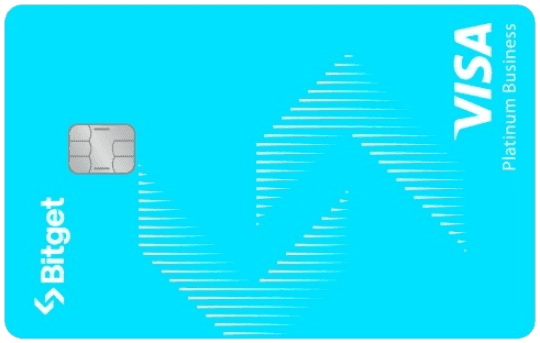
1. Bitget Card
Trade and Spend: Up to 8% BGB Cashback for Bitget Traders

2. ether.fi Core Card
Zero Barriers: 3% Back on Every Purchase, No Stake Required
3. Gnosis Pay Card
Your Keys, Your Card, Your Money

4. Plutus Visa Card
Non-Custodial PLU Rewards on Eligible Spend + Lifestyle Perks
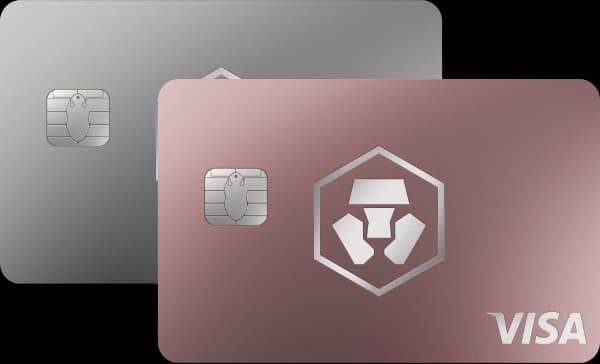
5. Private (Icy White / Rose Gold)
Elite Private Status: 4% Uncapped Cashback + Guests
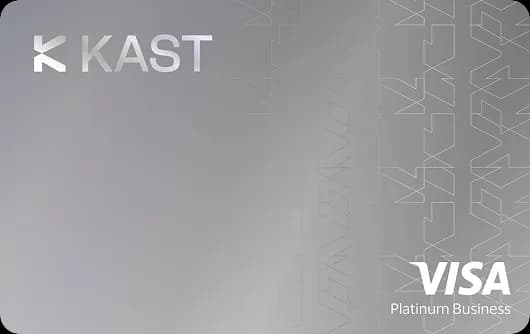
6. KAST K Card
Early Adopter Access: 2% Points + 4% $MOVE on Every Swipe
Crypto Card Regulation in Latvia
Latvijas Banka: From Consolidation to MiCA Pioneer
Latvia's financial regulatory structure underwent a major consolidation in January 2023 when the Financial and Capital Market Commission (FKTK, Finansu un kapitala tirgus komisija) was merged into Latvijas Banka (the central bank). This created a single institution responsible for all financial supervision: banking, insurance, securities, payments, and crypto-asset services.
The merger was modeled on similar consolidations in Finland and Ireland, designed to eliminate regulatory gaps and improve supervisory efficiency.
Under MiCA, Latvijas Banka is the designated competent authority for CASP licensing in Latvia. The institution has been unusually proactive, publishing detailed pre-licensing consultation materials and positioning Latvia as a fast, affordable licensing destination. On December 3, 2025, BlockBen received Latvia's first MiCA CASP license, followed by Nexdesk on December 10. Both licenses enable EU-wide passporting, meaning these Latvian-licensed firms can serve all 30 EEA member states from Riga.
Latvia's Financial Technology Strategy 2025-2027 explicitly targets crypto firms with three competitive advantages: supervisory fees capped at 0.6% of annual gross revenues (among the lowest in the EU), a target of 3-month licensing turnaround (compared to 6-12 months in Germany or France), and pre-licensing consultations where Latvijas Banka staff help applicants work through requirements before formal submission.
The strategy has produced measurable results: a 38% year-over-year increase in registered crypto firms, with over 72% of CASP applicants being foreign-owned companies using Latvia as their EU gateway.
For crypto card users, the regulatory picture is straightforward: all major EEA-licensed issuers serve Latvia through MiCA passporting. Gnosis Pay operates under a Lithuanian EMI license, Plutus under UK/EU authorizations, and exchange cards from Crypto.com use EEA-licensed third-party issuers. Bitpanda holds its Austrian license.
Latvia is establishing itself as the EU's most cost-effective MiCA licensing jurisdiction. For users, this means increasing choice as more card issuers establish EU operations through Latvian licenses.
Tax Treatment of Card Rewards in Latvia
25.5% PIT with Transitional Rate Complexity
Latvia taxes crypto gains under the Personal Income Tax (IIN, iedzivotaju ienakuma nodoklis) framework at a standard rate of 25.5% for capital income. The VID (Valsts ienemumu dienests, State Revenue Service) administers all tax collection. Every disposal of cryptocurrency, including spending through a card, is a taxable event.
The 20% Transitional Rate
A critical detail for early adopters: gains from crypto positions opened before December 31, 2024 may qualify for a 20% transitional rate (reduced from 25.5%) provided the taxpayer submitted a notification to VID by the 2024 deadline. If you opened your BTC or ETH positions before 2025 and filed the notification, you benefit from a 5.5-percentage-point saving on every disposal from those positions.
The EUR 200,000 Surcharge
From 2025, an additional 3% PIT surcharge applies to the portion of an individual's total annual income exceeding EUR 200,000. This pushes the effective rate to 28.5% for high earners. The surcharge covers all income sources combined, not just crypto. Non-residents receiving capital gains from publicly traded crypto-assets are exempt from this surcharge through 2027, as part of Latvia's strategy to attract foreign CASP operations.
Worked Tax Examples
Example 1: Standard rate, BTC spending. You acquired BTC at EUR 2,000. It appreciates to EUR 6,000. You spend EUR 600 through your card. Portion sold = 10%. Cost basis for that portion = EUR 200. Gain = EUR 400. Tax at 25.5% = EUR 102. Your EUR 600 purchase cost EUR 702.
Example 2: Transitional rate. Same facts, but you opened the BTC position in 2023 and filed the VID notification. Tax at 20% = EUR 80. Saving vs standard rate: EUR 22 per EUR 400 gain.
Example 3: USDC spending (optimal). Same EUR 600 spend, funded with USDC. Gain = EUR 0. Tax = EUR 0. Cost = exactly EUR 600.
Example 4: High earner hitting the surcharge. Your total annual income (salary + crypto gains) exceeds EUR 200,000. The crypto gains above the threshold are taxed at 25.5% + 3% = 28.5%. On EUR 10,000 of crypto gains above the threshold: EUR 2,850 tax instead of EUR 2,550. The extra EUR 300 makes stablecoin funding and borrow-to-spend even more critical.
Example 5: Borrow-to-spend. You hold 5 ETH worth EUR 15,000 (acquired at EUR 5,000). Instead of selling, you borrow EUR 2,000 via ether.fi and spend through the card. No disposal = no tax. At 25.5%, deferring EUR 2,000 of gains saves EUR 510 per year. At the transitional 20%, it saves EUR 400.
| Funding Method | Standard Rate | Transitional Rate | Surcharge Rate |
|---|---|---|---|
| USDC/USDT (stablecoin) | 0% | 0% | 0% |
| BTC/ETH (appreciated) | 25.5% on gains | 20% on gains | 28.5% on gains |
| Cashback received | 25.5% on value | 25.5% on value | 28.5% if over EUR 200K total |
| Borrow-to-spend | 0% (deferred) | 0% (deferred) | 0% (deferred) |
Report all crypto disposals to VID in the annual income declaration (gada ienakumu deklaracija). Filing deadline: June 1 of the following year. VID is receiving exchange data through DAC8 and EU information sharing starting 2026. If you qualified for the 20% transitional rate, confirm the notification was filed by the 2024 deadline.
How to Apply from Latvia
KYC: Latvian Digital Identity
Latvian crypto card applications require a personas aplieciba (Latvian national identity card) or Latvijas Republikas pase (Latvian passport). Latvia issues both physical and electronic ID cards (eID) with digital signature capability through the eParaksts system. The eID card contains a cryptographic chip for authentication and is accepted by most EEA-licensed card issuers for remote verification.
The personas kods (personal identity code, 11 digits, format DDMMYY-XXXXX) is Latvia's primary identifier for all financial services. EU/EEA citizens residing in Latvia can use their national ID under eIDAS mutual recognition. Non-EU residents need a uztureshanas atluja (residence permit) plus passport.
Proof of address: utility bills from Latvenergo (electricity), Latvijas Gaze (gas), Rigas Udens (water in Riga), or Tet (telecommunications), or bank statements from Swedbank, SEB banka, or Citadele banka. Latvia's eParaksts digital signature system enables remote KYC verification, accelerating onboarding with issuers that support electronic identity verification.
Physical cards ship to Latvian addresses within 7-14 business days via Latvijas Pasts (national postal service). Virtual cards activate immediately and can be added to Apple Pay or Google Pay, both widely supported through Swedbank, SEB, and Citadele.
Spending Tips for Latvia
EUR Settlement + Affordable Living = High Purchasing Power from Cashback
Latvia's spending optimization combines two advantages: eurozone membership (zero FX on domestic and eurozone purchases) and a cost of living significantly below Western European levels. EUR 500-800 in annual cashback represents genuine purchasing power in Riga, covering multiple months of groceries or utilities. The combination makes crypto card returns proportionally more impactful here than in Paris, Amsterdam, or Dublin.
The Stablecoin Imperative at 25.5%
| Annual Spend: EUR 12,000 | BTC (3x appreciated) | USDC (stablecoin) | Difference |
|---|---|---|---|
| Gross cashback at 7.1% (Bitget net) | EUR 852 | EUR 852 | EUR 0 |
| Tax on disposal gains (25.5%) | EUR 2,040 | EUR 0 | EUR 2,040 |
| Tax on cashback (25.5%) | EUR 217 | EUR 217 | EUR 0 |
| Net annual position | -EUR 1,405 | +EUR 635 | EUR 2,040 |
Our Latvia tax breakdown shows the gap clearly: the BTC spender loses EUR 1,405 (disposal tax exceeds cashback). The USDC spender gains EUR 635 net. The difference: EUR 2,040/year. At 25.5%, stablecoin funding is mandatory for any rational spending strategy.
Card Selection for Latvian Residents
- Bitget (net 7.1% after 0.9% tx fee): Highest raw return for BGB stakers. At EUR 1,000/month, net annual cashback is approx. EUR 852. After 25.5% cashback tax: EUR 635 net.
- Plutus (3-9% + perks): The domestic EUR perk optimizer. Netflix, Spotify, Amazon Prime, and other qualifying services generate PLU rebates. Plans start at GBP 6.99/month (Starter, 1 perk, GBP 250 eligible spend), GBP 9.99/month (Everyday, 2 perks, GBP 500), or GBP 19.99/month (Premium, 3 perks, GBP 1,000). The 2.5% non-domestic FX fee applies to non-EUR transactions.
- Gnosis Pay (1-5%, free): Self-custody with zero fees. 1% base rate with no GNO required; 2% with 1+ GNO, 3% with 10+ GNO, 4% with 100+ GNO, +1% with OG NFT (max 5%). Cashback paid in GNO weekly.
- Crypto.com (Icy White 4%): CRO staking tiers. In Latvia the stronger economics come from the upper-tier CRO cards rather than the older Ruby-first entry framing.
- ether.fi (3%, free): Tax deferral for ETH holders. At 25.5%, deferring EUR 5,000 in gains saves EUR 1,275 per year.
- KAST (2% points, 0.5% FX): Quick prepaid route for smaller EUR balances when you want to get card spend live before layering in exchange tiers. Note: KAST rewards are points toward a future TGE, not immediate cashback.
Break-Even: Bitget vs Gnosis Pay vs Plutus
| Monthly Spend | Bitget (7.1% net) | Gnosis Pay (1% base / 4% with 100 GNO) | Plutus Premium (3% base, GBP 1,000 cap, 3 perks, GBP 240/yr sub) |
|---|---|---|---|
| EUR 500 | EUR 426/yr | EUR 60 / EUR 240/yr | EUR 180 + approx. EUR 420 perks - approx. EUR 280 sub = approx. EUR 320/yr |
| EUR 800 | EUR 682/yr | EUR 96 / EUR 384/yr | EUR 288 + approx. EUR 420 - approx. EUR 280 = approx. EUR 428/yr |
| EUR 1,200 | EUR 1,022/yr | EUR 144 / EUR 576/yr | EUR 360 + approx. EUR 420 - approx. EUR 280 = approx. EUR 500/yr CAPPED |
| EUR 2,000 | EUR 1,704/yr | EUR 240 / EUR 960/yr | approx. EUR 500/yr CAPPED |
Plutus is now capped by eligible spend: above GBP 1,000/month, no additional cashback accrues. Gnosis Pay's value depends heavily on how much GNO you hold: at the 1% base rate (no GNO), it trails Plutus at all spend levels, but at 4% (100+ GNO held), it overtakes Plutus above EUR 800/month. Bitget dominates at all spend levels for BGB stakers.
Riga Cost of Living
Riga is one of the most affordable eurozone capitals. Monthly budget for a single person: rent EUR 400-700 (Agenskalns, Purvciems, Imanta EUR 350-500; Old Riga, Quiet Centre EUR 600-900; Mezaparks EUR 500-700), groceries EUR 150-250 (Rimi, Maxima, Lidl), dining out EUR 60-150 (Central Market stalls EUR 3-5, Berga Bazars restaurants EUR 10-20, Old Riga fine dining EUR 30-50).
Public transport EUR 30 (Rigas Satiksme monthly pass), utilities EUR 80-130, subscriptions EUR 30-60. Total: EUR 750-1,310/month of card-eligible spending.
Daugavpils and Liepaja run 20-30% cheaper: rent EUR 200-400, groceries EUR 120-200.
At EUR 1,000/month on Bitget with USDC funding: EUR 852/year in cashback minus approx. EUR 217 cashback tax (25.5%) = EUR 635 net. In Riga, that covers nearly a full month of rent in many neighborhoods.
Local Payment Infrastructure
Latvia's 73% contactless payment rate places it among the most card-friendly markets in the Baltics. Contactless Visa and Mastercard work at all Rimi, Maxima, and Lidl supermarkets, Akropole and Alfa shopping centers, Galerija Centrs, Berga Bazars, and virtually all restaurants and cafes in Old Riga (Vecriga) and the Quiet Centre. Apple Pay and Google Pay are widely supported through Swedbank, SEB, and Citadele.
Rigas Satiksme (Riga public transit) uses the e-talons card system rather than direct contactless bank card payment, so transit is one spending category that crypto cards cannot directly address (unlike Helsinki or London). However, transit costs are low (EUR 30/month unlimited) and represent a small fraction of total spending.
Cash remains used at Riga Central Market (Centraltirgus), some periptera-style kiosks, and rural establishments. In Jurmala (Riga's beach resort), card acceptance is strong in hotels and restaurants but mixed at smaller beach vendors during summer.
Online shopping is increasingly important in Latvia. Baltic e-commerce platforms (220.lv, 1a.lv) and EU merchants (Zalando, Amazon.de, About You) all accept Visa and Mastercard. EUR-denominated purchases incur zero FX. For USD-billed subscriptions (GitHub, AWS, Notion, ChatGPT), a 0% FX card avoids the 1.5% markup Swedbank charges, saving EUR 10-20/year on typical developer tool subscriptions.
Cross-Border Baltic Corridor
Latvia sits between two eurozone neighbors: Estonia to the north and Lithuania to the south. Cross-border travel is routine (especially Riga-Vilnius and Riga-Tallinn, both 4-hour drives). All three Baltic states use EUR, meaning zero FX on any crypto card transaction across the entire Baltic corridor. Weekend trips to Vilnius or Tallinn paid with a crypto card earn 3-8% cashback with zero conversion costs.
For travel to non-EUR destinations (Stockholm SEK, Helsinki already EUR, Copenhagen DKK), a 0% FX card saves 1.5-2% versus Swedbank's standard FX markup. Riga's airBaltic hub connects to 80+ destinations, and airport lounge access via Crypto.com Icy White tier (4%) has practical value for frequent flyers.
Supported Exchanges & Wallets in Latvia
Card Issuers Serving Latvia
Latvia's 1.9 million residents form a small but strategically positioned market. The country's aggressive MiCA licensing push means that Latvian-licensed CASPs (BlockBen, Nexdesk) can passport into all 30 EEA markets, making Latvia a potential hub for new card issuers entering the European market. For now, the card ecosystem is dominated by established EEA-wide players.
Exchange-linked cards provide the highest cashback. Bitget delivers 8% (net 7.1%) for BGB stakers and is the strongest yield recommendation for Latvian residents. Crypto.com remains a recognizable Baltic option, but the stronger economics on this page come from the higher-tier CRO cards rather than older Ruby-first framing. Gate.io, KuCoin, and Kraken also serve Latvian residents.
EEA-native issuers thrive in Latvia's eurozone environment. Plutus appeals to Riga's tech-savvy population through subscription rebates, but plans now start at GBP 6.99/month with no free tier, the Premium costs GBP 19.99/month (GBP 240/year), eligible spend is capped at GBP 250-1,000/month, and a 2.5% non-domestic FX fee applies to non-EUR transactions.
Gnosis Pay holds its license from neighboring Lithuania, making the Baltic connection direct. Bitpanda provides 1% flat cashback. Ready brings Starknet self-custody at 0.5-3% STRK. Wirex offers 0.5% base, while the 8% figure only applies to a paid Elite setup with additional lockup requirements. Bleap adds account abstraction for EEA users.
Borrow-to-spend is strategically valuable at Latvia's 25.5% rate. ether.fi lets ETH stakers borrow and spend without triggering PIT. At 25.5%, deferring EUR 5,000 in gains saves EUR 1,275. Nexo (Sofia-based, serving all EEA) offers 2% cashback with broader collateral support. For Latvians with the 20% transitional rate on older positions, borrowing is still preferable to selling when gains are significant.
Local ecosystem: BlockBen and Nexdesk hold Latvia's first two MiCA CASP licenses (December 2025) but neither currently offers a card product. Latvian banks (Swedbank, SEB, Citadele) do not offer crypto card services. The domestic exchange scene is thin, with most Latvian users accessing crypto through international EEA-licensed platforms.
Self-custody options complete the ecosystem. MetaMask (1-3%), Ledger CL (1%, hardware wallet), COCA (up to 8% with 6% APY on reserves), and Solflare provide non-custodial spending from your own wallet.
Latvia's emerging role as the EU's most cost-effective MiCA licensing hub, combined with eurozone settlement, competitive cost of living, and 73% contactless adoption, positions it as a Baltic market where crypto card cashback translates into meaningful purchasing power. The 25.5% PIT makes stablecoin funding essential, but the 20% transitional rate and borrow-to-spend options provide genuine optimization levers.
Written by SpendNode Editorial
Frequently Asked Questions
Is cryptocurrency legal in Latvia?
Yes. Latvia fully regulates crypto under the EU MiCA framework. Latvijas Banka issued its first MiCA crypto-asset service provider licenses in December 2025 to BlockBen and Nexdesk. Latvia's Fintech Strategy 2025-2027 actively encourages crypto business growth. The MiCA transition period ended December 30, 2025.
How is crypto taxed in Latvia?
Capital gains from crypto disposals are taxed at 25.5% for individuals. A transitional 20% rate applies for positions opened before December 31, 2024 (if notified to VID). An additional 3% applies to total income above EUR 200,000/year. DAC8 automatic exchange of crypto data begins covering the 2026 calendar year.
Which crypto cards work in Latvia?
As an EEA member using the euro, Latvia has excellent access to crypto cards. Crypto.com, Wirex, Gnosis Pay, Plutus, and other EEA-licensed issuers serve Latvia. Contactless payments account for 73% of all card transactions.
How does Latvia compare to Estonia and Lithuania for crypto?
Latvia is the newest Baltic MiCA adopter. Estonia tightened its crypto licensing in 2022-2023, causing many firms to relocate. Lithuania has Europe's largest number of registered crypto firms. Latvia offers competitive supervisory fees (capped at 0.6% of revenue) and fast licensing (target 3 months).
Other Countries
View all 108 countries →


Recent Updates to Best Crypto Cards in Latvia
- Cleaned the exchange section so Ruby-era Crypto.com and Wirex marketing language no longer distort the page's shortlist
- Left the core rankings intact because Bitget, Gnosis Pay, and ether.fi still form the strongest Latvia-facing setup
- ether.fi FX corrected from 0% to 1%, card type Credit to Debit
- KAST FX corrected from 0.5-1.75% to 0.5%, rate from up to 4% to 2%
- Crypto.com generic 5% corrected to Icy White 4%, topCardSlugs updated
- Gnosis Pay text references corrected from 4% to 5% (table was already correct at 5%)
- Break-even table recalculated with 5% Gnosis Pay rates
- Plutus crossover point corrected from EUR 1,200 to EUR 800
- FAQ updated: MiCA transition end date, VID (not SRS), DAC8 note added