
Best Crypto Cards in Spain (2026)
Compare crypto cards available in Spain. Full EEA lineup with EUR settlement, popular among digital nomads thanks to Spain's visa program.
Verified for Spain
50 crypto cards available
Local currency: EUR
Spain processes the equivalent of "how do I use crypto as a digital nomad" more than any other European country. The 2023 visado para teletrabajo de caracter internacional (digital nomad visa, Law 28/2022 for startups) formalized what was already happening: tens of thousands of remote workers, freelancers, and crypto-native professionals had chosen Barcelona, Valencia, and Malaga as home bases because of the climate, cost of living, and lifestyle.
A crypto card is the spending layer that connects their on-chain income to Spanish daily life.
For residents and nomads alike, Spain's value proposition is straightforward. BBVA, CaixaBank, and Santander debit cards earn zero cashback. A crypto card earns 3-8%.
Spain uses the euro, so EUR-denominated card spending incurs zero FX fees at any Spanish merchant. And Spain's cost of living, particularly outside Madrid and Barcelona, is low enough that crypto card cashback covers a meaningful portion of monthly expenses: 4% cashback on EUR 1,500/month pays for 9 months of groceries at Mercadona.
The tax picture is more complex. Spain's progressive savings tax (19-28%) applies to every crypto disposal, with no holding period exemption. Unlike France, crypto-to-crypto swaps ARE taxable in Spain. This means the stablecoin-first funding strategy is even more critical here. And the AEAT (Agencia Estatal de Administracion Tributaria) has been among Europe's most aggressive tax authorities in requesting exchange data.
| Card | Max Cashback | Annual Fee | FX Fee | Card Type | Why It Fits Spain |
|---|---|---|---|---|---|
| Plutus | 9% | EUR 6.99-19.99/mo | 2.5% | Debit | Domestic perk optimizer, subscription rebates |
| Bitget | 8% BGB | Free | 0% + 0.9% tx | Debit | BGB staking tiers, 7.1% net |
| Tria | Up to 6% | $20-$250 | 0% | Debit | Yield-linked rewards, zero FX |
| Gnosis Pay | 5% GNO | Free | 0% | Debit | Self-custody Visa |
| Kolo | 5% BTC | Free | 0% | Prepaid | Highest free-tier BTC rewards |
| Crypto.com Icy | 4% | CRO stake | 0% | Prepaid | Metal + lounge access at MAD/BCN/AGP |
| Kraken | 1% | Free | 0% | Debit | 0% fees, exchange-linked |
| Bitpanda | 1% | Free | 0% | Debit | $0 annual, 0% FX, simplest setup |
We confirmed all EEA-passported issuers serve Spain - Bitget leads on raw cashback at up to 8% BGB (7.1% net after the 0.9% transaction fee), and its zero FX fee is valuable for Spanish residents traveling outside the eurozone (Morocco, UK, Turkey, Thailand are all popular from Spanish airports).
Plutus delivers up to 9% with subscription rebates on Netflix, Spotify, and Amazon Prime (1-3 perks depending on plan), though the EUR 240/year Premium cost and 2.5% non-EUR FX fee limit it to domestic perk optimization.
Crypto.com provides airport lounge access at Madrid Barajas (MAD), Barcelona El Prat (BCN), Malaga Costa del Sol (AGP), and 1,400+ Priority Pass lounges. Gnosis Pay earns 5% GNO through one of the stronger reward cards for self-custody users.
Best Card For Every Need in Spain
Top 7 Crypto Cards in Spain
Spain's Beckham Law attracts digital nomads to Europe's sunniest tax-advantaged hub, but the 19-28% progressive savings tax on crypto disposals - with no holding period exemption - punishes unplanned spending.
Bitget leads on raw cashback (8%, 7.1% net) with zero FX for travel outside the eurozone - critical for nomads flying to Morocco, UK, or Thailand from Spanish airports. Plutus reaches up to 9% with subscription rebates (1-3 perks) that offset Netflix, Spotify, and Amazon Prime, though the EUR 240/year cost and 2.5% FX on non-EUR purchases keep it domestic-only.
Kraken rounds out the exchange-linked options at 0% fees and 1% cashback - a clean, zero-cost Mastercard for nomads and residents who value a trusted exchange backing their daily spending. Since every crypto disposal is taxable (including swaps), the stablecoin-first funding strategy is essential here, and ether.fi's borrow-to-spend model avoids triggering the savings tax entirely.
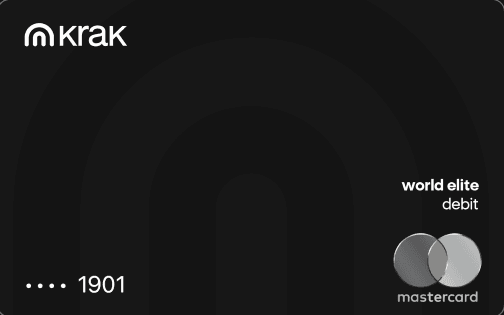
1. Krak Mastercard
Transparent Spending: Mid-Market Rates + 1% Back
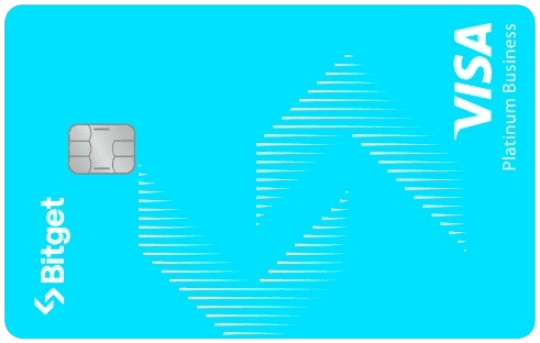
2. Bitget Card
Trade and Spend: Up to 8% BGB Cashback for Bitget Traders
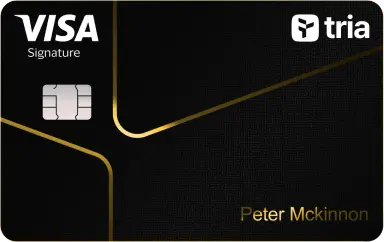
3. Tria Signature Card
High-Yield Mastery: 15% APY + Visa Signature Perks
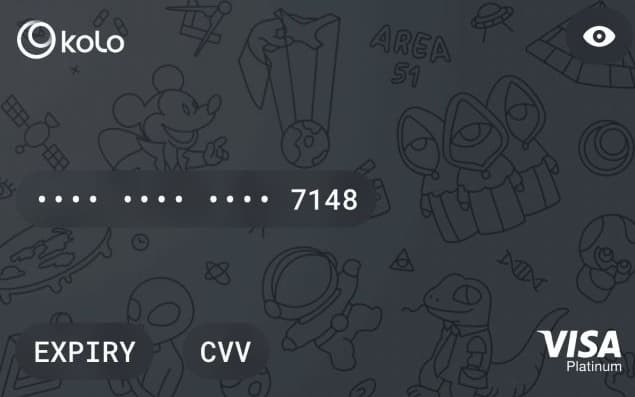
4. Kolo Card
Earn Bitcoin on Every Purchase: 5% BTC Cashback + Visa Platinum + 170+ Countries
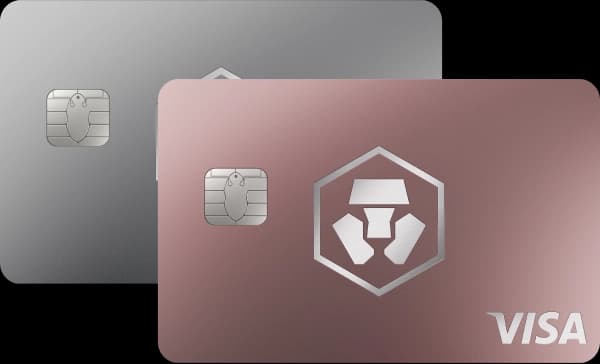
5. Private (Icy White / Rose Gold)
Elite Private Status: 4% Uncapped Cashback + Guests
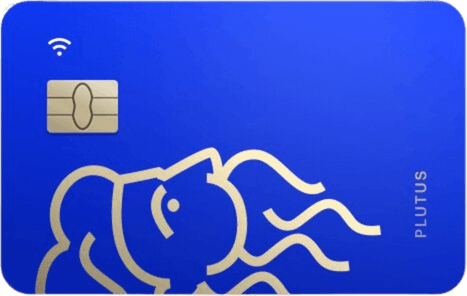
6. Plutus Visa Card
Non-Custodial PLU Rewards on Eligible Spend + Lifestyle Perks

7. ether.fi Core Card
Zero Barriers: 3% Back on Every Purchase, No Stake Required
Crypto Card Regulation in Spain
Spain's crypto regulation is jointly managed by the CNMV (Comision Nacional del Mercado de Valores, the securities regulator) and the Banco de Espana (the central bank). The Banco de Espana maintains the public register of virtual asset service providers (VASPs), while the CNMV enforces advertising and investor protection rules.
Spain was among the first EU countries to regulate crypto advertising. The CNMV Circular of January 17, 2022 on crypto asset advertising requires prior notification of campaigns targeting more than 100,000 people, balanced risk warnings (including a mandatory "investment in crypto-assets is not regulated" disclaimer), and prohibits promises of easy profits. Influencer marketing is specifically covered: any paid promotion of crypto services must include the regulatory warning.
Under MiCA, Spain's VASP framework has transitioned to the EU-wide CASP licensing system. As of December 30, 2024, the CNMV assumed full responsibility for crypto-asset service provider authorization and supervision, replacing the Banco de Espana's registry (which is now historical only). All CASPs must obtain full MiCA authorization by July 1, 2026 or stop offering crypto services in Spain - a clear comply-or-quit regime.
DAC8 (enforceable January 1, 2026) requires platforms to automatically report user transaction data - balances, fund movements, and identities - to the AEAT and other EU member states, with no minimum thresholds. Data collected during 2026 will reach tax authorities in 2027.
Bit2Me is Spain's largest domestic exchange, holding Banco de Espana VASP registration. Founded in 2014, Alicante-based, it offers EUR/crypto trading and has expanded into tokenization and staking. Bit2Me does not currently offer a consumer spending card. Onyze is another Banco de Espana-registered custodian focused on institutional services.
EEA-licensed crypto card issuers operate in Spain under MiCA passporting rights. Bybit, Bitget, Crypto.com, Gate.io, KuCoin, Kraken, Plutus, Gnosis Pay, Bitpanda, Wirex, Ready, Bleap, and others all serve Spanish residents. No major issuer has withdrawn from the Spanish market. Spain's regulatory clarity and large digital nomad population make it one of Europe's most stable crypto card markets.
Tax Treatment of Card Rewards in Spain
Spain taxes crypto capital gains as savings income (rendimientos del ahorro) at progressive rates:
| Annual Gains Bracket | Tax Rate | Cumulative Tax at Top of Bracket |
|---|---|---|
| First EUR 6,000 | 19% | EUR 1,140 |
| EUR 6,001 - EUR 50,000 | 21% | EUR 10,380 |
| EUR 50,001 - EUR 200,000 | 23% | EUR 44,880 |
| EUR 200,001 - EUR 300,000 | 27% | EUR 71,880 |
| Above EUR 300,000 | 28% | - |
Every disposition of crypto, including card spending, triggers tax at these rates. There is no holding period exemption in Spain. Unlike Germany (0% after 1 year), Portugal (0% after 365 days), or Luxembourg (0% after 6 months), Spain taxes gains regardless of how long you held. One day or ten years, the rate is the same.
Critical difference from France: crypto-to-crypto swaps ARE taxable in Spain. The AEAT considers swapping BTC for USDC a disposal of BTC, triggering tax on the BTC gain. This eliminates the "swap-then-spend" strategy that works in France. In Spain, the only way to avoid tax on card spending is to fund with stablecoins purchased directly with fiat (EUR to USDC), so there is no embedded gain to tax.
Bracket management strategy:
The jump from 19% to 21% at EUR 6,000 creates a planning opportunity. Track your cumulative crypto gains throughout the year. If your trading + card spending gains approach EUR 6,000, switch entirely to USDC funding for the remainder of the year to stay in the 19% bracket. For larger portfolios, the EUR 50,000 threshold (21% to 23%) and EUR 200,000 threshold (23% to 27%) create similar planning points.
Worked example: EUR 1,500/month card spend
| Funding Source | Annual Spend | Cashback (5%) | Gains Generated | Tax (19%) | Net Benefit |
|---|---|---|---|---|---|
| USDC (bought with EUR) | EUR 18,000 | EUR 900 | approx. EUR 0 | approx. EUR 0 | EUR 900 |
| BTC (appreciated 50%) | EUR 18,000 | EUR 900 | EUR 6,000 | EUR 1,140 | -EUR 240 |
| BTC (appreciated 20%) | EUR 18,000 | EUR 900 | EUR 3,000 | EUR 570 | EUR 330 |
At 50% appreciation, spending BTC is net-negative: the tax exceeds the cashback. At 20% appreciation with 5% cashback, it is still positive but marginal. We verified Spain's 2026 tax rules and confirms: USDC funding is overwhelmingly the correct strategy.
Cashback tax treatment: Cashback received in BTC, CRO, GNO, or PLU has a cost basis of EUR 0. When spent or sold, the entire value is gain, taxed at 19-28%. Stablecoin cashback or points/perks avoid this double taxation.
Beckham Law (Regimen Especial de Trabajadores Desplazados, Art. 93 LIRPF):
New tax residents (including digital nomad visa holders who meet the criteria) may elect the Beckham Law regime for up to 6 tax years. Under this regime:
- Spanish-source income is taxed at a flat 24% (up to EUR 600,000, then 47%)
- Foreign-source income is generally exempt from Spanish tax
- Wealth tax may be exempt (depends on autonomous community)
Whether crypto gains qualify as "Spanish-source" depends on where the exchange or wallet is hosted and the nature of the transaction. This is a legally grey area. Consult a Spanish fiscal advisor (asesor fiscal) before relying on Beckham Law for crypto. If it applies, the flat 24% rate could be favorable for larger gains versus the progressive 19-28% savings income rates.
Modelo 721 (Declaracion informativa sobre monedas virtuales situadas en el extranjero):
Since 2024, Spanish tax residents must declare crypto holdings on foreign platforms exceeding EUR 50,000 in aggregate on Modelo 721. This is an informational return, not a tax payment, but failure to file carries penalties of EUR 5,000 per data item (minimum EUR 10,000).
If your crypto is on Bybit, Bitget, or any non-Spanish exchange, and the total exceeds EUR 50,000, you must file. Holdings on Spanish-registered platforms (Bit2Me) are exempt from 721 but still reported via the platform's own AEAT reporting.
Tax reporting: Gains are declared on the annual IRPF (Impuesto sobre la Renta de las Personas Fisicas) return, specifically the savings income section. Losses can offset gains in the same year and carry forward for 4 years. Filing deadline: June 30 for the previous tax year.
How to Apply from Spain
Spanish crypto card applications require a DNI (Documento Nacional de Identidad) for Spanish citizens or a NIE (Numero de Identidad de Extranjero) for foreign residents. The NIE is both your tax identification number and residency identifier. Digital nomad visa holders receive their NIE when the visa is approved.
Empadronamiento (municipal census registration) is Spain's primary proof of address. You register at your local Ayuntamiento (town hall) and receive a certificado de empadronamiento. This document is free and is the most universally accepted proof of Spanish address.
Alternatively: utility bills from Iberdrola or Endesa (electricity), Naturgy (gas), Movistar, Vodafone, or Orange (telecoms), water bills from local utilities (Aguas de Barcelona, Canal de Isabel II in Madrid), or bank statements from BBVA, CaixaBank, Santander, Bankinter, or Sabadell.
Your NIF (Numero de Identificacion Fiscal) is your tax number. For Spanish citizens, the NIF equals your DNI number. For foreigners, the NIF equals your NIE number. Some issuers request this explicitly for tax reporting purposes.
Physical cards ship via Correos (Spanish postal service) or private couriers (SEUR, MRW, GLS) within 7-14 business days. Virtual cards are available immediately for Apple Pay and Google Pay.
Spending Tips for Spain
What Spanish Bank Cards Actually Cost You
Spain's banking sector consolidated heavily after the 2008-2012 crisis. The survivors are CaixaBank (Spain's largest retail bank after absorbing Bankia in 2021, 20 million customers), BBVA (Banco Bilbao Vizcaya Argentaria), Santander (Spain's largest bank by assets globally), Bankinter, and Sabadell. Online-only banks Openbank (Santander subsidiary) and Imagin (CaixaBank subsidiary) also have significant market share among younger users.
Standard debit cards from all five major banks earn zero cashback. Account maintenance fees (comision de mantenimiento) range from EUR 0-8/month depending on the product and whether you meet salary domiciliation requirements (most banks waive fees if you deposit your salary, nomina, with them). Card fees: EUR 0-40/year for basic Visa/MC debit, EUR 40-100/year for Visa Gold or Mastercard World.
FX fees: 1.5-3% on non-EUR transactions, with BBVA and CaixaBank at the higher end (2-3%) and Bankinter slightly lower (1.5-2%). This matters for travel to Morocco, UK, Turkey, and non-eurozone destinations.
| Category | CaixaBank Card | Crypto Card (Plutus 9%) | Annual Difference |
|---|---|---|---|
| Annual fee | EUR 0-40 | EUR 0 (free tier at 3%) | EUR 0-40 saved |
| Cashback on EUR 1,500/mo | EUR 0 | EUR 1,620/yr (at 9%) | EUR 1,620 earned |
| FX on EUR 300/mo travel | EUR 54-108 | EUR 0 | EUR 54-108 saved |
| Total annual advantage | - | - | EUR 1,674-1,768 |
Stablecoin First, Always
Spain's tax regime makes the stablecoin funding strategy non-negotiable. Unlike France (where crypto-to-crypto swaps are tax-free, enabling a swap-then-spend path), Spain taxes swaps as dispositions. Your only clean path to zero-tax card spending is:
- Buy USDC or USDT with EUR (fiat to stablecoin, no gain)
- Fund your crypto card with the stablecoin
- Spend through the card (stablecoin to EUR, near-zero gain)
Any other path generates taxable gains at 19-28%.
Card Selection for Spanish Residents
- Bitget (up to 8%, 7.1% net): Highest cashback. On USDC-funded spending at EUR 1,500/month, returns EUR 1,278/year tax-free via stablecoin.
- Plutus (up to 9%): Best for subscription households. Netflix Spain (EUR 5.49-17.99/mo), Spotify (EUR 10.99/mo), Amazon Prime (EUR 4.99/mo) rebates add on top of cashback. Break-even vs free cards at approximately EUR 1,200/month spend.
- Crypto.com (up to 5%): Best for frequent flyers. Lounge access at Madrid Barajas T4/T4S, Barcelona El Prat T1, Malaga, Palma de Mallorca, and 1,400+ global lounges. Spain's position as a tourism hub means Crypto.com's travel perks have outsized utility.
- Kraken (1%): 0% fees, exchange-linked Mastercard. Straightforward for users who already trade on Kraken.
- Tria (up to 6%, 0% FX): Signature at 4.5% ($109/yr) or Premium at 6% ($250/yr). Yield-linked rewards avoid volatile token savings tax exposure.
- Gnosis Pay (5% GNO): Self-custody Visa from a Safe wallet.
- Kolo (5% BTC, 0% FX, $0): Best free BTC card for EUR spending. Capped: $5/txn, $200/mo.
- ether.fi (3%, 1% FX): Borrow against staked ETH. Since Spain taxes crypto-to-crypto swaps, borrowing (NOT a disposal) is one of the few ways to access ETH value without triggering tax.
- KAST (2%, 0.5% FX, free): Suits nomads who have just arrived and want a prepaid card running before deciding whether to optimize with a richer setup.
Cost of Living and the Digital Nomad Advantage
Spain's cost of living makes crypto card cashback proportionally more impactful than in Northern Europe:
- Barcelona: EUR 900-1,500 rent (Eixample/Gracia/Poble Sec), EUR 250-350 groceries, EUR 150-300 dining/tapas, EUR 40 T-casual transport
- Madrid: EUR 800-1,400 rent (Lavapies/Malasana/Chamberi), EUR 250-350 groceries, EUR 150-250 dining, EUR 54.60 Abono Transportes monthly
- Valencia: EUR 600-1,000 rent (Ruzafa/El Carmen), EUR 200-300 groceries, EUR 100-200 dining
- Malaga: EUR 650-1,100 rent (Centro/Soho), EUR 200-300 groceries, EUR 100-200 dining
- Sevilla: EUR 550-900 rent, EUR 200-300 groceries, EUR 100-200 dining
- Las Palmas (Canary Islands): EUR 600-1,000 rent, EUR 200-300 groceries. Note: Canary Islands use IGIC (7%) instead of mainland IVA (21%), making general living costs lower.
Total card-eligible monthly spending (excluding rent): EUR 800-1,800 depending on city. At 5% cashback on EUR 1,200/month: EUR 720/year, covering roughly 3 months of groceries at Mercadona or 18 monthly transit passes in Madrid.
Spending Scenario: EUR 1,500/month Barcelona Nomad
| Category | Monthly | Annual | Where It Goes |
|---|---|---|---|
| Groceries | EUR 300 | EUR 3,600 | Mercadona, Lidl, Bonpreu, Condis |
| Dining/tapas/cafes | EUR 250 | EUR 3,000 | La Boqueria, Gracia bars, cafe con leche |
| Co-working | EUR 200 | EUR 2,400 | Aticco, MOB, Betahaus, OneCoWork |
| Transport | EUR 40 | EUR 480 | T-casual (TMB metro/bus) |
| Subscriptions | EUR 80 | EUR 960 | Netflix, Spotify, gym, VPN |
| Shopping | EUR 200 | EUR 2,400 | Zara (born in Spain), Mango, El Corte Ingles |
| Travel/entertainment | EUR 430 | EUR 5,160 | Renfe AVE, Ryanair, Vueling, events |
Total: EUR 18,000/year. At 5% cashback (USDC funded): EUR 900/year tax-free. At 7.1% (Bitget net): EUR 1,278/year. In Barcelona, EUR 1,278 covers a month of rent in Gracia or most of a year of co-working membership.
Local Payment Infrastructure
Spain's card acceptance is near-universal and improving. Contactless (pago sin contacto) works at essentially every urban merchant. Even the smallest tapas bars, chiringuitos (beach bars), and mercado stalls increasingly accept cards, though some traditional markets (Mercat de la Boqueria food stalls, Madrid's Mercado de San Miguel vendor stalls) may still prefer cash for transactions under EUR 5-10.
Named retailers with universal contactless: Mercadona (1,660+ stores, Spain's largest supermarket chain by market share), Carrefour Spain (500+ stores), Lidl Spain (650+ stores), Aldi Spain (400+ stores), El Corte Ingles (Spain's iconic department store, 80+ locations), Zara/Inditex (Amancio Ortega's empire, born in Arteixo, Galicia: Zara, Massimo Dutti, Bershka, Pull&Bear, Stradivarius), Mercadona deserves emphasis: over 30% of Spanish grocery spending flows through their stores.
Transit: Metro Madrid (300+ stations) accepts contactless Visa/MC directly at turnstiles (no separate card needed). TMB Barcelona (metro + bus) uses the T-casual card but contactless Visa/MC integration is rolling out. Renfe (national rail, including AVE high-speed) tickets on renfe.com accept all major cards. Madrid to Barcelona AVE (EUR 30-80), Madrid to Sevilla (EUR 30-60), Barcelona to Valencia (EUR 15-40) are all card-eligible.
Bizum is Spain's dominant P2P payment system, integrated into banking apps (CaixaBank, BBVA, Santander, etc.). Bizum is bank-only and does not work with crypto cards. Some small merchants accept Bizum QR payments, but for card-terminal spending (the vast majority), a crypto card replaces your bank debit card directly.
Apple Pay and Google Pay adoption is high in Spain, particularly among younger users and the digital nomad community.
Cross-Border and Travel
Spain's location creates regular cross-border spending:
Portugal (EUR): Lisbon/Porto from Madrid (Renfe night train or Ryanair, EUR 15-40). EUR spending, zero FX. France (EUR): Barcelona to Perpignan/Toulouse. EUR, zero FX. Morocco (MAD): Tangier from Tarifa (ferry, 35 minutes). Moroccan dirham triggers 1.5-3% FX fees on Spanish bank cards. Zero-FX crypto card saves on every purchase. Andorra (EUR): Barcelona/Lleida day trips. EUR, zero FX. Andorra's VAT-free shopping attracts electronics and cosmetics buyers. UK (GBP): Frequent Ryanair/easyJet routes from Spanish airports. GBP spending triggers bank FX fees.
The Canary Islands and Balearic Islands (Mallorca, Ibiza, Menorca) are domestic but involve flights (EUR 30-100 from mainland). All EUR, all card-accepting.
Supported Exchanges & Wallets in Spain
Bit2Me is Spain's largest domestic exchange, founded in 2014 in Alicante with Banco de Espana VASP registration. It offers EUR/crypto trading via SEPA bank transfer and Spanish bank card purchases. Bit2Me has expanded into staking, tokenization (B2M token), and institutional custody, but does not currently offer a consumer spending card. For Spanish users, Bit2Me is a SEPA-efficient local on-ramp.
Among exchange-linked card issuers, Bitget provides up to 8% BGB cashback through its exchange card and wallet card. Crypto.com offers CRO-staking metal card tiers with lounge access.
Gate.io provides the Classic Visa Platinum. KuCoin and Kraken round out exchange-linked options.
EEA-passported issuers: Plutus with subscription rebates and PLU-based cashback tiers up to 9%. Gnosis Pay for on-chain self-custody from a Safe wallet at 5% GNO. Wirex with the Standard and Elite tiers. Bitpanda for simple 1% EUR-native cashback.
Ready for Starknet self-custody. Bleap for account abstraction.
For Spanish holders of staked ETH, ether.fi is particularly strategic. Since Spain taxes crypto-to-crypto swaps as dispositions, converting ETH to USDC triggers immediate CGT. Borrowing against staked ETH through ether.fi is NOT a disposal and therefore NOT taxable.
This is one of the only paths (alongside direct USDC purchase) to access crypto value without triggering Spanish tax. Nexo provides similar borrow-against-collateral functionality.
Self-custody options: Ledger CL Card (hardware wallet), MetaMask (Virtual at 1%, Metal at 3%), Solflare and COCA for multi-chain users. 1inch Card (custodial via Baanx, 2% BXX cashback) rounds out the DeFi-adjacent options.
Tria offers 0% FX across all tiers - Signature at 4.5% ($109/yr) and Premium at 6% ($250/yr). Yield-linked rewards avoid volatile token savings tax exposure at Spain's 19-28% rates. Kolo (5% BTC, 0% FX, $0) is the highest free-tier return.
Global-reach alternatives: KAST (2%, 0.5% FX, free), RedotPay with Virtual, Solana, and Physical variants, and Jupiter for Solana users.
Spain's combination of low cost of living, digital nomad infrastructure, clear regulatory framework, and full EEA card passporting makes it one of Europe's most practical markets for daily crypto card use. The tax burden is real (19-28%, no swap exemption), but stablecoin funding and ether.fi borrowing provide clean paths to minimize it.
Written by SpendNode Editorial
Frequently Asked Questions
Can digital nomads get a crypto card in Spain?
Yes. If you have a Spanish NIE (Numero de Identidad de Extranjero) from your digital nomad visa and proof of Spanish address, you can apply for any EEA-available crypto card. Most issuers have tested their onboarding with NIE-holding foreign residents.
What tax rate applies to crypto card spending in Spain?
Spain uses progressive rates on savings income: 19% on the first EUR 6,000 in gains, 21% up to EUR 50,000, 23% up to EUR 200,000, and 28% above. Stablecoin spending generates near-zero gains, effectively making the rate 0%.
How do crypto cards compare to Spanish bank cards?
Spanish bank cards from BBVA, CaixaBank, or Santander offer zero cashback and charge 1.5-3% on non-EUR transactions. Crypto cards offer 1-9% cashback and many charge 0% FX fees. On EUR 1,200/month spending, an 8% cashback card earns EUR 1,152/year that a bank card would not.
Do I need to declare crypto holdings on Modelo 721?
Yes. If your total crypto holdings exceed EUR 50,000 at year-end, you must file Modelo 721 with the AEAT. This is a reporting obligation only (no additional tax), but penalties for non-compliance are significant. The card balance itself counts toward the threshold.
Other Countries
View all 108 countries →


Recent Updates to Best Crypto Cards in Spain
- Fixed Gnosis Pay cashback from 4% to 5% (verified against JSON). Fixed Crypto.com from generic 5% to Icy 4% matching topCardSlugs. Fixed KAST from 'up to 12%' to 2% in card selection and exchanges
- Added Tria (up to 6%, 0% FX, yield-linked) and Kolo (5% BTC, 0% FX, $0) to table, card selection, exchanges, and topCardSlugs
- Updated regulatory section: CNMV assumed full CASP authorization responsibility from Banco de Espana (Dec 30, 2024). MiCA compliance deadline July 1, 2026. DAC8 enforceable Jan 1, 2026 with automatic transaction reporting to AEAT