

Best Crypto Cards in Slovakia (2026)
Compare 30+ crypto cards available in Slovakia. Eurozone member with 7% crypto tax rate (special reduced rate since 2024), and EUR settlement with zero FX overhead.
Verified for Slovakia
50 crypto cards available
Local currency: EUR
Slovakia sits at the geographic center of Europe with three national capitals within driving distance: Vienna (60 km west), Budapest (200 km south), and Prague (330 km northwest). This cross-border connectivity is not trivia. It shapes how Slovaks spend.
Many Bratislava residents commute to Vienna for work, shop at Parndorf Designer Outlet in Austria on weekends, and take weekend trips to Budapest. All of this spending is in EUR (or in Budapest's case, HUF), and all of it benefits from a 0% FX crypto card.
But the real headline for Slovakia is tax. In 2024, Slovakia introduced a special 7% reduced tax rate on crypto gains from assets held longer than one year. This makes Slovakia one of the lowest-taxed crypto jurisdictions in the EU, beaten only by Cyprus (0%), Luxembourg (0% after 6 months), and Bulgaria (10%). Short-term gains (under 1 year) face the standard 19-25% income tax, creating a powerful incentive to hold.
As a eurozone member with full EEA card passporting, Slovakia offers the complete European crypto card selection with zero domestic FX costs.
| Card | Max Cashback | Annual Fee | FX Fee | Card Type | Why It Fits Slovakia |
|---|---|---|---|---|---|
| Bitget | 8% BGB | Free | 0% + 0.9% tx | Debit | Highest free ceiling, BGB staking tiers |
| Plutus | 9% | EUR 6.99-19.99/mo | 2.5% | Debit | Domestic perk optimizer, subscription rebates |
| Gnosis Pay | 5% GNO | Free | 0% | Debit | Self-custody Visa |
| Crypto.com | Icy 4% | CRO stake | 0% | Prepaid | CRO tiers, Bratislava Airport lounges |
| Wirex | 8% | $0 | 0% | Debit | Multi-currency, Vienna commuters |
| Bitpanda | 1% | Free | 0% | Debit | Austrian neighbor, simplest setup |
We tested all major cards for Slovak residents - Bitget delivers the highest raw cashback rate at 8% (7.1% net after the 0.9% transaction fee). At Slovakia's 7% long-term rate, spending 1-year-old crypto through a high-cashback card returns rewards minus just 7% tax on the gain portion, one of the most favorable after-tax cashback equations in Europe.
Plutus reaches 9% with subscription rebates (1-3 perks), though the EUR 240/year cost and EUR 1,000/month eligible spend cap limit its advantage.
Gnosis Pay provides 5% GNO cashback with self-custody. Bitpanda, based in neighboring Austria, is culturally familiar and offers the simplest low-fee entry point.
Best Card For Every Need in Slovakia
Top 6 Crypto Cards in Slovakia
Slovakia's 7% special tax rate on crypto held over one year - versus 33-39% effective on short-term gains - makes the 1-year holding strategy the single most important factor in card selection. Bitget at 8% (7.1% net after the 0.9% transaction fee) delivers the highest free cashback ceiling for spending aged crypto.
ether.fi earns its spot specifically because its borrow-to-spend model lets holders avoid triggering the punishing short-term rate while their crypto ages toward the 1-year threshold.
Bitpanda, headquartered in neighboring Vienna, is the most culturally proximate issuer for a market where 20,000+ Slovaks commute to Austria daily. Crypto.com adds value through lounge access at both Bratislava (BTS) and Vienna (VIE) airports.
1. ether.fi Core Card
Zero Barriers: 3% Back on Every Purchase, No Stake Required
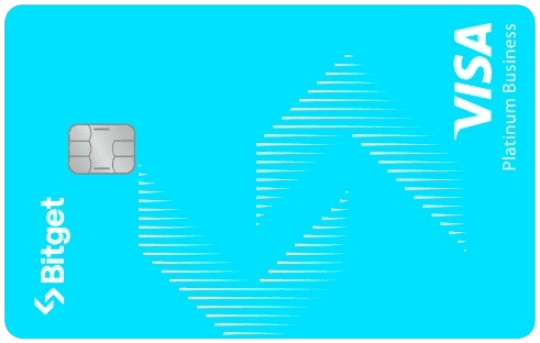
2. Bitget Card
Trade and Spend: Up to 8% BGB Cashback for Bitget Traders
3. Gnosis Pay Card
Your Keys, Your Card, Your Money
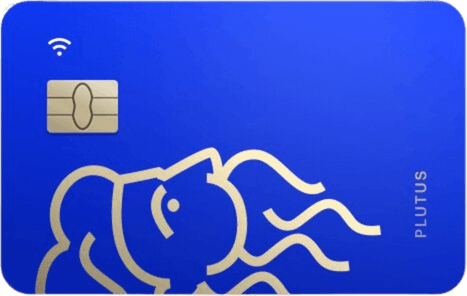
4. Plutus Visa Card
Non-Custodial PLU Rewards on Eligible Spend + Lifestyle Perks
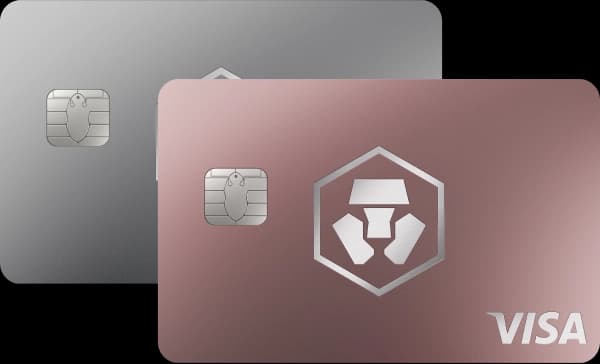
5. Private (Icy White / Rose Gold)
Elite Private Status: 4% Uncapped Cashback + Guests
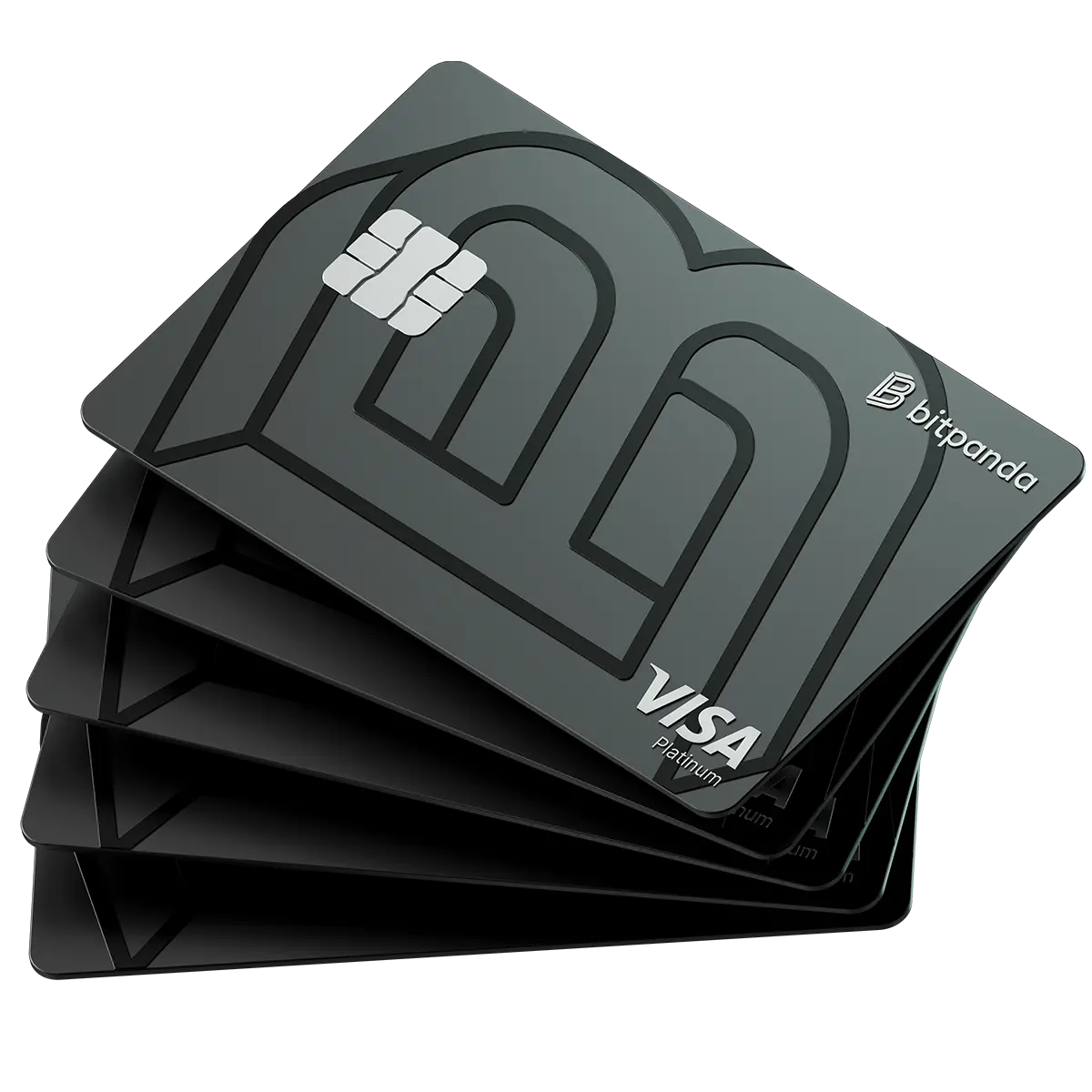
6. Bitpanda Visa Platinum Card
The EU Crypto Spending Card - 1% Back, Zero Fees
Crypto Card Regulation in Slovakia
The Narodna banka Slovenska (NBS, National Bank of Slovakia) oversees financial stability and payment services within the eurozone. Slovakia adopted the euro in 2009, making it one of the earlier Central European eurozone entrants. The NBS participates in the ECB's supervisory framework and implements EU financial regulations through national legislation.
Slovakia transposed the EU's 5th and 6th Anti-Money Laundering Directives through amendments to its AML law (Zakon o ochrane pred legalizaciou prijmov z trestnej cinnosti). Crypto service providers must register with the NBS and implement customer due diligence procedures. The Financne riaditelstvo SR (Financial Directorate of the Slovak Republic) handles tax administration and enforcement.
Under MiCA, the NBS has been designated as the national competent authority for crypto-asset market oversight. Slovakia applies standard EEA passporting: any issuer licensed in the EEA can serve Slovak residents without additional local authorization. The 2024 amendment to the Income Tax Act (Zakon o dani z prijmov) that introduced the 7% reduced crypto rate was explicitly designed to attract crypto investment to Slovakia and signal government support for the sector.
Slovakia's regulatory approach is pragmatic. No major crypto card issuer has withdrawn from the Slovak market. The combination of eurozone stability, NBS oversight, and the favorable 7% rate creates a regulatory environment that is both protective and encouraging.
All EEA-licensed crypto card issuers serve Slovakia through passporting. Crypto.com, Plutus, Wirex, Gnosis Pay, Bitpanda, Ready, Bybit, Bitget, Gate.io, KuCoin, and Kraken all operate under passported EEA licenses.
Tax Treatment of Card Rewards in Slovakia
Slovakia's crypto tax framework was significantly reformed in 2024 with the introduction of a special 7% reduced tax rate on gains from crypto assets held for more than one year. This amendment to the Zakon o dani z prijmov (Income Tax Act) was one of the most favorable crypto tax changes in the EU.
The two-tier system:
- Held over 1 year: 7% flat tax on gains (osobitna sadzba dane)
- Held under 1 year: Standard income tax rates of 19% (on income up to EUR 41,445) or 25% (on income above EUR 41,445)
Additionally, short-term crypto gains are subject to health insurance contributions (zdravotne poistenie) at 14% (4% minimum), while gains qualifying for the 7% rate are exempt from these contributions. This makes the effective gap between short-term and long-term even wider.
| Scenario | Holding Period | Gain | Income Tax | Health Insurance | Total Tax | Effective Rate |
|---|---|---|---|---|---|---|
| ETH held 14 months | 1+ year | EUR 5,000 | EUR 350 (7%) | EUR 0 | EUR 350 | 7% |
| ETH held 8 months (low income) | Under 1 year | EUR 5,000 | EUR 950 (19%) | approx. EUR 700 (14%) | EUR 1,650 | 33% |
| ETH held 8 months (high income) | Under 1 year | EUR 5,000 | EUR 1,250 (25%) | approx. EUR 700 (14%) | EUR 1,950 | 39% |
| USDC held any period | Any | EUR 10 | EUR 0.70-2.50 | Negligible | approx. EUR 3 | approx. 0% |
Our mistake section covers this threshold trap: the gap is dramatic. Holding crypto for 366 days versus 364 days can mean the difference between 7% and 33-39% effective tax. This creates the strongest holding-period incentive in the EU alongside Portugal's 365-day exemption (0% vs 28%) and Luxembourg's 6-month rule (0% vs 45%).
Worked example: A Bratislava professional bought EUR 10,000 in ETH in January 2025. By March 2026 (14 months), the ETH is worth EUR 16,000. She spends the full EUR 16,000 through her crypto card over 3 months. The EUR 6,000 gain is taxed at 7% = EUR 420.
If she had spent it in November 2025 (10 months), the same EUR 6,000 gain would have cost EUR 1,140-1,500 in income tax plus approximately EUR 840 in health insurance = EUR 1,980-2,340 total. By waiting 4 more months, she saved EUR 1,560-1,920.
Cashback rewards: Cashback received in crypto starts its own 1-year clock. Receive BTC cashback in March 2025, hold until April 2026, and any gain above the receipt value is taxed at 7%. Spend it before March 2026 and the gain faces 19-25% plus health insurance.
Loss offset: Capital losses on crypto can be offset against capital gains within the same tax year. File via the annual danove priznanie (tax return) with the Financne riaditelstvo, due by March 31 of the following year. The filing can be extended to June 30 by written notification.
How to Apply from Slovakia
Slovak crypto card applications require an Obciansky preukaz (national identity card) issued by the local police department (Oddelenie dokladov), or a Cestovny pas (passport). The Rodne cislo (birth number, format: YYMMDD/XXXX) is Slovakia's primary personal identifier and may be required for higher-tier verification.
EU/EEA citizens residing in Slovakia can use their home-country national ID. Non-EU residents present their Povolenie na pobyt (residence permit) issued by the Foreigners Police (Oddelenie cudzineckej policie).
Proof of address through utility bills from Zapadoslovenska energetika (ZSE, electricity in western Slovakia), Stredoslovenska energetika (SSE, central), or Vychodoslovenska energetika (VSE, eastern). Telecom bills from Slovak Telekom, Orange, or O2 work. Bank statements from Slovenska sporitelna (Erste Group), Tatra banka (Raiffeisen), VUB (Intesa Sanpaolo), or CSOB are accepted.
EEA-licensed issuers process Slovak documents without difficulty. Physical cards ship within 7-14 business days. Virtual cards are available immediately for Apple Pay and Google Pay.
Spending Tips for Slovakia
The 1-Year Holding Strategy
Slovakia's 7% rate after 1 year creates a natural funding cycle identical in concept to Portugal's 365-day rule, though at 7% rather than 0%. Maintain two wallets: Wallet A holds crypto that has cleared 12 months (spending wallet, 7% rate), Wallet B holds newer crypto still aging. Always load your card from Wallet A. The tax savings versus spending from Wallet B (7% vs 33-39% effective) can be EUR 1,000+ per year at realistic spending levels.
For spending needs during the first year: use USDC. Stablecoin spending generates near-zero gains and avoids both the income tax and health insurance contribution.
Card Selection for Slovak Residents
- Bitget (up to 8%, 7.1% net): Highest free cashback ceiling. At 7% tax on 1-year gains, the after-tax return is strong. BGB staking tiers scale from 2% to 8%.
- Plutus (up to 9%): Best everyday EUR card. Subscription rebates on Netflix, Spotify, and Amazon Prime suit the Slovak tech workforce. EEA-native, EUR-denominated.
- Gnosis Pay (5% GNO): Best self-custody option. Spend from a Safe wallet. 5% in GNO tokens with zero annual fee.
- Crypto.com (Icy White 4%): CRO staking tiers with cards with airport lounges at Bratislava Airport (BTS) and Vienna Airport (VIE), which many Bratislava residents use for long-haul flights.
- ether.fi (3%): Borrow against staked ETH without selling. Keeps your holdings aging toward the 1-year threshold while you spend. Avoids the 19-25% + health insurance penalty on short-term disposals.
- Bitpanda (1%): Austrian-based, instantly familiar. $0 annual, 0% FX, 600+ assets. The path of least resistance.
Gnosis Pay vs Plutus vs Bitget at Slovak Spending Levels
Slovakia's cost of living is moderate, lower than Austria or Germany but higher than Hungary or Poland. A monthly card spend of EUR 800-1,500 is realistic for a Bratislava professional. In Kosice or Zilina, EUR 600-1,000 covers more.
| Monthly Spend | Bitget (7.1% net, free) | Gnosis Pay (5%, free) | Plutus (3%, GBP 6.99/mo, capped) |
|---|---|---|---|
| EUR 800 | EUR 682/yr | EUR 480/yr | EUR 7/yr (GBP 250 cap) + rebates |
| EUR 1,200 | EUR 1,022/yr | EUR 720/yr | EUR 7/yr (capped) + rebates |
| EUR 2,000 | EUR 1,704/yr | EUR 1,200/yr | EUR 7/yr (capped) + rebates |
At EUR 1,200/month with Bitget spending 1-year-old crypto: EUR 1,022 cashback (7.1% net) minus EUR 72 in 7% tax on gains = EUR 950 net. With Gnosis Pay at 5%, EUR 720 cashback minus EUR 50 tax = EUR 670 net. The same scenario at the short-term rate (19% + health insurance) would cost approximately EUR 338-422, leaving EUR 600-684 net. The 1-year holding strategy significantly improves your after-tax return.
Spending Scenario: EUR 1,200/month Bratislava Professional
| Funding Source | Annual Spend | Cashback (5% Gnosis) | Tax + Insurance | Net Return |
|---|---|---|---|---|
| ETH held 13 months (appreciated 50%) | EUR 14,400 | EUR 720 | EUR 336 (7%, no insurance) | EUR 384 net + tax-light gain |
| ETH held 8 months (appreciated 50%) | EUR 14,400 | EUR 720 | EUR 1,584 (19% + 14% insurance) | Negative |
| USDC | EUR 14,400 | EUR 720 | approx. EUR 0 | EUR 720 |
The middle row illustrates why timing matters. Short-term ETH spending at a 50% gain wipes out the cashback and then some. The 1-year threshold is not optional, it is the core strategy.
Local Payment Infrastructure
Slovakia has strong contactless adoption. Visa and Mastercard NFC payments work at virtually all modern POS terminals.
Bratislava: Near-universal contactless. Major shopping: Eurovea (Danube waterfront, premium), Aupark (Petrzalka, family), Bory Mall (western suburbs), Central (historic center). Supermarkets: Kaufland, Lidl, Billa, Tesco, COOP Jednota (cooperative, strongest in rural areas). The Old Town (Stare Mesto), Obchodna ulica shopping street, and the Danube promenade all have excellent POS coverage.
Kosice: Good coverage in the center and Aupark Kosice, Optima shopping center. The city's growing IT sector (T-Systems, GlobalLogic, Ness KE) drives digital payment adoption.
Zilina, Banska Bystrica, Nitra: Solid urban coverage, more cash-dependent in surrounding villages.
DPB Bratislava (Dopravny podnik Bratislava, public transit) operates trams, buses, and trolleybuses. Some routes accept contactless Visa/Mastercard, though the traditional paper/SMS ticket system is still common. A monthly pass (EUR 26) is cheaper than per-ride contactless for daily commuters.
What You Are Leaving Behind: Slovak Bank Cards
Slovenska sporitelna (Erste Group), Tatra banka (Raiffeisen), and VUB (Intesa Sanpaolo) dominate Slovak retail banking. Their standard debit cards earn zero cashback. Monthly account fees run EUR 3-7. FX markup on non-EUR transactions (not relevant domestically since Slovakia uses EUR, but applies to CZK, HUF, GBP, USD purchases) is 1-2%. Credit cards exist but with low limits and high interest rates by Western European standards.
The gap between a Slovak bank card and a crypto card is stark: 0% vs 0% on FX (both EUR), but 0% vs 4-8% on cashback. On EUR 1,200/month in spending, that is EUR 576-1,022/year in rewards that a Tatra banka card simply does not offer. The only reason to keep a Slovak bank account is for SEPA transfers and local direct debits (napr. hypoteka, poistenie). Route all discretionary spending through your crypto card.
The Bratislava-Vienna Corridor
Bratislava and Vienna are 60 km apart, closer than most suburbs. Many Slovaks work in Vienna (20,000+ cross-border commuters), and Bratislava residents regularly shop at Vienna's Donauzentrum, Parndorf Designer Outlet (30 minutes from Bratislava, EUR pricing), and SCS (Shopping City Sud).
All spending is in EUR (both countries use the euro), so no FX fee is automatic. The value here is not FX savings but cashback on cross-border spending that would otherwise earn nothing on a Slovak bank card.
Weekend trips to Budapest (HUF) and Prague (CZK) do involve FX conversion. A 0% FX crypto card eliminates the 1-2% bank markup on these trips. A typical Budapest weekend spending HUF 50,000-80,000 (EUR 125-200) saves EUR 1.90-4.00 in FX fees per trip.
Vysoke Tatry and Seasonal Spending
The High Tatras (Vysoke Tatry) ski season runs December through March, with accommodation, ski passes, and dining generating concentrated card spending. Strbske Pleso, Tatranska Lomnica, and Stary Smokovec have good POS coverage. A week of skiing at EUR 500-800 generates EUR 20-80 in cashback at 4%.
Summer hiking season (June-September) creates similar spending patterns. Card acceptance in the Tatras is strong at hotels and restaurants, less reliable at mountain huts (chaty) where cash is preferred.
Online Shopping and Subscriptions
Alza.sk (electronics, largest Slovak online retailer), Mall.sk (general), and Hej.sk (electronics) charge in EUR and accept Visa/Mastercard. Amazon.de is the default Amazon for Slovak shoppers (no Amazon.sk exists), charging in EUR.
Notino.sk (cosmetics), Dr.Max (pharmacy), and Martinus.sk (books) operate domestically in EUR. Since Slovakia uses the euro, domestic online shopping has zero FX component, making the value purely about cashback. For USD-billed SaaS subscriptions (ChatGPT at $20/mo, GitHub at $4/mo, Figma), the 0% FX eliminates the bank markup.
Cost of Living Context
Bratislava: rent EUR 700-1,200 for a 1-bedroom in the center (Stare Mesto, Ruzinov, Petrzalka). Kosice: EUR 450-700. Zilina: EUR 400-600. Monthly non-rent expenses for a professional: groceries EUR 200-300 (Kaufland, Lidl, Billa), dining EUR 150-250, transit EUR 26 (DPB monthly pass), subscriptions EUR 40-60. Total card-eligible spending: EUR 500-700/month excluding rent. In Bratislava, higher salaries push this toward EUR 800-1,200.
Supported Exchanges & Wallets in Slovakia
Slovakia does not have a major domestic crypto exchange with significant market share. Fumbi Network, a Slovak crypto investment platform offering portfolio-based crypto exposure (similar to a robo-advisor), is the most visible local player but does not offer a spending card. Traditional Slovak banks (Slovenska sporitelna, Tatra banka, VUB) do not provide crypto services directly. This means Slovak residents rely entirely on international platforms for crypto card access.
Among exchange-linked card issuers, Bitget provides up to 8% BGB cashback through its Visa debit, with the Wallet Card for self-custody users. Crypto.com is well-established with CRO staking tiers. Gate.io and KuCoin offer additional exchange-linked cards. Kraken serves via EEA license.
EEA-native issuers are well-represented. Plutus with subscription rebates suits Slovakia's growing professional class. Gnosis Pay provides self-custody spending at 5% GNO. Bitpanda, headquartered in neighboring Vienna, is the most geographically and culturally proximate issuer.
Wirex handles multi-currency needs. Ready offers self-custody on Starknet. Bleap provides account-abstraction wallet spending.
For holdings approaching but not yet past the 1-year threshold, ether.fi provides borrow-to-spend functionality that avoids triggering the 19-25% + health insurance penalty. Borrow against staked ETH, spend without selling, and your holdings continue aging toward the 7% rate. Nexo offers similar collateral-based spending.
Self-custody cards serve Slovakia's technically aware user base. MetaMask with Virtual and Metal cards, Ledger CL Card for hardware wallet security, and 1inch for DEX users.
KAST provides 2% cashback with 0.5% FX. RedotPay and xPlace offer globally-available options.
Slovakia's 7% long-term crypto tax rate is a deliberate policy choice to attract crypto investment. Combined with eurozone convenience, the Bratislava-Vienna corridor, and full EEA card access, Slovakia offers one of Europe's most favorable after-tax environments for patient crypto card users.
Written by SpendNode Editorial
Frequently Asked Questions
What is Slovakia's crypto tax rate?
7% on gains from crypto held over 1 year (special reduced rate since 2024). Short-term gains are taxed at 19-25% plus 14% health insurance. Hold for 1+ year before spending through your card to qualify for the lower rate. Crypto-to-crypto swaps are not taxable events. USDC funding avoids tax entirely.
Which crypto card is best for Slovakia?
Gnosis Pay: 5% cashback, zero fees, self-custody, EU-regulated. EUR settlement means zero FX overhead. At Slovakia's 7% long-term rate, net cashback is among the highest in the EU.
When did Slovakia introduce the 7% crypto tax?
Slovakia introduced the special 7% reduced rate on long-term crypto gains in 2024, applying to crypto held for more than 1 year. This was a deliberate move to attract crypto adoption and investment.
Is Slovakia in the eurozone?
Yes, since 2009. EUR-denominated crypto cards have zero FX conversion costs. Combined with the 7% crypto tax rate and EU/MiCA protections, Slovakia is an attractive jurisdiction for crypto card usage.
Other Countries
View all 108 countries →


Recent Updates to Best Crypto Cards in Slovakia
- Gnosis Pay corrected from 4% to 5% across table, text, card selection, break-even, and scenario
- Crypto.com generic 5% corrected to Icy White 4%, topCardSlugs updated
- KAST corrected from up to 12% to 2% $MOVE with 0.5% FX
- Break-even table recalculated with 5% Gnosis rates (EUR 384 to EUR 480, etc.)
- Spending scenario recalculated with 5% Gnosis (EUR 576 to EUR 720)
- FAQ updated: added health insurance detail, crypto-to-crypto swap tax-free note, Gnosis 5%