


Best Crypto Cards in Netherlands (2026)
Compare crypto cards available in the Netherlands. Full EEA lineup with EUR settlement and a Box 3 wealth tax model instead of per-transaction gains.


Verified for Netherlands
50 crypto cards available
Local currency: EUR
The Dutch financial system runs on "pinnen" (debit card payments), iDEAL (online transfers), and Tikkie (P2P splitting). ING, ABN AMRO, and Rabobank between them hold over 80% of the retail banking market, and their debit cards earn exactly zero cashback. Standard bank account fees run EUR 2-6/month for the privilege of holding your own money.
Several Dutch banks have quietly raised barriers to crypto-related transfers, flagging SEPA payments to exchanges or requesting source-of-funds documentation for routine top-ups. Rabobank, in particular, has been known to block outgoing transfers to certain crypto platforms.
Crypto cards route around this entirely. A card like Bitget or Gnosis Pay provides EUR spending with up to 8% cashback, zero FX, and no Dutch bank as intermediary. Under the current Box 3 wealth tax system, spending crypto through a card does not trigger a per-transaction taxable event - though this may change under pending reform legislation (see tax section below).
| Card | Max Cashback | Annual Fee | FX Fee | Card Type | Why It Fits NL |
|---|---|---|---|---|---|
| Plutus | 9% | EUR 6.99-19.99/mo | 2.5% | Debit | Domestic perk optimizer, EEA native |
| Bitget | 8% BGB | Free | 0% + 0.9% tx | Debit | BGB staking tiers |
| Gnosis Pay | 5% GNO | Free | 0% | Debit | Self-custody Visa, DeFi-native |
| Tria | Up to 6% | $20-$250 | 0% | Debit | Yield-linked rewards, zero FX |
| Kolo | 5% BTC | Free | 0% | Prepaid | Highest free-tier cashback |
| Crypto.com Icy | 4% | CRO stake | 0% | Prepaid | Metal + Schiphol lounge access |
| Wirex | 8% | $0 | 0% | Debit | Multi-currency, travel |
| Bitpanda | 1% | Free | 0% | Debit | $0 annual, 0% FX, simplest setup |
Plutus targets domestic perk optimizers: up to 9% cashback with subscription rebates (1-3 perks depending on plan), though the EUR 240/year Premium cost and 2.5% non-EUR FX fee restrict it to domestic spending.
Gnosis Pay provides 5% GNO crypto cards with cashback with self-custody from a Safe wallet, appealing to the Netherlands' strong DeFi community. Crypto.com adds lounge access at Schiphol Airport on Jade/Indigo tier and above, useful for a country that uses Schiphol as its primary international gateway.
Best Card For Every Need in Netherlands
Top 7 Crypto Cards in Netherlands
The Netherlands' Box 3 wealth tax model means zero per-transaction capital gains tax on crypto spending - Dutch users can freely spend appreciated BTC or ETH without triggering any disposal tax, with the only tax impact being the annual January 1 snapshot used to calculate deemed returns.
Plutus reaches up to 9% with subscription rebates (1-3 perks), though the EUR 240/year cost and 2.5% FX on non-EUR purchases keep it domestic-only. Gnosis Pay offers self-custody Visa spending from a Safe wallet, fitting the Netherlands' strong DeFi culture. Most cards have 0% FX fees (Gnosis Pay, Bitpanda, Wirex), which matters for Dutch users shopping on non-EUR platforms - Plutus is the exception at 2.5% non-EUR FX.
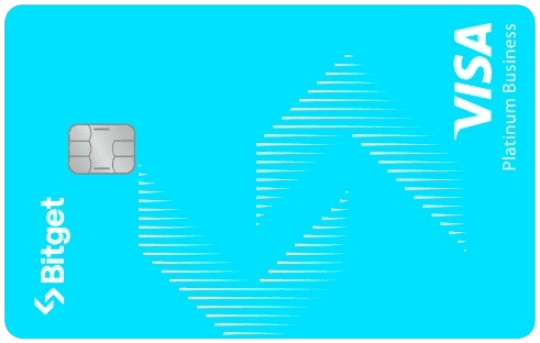
1. Bitget Card
Trade and Spend: Up to 8% BGB Cashback for Bitget Traders

2. Tria Signature Card
High-Yield Mastery: 15% APY + Visa Signature Perks
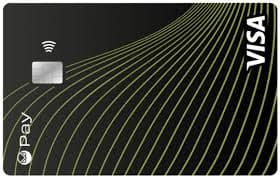
3. Gnosis Pay Card
Your Keys, Your Card, Your Money
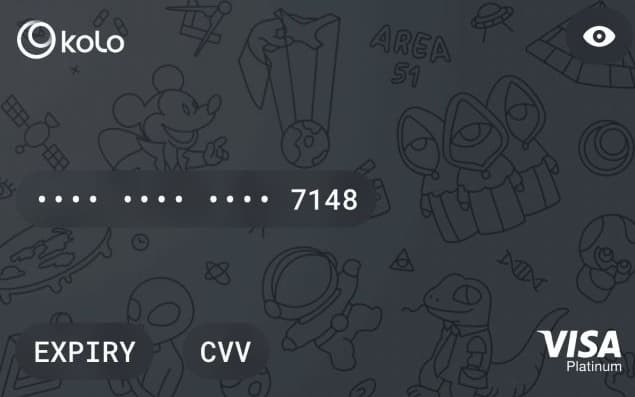
4. Kolo Card
Earn Bitcoin on Every Purchase: 5% BTC Cashback + Visa Platinum + 170+ Countries
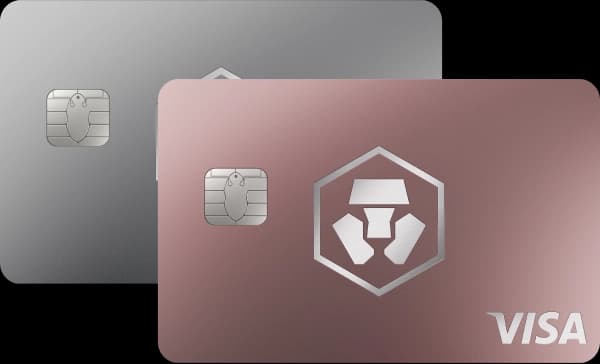
5. Private (Icy White / Rose Gold)
Elite Private Status: 4% Uncapped Cashback + Guests

6. Plutus Visa Card
Non-Custodial PLU Rewards on Eligible Spend + Lifestyle Perks

7. ether.fi Core Card
Zero Barriers: 3% Back on Every Purchase, No Stake Required
Crypto Card Regulation in Netherlands
De Nederlandsche Bank (DNB) maintains one of Europe's strictest crypto oversight regimes. The DNB required Virtual Asset Service Provider (VASP) registration under the Dutch Anti-Money Laundering and Counter-Terrorism Financing Act (Wwft - Wet ter voorkoming van witwassen en financieren van terrorisme) years before MiCA existed.
This early move forced a market shakeout: several exchanges and service providers chose to leave the Dutch market rather than comply with DNB requirements, which include detailed organizational structure reviews, fit-and-proper management assessments, and ongoing transaction monitoring obligations.
The Autoriteit Financiele Markten (AFM) handles the investor protection and advertising compliance side. Under Dutch implementation of MiCA, the AFM shares supervisory duties with the DNB.
The Netherlands was among the first EU countries to implement crypto-specific advertising rules, requiring mandatory risk warnings and prohibiting misleading performance claims. A cooling-off period for new retail crypto investors was introduced, requiring platforms to give new users time to reconsider after initial sign-up before allowing trading.
The DNB registration process produced notable friction. Binance temporarily suspended new Dutch user registrations in 2023 during its compliance process, creating uncertainty for existing Dutch Binance users (though the exchange itself continued operating, its card product is not available in the Netherlands).
Bitvavo, the largest Dutch domestic exchange, holds full DNB registration and is the primary local on-ramp, but does not offer a card product. Other exchanges have periodically adjusted their Dutch operations based on DNB feedback.
Under MiCA, the DNB continues as the primary competent authority. EEA-licensed crypto card issuers operate in the Netherlands through passporting rights without needing separate DNB registration for the card product itself. This means Plutus, Gnosis Pay, Wirex, Bitpanda, Ready, Crypto.com, Bybit, Bitget, Gate.io, KuCoin, and Kraken all serve Dutch residents under their EEA licenses.
The DNB's strictness is a feature, not a bug. Any issuer operating in the Netherlands has cleared one of Europe's highest compliance bars. Dutch users benefit from this regulatory floor.
Tax Treatment of Card Rewards in Netherlands
The Netherlands uses a Box 3 vermogensrendementsheffing (deemed return on wealth tax) system that is fundamentally different from every other EU country's approach to crypto taxation. There is no capital gains tax on individual transactions. Instead, the government taxes a deemed (fictional) return on your total net assets above a threshold, regardless of whether you actually earned that return.
How Box 3 works for crypto holders: On January 1st of each year, the Belastingdienst (Dutch Tax Authority) takes a snapshot of your total assets in Box 3, which includes crypto, savings, investments, and real estate other than your primary home. A deemed return rate is applied based on asset class. For crypto (classified as "overige bezittingen" or other assets), the 2025 deemed return rate is approximately 6.04%. This deemed return is then taxed at 36%.
The threshold: The first EUR 57,000 per individual (EUR 114,000 for fiscal partners) of net Box 3 assets is exempt. Only the balance above this threshold is subject to the deemed return calculation.
| Jan 1 Crypto Holdings | Above Threshold | Deemed Return (6.04%) | Box 3 Tax (36%) | Effective Rate on Holdings |
|---|---|---|---|---|
| EUR 30,000 | EUR 0 (under threshold) | EUR 0 | EUR 0 | 0% |
| EUR 80,000 | EUR 23,000 | EUR 1,389 | EUR 500 | 0.63% |
| EUR 150,000 | EUR 93,000 | EUR 5,617 | EUR 2,022 | 1.35% |
| EUR 300,000 | EUR 243,000 | EUR 14,677 | EUR 5,284 | 1.76% |
What this means for crypto card spending: Every time you spend BTC, ETH, or any crypto through your card, there is zero per-transaction tax. No capital gains calculation, no cost basis tracking per purchase, no disposition event. The only tax impact is that your January 1st balance decreases, slightly lowering your Box 3 bill for that year.
Worked example: You hold EUR 100,000 in crypto on January 1st. Throughout the year, you spend EUR 24,000 through your card (EUR 2,000/month). On the next January 1st, assuming no price change, your holdings are EUR 76,000. Your Box 3 base drops from EUR 43,000 (EUR 100,000 - EUR 57,000 threshold) to EUR 19,000 (EUR 76,000 - EUR 57,000).
Box 3 tax drops from EUR 935 to EUR 413. You saved EUR 522 in Box 3 tax, ON TOP of whatever cashback you earned. At 5% cashback (Gnosis Pay), that is EUR 1,200 in rewards plus EUR 522 in Box 3 savings = EUR 1,722 total benefit.
The Kerstarrest and Box 3 reform: In December 2021, the Hoge Raad ruled the Box 3 deemed return system unconstitutional. The government introduced transitional deemed-return mechanics for 2023-2024 returns (still being processed by the Belastingdienst under the current system).
The Wet werkelijk rendement box 3 was voted on by the Tweede Kamer on February 12, 2026, proposing a shift to actual capital gains taxation at 36% with a EUR 1,800 annual return exemption. The bill still requires Senate (Eerste Kamer) approval and detailed implementation rules before taking effect. The transition timeline remains uncertain - the Belastingdienst has not announced a switchover date, and administrative complexity may delay implementation beyond initial targets.
If eventually enacted, every crypto card disposal would become a per-transaction taxable event. Dutch crypto card users should monitor Senate proceedings but should not assume the current zero-per-transaction system will end on a specific date.
Cashback tax treatment: Cashback received in crypto increases your Box 3 holdings. At the 6.04% deemed return and 36% rate, EUR 1,000 in cashback adds approximately EUR 22 in annual Box 3 tax (EUR 1,000 x 6.04% x 36%). This is negligible compared to France's 30% or Italy's 26% on the same cashback.
How to Apply from Netherlands
Dutch crypto card applications require a Rijbewijs (driving license), Identiteitskaart (national ID card), or Paspoort (passport). The BSN (Burgerservicenummer, citizen service number, 9 digits) is the Netherlands' primary personal identifier and is required by DNB-registered platforms for tax reporting to the Belastingdienst.
Some platforms accept DigiD (Digital Identity) for faster verification, though this is more common with Dutch-registered services like Bitvavo than with EEA-passported card issuers. Proof of address through utility bills from Vattenfall, Eneco, or Essent (energy), KPN or T-Mobile (telecoms), or bank statements from ING, ABN AMRO, Rabobank, or SNS. A BRP-uittreksel (extract from the Personal Records Database, available from your gemeente) is the gold standard for address verification.
The Netherlands' strict WWFT (AML) framework means source-of-funds documentation may be requested for larger card loads. This is not specific to crypto cards but applies to all financial services operating under DNB oversight. EEA-licensed issuers process Dutch documents efficiently. Physical cards ship via PostNL within 5-10 business days. Virtual cards are available immediately for Apple Pay and Google Pay.
Spending Tips for Netherlands
The December Drawdown: A Strategy Unique to the Netherlands
Because Box 3 tax is based on your January 1st snapshot, the timing of your crypto card spending matters more in the Netherlands than anywhere else in Europe. Spending crypto through your card in December directly reduces your taxable wealth for the following year. A EUR 5,000 crypto card spend in December (assuming you are above the threshold) saves approximately EUR 109 in Box 3 tax (EUR 5,000 x 6.04% x 36%).
This creates a natural strategy: accumulate crypto during the year, use stablecoins or fiat for daily spending, then shift to crypto card spending in November and December to draw down holdings before the January 1st snapshot. Larger purchases (electronics, furniture, annual subscriptions, travel bookings) should be scheduled for late Q4 if possible.
The reverse also applies: if you receive crypto cashback in January, it maximizes the period it counts toward your Box 3 holdings. Cashback received in December only appears on one January 1st snapshot before you can spend it down again.
Card Selection for Dutch Residents
- Plutus (up to 9%): Best everyday EUR card. Subscription rebates on Netflix, Spotify, Amazon Prime, and Curve offset costs Dutch professionals already pay. PLU staking unlocks higher tiers. EEA-native, EUR-denominated.
- Tria (up to 6%, 0% FX): Signature at 4.5% ($109/yr) or Premium at 6% ($250/yr). Yield-linked rewards. Box 3 impact is negligible since cashback adds minimal deemed return.
- Gnosis Pay (5% GNO): Best self-custody card. Popular with the Netherlands' large DeFi community. Spend directly from a Safe wallet.
- Kolo (5% BTC, 0% FX, $0): Top free-tier BTC card for EUR spending. Caps at $5/txn and $200/mo.
- Crypto.com Icy (4%, 0% FX, CRO stake): Lounge access at Schiphol, one of Europe's busiest hubs.
- ether.fi (3%): Borrow against staked ETH without selling. Under the current Box 3 system, selling crypto has no per-transaction tax impact, so the borrow-to-spend advantage is less about tax and more about maintaining staking yield. After 2027 (if actual-return taxation is implemented), this card becomes strategically critical.
- Bitpanda (1%): The simplest option. Zero annual fee, zero FX, 1% flat on everything. For Dutch users who want "pinnen met crypto" without complexity.
Plutus vs Gnosis Pay vs Bitget at Dutch Spending Levels
We compared fees for Dutch residents across all EEA-licensed issuers - household spending averages EUR 2,500-3,500/month. Not all of this goes on a single card, but routing EUR 1,500-2,500/month through a crypto card is realistic for a professional household.
| Monthly Spend | Plutus Premium (9% on first EUR 1,000/mo, EUR 240/yr) | Gnosis Pay (5%, free) | Bitget (7.1% net, free) |
|---|---|---|---|
| EUR 1,000 | EUR 1,080 - EUR 240 = EUR 840/yr | EUR 600/yr | EUR 852/yr |
| EUR 1,500 | EUR 1,080 - EUR 240 = EUR 840/yr (capped) | EUR 900/yr | EUR 1,278/yr |
| EUR 2,500 | EUR 1,080 - EUR 240 = EUR 840/yr (capped) | EUR 1,500/yr | EUR 2,130/yr |
At EUR 2,500/month, Bitget returns EUR 2,130/year in cashback (7.1% net after the 0.9% transaction fee). Under the current Box 3 regime, spending crypto generates zero per-transaction tax. The only tax impact: the cashback tokens increase your January 1st holdings by up to EUR 2,130, adding approximately EUR 46 in annual Box 3 tax. Net: EUR 2,084/year.
Plutus Premium caps eligible spend at EUR 1,000/month, so even at EUR 2,500/month spending, rewards max out at EUR 840/year net - less than Gnosis Pay at EUR 1,500/year (5%, free, uncapped). Plutus only wins below EUR 1,000/month domestic spending if you hold enough PLU for the 9% tier.
Spending Scenario: EUR 2,000/month Dutch Professional
| Strategy | Annual Spend | Cashback (5% Gnosis) | Box 3 Impact | Total Annual Benefit |
|---|---|---|---|---|
| Spend crypto Dec-only (EUR 8,000 drawdown) | EUR 24,000 | EUR 1,200 | -EUR 174 Box 3 | EUR 1,374 |
| Spend crypto evenly all year | EUR 24,000 | EUR 1,200 | -EUR 87 Box 3 (partial year) | EUR 1,287 |
| Spend USDC only | EUR 24,000 | EUR 1,200 | approx. EUR 0 | EUR 1,200 |
Concentrating crypto spending in Q4 maximizes the Box 3 drawdown benefit. The EUR 174 difference between the December drawdown strategy and flat USDC spending is modest but free.
Local Payment Infrastructure
The Netherlands is one of Europe's most cashless societies. Pinnen (debit card contactless) is accepted virtually everywhere, including market stalls at the Albert Cuyp Market in Amsterdam and village bakeries in Friesland. Crypto Visa and Mastercard cards work at every PIN terminal, which covers effectively 100% of retail.
Supermarkets: Albert Heijn (AH, 1,000+ locations, largest chain), Jumbo (700+ locations), Lidl, Aldi, Plus, and Dirk van den Broek all accept contactless. Weekly grocery spending for a household runs EUR 100-150 at AH or Jumbo. The AH Bonus card stacks with crypto card cashback (Bonus discounts are product-level, cashback is payment-level). HEMA (department store, 500+ locations) accepts contactless for everything from rookworst to household goods.
Online shopping: Bol.com (the Dutch Amazon equivalent) and Coolblue (electronics) primarily use iDEAL for payments. iDEAL does not work as a crypto card payment method, but both platforms also accept Mastercard and Visa for checkout, which is where crypto cards apply. Amazon.nl is growing but bol.com still dominates Dutch e-commerce. USD-billed SaaS subscriptions (ChatGPT, Figma, GitHub) benefit from 0% FX cards.
Transit: The OV-chipkaart is the standard transit payment for NS trains, GVB (Amsterdam tram/metro/bus), RET (Rotterdam), and HTM (The Hague). Most Dutch transit now also accepts contactless Visa and Mastercard (OVpay), meaning you can tap your crypto card directly on the train or tram reader. NS implemented this for all Dutch train stations.
At EUR 15-30/week for regular commuters, this adds up. Amsterdam-Rotterdam daily commute at EUR 12/trip generates EUR 240/month in transit spending, yielding EUR 9.60/month at 4% cashback.
Schiphol Airport: Amsterdam Schiphol is the Netherlands' primary hub and one of Europe's busiest airports. Airport lounge access via Crypto.com Jade/Indigo (LoungeKey) or Priority Pass covers the KLM Crown Lounge, Aspire Lounge, and other options. Crypto cards work at all Schiphol retail and dining.
Cycling Economy
The Netherlands has more bicycles than people (23 million bikes for 17.8 million residents). While cycling itself does not generate card spending, the supporting infrastructure does: bike shops (Halfords, Mantel), bike insurance (annual, EUR 50-120/year), e-bike purchases (EUR 1,500-4,000, major purchase that benefits from cashback), and bike parking subscriptions at train stations (EUR 100-150/year at NS Fietsenstallingen). An e-bike purchase on a 4% cashback card returns EUR 60-160.
Supported Exchanges & Wallets in Netherlands
Bitvavo is the Netherlands' largest domestic crypto exchange, holding full DNB registration and serving as the primary local EUR on-ramp. Bitvavo supports iDEAL deposits, which makes it the most frictionless way for Dutch users to convert EUR to crypto for card loading. However, Bitvavo does not offer a card product. This creates a natural workflow: deposit EUR via iDEAL on Bitvavo, buy crypto, transfer to your card issuer's wallet, and spend.
Among exchange-linked card issuers, Bitget provides up to 8% BGB cashback through its exchange-linked Visa debit, with a separate Wallet Card running on Immersve/DCS self-custody rails. Crypto.com is well-established in the Dutch market with its tiered CRO staking system.
Gate.io and KuCoin provide additional exchange-linked options, and Kraken (the Kraken Card) serves Dutch users through its EEA license.
The Dutch DeFi community is one of the largest in Europe per capita, which explains why Gnosis Pay has particular traction here. Spending directly from a Safe wallet appeals to users who came to crypto through DeFi protocols rather than centralized exchanges.
MetaMask serves the browser-wallet segment with the Virtual Card (1%) and Metal Card (3%). Ledger CL Card provides hardware wallet security for the most cautious holders.
EEA-native issuers round out the selection. Plutus with PLU staking and subscription rebates. Bitpanda for low-fee simplicity. Wirex for multi-currency travel spending. Ready (formerly Argent) for self-custody on Starknet. Bleap for account-abstraction wallet spending.
For Dutch ETH holders, ether.fi is worth watching specifically because of the Box 3 transition. Under the current deemed-return system, selling crypto has no per-transaction tax impact, so the borrow-to-spend model offers yield preservation rather than tax deferral.
But once the Netherlands transitions to actual-return taxation (expected 2027+), the ability to access liquidity without triggering a disposal event becomes a genuine tax optimization strategy. Establishing the ether.fi workflow now positions you for a regime where it matters much more.
Nexo provides similar borrow-to-spend functionality across a broader collateral range. Tria offers 0% FX across all tiers - Signature at 4.5% ($109/yr) and Premium at 6% ($250/yr). Yield-linked rewards.
Kolo (5% BTC, 0% FX, $0) is the highest free-tier return. KAST (2%, 0.5% FX, free) provides a simple prepaid entry.
The Netherlands combines Europe's strictest crypto oversight (DNB), its most favorable per-transaction tax treatment (Box 3, zero CGT per spend), and its most cashless consumer culture. For crypto card users, this is an unusually clean environment: high acceptance, zero FX in EUR, zero per-spend tax, and a regulator that ensures every available issuer meets institutional-grade compliance standards.
Written by SpendNode Editorial
Frequently Asked Questions
Does spending crypto through a card trigger capital gains tax in the Netherlands?
Currently no - the Box 3 wealth tax is based on January 1st asset value, not per-transaction gains. However, the Wet werkelijk rendement box 3 was voted on by the Tweede Kamer on February 12, 2026, shifting to actual capital gains taxation at 36%. If the Senate approves, every disposal becomes taxable. Stablecoin funding would then become essential.
How does Box 3 tax work for crypto card users?
Under the current system, your total crypto on January 1st is taxed at a deemed return rate (approximately 6.04%) at 36%. Individual transactions are irrelevant. The reform bill would replace this with actual capital gains tax at 36%, with a EUR 1,800 annual return exemption. Monitor Senate approval for the final timeline.
Do Dutch crypto cards support iDEAL?
Crypto cards use Visa/Mastercard networks, not iDEAL. However, most exchanges accept iDEAL for EUR deposits, which you can then use to fund your card. iDEAL top-ups typically arrive instantly via SEPA.
Which crypto card is best for Dutch users?
Bitget (up to 8%, $0 annual) leads on raw cashback. Tria Signature (4.5%, 0% FX, $109/yr) offers yield-linked rewards. Kolo (5% BTC, 0% FX, $0) is the highest free-tier return. Gnosis Pay (5% GNO) offers self-custody spending. Plutus offers up to 9% but costs EUR 240/year, charges 2.5% on non-EUR, and caps eligible spend at EUR 1,000/month.
Other Countries
View all 108 countries →


Recent Updates to Best Crypto Cards in Netherlands
- Fixed Gnosis Pay from 4% to 5% throughout page (table, card selection, rationale, break-even, spending scenario). Recalculated all tables including spending scenario: EUR 1,200 at 5% (was 960 at 4%). Fixed worked example from EUR 1,482 to EUR 1,722. Fixed Crypto.com to Icy 4%. Fixed KAST 'up to 12%' to 2%. Replaced COCA with Bitget in intro (COCA not in topCardSlugs). Updated FAQ to remove COCA reference
- Added Tria (up to 6%, 0% FX, yield-linked) and Kolo (5% BTC, 0% FX, $0) to table, card selection, exchanges, and topCardSlugs
- Tax update: Wet werkelijk rendement box 3 voted on by Tweede Kamer February 12, 2026 (corrected from earlier March 2025 date). Senate approval still required. Timeline softened - Belastingdienst still processing 2024 returns under current deemed-return system, no confirmed switchover date