


Best Crypto Cards in Lithuania (2026)
Compare 30+ crypto cards available in Lithuania. Eurozone member and EU fintech licensing hub with 15% crypto tax, MiCA deadline Dec 2025, EUR settlement.

Verified for Lithuania
48 crypto cards available
Local currency: EUR
Swedbank Lithuania charges a monthly card maintenance fee with zero cashback. SEB and Luminor are similar: solid online banking, decent security, but zero rewards on spending. Paysera, Lithuania's homegrown fintech success, offers a competitive alternative to traditional banks with lower fees, but even Paysera returns nothing on card spending.
If you are paying for groceries at Maxima with any Lithuanian bank card, you earn zero from the transaction. A crypto card on the same purchase returns 3-8% cashback, which over a year of typical spending translates into hundreds of euros of recovered purchasing power in a country where those euros stretch further than in Western Europe.
Lithuania joined the eurozone in 2015, meaning every EUR-denominated crypto card works at face value on domestic purchases. Zero FX, zero spread, zero markup. But what truly sets Lithuania apart is not its eurozone membership but its role in the crypto card industry itself: the Lietuvos bankas (Bank of Lithuania) has issued more electronic money institution (EMI) and payment institution licenses than any other EU country.
Gnosis Pay holds its EMI license through a Lithuanian entity. Multiple other card issuers use Lithuanian licenses as their EU passporting base. When you use a crypto card in Lithuania, there is a meaningful chance the card's own regulatory home is Lithuania.
We confirmed Lithuania's tax framework adds another advantage: a 15% personal income tax on crypto gains with a potential EUR 2,500 annual exemption for combined crypto and securities gains. At 15%, Lithuania has one of the lowest crypto tax rates in the EEA, and the exemption threshold creates a genuine tax-free spending zone for moderate users.
| Card | Max Cashback | Annual Fee | FX Fee | Type | Best For |
|---|---|---|---|---|---|
| Bitget | 8% | $0 | 0% + 0.9% tx | Debit | Highest raw cashback (BGB staking) |
| Plutus | 9% | EUR 6.99-19.99/mo | 2.5% | Debit | Domestic EUR perk optimizer (2.5% FX on non-EUR) |
| Gnosis Pay | 5% | $0 | 0% | Debit | Self-custody on Gnosis Chain (Lithuanian-licensed) |
| Crypto.com Icy | 4% | CRO stake | 0% | Prepaid | Metal card, CRO staking tiers |
| ether.fi | 3% | $0 | 1% | Debit | Borrow against staked ETH (15% tax deferral) |
| KAST | 2% | $0 | 0.5% | Prepaid | Free prepaid, simplest entry |
| Ready | 0.5-3% | $0-$120/yr | 0-1% | Debit | Self-custody on Starknet |
Bitget delivers the highest net return (7.1% after the 0.9% transaction fee) for BGB stakers. Gnosis Pay carries particular significance in Lithuania: it holds its EMI license through a Lithuanian entity (UAB PayrNet Lithuania), meaning Lithuanian users are being served by a domestically-licensed issuer with self-custody at 5% GNO cashback.
Plutus is the perk optimizer for domestic EUR spending: PLU rebates on Netflix, Spotify, and Amazon Prime add value on top of 3-9% base cashback, but plans now start at EUR 6.99/month (Starter), the Premium tier costs EUR 19.99/month (EUR 240/year), eligible spend is capped at EUR 250-1,000/month depending on plan, and a 2.5% non-domestic FX fee applies to non-EUR transactions.
Best Card For Every Need in Lithuania
Top 5 Crypto Cards in Lithuania
Lithuania's unique position as both a crypto card user market and the EU's leading fintech licensing hub shapes these picks. Bitget leads on raw yield (7.1% net), while Gnosis Pay earns the #2 spot specifically because it holds its EMI license through a Lithuanian entity - making it the closest thing to a "local" crypto card.
ether.fi matters here not for its 3% cashback alone but because borrow-to-spend preserves Lithuania's valuable EUR 2,500 annual exemption for trading gains. KAST remains the quick prepaid option when you want card spend working on smaller EUR balances before deciding whether a richer exchange program is worth the extra complexity.
1. Bitget Card
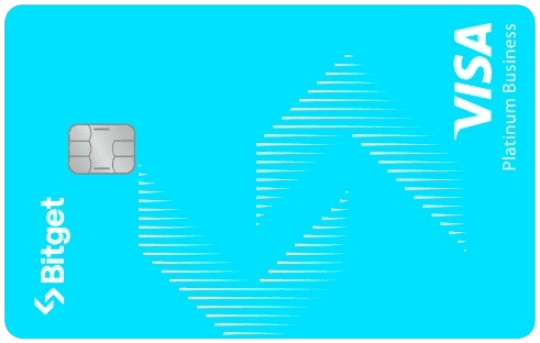
Trade and Spend: Up to 8% BGB Cashback for Bitget Traders
2. Gnosis Pay Card
Your Keys, Your Card, Your Money

3. ether.fi Core Card
Zero Barriers: 3% Back on Every Purchase, No Stake Required
4. Plutus Visa Card
Non-Custodial PLU Rewards on Eligible Spend + Lifestyle Perks
5. Private (Icy White / Rose Gold)
Elite Private Status: 4% Uncapped Cashback + Guests
Crypto Card Regulation in Lithuania
Bank of Lithuania: The EU's Fintech Licensing Engine
The Lietuvos bankas (Bank of Lithuania) is the country's central bank and sole financial regulator. It oversees banking, payment services, electronic money institutions, and crypto-asset service providers. Lithuania's regulatory claim to fame is extraordinary: it has issued more EMI and payment institution licenses than any other EU member state. At peak, Lithuania held nearly one-third of all EU-issued EMI licenses.
This licensing dominance is not accidental. The Bank of Lithuania created the CENTROlink payment system, enabling Lithuanian-licensed institutions to access TARGET2 and SEPA without needing a commercial bank correspondent, a capability that massively reduced barriers to entry for fintech startups.
The regulator also established a regulatory sandbox (LBChain) and published detailed, practical licensing guides in English. The result: Vilnius became the go-to jurisdiction for fintech companies seeking EU market access.
Under MiCA, the Bank of Lithuania is the designated competent authority for CASP licensing. Critical deadline: December 31, 2025. All crypto service providers must hold a valid MiCA license by this date or face fines, website blocking, and potential criminal charges (up to 4 years imprisonment). Of the 370+ entities previously registered as crypto providers, only approximately 30 had submitted license applications by late 2025, with just 10 under active evaluation - a massive shake-out.
Additionally, CASPs offering payment services related to e-money tokens must obtain separate payment authorization or transfer those services by March 1, 2026. The FNTT (Finansiniu nusikaltimu tyrimo tarnyba, Financial Crime Investigation Service) handles AML enforcement and has been active in revoking registrations from non-compliant operators.
For crypto card users, Lithuania's licensing hub status has a direct benefit: many card issuers hold their European licenses through Lithuanian entities. Gnosis Pay operates under UAB PayrNet Lithuania's EMI license. Other card issuers use Lithuanian payment institution licenses for their EUR processing.
This means Lithuanian users often benefit from the most direct regulatory relationship with their card issuer, potentially leading to faster dispute resolution and clearer consumer protection pathways.
Plutus operates under UK/EU authorizations, Bitpanda holds an Austrian license, and exchange-linked cards from Crypto.com use EEA-licensed third-party issuers (some of which are themselves Lithuanian-licensed).
Lithuania's Bank of Lithuania is the EU's most prolific fintech licensing authority. For crypto card users, this means deep institutional familiarity with digital payment products and strong consumer protection.
Tax Treatment of Card Rewards in Lithuania
15% PIT with EUR 2,500 Exemption Threshold
Lithuania's crypto tax framework combines a low rate with a useful exemption. The VMI (Valstybes mokesciu inspekcija, State Tax Inspectorate) classifies crypto gains as turto pardavimo pajamos (asset disposal income) taxed at 15% personal income tax (GPM, gyventoju pajamu mokestis). A potential exemption applies: combined capital gains from crypto and securities disposals below EUR 2,500 per year may be tax-exempt.
How the EUR 2,500 Exemption Works
The exemption covers all capital gains from transferable securities and crypto-assets combined. If your total gains from crypto card spending, crypto trading, stock sales, and bond disposals stay under EUR 2,500 in a calendar year, the gains are exempt from GPM. Unlike Italy's cliff-based threshold (where crossing EUR 2,000 makes everything taxable), Lithuania's exemption operates as a standard deduction: the first EUR 2,500 of gains are exempt, and only gains above EUR 2,500 are taxed at 15%.
Worked Tax Examples
Example 1: Under the exemption. You spend EUR 12,000/year through your card from BTC that has doubled. Gains on disposals = EUR 2,000. Since EUR 2,000 < EUR 2,500 exemption, tax = EUR 0. You earned EUR 576/year in cashback (5% Gnosis Pay) completely tax-free.
Example 2: Above the exemption. Same spending pattern but BTC tripled. Gains = EUR 4,000. First EUR 2,500 exempt. Taxable gain = EUR 1,500. Tax = EUR 225 (15%). This is remarkably low compared to Ireland (33%), Finland (30-34%), or Denmark (up to 52%).
Example 3: USDC spending (optimal above exemption). When you expect gains to exceed EUR 2,500, switch to USDC. Same EUR 12,000 annual spend. Gains = EUR 0. Tax = EUR 0. You preserve the EUR 2,500 exemption for any trading gains.
Example 4: Exemption management (mixed strategy). You trade crypto and realize EUR 1,500 in trading gains by August. You have EUR 1,000 of exemption remaining. You spend from appreciated ETH until card spending gains reach EUR 1,000, then switch to USDC for the remaining months. Total gains: EUR 2,500. Tax: EUR 0.
Example 5: Borrow-to-spend. You hold 5 ETH worth EUR 15,000 (acquired at EUR 5,000). Instead of selling, you borrow EUR 2,000 via ether.fi and spend through the card. No disposal = no gain counted toward the EUR 2,500 exemption. Your trading activity can use the full exemption independently.
| Funding Method | Counted Toward EUR 2,500? | Rate Above Exemption | Strategy |
|---|---|---|---|
| BTC/ETH (appreciated) | Yes | 15% above EUR 2,500 | Use first, track running total |
| USDC/USDT (stablecoin) | No (negligible gains) | N/A | Switch when approaching exemption |
| Borrow-to-spend (ether.fi, Nexo) | No (no disposal) | N/A | Preserves exemption for trading |
| Cashback received | Debated | 15% if classified as income | Declare conservatively |
Lithuania vs Neighbors: Tax Comparison
| Country | Crypto Tax Rate | Exemption | EUR Zone |
|---|---|---|---|
| Lithuania | 15% | EUR 2,500 deduction | Yes |
| Latvia | 25.5% | None | Yes |
| Estonia | 20% | None | Yes |
| Poland | 19% | None | No |
| Finland | 30-34% | None | Yes |
We reviewed all Baltic-Nordic tax regimes: Lithuania offers the lowest effective rate in the region at 15% with a EUR 2,500 deduction. For moderate spenders who stay within the exemption, the effective rate is 0%.
Report all crypto disposals to VMI using form GPM311. Filing deadline: May 1 of the following year. VMI will receive exchange data through DAC8 starting 2026.
How to Apply from Lithuania
KYC: Lithuanian Identity Documents
Lithuanian crypto card applications require an asmens tapatybes kortele (Lithuanian ID card) or pasas (Lithuanian passport). Lithuania issues both physical and electronic ID cards with digital signature capability through the m. parasas (mobile signature) system, which provides a Smart-ID equivalent for remote authentication.
The asmens kodas (personal identity code, 11 digits) is Lithuania's primary identifier for all financial services. EU/EEA citizens residing in Lithuania can use their national ID under eIDAS mutual recognition. Non-EU residents need a leidimas gyventi (residence permit) plus passport.
Proof of address: komunaliniu paslaugu saskaita (utility bill from Ignitis for electricity/gas, Vilniaus vandenys for water, or Telia for telecom), banko israsas (bank statement from Swedbank, SEB, Luminor, or Paysera), or nuomos sutartis (rental agreement). Lithuania's digital infrastructure supports fast verification; most EEA-licensed issuers complete Lithuanian KYC within 24 hours.
Physical cards ship to Lithuanian addresses within 7-14 business days via Lietuvos pastas (national postal service). Virtual cards activate immediately and can be added to Apple Pay or Google Pay, both widely supported through Swedbank, SEB, and Luminor.
Spending Tips for Lithuania
Lithuania's Triple Advantage: Low Tax + Exemption + Affordable Living
Lithuania occupies a sweet spot for crypto card users: 15% tax (among the EU's lowest), a EUR 2,500 exemption (creating a genuine tax-free zone), and a cost of living that makes cashback proportionally more impactful than in Western Europe. EUR 600-1,000/year in cashback represents meaningful purchasing power in Vilnius.
Exemption-First Strategy
Unlike high-tax countries where the strategy is always "fund with stablecoins," Lithuania's EUR 2,500 exemption creates a two-phase approach:
Phase 1 (January-September/October): Spend from appreciated BTC or ETH. Track gains toward the EUR 2,500 ceiling. Card spending with moderate appreciation (2x) typically generates EUR 1,000-2,000 in gains on EUR 10,000-15,000 of annual spending, often staying within the exemption entirely.
Phase 2 (October-December): If approaching the exemption, switch to USDC. If gains are well under EUR 2,500 by October, continue with appreciated crypto.
For many Lithuanian users spending EUR 800-1,200/month, the exemption may never be reached through card spending alone, effectively making crypto card spending 100% tax-free on the capital gains side.
Card Selection for Lithuanian Residents
- Bitget (net 7.1% after 0.9% tx fee): Highest raw return for BGB stakers. At EUR 1,000/month, net annual cashback is approx. EUR 852.
- Gnosis Pay (5% GNO, free): Lithuanian-licensed EMI issuer. 5% GNO cashback with self-custody. The closest thing to a "local" crypto card in Lithuania.
- Plutus (3-9% + perks): The domestic EUR perk optimizer. Netflix, Spotify, Amazon Prime, and other qualifying services generate PLU rebates. Plans start at EUR 6.99/month (Starter, 1 perk, EUR 250 eligible spend), EUR 9.99/month (Everyday, 2 perks, EUR 500), or EUR 19.99/month (Premium, 3 perks, EUR 1,000). The 2.5% non-domestic FX fee applies to non-EUR transactions.
- Crypto.com Icy (4%): Metal card with CRO staking. Popular in the Baltics.
- ether.fi (3%, free): Tax deferral for ETH holders. At 15%, the tax saving is smaller per euro than in high-tax countries, but borrowing still preserves the EUR 2,500 exemption for other gains.
- KAST (2%, 0.5% FX, free): Quick prepaid route for smaller EUR balances when you want live spending before committing to a larger exchange setup.
Break-Even: Bitget vs Gnosis Pay vs Plutus
| Monthly Spend | Bitget (7.1% net) | Gnosis Pay (5% GNO) | Plutus Premium (3% base, EUR 1,000 cap, 3 perks, EUR 240/yr sub) |
|---|---|---|---|
| EUR 500 | EUR 426/yr | EUR 240/yr | EUR 180 + EUR 420 perks - EUR 240 sub = EUR 360/yr |
| EUR 800 | EUR 682/yr | EUR 384/yr | EUR 288 + EUR 420 - EUR 240 = EUR 468/yr |
| EUR 1,200 | EUR 1,022/yr | EUR 576/yr | EUR 360 + EUR 420 - EUR 240 = EUR 540/yr CAPPED |
| EUR 2,000 | EUR 1,704/yr | EUR 960/yr | EUR 540/yr CAPPED |
Plutus is now capped by eligible spend: above EUR 1,000/month, no additional cashback accrues. At EUR 500/month Plutus delivers EUR 360/year net (perks minus subscription cost), but at EUR 1,200+ it flatlines at EUR 540/year while Bitget and Gnosis Pay scale linearly. Gnosis Pay overtakes Plutus at EUR 1,200/month with zero fees and Lithuanian EMI licensing. Bitget dominates at all spend levels.
Vilnius Cost of Living
Vilnius is one of the most affordable EU capitals with a rapidly growing tech scene. Monthly budget for a single person: rent EUR 450-800 (Naujamiestis, Uzupis EUR 550-800; Snipiskes, Antakalnis EUR 400-650; Baltupiai, Pilaite EUR 350-500), groceries EUR 150-250 (Maxima, Rimi, Lidl, Norfa, IKI), dining out EUR 60-150 (street food EUR 3-5, Stikliu Gate restaurants EUR 10-20, Vilnius fine dining EUR 25-45).
Public transport EUR 29 (monthly pass), utilities EUR 80-130, subscriptions EUR 30-60. Total: EUR 799-1,420/month of card-eligible spending.
Kaunas runs 15-20% cheaper: rent EUR 350-600. Klaipeda (Baltic coast) is similar to Kaunas. Smaller towns (Siauliai, Panevezys) are cheaper still.
At EUR 1,000/month on Bitget with the exemption strategy (BTC until gains approach EUR 2,500, then USDC): EUR 852/year in cashback. If gains stay within exemption: EUR 0 tax. Net: EUR 852 per year. In Vilnius, that covers 2 months of groceries from Maxima or 29 months of public transit passes.
Local Payment Infrastructure
Lithuania has excellent contactless adoption. Visa and Mastercard contactless work at all Maxima, Rimi, Lidl, Norfa, and IKI supermarkets, Akropolis and Ozas shopping centers in Vilnius, Mega and Akropolis in Kaunas, and virtually all restaurants and cafes in the Old Town and Gedimino prospektas areas. Apple Pay and Google Pay are standard through all three major banks (Swedbank, SEB, Luminor) and through Paysera.
Vilnius public transport (Susisiekimo paslaugos) uses the Vilniaus viesojo transporto bilietas (m-ticket) system via app or physical card, not contactless bank card payment directly. Transit costs are low (EUR 29/month unlimited), so this is a minor limitation.
Cash usage is declining rapidly in urban Lithuania. Most establishments in Vilnius and Kaunas prefer card payments. Rural areas and some market vendors (Hales Turgus in Vilnius, Kaunas market) still use cash, but these are exceptions.
Cross-Border Spending
Lithuania's central Baltic position creates natural cross-border patterns: Latvia to the north (EUR, zero FX), Poland to the south and west (PLN, FX applies). Swedbank charges 1.5% FX on PLN. A 0% FX crypto card saves on shopping trips to Bialystok, Warsaw, or the popular border town Suwalki. For Klaipeda residents, ferry trips to Sweden (SEK) and Germany (EUR, zero FX) are common.
Supported Exchanges & Wallets in Lithuania
Card Issuers Serving Lithuania
Lithuania's crypto card ecosystem is uniquely positioned: the country is both a user market and an issuer market. The Bank of Lithuania's licensing dominance means many crypto card issuers hold their EU licenses through Lithuanian entities, creating a concentration of fintech expertise in Vilnius that directly benefits Lithuanian users through shorter support response times and greater regulatory familiarity.
Exchange-linked cards provide the highest yields. Bitget delivers 8% (net 7.1%) for BGB stakers and is the top yield recommendation. Crypto.com has a Baltic user base, with the Icy tier offering 4% cashback. Gate.io, KuCoin, and Kraken also serve Lithuanian residents.
EEA-native issuers have a natural home in Lithuania. Gnosis Pay holds its EMI license through a Lithuanian entity (UAB PayrNet Lithuania), making it the most "local" crypto card available.
Plutus has Baltic adoption among the tech community, though plans now start at EUR 6.99/month with no free tier, the Premium costs EUR 19.99/month (EUR 240/year), eligible spend is capped at EUR 250-1,000/month, and a 2.5% non-domestic FX fee applies to non-EUR transactions.
Bitpanda provides 1% flat cashback. Ready brings Starknet self-custody. Bleap adds account abstraction.
Borrow-to-spend preserves the EUR 2,500 exemption. ether.fi (3%, borrow against staked ETH) and Nexo (2%, broader collateral) avoid triggering disposals, keeping the exemption available for trading gains. At 15% above the exemption, the tax saving per euro is modest, but the exemption preservation is the key strategic value.
Local ecosystem: Lithuania's fintech strength lies in infrastructure rather than consumer-facing exchanges. Paysera (Vilnius-based, over 700,000 users in the Baltics) provides EUR accounts and P2P transfers but no crypto card. TransferGo (Lithuanian-founded) handles remittances. Several smaller Lithuanian exchanges hold local licenses but none offers a Visa/Mastercard card product. The crypto card market is entirely served by EU-wide issuers, many of which hold Lithuanian licenses.
Self-custody options are popular in Lithuania's tech-savvy community. MetaMask (1-3%), Ledger CL (1%, hardware wallet), COCA (up to 8% with 6% APY), and Solflare provide non-custodial spending.
Lithuania uniquely benefits from being both a crypto card user market and a licensing hub. The Bank of Lithuania's EMI leadership, 15% tax rate with EUR 2,500 exemption, eurozone settlement, and affordable living costs create a market where crypto card cashback delivers both absolute returns and proportionally high purchasing power.
Written by SpendNode Editorial
Frequently Asked Questions
What is Lithuania's crypto tax rate?
15% personal income tax on crypto gains. Gains below EUR 2,500/year from securities/crypto may be exempt. Report to VMI via form GPM311 by May 1. Fund with USDC to minimize taxable events.
Which crypto card is best for Lithuania?
Bitget (8%, 7.1% net) and Gnosis Pay (5% GNO, self-custody, Lithuanian-licensed EMI) lead. EUR settlement means zero FX. Lithuania's fintech hub status means Gnosis Pay is effectively a locally-licensed card.
What happened with Lithuania's crypto licensing?
MiCA deadline: Dec 31, 2025. Of 370+ registered crypto providers, only approx. 30 applied for MiCA licenses by late 2025. Providers without licenses face fines, website blocking, and criminal charges. CASPs offering EMT payment services need separate authorization by March 1, 2026.
Is crypto legal in Lithuania?
Yes, under MiCA. The Bank of Lithuania is the competent authority. Lithuania issued more EMI licenses than any other EU country. Full EU consumer protections apply to all MiCA-licensed issuers.
Other Countries
View all 108 countries →


Recent Updates to Best Crypto Cards in Lithuania
- Fixed Gnosis Pay from 4% to 5% in post-table text
- Fixed Crypto.com from generic 5%/1-5% to Icy 4% in table and card selection
- Fixed ether.fi FX from 0% to 1%, card type from Credit to Debit
- Fixed KAST FX from '0.5-1.75%' to 0.5%, rate from '4% $MOVE' to 2%
- Added MiCA Dec 31 2025 deadline (370+ providers, only 30 applied, criminal penalties for non-compliance)
- Added EMT payment services separate authorization deadline (March 1, 2026)