


Best Crypto Cards in Italy (2026)
Compare crypto cards available in Italy. Full EEA access with EUR settlement. The EUR 2,000 exemption was abolished in January 2025 and the tax rate rises to 33% in 2026.


Verified for Italy
50 crypto cards available
Local currency: EUR
Intesa Sanpaolo charges EUR 24-36/year for a basic debit card that returns zero cashback. UniCredit and Banco BPM are similar. Poste Italiane's PostePay is the most widespread prepaid card in Italy (over 30 million cards issued) but also offers zero rewards. All four charge 1.5-2.5% FX markup on non-EUR transactions.
If you are an Italian resident paying for groceries at Esselunga with a PostePay card, you are leaving 3-8% from crypto cards with cashback on the table every month while paying your bank for the privilege of holding your own money.
Italy has over 3 million crypto holders, one of the largest crypto populations in the EU. The combination of full EEA card access and EUR settlement (zero FX on domestic purchases) makes it a strong market for crypto card spending.
However, the tax landscape has shifted significantly: the EUR 2,000 annual CGT exemption was abolished effective January 1, 2025, and the imposta sostitutiva rate increases from 26% to 33% from January 1, 2026. MiCA-compliant euro-pegged stablecoins (E-Money Tokens) remain at 26%.
This means stablecoin funding is now essential for Italian crypto card users. Without the exemption, every euro of gain on card spending is taxable. The borrow-to-spend strategy through ether.fi becomes even more important at the higher 33% rate.
| Card | Max Cashback | Annual Fee | FX Fee | Type | Best For |
|---|---|---|---|---|---|
| Bitget | 8% | $0 | 0% + 0.9% tx | Debit | Highest raw cashback (BGB staking) |
| Plutus | 9% | EUR 6.99-19.99/mo | 2.5% | Debit | Domestic perk optimizer, subscription rebates |
| Tria | Up to 6% | $20-$250 | 0% | Debit | Yield-linked rewards, zero FX |
| Gnosis Pay | 5% | $0 | 0% | Debit | Self-custody on Gnosis Chain |
| Kolo | 5% BTC | $0 | 0% | Prepaid | Highest free-tier BTC rewards |
| Crypto.com Icy | 4% | CRO stake | 0% | Prepaid | Metal + lounge access at FCO/MXP |
| ether.fi | 3% | $0 | 1% | Debit | Borrow against staked ETH (avoid 33% tax) |
| KAST | 2% | $0 | 0.5% | Prepaid | Free prepaid for light euro spending |
| Kraken | 1% | $0 | 0% | Debit | 0% fees, exchange-linked, EEA licensed |
We reviewed all EEA-licensed cards for Italian residents - Bitget delivers the highest net return (7.1% after the 0.9% transaction fee) for BGB stakers.
Plutus targets domestic perk optimizers: subscription rebates on Netflix, Spotify, and Amazon Prime (1-3 perks depending on plan) on top of up to 9% cashback, though the EUR 240/year Premium subscription and 2.5% non-EUR FX fee restrict it to domestic spending.
ether.fi is the tax optimization tool: borrow against staked ETH to spend without triggering the 33% imposta sostitutiva. Gnosis Pay provides self-custody at 5% for Ethereum ecosystem users. Tria offers up to 6% with 0% FX and yield-linked rewards. Kolo delivers 5% BTC cashback at $0.
Best Card For Every Need in Italy
Top 8 Crypto Cards in Italy
Italy abolished its EUR 2,000 CGT exemption in January 2025 and raises the imposta sostitutiva from 26% to 33% in January 2026 - making stablecoin funding and borrow-to-spend the only rational strategies going forward. ether.fi is the key Italian-specific pick: borrow against staked ETH to spend without triggering the 33% rate. Tria's yield-linked rewards at 0% FX avoid volatile token tax exposure at the new higher rate.
Bitget leads on raw cashback (8% BGB, 7.1% net) while Plutus reaches 9% with subscription rebates (1-3 perks), though the EUR 240/year cost and 2.5% FX keep it domestic-only. Kolo at 5% BTC with 0% FX is the highest free-tier option. Kraken adds a zero-fee exchange option at 1% cashback. KAST at 2% with 0.5% FX rounds out the list as a simple prepaid entry.
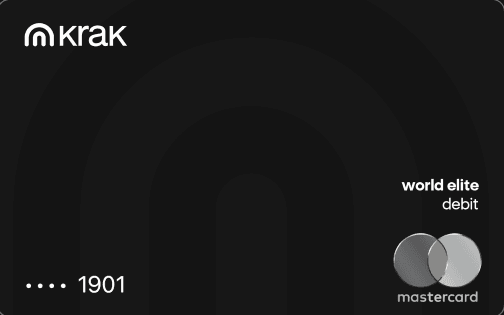
1. Krak Mastercard
Transparent Spending: Mid-Market Rates + 1% Back
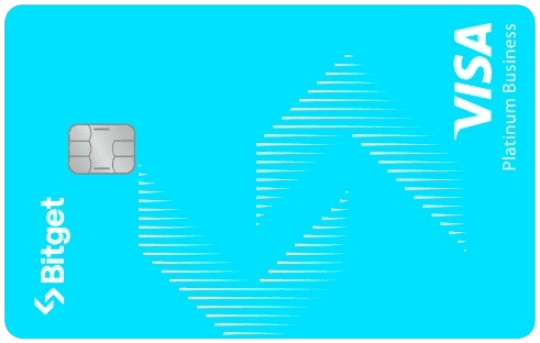
2. Bitget Card
Trade and Spend: Up to 8% BGB Cashback for Bitget Traders
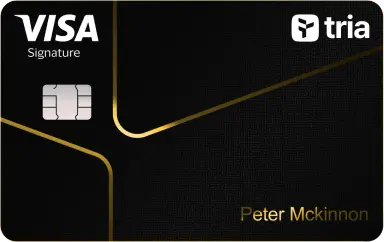
3. Tria Signature Card
High-Yield Mastery: 15% APY + Visa Signature Perks
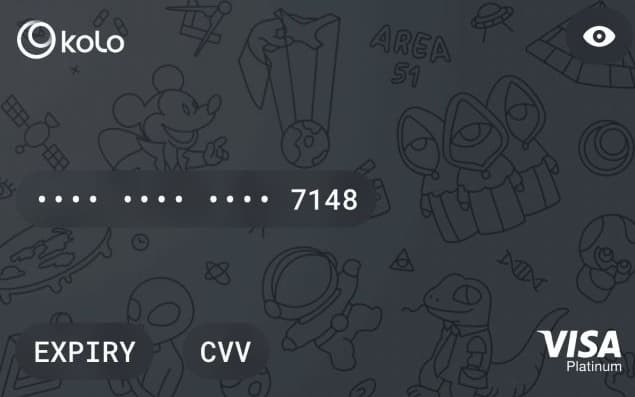
4. Kolo Card
Earn Bitcoin on Every Purchase: 5% BTC Cashback + Visa Platinum + 170+ Countries
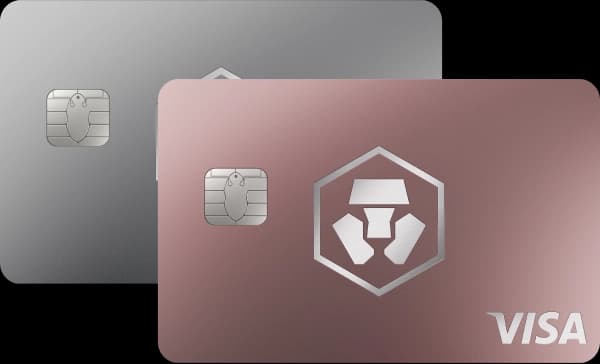
5. Private (Icy White / Rose Gold)
Elite Private Status: 4% Uncapped Cashback + Guests

6. Plutus Visa Card
Non-Custodial PLU Rewards on Eligible Spend + Lifestyle Perks

7. ether.fi Core Card
Zero Barriers: 3% Back on Every Purchase, No Stake Required

8. KAST K Card
Early Adopter Access: 2% Points + 4% $MOVE on Every Swipe
Crypto Card Regulation in Italy
CONSOB, OAM, and the 2023 Tax Reform
Italy's crypto regulatory structure involves three distinct authorities. The CONSOB (Commissione Nazionale per le Societa e la Borsa) oversees securities and market conduct. The Banca d'Italia handles banking supervision and payment services. The OAM (Organismo Agenti e Mediatori) maintains the mandatory register of virtual asset service providers (VASPs), and every crypto company serving Italian residents must hold either an OAM registration or a MiCA CASP license from another EEA member state.
The OAM register, publicly searchable at organismo-am.it, is the practical check for Italian users. Any exchange or card issuer not on this register (or not EEA-passported under MiCA) is operating outside Italian law. Italy's OAM registration process is substantive: applicants must demonstrate compliance with AML/CTF requirements, maintain adequate capital, and report regularly. As of 2024, several hundred entities hold OAM registration, including all major exchanges serving Italy.
Italy's 2023 crypto tax reform (Legge di Bilancio 2023, Art. 1, commi 126-147) was a watershed moment. It formally classified crypto assets as a taxable category under Italian law and introduced the 26% imposta sostitutiva. The original EUR 2,000 annual exemption was subsequently abolished by the 2025 budget law.
Critically, the reform also offered a crypto sanatoria (voluntary regularization): Italian taxpayers could retroactively declare previously unreported crypto holdings by paying a reduced penalty rate. This one-time amnesty signaled Italy's intent to bring the entire crypto economy into the formal tax system.
For crypto card users, the practical picture is straightforward. All major EEA-licensed issuers serve Italy through MiCA passporting.
Gnosis Pay operates under a Lithuanian EMI license, Plutus under UK/EU authorizations, and exchange-linked cards from Bybit, Crypto.com, use OAM-registered or EEA-licensed third-party issuers. Bitpanda holds its Austrian license.
Verify your card issuer's OAM registration at organismo-am.it or confirm their MiCA CASP license. Italy's Agenzia delle Entrate (Revenue Agency) has active data-sharing agreements with exchanges and is cross-referencing reported income with on-chain data.
Tax Treatment of Card Rewards in Italy
Imposta Sostitutiva: 26% in 2025, 33% from 2026
Italy's crypto tax landscape changed significantly in 2025. The EUR 2,000 annual exemption was abolished effective January 1, 2025 - every euro of crypto capital gains is now taxable. The rate is 26% for 2025 and increases to 33% from January 1, 2026. MiCA-compliant euro-pegged stablecoins (E-Money Tokens) remain at 26% even after the rate increase.
What This Means for Card Spending
Every crypto card transaction that disposes of appreciated crypto triggers the imposta sostitutiva. There is no threshold, no exemption, no holding period discount. At 33%, a EUR 1,000 gain on card spending costs EUR 330 in tax.
Worked Tax Examples (Post-Abolition)
Example 1 (USDC funding). You spend EUR 18,000/year funded with USDC purchased at EUR-to-USDC parity. Gains per transaction: near-zero. Tax: near-zero. Cashback at 5%: EUR 900 (taxable as miscellaneous income, but no capital gains tax on the spending itself).
Example 2 (BTC funding at 33%). You spend EUR 18,000/year from BTC that doubled. Gains = EUR 9,000. Tax at 33% = EUR 2,970. With 5% cashback (EUR 900), your net is negative after tax: -EUR 2,070.
Example 3 (Borrow-to-spend). You hold ETH worth EUR 15,000 (cost basis EUR 5,000). You borrow USDC via ether.fi and spend through the card. No disposal = no tax. Your EUR 10,000 unrealized gain stays untaxed. At 33%, this deferral saves EUR 3,300.
18% Redetermination Option
Italy offers a one-time 18% imposta sostitutiva on your entire crypto portfolio value as of January 1, 2026 to reset your cost basis. If your portfolio has appreciated significantly, this can be favorable: future gains would be calculated from the new higher basis. Consult a commercialista before electing this option.
| Funding Method | Tax Rate | Strategy |
|---|---|---|
| BTC/ETH (appreciated) | 26% (2025) / 33% (2026+) | Avoid unless gains are minimal |
| USDC/USDT (stablecoin) | Near-zero gains | Primary funding strategy |
| MiCA-compliant EUR stablecoins | 26% (stays at 26% even after 2026) | Slight advantage over non-MiCA stablecoins |
| Borrow-to-spend (ether.fi) | No disposal = no tax | Best for large appreciated holdings |
Cashback Tax Treatment
The treatment of crypto cashback in Italy is not fully settled. The Agenzia delle Entrate has not issued specific guidance on whether card cashback constitutes reddito diverso (miscellaneous income) or is analogous to a commercial discount.
Conservative treatment: declare cashback as miscellaneous income at your marginal IRPEF rate (23-43% depending on income bracket). If cashback is received in a volatile token (BTC, GNO, PLU), subsequent disposal gains are separately subject to the 26-33% imposta sostitutiva.
Declare all crypto holdings in Quadro RW (foreign financial asset monitoring) of your annual tax return. Report capital gains in Quadro RT. Filing deadline: November 30 via your commercialista or the Agenzia delle Entrate online portal. With the exemption abolished, stablecoin funding is now essential for Italian crypto card users.
How to Apply from Italy
KYC: Italian Digital Identity
Italian crypto card applications require a carta d'identita (CIE, Carta d'Identita Elettronica) or passaporto (passport) for citizens. The CIE (electronic ID card, credit-card format with NFC chip) is Italy's primary identity document and is accepted by all EEA-licensed issuers.
The codice fiscale (16-character alphanumeric fiscal code, found on the tessera sanitaria health card) is Italy's universal tax identifier. Every financial service in Italy requires it. The format encodes your surname, name, birth date, birthplace, and a check digit. EU/EEA citizens residing in Italy receive a codice fiscale upon registration at the Agenzia delle Entrate.
SPID (Sistema Pubblico di Identita Digitale) provides a standardized digital identity accepted by some card issuers for streamlined onboarding. SPID providers include Poste Italiane, Aruba, Infocert, and others. CIE-based digital authentication (via the CieID app) is gaining acceptance as an alternative.
Proof of address: bolletta (utility bill from Enel, Eni, A2A for electricity/gas, or Telecom Italia/TIM, Vodafone, WindTre for phone), estratto conto (bank statement from Intesa Sanpaolo, UniCredit, Banco BPM, MPS, or PostePay), or certificato di residenza (residence certificate from the local Comune/Anagrafe, which carries the strongest legal weight for address verification).
Physical cards ship to Italian addresses within 5-10 business days via Poste Italiane or private courier (SDA, GLS, DHL). Virtual cards activate immediately and can be added to Apple Pay or Google Pay. Italy has one of the highest Apple Pay adoption rates in the eurozone, making virtual crypto cards exceptionally practical from day one.
Spending Tips for Italy
Stablecoin Funding is Now Essential
With the EUR 2,000 exemption abolished and the rate rising to 33%, the strategy for Italian crypto card users has simplified: fund with stablecoins. Every euro of gain on appreciated crypto spending is now taxable from the first euro. The three-phase exemption management strategy that previously made Italy unique no longer applies.
Post-Abolition Spending Math
| Strategy | Annual Spend: EUR 18,000 | Gains Realized | Tax (33% from 2026) | Net Cashback (7.1% Bitget) |
|---|---|---|---|---|
| All USDC | EUR 18,000 | EUR 0 | EUR 0 | EUR 1,278 |
| All BTC (2x appreciated) | EUR 18,000 | EUR 9,000 | EUR 2,970 | EUR 1,278 - EUR 2,970 = -EUR 1,692 |
| Borrow-to-spend (ether.fi) | EUR 18,000 | EUR 0 (no disposal) | EUR 0 | EUR 648 (3% after 1% FX) |
At 33%, spending appreciated BTC through a card produces a large net loss after tax. USDC funding preserves the full cashback. Borrow-to-spend through ether.fi earns less cashback (3% minus 1% FX) but avoids all tax on appreciated holdings.
Card Selection for Italian Residents
- Bitget (net 7.1% after 0.9% tx fee): Highest raw return for BGB stakers. OAM-compliant through EEA passporting. At EUR 1,500/month, net annual cashback is approx. EUR 1,278.
- Plutus (3-9% + perks): The subscription optimizer. Italy's Netflix (EUR 13.99), Spotify (EUR 10.99), Amazon Prime (EUR 4.99/mo), and DAZN (for Serie A football, potentially eligible for rebate) create significant PLU rebate value. Three free-tier perks add EUR 30-40/month.
- Tria (up to 6%, 0% FX): Signature at 4.5% ($109/yr) or Premium at 6% ($250/yr). Yield-linked rewards avoid volatile token imposta sostitutiva exposure.
- Gnosis Pay (5%, free): Self-custody at 5% from a Safe wallet. No staking requirement.
- Kolo (5% BTC, 0% FX, $0): No-fee BTC rewards on EUR spending. $5 per purchase cap, $200 monthly cap.
- Crypto.com Icy (4%, CRO stake): Metal card with lounge access at Roma Fiumicino (FCO) and Milano Malpensa (MXP).
- ether.fi (3%, 1% FX, free): Borrow against staked ETH without triggering the 33% imposta sostitutiva. Essential for holders with large unrealized gains.
- Kraken (1%, free): 0% fees, exchange-linked Mastercard. A clean zero-cost option for Kraken users who want seamless exchange-to-card spending.
- KAST (2%, 0.5% FX, free): Simple prepaid entry for users who want a lightweight start before OAM-compliant onboarding.
Break-Even: Bitget vs Plutus vs Gnosis Pay
| Monthly Spend | Bitget (7.1% net) | Plutus (3% + 3 perks) | Gnosis Pay (5%) |
|---|---|---|---|
| EUR 600 | EUR 511/yr | EUR 216 + approx. EUR 420 perks = EUR 636/yr | EUR 360/yr |
| EUR 1,000 | EUR 852/yr | EUR 360 + approx. EUR 420 perks = EUR 780/yr | EUR 600/yr |
| EUR 1,500 | EUR 1,278/yr | EUR 540 + approx. EUR 420 perks = EUR 960/yr | EUR 900/yr |
| EUR 2,500 | EUR 2,130/yr | EUR 900 + approx. EUR 420 perks = EUR 1,320/yr | EUR 1,500/yr |
At low spend, Plutus with perks leads. At EUR 1,000+, Bitget pulls ahead. Gnosis Pay is the simple middle option.
Regional Cost of Living
Italy has enormous regional cost variation, among the largest in the EU:
Milan (most expensive): Rent EUR 1,000-1,800 (Navigli, Brera EUR 1,200-1,800; Lambrate, Bovisa EUR 800-1,200), groceries EUR 250-400 (Esselunga, Carrefour, Conad), dining EUR 100-250, ATM transit pass EUR 39/month. Total: EUR 1,400-2,490/month.
Rome: Rent EUR 800-1,400 (Trastevere, Prati EUR 1,000-1,500; Garbatella, Testaccio EUR 700-1,100), groceries EUR 200-350, dining EUR 80-200, ATAC transit pass EUR 35/month. Total: EUR 1,115-1,985/month.
Naples, Turin, Bologna: Rent EUR 500-1,000, groceries EUR 180-300. Total: EUR 800-1,500/month.
Southern Italy and smaller cities: Rent EUR 300-600, groceries EUR 150-250. Total: EUR 600-1,100/month.
At EUR 1,500/month on Bitget funded with USDC: EUR 1,278/year in cashback with near-zero tax on the spending itself. In Naples, that covers more than a month of groceries and dining.
Local Payment Infrastructure
Italy's payment culture has shifted dramatically toward contactless, accelerated by the 2020 cashback bonus (Cashback di Stato, now ended) which incentivized electronic payments and a 2023 law requiring all merchants to accept electronic payments (fines for refusal). PagoBANCOMAT is the domestic debit network, but Visa and Mastercard contactless work at virtually all merchants nationwide.
Apple Pay adoption in Italy is among the highest in Europe. Satispay (Italian P2P payment app) has over 4 million users but is bank-account-linked, not crypto-compatible. Nexi processes the majority of Italian card transactions.
Contactless acceptance is strong across all regions: Esselunga, Conad, Coop, Carrefour, Lidl, and Eurospin supermarkets; Milan's ATM metro; Rome's ATAC buses and metro; restaurants, bars, and tabaccherie (tobacconists) nationwide. Even smaller establishments that historically preferred cash now accept cards due to the 2023 mandate.
Cross-Border: Switzerland and Beyond
Northern Italian residents (Milan, Turin, Como, Varese) frequently cross into Switzerland (CHF zone). Intesa Sanpaolo charges 2-2.5% FX on CHF. A 0% FX crypto card saves EUR 20-25 per EUR 1,000 spent in Lugano, Zurich, or Geneva.
For residents of Como and the Ticino border area, weekly Swiss shopping trips mean annual FX savings of EUR 200-500. Crypto cards at border outlets like FoxTown (Mendrisio) and Zurich Bahnhofstrasse pay cashback on luxury spending that traditional Italian banks cannot match.
France (EUR), Austria (EUR), and Slovenia (EUR) are zero-FX destinations from Italian borders.
Supported Exchanges & Wallets in Italy
Card Issuers Serving Italy
Italy's 3+ million crypto holders make it one of the largest markets in the EEA by user count. The OAM registration requirement creates a verified layer of regulatory compliance that benefits Italian users: if a card issuer is on the OAM register or holds a MiCA CASP license passported into Italy, it has met substantive AML/CTF requirements. Young Platform (Torino-based, OAM registered) is Italy's largest domestic exchange but does not offer a card product.
Exchange-linked cards offer the highest cashback rates. Bitget delivers 8% (net 7.1%) for BGB stakers and is the strongest yield recommendation for Italian residents.
Crypto.com has a large Italian user base, particularly for the Ruby Steel and Icy White metal tiers with crypto cards with lounge access at FCO and MXP. Gate.io, KuCoin, and Kraken round out the exchange options.
EEA-native issuers benefit from Italy's eurozone membership and MiCA passporting. Plutus has strong Italian adoption among tech professionals in Milan and Rome who value the subscription rebate system, particularly with Italy's growing streaming culture (Netflix, Amazon Prime, DAZN for Serie A). Gnosis Pay serves Italy's Ethereum community.
Bitpanda provides 1% flat cashback from its Austrian base. Ready brings Starknet self-custody. Wirex offers up to 8% at higher tiers. Bleap adds EEA-focused account abstraction.
Borrow-to-spend is now essential for ETH holders. With every euro of gain taxable at 33% (from 2026), ether.fi (3% cashback, borrow against staked ETH) and Nexo (2% cashback, broader collateral) avoid triggering the imposta sostitutiva entirely. Borrowing EUR 10,000 instead of selling saves EUR 3,300 in tax at the 33% rate.
Self-custody cards align with Italian privacy culture. MetaMask (1-3%), Ledger CL (1%, hardware wallet), COCA (up to 8% with 6% APY on reserves), and Solflare provide non-custodial spending.
Given Italy's Quadro RW foreign asset reporting requirement, the privacy benefit of self-custody is limited from a tax perspective (holdings must still be declared), but the security benefit of key control remains.
Italy's 2025 abolition of the EUR 2,000 exemption and 2026 rate increase to 33% make stablecoin funding and borrow-to-spend the essential strategies going forward. Italy's 3+ million crypto users, OAM registration requirement, near-universal card acceptance, and the 18% redetermination option make it one of the most developed - and most tax-sensitive - crypto card markets in the EEA.
Written by SpendNode Editorial
Frequently Asked Questions
Is there still a tax-free threshold for crypto in Italy?
No. The EUR 2,000 annual exemption was abolished effective January 1, 2025. Every euro of crypto capital gains is now taxable. The imposta sostitutiva rate is 26% for 2025 and increases to 33% from January 1, 2026. MiCA-compliant euro stablecoins remain at 26%. Fund your card with USDC/USDT to minimize taxable gains.
Do I need to declare crypto holdings on my Italian tax return?
Yes. Italian tax residents must declare crypto holdings in Quadro RW (for monitoring purposes) and report capital gains in Quadro RT. The 2023 sanatoria allowed retroactive regularization, but ongoing annual reporting is mandatory.
How do crypto cards compare to Italian bank cards?
Italian bank cards from Intesa Sanpaolo, UniCredit, or BancoPosta offer zero cashback and charge 1.5-2.5% on non-EUR transactions. Crypto cards offer 1-9% cashback with 0% FX. Fund with stablecoins to avoid triggering the 26-33% imposta sostitutiva on every transaction.
What is the 18% redetermination option?
Italy offers a one-time 18% tax on your entire crypto portfolio value as of January 1, 2026, to reset your cost basis. This can be favorable if your portfolio has appreciated significantly, as future gains would be calculated from the new higher basis. Consult a commercialista before electing this option.
Other Countries
View all 108 countries →


Recent Updates to Best Crypto Cards in Italy
- Major tax update: EUR 2,000 annual CGT exemption abolished January 1, 2025. Imposta sostitutiva rising from 26% to 33% from January 2026. MiCA-compliant EMT stablecoins remain at 26%. Added 18% redetermination option FAQ. Rewrote intro, rationale, FAQs, tax section, spending tips, and exchanges to fully remove all old exemption logic (three-phase strategy, threshold management math, cliff-based examples all replaced with post-abolition content)
- Fixed Gnosis Pay from 4% to 5%. Recalculated break-even. Fixed ether.fi FX 0% to 1%. Fixed KAST from 'up to 4% $MOVE' to 2%. Fixed Crypto.com Jade Green to Icy 4% throughout (table, card selection, exchanges)
- Added Tria (up to 6%, 0% FX, yield-linked) and Kolo (5% BTC, 0% FX, $0) to table, card selection, and topCardSlugs