


Best Crypto Cards in Denmark (2026)
Compare 36 crypto cards available in Denmark. World's most cashless society with DKK-EUR peg, high tax rates, and full EEA card availability.

Verified for Denmark
50 crypto cards available
Local currency: DKK
Denmark runs on cards. It is the world's most cashless society, with over 90% of transactions digital. Yet Danske Bank, Nordea, and Jyske Bank debit cards earn zero cashback and charge 1-2% on non-DKK purchases. Danske Bank's standard Visa/Dankort charges a 1.5% valutavekslingskurtillaeg (FX surcharge) on foreign currency transactions. Nordea's debit adds 1.75% FX plus a DKK 30/month international card fee on some accounts.
Jyske Bank charges 1.5% FX. For a country where card spending is the overwhelming norm, Danish residents accept remarkably poor terms from their banks.
Denmark's crypto tax environment is among the harshest in Europe: 37-42% capital income tax on crypto gains with no holding period exemption, and SKAT (Skattestyrelsen, the Danish tax authority) is one of the most aggressive crypto tax enforcers in the EU. This makes stablecoin funding absolutely mandatory for Danish crypto card users.
However, the combination of 0% FX fees (saving 1-1.75% on every DKK transaction), 4-9% cashback (vs 0% from banks), and the world's best card infrastructure means crypto cards still deliver significant value even after Denmark's punishing tax rates.
The DKK is pegged to EUR through ERM II at approximately 7.46 DKK/EUR, with a narrow fluctuation band of +/-2.25%. This means EUR-denominated crypto cards convert to DKK at a near-fixed rate with minimal FX risk. Denmark chose to opt out of euro adoption (the 2000 referendum rejected it by 53.2%), so the DKK-EUR peg is a permanent policy fixture rather than a transition toward eurozone entry.
| Card | Max Cashback | Annual Fee | FX Fee | Type | Best For |
|---|---|---|---|---|---|
| COCA | Up to 8% | $0 | 0% | Debit | Self-custody, $COCA tiers (1% free) + 6% APY |
| Bitget | 8% | $0 | 0% + 0.9% tx | Debit | Exchange-linked, 7.1% net BGB cashback |
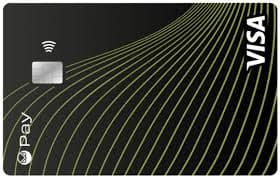
| Gnosis Pay | 5% GNO | $0 | 0% | Debit | Self-custody with 5% GNO cashback |
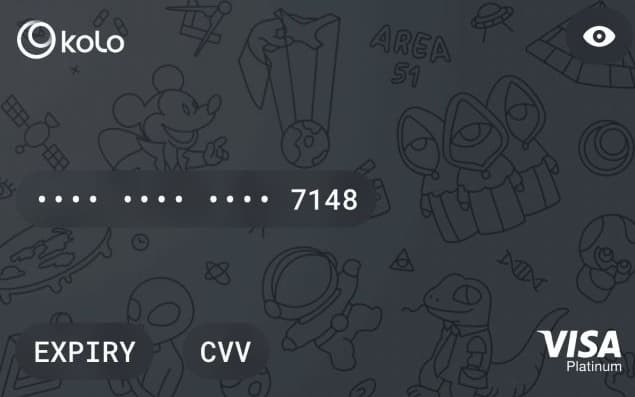
| Kolo | 5% BTC | $0 | 0% | Prepaid | 5% BTC cashback, $5/txn cap, $200/mo cap |
| Tria Signature | 4.5% | $109/yr | 0% | Visa Signature | Self-custody, 0% FX, Visa perks |
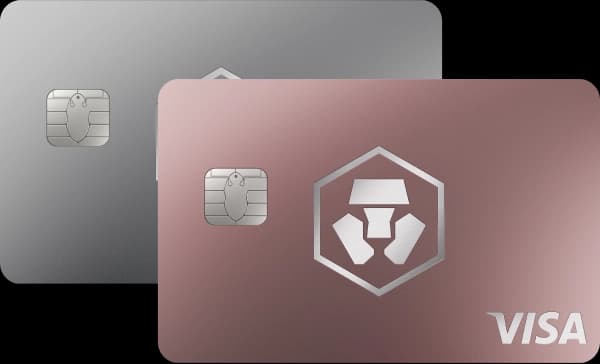
| Crypto.com Icy | 4% | CRO stake | 0% | Prepaid | Metal card, CPH lounge access |
| ether.fi | 3% | $0 | 1% | Debit | Borrow-to-spend avoids 42% disposal tax |
We verified 25+ EEA-passported cards for Danish residents. Fund with USDC only. At 42% tax, spending appreciated BTC through a card is financially destructive. With stablecoin funding (0% disposal gain), Danish residents keep the full cashback minus tax on the cashback itself.
COCA scales to 8% cashback at Elite tier (staking 30K $COCA tokens, 1% at free Starter) with 6% stablecoin APY - the stablecoin yield provides additional return on the USDC reserves you must hold for card funding. Gnosis Pay earns 5% GNO through one of the stronger reward cards with full self-custody. Kolo delivers 5% BTC cashback at zero cost ($5/txn cap, $200/mo cap).
Tria Signature offers 4.5% yield-linked rewards with self-custody and 0% FX. ether.fi at 3% (1% FX) is essential for Danish holders with unrealized gains - at 42% disposal tax, the borrow-to-spend model saves more money here than in any other EU country.
Crypto.com Icy at 4% adds airport lounge access at CPH (Kastrup Airport) through CRO staking.
Best Card For Every Need in Denmark
Top 6 Crypto Cards in Denmark
Denmark's 37-42% capital income tax is the harshest in the EU - spending appreciated BTC through a card is financially destructive, making stablecoin funding mandatory and borrow-to-spend essential for anyone holding volatile crypto. A proposed unrealized gains tax (inventory model) could push this further.
COCA leads with up to 8% cashback plus 6% APY on USDC reserves - uniquely valuable when Danish users must hold large stablecoin balances for card funding. Bitget at 8% (7.1% net after 0.9% tx fee) provides the highest zero-cost alternative. Gnosis Pay earns 5% GNO cashback with self-custody and 0% FX. Kolo delivers 5% BTC cashback at zero cost. Tria Signature offers 4.5% yield-linked with self-custody and 0% FX.
ether.fi at 3% (1% FX) deserves special emphasis: at 42% disposal tax, borrowing against staked ETH saves DKK 340,000/year on DKK 1M of unrealized gains versus selling. Crypto.com Icy at 4% adds CPH lounge access for Copenhagen flyers.
1. COCA Visa Card
Self-Banking: 8% Cashback + 6% APY + 0% FX
2. Bitget Card
Trade and Spend: Up to 8% BGB Cashback for Bitget Traders

3. ether.fi Core Card
Zero Barriers: 3% Back on Every Purchase, No Stake Required
4. Gnosis Pay Card
Your Keys, Your Card, Your Money
5. Kolo Card
Earn Bitcoin on Every Purchase: 5% BTC Cashback + Visa Platinum + 170+ Countries
6. Private (Icy White / Rose Gold)
Elite Private Status: 4% Uncapped Cashback + Guests
Crypto Card Regulation in Denmark
The Finanstilsynet (Danish Financial Supervisory Authority / FSA) is Denmark's primary financial market regulator and the designated MiCA authority. The Finanstilsynet regulates banks, insurance, investment firms, and - under MiCA - crypto asset service providers.
Denmark was among the early EU adopters of VASP registration requirements, implementing the 5th Anti-Money Laundering Directive (5AMLD) through amendments to the Hvidvaskloven (Money Laundering Act, Lov nr. 651 af 8. juni 2017, as amended).
The Nationalbanken (Danmarks Nationalbank) manages monetary policy through the DKK-EUR peg mechanism. Denmark participates in ERM II with a fluctuation band of +/-2.25% around the central rate of 746.038 DKK per 100 EUR. The Nationalbanken maintains this peg through interest rate policy and foreign exchange interventions. This peg has been stable since 1999 and is considered one of the most reliable currency pegs in the world.
SKAT (Skattestyrelsen / Danish Tax Authority) is a critical entity for Danish crypto users. SKAT has been one of the most aggressive crypto tax enforcers in the EU:
- In 2018-2019, SKAT obtained transaction data from multiple international exchanges through EU mutual assistance agreements
- SKAT sent automated letters (opgoerelsesbreve) to thousands of Danish taxpayers identified as having unreported crypto gains
- Denmark participates in the EU DAC8 directive on automatic exchange of crypto asset information between tax authorities
- SKAT has publicly stated it uses AI and data analytics to cross-reference exchange data with self-reported tax returns
Under MiCA, Denmark benefits from full EEA-wide passporting. Crypto.com, Bybit, Bitget, and Plutus all serve Danish residents through their European entities. No major crypto card issuer has been banned or restricted in Denmark. The Finanstilsynet has not imposed Denmark-specific advertising restrictions beyond EU standard requirements.
Proposed unrealized gains tax (2025-2026): Denmark's Tax Law Committee (Skattelovradet) proposed taxing unrealized crypto gains at 42% using an "inventory taxation" (lagerbeskatning) model, where entire portfolios are valued annually regardless of whether assets are sold. If enacted, this would tax paper gains each year - making Denmark potentially the harshest crypto tax jurisdiction globally.
The bill was expected to be introduced to the Folketing in 2025 but has not yet been enacted. Monitor developments closely.
DAC8 implementation: From 2026, EU Directive DAC8 requires crypto service providers to report Danish user transaction data to SKAT automatically. Combined with SKAT's existing exchange data agreements, this makes comprehensive reporting of all crypto activity mandatory.
August 2025 court decision: Denmark's City Court confirmed that crypto gains are taxable when the original purchase was made with speculative intent, even for early Bitcoin buyers who argued their coins were acquired for technical experimentation.
SKAT's enforcement reach makes compliance non-optional. Keep meticulous records of every card transaction, funding event, and cashback receipt. Assume SKAT has access to your exchange data.
Tax Treatment of Card Rewards in Denmark
Denmark taxes crypto gains as either personal income (personlig indkomst) or capital income (kapitalindkomst) depending on classification. The classification determines which tax brackets apply:
Capital income (kapitalindkomst): Most individual investors and card spenders fall into this category. Crypto held as a passive investment, occasionally spent through a card, is typically classified as capital income. Effective rates:
- Positive net capital income is taxed at approximately 37-42% depending on your municipality (kommuneskat varies from 22.8% to 26.3%) and whether you pay church tax (kirkeskat, 0.4-1.3% if registered with Folkekirken)
- The bundskat (bottom bracket) is 12.11%, topskat (top bracket, on income above DKK 588,900) is 15%, and AM-bidrag (labor market contribution, 8%) applies before other taxes on earned income but NOT on capital income
Personal income (personlig indkomst): If crypto trading is your primary occupation or constitutes a business activity (naeringsvirksomhed), gains are taxed as personal income at marginal rates up to approximately 52.07% (including municipal tax, church tax, and bundskat/topskat). Card spending from business-classified crypto is extremely tax-heavy.
Example 1 - Casual investor using stablecoins (optimal): You fund your crypto card with USDC purchased this week. No disposal gain. Cashback received at 8% (COCA): DKK 960/month on DKK 12,000/month spending. The cashback is taxed as capital income at approx. 42%: DKK 403/month in tax. Net monthly cashback: DKK 557. Annual net: DKK 6,684.
Example 2 - Appreciated BTC funding (suboptimal): You hold BTC that has doubled in value. You load DKK 12,000/month onto your card. Cost basis: DKK 6,000. Gain: DKK 6,000/month. Tax at 42%: DKK 2,520/month on the gain alone. Cashback: DKK 960/month. Net: DKK 960 - DKK 2,520 = negative DKK 1,560/month. You are LOSING money by spending appreciated crypto. Stablecoin funding is not optional in Denmark - it is mathematically required.
Example 3 - Borrow-to-spend (advanced): Instead of selling appreciated BTC, you borrow USDC against it via ether.fi or Nexo. No disposal, no 42% tax. Your BTC continues appreciating. The borrowing interest (3-8% APR) is dramatically cheaper than the 42% disposal tax.
On DKK 100,000 of unrealized gains, borrowing costs DKK 3,000-8,000/year vs DKK 42,000 in tax. This is the single most valuable strategy for Danish holders with significant unrealized gains.
Example 4 - SKAT enforcement scenario: SKAT identifies via exchange data that you loaded DKK 150,000 onto your card from Bybit in 2025 but reported no crypto gains. SKAT issues a restatement (aendring af skatteansaettelse) adding the unreported gains. Penalty: up to 100% of the underpaid tax for negligent non-reporting, potentially criminal prosecution for intentional evasion. This is not theoretical - SKAT has sent thousands of such letters.
| Scenario | Disposal Tax | Tax on Cashback (8% on DKK 12,000/mo) | Net Monthly Cashback |
|---|---|---|---|
| USDC funding (0% gain) | DKK 0 | DKK 403 (42% on DKK 960) | DKK 557 |
| BTC funding (doubled, DKK 6,000 gain) | DKK 2,520 | DKK 403 | -DKK 1,963 |
| Borrow via ether.fi (no disposal) | DKK 0 | DKK 126 (42% on 3% of DKK 12,000) | DKK 234 + yield preserved |
At 42% tax with active SKAT enforcement, stablecoin funding is the ONLY viable strategy for Danish crypto card users. Spending appreciated crypto produces net losses. Borrow-to-spend preserves holdings and avoids the 42% tax entirely.
Tax reporting: Danish residents report crypto gains on their annual Selvangivelse (self-assessment) via TastSelv at skat.dk. Crypto capital income goes in Rubrik 38 (kapitalindkomst). The deadline for self-reporting adjustments is May 1. SKAT pre-fills some data (aarsopgorelse/forskudsopgoerelse) but does NOT pre-fill crypto - you must manually report. Failure to report triggers automatic review and potential penalties.
How to Apply from Denmark
Danish crypto card applications require a pas (Danish passport) or sundhedskort (health insurance card, the yellow card/sygesikringskort) for identification. The sundhedskort is Denmark's most commonly used physical ID for domestic purposes (Denmark does not have a traditional national ID card separate from the passport). EU/EEA citizens living in Denmark can use their national ID card.
The CPR-nummer (Central Person Register number) is Denmark's 10-digit personal identifier (format: DDMMYY-XXXX), assigned to all Danish residents. The CPR-nummer is required by virtually all financial services in Denmark, including crypto card applications. It appears on your sundhedskort.
MitID (replaced NemID in October 2023) is Denmark's standard digital identification system, used for all online banking, government services, and increasingly for financial service verification. Some EEA crypto card issuers accept MitID verification for faster onboarding, though most use standard EU verification services (Onfido, Jumio, Sumsub).
Proof of Danish address via el-regning/varmeregning (electricity/heating bill from e.g., Oersted, DONG Energy successor, or local utility), kontoudtog (bank statement from Danske Bank, Nordea, Jyske Bank, Nykredit, or Sydbank), or CPR registration confirmation from the Folkeregister (Civil Registration). The e-Boks system (Denmark's official digital mail platform) can provide utility bills and bank statements digitally.
Physical cards ship to Danish addresses within 5-10 business days via PostNord (Danish-Swedish postal service). Virtual cards are available immediately for cards with Apple Pay and Google Pay use - particularly relevant in Denmark where digital wallets are used at the majority of POS terminals.
Spending Tips for Denmark
Stablecoin-Only Strategy: Mathematically Required at 42%
Denmark's 37-42% capital income tax on crypto gains makes spending appreciated crypto through a card a guaranteed money-loser. The math is unequivocal:
- At 8% cashback and 100% BTC appreciation, you earn DKK 960 but pay DKK 2,520 in tax. Net: -DKK 1,560/month.
- At 8% cashback with USDC funding, you earn DKK 960 and pay DKK 0 in disposal tax. Net: +DKK 557/month (after cashback tax).
The difference between these two strategies is DKK 2,117/month or DKK 25,404/year. That is the cost of ignoring stablecoin funding in Denmark. Fund your card exclusively with USDC or USDT. No exceptions.
Borrow-to-Spend: The Danish Essential
At 42% CGT, the borrow-to-spend strategy is not a niche optimization - it is the primary strategy for any Danish crypto holder with unrealized gains. ether.fi (3% cashback) and Nexo (2%) allow you to:
- Keep your BTC/ETH untouched (no disposal, no 42% tax)
- Borrow USDC against your holdings
- Spend the borrowed USDC through a card
- Your collateral continues appreciating
- Repay when market conditions are favorable or offset with losses
On DKK 500,000 (approx. EUR 67,000) of unrealized gains:
- Selling triggers DKK 210,000 in tax (42%)
- Borrowing at 6% APR costs DKK 30,000/year in interest
- Net savings: DKK 180,000/year by deferring the disposal
For Danish holders with significant positions, this is the most consequential financial decision in their crypto card strategy.
Card Selection for Danish Users
- COCA (up to 8% with staking $COCA, 1% free): 6% stablecoin APY on USDC reserves, especially valuable since Danish users must maintain large USDC balances for card funding
- Bitget (8%, free, 0.9% tx fee): 0% FX matters for DKK users. Net effective 7.1% after transaction fee
- Gnosis Pay (5% GNO): Self-custody on Gnosis Chain with 5% GNO cashback and 0% FX
- Kolo (5% BTC, free): 5% BTC cashback with $5/txn cap and $200/mo cap. Zero-cost secondary card
- Tria Signature (4.5%, $109/yr): Self-custody Visa Signature with 0% FX and Visa perks
- Crypto.com Icy (4%): CPH Kastrup lounge access via LoungeKey. CRO stake required
- ether.fi (3%, 1% FX): Lower cashback but the borrow-to-spend model is more valuable in Denmark than any other EU country due to the 42% tax deferral
Card Break-Even at 42% Tax
All funded with USDC. Cashback taxed at approx. 42% as capital income. Net = gross x 0.58:
| Monthly Spend (DKK) | COCA Elite 8% | Bitget 7.1% net | Gnosis Pay 5% GNO |
|---|---|---|---|
| DKK 8,000 | DKK 7,680 gross, DKK 4,454 net | DKK 6,816 gross, DKK 3,953 net | DKK 4,800 gross, DKK 2,784 net |
| DKK 15,000 | DKK 14,400 gross, DKK 8,352 net | DKK 12,780 gross, DKK 7,412 net | DKK 9,000 gross, DKK 5,220 net |
| DKK 25,000 | DKK 24,000 gross, DKK 13,920 net | DKK 21,300 gross, DKK 12,354 net | DKK 15,000 gross, DKK 8,700 net |
COCA dominates at every spending level with the highest rate and zero fees. Bitget at 7.1% net (8% minus 0.9% tx fee) is the best zero-cost alternative. Gnosis Pay at 5% GNO with self-custody provides strong returns with no fees. COCA's 6% APY on USDC reserves widens the gap further: a Danish user holding DKK 75,000 (EUR 10,000) in USDC for card funding earns DKK 4,500/year in additional yield.
Spending Scenario: Copenhagen Professional at DKK 20,000/month
A Copenhagen-based professional (average salary DKK 42,000/month) spending DKK 20,000/month on cards (rent is typically via Netbank transfer, not card):
| Strategy | Annual Spend | Gross Cashback | Tax on Cashback (42%) | Tax on Disposal | Net Annual Benefit |
|---|---|---|---|---|---|
| COCA 8% + USDC funding | DKK 240,000 | DKK 19,200 | DKK 8,064 | DKK 0 | DKK 11,136 |
| COCA 8% + BTC funding (doubled) | DKK 240,000 | DKK 19,200 | DKK 8,064 | DKK 50,400 | -DKK 39,264 |
| ether.fi 3% + borrow against BTC | DKK 240,000 | DKK 7,200 | DKK 3,024 | DKK 0 | DKK 4,176 + yield |
The difference between USDC and BTC funding is DKK 50,400/year in tax. That is more than one month's gross salary for the average Copenhagen professional. The borrow-to-spend route nets less cashback but preserves the entire BTC position.
Danish Cost of Living Context
Our local cost analysis for Copenhagen, Aarhus, and Odense confirms Denmark has one of the highest costs of living in Europe, making every DKK of cashback meaningful:
- Copenhagen: Rent DKK 8,000-14,000/1BR (Indre By/central, or DKK 6,000-10,000 in Amager, Noerrebro, Frederiksberg). Groceries DKK 3,000-4,500/month at Netto (cheapest), Foetex, Irma (premium), Rema 1000. Dining DKK 150-350 per meal (smoerreboerd at a traditional restaurant runs DKK 150-250). Copenhagen Metro/bus monthly pass DKK 400+ (Rejsekort zones). Monthly card-eligible spending: DKK 10,000-25,000.
- Aarhus: Rent DKK 6,000-10,000. Groceries DKK 2,500-4,000. Dining DKK 120-300. Denmark's second city with a strong university and IT sector. Slightly cheaper than Copenhagen.
- Odense/Aalborg: Rent DKK 4,500-8,000. Groceries DKK 2,000-3,500. Dining DKK 100-250. Lower costs but also fewer card-eligible spending opportunities.
At DKK 15,000-20,000/month card spending, 5% cashback (Gnosis Pay) nets DKK 5,220-6,960/year after 42% tax - enough to cover a Rejsekort annual transit pass and then some.
Where Cards Work in Denmark
Denmark is the world's most cashless society. Contactless Visa/Mastercard acceptance is universal:
Copenhagen: Every supermarket (Netto, Foetex, Bilka, Irma, Rema 1000, SuperBrugsen), every restaurant, every bar, every coffee shop, every clothing store. Stroeget (Europe's longest pedestrian shopping street), Tivoli Gardens, Copenhagen Airport (CPH). Many shops display "Vi tager ikke imod kontanter" (we do not accept cash). Card refusal is non-existent in Copenhagen.
Public transit: The Rejsekort system is a closed-loop NFC card for trains, buses, and metro. You cannot tap a crypto card at Rejsekort readers. However, DSB (Danish State Railways) intercity tickets can be purchased online or at station machines with Visa/Mastercard. The DOT (Din Offentlige Transport) app also accepts card payment.
MobilePay: Denmark's dominant mobile payment platform (owned by Vipps MobilePay, joint Nordic venture). MobilePay is linked to Danish bank accounts only - crypto cards cannot be registered with MobilePay. This does not limit card usage since Visa/Mastercard contactless terminals are at every merchant, but MobilePay-only situations (primarily person-to-person payments and some small vendors) require a Danish bank account.
Apple Pay and Google Pay are universally supported and widely used. Danish consumers are highly comfortable with digital wallets, making virtual crypto card activation for instant mobile payments a natural fit.
Cross-Border FX: Nordics and Beyond
Despite the DKK-EUR peg (near-zero conversion), other Nordic currencies involve real FX:
- Sweden (SEK): Copenhagen-Malmo Oeresund commuters and shoppers. SEK is a floating currency. 0% FX saves 1.5-2% per purchase vs Danske Bank cards. The Oeresund bridge toll (SEK 575 or DKK 410) and Stockholm trips both benefit.
- Norway (NOK): Norwegian fjord trips, skiing in Hemsedal/Trysil. NOK floats. 0% FX saves 1.5-2%.
- UK (GBP): London flights from CPH are frequent. 0% FX saves 1.5-2% on GBP.
- Iceland (ISK): Popular Danish holiday destination. ISK is volatile. 0% FX can save 2-3%.
Supported Exchanges & Wallets in Denmark
Denmark's high-tax environment makes card strategy fundamentally different from lower-tax EU countries. The exchange/card selection is driven primarily by two factors: (1) maximizing cashback rate on stablecoin-funded spending, and (2) accessing borrow-to-spend models to avoid the 42% disposal tax.
COCA at up to 8% (1% free Starter, scaling with staking $COCA tokens) with 6% stablecoin APY is the optimal self-custody choice for Danish users. The dual return stream - up to 8% card cashback + 6% yield on USDC reserves - is especially powerful because Danish users must maintain large stablecoin reserves for card funding anyway.
Gnosis Pay earns 5% GNO cashback with full self-custody on Gnosis Chain. Kolo delivers 5% BTC cashback at zero cost. Tria offers self-custody Visa cards up to 6% yield-linked rewards with 0% FX.
ether.fi (3% cashback) deserves special emphasis in the Danish context. At 42% disposal tax, the borrow-to-spend model saves Danish holders more money per euro of deferred tax than in any other EU country. A Danish holder with DKK 1,000,000 in unrealized ETH gains saves DKK 420,000 in tax by borrowing against their position rather than selling.
Even at 8% borrowing APR (DKK 80,000/year), the net savings are DKK 340,000/year. Nexo at 2% offers a similar model with different collateral terms.
Wirex at up to 8% via WXT staking competes at higher tiers. Bitpanda at 1% is the lowest-yielding option but offers 600+ tradeable assets. MetaMask Card (1-3%) connects wallet to Visa, Ledger CL Card integrates hardware wallet security, and Ready brings Starknet self-custody with STRK cashback.
Danish-headquartered Saxo Bank offers crypto trading through its platform but does not offer a Visa/Mastercard spending card product. NBCB (Nordic Blockchain Association) promotes blockchain adoption in the Nordics but the domestic card market relies entirely on EEA-passported international issuers. Traditional Danish banks (Danske Bank, Nordea, Jyske Bank, Nykredit, Sydbank) have not entered the crypto card space.
Denmark's world-leading cashless infrastructure ensures near-zero friction for crypto card spending, but SKAT's 42% tax and aggressive enforcement make stablecoin funding and borrow-to-spend strategies the only viable approaches. In Denmark, the tax strategy IS the spending strategy.
Written by SpendNode Editorial
Frequently Asked Questions
How harsh is Denmark's crypto tax for card users?
Very. Crypto gains are taxed as capital income at approximately 42% including municipal and church tax. SKAT has been one of Europe's most aggressive enforcers, obtaining exchange data directly. A proposed unrealized gains tax (inventory model) could make this even harsher. Fund exclusively with stablecoins.
Which crypto card is best for Danish residents?
COCA (up to 8%, self-custody, 6% USDC APY) leads because Danish users must hold stablecoins anyway. Bitget (8%, 7.1% net) and Gnosis Pay (5% GNO, self-custody) are strong alternatives. ether.fi (3%) is essential for borrow-to-spend tax deferral. Stablecoin funding is mandatory at 42% tax.
Does the DKK-EUR peg help crypto card users?
Yes. DKK is pegged to EUR at approx. 7.46 DKK/EUR via ERM II, so EUR-settled cards have near-zero FX impact on Danish purchases. Non-EUR transactions (USD, GBP, SEK, NOK) benefit from 0% FX cards.
Can SKAT track my crypto card spending?
SKAT has obtained exchange data from multiple platforms and sends automated letters. DAC8 (from 2026) will require all EU crypto service providers to report Danish user transactions automatically. Keep meticulous records of all transactions.
Other Countries
View all 108 countries →


Recent Updates to Best Crypto Cards in Denmark
- Fixed Gnosis Pay from 0% to 5% GNO cashback (verified against source JSON)
- Fixed KAST from 4% to 2% in all text, tables, and break-even calculations
- Fixed Crypto.com from generic 5% to Icy 4% (matching topCardSlugs)
- Added Gnosis Pay (5% GNO), Kolo (5% BTC), and Tria Signature (4.5%) to table and recommendations
- Added ether.fi 1% FX fee disclosure in table
- Added proposed unrealized gains tax (inventory model), DAC8 implementation, and August 2025 court decision to regulatory section
- Recalculated break-even table with corrected card data (replaced KAST 4% and Plutus with Bitget 7.1% and Gnosis Pay 5%)
- Updated topCardSlugs: replaced plutus-visa-card and kast-card with gnosis-pay-card and kolo-card