


Best Crypto Cards in Vietnam (2026)
Compare crypto cards available in Vietnam. 4th globally in crypto adoption, 0.1% securities-equivalent tax rate, and landmark 2025 Digital Technology Law recognizing crypto as property.


Verified for Vietnam
36 crypto cards available
Local currency: VND
Vietnam ranks 4th globally in cryptocurrency adoption (Chainalysis 2025 Global Crypto Adoption Index), with an estimated 17-20 million crypto owners and over $200 billion in digital asset transactions in the 12 months to June 2025. The landmark Law on Digital Technology Industry 2025 (June 14, 2025, effective January 1, 2026) formally recognizes crypto as property, ending years of legal ambiguity.
Vietcombank, BIDV, and VietinBank debit cards earn zero cashback and charge 2-3% on non-VND purchases. A crypto card with zero FX fees and up to 8% rewards replaces that with international spending power that earns on every dong spent.
Vietnam's regulatory position shifted dramatically in 2025-2026: the State Bank of Vietnam (SBV) still bans direct crypto payments at merchants, but the new Digital Technology Law formally recognizes crypto as property, and a licensing framework is now accepting applications.
Pending a dedicated crypto tax regime, gains are treated the same as securities trading - 0.1% on transaction value for individuals. Card spending through Visa/Mastercard settles in VND fiat, entirely separate from the payment ban.
The Vietnamese dong (VND) has depreciated from approximately 23,000/USD in 2020 to 25,500+/USD by 2025. Holding stablecoins (USDC/USDT) via a crypto card effectively hedges against further VND weakness while earning cashback on every transaction.
| Card | Max Cashback | Annual Fee | FX Fee | Card Type | Why It Fits Vietnam |
|---|---|---|---|---|---|
| Bitget | 8% BGB | Free | 0% + 0.9% tx | Debit | Highest net cashback, BGB ecosystem |
| COCA | 8% | Free | 0% | Debit | Non-custodial + 6% APY |
| Tria | Up to 6% | $20-$250 | 0% | Debit | Yield-linked rewards, zero FX |
| Kolo | 5% BTC | Free | 0% | Prepaid | Highest free-tier cashback cards |
| Crypto.com Icy | 4% | CRO stake | 0% | Prepaid | Metal + lounge access at SGN/HAN |
| KAST | 2% | Free | 0.5% | Prepaid | Low-cost card for remittance-funded household spend |
In our Vietnam guide, COCA leads on net return: up to 8% cashback (1% at free Starter, scaling with staking $COCA) with 0% FX and 6% APY on stablecoin deposits.
Bitget offers 8% BGB cashback with 0% FX but a 0.9% transaction fee (7.1% net). Tria offers up to 6% with 0% FX and yield-linked rewards — Signature at 4.5% ($109/yr) or Premium at 6% ($250/yr). Kolo delivers 5% BTC cashback with 0% FX at $0 ($5/txn cap, $200/mo cashback cap).
Crypto.com Icy adds 4% cashback with airport lounge access at Tan Son Nhat (SGN) and Noi Bai (HAN) (requires CRO stake).
Best Card For Every Need in Vietnam
Top 7 Crypto Cards in Vietnam
Vietnam's 2025 Digital Technology Law formally recognizes crypto as property, and pending a dedicated tax regime, gains are taxed like securities at 0.1% of transaction value - one of the lowest effective rates globally.
COCA leads at up to 8% (1% at free Starter, scaling with staking $COCA) plus 6% APY - the APY doubles as a VND depreciation hedge in a currency that has lost 10%+ against the dollar since 2020. Bitget's 8% BGB with 0% FX solves the 2-3% markup that Vietcombank and BIDV charge on every non-VND transaction.
Tria Signature at 4.5% with 0% FX ($109/yr) offers yield-linked rewards without volatile token risk as Vietnam's regulatory framework evolves. Kolo at 5% BTC with 0% FX is the highest genuinely free option. Crypto.com Icy adds 4% with lounge access at SGN and HAN (CRO stake). ether.fi's borrow-to-spend model remains valuable as regulations evolve (borrowing creates no disposal event under any framework).
KAST at 2% with 0.5% FX earns its place for overseas Vietnamese or freelancer-funded households that want remittance balances usable for ordinary VND spending.
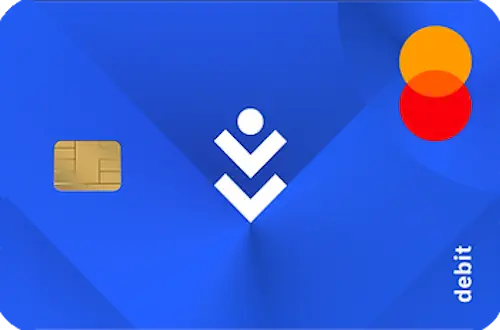
1. COCA Visa Card
Self-Banking: 8% Cashback + 6% APY + 0% FX
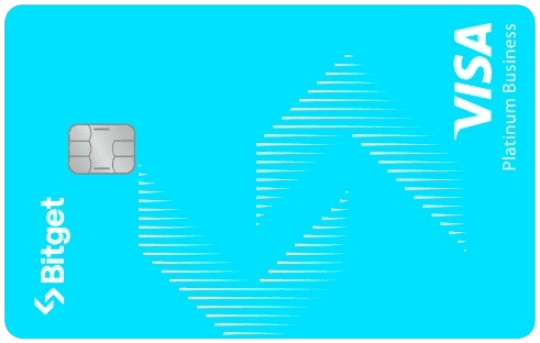
2. Bitget Card
Trade and Spend: Up to 8% BGB Cashback for Bitget Traders
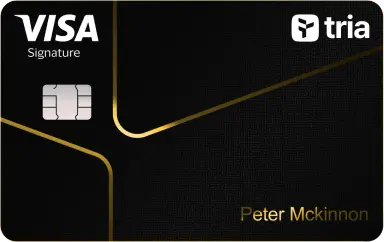
3. Tria Signature Card
High-Yield Mastery: 15% APY + Visa Signature Perks
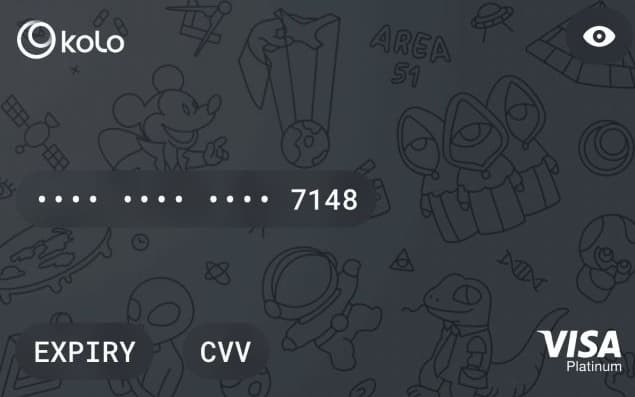
4. Kolo Card
Earn Bitcoin on Every Purchase: 5% BTC Cashback + Visa Platinum + 170+ Countries
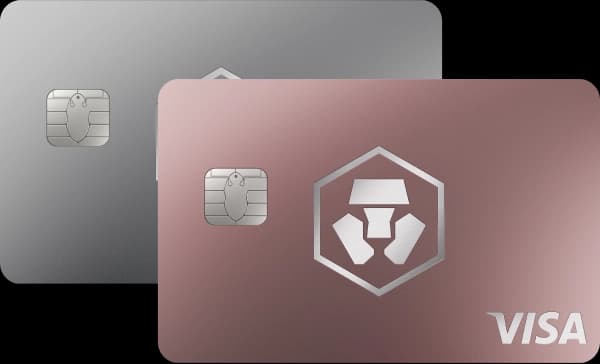
5. Private (Icy White / Rose Gold)
Elite Private Status: 4% Uncapped Cashback + Guests

6. ether.fi Core Card
Zero Barriers: 3% Back on Every Purchase, No Stake Required
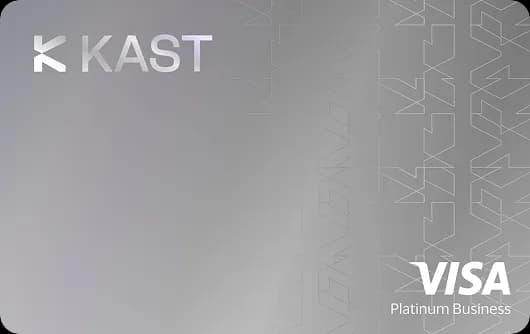
7. KAST K Card
Early Adopter Access: 2% Points + 4% $MOVE on Every Swipe
Crypto Card Regulation in Vietnam
The State Bank of Vietnam (Ngan hang Nha nuoc Viet Nam, SBV) does not recognize cryptocurrency as legal tender or a lawful means of payment. Using crypto for direct merchant payments remains banned under Decree 80/2016/ND-CP and Directive 02/CT-NHNN (2018). However, the legal landscape changed fundamentally in 2025.
The Law on Digital Technology Industry 2025 (passed by the National Assembly on June 14, 2025, effective January 1, 2026) is Vietnam's landmark crypto legislation. It formally recognizes digital assets as property under the Civil Code, meaning they can be owned, transferred, inherited, and legally protected. Vietnam became the first Southeast Asian country to grant crypto this status.
Regulatory development timeline:
- 2014: SBV first warned against Bitcoin usage
- 2016: Decree 80 banned crypto in payment services, penalties of VND 150-200 million for violations
- 2017: Prime Minister's Decision 1255 assigned the Ministry of Finance to develop a crypto regulatory framework
- 2020-2024: Multiple working groups, draft proposals, but no comprehensive legislation enacted
- June 2025: National Assembly passed the Law on Digital Technology Industry, recognizing crypto as property
- September 2025: Government enacted Resolution 05/2025/NQ-CP, establishing a five-year pilot programme (2025-2030) for crypto asset issuance, trading, and supervision
- January 2026: Law effective. Ministry of Finance began accepting license applications on January 20, 2026
Licensing framework: Minimum paid-up charter capital of VND 10,000 billion (approximately $400 million). Only Vietnamese-incorporated companies (limited liability or joint stock) can apply. Foreign exchanges must partner with local entities. IT systems must meet Level 4 cybersecurity classification before going live. The Ministry of Finance leads, coordinating with the State Securities Commission, the SBV, and the Ministry of Public Security.
Crypto cards settle through Visa/Mastercard in VND. The merchant receives Vietnamese dong through the card network. The crypto-to-fiat conversion happens offshore. This is legally distinct from the banned direct crypto payment.
Exchange landscape is shifting. Vietnamese traders currently use Binance (largest by volume, P2P for VND), Bybit, and Crypto.com through APAC access. Remitano (Ho Chi Minh City-based P2P platform) and VNDC (Vietnamese stablecoin project) serve the domestic market. The new licensing framework will eventually require these platforms to operate through licensed Vietnamese entities or exit the market.
Tax Treatment of Card Rewards in Vietnam
Vietnam's crypto tax treatment is now tied to the Law on Digital Technology Industry 2025. Pending the adoption of a dedicated crypto tax regime, Vietnamese law applies the same treatment to crypto assets as it does to the trading of securities. This means:
Personal income tax (PIT) on crypto disposals (including card spending): 0.1% of transaction value (not on the gain), under the securities treatment. This is one of the lowest effective rates globally - spending VND 10,000,000 through a crypto card incurs VND 10,000 in tax regardless of whether the underlying crypto appreciated by 0% or 1,000%.
In practice: Enforcement on individual crypto transactions remains minimal as the licensing framework rolls out. The General Department of Taxation (Tong cuc Thue) has not yet issued specific crypto tax guidance beyond the securities-equivalent treatment. As licensed platforms come online (applications accepted from January 20, 2026), tax reporting infrastructure will likely tighten. However, the 0.1% rate itself is favorable enough that compliance is not punitive.
| Cashback Type | Tax When Received | Tax When Spent via Card | Effective Tax |
|---|---|---|---|
| BTC/ETH cashback | Not taxed at receipt | 0.1% of transaction value (securities treatment) | Negligible |
| USDC cashback | Not taxed at receipt | 0.1% of transaction value | Negligible |
| Points/token cashback | Not taxed at receipt | 0.1% of transaction value | Negligible |
We flag a Vietnam-specific note: keep records of all transactions. As the licensing framework matures and licensed exchanges begin reporting, the tax authority will have increasing visibility into crypto activity. USDC funding creates the cleanest audit trail.
The 0.1% rate makes compliance painless. Unlike Japan (up to 55%) or India (30%), Vietnam's securities-equivalent treatment means the tax on crypto card spending is negligible. On VND 120,000,000/year in card spending, the total tax is VND 120,000 (under $5). This removes the incentive to avoid reporting.
How to Apply from Vietnam
Vietnamese crypto card applications require a CCCD (Can cuoc cong dan, Citizen Identity Card, the new-format chip-based 12-digit biometric ID issued since 2021) or the older CMND (Chung minh nhan dan, 9-digit ID, being phased out). The CCCD number is the primary national identifier, replacing the older CMND system. Vietnamese citizens over 14 are required to hold a CCCD.
Foreign residents need a passport plus a Giay phep lao dong (work permit) or The tam tru (temporary residence card). Proof of Vietnamese address: utility bills from EVN (Vietnam Electricity, Tap doan Dien luc Viet Nam), SAWACO (Saigon Water Corporation, HCMC) or VIWASUPCO (Hanoi water), telecom bills from Viettel (largest, 77+ million subscribers, military-owned), Mobifone, or Vinaphone (VNPT).
Bank statements from Vietcombank, BIDV, VietinBank, Techcombank, or VPBank also work.
KAST and RedotPay with fast KYC (2 min) are the most accessible for Vietnamese users who prefer not to go through full exchange KYC. Physical cards ship to Vietnamese addresses within 14-21 business days. Virtual cards are available immediately for Apple Pay and Google Pay.
Spending Tips for Vietnam
What Vietnamese Bank Cards Actually Cost You
Vietnam's banking sector includes four state-owned commercial banks (Vietcombank, BIDV, VietinBank, Agribank) and major private banks (Techcombank, VPBank, MB Bank, ACB, TPBank). Vietnamese bank debit cards offer zero cashback on domestic transactions. The few credit cards with cashback (Techcombank Visa Signature at 1% capped, VPBank StepUp at 2% on online) require credit approval and Vietnamese credit history.
FX markup on non-VND transactions: 2-3% across all banks (Visa/MC base rate + bank spread of 1-1.5%). For Vietnamese professionals making international purchases, this silent tax adds up fast.
| Category | Vietcombank Debit | Crypto Card (COCA 8%) | Annual Difference |
|---|---|---|---|
| Annual fee | VND 0 | VND 0 | VND 0 |
| Cashback on VND 10M/mo | VND 0 | VND 9,600,000 (8%) | VND 9,600,000 earned |
| FX on VND 3M/mo non-VND | VND 720,000-1,080,000 | VND 0 | VND 720,000-1,080,000 saved |
| Total annual advantage | - | - | VND 10,320,000-10,680,000 |
VND 10.3-10.7M/year (approx. $400-420). In Ho Chi Minh City, that covers over a month of groceries at a supermarket or 100+ street food meals.
Why Vietnam's Tax Rate Is an Advantage
At 0.1% of transaction value (securities treatment), Vietnam's effective crypto tax rate is dramatically lower than neighbors: Thailand 15% on card spending gains, Japan up to 55%, South Korea 22% (effective January 2027), India 30%, Australia up to 47%. Vietnamese card users effectively retain 99.9% of every transaction. On VND 120,000,000/year in card spending, the total tax liability is VND 120,000 - less than the cost of a single restaurant meal in District 1.
The optimal strategy: spend freely with any crypto, keep records for compliance as the licensing framework matures, and use USDC for the cleanest audit trail.
Card Selection for Vietnamese Users
- Bitget (8% BGB): Highest net cashback among exchange-linked cards
- COCA (8%): Non-custodial with 6% APY, best for DeFi-native users
- Tria (up to 6%, 0% FX): Signature at 4.5% ($109/yr) or Premium at 6% ($250/yr). Yield-linked rewards, zero FX.
- Kolo (5% BTC, 0% FX, $0): No-fee BTC accumulation on VND purchases. $5/txn, $200/mo caps
- KAST (2%, 0.5% FX, free): Lowest-cost card for remittance-funded or freelancer-funded household spending
- Crypto.com (up to 5%): Best for airport lounges and Netflix/Spotify rebates
Bitget vs COCA vs KAST: Vietnam Math
Bitget has a 0.9% transaction fee on top of zero FX. COCA has no extra fees. KAST charges 0.5% FX at the base 2% tier.
| Monthly Spend | COCA (8%, 0% fees) | Bitget (8%, 0.9% tx) | KAST (2% base, 0.5% FX) |
|---|---|---|---|
| VND 5M | VND 4.8M/yr | VND 4.26M/yr | VND 1.2M/yr |
| VND 10M | VND 9.6M/yr | VND 8.52M/yr | VND 2.4M/yr |
| VND 20M | VND 19.2M/yr | VND 17.04M/yr | VND 4.8M/yr |
| VND 40M | VND 38.4M/yr | VND 34.08M/yr | VND 9.6M/yr |
COCA at 8% with zero fees beats Bitget at every level due to no transaction fee. For most Vietnamese users, COCA is the cleanest high-yield option for everyday VND spending, with 6% APY on idle stablecoin balances adding a second return stream that doubles as a VND depreciation hedge. KAST at 2% base is the lowest-cost entry point for remittance-funded household spending.
Spending Scenario: VND 10,000,000/month Ho Chi Minh City Professional
| Category | Monthly | Annual | Where It Goes |
|---|---|---|---|
| Groceries | VND 2,500,000 | VND 30,000,000 | Co.opmart, Winmart+, Bach Hoa Xanh |
| Dining | VND 3,000,000 | VND 36,000,000 | Restaurants, cafes, bun cha/pho |
| Transport | VND 1,000,000 | VND 12,000,000 | Grab, Be (Vietnamese ride-hail) |
| Coffee | VND 1,000,000 | VND 12,000,000 | The Coffee House, Highlands Coffee, Phuc Long |
| Subscriptions | VND 500,000 | VND 6,000,000 | Netflix, Spotify, FPT Play |
| Shopping | VND 1,500,000 | VND 18,000,000 | Vincom, AEON Mall, Shopee |
| Entertainment | VND 500,000 | VND 6,000,000 | Movies, bars, weekend trips |
Total: VND 120,000,000/year ($4,700). At 8% cashback (COCA): VND 9,600,000/year ($376). At 0.1% securities tax on the spending itself: VND 120,000/year (under $5). Effective retention: 99.9%.
Cost of Living and Spending Tiers
- Ho Chi Minh City (District 1-3, Binh Thanh): VND 7,000,000-15,000,000 rent (1-bed, Thao Dien expensive, Phu Nhuan moderate, Go Vap affordable), VND 2,500,000-5,000,000 groceries. Best card acceptance.
- Ho Chi Minh City (Thu Duc, District 7): VND 5,000,000-10,000,000 rent. Growing tech hub (Thu Duc Technology City).
- Hanoi (Ba Dinh, Hoan Kiem, Tay Ho): VND 6,000,000-14,000,000 rent, VND 2,000,000-4,500,000 groceries. Strong card acceptance in Tay Ho/West Lake expat area.
- Da Nang: VND 4,000,000-10,000,000 rent. Growing nomad destination. My Khe Beach area has decent card acceptance.
- Nha Trang/Hoi An: VND 3,000,000-8,000,000 rent. Tourism-driven card acceptance.
Monthly card-eligible spending: VND 5,000,000-40,000,000 ($200-1,570).
Vietnam's Coffee Shop Economy
Vietnam is the world's second-largest coffee producer, and the cafe economy is central to daily life. The Coffee House (180+ stores, HCMC-based), Highlands Coffee (600+ stores, Jollibee-owned), Phuc Long (100+ stores), and Trung Nguyen E-Coffee (1,000+ stores) all accept Visa/Mastercard contactless. International chains: Starbucks (100+ stores in major cities). Vietnamese professionals spend VND 500,000-1,500,000/month on coffee and cafe food. Every transaction earns cashback.
Local Payment Infrastructure
Card acceptance is growing fast in HCMC and Hanoi. Visa/Mastercard contactless works at malls (Vincom system with 80+ locations nationwide, AEON Mall 7 locations, Lotte Mart, Crescent Mall), modern restaurants, hotels, and chain stores.
Co.opmart (800+ stores, Vietnam's largest supermarket chain), Winmart+ (Masan Group, 3,000+ minimart locations), Bach Hoa Xanh (Mobile World subsidiary, 1,700+ grocery stores), Big C (now Go! by Central Group), and AEON accept card payments.
MoMo (25+ million users, Vietnam's leading e-wallet) and ZaloPay (VNG Corporation, integrated with Zalo messaging) dominate mobile payments. VNPay QR codes are widely deployed at merchants. These are bank-linked and phone-linked, not card-linked. A crypto card fills the international spending gap.
Cash remains dominant for street food (pho ga carts, banh mi stands, bun bo Hue vendors), wet markets (Ben Thanh Market in HCMC, Dong Xuan Market in Hanoi, Bac Ha Market), xe om (motorcycle taxis, though Grab/Be apps take cards), and smaller shops. Budget VND 100,000-200,000 per market visit.
Online Shopping and International Subscriptions
Shopee (Sea Group, Vietnam's largest e-commerce by transaction volume, aggressive flash sales and vouchers), Lazada (Alibaba-backed), and Tiki (Vietnam's homegrown e-commerce, often compared to a Vietnamese Amazon, strong in electronics and books) all accept Visa/Mastercard. Sendo focuses on Vietnamese sellers. Total e-commerce GMV in Vietnam exceeded $20 billion in 2024.
International subscriptions billed in USD trigger 2-3% FX through bank cards. Netflix (VND 260,000/month premium), Spotify (VND 59,000/month), YouTube Premium (VND 79,000/month), Apple iCloud, Adobe Creative Cloud, and tech tools (AWS, GitHub, Figma) are all card-billable. For Vietnam's 500,000+ freelancers (Freelancer.com, Upwork, Fiverr), receiving payment in crypto and spending via card creates a complete USD-denominated financial loop.
The Nomad and Expat Economy
Ho Chi Minh City's Thao Dien (District 2/Thu Duc) is the expat hub with international restaurants, co-working spaces (Dreamplex, CirCO, Toong), and near-complete card acceptance. Da Nang is emerging as APAC's newest nomad destination: My Khe Beach, affordable living (VND 5-8 million/month rent), and growing co-working infrastructure (Enouvo Space, Hub.IT). Hanoi's Tay Ho (West Lake) district attracts longer-term expats.
Vietnam's e-visa (90 days, extendable) and business visa (3-12 months) make extended stays straightforward.
A crypto card eliminates the need for a Vietnamese bank account, which requires a work permit to open.
Cross-Border Spending
Vietnam's borders create frequent FX spending opportunities:
- Cambodia (USD/KHR): Moc Bai-Bavet border, Phnom Penh weekend trips from HCMC
- Laos (LAK): Cau Treo and Lao Bao border crossings, Vientiane/Luang Prabang
- China (CNY): Mong Cai-Dongxing border, growing cross-border trade
- Thailand (THB): Flights from HCMC/Hanoi, popular vacation destination
- Japan/South Korea (JPY/KRW): Top international destinations for Vietnamese tourists
Bank cards charge 2-3% FX on every cross-border transaction. Zero-FX crypto cards eliminate this cost on all international spending.
FX Is Critical for VND Users
The dong is one of Asia's more volatile currencies. Every transaction through a USD-settled card involves FX conversion. Cards with 0% FX fees save 2-3% per transaction versus Vietcombank or BIDV cards. On VND 10,000,000/month, that is VND 2,400,000-3,600,000/year in pure FX savings, before cashback.
Supported Exchanges & Wallets in Vietnam
Vietnam's exchange licensing framework opened for applications on January 20, 2026 under Resolution 05/2025, requiring VND 10,000B minimum capital and Vietnamese incorporation. Until licenses are granted, the ecosystem operates through international platforms serving APAC. Binance (largest by volume for Vietnamese users, P2P VND pairs with active trading) and Crypto.com serve Vietnamese residents.
Remitano (founded in HCMC, P2P escrow platform) and VNDC (Vietnamese stablecoin project pegged to VND) serve the domestic community.
As licensed domestic exchanges emerge over the 5-year pilot programme (2025-2030), expect tighter reporting requirements but the same favorable 0.1% tax rate.
Vietnam's 4th-place global crypto adoption ranking translates to a deep issuer ecosystem. Bitget at 8% BGB via the exchange card leads on raw cashback. Crypto.com provides CRO-staking metal tiers with lounge access at Tan Son Nhat (SGN) and Noi Bai (HAN) on the Icy tier (4%, CRO stake).
COCA at 8% plus 6% APY provides non-custodial yield - attractive given VND's persistent depreciation. Avici offers crypto-backed credit through Platinum and Signature.
ether.fi works as a regulatory hedge: borrow against staked ETH to spend without disposing of crypto. If Vietnam enacts retroactive tax legislation, borrowing (not a disposal) creates no taxable event under any framework. The Core Card is free.
Tria offers 0% FX across all tiers — Signature at 4.5% ($109/yr) and Premium at 6% ($250/yr). Yield-linked rewards avoid volatile token tax risk as Vietnam's regulatory framework evolves. Kolo (5% BTC, 0% FX, $0) delivers the highest free-tier return.
For the $18B+ remittance corridor, KAST (2%, 0.5% FX, free, 2-minute KYC) gives overseas Vietnamese a low-friction way to put a family member in Saigon or Hanoi on a working card for daily spending.
RedotPay with Virtual, Solana, and Physical suits stablecoin-native users. Cypher provides self-custody spending across 500+ tokens on 15+ blockchains.
The Remittance Connection
Vietnam receives over $18 billion in annual remittances (World Bank 2024), primarily from the United States (largest corridor, 2+ million Viet Kieu in the US), South Korea (400,000+ Vietnamese workers), Japan (500,000+ Vietnamese residents), Taiwan (200,000+ workers), and Australia.
Traditional remittance channels (Western Union, MoneyGram, bank wires) charge 3-7% in fees plus unfavorable FX rates. Stablecoin transfers via USDC/USDT to a crypto card create a near-zero-fee remittance alternative. A family member abroad buys USDC on an exchange, transfers it to the recipient's crypto card wallet, and the recipient spends in VND at local merchants.
The combined savings from eliminating remittance fees and earning cashback can exceed VND 10,000,000/year on regular transfers.
Vietnam's 4th-place global crypto adoption (17-20 million users, $200B+ in annual transactions), the 0.1% securities-equivalent tax rate, VND depreciation making dollar-denominated savings essential, $18B+ remittance corridor, and rapidly growing card acceptance in HCMC and Hanoi make it one of APAC's most active crypto card markets. The 2025 Digital Technology Law and licensing framework (applications from January 2026) signal a maturing regulatory environment rather than a restrictive one. Vietnam chose to legalize and regulate, not ban - a strong signal for the card ecosystem.
Written by SpendNode Editorial
Frequently Asked Questions
Is crypto card spending legal in Vietnam?
Yes. The SBV bans direct crypto payments, but crypto cards convert to VND through Visa/Mastercard networks. The merchant receives fiat. The Law on Digital Technology Industry 2025 (effective January 2026) formally recognizes crypto as property under the Civil Code, strengthening legal protections for crypto owners.
How is crypto card spending taxed in Vietnam?
Pending a dedicated crypto tax regime, crypto is treated the same as securities trading: 0.1% of transaction value (not on the gain). On VND 10,000,000 in monthly card spending, that is VND 10,000/month in tax - effectively negligible. This is dramatically lower than Thailand (15%), Japan (up to 55%), or India (30%).
Which crypto card is best for Vietnamese users?
COCA leads at up to 8% cashback with 0% FX plus 6% APY (VND depreciation hedge). Bitget offers 8% BGB with 0% FX (0.9% tx fee). Tria Signature adds 4.5% with 0% FX and yield-linked rewards ($109/yr). Kolo delivers 5% BTC with 0% FX at $0. Crypto.com Icy adds 4% with lounge access at SGN and HAN (CRO stake).
What does the 2025 Digital Technology Law mean for crypto card users?
The law recognizes crypto as property (owned, transferred, inherited, legally protected). Resolution 05/2025 created a 5-year pilot programme for licensed trading (2025-2030). License applications opened January 20, 2026 with VND 10,000B minimum capital. As licensed exchanges emerge, tax reporting will tighten, but the 0.1% rate is favorable enough that compliance is not punitive.
Other Countries
View all 108 countries →


Recent Updates to Best Crypto Cards in Vietnam
- Major regulatory rewrite: Added Law on Digital Technology Industry 2025 (passed June 14, 2025, effective Jan 1, 2026) formally recognizing crypto as property under Civil Code. Added Resolution 05/2025/NQ-CP (Sept 2025) creating 5-year pilot programme (2025-2030). Added licensing framework (applications from Jan 20, 2026, VND 10,000B minimum capital, Vietnamese-incorporated only)
- Major tax section rewrite: Updated from 'no specific crypto tax framework' to securities-equivalent treatment at 0.1% of transaction value. Cashback table, spending scenario, and strategy sections all updated to reflect the new rate
- Updated adoption data: Chainalysis 2025 ranks Vietnam 4th globally (was 'top 5'). Added $200B+ annual transaction volume and 17-20M user estimates. Removed Wirex from exchanges section (not available in Vietnam - EEA/UK only). Fixed KAST FX from '0.5-1.75%' to '0.5%'. Fixed Bitget FX from '0.5-1.75%' to '0%' in topCardsRationale. Rewrote FAQs with Digital Technology Law context
- Fixed KAST 'up to 12%' to 2% in 3 locations. Swapped Royal Indigo to Icy. Added Tria and Kolo to table, card selection, exchanges. Added Cypher. Updated topCardSlugs, rationale, and FAQs