


Best Crypto Cards in Ukraine (2026)
Compare crypto cards available in Ukraine. Virtual Assets Law passed 2022, wartime crypto adoption surge, 23% combined tax (18% PIT + 5% military levy) makes funding strategy critical. Kolo (5% BTC), Tria Signature (4.5%), and ether.fi (3% borrow-to-spend) lead.



Verified for Ukraine
29 crypto cards available
Local currency: UAH
Ukraine passed the Virtual Assets Law (Zakon pro virtualni aktyvy) in February 2022, weeks before Russia's full-scale invasion - creating one of Eastern Europe's most progressive crypto frameworks at the worst possible moment.
The war has accelerated crypto adoption in ways no peacetime policy could: Ukrainians have received over $225 million in crypto donations since February 2022, wartime banking disruptions drove millions to alternative financial rails, and the 7+ million Ukrainians displaced to Poland, Germany, Czech Republic, and other EU countries discovered that crypto cards work wherever Visa and Mastercard do, without needing a local bank account.
Ukraine's domestic banking is dominated by PrivatBank (state-owned after 2016 nationalization, 20+ million customers, largest by assets), monobank (Universal Bank, 8+ million users, popular for its neo-banking UX), Oschadbank (state savings bank, 7+ million customers), Raiffeisen Bank Aval, FUIB (First Ukrainian International Bank), and Ukrsibbank (BNP Paribas subsidiary).
These banks earn minimal to zero cashback on debit cards, charge 1.5-3% FX markup on international transactions, and face wartime restrictions including the NBU's (National Bank of Ukraine) capital controls limiting individual monthly card spending abroad to UAH 100,000 ($2,415).
The UAH has been under pressure - the NBU devalued from UAH 29.25/USD to UAH 36.57/USD in July 2022, then allowed further managed depreciation to approximately UAH 41-42/USD by 2026.
| Card | Max Cashback | Annual Fee | FX Fee | Card Type | Best For |
|---|---|---|---|---|---|
| Kolo | 5% | $0 | 0% | Prepaid | BTC cashback, UAH depreciation hedge |
| Tria Signature | 4.5% | $109 | 0% | Debit | Yield-linked rewards, 0% FX |
| Crypto.com Icy | 4% | CRO stake | 0% | Prepaid | Tiered metal cards, lounge access |
| ether.fi | 3% | $0 | 1% | Debit | Borrow-to-spend, defer 23% tax |
| KAST | 2% | $0 | 0.5% | Prepaid | Lighter KYC, instant access |
| RedotPay | - | $0-$100 | 1.2% | Prepaid | Stablecoin spending, global reach |
| xPlace | 0.5-2% | $0 | 1% | Debit | Tiered rewards system |
| Jupiter | 4-10% JupUSD | $0 | 1% | Debit | Solana ecosystem |
We verified which cards ship to Ukraine and serve displaced Ukrainians - Kolo delivers 5% BTC cashback at $0 annual fee and 0% FX, converting spending into BTC savings that hedge the UAH's 45% depreciation.
KAST at 2% with $0 annual fee and 0.5% FX is the quickest option for displaced users who need card access before opening a local bank account. ether.fi is strategically critical for deferring Ukraine's 23% combined disposal tax (18% PIT + 5% military levy). Tria Signature at 4.5% and 0% FX suits IT professionals with $2,000-5,000/month salaries.
Best Card For Every Need in Ukraine
Top 5 Crypto Cards in Ukraine
Seven million displaced Ukrainians in Warsaw, Berlin, and Prague need a card that works before they have a Polish PESEL or German Anmeldung - KAST's lighter KYC makes it the fastest way to get spending live with a Ukrainian biometric passport.
ether.fi Core is non-negotiable for Ukraine's 300,000+ IT developers sitting on appreciated ETH from 2017-2021: at 23% combined tax (18% PIT + 5% military levy), direct crypto spending produces a severe net loss, while borrow-to-spend preserves the position and continues staking yield.
Kolo at 5% BTC cashback creates a dollar-denominated savings hedge when UAH deposits at 12-14% barely outpace 10-12% inflation - after a 45% devaluation, BTC accumulation through daily spending outperforms any bank deposit. Tria Signature at 4.5% and 0% FX breaks even at $202/month, well within reach for IT salaries.
Crypto.com Icy at 4% adds lounge access at Warsaw Chopin, Berlin Brandenburg, and Prague Vaclav Havel - the three airports the displaced population uses most.
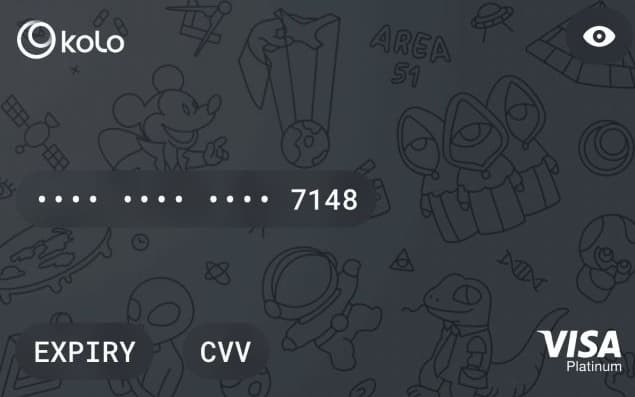
1. Kolo Card
Earn Bitcoin on Every Purchase: 5% BTC Cashback + Visa Platinum + 170+ Countries

2. ether.fi Core Card
Zero Barriers: 3% Back on Every Purchase, No Stake Required
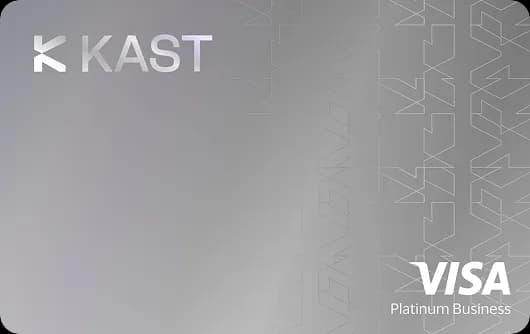
3. KAST K Card
Early Adopter Access: 2% Points + 4% $MOVE on Every Swipe
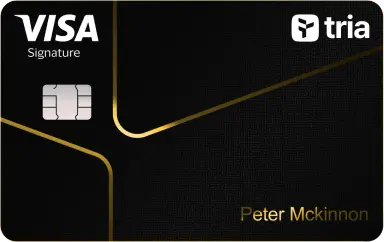
4. Tria Signature Card
High-Yield Mastery: 15% APY + Visa Signature Perks
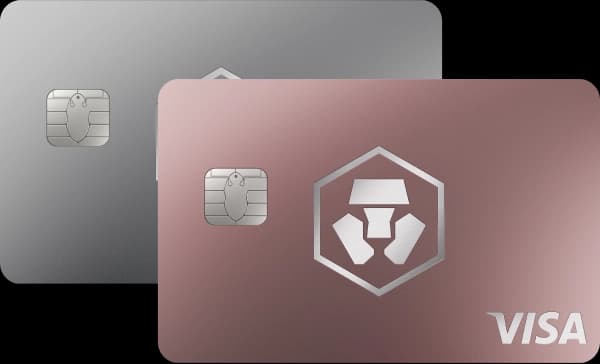
5. Private (Icy White / Rose Gold)
Elite Private Status: 4% Uncapped Cashback + Guests
Crypto Card Regulation in Ukraine
The Virtual Assets Law (Zakon pro virtualni aktyvy), signed by President Zelenskyy on March 15, 2022, provides a legal framework for virtual asset ownership, trading, and service provision. The law was developed over several years of parliamentary debate and passed with broad Verkhovna Rada support.
The NSSMC (Natsionalna Komisiia z Tsinnykh Paperiv ta Fondovoho Rynku, National Securities and Stock Market Commission) was originally designated as the primary crypto regulator under the 2022 Virtual Assets Law. However, Bill No. 10225-d (passed first reading April 2025) proposes a dual-regulator structure: the NBU would set authorization rules for services exchanging virtual assets for currency values, while a second Cabinet-appointed authority would handle other aspects.
VASPs must register with tax authorities within 60 days of commencing services, with existing providers completing registration by July 1, 2026.
The NBU (National Bank of Ukraine, Natsionalnyi Bank Ukrainy) oversees monetary policy and wartime financial restrictions. Since February 2022, martial law has imposed significant capital controls:
- Individual monthly card spending abroad capped at UAH 100,000 ($2,415)
- Cash withdrawals abroad limited
- Foreign currency purchases restricted
- Cross-border transfers subject to NBU approval for amounts above certain thresholds
On January 13, 2026, the NBU adopted Resolution No. 2, introducing a new round of currency control relaxations aimed at supporting Ukrainian businesses while maintaining FX market stability. While the core international card spending restrictions remain under martial law, the steady easing signals a path toward normalization.
These restrictions have paradoxically increased crypto's appeal as an alternative cross-border value transfer mechanism. The Virtual Assets Law explicitly recognizes crypto as a legitimate asset class, creating a legal basis for ownership and trading even under martial law conditions.
WhiteBIT (Ukrainian-founded, now Lithuania-based) is the most prominent Ukrainian-origin exchange, serving the CIS market with EUR and UAH pairs. Kuna was historically Ukraine's largest domestic exchange, though it has faced challenges during the war. Several other Ukrainian exchanges operated pre-war, including EXMO and Btc Trade UA.
Ukraine has been one of the largest recipients of crypto donations globally. The official Ukrainian government crypto fund (managed by the Ministry of Digital Transformation, headed by Minister Mykhailo Fedorov) received over $100 million in Bitcoin, Ethereum, and stablecoins. NGOs like Come Back Alive and United24 received additional hundreds of millions. This experience has normalized crypto for a population that might not otherwise have encountered it.
The Virtual Assets Law provides legal clarity: owning, trading, and using crypto is legal in Ukraine. Wartime capital controls affect traditional banking but do not directly restrict crypto card usage.
Tax Treatment of Card Rewards in Ukraine
Ukraine taxes crypto under the Virtual Assets Law framework. The standard combined rate is income tax at 18% plus military levy of 5%, totaling 23%.
The military levy was increased from 1.5% to 5% during wartime. For virtual asset disposals during 2026, a temporary reduced PIT rate of 5% applies (military levy remains 5%), bringing the combined rate to 10% for assets sold in 2026. Bill No. 10225-d, introduced April 2025 and passed in first reading, seeks to align Ukraine's crypto tax framework with EU/MiCA standards, though the bill's progress has faced political delays.
How the 23% applies to crypto card spending:
Every disposal of crypto - including spending via a crypto card - is a taxable event. The taxable amount is the disposal value minus the acquisition cost. The 18% income tax and 5% military levy both apply to the net gain.
Example - Kyiv IT professional spending BTC: You bought 0.05 BTC at UAH 30,000 ($725) and it appreciated to UAH 150,000 ($3,620). Spending UAH 150,000 via a crypto card: 23% on the UAH 120,000 gain = UAH 27,600 ($667) in tax. The cashback at 2% = UAH 3,000 ($72). Net result: negative UAH 24,600 ($595). BTC spending at 23% is deeply unprofitable.
Example - USDC funding: Same spending level (UAH 150,000). USDC creates approximately zero capital gain. Cashback at 2% = UAH 3,000 ($72). Tax: approximately UAH 0. Net result: positive UAH 3,000 ($72). This is why stablecoin funding is essential at Ukraine's tax rate.
Example - ether.fi borrow-to-spend: ETH holder deposits as collateral, borrows against it, spends borrowed funds. No disposal event. Cashback: UAH 4,500 (3% on UAH 150,000). Tax: UAH 0. ETH continues staking. Net result: positive UAH 4,500 ($109) plus staking yield.
| Funding Method | Annual Spend (UAH 180K / $4,350) | Cashback (2%) | Tax (23% CGT) | Net Annual Benefit |
|---|---|---|---|---|
| BTC (appreciated 400%) | UAH 180,000 | UAH 3,600 | UAH 33,120 | -UAH 29,520 |
| USDC (stablecoin) | UAH 180,000 | UAH 3,600 | approx. UAH 0 | UAH 3,600 |
| ether.fi borrow | UAH 180,000 | UAH 5,400 (3%) | UAH 0 (no disposal) | UAH 5,400 + staking yield |
Our Ukraine tax breakdown confirms: at 23%, ether.fi borrow-to-spend is the only rational approach for holders of appreciated crypto. Stablecoin funding is second-best. BTC/ETH direct spending produces a substantial net loss. The military levy component (5%) applies regardless of income level - there is no exemption.
How to Apply from Ukraine
Ukrainian crypto card applications require a vnutrishnii pasport (внутрішній паспорт, internal passport booklet, being replaced by ID-card format since 2016) or zakordonnyi pasport (закордонний паспорт, international passport, biometric since 2015) for citizens. The RNOKPP (Реєстраційний номер облікової картки платника податків, 10-digit individual tax number) is the primary tax identifier for all Ukrainian residents.
For the 7+ million Ukrainians displaced abroad, documentation flexibility is critical. Many card issuers accept the Ukrainian biometric passport (zakordonnyi pasport) along with current country of residence documentation. KAST with minimal 2-minute KYC tiers is the most accessible option. EU temporary protection status documentation (available in all EU member states for Ukrainian refugees) may also support KYC with some issuers.
Proof of address via utility bills (квитанція за комунальні послуги) or bank statements from PrivatBank, monobank, or Oschadbank. For displaced Ukrainians, host-country proof of address is typically accepted.
Physical card delivery to Ukrainian addresses is affected by wartime logistics - Ukrposhta operates but with delays, and some regions are not serviceable. Virtual cards for Apple Pay and Google Pay are the most reliable option, especially for displaced Ukrainians.
Spending Tips for Ukraine
UAH Hedge: Stablecoin Holding as Crisis Insurance
The UAH has lost approximately 45% of its value against the USD since the invasion (from UAH 29.25 to approximately UAH 41-42). The NBU's managed float involves periodic adjustments that are difficult to predict.
For Ukrainians - whether at home or abroad - holding stablecoins (USDC/USDT) provides a dollar-denominated hedge against further depreciation. Convert to UAH only at the moment of purchase through your crypto card. This strategy preserves purchasing power regardless of where the UAH moves.
For the displaced population, stablecoins serve a second function: they are jurisdiction-portable. A Ukrainian in Warsaw, Berlin, or Prague can spend the same USDC via a crypto card regardless of which country they are currently in, without needing to open a local bank account in each country.
Banking Under Wartime Conditions
Ukrainian banks operate under NBU martial law restrictions that affect international spending:
- PrivatBank (20M+ customers): Mastercard/Visa debit, 2% FX markup, UAH 100,000/month cap on international card spending, limited cross-border transfers. Privat24 app is the dominant digital banking platform.
- monobank (8M+ users, Universal Bank): Best UX among Ukrainian banks, 1.5% FX, UAH 100,000/month international cap. Popular with tech workers.
- Oschadbank (state savings bank): 2.5% FX, conservative limits. Primary bank for government payments and pensions.
- Raiffeisen Bank Aval: Austrian subsidiary, 2% FX, slightly higher international limits for premium customers.
- FUIB (First Ukrainian International Bank): SCM Group, 2% FX, business-oriented.
The UAH 100,000/month ($2,415) international spending cap is the binding constraint. A crypto card funded with stablecoins acquired through P2P or crypto payments operates outside this banking system limit - it does not interact with the NBU's capital control infrastructure.
Card Selection for Ukrainians
- Kolo (5% BTC reward breakdown, $0, 0% FX): Best free-tier return. BTC accumulation hedges UAH depreciation.
- ether.fi (3%, borrow-to-spend, 1% FX): Essential for ETH holders. At 23% combined tax, direct crypto spending is a severe net loss - ether.fi's no-disposal model is critical.
- Tria Signature (4.5%, $109/yr, 0% FX): Yield-linked rewards, breaks even at UAH 8,380/month ($202). Suits IT professional salaries.
- KAST (2%, $0, 0.5% FX): Best prepaid card for displaced Ukrainians who need spending live before host-country banking is in place.
- Crypto.com Icy (4%, CRO stake, 0% FX): For tech professionals with higher spending. Lounge access at Warsaw Chopin (WAW), Berlin Brandenburg (BER), and Prague Vaclav Havel (PRG).
Break-Even Math
At 23% combined tax (18% PIT + 5% military levy). USDC or ether.fi borrow-to-spend recommended.
| Monthly Spend | Kolo (5%, free) | Tria Sig (4.5%, $109/yr) | ether.fi (3%, borrow) | KAST (2%, free) |
|---|---|---|---|---|
| UAH 10,000 ($242) | UAH 6,000/yr | UAH 876/yr | UAH 3,600/yr + staking | UAH 2,400/yr |
| UAH 15,000 ($362) | UAH 9,000/yr | UAH 3,576/yr | UAH 5,400/yr + staking | UAH 3,600/yr |
| UAH 25,000 ($604) | UAH 15,000/yr | UAH 8,976/yr | UAH 9,000/yr + staking | UAH 6,000/yr |
| UAH 40,000 ($966) | UAH 24,000/yr | UAH 17,076/yr | UAH 14,400/yr + staking | UAH 9,600/yr |
At UAH 25,000/month (typical for a Ukrainian IT professional), Kolo delivers UAH 15,000/year ($362) in tax-free BTC cashback with stablecoin funding. ether.fi provides UAH 9,000/year ($217) in cashback plus staking yield and zero tax on ETH disposals. Tria Signature nets UAH 8,976/year ($217) after the $109 fee (approx. UAH 4,524).
Cost of Living by Location
For Ukrainians at home and those displaced:
- Kyiv - Podil/Pechersk (UAH 25,000-50,000/month): Capital city. Gulliver mall, Ocean Plaza, Lavina Mall. Strong card acceptance at ATB (900+ stores nationwide), Silpo (260+ stores), Novus. monobank/PrivatBank contactless everywhere. Wartime air raid alerts are routine but commercial life continues.
- Lviv (UAH 20,000-40,000/month): Western Ukraine, least affected by hostilities. Forum Lviv mall, Magnus department store. Growing as a tech hub (many Kyiv companies relocated). Rynok Square tourist economy.
- Odesa (UAH 20,000-35,000/month): Port city, intermittent attacks on infrastructure. City Garden Mall. Strong tourist season economy despite war.
- Dnipro (UAH 18,000-35,000/month): Eastern industrial city, closer to front. Karavan mall. Significant military presence. Card acceptance good in commercial areas.
- Warsaw, Poland (displaced, PLN 3,000-6,000/month): Largest Ukrainian diaspora concentration post-2022. Zlote Tarasy, Galeria Mokotow. Excellent card acceptance. Biedronka, Lidl, Zabka for groceries. Polish bank account not required if using crypto card.
- Berlin, Germany (displaced, EUR 1,000-1,800/month): Second-largest concentration. KaDeWe, Mall of Berlin. Good card acceptance though Germany is still relatively cash-heavy. REWE, Lidl, Aldi for groceries.
Online Shopping and Subscriptions
International digital services are critical for Ukrainian users both at home and abroad. Netflix (from UAH 249/month), Spotify, YouTube Premium, Apple Music, iCloud, Google One, Steam, PlayStation Store (UA Store continues operating), Adobe Creative Cloud, Canva Pro, and professional tools (GitHub, Figma, Notion) are widely used by Ukraine's tech community.
Ukrainian bank cards face 1.5-3% FX markup on USD-denominated subscriptions plus periodic transaction failures due to wartime banking system stress.
Crypto cards eliminate both the markup and the reliability risk.
For the displaced population, a single crypto card replaces the need for separate subscriptions in each host country. A KAST or RedotPay virtual card works identically in Warsaw, Berlin, Prague, or Kyiv - same card, same low FX, same cashback. Rozetka.ua (Ukraine's largest online marketplace), OLX.ua, and Prom.ua accept Ukrainian bank cards natively for domestic orders.
IT Sector and Developer Salaries
Ukraine's IT sector employs 300,000+ developers with average salaries of $2,000-5,000/month for mid-senior roles - well above the national average of approximately UAH 18,000 ($435). Companies like EPAM (NYSE-listed, Ukrainian engineering offices), SoftServe (Lviv-founded, 14,000+ employees), GlobalLogic, Intellias, and numerous startups pay competitive rates, often in USD or EUR.
Many developers have held crypto since 2017-2021, accumulating significant positions that are now highly appreciated.
At 23% combined tax on disposal, the ether.fi borrow-to-spend model is not a nice-to-have - it is the only rational way for these developers to access their crypto wealth without losing a fifth of it to tax.
Self-Custody Matters More in Wartime
When banks can freeze accounts, impose capital controls, or become targets of infrastructure attacks, self-custody becomes more than a philosophical preference - it becomes a practical necessity.
Holding crypto in your own wallet ensures no institution can freeze your funds. For Ukrainians who experienced the early chaos of February 2022 (ATMs empty, banks imposing withdrawal limits, PrivatBank temporarily freezing some transfers), self-custody crypto provides genuine peace of mind.
Displaced Ukrainians in EEA countries gain access to self-custody card options like Gnosis Pay and Ready that connect directly to user-controlled wallets.
Supported Exchanges & Wallets in Ukraine
Ukraine has a developing exchange ecosystem built on the Virtual Assets Law framework. WhiteBIT (Ukrainian-founded, now Lithuania-based for regulatory reasons) is the most prominent Ukrainian-origin exchange, supporting UAH pairs. Kuna was historically the largest domestic exchange. Binance P2P serves the broader market with UAH pairs through PrivatBank and monobank transfers.
KAST is the card that best fits displaced Ukrainians who need spending to keep working before host-country banking paperwork is complete. A Ukrainian in Warsaw or Berlin can load USDC and keep day-to-day card spend moving while Polish PESEL or German Anmeldung is still pending. The 2% cashback adds value on every transaction.
ether.fi is arguably the most important card for Ukrainian crypto holders. At 23% combined tax on disposal, spending appreciated crypto directly is financially devastating. ether.fi's borrow-to-spend model resolves this completely: deposit ETH as collateral, continue earning staking yield, borrow against it, spend the loan via a 3% cashback card. No disposal. No tax. Continued exposure.
For Ukraine's substantial IT professional community (300,000+ developers, many holding crypto since 2017-2021), this is the difference between losing 23% of every transaction to tax and keeping 100%.
Kolo delivers 5% BTC cashback at $0 annual fee and 0% FX. For Ukrainians facing a currency that has lost 45%+ since 2022, converting daily spending into BTC savings provides a depreciation hedge that UAH bank deposits at 12-14% cannot match when inflation runs 10-12%. Tria Signature at 4.5% yield-linked rewards and 0% FX suits IT professionals earning $2,000-5,000/month.
RedotPay provides stablecoin-native spending with global reach. Crypto.com Icy at 4% with crypto cards with lounge access appeals to higher-earning tech professionals traveling through European airports.
Jupiter integrates with Solana DeFi. xPlace offers tiered rewards for consistent users.
Ukraine's Virtual Assets Law, high crypto awareness from wartime donation campaigns, massive displaced population needing cross-border financial tools, and a 300,000+ developer community make it one of the most compelling crypto card markets globally. The 23% tax rate makes funding strategy critical - stablecoin or ether.fi borrow-to-spend are the only financially rational approaches. For displaced Ukrainians, a globally available crypto card provides financial independence regardless of host country.
Written by SpendNode Editorial
Frequently Asked Questions
Can Ukrainians abroad use crypto cards?
Yes. Globally available cards (Kolo, KAST, Tria, Crypto.com, ether.fi) work at any Visa/Mastercard merchant worldwide. Ukrainians displaced to EU countries can use crypto cards without needing a local bank account. Virtual cards work immediately via Apple Pay.
What is Ukraine's crypto tax rate?
18% PIT plus 5% military levy = 23% total on crypto gains. For virtual asset disposals during 2026, a temporary reduced PIT rate of 5% applies (total 10%). Bill No. 10225-d (passed first reading April 2025) seeks to align with EU/MiCA standards. Fund with USDC or use ether.fi borrow-to-spend to avoid triggering the 23% rate.
Is crypto legal in Ukraine?
Yes. The Virtual Assets Law (signed March 2022) provides a comprehensive legal framework for crypto ownership, trading, and services. The NSSMC is the designated regulator. VASPs must register with tax authorities by July 2026.
How does the war affect crypto card availability in Ukraine?
Wartime conditions may affect physical card delivery and banking integration. Virtual cards via Apple Pay are the most reliable option. NBU capital controls cap international bank card spending at UAH 100,000/month - crypto cards operate outside this limit. Globally available issuers continue to serve Ukrainian residents.
Other Countries
View all 108 countries →


Recent Updates to Best Crypto Cards in Ukraine
- MAJOR tax update: Military levy increased from 1.5% to 5%, combined rate now 23% (was 19.5%). Temporary 2026 reduced rate: 5% PIT + 5% military = 10% for disposals during 2026. All 19.5% references replaced with 23% throughout page. All tax examples and tables recalculated
- Bill No. 10225-d (April 2025, passed first reading) added - seeks MiCA alignment. VASP registration with tax authorities by July 2026 deadline added. Political delays noted (President's Office pulled bill from agenda)
- Removed COCA (unavailable), MetaMask (unavailable), and redotpay-solana from topCardSlugs. Added Kolo (5% BTC, $0, 0% FX) and Tria Signature (4.5%, $109, 0% FX). Replaced Crypto.com Royal Indigo (3%) with Icy (4%). Fixed KAST FX 0.5-1.75% to 0.5%, ether.fi card type Credit to Debit
- Break-even table rebuilt with Kolo, Tria Signature, ether.fi, and KAST. Tria fee converted to UAH 4,524. Rationale rewritten with Kolo UAH depreciation hedge replacing COCA savings narrative. ether.fi argument strengthened at 23% (was already strong at 19.5%)