

Best Crypto Cards in South Africa (2026)
Compare 14 crypto cards available in South Africa. SARS taxes crypto as capital gains or income, ZAR settlement, and Africa's most developed crypto market.
Verified for South Africa
31 crypto cards available
Local currency: ZAR
Standard Bank, FNB, Nedbank, and Absa debit cards earn minimal cashback (0.25-0.75% on selected categories) and charge 2.5-3.5% on non-ZAR purchases. South Africa's crypto cards offer up to 5% cashback, zero FX fees, and access to the most developed crypto market infrastructure on the continent. The ZAR 40,000 annual capital gains tax exemption means moderate card spenders can earn cashback completely tax-free.
South Africa is the clear leader in African crypto adoption. The FSCA's 2022 declaration bringing crypto under financial product regulation, combined with SARS's detailed tax guidance, gives South African crypto card users more regulatory clarity than any other African market. Luno (South African-founded) and VALR (Johannesburg-based) have built substantial domestic infrastructure, though neither offers a Visa/Mastercard spending card. The available cards come from globally available issuers.
Card availability is limited to globally available issuers since South Africa's regionTag is GLOBAL-only. Exchange-linked cards from Bitget and Bybit do not cover the South African market. This narrows the field but the remaining options include strong picks: Kolo at 5% BTC cashback with $0 annual and 0% FX, Tria Signature at 4.5% with 0% FX, and Crypto.com with its full metal tier range.
| Card | Max Cashback | Annual Fee | FX Fee | Type | Best For |
|---|---|---|---|---|---|
| Kolo | 5% BTC | $0 | 0% | Prepaid | 5% BTC cashback, $0 annual, 0% FX |
| Tria Signature | 4.5% | $109/yr | 0% | Debit | Yield-linked rewards, 0% FX |
| Crypto.com Icy | 4% | CRO stake | 0% | Prepaid | Metal card + lounge access at JNB/CPT |
| ether.fi | 3% | $0 | 1% | Debit | Borrow-to-spend, keep staking yield |
| KAST | 2% | $0 | 0.5% | Prepaid | Free first card for testing crypto spend without staking |
We verified which cards serve South African residents - Kolo leads with 5% BTC cashback at $0 annual and 0% FX, the highest free option. Tria Signature delivers 4.5% yield-linked rewards with 0% FX at $109/year.
Crypto.com Icy offers 4% cashback with Priority Pass lounge access at OR Tambo (JNB) and Cape Town International (CPT), plus Spotify and Netflix rebates.
KAST is the best free first card for South Africans who want to test crypto card spend without staking: 2% cashback, $0 annual, 0.5% FX. For moderate spenders whose gains stay under the ZAR 40,000 annual exemption, card spending is effectively tax-free.
Best Card For Every Need in South Africa
Top 5 Crypto Cards in South Africa
South African bank cards charge 2.5-3.5% on non-ZAR transactions while SARS taxes crypto gains at an 18% CGT inclusion rate with a ZAR 40,000 annual exemption - crypto cards with 0% FX fees deliver immediate savings on every international purchase before cashback even enters the equation.
Kolo leads at 5% BTC cashback with $0 annual and 0% FX. Tria Signature adds 4.5% yield-linked rewards with 0% FX at $109/year. Crypto.com Icy provides 4% cashback and Priority Pass lounge access at OR Tambo (JNB) and Cape Town (CPT). ether.fi avoids triggering CGT through borrow-to-spend. For moderate spenders under the ZAR 40,000 exemption, card spending is effectively tax-free.
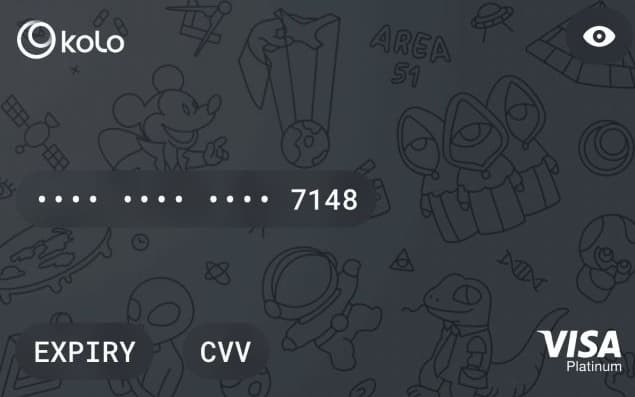
1. Kolo Card
Earn Bitcoin on Every Purchase: 5% BTC Cashback + Visa Platinum + 170+ Countries
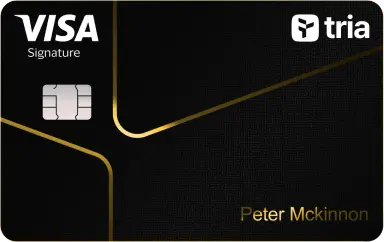
2. Tria Signature Card
High-Yield Mastery: 15% APY + Visa Signature Perks
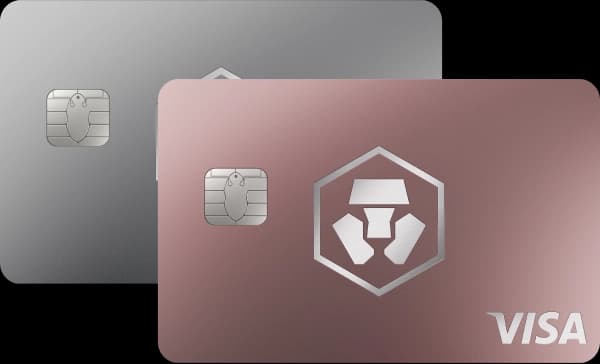
3. Private (Icy White / Rose Gold)
Elite Private Status: 4% Uncapped Cashback + Guests

4. ether.fi Core Card
Zero Barriers: 3% Back on Every Purchase, No Stake Required
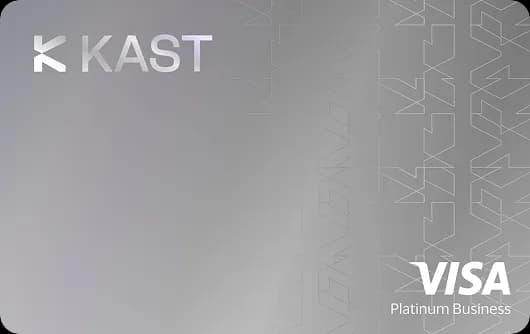
5. KAST K Card
Early Adopter Access: 2% Points + 4% $MOVE on Every Swipe
Crypto Card Regulation in South Africa
The FSCA (Financial Sector Conduct Authority) declared crypto assets as a financial product in October 2022 under the Financial Advisory and Intermediary Services Act (FAIS). This brought crypto service providers under existing financial regulations, requiring them to be licensed as Financial Service Providers (FSPs) and comply with FAIS conduct requirements. By late 2025, the FSCA had received hundreds of CASP license applications and approved a significant majority.
The FSCA has also been actively investigating potential unlicensed CASPs, with fines of up to ZAR 10 million ($550,000) for unlicensed operations - a clear signal that the licensing regime is being enforced, not just announced.
The SARB (South African Reserve Bank) oversees monetary policy, exchange controls, and systemic risk. SARB's position on crypto has evolved from cautious to regulatory engagement. The IFWG (Intergovernmental Fintech Working Group) - which includes SARB, FSCA, National Treasury, and the FIC (Financial Intelligence Centre) - coordinates crypto policy across government agencies and has published several position papers guiding the regulatory approach.
Exchange control regulations are a critical consideration for South African crypto card users. We flag a South Africa-specific risk: SARB's exchange control framework limits the amount of capital that can be moved offshore. The single discretionary allowance (SDA) allows individuals to transfer up to ZAR 1 million per calendar year without requiring tax clearance.
The foreign investment allowance (FIA) allows up to ZAR 10 million per year with a Tax Clearance Certificate from SARS. Funding a crypto card through an international platform technically involves moving value offshore, so these limits may apply.
Track your total annual transfers carefully.
The FIC (Financial Intelligence Centre) enforces AML compliance under the Financial Intelligence Centre Act (FICA). All financial service providers, including crypto platforms, must verify customer identity and report suspicious transactions.
On December 13, 2024, the FIC issued Directive 9 implementing the FATF Travel Rule for crypto asset transfers, which came into force on April 30, 2025. CASPs must now collect and transmit originator and beneficiary information for crypto transfers - a significant compliance milestone that aligns South Africa with global AML standards.
SARS (South African Revenue Service) has issued detailed crypto tax guidance and actively monitors crypto transactions. SARS has data-sharing agreements with domestic exchanges and has signaled increased enforcement on unreported crypto income.
Crypto.com, Kolo, Tria, KAST, and other globally available card issuers serve South African residents under their global coverage. None hold specific FSCA CASP licenses for card products, but they operate under their home jurisdiction regulations. South Africa's regulatory clarity provides a stable operating environment for these global issuers.
Verify card issuer availability directly before applying. The FSCA maintains a public register of licensed financial service providers at fsca.co.za.
Tax Treatment of Card Rewards in South Africa
SARS taxes crypto either as capital gains (if held as a long-term investment) or revenue/income (if acquired with the intention to trade or if trading constitutes a business). The classification significantly affects your tax rate and is the most important tax decision for South African crypto card users.
Capital Gains Treatment (Investment)
If your crypto is held as a long-term investment (bought and held for months or years), disposal through a card triggers capital gains tax (CGT). Only 40% of the gain is included in your taxable income (the "inclusion rate" for individuals). At the top marginal income tax rate of 45%, the effective CGT rate is 18% (40% x 45%).
The annual CGT exemption of ZAR 40,000 means small gains are completely tax-free. For moderate card spenders, this exemption is your primary tax tool.
| Annual Crypto Gain | Taxable Portion (40%) | Tax (at 35% bracket) | Effective Rate |
|---|---|---|---|
| Up to ZAR 40,000 | ZAR 0 (exempt) | ZAR 0 | 0% |
| ZAR 100,000 | ZAR 24,000 | ZAR 8,400 | 8.4% |
| ZAR 250,000 | ZAR 84,000 | ZAR 29,400 | 11.8% |
| ZAR 500,000 | ZAR 184,000 | ZAR 64,400 | 12.9% |
Example: You bought 0.01 BTC at ZAR 10,000 and spend it via card when it is worth ZAR 50,000. The ZAR 40,000 gain is entirely covered by the annual exemption. Tax owed: ZAR 0.
Revenue Treatment (Trading)
If SARS classifies your activity as trading (frequent transactions, short holding periods, profit-seeking intent), gains are taxed as ordinary income at progressive rates up to 45%. The ZAR 40,000 CGT exemption does NOT apply to revenue gains.
| Taxable Income (2024) | Marginal Rate |
|---|---|
| Up to ZAR 237,100 | 18% |
| ZAR 237,101-370,500 | 26% |
| ZAR 370,501-512,800 | 31% |
| ZAR 512,801-673,000 | 36% |
| ZAR 673,001-857,900 | 39% |
| ZAR 857,901-1,817,000 | 41% |
| Over ZAR 1,817,000 | 45% |
SARS considers multiple factors for classification: frequency of transactions, holding period, reasons for selling, financial knowledge, and whether the activity constitutes carrying on a trade. Casual card spending from a long-held portfolio is generally classified as capital, not revenue. But if you buy crypto specifically to fund card spending within days or weeks, SARS could argue revenue treatment.
Cashback Tax Treatment
| Cashback Type | Tax When Received | Tax When Spent/Sold | Total Burden |
|---|---|---|---|
| BTC/ETH cashback (capital) | CGT at effective 18% | CGT on appreciation | Low |
| BTC/ETH cashback (revenue) | Income tax up to 45% | Income on appreciation | High |
| USDC cashback | Taxed at receipt | approx. 0% gain on disposal | Low-Medium |
| Points/perks | Generally not taxable | Varies on conversion | Low |
Stablecoin funding is recommended for spenders above the ZAR 40,000 exemption. Below ZAR 40,000 in annual gains, the exemption covers everything regardless of funding source. Above it, USDC funding minimizes taxable disposal gains.
How to Apply from South Africa
South African crypto card applications require a South African Smart ID Card (credit card-sized, green design) or the older green bar-coded ID book (being phased out). Both carry the 13-digit South African ID number. For foreign residents, a passport plus valid visa (work visa, critical skills visa, business visa, or permanent residence permit) from the Department of Home Affairs.
The Tax Reference Number from SARS may be required by card issuers for compliance. If you do not have one, register via SARS eFiling (sarsefiling.co.za) or visit a SARS branch with your ID.
Proof of South African address via utility bill (Eskom electricity, municipal account combining water/electricity/refuse, Telkom/Vodacom/MTN phone bill), bank statement (Standard Bank, FNB, Nedbank, Absa, Capitec), or municipal rates account. Address verification can be challenging for residents in informal settlements or rural areas - a letter from a local authority or traditional leader may be accepted by some issuers as alternative proof.
Capitec Bank (South Africa's largest bank by customer count, 20+ million accounts) has the simplest onboarding for new banking customers and is an accessible on-ramp. For the ZAR-to-crypto pipeline, Luno and VALR both support instant EFT deposits from South African bank accounts.
Physical cards from international issuers ship to South African addresses within 10-21 business days via South African Post Office (SAPO) or private courier (The Courier Guy, DPD Laser, Aramex). SAPO delivery times can be unpredictable - courier services are more reliable. Virtual cards are available immediately for Apple Pay and Google Pay use, though Apple Pay adoption in South Africa is lower than in Europe or the US.
Spending Tips for South Africa
ZAR 40,000 CGT Exemption: Your Tax Shield
The annual CGT exemption of ZAR 40,000 is your primary tax optimization tool. If your total crypto capital gains from card spending (and any other crypto disposals) stay under ZAR 40,000 per year, you pay zero tax. At ZAR 10,000/month in card spending with BTC that has appreciated 50%, your annual gains are approximately ZAR 30,000 - well within the exemption. Only when gains exceed ZAR 40,000 does stablecoin funding become necessary for tax efficiency.
Card Selection by Use Case
- Kolo (5% BTC): $0 annual, 0% FX. BTC cashback capped at $5/txn, $200/month.
- Tria Signature (4.5%): $109/year, 0% FX. Yield-linked rewards.
- Crypto.com Icy (4%): CRO stake. Lounge access at OR Tambo (JNB) and CPT.
- ether.fi (3%, 1% FX): Best for ETH holders avoiding CGT disposals via borrow-to-spend.
- KAST (2%, $0, 0.5% FX): Best free first card for testing crypto spend without staking.
Kolo vs Crypto.com Icy vs KAST: South African Spending Math
Under the ZAR 40K CGT exemption, cashback on moderate spending is effectively tax-free.
| Monthly Spend (ZAR) | Kolo (5% BTC, $0) | Crypto.com Icy (4%, CRO stake) | KAST (2%, $0) |
|---|---|---|---|
| ZAR 5,000 | ZAR 3,000/yr | ZAR 2,400/yr + lounges | ZAR 1,200/yr |
| ZAR 10,000 | ZAR 6,000/yr | ZAR 4,800/yr + lounges | ZAR 2,400/yr |
| ZAR 20,000 | ZAR 12,000/yr | ZAR 9,600/yr + lounges | ZAR 4,800/yr |
| ZAR 35,000 | ZAR 21,000/yr | ZAR 16,800/yr + lounges | ZAR 8,400/yr |
Kolo leads on raw cashback at 5% BTC with $0 annual and 0% FX ($5/txn and $200/month caps apply). Crypto.com Icy at 4% makes sense if you value Priority Pass lounge access at OR Tambo (JNB) and Cape Town (CPT) - a significant perk for South Africans who fly frequently between the three major cities (JNB-CPT-DUR triangle) or internationally.
Spending Scenario: ZAR 12,000/month (~$650)
| Factor | USDC Funding (Kolo 5%) | BTC Funding (50% appreciation, Kolo 5%) |
|---|---|---|
| Annual spend | ZAR 144,000 | ZAR 144,000 |
| Cashback (5% BTC) | ZAR 7,200 | ZAR 7,200 |
| Capital gains | approx. ZAR 0 | ZAR 36,000 (under ZAR 40K exemption) |
| Tax on gains | ZAR 0 | ZAR 0 (exempt) |
| FX savings vs FNB (3%) | ZAR 4,320 | ZAR 4,320 |
| Net annual value | ZAR 11,520 | ZAR 11,520 |
At moderate spending with moderate appreciation, both approaches yield the same result because the ZAR 40,000 exemption covers the gains. ZAR 11,520/year is meaningful - it covers roughly 2 months of groceries at Checkers or Pick n Pay for an average household. Above ZAR 40K in annual gains, stablecoin funding becomes the clear winner.
FX Savings: The Hidden Win for ZAR Users
ZAR is one of the most volatile major emerging market currencies, regularly fluctuating 2-3% against USD in a single week. South African bank cards charge punishing FX markups on international purchases:
| Card | FX Markup | Cost on ZAR 8,000/month Foreign Spend |
|---|---|---|
| Standard Bank Debit | 3.5% | ZAR 3,360/yr |
| FNB Gold Debit | 3.0% | ZAR 2,880/yr |
| Nedbank Debit | 2.75% | ZAR 2,640/yr |
| Absa Debit | 2.5% | ZAR 2,400/yr |
| Kolo (0% FX) | 0% | ZAR 0/yr |
| KAST (0.5% FX) | 0.5% | ZAR 480/yr |
For South Africans who shop on Amazon, subscribe to international streaming services (Netflix, Spotify, Disney+, Apple iCloud - all billed in USD), or travel regionally to Kenya, Mauritius, Botswana, or to Europe and the US, the FX savings alone justify a crypto card before counting cashback.
Load Shedding and Economic Context
South Africa's ongoing load-shedding (scheduled power outages from Eskom) and economic challenges create a unique context for crypto card adoption. The ZAR has depreciated significantly against USD over the past decade (from approximately ZAR 10/USD in 2014 to ZAR 18+/USD by 2025). Holding stablecoins protects against further ZAR depreciation, similar to the strategy in Turkey. The inflation hedge becomes more valuable during periods of elevated uncertainty.
Local Payment Infrastructure
Card acceptance is strong in Johannesburg, Cape Town, Durban, Pretoria, and other major urban areas. Contactless Visa/Mastercard tap-to-pay works at Woolworths, Pick n Pay, Checkers, Shoprite, Spar, Clicks, Dis-Chem, Game, Makro, and most modern restaurants and coffee shops.
Shopping malls: Sandton City, Mall of Africa (Waterfall), V&A Waterfront (Cape Town), Canal Walk, Gateway (Durban), Menlyn Park (Pretoria), and hundreds of other malls accept Visa/Mastercard universally.
Mobile payments: SnapScan and Zapper handle QR code payments at many smaller merchants. These are bank-linked and do not support crypto card funding. Apple Pay launched in South Africa in 2023 with support from FNB, Nedbank, and Discovery Bank. Google Pay support is more limited. Samsung Pay works at most NFC terminals through Samsung's partnership with local banks.
Cash-heavy areas: Informal traders, spaza shops, township markets, and some rural businesses remain cash-only. Card acceptance drops sharply outside major urban centers. For these, keep a separate cash reserve. Crypto cards are best used for formal retail, restaurants, online shopping, and subscription services.
Fuel purchases: PetroSA, Shell, Engen, BP, and Caltex (now Astron Energy) petrol stations generally accept card payments for fuel and in-store purchases at their convenience shops.
Transit: Gautrain (Johannesburg-Pretoria rapid rail) uses its own Gautrain Gold Card. MyCiti (Cape Town), Rea Vaya (Johannesburg BRT), and minibus taxis do not accept Visa/Mastercard. Use crypto cards for ride-hailing (Uber, Bolt, InDriver) which is how most South Africans in cities navigate beyond personal vehicles.
Supported Exchanges & Wallets in South Africa
Kolo offers the highest free cashback available to South African residents at 5% BTC with $0 annual and 0% FX ($5/txn and $200/month caps apply). For South Africans looking to hedge against ZAR depreciation while earning cashback, Kolo's combination of zero fees and BTC rewards is the strongest free option.
Tria Signature delivers 4.5% yield-linked rewards with 0% FX at $109/year. The yield-linked model provides consistent returns without token liquidity risk.
Crypto.com serves South Africa through its global platform with the full tier range from Midnight Blue (0%) to Icy (4%, CRO stake required). The Icy tier adds Priority Pass lounge access at OR Tambo International Airport (JNB) - Africa's busiest airport and the primary hub for international flights.
Spotify and Netflix rebates at higher tiers add recurring value. Crypto.com has the longest track record of serving South African users among global card issuers.
ether.fi (3%) offers borrow-to-spend for ETH holders. At South Africa's effective CGT rate of up to 18% (or up to 45% for revenue classification), borrowing against staked ETH rather than selling avoids triggering disposal tax entirely. The staking yield continues earning while you spend borrowed funds.
Domestic platforms: Luno (South African-founded 2013, global, FSCA-licensed) is the most recognized domestic exchange with over 10 million customers across 40 countries. Luno supports instant EFT deposits from all major South African banks and offers a simple ZAR-to-crypto on-ramp.
VALR (Johannesburg-based, FSCA-licensed, backed by Bittrex) is the largest domestic exchange by volume and supports a wider range of trading pairs. AltCoinTrader (South African, operating since 2015) is another option.
None offer Visa/Mastercard spending cards. For the ZAR-to-USDC-to-card pipeline: deposit ZAR via instant EFT to Luno or VALR (instant, free or minimal fee), buy USDC, transfer to your card wallet. Total time: under 1 hour.
KAST (2%, 0.5% FX, 2-minute KYC at basic tier) gives South Africans a free first card for testing crypto spend before moving into staking-heavy or paid-tier setups. RedotPay offers Virtual (free) and Physical ($100) at 1.2% FX for stablecoin-native spending.
Exchange control note: Transferring ZAR to an international crypto platform counts toward your annual foreign exchange allowances (ZAR 1M SDA without tax clearance, ZAR 10M FIA with clearance). Track your total transfers to remain compliant with SARB exchange control regulations.
South Africa's FSCA regulatory clarity, SARS tax guidance, ZAR 40,000 CGT exemption, and the Luno/VALR domestic on-ramp infrastructure make it the continent's most structured market for crypto card spending. The limited card selection (globally available issuers only) is offset by the quality of what is available: Kolo at 5% BTC with $0 annual and 0% FX, Tria Signature at 4.5% with 0% FX, and Crypto.com Icy with 4% cashback and full metal tiers cover both the cashback maximizer and the premium traveler.
Written by SpendNode Editorial
Frequently Asked Questions
How is crypto card spending taxed in South Africa?
SARS taxes gains as capital gains (~18% effective) or income (up to 45%) depending on your trading pattern. The annual ZAR 40,000 CGT exemption covers small gains. Fund with USDC to minimize taxable disposal events.
Which crypto card is best for South African users?
Kolo offers 5% BTC cashback at $0 annual and 0% FX. Tria Signature provides 4.5% yield-linked rewards with 0% FX at $109/year. Crypto.com Icy delivers 4% cashback with lounge access at JNB/CPT. KAST provides 2% at $0 with 0.5% FX - lower than bank rates (2.5-3.5%). Card availability is limited to global issuers.
Does Luno offer a crypto spending card?
No. Luno (South African-founded, FSCA-regulated) focuses on trading and does not offer a Visa/Mastercard spending card. Globally available cards like KAST and Crypto.com are the primary spending options.
How does South Africa's exchange control affect crypto cards?
SARB exchange controls limit annual foreign currency allowances. Crypto cards funded with existing crypto holdings operate differently from direct FX transfers. Consult a financial advisor about exchange control implications for your specific situation.
Other Countries
View all 108 countries →


Recent Updates to Best Crypto Cards in South Africa
- Removed COCA (unavailable in South Africa). Added Kolo (5% BTC, $0, 0% FX) and Tria Signature (4.5%, 0% FX, $109/yr) as lead recommendations
- Fixed KAST FX from '0.5-1.75%' to 0.5%. Fixed Midnight Blue from 1% to 0%. Upgraded Crypto.com from generic 5% to Icy 4%. Removed Jade 3% from break-even table
- Rebuilt break-even comparison table with Kolo/Icy/KAST. Spending scenario recalculated at Kolo 5% (was COCA Elite 8%). FX comparison table corrected
- Updated FSCA licensing data: 300 CASP licenses approved out of 512 applications (was 'over 60'). Added Travel Rule (FIC Directive 9, in force April 30, 2025). Added enforcement data: 81 investigations, ZAR 10M fines for unlicensed operations