

Best Crypto Cards in Singapore (2026)
Compare crypto cards available in Singapore. Zero capital gains tax, MAS regulatory clarity, and SGD settlement from verified global issuers.
Verified for Singapore
35 crypto cards available
Local currency: SGD
DBS, OCBC, and UOB debit cards earn minimal crypto cashback and charge 2.5-3.5% on non-SGD purchases. Singapore's crypto cards offer up to 8% cashback, zero FX fees, and the single biggest advantage globally: zero capital gains tax. Every crypto card transaction is completely tax-free for individual investors.
Singapore is Asia's premier crypto hub. The MAS (Monetary Authority of Singapore) regulatory framework, combined with English-speaking infrastructure, zero CGT, and the highest concentration of crypto businesses in the region, makes it the most favorable developed market for crypto card spending. TOKEN2049, Singapore Fintech Festival, and dozens of Web3 companies headquartered here reinforce this position.
| Card | Max Cashback | Annual Fee | FX Fee | Type | Best For |
|---|---|---|---|---|---|
| Bitget | 8% BGB | $0 | 0% + 0.9% tx | Debit | Highest cashback, zero FX fee |
| Tria | Up to 6% | $20-$250 | 0% | Debit | Yield-linked rewards, zero FX |
| Kolo | 5% BTC | $0 | 0% | Prepaid | Highest free-tier cashback card |
| Crypto.com Icy | 4% | CRO stake | 0% | Prepaid | MAS-licensed, metal + lounges at Changi |
| KAST | 2% | $0 | 0.5% | Prepaid | Free starter card before premium tiers |
Bitget leads on raw cashback: 8% BGB with 0% FX and a 0.9% transaction fee (7.1% net). Tria offers up to 6% with 0% FX and yield-linked rewards — Signature at 4.5% ($109/yr) or Premium at 6% ($250/yr). Kolo delivers 5% BTC cashback with 0% FX at $0 ($5/txn cap, $200/mo cashback cap).
Since Singapore has zero CGT, you can spend appreciated BTC freely, making high-cashback cards pure profit with no tax drag. Crypto.com Icy adds 4% cashback with Changi Airport lounge access (requires CRO stake, MAS-licensed).
Best Card For Every Need in Singapore
Top 6 Crypto Cards in Singapore
Singapore's zero capital gains tax means every dollar of cashback is pure profit with no tax drag on any funding method - you can spend appreciated BTC as freely as USDC. Bitget leads on raw cashback (8% BGB, 0% FX, 7.1% net after 0.9% tx fee). Tria Signature at 4.5% with 0% FX ($109/yr) offers yield-linked rewards without volatile token exposure. Kolo at 5% BTC with 0% FX is the highest genuinely free option.
Crypto.com holds a MAS Major Payment Institution license, providing regulatory certainty - the Icy tier (4%, CRO stake) adds Changi lounge access.
ether.fi preserves long-term positions through borrow-to-spend (useful for portfolio strategy even without a tax motive). KAST works best as the free card you can test before deciding whether higher-cashback options justify the commitment. Note: COCA and Wirex are not available in Singapore.
1. Bitget Card
Trade and Spend: Up to 8% BGB Cashback for Bitget Traders
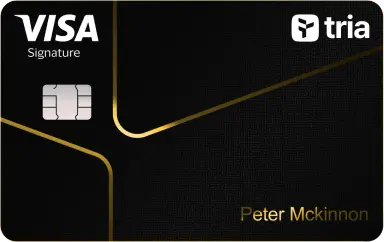
2. Tria Signature Card
High-Yield Mastery: 15% APY + Visa Signature Perks
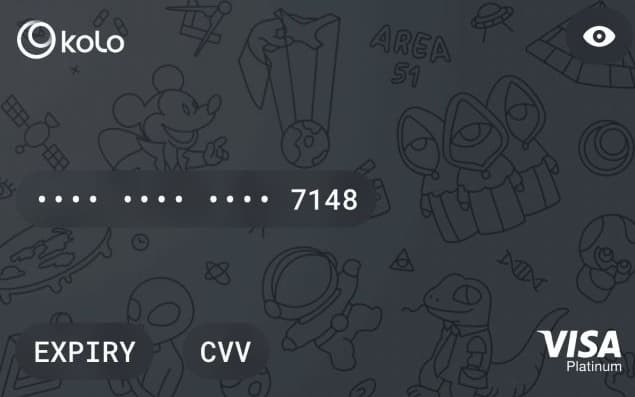
3. Kolo Card
Earn Bitcoin on Every Purchase: 5% BTC Cashback + Visa Platinum + 170+ Countries
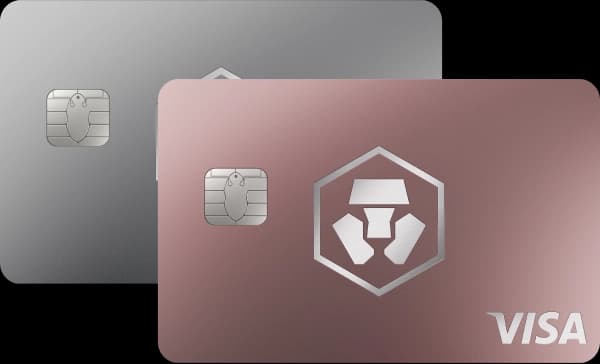
4. Private (Icy White / Rose Gold)
Elite Private Status: 4% Uncapped Cashback + Guests

5. ether.fi Core Card
Zero Barriers: 3% Back on Every Purchase, No Stake Required
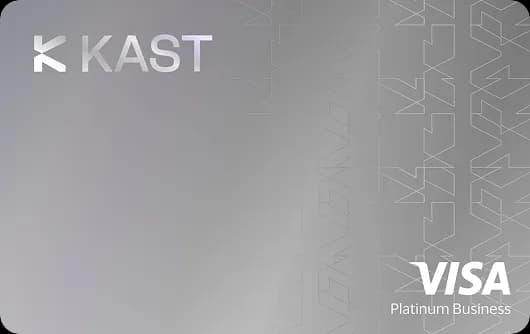
6. KAST K Card
Early Adopter Access: 2% Points + 4% $MOVE on Every Swipe
Crypto Card Regulation in Singapore
MAS (Monetary Authority of Singapore) regulates crypto under the Payment Services Act (PSA) 2019, amended in 2021. Crypto exchanges and card-adjacent services must hold a Major Payment Institution (MPI) or Standard Payment Institution (SPI) license for digital payment token (DPT) services. MAS also regulates under the Securities and Futures Act (SFA) when tokens qualify as capital markets products.
Singapore's approach is strict but transparent. MAS publishes a clear licensing framework, maintains a public register of licensed entities, and has revoked or refused licenses from non-compliant providers. Between 2020 and 2024, MAS rejected or withdrew in-principle approval from over 100 DPT applicants, approving fewer than 20 full licenses. This selectivity makes Singapore's licensed entities among the most compliance-vetted globally.
The MAS Stablecoin Regulatory Framework (August 2023) established rules for single-currency stablecoins pegged to the SGD or any G10 currency. Issuers must maintain reserve assets at 100% value, segregate reserves, and meet minimum capital requirements. This framework gives Singapore-based stablecoin spending a regulatory foundation that most jurisdictions lack.
MAS retail investor protections restrict crypto advertising to the general public and prohibit exchanges from offering incentives (cashback promotions, referral bonuses) to retail users in Singapore. This affects how card issuers can market their products locally, though the card products themselves remain accessible.
Crypto.com holds a Major Payment Institution license from MAS. Wirex holds an MPI license but does not currently offer its card in Singapore. Bitget serves Singaporean residents through its APAC entity. Bybit has faced restrictions under MAS pressure and is not reliably available to Singapore residents. Binance withdrew from the Singapore retail market in 2021-2022 following MAS enforcement.
Use only MAS-licensed or exempted providers. Check the MAS Financial Institutions Directory at eservices.mas.gov.sg for current license status.
Tax Treatment of Card Rewards in Singapore
Singapore does not tax capital gains. Spending crypto through a card is not a taxable event for individuals holding crypto as a personal investment. This is the single biggest advantage for crypto card users globally.
Example: You bought 0.5 ETH at SGD 500 and spend it when it is worth SGD 10,000. The SGD 9,500 gain is completely tax-free. In Japan, this would cost up to 55% in miscellaneous income tax. In Australia, up to 47% CGT (or 23.5% with the 12-month discount). In France, 30% PFU. In Singapore: SGD 0.
Exception: If IRAS (Inland Revenue Authority of Singapore) classifies your crypto activity as trading income (frequent, high-volume, profit-seeking behavior resembling a business), gains may be taxed as income at your marginal rate (up to 22%).
IRAS applies a facts-and-circumstances test considering frequency of transactions, holding period, reasons for the transactions, and whether the activity constitutes a trade. Casual card spending funded from a personal portfolio is not classified as trading.
No GST on crypto-to-fiat conversion. Since January 2020, IRAS treats DPT (digital payment token) transactions as exempt supplies for GST purposes. This means no 9% GST (increased from 8% in January 2024) applies when you spend crypto through a card.
| Cashback Type | Tax When Received | Tax When Spent via Card | Total Tax Burden |
|---|---|---|---|
| BTC/ETH cashback | Not taxed (0% CGT) | 0% (no CGT) | 0% |
| USDC cashback | Not taxed | 0% | 0% |
| Points/perks | Not taxed (rebate) | N/A | 0% |
No stablecoin strategy needed. Unlike Japan (up to 55%) or India (31.2%), Singapore residents can spend whatever maximizes rewards. Spend your highest-appreciation assets to lock in gains tax-free while earning cashback.
Corporate vs personal: Companies incorporated in Singapore ARE subject to corporate income tax (17%) on crypto gains if classified as revenue. This distinction matters for crypto businesses using corporate cards. Personal spending by individuals remains tax-free.
How to Apply from Singapore
Singapore crypto card applications require your NRIC (National Registration Identity Card) for citizens and Permanent Residents. The NRIC is issued by the Immigration and Checkpoints Authority (ICA) and contains a unique alphanumeric number (S/T prefix for citizens, F/G/M prefix for foreigners).
Foreign residents need a passport plus valid work authorization: Employment Pass (EP), S Pass, EntrePass, Personalised Employment Pass (PEP), or Work Permit. Dependant's Pass holders with a Letter of Consent (LOC) also qualify. Proof of Singapore address via utility bill (SP Group for electricity, PUB for water), bank statement (DBS, OCBC, UOB, POSB), or IRAS notice of assessment.
Singpass/Myinfo integration is supported by MAS-licensed platforms for near-instant verification. Singpass is Singapore's national digital identity system with approximately 4.5 million users, and Myinfo auto-fills KYC data from government records, making onboarding nearly frictionless for Singapore residents. International issuers without Singpass integration may take 1-3 business days for manual verification.
Physical cards ship to Singapore addresses within 3-7 business days via SingPost or private courier. Virtual cards are available immediately for Apple Pay and Google Pay use. Both are widely supported at Singapore merchants.
Spending Tips for Singapore
Spend Appreciated Crypto Freely (Zero CGT Advantage)
Singapore's zero CGT eliminates the stablecoin-only constraint that dominates strategy in Japan, India, and most other countries. If your BTC is up 500%, spend it through your card, collect 8% cashback, and keep everything. No per-transaction gain tracking, no tax forms, no stablecoin conversions needed. This simplicity is Singapore's core advantage.
Card Selection by Use Case
- Bitget (8% BGB, 0% FX + 0.9% tx, free): Best all-around, zero FX critical for SGD users
- Tria (up to 6%, 0% FX): Signature at 4.5% ($109/yr) or Premium at 6% ($250/yr). Yield-linked rewards, no volatile token exposure.
- Kolo (5% BTC, 0% FX, $0): Free BTC accumulation, no staking needed. $5/txn, $200/mo caps
- Crypto.com Icy (4%, 0% FX, CRO stake, MAS-licensed): Metal card with lounge access at Changi
- KAST (2%, 0.5% FX, free): Free card for users testing crypto card spend
Card Returns: Singapore Spending Math
All cards below have 0% FX. No tax on any funding method — every dollar is pure profit.
| Monthly Spend | Bitget (8%, 0.9% tx) | Tria Sig (4.5%, 0% FX) | Kolo (5%, 0% FX) | Crypto.com Icy (4%, 0% FX) |
|---|---|---|---|---|
| SGD 2,000 | SGD 1,704/yr | SGD 1,080/yr | SGD 1,200/yr | SGD 960/yr + lounges |
| SGD 3,500 | SGD 2,982/yr | SGD 1,890/yr | SGD 2,100/yr | SGD 1,680/yr + lounges |
| SGD 5,000 | SGD 4,260/yr | SGD 2,700/yr | SGD 3,000/yr | SGD 2,400/yr + lounges |
| SGD 8,000 | SGD 6,816/yr | SGD 4,320/yr | SGD 4,800/yr | SGD 3,840/yr + lounges |
Bitget leads on raw return (7.1% net after 0.9% tx fee). Kolo at 5% BTC with 0% FX is the highest genuinely free option.
Tria Signature at 4.5% offers yield-linked rewards without volatile token price risk. Crypto.com Icy makes sense if you value Changi lounge access and Spotify/Netflix rebates (requires CRO stake).
Spending Scenario: SGD 4,000/month (All Tax-Free)
| Funding Method | Annual Spend | Cashback (8%) | Tax | FX Savings (vs DBS 3%) | Net Benefit |
|---|---|---|---|---|---|
| BTC (appreciated 300%) | SGD 48,000 | SGD 3,840 | SGD 0 | SGD 1,440 | SGD 5,280 |
| USDC (stablecoin) | SGD 48,000 | SGD 3,840 | SGD 0 | SGD 1,440 | SGD 5,280 |
| ETH (appreciated 150%) | SGD 48,000 | SGD 3,840 | SGD 0 | SGD 1,440 | SGD 5,280 |
All three rows are identical because there is no tax regardless of funding method. This is the power of Singapore's zero CGT. Spend whatever is most convenient. SGD 5,280/year in combined cashback and FX savings is pure profit.
Borrow-to-Spend (Position Preservation, Not Tax Avoidance)
In Singapore, borrow-to-spend is about preserving long-term positions rather than tax optimization (since there is no CGT to avoid). ether.fi (3% cashback) lets ETH holders borrow against staked positions while continuing to earn staking yield.
Nexo (lending platform; Nexo Card is EEA/UK/CH only) offers similar borrowing against BTC, ETH, and select altcoins. The combined yield + cashback makes this attractive even without a tax motive.
FX Savings for Singapore Residents
SGD is not pegged to USD (unlike HKD), so every foreign-currency purchase incurs FX conversion. DBS, OCBC, and UOB charge 2.5-3.5% on non-SGD transactions.
| Card | FX Markup on USD/EUR Purchase | Cost on SGD 2,000/month Foreign Spend |
|---|---|---|
| DBS Visa Debit | 3.25% | SGD 780/yr |
| OCBC Debit | 2.5% | SGD 600/yr |
| UOB Debit | 3.0% | SGD 720/yr |
| Bitget (0% FX) | 0% + 0.9% tx | SGD 216/yr |
| Crypto.com (0% FX) | 0% | SGD 0/yr |
For Singaporeans who travel frequently to Malaysia (MYR), Thailand (THB), Indonesia (IDR), or Japan (JPY), a 0% FX crypto card saves SGD 500-780/year on SGD 2,000/month in foreign spending.
Funding Your Card
Singapore's fiat-to-crypto pipeline is efficient. SGD deposits to MAS-licensed exchanges (Crypto.com, Wirex, Independent Reserve, Coinhako) clear instantly via FAST (Fast and Secure Transfers) or PayNow, which are free and available 24/7. DBS, OCBC, UOB, and POSB all support instant FAST transfers to exchange bank accounts. The typical pipeline: DBS/OCBC/UOB → FAST transfer to Coinhako or Independent Reserve (instant, free) → buy USDC → transfer to card wallet. Total time: under 15 minutes.
No Singapore bank blocks transfers to MAS-licensed crypto platforms. For non-MAS-licensed exchanges (Bitget, COCA), fund via crypto transfer from an MAS-licensed exchange or from an existing self-custody wallet.
Common Mistakes and How to Avoid Them
Mistake 1: Crossing the line from personal investing to trading activity. IRAS applies a facts-and-circumstances test. If your crypto card spending pattern involves high-frequency, high-volume transactions funded by rapid buying and selling (not long-term holdings), IRAS could reclassify your activity as trading income, taxable at up to 22%.
A Singaporean who buys USDT daily on exchanges, immediately loads a card, and spends hundreds of times per month looks more like a trader than an investor.
How to avoid it: Maintain a clear separation between your long-term investment portfolio and your card spending wallet. Fund your card from holdings you have held for weeks or months, not from same-day purchases. Keep records showing your primary intent is investment, not trading.
Mistake 2: Assuming MAS advertising restrictions mean the products are unavailable. MAS prohibits crypto platforms from marketing to retail users in Singapore (no cashback promotions, no referral bonuses in public advertising). Some Singaporeans interpret this as meaning the products are banned. They are not. The cards are fully accessible - you just will not see advertisements for them on MRT stations or in the Straits Times.
How to avoid it: Research cards directly through issuer websites and comparison platforms like ours. The restriction is on promotion, not access. Our compare tool is useful once you have narrowed the shortlist.
Mistake 3: Using a DBS/OCBC/UOB debit card for overseas spending instead of a 0% FX crypto card. A Singaporean spending SGD 2,000/month on trips to Malaysia, Thailand, and Japan pays SGD 600-780/year in bank FX markups (2.5-3.25%). A 0% FX crypto card with 8% cashback turns that same spending into SGD 1,920/year in rewards plus SGD 600-780 in FX savings, a swing of over SGD 2,500/year.
How to avoid it: Carry a low-FX crypto card (Bitget at 0% FX, Crypto.com at 0% FX, COCA at 0% on direct pairs and 1% on indirect) for all non-SGD transactions. Use your DBS/OCBC card only for SGD transactions where the crypto card has no advantage beyond cashback.
Local Payment Infrastructure
Contactless payments are near-universal in Singapore. Visa and Mastercard tap-to-pay works at supermarkets (FairPrice, Cold Storage, Sheng Siong, Giant), department stores (Takashimaya, Robinsons, BHG), electronics (Challenger, Harvey Norman, Courts), hawker centres (many stalls now accept contactless via NETS terminals), and food courts (Kopitiam, Food Republic, Koufu).
Public transit: EZ-Link and NETS FlashPay are the primary transit cards for MRT and buses. Visa/Mastercard contactless is accepted on some bus and MRT readers via SimplyGo, though coverage is expanding. Running transit through a crypto card earns cashback on daily commutes where SimplyGo is available.
PayNow (instant bank transfer via mobile number or NRIC) and GrabPay dominate peer-to-peer and delivery payments. These are bank/app-only and do not work with crypto cards, but Visa/Mastercard contactless covers in-person spending at the same merchants. Apple Pay adoption is high, and Samsung Pay also works widely.
Changi Airport: All terminals (T1-T4, Jewel) accept Visa/Mastercard contactless. Crypto.com Icy White/Rose Gold and Obsidian tiers include Priority Pass lounge access at Changi, eliminating the need for a separate membership (typically SGD 130-600/year).
Supported Exchanges & Wallets in Singapore
Crypto.com is the strongest MAS-licensed pick for Singapore card users. It holds a Major Payment Institution license, operates a domestic Singapore platform, and offers the full card tier range from Midnight Blue to Obsidian. The MAS license provides regulatory certainty that non-licensed issuers cannot match. The Icy White tier is one of the stronger crypto cards with airport lounges in Singapore (4% CRO cashback + Changi access + Spotify/Netflix rebates).
Bitget serves Singapore through its APAC entity with the highest cashback rate available (8% BGB). The exchange-linked Bitget Card (Visa debit, 0% FX, 0.9% transaction fee) is the top pick for pure cashback maximization. Bitget's Wallet Card (Mastercard prepaid, 1.7% FX with SGD 600/month zero-fee quota) suits users who prefer wallet-based stablecoin spending without an exchange account.
Bybit was placed on the MAS Investor Alert List and subsequently limited operations for Singapore residents. Bybit does not currently offer any card products.
Binance exited Singapore's retail market in 2021-2022 after MAS directed it to stop soliciting Singapore users. Binance's card is not available here.
Wirex holds an MPI license from MAS but does not currently offer its card product in Singapore despite the licensing. This is a regulatory-only presence - Wirex's card is available in 35 countries (primarily EEA and UK) but Singapore is not among them.
Tria offers 0% FX across all tiers — Signature at 4.5% ($109/yr) and Premium at 6% ($250/yr). Yield-linked rewards avoid volatile token price risk. Kolo (5% BTC, 0% FX, $0) is the highest free-tier return available in Singapore ($5/txn cap, $200/mo cashback cap).
Cypher provides self-custody Visa spending across 500+ tokens on 15+ blockchains — Singapore's Web3 developer concentration makes self-custody options particularly relevant here.
KAST (2%, 0.5% FX, free) and RedotPay (stablecoin-native, Hong Kong-based APAC issuer) provide additional options.
Domestic exchanges: Independent Reserve (MAS-licensed since 2022), Coinhako (MAS-licensed), and Sygnum (digital asset bank with MAS banking license) operate locally but none offer Visa/Mastercard spending cards. For on-ramping SGD to stablecoins, Coinhako and Independent Reserve support FAST/PayNow transfers with near-zero fees, making the SGD-to-USDC-to-card pipeline efficient.
What Changes Next
MAS continues to tighten its crypto licensing framework while maintaining Singapore's position as Asia's premier crypto hub. The Stablecoin Regulatory Framework (August 2023) positions Singapore as a leader in regulated stablecoin issuance, which could attract new stablecoin-native card products. MAS's retail marketing restrictions may ease if the regulatory framework matures and consumer protection measures are deemed sufficient.
More importantly, MAS has not signaled any intent to introduce capital gains tax on crypto, and Singapore's broader zero-CGT policy for individuals is deeply embedded in the tax system.
The key risk is reclassification: if IRAS expands the definition of trading activity to capture more card-based spending, the zero-tax advantage could narrow for high-frequency users. For now, Singapore remains the most tax-efficient crypto card market in the developed world.
Singapore's zero CGT, MAS regulatory clarity, near-universal contactless acceptance, and position as Asia's crypto hub make it the most profitable developed market for crypto card spending. No stablecoin strategy is needed, no tax tracking is required, and MAS-licensed issuers provide institutional-grade security.
Written by SpendNode Editorial
Frequently Asked Questions
Is spending crypto through a card tax-free in Singapore?
Yes, for individual investors. Singapore has no capital gains tax. Spending crypto through a card is not a taxable event. If IRAS classifies your activity as trading/business income (unlikely for casual card spending), different rules apply. No stablecoin strategy needed.
Which crypto card is best for Singapore?
Bitget leads at 8% BGB cashback with 0% FX (0.9% tx fee, 7.1% net). Tria Signature offers 4.5% with 0% FX and yield-linked rewards ($109/yr). Kolo delivers 5% BTC with 0% FX at $0. Crypto.com Icy (4%, CRO stake, MAS-licensed) adds metal card tiers with Changi lounge access. Note: COCA and Wirex are not available in Singapore.
Did Binance withdraw its card from Singapore?
Yes. Binance ceased Singapore card operations following MAS regulatory pressure in 2021-2022. Bitget, Tria, Kolo, and Crypto.com remain available alternatives serving Singapore residents.
How do crypto cards compare to Singapore bank cards?
DBS, OCBC, and UOB debit cards offer minimal cashback and charge 2.5-3.5% on non-SGD transactions. Crypto cards offer up to 8% cashback and 0% FX fees. On SGD 3,000/month spending, an 8% card generates SGD 3,780/year in combined cashback and FX savings, all completely tax-free.
Other Countries
View all 108 countries →


Recent Updates to Best Crypto Cards in Singapore
- Reconciled COCA/Bitget ranking: COCA now consistently leads (8%, no tx fee, 0% FX, +6% APY) over Bitget (7.1% net) across intro, topCardsRationale, FAQ, and topCardSlugs order
- Removed Wirex from topCardSlugs (EEA/UK only, page already stated this). Removed Ledger CL from exchanges section (US/EEA/UK/LATAM only, not APAC). Clarified Bybit has no card products (was implied it had cards but was restricted). Fixed KAST FX from '0.5-1.75%' to '0.5%'
- Removed coca-card from topCardSlugs and all page content (COCA not available in Singapore). Replaced all COCA references with Tria, Kolo, Bitget. Rebuilt break-even table. Added Cypher. Fixed Crypto.com to Icy 4%. Updated FAQs