


Best Crypto Cards in Saudi Arabia (2026)
Compare 14+ crypto cards available in Saudi Arabia. Zero personal income tax, Vision 2030 fintech push, and SAR settlement (pegged to USD).
Verified for Saudi Arabia
32 crypto cards available
Local currency: SAR
Saudi Arabia has zero personal income tax, zero capital gains tax, and a riyal pegged to the US dollar at SAR 3.75/USD. Every riyal of crypto card cashback is pure, untaxed, currency-stable profit. No other G20 economy offers this combination.
Al Rajhi Bank, SNB (Saudi National Bank, formerly NCB), Riyad Bank, and SABB debit cards earn minimal cashback (0.1-0.3% on promotional categories) and charge 1.5-2.5% FX on non-SAR purchases. A crypto card with zero FX fees and up to 8% cashback fundamentally changes the economics of everyday spending.
Vision 2030 is transforming Saudi Arabia into one of the world's most digitally connected economies. The Kingdom's target of 70% cashless payments by 2030 (from under 20% in 2016) has driven near-universal card acceptance at retailers, restaurants, and services in Riyadh, Jeddah, and Dammam. mada (Saudi Arabia's domestic payment scheme, processing 7+ billion transactions annually) and Apple Pay adoption create an environment where a crypto card works almost everywhere.
Saudi Arabia's crypto regulatory position is shifting: not explicitly banned for individuals, but not formally licensed either. SAMA (Saudi Central Bank) and the CMA (Capital Market Authority) are studying frameworks. The practical reality: 14+ million Saudis use crypto according to Chainalysis data, making the Kingdom one of the largest crypto markets in the Middle East.
| Card | Max Cashback | Annual Fee | FX Fee | Card Type | Why It Fits Saudi Arabia |
|---|---|---|---|---|---|
| COCA | 8% | Free | 0% | Debit | Highest cashback + 6% APY |
| Crypto.com | Icy 4% | CRO stake | 0% | Prepaid | Metal tiers + lounge access at RUH/JED |
| ether.fi | 3% | Free | 1% | Debit | Borrow-to-spend, staking yield |
| KAST | 2% | Free | 0.5% | Prepaid | Prepaid card for expats spending from offshore salary and remittance balances |
| RedotPay | - | Free-$100 | 1.2% | Prepaid | Stablecoin-native |
In our Saudi Arabia guide, COCA leads: 8% cashback with non-custodial 6% APY. In zero-tax Saudi Arabia, the combined returns compound freely. Crypto.com adds airport lounge access at King Khalid International Airport (RUH, Riyadh) and King Abdulaziz International Airport (JED, Jeddah) on the Icy White tier (4%).
KAST at 2% free fits expats spending from offshore salary balances and recurring family remittance budgets while their Saudi payroll and local banking setup are still being finalized.
Best Card For Every Need in Saudi Arabia
Top 5 Crypto Cards in Saudi Arabia
Zero income tax, zero capital gains tax, and a riyal pegged at 3.75/USD - Saudi Arabia is one of the only G20 economies where every basis point of crypto card return compounds untaxed with zero currency risk. COCA's combined 8% cashback plus 6% APY delivers SAR 4,080/year on SAR 3,000/month spending with SAR 20,000 in holdings, and ZATCA takes nothing.
Crypto.com Icy White (4%) earns its spot through lounge access at RUH's new terminal and JED's KAIA - Saudi professionals cross the causeway to Bahrain every weekend, fly to Dubai and Istanbul regularly, and travel to London for shopping and medical tourism.
KAST's 2-minute KYC fits the 10+ million expat workforce (Indian IT professionals, Pakistani engineers, Filipino healthcare workers) that often has iqama documents, cross-border family obligations, and employer-controlled salary flows before the rest of life in Saudi is fully banked and settled.
RedotPay Solana addresses the $45+ billion annual remittance outflow - an Indian worker in Riyadh loads USDC, family in Kerala spends via their own card at near-zero cost versus Al Rajhi's 3-6% transfer fees.
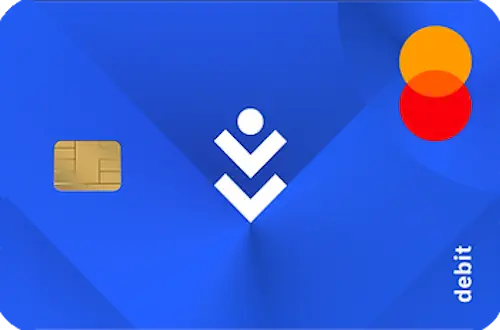
1. COCA Visa Card
Self-Banking: 8% Cashback + 6% APY + 0% FX
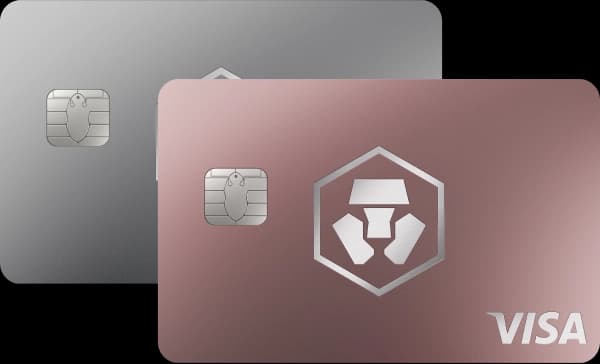
2. Private (Icy White / Rose Gold)
Elite Private Status: 4% Uncapped Cashback + Guests

3. ether.fi Core Card
Zero Barriers: 3% Back on Every Purchase, No Stake Required
4. KAST K Card
Early Adopter Access: 2% Points + 4% $MOVE on Every Swipe
5. RedotPay Solana Card
Solana Goes IRL: Spend SOL Directly at 130M+ Merchants
Crypto Card Regulation in Saudi Arabia
Saudi Arabia's crypto regulatory position sits in a "studied ambiguity" zone. Neither explicitly banned for individuals nor formally licensed.
SAMA (Saudi Central Bank, Al-Bank Al-Markazi Al-Su'udi, formerly the Saudi Arabian Monetary Authority until 2020 renaming) oversees monetary policy, banking regulation, and payment systems. SAMA has not issued a specific crypto ban but has warned financial institutions about the risks of crypto trading and advised banks not to deal in Bitcoin (2018 circular). The warning did not extend to criminalizing individual ownership.
CMA (Capital Market Authority, Hayat Al-Souq Al-Maliya) regulates securities markets. The CMA has issued investor warnings about crypto risks (2021, 2023) but has not classified crypto as a security or created a licensing framework.
Key regulatory timeline:
- 2018: SAMA circular warning banks against dealing in Bitcoin
- 2019: Project Aber (joint Saudi-UAE CBDC study) exploring distributed ledger technology for cross-border wholesale settlement
- 2020: SAMA rebranded from SAMA to Saudi Central Bank, signaling modernization
- 2022-2023: CMA investor warnings. Reports of a crypto regulatory framework being developed
- 2024-2025: Vision 2030 fintech acceleration. SAMA Sandbox permits fintech experiments. No formal VASP licensing announced
- 2025: Minister Majed Al-Hogail announced plans for nationally regulated stablecoins under joint SAMA/CMA oversight, aligned with Vision 2030. Detailed licensing and reserve rules not yet published
- 2025: SAMA/CMA fintech target: 230 companies by 2025, 525 by 2030
The practical reality: Saudi residents use Binance (via APAC), Crypto.com, and other international platforms without prosecution. P2P trading in SAR is active. The Kingdom's approach has been to study and wait rather than ban or license, contrasting with Bahrain's proactive licensing and Kuwait's outright prohibition.
Crypto card usage is not prohibited for individuals. Cards settle through Visa/Mastercard in SAR fiat, making the transaction indistinguishable from standard card spending at the merchant level.
Tax Treatment of Card Rewards in Saudi Arabia
Saudi Arabia has no personal income tax (la tuujad daribat al-dakhl al-shakhsiya) for individuals, whether Saudi nationals or foreign residents. This applies to all forms of personal income including salary, investment returns, capital gains, and crypto profits.
What is taxed: Corporate income tax (20% on non-GCC-owned entities), zakat (2.5% on Saudi/GCC-owned businesses, collected by ZATCA), and VAT (15%, introduced January 2018, raised from 5% in July 2020). None of these apply to individual crypto card spending.
ZATCA (Zakat, Tax and Customs Authority, Hayat Al-Zakat Wal-Dakhl Wal-Jamarik) handles all tax administration. ZATCA does not collect personal income tax because there is none. Individual tax filing for investment income is not required.
| Scenario | Gain | Tax | Net |
|---|---|---|---|
| BTC appreciated 200%, spent via card | SAR 100,000 | SAR 0 | SAR 100,000 retained |
| ETH staked, yield earned | SAR 20,000 | SAR 0 | SAR 20,000 retained |
| Cashback tokens received and held | SAR 5,000 | SAR 0 | SAR 5,000 retained |
| USDC spent (near-zero gain) | SAR 0 | SAR 0 | No gain to tax |
No tax optimization needed. Spend any crypto asset freely. The only consideration is zakat for Muslim Saudis: the 2.5% Islamic obligation on net wealth (including crypto holdings) is calculated annually on assets held for a full lunar year. This is a religious obligation, not a government tax, though ZATCA facilitates collection for businesses.
VAT at 15% applies to all purchases in Saudi Arabia regardless of payment method and is unchanged by crypto card usage. The VAT rate is among the highest in the GCC (Bahrain 10%, UAE 5%, Qatar/Kuwait/Oman 0%).
How to Apply from Saudi Arabia
Saudi crypto card applications require a Bitaqat Al-Hawiya Al-Wataniya (Saudi National ID Card), the biometric smart card issued by the National Information Center (Markaz Al-Ma'lumat Al-Watani) under the Ministry of Interior. The national ID number (10 digits, starting with 1 for citizens, 2 for residents) is the universal Saudi identifier, linked to the Absher platform (the government's comprehensive digital services portal). All Saudi citizens over 15 hold a national ID.
For foreign residents: Passport plus iqama (residence permit, issued by Jawazat/Directorate General of Passports). The iqama number (10 digits, starting with 2) functions as the primary identifier for residents. Saudi Arabia's 10+ million foreign residents include large communities from India, Pakistan, Bangladesh, Egypt, the Philippines, Indonesia, and Yemen.
Proof of address: utility bills from SEC (Saudi Electricity Company), NWC (National Water Company), or telecom bills from STC (Saudi Telecom Company, the Kingdom's largest), Mobily (Etihad Etisalat), or Zain Saudi Arabia. Bank statements from Al Rajhi Bank (world's largest Islamic bank by market cap), SNB (Saudi National Bank, formed from NCB merger), Riyad Bank, SABB (Saudi British Bank, HSBC affiliate), or Banque Saudi Fransi (Credit Agricole affiliate).
Absher integration: Many crypto platforms and card issuers can verify Saudi identity through the Absher API, streamlining KYC for Saudi nationals.
Spending Tips for Saudi Arabia
What Saudi Bank Cards Actually Cost You
Saudi Arabia's banking sector is the largest in the GCC. Al Rajhi Bank (world's largest Islamic bank, dominant retail presence, 500+ branches), SNB (Saudi National Bank, the largest by total assets, formed from the merger of NCB and Samba in 2021), Riyad Bank (strong digital banking), SABB (HSBC affiliate, premium positioning), Banque Saudi Fransi (BSF, Credit Agricole affiliate), Arab National Bank (ANB), and Alinma Bank (fully Islamic, launched 2008).
Saudi bank debit cards earn 0.1-0.3% cashback on select promotional categories (Al Rajhi offers occasional 1% dining campaigns, SNB offers point-based rewards redeemable at low rates). The mada domestic debit card scheme processes most transactions within Saudi Arabia. Credit cards offer better rewards: Al Rajhi Visa Infinite (1% flat), STC Pay Visa (2% cashback on STC purchases). FX markup on non-SAR transactions: 1.5-2.5% across all banks.
| Category | Al Rajhi Debit | Crypto Card (COCA 8%) | Annual Difference |
|---|---|---|---|
| Annual fee | SAR 0 | SAR 0 | SAR 0 |
| Cashback on SAR 3K/mo | SAR 36-108 (0.1-0.3%) | SAR 2,880 (8%) | SAR 2,772-2,844 earned |
| FX on SAR 1K/mo intl | SAR 180-300 (1.5-2.5%) | SAR 0 | SAR 180-300 saved |
| Total annual advantage | - | - | SAR 2,952-3,144 |
We compared fees for Saudi residents across all available issuers: SAR 2,952-3,144/year ($787-838) in advantage. Tax-free. That covers a round-trip flight to Bahrain or Istanbul.
Zero Tax Yield Stacking (Same as Bahrain, Bigger Market)
- 8% cashback (COCA) on spending
- 6% APY (COCA) on idle holdings
- 0% tax on all returns
On SAR 3,000/month spending with SAR 20,000 in card wallet holdings: SAR 2,880/year cashback + SAR 1,200/year APY = SAR 4,080/year ($1,088) in pure, untaxed returns.
Card Selection for Saudi Arabia
- COCA (8%): Highest cashback + 6% APY. Best for zero-tax yield stacking.
- Crypto.com (Icy White 4%): Lounge access at RUH (new terminal) and JED (KAIA new terminal). Plus Netflix/Spotify rebates.
- ether.fi (3%): Staking yield = untaxed profit. Best for ETH holders.
- KAST (2%, 0.5% FX): Best for expats spending from offshore salary or remittance balances.
- RedotPay (stablecoin-native): Stablecoin-focused.
- xPlace (up to 2%): Tiered rewards.
- Jupiter: Solana ecosystem users.
Cost of Living and Spending Tiers
- Riyadh (Olaya/Diplomatic Quarter): SAR 2,000-5,000 rent (1-bed), SAR 800-1,500 groceries. Riyadh Season entertainment drives spending Nov-Mar.
- Riyadh (Al Malqa/Al Yasmin): SAR 1,500-3,500 rent. Growing suburban areas with malls (Riyadh Park, Nakheel Mall).
- Jeddah (Al Hamra/Corniche): SAR 1,500-4,000 rent, SAR 700-1,200 groceries. Jeddah Season entertainment.
- Dammam/Al Khobar/Dhahran (Eastern Province): SAR 1,000-3,000 rent. Aramco economy, King Fahd Causeway to Bahrain.
- NEOM/The Line (under construction): Future mega-city, not yet relevant for card spending.
- Mecca/Medina: Religious tourism drives spending but many services are cash-heavy.
Monthly card-eligible spending: SAR 2,000-15,000 ($533-4,000).
Spending Scenario: SAR 5,000/month Riyadh Professional
| Category | Monthly | Annual | Where It Goes |
|---|---|---|---|
| Groceries | SAR 1,000 | SAR 12,000 | Panda, Danube, Tamimi, Carrefour |
| Dining | SAR 1,200 | SAR 14,400 | Boulevard restaurants, Tahlia Street cafes |
| Transport | SAR 500 | SAR 6,000 | Petrol (SAR 2.18/L 91-octane), car expenses |
| Subscriptions | SAR 300 | SAR 3,600 | Netflix, Spotify, gym, Shahid, STARZPLAY |
| Shopping | SAR 1,200 | SAR 14,400 | Kingdom Centre, Riyadh Park, Al Nakheel |
| Entertainment | SAR 500 | SAR 6,000 | Riyadh Season, Boulevard, movies |
| International | SAR 300 | SAR 3,600 | Amazon.sa, international online |
Total: SAR 60,000/year ($16,000). At 8% cashback: SAR 4,800/year ($1,280). Zero tax.
The 10+ Million Expat Economy
Saudi Arabia's workforce includes approximately 10+ million foreign residents. The expat community drives massive remittance flows ($45+ billion annually, second-largest outflow globally):
- India: 2.5+ million workers (largest community). Construction, IT, retail, healthcare. Remittance corridor: approximately $10 billion/year to India.
- Pakistan: 1.5+ million. Construction, retail, transport. Remittance: $5+ billion/year.
- Bangladesh: 2+ million. Construction, domestic service. Remittance: $4+ billion/year.
- Philippines: 1+ million. Healthcare, hospitality, domestic service. Remittance: $2+ billion/year.
- Egypt: 1+ million. Education, engineering, construction.
- Western expats: 200,000+ in finance, oil/gas (Aramco, SABIC), consulting, education.
Traditional remittance channels (Al Rajhi Bank international transfer, Western Union, MoneyGram) charge 3-6% in combined fees. For tech-literate expats, stablecoin transfers to a family member's crypto card eliminate these fees. An Indian IT professional in Riyadh earning SAR 8,000/month can use a COCA card for personal spending (8% cashback = SAR 7,680/year untaxed) while sending USDC to family in India.
The Entertainment Revolution: Riyadh Season and Beyond
Since 2019, Saudi Arabia's General Entertainment Authority (GEA) has invested billions in entertainment infrastructure. Riyadh Season (October-March, 15 million+ visitors in 2024), Jeddah Season, MDL Beast (music festival, 700,000+ attendees), and AlUla Moments represent a new spending category: entertainment and events that were banned until 2016. All major venues accept Visa/Mastercard contactless.
Riyadh Boulevard alone (a 2km entertainment/dining strip) has 400+ restaurants and cafes. For residents, this represents SAR 500-2,000/month in new card-eligible spending on concerts, events, restaurants, and experiences.
Cross-Border Spending
Saudi Arabia's international connections create significant FX spending opportunities:
- Bahrain (BHD): King Fahd Causeway, 70,000+ daily weekend crossings. Popular for entertainment and dining (Bahrain has more liberal social regulations). BHD-USD peg means minimal FX.
- UAE (AED): Frequent flights to Dubai/Abu Dhabi for shopping, business. AED-USD peg. Dubai Mall, Mall of the Emirates.
- Egypt (EGP): Popular affordable vacation destination. Major FX savings on EGP spending.
- Turkey (TRY): Top vacation destination for Saudis. Istanbul, Trabzon, Bodrum. TRY depreciation means major FX savings.
- Europe (EUR/GBP): London, Paris, Geneva for shopping and medical tourism. This is where zero-FX generates the biggest savings.
- Maldives/Malaysia/Indonesia: Growing tourism destinations.
Every cross-border transaction through a bank card triggers 1.5-2.5% FX. Zero-FX crypto cards save on every international purchase.
Online Shopping and International Subscriptions
Saudi Arabia's e-commerce market is the largest in the GCC, exceeding SAR 50 billion annually. Noon.com (founded by Mohamed Alabbar, headquartered in Riyadh) is the homegrown giant competing directly with Amazon.sa (formerly Souq.com, acquired by Amazon in 2017).
Jarir Bookstore (jarir.com, 65+ branches) dominates electronics and stationery. extra (United Electronics Company) is the largest specialty electronics retailer. Namshi leads fashion e-commerce for 18-35 demographics.
Most domestic e-commerce transacts in SAR through mada or local credit cards. The crypto card advantage emerges on international purchases: Adobe Creative Suite ($659/year), Microsoft 365 ($99/year), Apple iCloud/Music/TV+ (billed in USD), PlayStation Plus/Xbox Game Pass (increasingly popular post-2016 entertainment liberalization), and niche international retailers not listed on Amazon.sa.
A zero-FX crypto card eliminates the 1.5-2.5% bank markup on every USD-billed subscription, saving SAR 20-50/month for a household with multiple streaming and software subscriptions.
Hajj, Umrah, and Religious Tourism Spending
Mecca and Medina host 2+ million Hajj pilgrims annually and 15+ million Umrah visitors. While the holy cities themselves remain partly cash-heavy (particularly street vendors around Haram areas), the hotels, malls, and restaurants surrounding them accept cards.
Jabal Omar (luxury hotel/commercial complex in Mecca), Abraj Al-Bait (Clock Tower complex), and the expanding Medina hospitality district all have full card acceptance. Saudi residents hosting visiting family for Umrah often cover significant accommodation and dining costs, making cashback on these larger transactions valuable.
Vision 2030 and the Cashless Economy
Saudi Arabia's Vision 2030 cashless target has driven extraordinary card acceptance growth. mada (the national domestic debit card scheme, operated by Saudi Payments under SAMA) processed over 7 billion transactions in 2024. Apple Pay, STC Pay, and Google Pay are widely supported.
Where cards work: All major retailers (Panda 200+ stores, Danube 50+ stores, Tamimi Markets 50+ stores, Carrefour 40+ locations, Lulu Hypermarket 20+ locations), malls (Kingdom Centre Riyadh, Riyadh Park Mall, Riyadh Gallery, Red Sea Mall Jeddah, The Avenues Khobar, Dhahran Mall), restaurants (Tahlia Street, Boulevard Riyadh, Al Balad Jeddah), entertainment venues (Riyadh Season events, Jeddah Season, MDL Beast music festival), ride-hailing (Uber, Careem, both founded in MENA).
Delivery and ride-hailing: The food delivery and ride-hailing economy is a major card spending category. Jahez (Saudi-founded, IPO on Tadawul 2022, covers 80+ cities), HungerStation (Delivery Hero subsidiary), Mrsool (founded in Riyadh, expanded to Gulf), and ToYou handle food delivery. Careem (acquired by Uber for $3.1 billion in 2020, founded in the Middle East) and Uber Saudi handle ride-hailing. All accept card payments.
A typical Riyadh professional spends SAR 300-800/month on delivery and rides, entirely card-eligible.
Where cash still matters: Traditional souqs (Souq Al Zal in Riyadh, Souq Al Alawi in Jeddah), some smaller restaurants in older neighborhoods, and Hajj/Umrah-related commerce in Mecca/Medina.
Supported Exchanges & Wallets in Saudi Arabia
Saudi Arabia has no domestically licensed crypto exchanges. The primary on-ramps are international platforms: Binance (P2P with SAR, large Saudi user base), Rain (Bahrain-licensed, serving GCC including Saudi Arabia with SAR deposits), and Crypto.com. Rain's SAR support with instant bank transfers from Al Rajhi, SNB, and Riyad Bank provides the smoothest on-ramp for buying USDC/USDT to fund crypto cards.
Among global card issuers, COCA leads with 8% through one of the stronger cashback crypto cards and 6% APY. Crypto.com provides CRO-staking metal tiers from Midnight Blue (0%) through Icy White (4%).
ether.fi offers the Core Card free with 3% cashback. Zero-tax staking yield on top.
KAST provides 2% cashback with 0.5% FX and 2-minute KYC options.
RedotPay offers Virtual, Solana, and Physical options. xPlace provides a tiered system. Jupiter for Solana users.
Saudi Arabia's zero personal income tax, SAR-USD peg, Vision 2030 cashless infrastructure, and the largest economy in the Middle East (GDP $1+ trillion) make it one of the world's most favorable crypto card markets. The regulatory ambiguity has not prevented 14+ million Saudis from using crypto, and the practical card infrastructure is already world-class.
Written by SpendNode Editorial
Frequently Asked Questions
Is crypto spending taxed in Saudi Arabia?
No. Saudi Arabia has no personal income tax and no capital gains tax on personal investments. All crypto card cashback is pure profit. 15% VAT applies to purchases but is the same regardless of payment method.
Which crypto card is best for Saudi Arabia?
COCA (up to 8%, 0% FX) leads on raw cashback plus 6% APY. KAST (2%, 0.5% FX) is the simplest free option. Crypto.com Icy White (4%) adds lounge access at RUH and JED. Zero income tax means all cashback is pure profit. The SAR-USD peg provides stable card loading values.
Is crypto legal in Saudi Arabia?
Crypto trading is not officially regulated or explicitly banned for individuals. SAMA and CMA have issued warnings about risks but not prohibitions. Vision 2030's fintech push suggests increasing openness to digital assets.
How does Vision 2030 affect card payments?
Vision 2030 targets 70% cashless payments. Card acceptance is rapidly expanding across the Kingdom. Malls, supermarkets, restaurants, and ride-hailing services accept contactless payments. This infrastructure benefits crypto card users.
Other Countries
View all 108 countries →


Recent Updates to Best Crypto Cards in Saudi Arabia
- Crypto.com 5%/Jade/Royal Indigo corrected to Icy White 4% across table, rationale, card selection, exchanges
- ether.fi FX 0% corrected to 1%, Credit corrected to Debit
- KAST corrected from up to 12% to 2% with 0.5% FX
- Crypto.com Midnight Blue corrected from 1% to 0%
- Added: 2025 stablecoin initiative under SAMA/CMA joint oversight, fintech 525 target by 2030
- topCardSlugs updated: Royal Indigo to Icy, ether.fi added
- FAQ updated: COCA/Crypto.com/KAST rates corrected