
Best Crypto Cards in Pakistan (2026)
Compare 14+ crypto cards available in Pakistan. High crypto adoption driven by remittances, young population, and PKR currency challenges.
Verified for Pakistan
33 crypto cards available
Local currency: PKR
Pakistan consistently ranks in the global top 10 for crypto adoption, driven by three powerful forces: a $30+ billion annual remittance economy (the world's 4th largest), persistent PKR depreciation that has eroded purchasing power by over 60% against the dollar since 2018, and a massive freelancer workforce earning in foreign currency through Upwork, Fiverr, and direct contracts.
The State Bank of Pakistan (SBP) issued a blanket ban on banks processing crypto transactions in April 2018, but enforcement has been inconsistent, and the Securities and Exchange Commission of Pakistan (SECP) has been exploring regulatory frameworks since 2023. Chainalysis estimates Pakistan's crypto market at $25-30 billion in annual transaction volume, with Binance P2P handling the largest share of PKR-denominated trades.
Pakistan's banking system - dominated by Habib Bank Limited (HBL, 1,700+ branches), United Bank Limited (UBL, 1,400+ branches), MCB Bank (1,500+ branches), Allied Bank (1,300+ branches), and Bank Alfalah - charges 3-7% FX markup on international transactions, imposes $500-1,000/year international spending limits on standard cards, and takes 3-5 business days for cross-border settlements.
For Pakistan's 1.5+ million registered freelancers (Pakistan is the 4th largest freelancer market globally), receiving payments in USDC and spending via a zero-FX crypto card eliminates multiple conversion layers that currently cost 5-10% in aggregate fees.
| Card | Max Cashback | Annual Fee | FX Fee | Card Type | Best For |
|---|---|---|---|---|---|
| COCA | Up to 8% | $0 | 0% | Debit | $COCA tiers (1% free) + 6% APY |
| Crypto.com | 5% | CRO stake | 0% | Prepaid | Tiered metal cards, lounges |
| ether.fi | 3% | $0 | 1% | Credit | Borrow-to-spend, defer ambiguous tax |
| RedotPay | - | $0-$100 | 1.2% | Prepaid | Stablecoin spending, HK-based global |
| KAST | 2% | $0 | 0.5-1.75% | Prepaid | Freelancer and remittance-funded first card |
| xPlace | 0.5-2% | $0 | 1% | Debit | Tiered rewards system |
| Jupiter | 4-10% JupUSD | $0 | 1% | Debit | Solana ecosystem |
We tested all globally available cards for Pakistani residents - KAST fits freelance payouts and diaspora-funded stablecoin balances best when the goal is to start spending quickly after a Wise transfer, Deel payout, or family remittance lands: 2% rewards, $0 annual fee, and fast KYC (2 min) for basic tiers.
COCA delivers the highest raw return with up to 8% cashback plus 6% APY on holdings. ether.fi is particularly valuable in Pakistan's ambiguous tax environment - the borrow-to-spend model avoids triggering a taxable disposal event entirely.
Best Card For Every Need in Pakistan
Top 3 Crypto Cards in Pakistan
Pakistan's 1.5 million freelancers - the world's 4th largest freelancer workforce - already hold USDC from international clients, so KAST works best when someone wants to spend a new Upwork, Deel, or Gulf-funded balance the same week it arrives instead of first building into a token or staking strategy.
COCA's 6% APY on stablecoin deposits creates a dollar-denominated savings account in a country where PKR savings lose 8% annually to depreciation, while its up to 8% cashback (scaling with staking $COCA tokens, 1% at free Starter) leads the field. ether.fi is arguably the most strategically important card here: Pakistan's ambiguous tax environment (0% to 35% depending on FBR classification) makes borrow-to-spend the only approach that carries zero disposal risk under any future ruling.
RedotPay Solana serves the $30 billion remittance corridor - a Gulf state worker sends USDC to a family member's card at near-zero cost versus the 3-8% that Western Union and JazzCash International charge. Self-custody cards avoid exchange dependency entirely - relevant where the SBP's 2018 ban makes exchange relationships legally fraught.
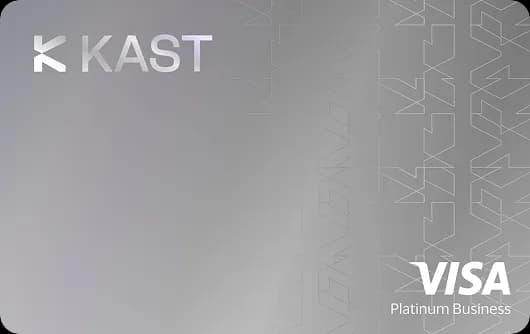
1. KAST K Card
Early Adopter Access: 2% Points + 4% $MOVE on Every Swipe

2. ether.fi Core Card
Zero Barriers: 3% Back on Every Purchase, No Stake Required
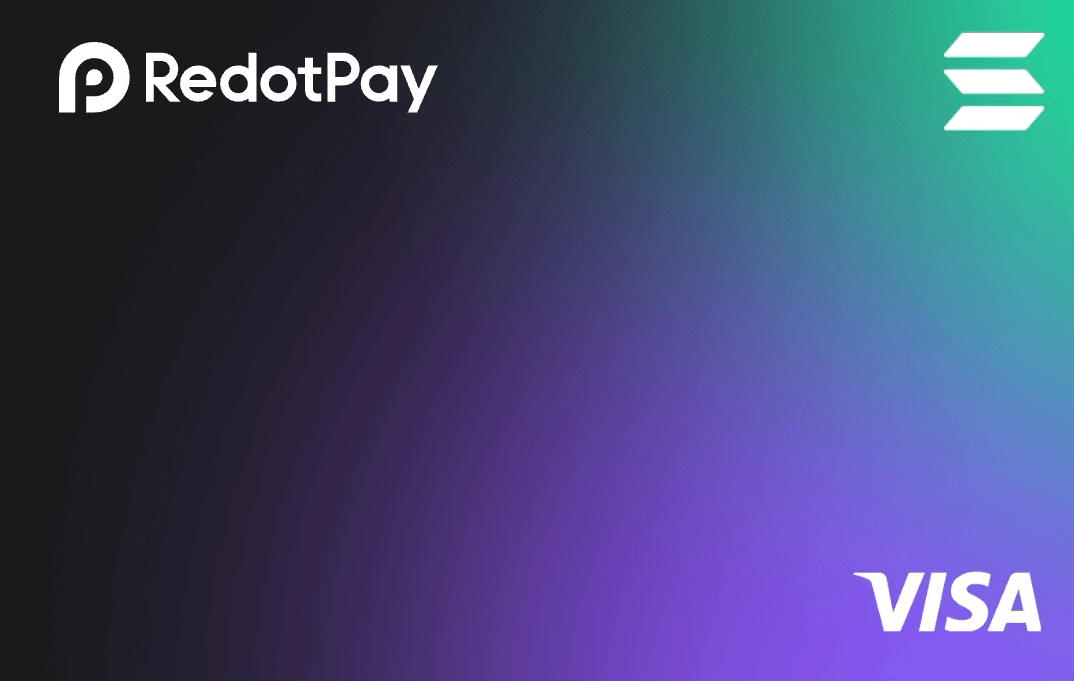
3. RedotPay Solana Card
Solana Goes IRL: Spend SOL Directly at 130M+ Merchants
Crypto Card Regulation in Pakistan
Pakistan's crypto regulatory stance has been a tug-of-war between the SBP's blanket prohibition and the SECP's attempts at constructive regulation. The SBP (State Bank of Pakistan, Riyasat-e-Pakistan ka Markazi Bank) issued Circular No. 03 of 2018 directing all banks and financial institutions to cease processing any cryptocurrency-related transactions. This remains technically in force, though enforcement has been inconsistent.
The SECP (Securities and Exchange Commission of Pakistan) has taken a more progressive approach. In 2023-2024, the SECP published a position paper advocating for a regulated crypto framework, arguing that prohibition drives activity underground and costs the Federal Board of Revenue (FBR) billions in potential tax revenue. The SECP proposed classifying crypto exchanges as securities intermediaries, requiring registration, AML/KYC compliance, and minimum capital requirements.
The Financial Monitoring Unit (FMU), Pakistan's FATF-aligned AML agency, has developed draft VASP (Virtual Asset Service Provider) regulations. Pakistan's 2019-2022 FATF grey-listing created urgency around AML compliance for all financial instruments, including crypto. The country was removed from the FATF grey list in October 2022, but maintaining compliance requires ongoing monitoring of crypto flows.
The Pakistan Mercantile Exchange (PMEX) explored crypto derivatives trading in 2023 but the initiative stalled. The Lahore High Court in 2024 heard a petition challenging the SBP's crypto ban, with the petitioner arguing it violates the fundamental right to trade. The case remains pending.
The practical reality: SBP's ban prevents direct bank-to-crypto transactions, but crypto card issuers with global coverage (KAST, RedotPay, Crypto.com) operate outside Pakistan's banking jurisdiction.
Pakistanis acquire crypto through P2P channels (primarily Binance P2P with PKR pairs), overseas accounts, or freelancing payments, then load crypto cards offshore. The SBP ban affects the on-ramp, not the card usage itself.
Tax Treatment of Card Rewards in Pakistan
Pakistan's tax treatment of crypto sits in a zone of deliberate ambiguity. The FBR (Federal Board of Revenue, Wifaqi Board Baraye Mahsool) has not issued specific crypto tax guidance, but has signaled through multiple public statements that crypto income falls under existing tax provisions.
Income Tax Ordinance 2001 applies progressive rates to all income sources. If crypto gains are classified as income (the FBR's likely position for active traders): rates range from 0% (up to PKR 600,000) to 35% (above PKR 12,000,000). If classified as capital gains (more likely for long-term holders): 15% for assets held over one year, 20% for shorter holding periods, based on analogous securities treatment.
Example - Pakistani freelancer receiving USDC payments: A developer earning PKR 200,000/month ($700) through Upwork receives payment in USDC, spends via KAST. The stablecoin creates approximately zero capital gain on spending. The underlying freelance income is taxable at normal rates, but the spending mechanism generates no additional tax liability.
Example - BTC holder spending appreciated crypto: You acquired BTC at PKR 500,000 and it appreciated to PKR 1,500,000. Spending PKR 1,500,000 via card: if treated as income, the PKR 1,000,000 gain faces up to 35%. If treated as CGT: 15-20%. The difference is PKR 150,000 to PKR 350,000 in tax - a massive swing from classification ambiguity.
| Funding Method | Annual Spend (PKR 600K) | Cashback (2%) | Tax Scenario (Income) | Tax Scenario (CGT) | Net Benefit |
|---|---|---|---|---|---|
| BTC (appreciated 200%) | PKR 600,000 | PKR 12,000 | Up to PKR 140,000 (35%) | PKR 60,000 (15%) | Negative |
| USDC (stablecoin) | PKR 600,000 | PKR 12,000 | approx. PKR 0 | approx. PKR 0 | PKR 12,000 |
USDC funding is essential in Pakistan given the ambiguity. BTC funding risks triggering the 35% income rate if the FBR takes an aggressive classification stance. ether.fi provides a third option: borrow against ETH holdings without any disposal event - no taxable event under any classification. This makes ether.fi uniquely valuable in Pakistan's uncertain tax environment.
The FBR has been expanding its digital enforcement capabilities. The Integrated Tax Management System (ITAS) and cross-matching with NADRA records means crypto-derived spending patterns could eventually trigger scrutiny. Compliance is recommended as the regulatory environment crystallizes.
How to Apply from Pakistan
Pakistani crypto card applications require a CNIC (Computerized National Identity Card, 13 digits, قومی شناختی کارڈ) issued by NADRA (National Database and Registration Authority). The CNIC is the universal identifier for all Pakistani citizens and is required for banking, property, and tax purposes. Overseas Pakistanis can use NICOP (National Identity Card for Overseas Pakistanis, green card) or POC (Pakistan Origin Card) for those who have surrendered Pakistani citizenship.
Alternative identification: Pakistani passport (valid international passport issued by the Directorate General of Immigration and Passports). Proof of address via utility bills from K-Electric or WAPDA/PEPCO (electricity), Sui Southern/Sui Northern Gas, PTCL, or bank statements from HBL, UBL, MCB, Allied Bank, or Bank Alfalah.
For KAST with minimal 2-minute KYC access, the CNIC or passport is sufficient. RedotPay (HK-based) accepts Pakistani passports. The Pakistani diaspora (9+ million abroad) often has dual documentation - Gulf state iqama, UK BRP, US Green Card, or Canadian PR - which provides broader issuer access.
Physical cards ship to Pakistani addresses within 21-30 business days from international issuers. Virtual cards are available immediately and are usually the practical place to start.
Spending Tips for Pakistan
FX Savings: The Biggest Win
Pakistani banks charge egregious FX markups. HBL's international Visa debit charges 3.5% above the SBP mid-rate on all foreign currency transactions. UBL charges 3-4%. MCB charges 4%. Allied Bank charges 3.5-5%. Bank Alfalah's premium card is "only" 2.5%. On top of the markup, the SBP's managed PKR/USD rate often diverges 2-5% from the open market rate, creating an effective 5-10% total cost on international spending. A crypto card with 0% FX eliminates this entirely.
Annual FX savings math: A Pakistani professional spending PKR 50,000/month ($175) on international transactions (subscriptions, e-commerce, travel):
- Bank card at 5% effective FX cost: PKR 30,000/year lost to markups
- Crypto card at 0% FX: PKR 0 lost
- Savings: PKR 30,000/year ($105) - before any cashback
This means the FX savings alone often exceed the cashback earned. A 2% cashback card saving 5% on FX delivers an effective 7% advantage over a Pakistani bank card.
The Freelancer Pipeline
Pakistan ranks 4th globally in freelancer volume, with 1.5+ million active freelancers on Upwork, Fiverr, Freelancer.com, and direct contracts. The typical freelancer payment pipeline:
- Client pays in USD → Upwork/Fiverr holds balance
- Freelancer withdraws to Pakistani bank → 1-3% platform fee + 2-3% FX loss
- Bank receives in PKR → PKR continues depreciating against USD
The crypto card pipeline:
- Client pays in USDC (or freelancer converts USD → USDC on exchange)
- Load crypto card → 0% conversion cost
- Spend in PKR at point of sale → Visa/Mastercard mid-rate, 0% FX fee
For a freelancer earning $1,000/month, the savings are $40-80/month ($480-960/year) compared to the bank withdrawal path. This is not a marginal improvement - it is a fundamental restructuring of the payment pipeline.
Card Selection by Spending Profile
- Freelancer ($500-2,000/month): KAST (2%, free) for daily spending after client payouts land + COCA (up to 8% with staking $COCA, 1% free) for maximum returns on larger purchases. The KAST-COCA combination covers both immediate usability and higher rewards.
- Diaspora ($200-800/month): RedotPay (stablecoin-native) for stablecoin spending + remittance optimization. HK issuance works well for Gulf state workers.
- Crypto holder: ether.fi (3%, borrow-to-spend) to avoid triggering Pakistan's ambiguous tax on appreciated crypto. Keep your ETH staking while accessing liquidity.
- Privacy-focused: Ledger CL Card (1%, hardware-backed) for self-custody spending without exchange account dependency.
Break-Even Math
All at USDC funding (zero tax on disposal). FX savings NOT included (add 3-7% of spend as additional savings vs bank cards).
| Monthly Spend | KAST (2%, free) | COCA Elite 8% (staking 30K $COCA) | RedotPay Solana (high limits, free) | ether.fi (3%, borrow) |
|---|---|---|---|---|
| PKR 30,000 ($105) | PKR 7,200/yr | PKR 28,800/yr | PKR 10,800/yr | PKR 10,800/yr + staking yield |
| PKR 50,000 ($175) | PKR 12,000/yr | PKR 48,000/yr | PKR 18,000/yr | PKR 18,000/yr + staking yield |
| PKR 100,000 ($350) | PKR 24,000/yr | PKR 96,000/yr | PKR 36,000/yr | PKR 36,000/yr + staking yield |
| PKR 200,000 ($700) | PKR 48,000/yr | PKR 192,000/yr | PKR 72,000/yr | PKR 72,000/yr + staking yield |
At PKR 100,000/month (a mid-level Lahore or Karachi professional), KAST delivers PKR 24,000/year in cashback plus approximately PKR 42,000/year in FX savings versus HBL/UBL = PKR 66,000/year total benefit ($230).
Cost of Living by City
Pakistan's cost of living varies dramatically by city, which determines card strategy:
- Karachi - Defence/Clifton (PKR 120,000-250,000/month): Pakistan's commercial capital. Dolmen Mall, Lucky One Mall, Port Grand. Excellent Visa/Mastercard acceptance at chain retail. Foodpanda, Careem, InDrive for transport. Imtiaz Super Market (30+ stores), Chase Up, Al-Fatah for groceries.
- Lahore - Gulberg/DHA (PKR 80,000-180,000/month): Packages Mall, Emporium Mall (South Asia's largest). Strong card acceptance in DHA Phase 5-8 commercial areas. Jalal Sons, HKB, Metro Cash & Carry.
- Islamabad - F-6/F-7/E-7 (PKR 100,000-200,000/month): Centaurus Mall, Giga Mall. Government city with high income pockets. Best international card acceptance in Pakistan per capita.
- Rawalpindi (PKR 50,000-100,000/month): Saddar, Commercial Market. Mixed card acceptance. Cash-heavy at Raja Bazaar (one of South Asia's oldest markets).
- Peshawar/Quetta (PKR 40,000-80,000/month): Limited international card acceptance. Cash-dominant. Crypto cards add international purchasing power that local banking cannot provide.
- Faisalabad/Multan (PKR 40,000-90,000/month): Industrial cities. Card acceptance growing at malls (Faisalabad Serena, Multan Shalimar) but limited elsewhere.
The Diaspora Remittance Revolution
Pakistan's 9+ million diaspora sends $30+ billion annually in remittances - the world's 4th largest remittance inflow. The Saudi Arabia corridor (3M+ Pakistanis) accounts for 25%+ of volume, followed by UAE (1.5M+), UK (1.2M+), US (700K+), and Oman/Kuwait/Qatar/Bahrain (2M+ combined across the Gulf). Traditional channels (Western Union, MoneyGram, JazzCash International, bank wire) charge 3-8% on the Gulf-Pakistan corridor and 5-10% on less liquid routes.
The crypto alternative: a diaspora worker in Dubai loads USDC (acquired via Binance or local OTC), sends it to a family member's KAST or RedotPay wallet in Pakistan. Transfer cost: near zero. The family member spends via the card at Visa/Mastercard mid-rate.
On $500/month in remittances at 5% traditional fee savings, the annual benefit is $300 - meaningful in a country where the minimum wage is approximately PKR 37,000/month ($130).
Online Shopping and Digital Services
Pakistan's internet penetration (45%+ of 240M population) drives growing demand for international digital services. Netflix (PKR 450-1,100/month), Spotify, YouTube Premium, Shahid VIP (MBC, popular with Gulf-returned workers), Amazon (shipped via Sastaticket forwarding services), AliExpress, Steam, PlayStation Store, and educational platforms (Coursera, Udemy, Skillshare) are widely used, particularly among the tech-literate urban population.
Pakistani bank cards charge 3-7% FX on these USD-denominated subscriptions. A crypto card saves this entirely. At PKR 5,000/month ($17) in subscriptions, the annual FX savings are PKR 18,000-42,000 ($63-147).
PKR Depreciation: The Silent Tax
We track Pakistan-specific currency risk: the PKR has collapsed from approximately 105/USD in January 2018 to 280/USD by early 2026 - a 63% decline in 8 years. For Pakistanis holding savings in PKR, this represents a hidden 8% annual tax on purchasing power. Holding USDC via a crypto card provides a direct hedge: your $175/month in USDC buys the same amount of goods regardless of where the PKR moves. For freelancers earning in USD, converting to USDC rather than PKR immediately preserves value.
Local Payment Infrastructure
Card acceptance is concentrated in urban centers. JazzCash (Mobilink Microfinance Bank, 40+ million users) and Easypaisa (Telenor Microfinance Bank, 30+ million users) dominate mobile payments. SadaPay and NayaPay are newer digital-first platforms with Mastercard debit cards and better UX than traditional banks. 1LINK ATM network connects all banks.
Cash remains king at bazaars (Anarkali, Bolton Market, Jodia Bazaar), local restaurants, and small shops. International card terminals (Visa/Mastercard) exist primarily in malls, chain restaurants (McDonald's, KFC, Pizza Hut), hotels, and airline offices.
Supported Exchanges & Wallets in Pakistan
Pakistan has no licensed domestic crypto exchange. The SBP's 2018 ban prevents formal banking integration. Binance P2P is overwhelmingly the largest crypto marketplace, handling an estimated 70%+ of Pakistan's PKR-denominated crypto volume. JazzCash, Easypaisa, and bank transfers are common P2P payment methods. Local Bitcoins (now reduced in volume) and Paxful were historically popular.
KAST is the most practical first live card for Pakistani users. The 2-minute KYC tier means a CNIC holder can get basic spending access within minutes. The 2% on reward cards is straightforward, and the $0-annual-fee structure means there is no cost to testing it with freelance or remittance balances.
For Pakistan's freelancer community - many of whom already hold USDC from international clients - KAST is the fastest route from crypto balances into day-to-day spending.
COCA serves the savings-plus-spending use case. For Pakistanis who have managed to accumulate crypto (through freelancing, P2P trading, or diaspora transfers), COCA's 6% APY on holdings creates a dollar-denominated savings account yielding more than any PKR fixed deposit while also delivering up to 8% cashback on spending. In a country where PKR savings lose 8% annually to depreciation, this is transformative.
ether.fi is arguably the most strategically important card for Pakistani crypto holders. Pakistan's ambiguous tax environment means any crypto disposal could trigger anywhere from 0% to 35% tax depending on how the FBR classifies the transaction.
The borrow-to-spend model creates zero disposal events - you spend borrowed funds against your staked ETH collateral. Until the FBR publishes definitive crypto tax guidance, ether.fi provides the safest tax position.
RedotPay provides stablecoin-native spending from a Hong Kong-based issuer with genuine global reach. For Pakistani diaspora in Gulf states, the HK issuance and APAC orientation mean smoother KYC processing than European-based issuers. The Solana variant is particularly suited to USDC-native users.
Crypto.com appeals to higher-income Pakistanis in IT, medicine, or diaspora roles. The Ruby Steel (2% + Spotify) at $400 CRO stake, and Jade/Indigo (3% + lounge access at Jinnah International KHI and Islamabad ISB) provide tangible premium benefits beyond cashback.
Jupiter serves the self-custody and DeFi audience. xPlace provides a tiered rewards system for users who want to build up to higher cashback over time.
Pakistan's combination of top-10 global crypto adoption, $30B+ remittance market, 1.5M+ freelancers earning in foreign currency, persistent PKR depreciation, and 5-10% banking FX markups creates one of the strongest use cases for crypto cards anywhere in the world. The SBP's ban affects the on-ramp, not the spending utility - and the on-ramp problem has been comprehensively solved by Binance P2P.
Written by SpendNode Editorial
Frequently Asked Questions
Is crypto legal in Pakistan?
Pakistan's regulatory stance is evolving. Banks are restricted from crypto transactions (2018 SBP ban), but individual ownership is widespread. The SECP and FBR are developing regulatory frameworks. P2P platforms are the primary on-ramp.
Which crypto card is best for Pakistan?
KAST K Card: 2% cashback, $0 annual fee, 0.5-1.75% FX on non-USD. Even at 0.5-1.75% FX, the savings are 2-5% versus Pakistani bank cards on international purchases. Stablecoin funding hedges against PKR depreciation.
Can freelancers use crypto cards in Pakistan?
Yes. Pakistani freelancers can receive crypto/stablecoin payments and spend via card, avoiding multiple FX conversion steps. This is particularly valuable for Upwork/Fiverr earnings where traditional withdrawal methods charge fees.
How does PKR depreciation affect crypto card value?
Stablecoin-funded crypto cards maintain USD purchasing power regardless of PKR movements. If PKR drops 10%, your USDC balance effectively gains 10% in PKR terms. This hedging benefit often exceeds the cashback value.


