

Best Crypto Cards in Malaysia (2026)
Compare crypto cards available in Malaysia. No capital gains tax on crypto for individuals, with MYR settlement and SC-regulated market.
Verified for Malaysia
36 crypto cards available
Local currency: MYR
Malaysia does not tax capital gains on crypto for individual investors. Like Singapore and Hong Kong, spending appreciated BTC or ETH through a crypto card is not a taxable event. The entire gain is yours. In a region where India charges 30% and Japan up to 55%, Malaysia's zero CGT is a significant advantage for crypto card users.
The practical impact: a Malaysian earning 8% cashback through COCA on MYR 3,000/month card spending collects MYR 2,880/year in pure, untaxed profit. No stablecoin strategy needed, no holding period to track, no tax forms to file for card spending. Spend whatever crypto gives the highest cashback.
Malaysia uses the ringgit (MYR), which means FX conversion applies on every transaction through a non-MYR card. Maybank, CIMB, and Public Bank charge 1-2% FX markup on international transactions. A zero-FX crypto card eliminates this cost, adding a second layer of savings on top of cashback.
We tested all APAC and globally available cards for Malaysian residents - critical geo-restrictions shape the market: Bybit and Binance are both banned in Malaysia by the Securities Commission. With major exchange cards restricted, Bitget, COCA, Tria, Kolo, Crypto.com, and other global issuers lead the available options.
| Card | Max Cashback | Annual Fee | FX Fee | Card Type | Why It Fits Malaysia |
|---|---|---|---|---|---|
| COCA | Up to 8% | Free | 0% | Debit | $COCA tiers (1% free) + 6% APY, zero CGT = pure profit |
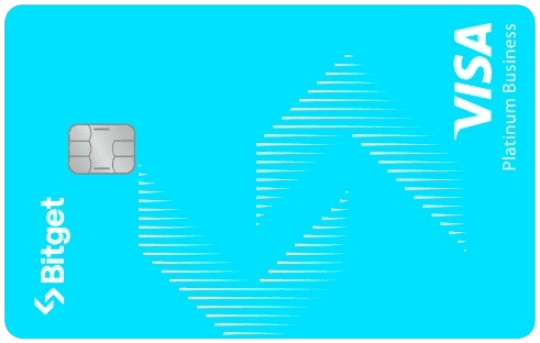
| Bitget | 8% BGB | Free | 0% + 0.9% tx | Debit | BGB staking tiers, 7.1% net |
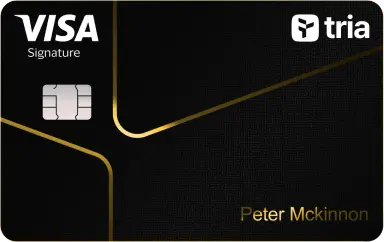
| Tria | Up to 6% | $20-$250 | 0% | Debit | Yield-linked rewards, zero FX |
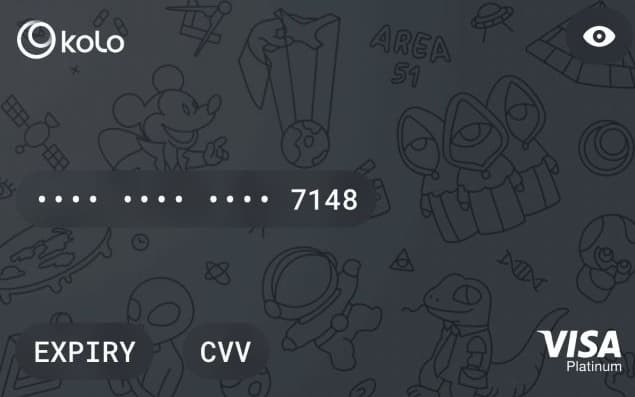
| Kolo | 5% BTC | Free | 0% | Prepaid | Highest free-tier cashback |
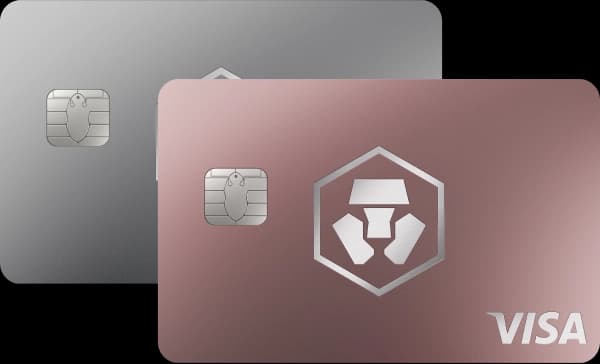
| Crypto.com Icy | 4% | CRO stake | 0% | Prepaid | Metal + airport lounge perks at KLIA |
| KAST | 2% | Free | 0.5% | Prepaid | Free prepaid for MYR spending from offshore balances |
COCA leads on net return: up to 8% cashback (1% at free Starter, scaling with staking $COCA) with 0% FX plus 6% APY - every ringgit is pure profit under Malaysia's zero CGT. Bitget is the strongest exchange-linked alternative: 8% BGB with 0% FX (0.9% tx fee, 7.1% net).
Tria offers up to 6% with 0% FX and yield-linked rewards - Signature at 4.5% ($109/yr) or Premium at 6% ($250/yr). Kolo delivers 5% BTC cashback with 0% FX at $0 ($5/txn cap, $200/mo cashback cap).
Crypto.com Icy adds 4% cashback with lounge access at KLIA and KLIA2 (requires CRO stake).
Best Card For Every Need in Malaysia
Top 7 Crypto Cards in Malaysia
Malaysia's zero capital gains tax means every card transaction is pure profit - no stablecoin strategy needed. But Bybit and Binance are both geo-banned here, removing two major exchange-linked options. COCA leads on net return: up to 8% cashback (1% at free Starter, scaling with staking $COCA) with 0% FX plus 6% APY. Bitget follows at 8% BGB (7.1% net after 0.9% tx fee).
Tria Signature at 4.5% with 0% FX ($109/yr) offers yield-linked rewards without volatile token exposure. Kolo at 5% BTC with 0% FX is the highest genuinely free option. Crypto.com Icy adds 4% cashback with lounge access at KLIA (CRO stake). ether.fi preserves staked ETH positions while providing spending access - zero CGT makes tax deferral unnecessary but preserving yield has standalone value. KAST at 2% with 0.5% FX rounds out the list as the simplest free entry.
1. COCA Visa Card
Self-Banking: 8% Cashback + 6% APY + 0% FX
2. Bitget Card
Trade and Spend: Up to 8% BGB Cashback for Bitget Traders
3. Tria Signature Card
High-Yield Mastery: 15% APY + Visa Signature Perks
4. Kolo Card
Earn Bitcoin on Every Purchase: 5% BTC Cashback + Visa Platinum + 170+ Countries
5. Private (Icy White / Rose Gold)
Elite Private Status: 4% Uncapped Cashback + Guests

6. ether.fi Core Card
Zero Barriers: 3% Back on Every Purchase, No Stake Required
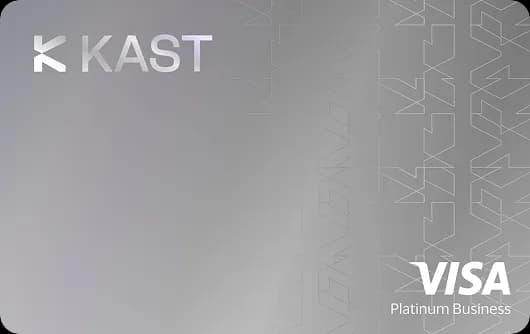
7. KAST K Card
Early Adopter Access: 2% Points + 4% $MOVE on Every Swipe
Crypto Card Regulation in Malaysia
The Securities Commission Malaysia (SC, Suruhanjaya Sekuriti) is the primary regulator for crypto activities under the Capital Markets and Services (Prescription of Securities) (Digital Currency and Digital Token) Order 2019. Only SC-registered Digital Asset Exchanges (DAXs) may legally operate in Malaysia. The SC maintains a public register of approved exchanges and has actively enforced against unregistered operators.
Bank Negara Malaysia (BNM), the central bank, oversees payment systems, AML compliance, and exchange control regulations. BNM's exchange control framework affects cross-border capital movement, which can impact how crypto card balances are funded from Malaysian bank accounts. Under BNM's Anti-Money Laundering policy, domestic banks may flag large crypto-related transfers.
Critical enforcement actions:
- Binance: Ordered to cease operations in Malaysia by the SC in July 2021 for operating as an unregistered DAX. Binance card is NOT available.
- Bybit: Banned by the SC. Added to the SC Investor Alert List. Bybit card is NOT available to Malaysian residents.
- Huobi (HTX): Listed on the SC Investor Alert.
The SC Investor Alert List is regularly updated at sc.com.my. Before applying for any crypto card, verify the issuer is not on the SC Investor Alert List.
SC-licensed domestic exchanges (6 as of October 2025): Luno (the most recognized), Tokenize Xchange, MX Global, Sinegy, Hata Global, and one additional licensee. These provide MYR/crypto on-ramps via local bank transfers (FPX, Maybank, CIMB direct debit) but none currently offer consumer spending cards.
The SC's January 2025 amendment to the Prescription Order reclassified digital tokens as securities, strengthening regulatory oversight. In 2026, the SC is enabling exchanges to list tokens independently without case-by-case approval.
International card issuers serving Malaysia through APAC/Global coverage (and NOT on the SC Investor Alert): Bitget, Crypto.com, KAST, COCA, RedotPay, ether.fi, xPlace, Jupiter, and Avici.
Tax Treatment of Card Rewards in Malaysia
Malaysia does not impose capital gains tax on crypto disposals for individual investors. The Income Tax Act 1967 does not classify crypto gains as taxable income for individuals engaging in personal investment (as opposed to business activity). Spending crypto through a card, regardless of how much the crypto appreciated, generates zero CGT.
Business vs personal investment distinction:
The LHDN (Lembaga Hasil Dalam Negeri, Inland Revenue Board of Malaysia) may classify crypto activity as business income if:
- Trading is conducted frequently and systematically
- Crypto gains constitute a significant portion of total income
- The taxpayer holds crypto primarily for resale rather than long-term investment
- Sophisticated tools, leverage, or borrowed capital are used
If classified as business: progressive income tax rates apply (0-30%, with the top rate at 30% on income above MYR 2 million). For card spending from a personal portfolio, business classification is extremely unlikely.
No GST/SST on crypto: Malaysia's SST (Sales and Services Tax, 6% on services) does not apply to crypto transactions. This contrasts with Indonesia's 0.11% VAT.
Cashback treatment: Since there is no CGT, cashback received in any crypto token is not taxed at receipt or disposal. BTC, BGB, CRO, or stablecoin cashback are all equally tax-free. Spend or sell anytime.
| Scenario | Cost Basis | Card Spend | Gain | Tax | Strategy |
|---|---|---|---|---|---|
| BTC bought at MYR 5,000, spent at MYR 50,000 | MYR 5,000 | MYR 50,000 | MYR 45,000 | MYR 0 | Tax-free, spend freely |
| ETH cashback received, sold at 200% gain | MYR 0 | MYR 300 | MYR 300 | MYR 0 | Tax-free, any timing |
| USDC bought and spent | MYR 1,000 | MYR 1,002 | MYR 2 | MYR 0 | Also tax-free (but unnecessary to use stablecoins) |
No stablecoin strategy needed. Malaysia's zero CGT means you should always spend whichever crypto maximizes your cashback reward, regardless of appreciation.
How to Apply from Malaysia
Malaysian crypto card applications require a MyKad (Malaysian identity card, kad pengenalan Malaysia, 12-digit number format YYMMDD-PB-XXXX) for citizens. The MyKad number is both the identity and tax identifier. Foreign residents need a passport plus one of: MyPR (permanent resident card), Employment Pass, Dependant Pass, or Malaysia My Second Home (MM2H) visa.
Proof of Malaysian address: utility bills from Tenaga Nasional Berhad (TNB) (electricity, Malaysia's sole electricity utility), Air Selangor or state water companies, telecom bills from Maxis, Celcom (now CelcomDigi after merger), Digi (merged), or U Mobile, bank statements from Maybank, CIMB, Public Bank, RHB, or Hong Leong Bank, or Indah Water Konsortium (sewerage).
SC-registered domestic exchanges (Luno, Tokenize) have well-established KYC processes for MyKad holders, enabling fast on-ramps. International card issuers use standard ID + selfie verification.
Physical cards ship to Malaysian addresses within 14-21 business days. Virtual cards are available immediately for Apple Pay and Google Pay.
Spending Tips for Malaysia
What Malaysian Bank Cards Actually Cost You
Malaysia's banking sector includes Maybank (Malayan Banking Berhad, the largest bank in Southeast Asia by assets, 400+ domestic branches), CIMB (Commerce International Merchant Bankers, second-largest), Public Bank (the largest non-government-linked bank), RHB Bank, Hong Leong Bank, AmBank, and Bank Islam (the largest Islamic bank). Digital banking licenses issued in 2022 include GX Bank (Grab/SEA), Boost Bank, and AEON Bank.
Standard debit cards from major Malaysian banks earn minimal cashback (Maybank's debit card offers 0%, most credit cards offer 0.5-1% on specific categories only). FX fees on non-MYR transactions: 1-2%. Annual card fees for basic debit: MYR 0-8/year.
| Category | Maybank Debit Card | Crypto Card (COCA 8%) | Annual Difference |
|---|---|---|---|
| Annual fee | MYR 0-8 | MYR 0 | MYR 0-8 saved |
| Cashback on MYR 3,000/mo | MYR 0 | MYR 2,880/yr | MYR 2,880 earned |
| FX on MYR 500/mo non-MYR | MYR 60-120 | MYR 0 | MYR 60-120 saved |
| Total annual advantage | - | - | MYR 2,940-3,008 |
MYR 2,900+ per year, entirely tax-free. That covers 4-5 months of groceries in KL.
Islamic Finance Context
Malaysia is the world's leading hub for Islamic finance (sukuk, takaful, shariah-compliant banking), and this shapes the crypto conversation. BNM and the SC have engaged with the question of whether crypto assets are shariah-compliant. The Securities Commission's Shariah Advisory Council has permitted trading of crypto assets that meet specific criteria (utility, underlying value, no gambling/harm).
In practice, this means Malaysian Muslims (approximately 60% of the population) have religious guidance supporting crypto engagement, unlike some other Muslim-majority countries where fatwa-level prohibitions create ambiguity.
For crypto card users, the practical impact is significant: Malaysia's large Islamic finance infrastructure means that mainstream Malaysian financial institutions and regulators approach crypto with engagement rather than blanket rejection. Cards that settle through standard Visa/Mastercard networks (where the merchant receives MYR fiat) do not raise the shariah-compliance concerns that direct crypto payments might.
MM2H and Expat Considerations
Malaysia My Second Home (MM2H) is a long-term visa program attracting retirees and wealthy foreigners. The restructured MM2H (2021 onwards) requires higher financial thresholds (MYR 1.5 million offshore income, MYR 1 million fixed deposit) but provides a 5-year renewable social visit pass. MM2H holders can use crypto cards normally and benefit from Malaysia's zero CGT. The program has attracted crypto-wealthy individuals seeking a low-cost, tax-friendly base in Southeast Asia.
Spend Appreciated Crypto Freely
Zero CGT means no tax drag on any crypto disposal. If your ETH tripled, spend it. If your BTC is up 10x, spend it. The gain is not taxed. Chase the highest cashback rate without worrying about tax brackets, holding periods, or stablecoin conversion.
Card Selection for Malaysian Residents
- COCA (8%): Highest net return. 8% cashback with 0% FX and 0% transaction fee. Self-custody multi-chain Visa with 6% APY on holdings.
- Bitget (8% BGB): Best exchange-linked option. The exchange card with 0% FX and 0.9% transaction fee (7.1% net).
- Tria (up to 6%, 0% FX): Signature at 4.5% ($109/yr) or Premium at 6% ($250/yr). Yield-linked rewards, no volatile token exposure.
- Kolo (5% BTC, 0% FX, $0): Best free BTC cashback without staking. $5/txn, $200/mo caps
- Crypto.com Icy (4%, 0% FX, CRO stake): Metal card with airport lounge access at KLIA and KLIA2.
- KAST (2%, 0.5% FX, free): Simplest prepaid entry for MYR spending from offshore balances.
- ether.fi (3%): Borrow against staked ETH. Zero CGT means tax deferral is unnecessary, but preserving your staked position while accessing liquidity has standalone value.
- RedotPay (stablecoin-native, high limits): Stablecoin-focused with simple USDC spending.
Cost of Living and Spending Scenarios
Malaysia offers one of the best cost-of-living-to-quality-of-life ratios in Asia:
- Kuala Lumpur: MYR 1,500-3,500 rent (1-bed, KLCC/Bukit Bintang premium, Bangsar South/Cheras moderate, Setapak/Kepong budget), MYR 800-1,500 groceries, MYR 500-1,200 dining
- Penang (Georgetown): MYR 1,200-2,500 rent, MYR 600-1,200 groceries, MYR 400-800 dining. UNESCO World Heritage cuisine city.
- Johor Bahru: MYR 1,000-2,000 rent, MYR 600-1,000 groceries. Proximity to Singapore drives costs up in Iskandar Malaysia.
- Ipoh/Malacca: MYR 800-1,500 rent, MYR 500-900 groceries. Affordable secondary cities.
- Kota Kinabalu/Kuching (East Malaysia): MYR 800-1,800 rent. Different cost structure from Peninsular Malaysia.
Monthly card-eligible spending: MYR 2,000-5,000 ($440-1,100). At 8% cashback on MYR 3,000/month: MYR 2,880/year, covering approximately 3-4 months of groceries.
Spending Scenario: MYR 3,500/month KL Professional
| Category | Monthly | Annual | Where It Goes |
|---|---|---|---|
| Groceries | MYR 1,000 | MYR 12,000 | Jaya Grocer, Village Grocer, NSK, AEON |
| Dining/cafes | MYR 800 | MYR 9,600 | Mamak, hawker centres, restaurants, Starbucks |
| Transport | MYR 200 | MYR 2,400 | Grab, RapidKL (LRT/MRT), Touch 'n Go |
| Subscriptions | MYR 150 | MYR 1,800 | Netflix, Spotify, gym, Astro |
| Shopping | MYR 600 | MYR 7,200 | Pavilion KL, Mid Valley, Suria KLCC, Lazada |
| Travel | MYR 750 | MYR 9,000 | AirAsia, Firefly, Singapore trips |
Our local cost analysis puts total card-eligible spending at MYR 42,000/year ($9,300). At 8% cashback: MYR 3,360/year ($740), completely tax-free. In KL, that covers 3+ months of groceries or a year of RapidKL unlimited transit.
Local Payment Infrastructure
Malaysia's digital payment ecosystem is led by Touch 'n Go eWallet (TNG, the dominant e-wallet tied to Malaysia's toll road and transit card system, 20+ million users), GrabPay (ride-hailing ecosystem), Boost (Axiata Group), and MAE (Maybank's e-wallet). These are bank/app-linked and do not work with crypto cards.
Visa/Mastercard contactless acceptance is strong and expanding. Major retailers: AEON (Big, MaxValu, Wellness, the largest retail group), Jaya Grocer (premium groceries, 40+ stores in the Klang Valley), Village Grocer (premium), NSK Trade City (wholesale groceries), Cold Storage, Tesco (now Lotus's) (140+ hypermarkets), Giant (100+ stores), 99 Speedmart (2,500+ convenience stores, contactless expanding), Watsons (800+ stores), Guardian (500+ stores).
Malls are central to Malaysian social and retail life: Pavilion KL, Suria KLCC (at the Petronas Twin Towers), Mid Valley Megamall, 1 Utama, Sunway Pyramid, IOI City Mall (Putrajaya), Gurney Plaza (Penang), Queensbay Mall (Penang). All have universal Visa/MC contactless.
Hawker centres and mamak restaurants are Malaysia's cultural food institutions. Card acceptance varies: newer hawker centres (like Lot 10 Hutong) accept cards, while traditional roadside mamaks and kopitiam remain cash-heavy. Budget roughly 30-40% of food spending as cash in KL.
Transit: RapidKL (LRT, MRT, monorail, buses) uses the Touch 'n Go card. Visa/MC contactless is being piloted at MRT stations. KTM Komuter and ERL (Express Rail Link to KLIA) accept cards at ticket counters.
Apple Pay launched in Malaysia and works at major retailers and restaurants. Google Pay availability is growing.
Cross-Border Spending: The Singapore Corridor
The Johor Bahru-Singapore causeway is one of the world's busiest border crossings, with approximately 300,000 people crossing daily. An estimated 100,000+ Malaysians commute to Singapore for work, earning SGD salaries but living in JB where costs are 50-60% lower. These commuters spend SGD in Singapore (lunch, transport, shopping) and MYR in JB (rent, groceries, entertainment).
For this demographic, a zero-FX crypto card eliminates the 1-2% bank FX markup on every SGD transaction. A commuter spending SGD 500/month in Singapore ($370) saves SGD 60-120/year in FX fees alone, plus earns cashback on every transaction. The round-trip savings (MYR spending at home + SGD spending at work) make a crypto card significantly more valuable for JB-Singapore commuters than for Malaysians who stay domestic.
Other cross-border routes:
- Thailand (THB): Penang/Langkawi to Hat Yai/Krabi/Phuket. Popular weekend trips. Thai baht FX savings.
- Indonesia (IDR): KL to Jakarta/Bali (AirAsia, 2-3 hours). IDR FX savings.
- Brunei (BND): East Malaysia to Bandar Seri Begawan. BND is pegged to SGD at 1:1.
Supported Exchanges & Wallets in Malaysia
Malaysia's domestic exchange scene includes six SC-licensed DAXs (as of October 2025): Luno (the most recognized, popular with retail users, MYR deposits via FPX instant transfer), Tokenize Xchange, MX Global, Sinegy, Hata Global, and one additional licensee. All provide MYR/crypto on-ramps but none offer consumer spending cards.
Critical: Bybit and Binance are both banned in Malaysia by the SC. They are NOT available to Malaysian residents. Do not attempt to apply.
Among issuers available in Malaysia (excluding SC-banned vendors), COCA leads on net return: 8% cashback with 0% FX, 0% transaction fee, and self-custody. Since Malaysia has zero CGT, COCA's 8% plus 6% APY delivers pure profit on every spend - no tax drag on either the cashback or the yield.
Bitget at 8% BGB through the exchange card and wallet card is the strongest exchange-linked alternative (7.1% net after 0.9% tx fee). Tria offers 0% FX across all tiers - Signature at 4.5% ($109/yr) and Premium at 6% ($250/yr).
Yield-linked rewards mean pure profit under Malaysia's zero CGT with no token price risk. Kolo (5% BTC, 0% FX, $0) is the highest free-tier return available ($5/txn cap, $200/mo cashback cap).
Crypto.com adds airport lounge access at KLIA on the Icy tier (4%, CRO stake) - practical for frequent Singapore and regional flyers. Avici offers crypto-backed credit via Platinum and Signature for those who prefer borrowing.
ether.fi lets holders borrow against staked ETH without selling. Zero CGT makes tax deferral unnecessary, but preserving staked positions and earning staking yield while spending has standalone value. The Core Card is free.
KAST (2%, 0.5% FX, free) is the simplest prepaid entry for MYR spending. Cypher provides self-custody spending across 500+ tokens on 15+ blockchains. RedotPay with Virtual, Solana, and Physical cards suits stablecoin users.
Malaysia's zero CGT makes every ringgit of cashback pure profit. The SC's ban on Bybit and Binance narrows the field, but COCA (up to 8%), Bitget (7.1% net), Tria (up to 6%), Kolo (5%), and Crypto.com Icy (4% + airport lounge perks) still provide strong options for Malaysian residents.
Written by SpendNode Editorial
Frequently Asked Questions
Is crypto card spending taxed in Malaysia?
No, for individual investors. Malaysia does not currently impose capital gains tax on crypto. Spending through a card is not a taxable event. If your activity is classified as business income by the IRB, income tax (up to 30%) may apply, but casual card spending is not a business.
Which crypto card is best for Malaysian users?
COCA leads at up to 8% cashback with 0% FX plus 6% APY (requires staking $COCA, 1% at free Starter). Bitget offers 8% BGB with 0% FX (0.9% tx fee, 7.1% net). Tria Signature adds 4.5% with 0% FX and yield-linked rewards ($109/yr). Kolo delivers 5% BTC with 0% FX at $0. Crypto.com Icy adds 4% with KLIA lounge access (CRO stake). Zero CGT = every ringgit of cashback is pure profit.
Why are FX fees important for Malaysian crypto card users?
Malaysia uses MYR. Most crypto cards settle in USD. Every transaction involves FX conversion. Cards with 0% FX fees save 1-2% per transaction versus Maybank or CIMB debit cards, adding up to MYR 540/year on MYR 3,000/month spending.
Did Binance leave Malaysia?
The SC ordered Binance to cease operations in Malaysia in 2021 for operating without registration. Bitget, Crypto.com, and COCA serve Malaysian users through their APAC or global entities as alternatives.
Other Countries
View all 108 countries →


Recent Updates to Best Crypto Cards in Malaysia
- Removed Wirex (EEA/UK only) from topCardSlugs and editorial, replaced with ether.fi
- Fixed KAST FX 0.5-1.75% to 0.5% in table
- Fixed COCA FX 1% to 0% in FAQ
- Reordered COCA above Bitget: 8% net vs 7.1% net after tx fee
- Updated comparison table: COCA 8% instead of Bitget (MYR 2,940-3,008 vs MYR 2,616-2,684)
- Updated SC-licensed DAXs from 5 to 6 (Oct 2025)
- Added SC Prescription Order amendment (Jan 2025) and independent token listing (2026)
- Fixed KAST 'up to 12%' to 2%. Fixed Jade to Icy throughout. Added Tria and Kolo to table, intro, card selection, rationale, exchanges. Added Cypher. Removed redotpay-solana-card from topCardSlugs. Updated FAQs