

Best Crypto Cards in Colombia (2026)
Compare 18 crypto cards available in Colombia. Progressive sandbox regulation, COP settlement, and growing LATAM adoption with Bitso and Binance presence.

Verified for Colombia
36 crypto cards available
Local currency: COP
Colombia has one of the highest crypto adoption rates in Latin America, ranked 15th globally by Chainalysis in 2023. The combination of COP (Colombian Peso) depreciation (from 1,800 COP/USD in 2013 to 4,000+ COP/USD), massive remittance demand from 5+ million diaspora members, and a young, digitally native population has made crypto a mainstream financial tool, not a niche interest.
Bancolombia, Davivienda, and BBVA Colombia debit cards earn zero cashback and charge 3-5% FX markup on non-COP purchases. The SFC (Superintendencia Financiera de Colombia) has adopted a progressive sandbox approach that allows regulated entities to test crypto services, and Bancolombia has even piloted crypto exchange integration.
Nequi and Daviplata dominate domestic mobile payments, but for international spending, subscriptions, and cross-border e-commerce, crypto cards provide FX fees from 0% to 1.75% plus cashback that Colombian banks cannot match.
| Card | Max Cashback | Annual Fee | FX Fee | Card Type | Best For |
|---|---|---|---|---|---|
| COCA | Up to 8% | $0 | 0% | Debit | $COCA tiers (1% free) + 6% APY |
| Crypto.com Jade | 3% | $299.9 | 0% | Prepaid | Airport lounge perks at BOG/MDE |
| Tria | Up to 6% | $20-$250 | 0% | Debit | Yield-linked rewards, zero FX |
| Kolo | 5% BTC | $0 | 0% | Prepaid | Highest free-tier cashback |
| ether.fi | 3% | $0 | 1% | Credit | Borrow-to-spend (tax deferral) |
| KAST | 2% | $0 | 0.5% | Prepaid | Binance P2P-funded COP spending |
| Bitget Wallet | 0% | $0 | 1.7% | Prepaid | DCS wallet spending |
| MetaMask | 1% | $0 | 1% | Debit | Self-custody Mastercard |
| Ledger | 1% | $0 | 1.75% | Debit | Hardware wallet spending |
| Avici | 0% | $0-$30 | 0% | Credit | Crypto-backed credit |
| xPlace | 0.5-2% | $0 | 1% | Debit | Solana ecosystem |
| Jupiter | 4-10% JupUSD | $0 | 1% | Debit | DeFi-native spending |
In our Colombia guide, KAST fits users whose money already starts in Binance P2P or stablecoins and needs to come out as ordinary COP spending without another bank loop in the middle: 2% cashback and $0 annual fee.
ether.fi is the tax-smart choice for ETH holders - borrowing against staked ETH avoids triggering Colombia's up to 39% income tax on disposals. Crypto.com Jade adds lounge access at El Dorado International (BOG) and Jose Maria Cordova (MDE).
Best Card For Every Need in Colombia
Top 7 Crypto Cards in Colombia
Colombia's up to 39% income tax on crypto disposals - the highest marginal rate in LATAM after Argentina - puts tax avoidance at the center of every card decision here. ether.fi leads because borrowing against staked ETH avoids triggering a disposal entirely, saving up to COP 3,900,000 per COP 10,000,000 in unrealized gains. Avici provides the same no-disposal advantage through crypto-backed credit for holders who don't stake ETH.
COCA's up to 8% (1% free Starter, scaling with staking $COCA) plus 6% APY is the highest raw yield for stablecoin funders who sidestep the tax question, and Crypto.com Jade earns its spot through Priority Pass at both El Dorado (BOG) and Jose Maria Cordova (MDE) - Colombia is one of the few LATAM countries where lounge access covers two major international airports. KAST earns its place because it turns Colombia's dominant Binance P2P funding route into a usable day-to-day COP card.
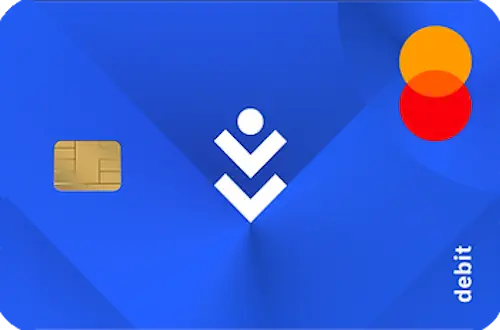
1. COCA Visa Card
Self-Banking: 8% Cashback + 6% APY + 0% FX

2. Tria Signature Card
High-Yield Mastery: 15% APY + Visa Signature Perks
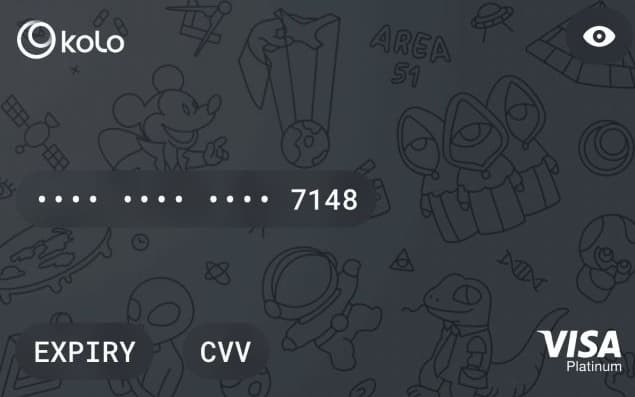
3. Kolo Card
Earn Bitcoin on Every Purchase: 5% BTC Cashback + Visa Platinum + 170+ Countries

4. ether.fi Core Card
Zero Barriers: 3% Back on Every Purchase, No Stake Required
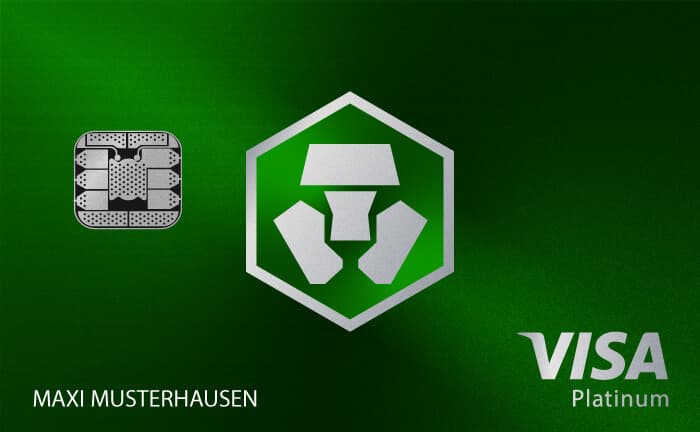
5. Pro (Royal Indigo / Jade Green)
The Lifestyle Sweet Spot: 3% Cashback + Lounges + Netflix
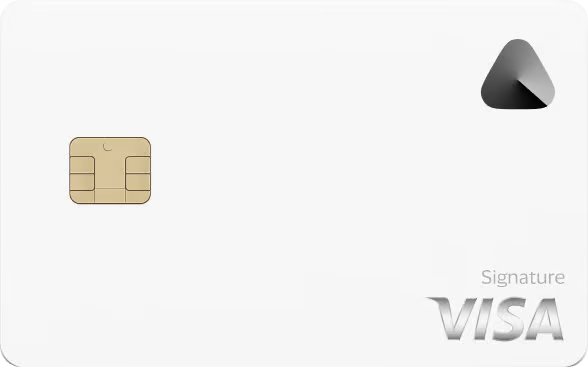
6. Avici Platinum Card
Zero-Fee Self-Custody: Deposit USDC, Spend USD Anywhere
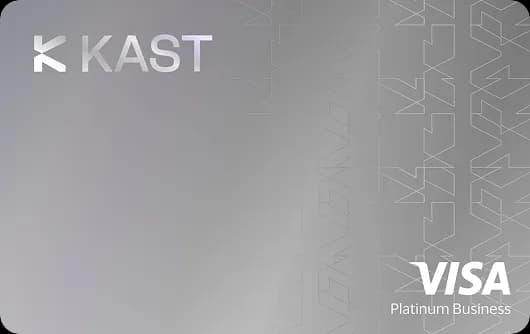
7. KAST K Card
Early Adopter Access: 2% Points + 4% $MOVE on Every Swipe
Crypto Card Regulation in Colombia
The SFC (Superintendencia Financiera de Colombia) has adopted a sandbox approach to crypto regulation, allowing regulated entities to test crypto services under supervision. The Banco de la Republica (central bank) has not banned crypto but does not recognize it as legal tender.
Colombia's DIAN (Direccion de Impuestos y Aduanas Nacionales) oversees tax compliance for digital assets. The regulatory sandbox has allowed Bancolombia and other traditional banks to explore crypto services, signaling progressive intent.
Binance has strong presence in Colombia with P2P and direct services. Bybit and Crypto.com serve under LATAM/global coverage. Bitso (Mexico-founded) operates in Colombia. KAST and RedotPay serve under global coverage.
DIAN Resolution 000240 (December 24, 2025) introduced mandatory crypto transaction reporting. Exchanges, intermediaries, and platforms handling crypto must now collect and report user data, transaction values, and balances. Reporting obligations began for the 2026 tax year, with the first comprehensive report due by May 2027.
Transactions exceeding $50,000 require detailed reporting. Penalties for incomplete or missing reports can reach 1% of the unreported transaction amount. This aligns Colombia with the OECD's Crypto-Asset Reporting Framework (CARF).
Colombia's sandbox approach is among the most progressive in LATAM, now combined with strengthened reporting requirements.
Tax Treatment of Card Rewards in Colombia
Colombia taxes crypto gains under the general income tax framework at progressive rates up to 39% for high incomes. The DIAN classifies crypto as an intangible asset. Capital gains on assets held less than 2 years are taxed as ordinary income. Assets held 2+ years may qualify for a lower 15% capital gains rate (ganancia ocasional).
Example: You bought 0.01 BTC at COP 2,000,000 and spend it when it is worth COP 10,000,000. The COP 8,000,000 gain is taxable. If held 2+ years, the rate is 15% = COP 1,200,000. If held less than 2 years, it is taxed as ordinary income.
| Cashback Type | When Received | When Spent via Card | Total Tax Burden |
|---|---|---|---|
| BTC cashback (held 2+ years) | Potentially taxable | 15% (ganancia ocasional) | Up to 15% + 15% |
| BTC cashback (held < 2 years) | Taxed as income | Up to 39% | Up to 39% + 39% |
| USDC cashback | Potentially taxable | ~0% (minimal gain) | Up to 39% |
The 2-year holding period matters significantly. For long-held crypto (2+ years), the 15% rate is manageable. For recent purchases, stablecoin funding minimizes the up to 39% ordinary income rate.
How to Apply from Colombia
Colombian crypto card applications require a cedula de ciudadania (citizen's ID card) for Colombians, or cedula de extranjeria (foreigner's ID) plus passport for foreign residents. The cedula number (10 digits) is the primary identifier. RUT (Registro Unico Tributario, tax ID) may be required.
Proof of Colombian address via utility bill (recibo de servicios publicos: energia, agua, gas), bank statement (extracto bancario), or certificate from the administration of the building/neighborhood.
Physical cards ship to Colombian addresses within 7-14 business days. Virtual cards are available immediately for crypto cards with Apple Pay and Google Pay use.
Spending Tips for Colombia
Banking System: Progressive Banks, Regressive Fees
Colombia's banking sector is LATAM's fourth-largest by assets, and one of the few where traditional banks have actively explored crypto integration.
Bancolombia (largest by assets, COP 300T+) ran the SFC-approved crypto sandbox pilot in 2022, allowing clients to buy and sell BTC/ETH through its mobile app - a first for a LATAM bank. Despite this progressive stance, Bancolombia's debit card charges 3-4% FX markup on non-COP purchases plus a cuota de manejo (monthly maintenance fee) of COP 15,000-25,000.
Davivienda (second-largest, 730+ branches) charges 3-5% FX markup and maintains strict international transaction limits - online USD purchases decline at 15-25% rates. BBVA Colombia offers slightly better international connectivity through its Spanish parent but charges 2.5-4% on non-COP transactions. Banco de Bogota (Grupo Aval, oldest commercial bank) and Banco de Occidente (Grupo Aval) charge similar FX markups.
The practical comparison: a Bancolombia Visa on a USD 100 Amazon purchase costs approximately COP 430,000 (including 3-4% FX + IVA on the FX margin). A crypto card at 0% FX converts at the Visa/Mastercard interbank rate, costing approximately COP 410,000 (cards with 1-1.75% FX still beat bank rates by 2-4 percentage points). Plus up to 2% cashback. Over COP 3,000,000/month in international spending, that is COP 1,080,000-1,800,000/year in FX savings alone - before cashback.
The COP Story: Structural Depreciation
The Colombian Peso has been on a long structural decline. COP 1,800/USD in 2013, COP 2,500 in 2015, COP 3,400 in 2019, COP 4,800+ at the 2022 peak (Petro's election shock), and COP 4,000-4,200 as of early 2026 after partial recovery.
This 55%+ depreciation over a decade means every USD-denominated international purchase has become progressively more expensive for Colombians using traditional bank cards. A Netflix subscription that cost COP 18,000/month in 2013 now costs COP 40,000+ at the same USD price.
Crypto cards funded with stablecoins lock in the interbank rate at the moment of purchase, avoiding the additional 3-5% markup Colombian banks add on top of already-unfavorable rates. For a Medellin-based remote worker earning USD and spending in COP, the combination is powerful: 0% FX fees on the card plus cashback on every transaction.
The 2-Year Holding Period Strategy
Colombia's ganancia ocasional rate of 15% for assets held 2+ years versus progressive income rates up to 39% creates a clear planning opportunity. If you hold BTC or ETH for 2+ years before spending through a card, your tax rate drops by more than half. For recently acquired crypto, stablecoin funding eliminates the tax question entirely.
Based on our Colombia research, ether.fi is the highest-leverage tax play for Colombian ETH holders. Borrowing against staked ETH means no taxable disposal - the card spending is a loan drawdown, not a sale.
At Colombia's up to 39% ordinary income rate, deferring a COP 10,000,000 gain saves COP 3,900,000 in tax (or COP 2,400,000 vs the 15% ganancia ocasional rate if held 2+ years). The math favors borrow-to-spend until the ETH staking yield exceeds the loan interest rate.
Card Selection by Use Case
- Highest cashback: COCA (up to 8% + 6% APY, 1% at free Starter)
- Yield-linked, no token risk: Tria Signature (4.5%, 0% FX, $109/yr) or Tria Premium (6%, 0% FX, $250/yr)
- Highest free-tier: Kolo (5% BTC, 0% FX, $0, $5/txn cap, $200/mo cashback cap)
- Tax-optimal: ether.fi (3%, 1% FX, borrow-to-spend, no disposal)
- Premium perks: Crypto.com Jade (3% + airport lounge perks at BOG/MDE, $299.9/yr)
- Binance P2P funded: KAST (2%, 0.5% FX, free)
- Crypto-backed credit: Avici (no disposal, Rain-issued credit)
Break-Even Math: KAST vs COCA vs Crypto.com Jade
| Monthly Spend | KAST (2%, free) | COCA (8%, COCA tokens) | Crypto.com Jade (3%, CRO stake) |
|---|---|---|---|
| COP 2,000,000 | COP 480,000/yr | COP 1,920,000/yr | COP 720,000/yr + lounges |
| COP 3,000,000 | COP 720,000/yr | COP 2,880,000/yr | COP 1,080,000/yr + lounges |
| COP 5,000,000 | COP 1,200,000/yr | COP 4,800,000/yr | COP 1,800,000/yr + lounges |
| COP 10,000,000 | COP 2,400,000/yr | COP 9,600,000/yr | COP 3,600,000/yr + lounges |
COCA dominates on raw cashback with non-custodial 6% APY. KAST works best once spending money already sits in Binance P2P or stablecoin balances and the real job is turning it into routine COP purchases with as little banking friction as possible.
Crypto.com Jade is worth it for frequent flyers at El Dorado (BOG) and Jose Maria Cordova (MDE) - lounge visits save COP 100,000-160,000 each.
Spending Scenario: COP 3,000,000/month (approx. $720)
| Funding Method | Annual Spend | Cashback (3%) | Tax | Net Cashback |
|---|---|---|---|---|
| BTC (held 2+ years) | COP 36,000,000 | COP 1,080,000 | COP 162,000 (15%) | COP 918,000 |
| BTC (held < 2 years) | COP 36,000,000 | COP 1,080,000 | Up to COP 421,200 (39%) | COP 658,800 |
| USDC (stablecoin) | COP 36,000,000 | COP 1,080,000 | approx. COP 0 | approx. COP 1,080,000 |
| ether.fi (borrow-to-spend) | COP 36,000,000 | COP 1,080,000 | COP 0 (no disposal) | COP 1,080,000 |
COP 1,080,000/year at the 3% Jade tier covers a month of groceries at Exito or Carulla. With COCA Elite at 8% (staking 30K $COCA tokens), that jumps to COP 2,880,000 - nearly 3 months of supermarket spending.
Cost of Living by Area
Chapinero/Usaquen (Bogota's upscale north): Rent COP 2,500,000-6,000,000/month. Centro Comercial Andino, Centro Comercial El Retiro, and Zona T restaurants have universal card acceptance. Bogota's tech startup hub with WeWork spaces, coworking in Chicagoland tower, and most expat restaurants along Carrera 7 and Calle 82.
El Poblado/Laureles (Medellin): Rent COP 1,800,000-4,500,000/month. El Poblado has become Colombia's digital nomad capital - Parque Lleras restaurants, Viva Envigado mall, and El Tesoro Shopping Center all accept contactless. Laureles is 30-40% cheaper with excellent acceptance along Avenida Nutibara. The "Medellin effect" has made this neighborhood one of LATAM's top remote work destinations.
Ciudad Jardin/Granada (Cali): Rent COP 1,200,000-3,000,000/month. Unicentro Cali, Chipichape, and Jardín Plaza malls have full card acceptance. More affordable than Bogota or Medellin by 20-30%.
Bocagrande/Getsemani (Cartagena): Rent COP 2,000,000-5,000,000/month in Bocagrande (tourist rates). High-end restaurants in the Walled City and Getsemani accept cards; casual eateries and street food are cash-only.
Barranquilla (Atlantico coast): Rent COP 1,000,000-2,500,000/month. Buenavista Shopping Center and northern zona restaurants accept cards. Colombia's most underrated city for cost of living.
Bucaramanga (industrial city): Rent COP 800,000-2,000,000/month. Cacique Centro Comercial and Cabecera neighborhood restaurants accept cards. Among Colombia's most affordable mid-size cities.
The Medellin Tech Factor
Medellin has aggressively rebranded from its 1990s reputation to become LATAM's innovation hub. The city's Ruta N innovation district hosts 300+ tech companies, and the annual Colombia 4.0 conference draws 50,000+ attendees. Rappi (Colombia's delivery unicorn, valued at $5B+) was founded in Bogota but Medellin's tech ecosystem rivals it: Truora, Habi, Frubana, and dozens of startups.
The city's metro system (Colombia's only metro) and permanent-spring weather attract thousands of remote workers earning in USD/EUR who need to spend in COP - the exact use case where crypto cards with low or 0% FX fees shine. Nomad List consistently ranks Medellin as a top-3 LATAM destination for digital nomads.
Diaspora and Remittances
Colombia's diaspora exceeds 5 million people. The US hosts 2M+ (concentrated in New York, Miami, Houston, and New Jersey). Spain has 400K+ (Madrid and Barcelona). Venezuela has complex bidirectional flow - 1.8M+ Venezuelan refugees in Colombia, but also 300K+ Colombian returnees from Venezuela's economic crisis. Chile (200K+), Ecuador (100K+), and Panama (100K+) complete the main corridors.
Remittances to Colombia reached USD 10.3B in 2023, approximately 2.5% of GDP. Western Union and MoneyGram charge 4-8% on the US-Colombia corridor. Bancolombia's international transfer fees add another 1-3%.
Crypto cards enable a faster corridor: diaspora member loads USDC on a card, sends the physical/virtual card details to family in Colombia, who spend directly at Exito, Jumbo, or pay for Rappi deliveries - low or zero FX fees, zero remittance markup.
Cross-Border Spending
Venezuela (Cucuta border): Despite the crisis, massive daily border crossing for commerce. Crypto cards avoid the absurd bolivar/COP cambio rates. Ecuador (Ipiales/Tulcan border): Regular trade corridor, particularly for electronics and clothing. Panama (air route, Darien gap blocks land travel): Shopping destination for Colombians - Multiplaza, Albrook Mall.
US/Miami: The classic Colombian shopping destination. Direct flights from BOG, MDE, CLO, CTG. Peru (Lima): Growing business corridor.
Online Shopping and Subscriptions
Netflix (COP 17,900-44,900/month), Spotify, Amazon (shipped via forwarding services like Aeropost, Eshopex, or Jetbox through Miami), iCloud, Google One, Adobe, Steam, PlayStation Store. Bancolombia and Davivienda charge 3-5% FX on these USD-denominated subscriptions.
A crypto card saves this markup on every recurring payment. Mercado Libre Colombia, Rappi, and Falabella.com accept local cards natively, so the crypto card advantage is primarily for international purchases.
Local Payment Infrastructure
Card acceptance is strong in Bogota, Medellin, Cali, and Cartagena. Contactless Visa/Mastercard works at malls (Andino, El Retiro, El Tesoro, Chipichape), supermarkets (Exito, Jumbo, Carulla, D1, Ara), modern restaurants, and chains.
Nequi (Bancolombia-owned, 18M+ users) and Daviplata (Davivienda-owned, 15M+ users) dominate mobile payments but are bank-account-only systems. Rappi (delivery) accepts Visa/Mastercard for payment. Tiendas de barrio (neighborhood shops) and street vendors remain cash-heavy - this is where 0% FX crypto cards cannot help. Apple Pay and Google Pay work at major retailers and restaurants in Bogota/Medellin.
Supported Exchanges & Wallets in Colombia
Twelve card issuers serve Colombia through LATAM and GLOBAL coverage, backed by one of LATAM's most active crypto trading populations and Bancolombia's sandbox-approved crypto integration.
COCA delivers 8% crypto cards with cashback in COCA tokens plus 6% APY on deposited stablecoins - the highest combined yield available to Colombian users. The non-custodial architecture means your funds stay in your wallet until the moment of spending.
KAST is the prepaid option that best matches users already funding through Binance P2P or stablecoins and wanting regular COP spend live without rebuilding the whole flow around Bancolombia or Davivienda: 2% cashback and $0 annual fee.
ether.fi is the tax-optimal choice for Colombian ETH holders. At progressive rates up to 39%, borrowing against staked ETH rather than selling avoids triggering a disposal. The Core card (free) provides basic access; the Luxe tier adds 3% cashback for points-stakers.
Avici offers crypto-backed credit through Rain - deposit crypto as collateral, receive a Visa credit line. No disposal, no capital gains event. The Platinum tier is free; the Signature at $30/year adds lounge access and travel insurance.
RedotPay serves Colombian stablecoin users with the Solana card for stablecoin-native spending and the Virtual (no cashback, 2.2% all-in fees). USDC/USDT funding pairs naturally with stablecoin-heavy Colombian traders.
Bitget Wallet Card targets Bitget DCS wallet users with Mastercard prepaid access under LATAM coverage - the 1.7% FX fee is offset by the $400/month zero-fee quota.
MetaMask provides self-custody Mastercard spending at 1% cashback - the Metal card upgrades to 3%. Ledger CL Card lets hardware wallet users spend directly from their Ledger at 1% cashback.
xPlace targets the Solana ecosystem with up to 2% cashback across four tiers. Jupiter provides DeFi-native spending for Jupiter aggregator users.
On-Ramps: Binance P2P and Bitso
Binance P2P is Colombia's dominant crypto on-ramp. Colombia consistently ranks in Binance's top 5 markets globally for P2P volume, with thousands of active COP makers offering tight spreads (typically 1-2% above spot). Payment methods include Bancolombia transfer, Nequi, Daviplata, and cash deposits at Efecty/Baloto points. The P2P marketplace operates 24/7 with escrow protection.
Bitso (Mexico-founded) has expanded into Colombia with direct COP bank transfer support. Unlike P2P, Bitso offers exchange-style order books with tighter spreads for larger transactions. Buda.com (Chile-founded) operates COP pairs as well. For smaller amounts, Rappi has explored crypto features within its super-app, though card issuance is not yet available.
The SFC sandbox approach means Colombian banks are less hostile to crypto transfers than in most LATAM countries. Bancolombia's pilot program demonstrated institutional willingness. However, individual bank policies vary - Davivienda is more conservative than Bancolombia regarding outbound transfers to exchanges.
Colombia's Chainalysis top-15 ranking, Bancolombia's sandbox crypto integration, massive Binance P2P liquidity, Medellin's tech-hub status, 5M+ diaspora generating $10B+ in remittances, and the 2-year ganancia ocasional discount make it one of LATAM's most sophisticated crypto card markets.
Written by SpendNode Editorial
Frequently Asked Questions
Which crypto card is most popular in Colombia?
COCA (up to 8% with staking $COCA, 1% at free Starter, 0% FX) offers the highest cashback. Tria Signature (4.5%, 0% FX, $109/yr) provides yield-linked rewards. Kolo (5% BTC, 0% FX, $0) is the highest free-tier return. KAST (2%, 0.5% FX, $0) is the simplest Binance P2P-to-spending option. All save versus Colombian bank FX markups of 3-5%.
How are crypto gains taxed in Colombia?
Crypto held 2+ years qualifies for 15% ganancia ocasional rate. Crypto held less than 2 years is taxed as ordinary income at progressive rates up to 39%. Stablecoin funding minimizes taxable gains regardless of holding period.
Is Colombia's crypto regulation friendly?
Yes. The SFC uses a sandbox approach, and Bancolombia has explored crypto services under supervision. Colombia is among the most progressive LATAM countries for crypto regulation.
Can I use Nequi or Daviplata with a crypto card?
No. Nequi and Daviplata are separate Colombian mobile payment apps. Crypto cards work at Visa/Mastercard terminals. Most malls, modern restaurants, and supermarkets accept both systems.
Other Countries
View all 108 countries →


Recent Updates to Best Crypto Cards in Colombia
- Fixed ether.fi table: annual fee 'Points' to '$0', FX 0% to 1%. Fixed KAST FX 0.5-1.75% to 0.5%. Fixed Crypto.com table from generic 5% to Jade 3% ($299.9) matching topCardSlugs
- Added Tria (up to 6%, 0% FX, yield-linked) and Kolo (5% BTC, 0% FX, $0) to table, card selection, and topCardSlugs. Removed RedotPay, Bitget Wallet, MetaMask, Ledger, Avici, xPlace, Jupiter from main table to focus on strongest options
- Added DIAN Resolution 000240 (Dec 24, 2025): mandatory crypto transaction reporting for exchanges/platforms, $50K threshold, first report due May 2027, up to 1% penalties. Aligns with OECD CARF
- Updated FAQs with Tria, Kolo, and corrected KAST FX fee