


Best Crypto Cards in Chile (2026)
Compare 18 crypto cards available in Chile. Fintech Law passed 2023, LATAM's most stable economy, and CLP settlement with growing card adoption.

Verified for Chile
35 crypto cards available
Local currency: CLP
Chile is LATAM's most economically stable market with the region's highest GDP per capita (over USD 17,000), OECD membership since 2010, and the continent's best institutional governance. The CMF (Comision para el Mercado Financiero) provides regulatory clarity through the Ley Fintech passed in January 2023 - making Chile the second Latin American country (after Mexico) with comprehensive fintech legislation.
The CLP (Chilean Peso) floats freely, meaning every international crypto card transaction involves FX conversion - making low FX fees a priority.
Our Chile fee comparison reveals the gap: Banco de Chile, BancoEstado, and Santander Chile debit cards earn zero cashback and charge 2-4% FX markup on non-CLP purchases. A crypto card funded with stablecoins provides FX fees from 0% to 1.75% plus cashback that Chilean banks simply do not offer. Chile's tech-savvy urban population in Santiago, Valparaiso, and Concepcion drives strong crypto adoption, supported by Buda.com (Chilean-founded, LATAM's most established exchange).
| Card | Max Cashback | Annual Fee | FX Fee | Card Type | Best For |
|---|---|---|---|---|---|
| COCA | Up to 8% | $0 | 0% | Debit | $COCA tiers (1% free) + 6% APY |
| Tria | Up to 6% | $20-$250 | 0% | Debit | Yield-linked rewards, zero FX |
| Kolo | 5% BTC | $0 | 0% | Prepaid | Highest free-tier cashback |
| Crypto.com Jade | 3% | $299.9 | 0% | Prepaid | Airport lounge perks at SCL |
| ether.fi | 3% | $0 | 1% | Credit | Borrow-to-spend (tax deferral) |
| MetaMask Metal | 3% | $199/yr | 0% | Debit | Self-custody wallet |
| KAST | 2% | $0 | 0.5% | Prepaid | Buda-funded CLP spending |
| Avici | 0% | $0-$30 | 0% | Credit | Crypto-backed credit (no disposal) |
Chile has 12 card issuers available through LATAM and GLOBAL coverage. KAST fits users topping up through Buda or stablecoins and then paying ordinary CLP expenses without first cashing back out to Banco de Chile or Santander: 2% cards with cashback and $0 annual fee.
ether.fi is particularly valuable at Chile's up to 40% income tax rate - borrowing against staked ETH avoids triggering a taxable disposal. Crypto.com Jade adds lounge access at Santiago's Arturo Merino Benitez International Airport (SCL).
Best Card For Every Need in Chile
Top 7 Crypto Cards in Chile
Chile's 40% top marginal rate on crypto disposals combined with LATAM's highest GDP per capita ($17K) means Chilean users both need tax optimization and can justify premium card tiers that wouldn't make sense in lower-income LATAM markets. ether.fi's borrow-to-spend is the top pick because at 40%, deferring a CLP 20,000,000 unrealized gain saves CLP 8,000,000 in tax.
COCA's up to 8% (1% free Starter, scaling with staking $COCA) plus 6% APY delivers the highest stablecoin yield, Crypto.com Jade covers Arturo Merino Benitez (SCL) - Chile's sole international gateway where every outbound trip passes through. KAST is the easiest way to keep a Buda-funded balance live at the checkout instead of routing it back through a local bank account, and Avici's crypto-backed credit line offers a second no-disposal route for non-ETH holders.
1. COCA Visa Card
Self-Banking: 8% Cashback + 6% APY + 0% FX

2. Tria Signature Card
High-Yield Mastery: 15% APY + Visa Signature Perks
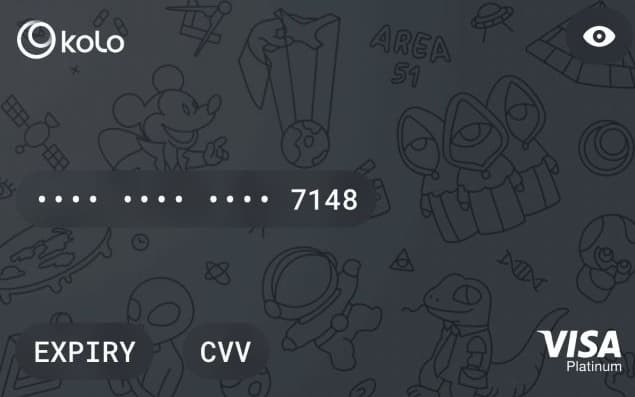
3. Kolo Card
Earn Bitcoin on Every Purchase: 5% BTC Cashback + Visa Platinum + 170+ Countries

4. ether.fi Core Card
Zero Barriers: 3% Back on Every Purchase, No Stake Required
5. Pro (Royal Indigo / Jade Green)
The Lifestyle Sweet Spot: 3% Cashback + Lounges + Netflix
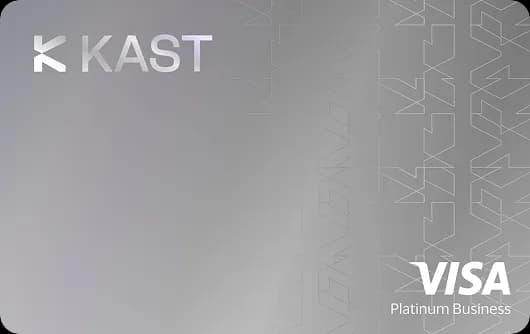
6. KAST K Card
Early Adopter Access: 2% Points + 4% $MOVE on Every Swipe
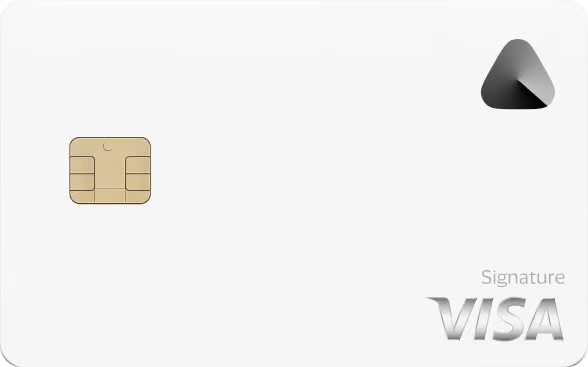
7. Avici Platinum Card
Zero-Fee Self-Custody: Deposit USDC, Spend USD Anywhere
Crypto Card Regulation in Chile
The CMF (Comision para el Mercado Financiero) regulates crypto under the Ley Fintech (Law 21,521) enacted in January 2023 and fully effective from February 2024. Chile became the second LATAM country after Mexico to create comprehensive fintech legislation, and the only one to do so as an OECD member state.
The Ley Fintech establishes three categories of regulated fintech services: payment platforms, crowdfunding platforms, and alternative transaction systems (which captures crypto exchanges and VASP operations). Entities operating in Chile must register with the CMF, meet capital adequacy requirements, implement AML/KYC programs compliant with FATF recommendations, and undergo ongoing supervisory examinations.
The CMF published secondary regulations (Norma de Caracter General No. 502 and subsequent circulars) detailing operational standards, cybersecurity requirements, and consumer protection obligations.
The Banco Central de Chile oversees monetary policy, CLP stability, and payment system infrastructure. The SII (Servicio de Impuestos Internos) handles crypto tax compliance and has been actively updating reporting requirements for digital assets since 2024. The UAF (Unidad de Analisis Financiero) applies AML/CFT screening to crypto transactions under Chile's Law 19,913 (anti-money laundering).
Buda.com (Chilean-founded, operating since 2013) holds CMF registration and remains the largest domestic exchange. Binance, Bybit, and Crypto.com serve Chilean users under LATAM/global coverage, with Binance having registered locally. KAST and RedotPay operate under global coverage with standard card-issuer KYC.
Chile's Ley Fintech provides LATAM's clearest OECD-aligned regulatory framework. For crypto card users, this means fewer bank-side blocks on transfers to registered exchanges and more transparent consumer protections than most LATAM markets.
Tax Treatment of Card Rewards in Chile
Chile taxes crypto gains as income under the Impuesto Global Complementario (progressive personal income tax). The SII (Servicio de Impuestos Internos) requires reporting of all crypto disposals. Spending crypto through a card constitutes a taxable disposal event. The SII classifies crypto as "intangible digital assets" and gain calculations follow the same cost-basis methodology used for securities.
| Taxable Income (annual) | Marginal Rate |
|---|---|
| Up to CLP 8,775,702 (approx. 13.5 UTA) | 0% |
| CLP 8,775,702 - CLP 19,501,560 | 4% |
| CLP 19,501,560 - CLP 32,502,600 | 8% |
| CLP 32,502,600 - CLP 45,503,640 | 13.5% |
| CLP 45,503,640 - CLP 58,504,680 | 23% |
| CLP 58,504,680 - CLP 78,006,240 | 30.4% |
| CLP 78,006,240 - CLP 101,258,160 | 35% |
| Over CLP 101,258,160 | 40% |
Example 1 (BTC funding): You bought 0.01 BTC at CLP 2,000,000 and spend it via card when worth CLP 10,000,000. The CLP 8,000,000 gain is added to your annual income. At the 23% bracket, tax = CLP 1,840,000. At the 35% bracket, tax = CLP 2,800,000.
Example 2 (USDC funding): You bought 500 USDC at CLP 475,000 (CLP 950/USD) and spent when USD was CLP 960. Gain = CLP 5,000 (CLP 10/USD x 500). Tax at 23% = CLP 1,150. The difference between the two examples: CLP 1,838,850 in saved tax.
Example 3 (ether.fi borrow-to-spend): You hold 1 ETH worth CLP 25,000,000 (cost basis CLP 5,000,000) and borrow USDC against it. No disposal occurs. Tax = CLP 0. Your CLP 20,000,000 unrealized gain stays unrealized.
| Cashback Type | When Received | When Spent via Card | Total Tax Burden |
|---|---|---|---|
| BTC cashback | Taxed as income (up to 40%) | Up to 40% on gain | Up to 40% + 40% |
| USDC cashback | Taxed as income (up to 40%) | approx. 0% (minimal gain) | Up to 40% once |
| Points/perks | Not taxed | N/A | 0% |
| Borrow-to-spend | Not taxed (loan) | Not taxed (no disposal) | 0% |
At progressive rates reaching 40%, stablecoin funding is strongly recommended. The SII has been increasing crypto scrutiny since the Ley Fintech's passage, with annual tax declarations (Form 22, April each year) now including digital asset reporting fields. USDC spending keeps gain calculations clean and audit trails simple. The borrow-to-spend model through ether.fi is the most tax-efficient approach for Chilean ETH holders.
How to Apply from Chile
Chilean crypto card applications require a cedula de identidad (RUN/RUT card, Rol Unico Nacional) for citizens, or passport plus visa/residence permit for foreign residents. The RUT (Rol Unico Tributario, tax ID) is required for most financial services.
Proof of Chilean address via utility bill (cuenta de luz/agua/gas), bank statement (cartola), or certificado de domicilio from the Registro Civil. Buda.com and other CMF-registered platforms have established KYC for Chilean residents.
Physical cards ship to Chilean addresses within 7-14 business days via Chilexpress or Correos de Chile. Virtual cards are available immediately for cards with Apple Pay and Google Pay use.
KAST offers the fastest onboarding with 2-minute KYC basic tier, requiring only an email address. Full KYC verification typically takes 1-3 business days across most card issuers. Buda.com users with existing verified accounts can use their same identity documents for crypto card applications.
Spending Tips for Chile
Banking System: OECD Standards, LATAM Fees
Chile's banking sector is Latin America's most sophisticated, with OECD-aligned regulation, but international card fees remain high. Banco de Chile (largest by assets) charges 2-3% FX markup on international purchases plus monthly international spending caps on standard debit cards. BancoEstado (state-owned, largest by customer base, serving 12M+ Chileans) offers the broadest reach but limited international functionality - international online purchases fail at 20-30% rates.
Santander Chile provides better international connectivity through its Spanish parent but charges 2.5-4% on non-CLP transactions. Banco BCI (popular with young professionals) and Scotiabank Chile round out the major players.
The critical comparison: a Banco de Chile Visa card on a USD 100 Amazon purchase costs approximately CLP 100,000 (including 2-3% FX + Transbank processing fee). A crypto card at 0% FX converts at the Visa/Mastercard interbank rate, costing approximately CLP 94,000-96,000 (cards with 1-1.75% FX still save vs bank rates). Plus 2% cashback on the crypto card. Over CLP 500,000/month in international spending, the FX savings alone reach CLP 120,000-240,000/year.
Stablecoin Strategy at Up to 40% Tax
Chile's progressive income tax rates (Impuesto Global Complementario) reach 40% at the top bracket. The SII (Servicio de Impuestos Internos) treats crypto card spending as a taxable disposal. This makes stablecoin funding not just advisable but financially critical.
USDC acquired at CLP 950 per USD and spent when USD is at CLP 960 creates minimal taxable gain. BTC acquired at CLP 30,000,000 and spent when BTC is at CLP 90,000,000 creates a CLP 60,000,000 gain taxed at up to 40% = CLP 24,000,000 in tax.
ether.fi is the tax-optimal card for Chilean ETH holders. Borrowing against staked ETH creates no disposal event - you are spending a loan, not selling crypto. At 40% tax rates, this deferral is worth 40 cents on every dollar of unrealized gains.
Card Selection by Use Case
- Highest cashback: COCA (up to 8% + 6% APY, 1% at free Starter)
- Yield-linked, no token risk: Tria Signature (4.5%, 0% FX, $109/yr) or Tria Premium (6%, 0% FX, $250/yr)
- Highest free-tier: Kolo (5% BTC, 0% FX, $0, $5/txn cap, $200/mo cashback cap)
- Tax-optimal: ether.fi (3%, 1% FX, borrow-to-spend, no disposal)
- Premium perks: Crypto.com Jade (3% + airport lounge perks at SCL, $299.9/yr)
- Buda-funded: KAST (2%, 0.5% FX, free, 2-minute KYC)
Break-Even Math: KAST vs COCA vs Crypto.com Jade
| Monthly Spend | KAST (2%, free) | COCA (8%, COCA tokens) | Crypto.com Jade (3%, CRO stake) |
|---|---|---|---|
| CLP 300,000 | CLP 72,000/yr | CLP 288,000/yr | CLP 108,000/yr + lounges |
| CLP 500,000 | CLP 120,000/yr | CLP 480,000/yr | CLP 180,000/yr + lounges |
| CLP 800,000 | CLP 192,000/yr | CLP 768,000/yr | CLP 288,000/yr + lounges |
| CLP 1,500,000 | CLP 360,000/yr | CLP 1,440,000/yr | CLP 540,000/yr + lounges |
COCA dominates raw cashback. KAST is the lowest-cost way to turn Buda-funded balances into daily spending. Crypto.com Jade is compelling for frequent SCL travelers - lounge visits save CLP 25,000-40,000 each.
USDC vs BTC Funding: The Tax Math at CLP 500,000/Month
| Metric | BTC Funding (2x gain) | USDC Funding | Difference |
|---|---|---|---|
| Monthly spend | CLP 500,000 | CLP 500,000 | - |
| Taxable gain per month | CLP 250,000 | approx. CLP 5,000 | CLP 245,000 |
| Annual taxable gain | CLP 3,000,000 | approx. CLP 60,000 | CLP 2,940,000 |
| Tax at 23% bracket | CLP 690,000 | CLP 13,800 | CLP 676,200 saved |
| Tax at 35% bracket | CLP 1,050,000 | CLP 21,000 | CLP 1,029,000 saved |
| 2% KAST cashback (annual) | CLP 120,000 | CLP 120,000 | Same |
| Net benefit after tax (23%) | -CLP 570,000 | CLP 106,200 | USDC wins |
At the 23% bracket, BTC funding turns CLP 120,000 in annual cashback into a CLP 570,000 net loss. USDC funding preserves the full CLP 120,000 benefit plus keeps the BTC position appreciating untaxed. The math is unambiguous at Chilean tax rates.
Cost of Living by Area
Las Condes/Vitacura (Santiago's upscale east): Rent CLP 700,000-2,000,000/month (USD 740-2,120). Restaurants USD 12-35/meal. Costanera Center (tallest building in LATAM), Parque Arauco, and Alto Las Condes malls have universal card acceptance. The best area in Chile for daily crypto card use.
Providencia/Nunoa (Santiago upper-middle): Rent CLP 400,000-900,000/month. Full card acceptance at restaurants along Av. Providencia, Manuel Montt, and Italia neighborhoods. Growing gastronomic scene.
Santiago Centro (downtown): Rent CLP 250,000-550,000/month. Card acceptance at malls (Costanera Center visible from everywhere), but Mercado Central (seafood market) and street vendors prefer cash.
Valparaiso/Vina del Mar (coast): Rent CLP 250,000-600,000/month. Vina del Mar has strong card acceptance at beachfront restaurants, Casino, and shopping centers. Valparaiso's cerros (hills) are more cash-oriented.
Concepcion (third city, university hub): Rent CLP 200,000-450,000/month. Mall Plaza Trebol and formal restaurants accept cards. University-driven economy.
Antofagasta (mining capital): Rent CLP 350,000-800,000/month (inflated by mining salaries). Good card acceptance driven by the mining company executive class.
Diaspora Remittances and the Chile Tech Visa
We mapped Chile's remittance funding routes across six corridors. The 1M+ diaspora concentrates in Argentina (500K+, reciprocal migration), US (150K+, concentrated in Florida, New York, and California), Spain (100K+, Madrid and Barcelona), Sweden (50K+, political exile legacy from the Pinochet era), and Australia (40K+, mining industry ties). Inbound remittances reached USD 1.5B+ in 2023.
Western Union and MoneyGram charge 4-8% on the US-Chile corridor. A USDC-loaded RedotPay or KAST card provides a $0-annual-fee alternative: the sender loads USDC, the recipient spends with 0.5-1.75% FX at the Visa interbank rate. At USD 500/month, this saves USD 240-480/year in remittance fees. For the broader moving-abroad angle, see our expat guide.
Chile launched the Tech Visa (Visa de Orientacion Internacional) in 2017 to attract startup founders and tech talent, offering a one-year residency permit for entrepreneurs in CORFO-backed programs. Combined with the general Visa de Responsabilidad Democratica and expanding startup ecosystem in Santiago's Providencia and Las Condes districts, Chile attracts a growing population of digital nomads and remote workers.
For these residents receiving income in USD or EUR, crypto cards avoid the 2-4% bank FX spread on converting foreign income to CLP for daily spending.
The Copper and Lithium Economy
Chile produces 25%+ of the world's copper (Codelco, BHP Escondida, Anglo American) and holds the world's largest lithium reserves after Bolivia (Salar de Atacama). SQM and Albemarle dominate lithium extraction. The mining sector generates 10-15% of GDP and drives Chile's export economy.
For the mining workforce - engineers, geologists, contractors concentrated in Antofagasta, Calama, and the Atacama region - crypto cards provide a way to spend internationally without the FX friction of Chilean bank cards. Mining salaries are among LATAM's highest, and international purchases (equipment, software, travel to mining conferences in Perth, Toronto, or Denver) require reliable international Visa/Mastercard processing.
Online Shopping and Subscriptions
Chile's strong internet penetration (90%+) and tech-savvy population mean high demand for international digital services. Netflix (USD 7-23), Spotify, Amazon (shipped via Miami forwarding services like Aeropost or Larry's Express), AliExpress, Steam, PlayStation Store, iCloud, Google One, Adobe, and Canva are all commonly used. BancoEstado and Banco de Chile Visa cards charge 2-4% FX on these USD-denominated subscriptions. A crypto card saves this markup on every recurring payment.
MercadoLibre Chile (the local equivalent of Amazon) accepts Chilean bank cards natively, so the crypto card advantage is primarily for international purchases.
Cross-Border Spending
Argentina (Mendoza wine region, Buenos Aires): The most common international destination. Direct flights Santiago-Buenos Aires and the Los Libertadores/Cristo Redentor land crossing. A crypto card avoids CLP-to-ARS conversion at border cambios. Peru (Lima/Cusco): Growing tourism corridor. Colombia (Bogota/Cartagena): Business and leisure.
US/Miami: The classic LATAM shopping destination. Direct flights from SCL. Europe (Spain/Barcelona, Italy): Diaspora connections. Australia (mining sector connection): Chile and Australia share mining industry ties, with engineer exchange programs.
Local Payment Infrastructure
Card acceptance is strong across urban Chile. Contactless Visa/Mastercard works at malls (Costanera Center, Parque Arauco, Alto Las Condes, Mall Plaza), supermarkets (Lider/Walmart, Jumbo, Santa Isabel, Tottus), pharmacies (Cruz Verde, SalcoBrand), gas stations (Copec, Shell), and modern restaurants. Transbank processes 95%+ of Chilean card transactions.
Ferias libres (open-air markets selling produce, fish, clothing) and smaller corner shops (almacenes) still prefer cash. Apple Pay and Google Pay are supported at most major retailers through Transbank integration.
Supported Exchanges & Wallets in Chile
Twelve card issuers serve Chile through LATAM and GLOBAL coverage, operating within one of Latin America's clearest regulatory frameworks.
KAST is the best fit for taking a Buda.com USDT purchase into card spending that has to land in ordinary CLP purchases. $0 annual fee, 2% cashback, 2-minute KYC basic tier. RedotPay Solana suits stablecoin-first users. COCA at up to 8% (1% free Starter, scaling with staking $COCA) plus 6% APY delivers the highest yield for DeFi-comfortable users.
ether.fi is the tax-optimal choice at Chile's up to 40% marginal rates. Borrowing against staked ETH means no taxable disposal - the card spending is a loan drawdown, not a sale. Avici offers a similar crypto-backed credit approach.
MetaMask and Ledger CL provide self-custody for users who control their own keys. Bitget Wallet targets DCS wallet users. xPlace and Jupiter serve the Solana/DeFi ecosystem.
On-Ramps: Buda.com and Beyond
Buda.com (Chilean-founded, operating since 2015) is LATAM's most established crypto exchange and the natural on-ramp for Chilean users. CMF-registered under the Ley Fintech, it offers CLP/USDT and CLP/BTC pairs with bank transfer deposits from Banco de Chile, BancoEstado, Santander, and BCI. The regulated status means no bank-side blocks on transfers to Buda. OrionX is the second domestic exchange.
Binance P2P supplements with CLP pairs for users who prefer peer-to-peer. Payment methods include bank transfer and MercadoPago. Typical P2P markup: 1-2% above spot, tighter than most LATAM markets due to Chile's deep liquidity.
The Ley Fintech's VASP registration requirement means Chile's crypto ecosystem is more regulated and transparent than most LATAM markets. This institutional maturity translates to smoother on-ramps and fewer bank-side friction points compared to countries where crypto operates in a gray area.
Chile's combination of OECD-level institutional governance, clear Ley Fintech regulation, Buda.com as a mature domestic on-ramp, strong Transbank-powered card acceptance infrastructure, a tech-savvy population with high internet penetration, and the copper/lithium economy's international connectivity make it Latin America's most mature market for crypto card adoption.
Written by SpendNode Editorial
Frequently Asked Questions
How is crypto card spending taxed in Chile?
Crypto gains are taxed as income at progressive rates up to 40%. Spending through a card is a taxable disposal. Fund with USDC to minimize gains. ether.fi borrow-to-spend avoids disposals entirely. The SII is increasing crypto enforcement.
Which crypto card is best for Chilean users?
COCA (up to 8% with staking $COCA, 1% at free Starter, 0% FX) offers the highest cashback. Tria Signature (4.5%, 0% FX, $109/yr) provides yield-linked rewards. Kolo (5% BTC, 0% FX, $0) is the highest free-tier return. KAST (2%, 0.5% FX, $0) is the simplest Buda-funded option.
Does Chile's Ley Fintech regulate crypto cards?
The 2023 Ley Fintech regulates VASPs including exchanges. Card issuers operating under global or LATAM licenses may fall under different frameworks. Buda.com has the clearest Chilean regulatory standing.
Is Chile's crypto market mature compared to other LATAM countries?
Yes. Chile has LATAM's highest GDP per capita, a 2023 Fintech Law, and institutional-grade platforms like Buda.com. The market is smaller than Brazil or Argentina but more regulated and stable.
Other Countries
View all 108 countries →


Recent Updates to Best Crypto Cards in Chile
- Fixed ether.fi table: annual fee 'Points' to '$0', FX 0% to 1%. Fixed KAST FX 0.5-1.75% to 0.5%. Fixed Crypto.com from generic 5% to Jade 3% ($299.9) matching topCardSlugs
- Added Tria (up to 6%, 0% FX, yield-linked) and Kolo (5% BTC, 0% FX, $0) to table and card selection. Added MetaMask Metal (3%, 0% FX). Streamlined table from 11 to 7 cards
- Updated topCardSlugs with tria-signature-card and kolo-card. Updated FAQs with corrected card data