
Best Crypto Cards for DeFi Users (2026)
Compare crypto cards for DeFi users by self-custody model, FX fees, chain fit, yield on idle balances, and how the spending flow actually works on-chain.


Curated for DeFi Users
36 matching cards
Filtered by self custody spend, staking, yield linked
You have spent years building a financial life on-chain: LPing, restaking, bridging, governing. The last thing you want is to deposit to Coinbase just to buy lunch. Self-custody crypto cards solve this by letting you spend directly from your own wallet. Your keys hold the funds right up until the card network settles the transaction. We tested each card's settlement mechanics to verify where funds actually sit during payment.
But "self-custody card" is a broad label. The details matter: which chain does the card settle on? What wallet does it connect to? Is there a smart contract approval you need to manage, or does it drain a specific token from a specific address?
Some cards generate yield on your idle balance through restaking or lending, meaning your spending money works for you until the moment it leaves your wallet. Others prioritize zero gas costs, maximum cashback, or hardware-level security.
The difference between "I hold my own keys" and "my funds are actually safe" is the gap this guide closes.
If custody is not the deciding factor for you, start with our editorial rankings and come back here once you know you want the on-chain route.
Self-Custody Card Comparison
| Card | Chain | Wallet | True Self-Custody | Yield on Idle | Cashback | FX Fee |
|---|---|---|---|---|---|---|
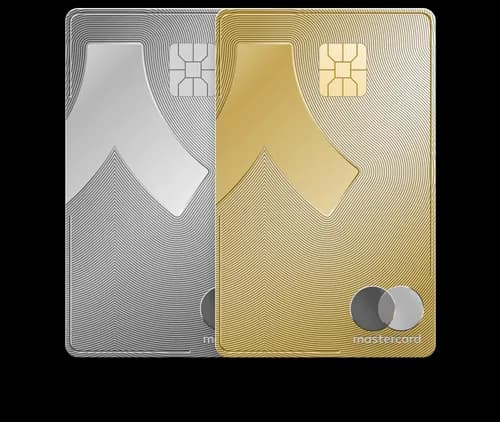
| Gnosis Pay | Gnosis Chain | Safe smart account | Yes | No | 1-5% GNO | 0% (Visa rate on non-EUR) |
| ether.fi Core | Ethereum / L2 | ether.fi protocol | Protocol-managed | Restaking (3-5%) | 3% | 1% |
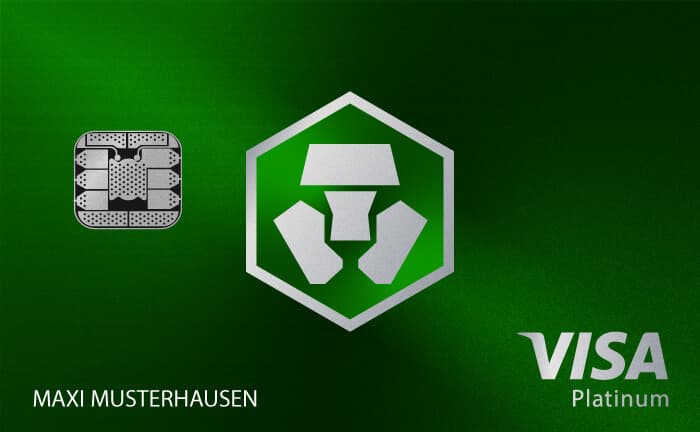
| COCA | Multi-chain | COCA wallet (Privy) | Privy-managed | 6% APY (Morpho) | Up to 8% (1% free) | 0% |
| MetaMask Virtual | Linea (L2) | MetaMask | Yes | No | 1% | 1% cross-border |
| Solflare | Solana | Solflare wallet | Protocol-managed | SOL staking (6-8%) | Points (no fixed rate) | 1% |
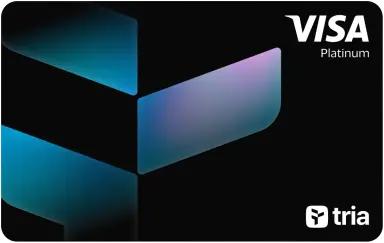
| Tria Premium | Multi-chain (AA) | Tria wallet (AA) | Yes | Up to 15% APY | 6% | 0% |
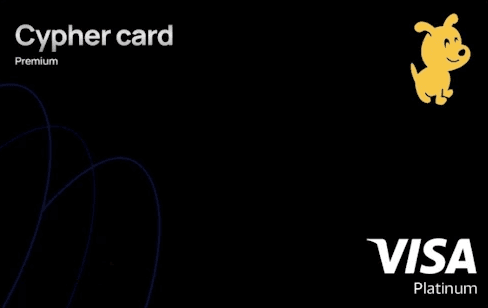
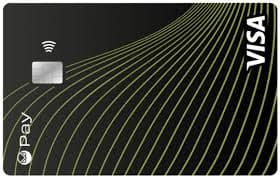
| Cypher | 15+ chains (incl. Cosmos, Injective, Hyperliquid) | Any WalletConnect wallet | Yes | No | $CYPR tokens | 1.75% |
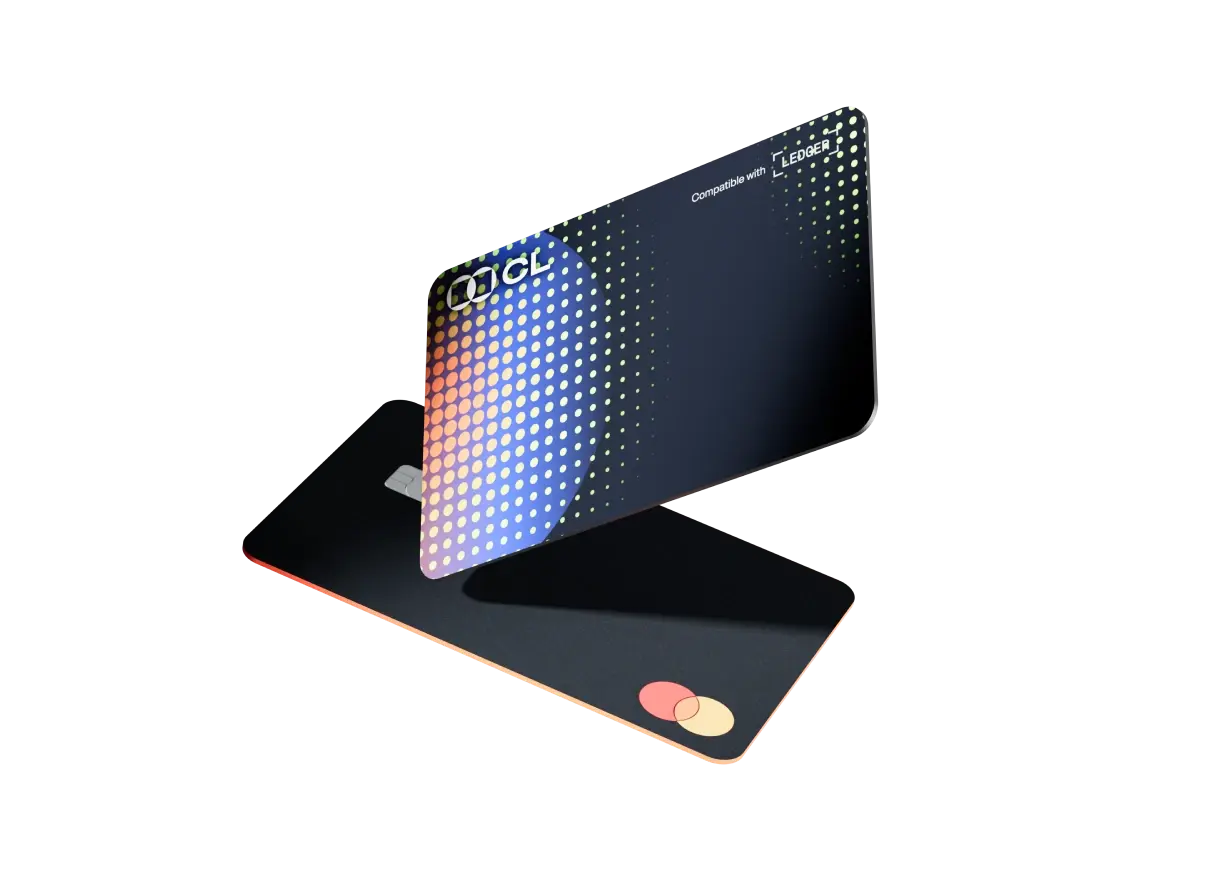
Other self-custody options worth considering: Ledger CL for hardware-signed transactions, Bleap (2%, 0% FX, any EVM wallet), and 1inch (2%, 0% FX, EEA/UK). If you want to see those tradeoffs in one place, use the side-by-side comparison tool. For yield comparison, Nexo offers up to 14% APY but is custodial, not self-custody.
What DeFi Users Need in a Crypto Card
Wallet-native spending - connect your existing MetaMask, Safe, or Ledger
Card settles on a chain you actually use (Linea, Gnosis Chain, Solana, or L1)
Yield on idle balance - restaking, lending, or staking returns while you hold
Transparent on-chain settlement you can verify in a block explorer
Reasonable gas costs - L2-native cards avoid $15 mainnet approvals
Top 7 Cards for DeFi Users
Every card here connects to a wallet you already use - no exchange deposit, no withdrawal queue. Gnosis Pay settles on Gnosis Chain through a Safe smart account with on-chain verification of every transaction. ether.fi Core earns restaking yield (3-5% APY) on idle card balances, turning dead spending money into productive capital. COCA stacks 8% cashback with 6% APY on idle USDC via Morpho vaults.
MetaMask Virtual covers the Linea L2 ecosystem with 1% cashback, 1% cross-border fee (Metal: 0% FX), and Rewards points with proven airdrop distributions - the practical choice for DeFi users who already live inside the MetaMask stack and want self-custodial spending without dropping back into an exchange wallet.
Tria Premium delivers 6% base cashback (up to 8% with TRIA staking), 15% APY on idle USDC, 0% FX, 0% ATM fees ($750/day), and $10,000 purchase protection - the highest combined cashback-plus-yield among self-custodial cards at $250/year.
Solflare is the Solana pick for users who live in that ecosystem and want SOL staking yield (6-8%) alongside their card. Cypher is the only card that reaches Cosmos, Injective, Osmosis, and Hyperliquid - connect any WalletConnect wallet and spend from 15+ chains without transferring to an exchange, with $CYPR token rewards on every purchase. No custodial exchange cards made this list - if you wanted to deposit to Coinbase, you would not be reading a DeFi page.
1. Gnosis Pay Card
Your Keys, Your Card, Your Money

2. ether.fi Core Card
Zero Barriers: 3% Back on Every Purchase, No Stake Required
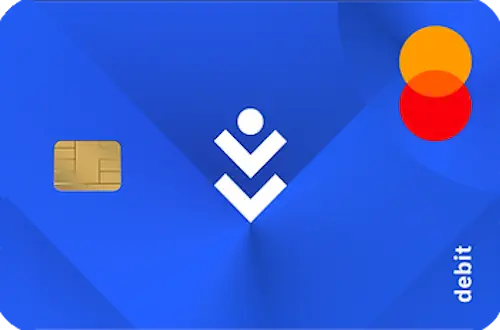
3. COCA Visa Card
Self-Banking: 8% Cashback + 6% APY + 0% FX
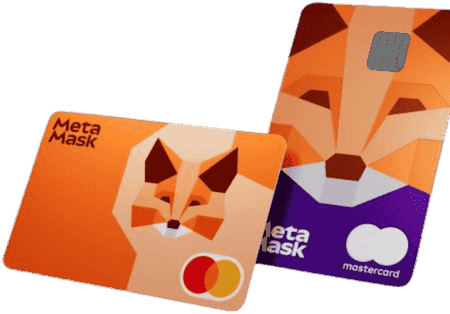
4. MetaMask Virtual Card
Sovereign Spending: 1% Cashback + Self-Custody + MetaMask Security
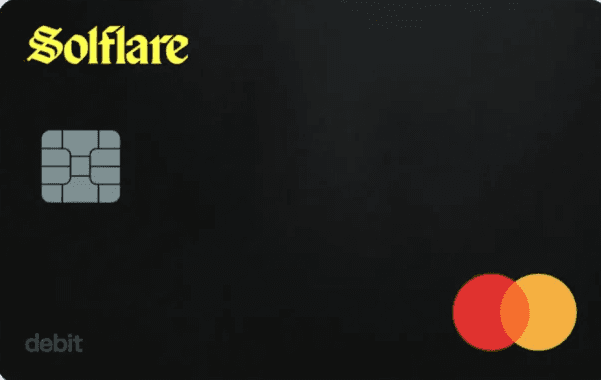
5. Solflare Card
Native Solana Spend: 0% Reload Fees + Airdrop Access

6. Tria Premium Card
Ultimate Web3 Luxury: 6% Cashback + Zero ATM Fees

7. Cypher Card
Free Self-Custody Card: Visa Platinum + 500 Tokens + 15 Blockchains + Apple Pay
What $1,500/Month Looks Like
$150
/month in cashback (based on Jupiter Global at 10%)
Scenario 1: Kofi, Smart Contract Developer in Berlin ($2,500/month)
Kofi audits smart contracts for a living. He is deeply skeptical of custody claims and only uses cards where he can verify the contract himself. He lives primarily on Ethereum and Gnosis Chain.
Setup:
- Primary: Gnosis Pay (Safe smart account, 4% GNO cashback)
- Backup: MetaMask Virtual (1% cashback + Rewards points on Linea)
- Spending wallet: Dedicated Safe on Gnosis Chain with 5,000 EURe
- Main DeFi wallet: Separate Safe on Ethereum mainnet with LP and restaking positions
Monthly flow:
| Category | Card | Monthly Spend | Return |
|---|---|---|---|
| Rent (SEPA transfer via card) | Gnosis Pay | $1,200 | $48 in GNO |
| Groceries (REWE, Lidl) | Gnosis Pay | $400 | $16 in GNO |
| Coworking | MetaMask | $300 | $9 cashback |
| Dining | Gnosis Pay | $300 | $12 in GNO |
| Subscriptions | MetaMask | $150 | $4.50 cashback |
| Other | Gnosis Pay | $150 | $6 in GNO |
| Total | $2,500 | $95.50/mo |
Annual result:
- Gnosis Pay cashback: $984 in GNO
- MetaMask cashback: $162
- Gas costs: less than $5 (Gnosis Chain + Linea)
- Net passive income: $1,141
Verdict: "I read the Gnosis Pay module contract line by line. My funds sit in a Safe I deployed. The card module has a daily limit I set. If Gnosis Pay disappears tomorrow, my EURe is still in my Safe. That is self-custody."
Scenario 2: Ayla, Yield Farmer in Lisbon ($4,000/month)
Ayla manages a personal DeFi portfolio across Ethereum, Arbitrum, and Solana. She wants maximum yield on idle spending balance and does not mind protocol risk on her card wallet because she manages far more risk in her DeFi positions.
Setup:
- Primary: COCA Elite (8% cashback, requires staking 30K $COCA locked during membership with 30-day cooldown, 6% APY on idle balance)
- Secondary: ether.fi Core (restaking yield, 3% cashback)
- COCA balance: $8,000 USDC (earning 6% APY via Morpho)
- ether.fi balance: 2 ETH in restaking (earning 3-5%)
Monthly flow:
| Category | Card | Monthly Spend | Return |
|---|---|---|---|
| Rent | COCA | $1,200 | $96 cashback |
| Groceries | COCA | $600 | $48 cashback |
| Dining/nightlife | COCA | $500 | $40 cashback |
| Subscriptions | ether.fi | $200 | Points |
| Transport | COCA | $300 | $24 cashback |
| Travel fund | ether.fi | $500 | Points |
| Other | COCA | $700 | $56 cashback |
| Total | $4,000 | $264 cashback + points |
Annual result:
- COCA cashback: $3,168 (stablecoin, no volatility)
- COCA idle yield on $8,000: $480
- ether.fi restaking yield on 2 ETH: $350-$700
- Guaranteed: $3,648-$4,348 (plus ether.fi membership tier perks)
Verdict: "My card wallet earns more yield than most people's savings accounts. And the 8% cashback on $4K/month is $3,168/year, which is more than I earn from some of my LP positions, with zero impermanent loss."
Scenario 3: Takeshi, Security-First Bitcoiner in Tokyo ($1,500/month)
Takeshi holds BTC on a Ledger and refuses to trust any hot wallet with significant funds. He wants to spend crypto for daily purchases but will not compromise on hardware signing.
Setup:
- Primary: Ledger CL (hardware-signed, 1% cashback)
- Balance: $2,000 USDC loaded on Ledger, replenished monthly
- Every single transaction requires physical button press on Ledger Nano
Monthly flow:
| Category | Monthly Spend | Cashback (1%) | Notes |
|---|---|---|---|
| Groceries | $500 | $5 | Tap, confirm on device |
| Dining | $300 | $3 | Physical approval each time |
| Transport | $200 | $2 | Suica top-up via card |
| Subscriptions | $200 | $2 | Each renewal requires signing |
| Other | $300 | $3 | |
| Total | $1,500 | $15/mo |
Annual result:
- Cashback: $180 (1% on $18,000)
- Card spend fee: -$360 (2% on all crypto-funded spending)
- FX fee cost: -$315 (1.75% on cross-currency spending in JPY)
- Net: -$495/year
The math is deeply negative. Takeshi is paying $495/year for the privilege of hardware-level security on every transaction. The 2% card spend fee on USDC (crypto-funded) stacks with the 1.75% FX fee on JPY purchases, creating a combined 3.75% fee that the 1% cashback cannot offset. Funding with fiat (bank transfer) would eliminate the 2% card spend fee, reducing the loss to -$135/year - still negative, but three times cheaper.
Takeshi accepts the cost. The hardware signing model means no smart contract can drain his balance, no platform hack can freeze his funds, and no compromised browser can steal his keys. For a security-first Bitcoiner who watched exchanges collapse, that guarantee has a price he is willing to pay. Note: Gnosis Pay (Safe smart account, 0% issuer fees) and Tria Premium (account abstraction, 6% cashback, 0% FX) offer self-custody with positive economics. Takeshi's choice is about hardware-level trust, not about the best financial return.
Gas Cost Comparison: The Real Cost of DeFi Card Funding
| Chain | Top-Up Frequency | Gas per Top-Up | Annual Gas | Min Spend for Positive Return (2% CB) |
|---|---|---|---|---|
| Gnosis Chain | Weekly | less than $0.01 | less than $0.50 | Any amount |
| Solana | Weekly | less than $0.01 | less than $0.50 | Any amount |
| Linea (L2) | Weekly | $0.01-$0.05 | $0.50-$2.60 | $15/month |
| Ethereum L1 | Monthly | $5-$15 | $60-$180 | $250-$750/month |
| Ethereum L1 | Weekly | $5-$15 | $260-$780 | Economically unviable |
Ethereum L1 users: always batch top-ups. If your monthly spending is under $500, the gas costs on Ethereum L1 eat 10-30% of your cashback. Switch to an L2 card or bridge once per month in bulk.
Multi-Card Strategy for DeFi Users
How a Self-Custody Card Transaction Actually Works
When you tap a custodial exchange card, the exchange debits your account like a bank would. Self-custody cards work fundamentally differently. Here is the mechanical flow, step by step, using Gnosis Pay as the reference example:
Step 1: Pre-authorization. You tap your Gnosis Pay card at a coffee shop for $5. The card network (Visa) sends an authorization request to Gnosis Pay's payment processor.
Step 2: Settlement trigger. The payment processor calls a module on your Safe smart account on Gnosis Chain. This module has pre-approved authority to spend EURe (bridged euro stablecoin) up to a configured daily limit from your Safe.
Step 3: On-chain debit. The module transfers $5 worth of EURe from your Safe to the payment processor's address. This is an on-chain transaction on Gnosis Chain, visible on the block explorer. Gas cost: less than $0.01.
Step 4: Merchant settlement. The payment processor converts the received EURe to fiat EUR and settles with the merchant through the Visa network. The merchant sees a normal Visa payment.
Step 5: Cashback. Within 24-72 hours, GNO cashback tokens are deposited to your Safe. At the 4% tier, that $5 coffee returns $0.20 in GNO.
The critical distinction: at no point did a centralized entity hold custody of your spending balance. The EURe sat in your Safe until the card module moved it. If Gnosis Pay shut down tomorrow, you would still have your EURe in your Safe, accessible with your keys.
Different cards implement this differently:
| Card | Who Moves Your Funds | Your Control During Settlement | If Issuer Dies |
|---|---|---|---|
| Gnosis Pay | Safe module (pre-authorized) | Daily limit, revocable | Funds safe in your Safe |
| MetaMask | Linea L2 smart contract | Per-transaction approval | Funds safe in your MetaMask |
| Ledger CL | You (physical button press) | Full control, every transaction | Funds safe on Ledger |
| ether.fi | Protocol withdrawal | Limited during restaking | Withdrawal queue (7-14 days) |
| Solflare | Solflare protocol | Protocol-managed | Depends on staking state |
| Bleap | AA wallet module | Partial (recovery config) | Depends on AA recovery setup |
| Tria | AA wallet module | Full control | Funds safe in your wallet |
| Cypher | WalletConnect / seed phrase wallet | Full control, any chain | Funds safe in your wallet |
| COCA | Privy wallet | Privy-dependent | Platform risk |
The Custody Spectrum: What "Self-Custody" Actually Means
Not all "self-custody" is equal. DeFi users know the difference between "I hold the keys" and "I can actually move my funds without permission." Our self-custody database classifies each card across five distinct custody levels:
| Custody Level | Cards | You Hold Keys | Withdraw Without Issuer | Smart Contract Risk | Counterparty Risk |
|---|---|---|---|---|---|
| Full self-custody | Gnosis Pay, MetaMask, Ledger CL, Cypher | Yes | Yes | Module/contract only | None |
| Protocol-managed | ether.fi, Solflare | Yes | Yes (queue/unstake) | Protocol + restaking | Minimal |
| Account abstraction | Bleap, Tria | Partial/Yes | Depends on recovery / Yes | AA contract | Recovery guardian / Minimal |
| Labeled non-custodial | COCA | Privy wallet | Privy-dependent | Morpho lending | Platform + Privy |
| Custodial | Nexo, exchange cards | No | Exchange controls | None | Full counterparty |
If true self-custody is non-negotiable, Gnosis Pay, MetaMask Virtual, and Ledger CL are the only cards where your funds sit in a wallet you fully control with no issuer co-signature required for withdrawal. Test this before loading significant funds: load a small amount and immediately try to withdraw without using the card issuer's interface.
The Three Numbers DeFi Users Should Evaluate
Number 1: True annual cost of ownership (gas + fees + opportunity cost)
DeFi users incur costs that other cardholders do not: bridging fees, gas for top-ups, and the opportunity cost of stablecoins sitting in a card wallet instead of earning yield in DeFi.
| Card Chain | Monthly Top-Ups | Gas per Top-Up | Annual Gas | Bridge Cost | Total Annual Overhead |
|---|---|---|---|---|---|
| Gnosis Chain | 4 | less than $0.01 | less than $0.50 | $0.50 one-time | less than $1 |
| Solana | 4 | less than $0.01 | less than $0.50 | $1-3 via Wormhole | $1-4 |
| Linea (L2) | 4 | $0.01-$0.05 | $0.50-$2.40 | $1-2 native bridge | $2-5 |
| Ethereum L1 | 2 | $5-$15 | $10-$30 | N/A (native) | $10-$30 |
| Multi-chain | 4 | Varies | $2-$60 | Varies | $5-$60 |
Ethereum L1 top-ups are the silent killer. Four monthly top-ups at $10 average gas = $480/year. That wipes out most cashback earnings on spending under $2,000/month. Always batch top-ups ($500-$1,000 at once) or use an L2/alt-chain card.
Number 2: Yield differential vs your best DeFi alternative
COCA offers 6% APY on idle balances via Morpho. ether.fi offers 3-5% via restaking. But what is the opportunity cost of parking stablecoins in a card wallet instead of your preferred DeFi protocol?
| Where Your USDC Sits | APY | Risk Level | Liquidity |
|---|---|---|---|
| Card wallet (no yield) | 0% | Low | Instant |
| COCA (Morpho) | 6% | Medium (smart contract) | Instant |
| ether.fi (restaking) | 3-5% | Medium (restaking) | 7-14 day queue |
| Aave V3 (mainnet) | 4-8% | Medium (battle-tested) | Instant |
| Morpho Blue (direct) | 5-10% | Medium | Instant |
| LP on Uniswap V3 | Variable | High (IL + smart contract) | Instant |
If you are already earning 8% in Aave V3, parking $5,000 in COCA at 6% costs you $100/year in yield differential. But COCA's 8% cashback on spending generates $4,800/year on $5,000/month spend. The cashback far outweighs the yield gap. The calculation changes at low spending volumes: at $500/month, COCA's cashback is $480/year, and the yield differential on $5,000 is $100, so the net benefit is $380 versus just keeping everything in Aave.
Number 3: Smart contract surface area
Every additional protocol in your card stack adds attack surface. Count the contracts your spending money touches:
| Card | Contracts Your Funds Touch | Historical Audit Count | Exploit Risk |
|---|---|---|---|
| Gnosis Pay | Safe + payment module (2) | Safe: 10+ audits | Low |
| MetaMask | MetaMask + Linea bridge + payment contract (3) | MetaMask: extensive | Low-Medium |
| ether.fi | ether.fi protocol + EigenLayer + payment (3+) | Multiple audits | Medium |
| COCA | Privy wallet + Morpho + payment (3+) | Morpho: audited | Medium |
| Ledger CL | Hardware signer + payment relay (2) | Ledger: extensive | Low |
More contracts = more risk. The safest self-custody cards (Gnosis Pay, Ledger CL) touch the fewest contracts. Yield-bearing cards (ether.fi, COCA) necessarily add protocol risk because your idle balance is deployed into DeFi.
Step-by-Step: Isolating Your Spending Wallet
Never connect your main DeFi wallet to a card. Here is the setup for each chain:
Ethereum/L2 (ether.fi, MetaMask, Bleap):
- Create a fresh EOA or deploy a new Safe specifically for card spending
- Bridge USDC from mainnet to the card's L2 (Linea for MetaMask, any supported L2 for ether.fi)
- Fund with 2-4 weeks of spending money only
- Your LP positions, restaking deposits, and governance tokens stay in your primary wallet
Gnosis Chain (Gnosis Pay):
- Deploy a new Safe on Gnosis Chain
- Bridge EURe from Ethereum via the xDai Bridge (or buy EURe directly on Gnosis Chain DEXs)
- Enable the Gnosis Pay card module on your Safe
- Set a daily spending limit on the module
Solana (Solflare):
- Create a dedicated Solflare spending wallet (separate from your main Solana wallet)
- Transfer USDC via Solana native transfer (sub-cent gas)
- Optionally stake idle SOL in the same wallet for 6-8% APY
Multi-Card Stack for DeFi Power Users
Most DeFi users benefit from carrying two cards: one for daily spending and one for large purchases where custody matters most.
- Daily driver: COCA (up to 8% cashback with staked $COCA, 0% FX, 6% APY) or Tria Premium (6%, 0% FX, $250/yr)
- Security card: Gnosis Pay (Safe smart account, 0% issuer fees, Visa rate on non-EUR) or Cypher (WalletConnect, 15+ chains)
- Yield card: ether.fi Core (restaking yield on idle ETH, 3% cashback) for ETH believers with longer time horizons
The daily driver handles subscriptions, groceries, and online purchases. The security card handles large purchases (rent, flights) where you want explicit transaction approval. The yield card parks savings between spending cycles.
Common Mistakes to Avoid
1. Connecting Your Main DeFi Wallet to a Card
The mistake: Using your primary wallet (the one with LP positions, governance tokens, and restaking deposits) as your card spending wallet.
The cost: A compromised card module or malicious approval can drain everything in the connected wallet, not just the spending balance. One DeFi user lost $47,000 in LP tokens because an unlimited approval on their card wallet was exploited. The card balance was only $2,000.
How to avoid it: Deploy a dedicated spending wallet. Fresh EOA, new Safe, or separate Solflare wallet. Transfer only 2-4 weeks of spending money. Your DeFi positions stay in a completely separate wallet with no connection to the card.
2. Funding with Volatile Tokens Instead of Stablecoins
The mistake: Loading ETH or SOL directly onto your card wallet and spending from it.
The cost: You load 1 ETH at $3,500. Two weeks later when you have spent half, ETH is at $3,100. Your remaining 0.5 ETH is worth $1,550 instead of $1,750. That is $200 in purchasing power lost, plus every card transaction created a taxable disposal event at a different ETH price.
How to avoid it: Fund your card wallet exclusively with stablecoins (USDC, USDT, EURe). Convert DeFi earnings to stablecoins in your main wallet, then transfer the stablecoins to your spending wallet. Your volatile positions stay in DeFi where they belong.
3. Ignoring Smart Contract Approval Scope
The mistake: Granting unlimited token approval to a card payment module without setting limits or reviewing the contract.
The cost: An unlimited USDC approval means the contract can drain your entire USDC balance in a single transaction. If the contract has a vulnerability or the issuer's key is compromised, your full balance is at risk.
How to avoid it: Set spending limits on card modules (Gnosis Pay allows daily limits). Use per-transaction approvals if available (Ledger CL). Regularly audit your approvals through Revoke.cash. Never approve more than you are willing to lose.
4. Overpaying for Gas on Small Top-Ups
The mistake: Bridging $50 of USDC from Ethereum mainnet to your card's L2 every week.
The cost: At $10 average gas per bridge, that is $520/year in gas on $2,600/year in bridged funds, a 20% overhead. On a 2% cashback card ($52/year), gas costs are 10x the cashback.
How to avoid it: Batch top-ups: bridge $500-$1,000 at once, pay gas once, let the balance last 2-4 weeks. On Gnosis Chain and Solana, gas is negligible and this rule does not apply. For Ethereum L1 top-ups, time them during low-gas periods (weekends, early morning UTC).
5. Assuming "Non-Custodial" Means True Self-Custody
The mistake: Choosing a card labeled "non-custodial" without verifying you can withdraw funds independently of the issuer.
The cost: If the issuer goes offline, freezes accounts, or gets regulatory action, your "non-custodial" funds may be inaccessible. This is not hypothetical: multiple "non-custodial" protocols have implemented withdrawal restrictions during market stress.
How to avoid it: Before loading significant funds, test the withdrawal flow: load $50, then try to withdraw it without using the card issuer's interface. Can you move the funds using only your keys and a block explorer? If not, it is not truly self-custody, regardless of the marketing.
6. Keeping More Than 30 Days of Spending in a Yield Card
The mistake: Parking $20,000 in COCA's Morpho vault because 6% APY is attractive, when you only spend $2,000/month.
The cost: If Morpho suffers a smart contract exploit, you lose $20,000. Your actual spending need is $2,000-$4,000. The extra $16,000 earning 6% ($960/year) is exposed to protocol risk for a modest return you could earn more safely in a battle-tested protocol directly.
How to avoid it: Keep a maximum of 30 days of spending money in your card wallet. Park excess stablecoins in the DeFi protocol of your choice (Aave V3, Compound V3, or Morpho directly, where you control the position). Your card wallet is a hot wallet for spending, not a savings account.
Tax Implications for DeFi Card Users
DeFi users already face the most complex crypto tax situations. Adding a card creates additional events:
| Event | Tax Treatment (Most Jurisdictions) | DeFi User Complication |
|---|---|---|
| Converting LP tokens to USDC for card | Capital gains on LP withdrawal | IL already realized, must track entry price |
| Unstaking to fund card | Income (staking rewards) + capital gains | Cost basis includes all reward accruals |
| Bridging to card chain | Generally no event (same asset) | Some jurisdictions treat as disposal |
| Card spend of stablecoin | Near-zero gain | Clean, no additional complexity |
| Cashback receipt (GNO, points) | Varies (rebate vs income) | May need to track FMV at receipt |
| Restaking yield on card balance | Income at receipt | Compounds DeFi reward tracking |
The cleanest tax approach for DeFi users: take profits in your DeFi positions, convert to USDC, bridge to card wallet, spend USDC. Every step before the bridge is part of your existing DeFi tax reporting. The card spend itself creates near-zero additional tax events. See our tax-conscious guide for detailed jurisdiction rules.
Card Selection by DeFi Profile
Ethereum mainnet native: ether.fi Core for restaking yield on idle ETH with 3% cashback. Bridge in bulk to minimize gas.
Solana native: Solflare is the natural choice. SOL staking rewards (6-8% APY) contribute to card perks, and sub-cent gas means frictionless top-ups. Points-based rewards, no fixed cashback rate.
Cosmos / IBC / Hyperliquid native: Cypher Card is currently the only card that supports Cosmos, Injective, Osmosis, Coreum, and Hyperliquid. Connect via WalletConnect from Keplr or any IBC wallet. The 1.75% FX on non-USD spending is the trade-off for chain breadth no other card matches.
Multi-chain DeFi user: Cypher (15+ chains including Cosmos/Injective/Hyperliquid, WalletConnect) or MetaMask Virtual (Linea L2, 1% cashback). Both connect to wallets you already use.
Yield maximizer: COCA (up to 8% cashback at Elite with 30K $COCA staked, 1% free Starter, plus 6% APY at all tiers) provides the highest combined return with stablecoin safety. Tria Premium (6% cashback + up to 15% APY, $250/yr) offers the highest yield on idle USDC with self-custody and 0% FX.
Security maximizer: Gnosis Pay (Safe smart account with daily-limit module, 0% issuer fees, Visa rate on non-EUR). Prioritizes explicit on-chain approval over convenience.
Privacy-focused DeFi user: MetaMask Virtual connects to your existing wallet with streamlined KYC. Cypher supports WalletConnect from any wallet. See our privacy guide and no-KYC options.
Beginner exploring DeFi: Start with COCA (simplest setup, highest cashback) and graduate to Gnosis Pay or MetaMask once you are comfortable managing your own wallet.
Key takeaway: DeFi users have something no other crypto card persona has: yield on their spending balance and the ability to verify custody on-chain. A $5,000 USDC balance earning 4-6% APY generates $200-$300/year before you spend a dollar. Add 2-8% cashback on $2,000/month and total annual value ranges from $480 to $2,220.
The key is matching the card to the chain you already live on, keeping your spending wallet isolated from your DeFi positions, and batching top-ups to minimize gas costs. Start with a free card on the chain you use most, verify the custody model yourself, and upgrade to a yield-bearing option once your spending patterns are established.
Disclaimer: SpendNode is a data comparison platform. We are not financial advisors. Crypto cards involve risks including asset volatility, custodial risk, and tax complexity. Verify all terms directly with issuers before applying.
Written by Aleksandar Dukic
Frequently Asked Questions
Which cards let me spend without depositing to an exchange?
MetaMask Card, Gnosis Pay, ether.fi Cash, Ledger CL, Solflare, Bleap, and Tria all connect to your own wallet. You fund from your address directly - no CEX deposit, no withdrawal wait.
Does my card balance earn yield?
Ether.fi Cash connects to restaking yields on idle balances. Nexo offers lending-based returns (up to 14% APY). Crypto.com tiers earn cashback through CRO staking (different model - you lock a volatile token). Most other self-custody cards do not generate yield; your balance sits flat until spent.
Which chain should my card wallet be on?
Depends on the card. Gnosis Pay uses Gnosis Chain, MetaMask Card uses Linea, Solflare uses Solana. Choose the card that matches a chain you already use, or pick based on gas costs. Gnosis Chain and Linea are both sub-cent per transaction.
Is it safe to give a card smart contract access to my wallet?
Only approve the minimum necessary. Use a dedicated spending wallet separate from your main holdings. Review what the contract can access, set spending limits where possible, and revoke approvals for cards you stop using. A hardware wallet (Ledger CL) adds a physical signing step for extra security.
Recent Updates to Best Crypto Cards for DeFi Users
- Fixed ether.fi Core cashback from Points to 3%. Added Gnosis Pay non-EUR FX caveat. Fixed COCA FX to 0%
- Removed Nexo from main table (custodial, contradicts page thesis). Solflare clarified as points-based, no fixed rate