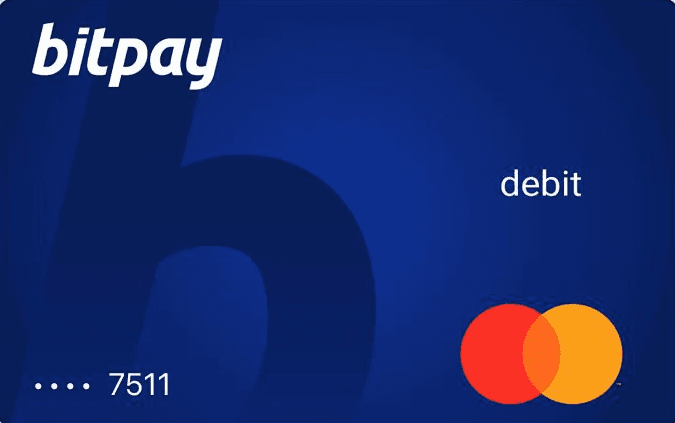



The BitPay Card is a US-only custodial Mastercard prepaid debit card (not a credit card) with merchant-specific cashback offers, $0 annual fee, 3% FX fee on international transactions, $2.50 flat ATM fee, $2,000 daily ATM limit, $25,000 monthly spending limit, support for BTC, ETH, USDC, and USDT, and Apple Pay compatibility. BitPay has a 4.3-star App Store rating from 3,402 reviews. New applications have been paused since June 2023 due to a banking partner transition. Existing cardholders can still use their cards.
New card applications have been paused since June 2023. Metropolitan Commercial Bank, the previous card issuer, exited the crypto sector. BitPay is working with a new banking partner but has not announced a relaunch date. Existing cardholders can still use their cards. New users can only join the waitlist. This review covers what the card offers for existing holders and what the relaunch would need to be competitive.
The Pioneer: Processing Bitcoin Payments Since 2011
BitPay is the oldest company in the crypto card space. Founded in 2011, it was processing Bitcoin payments before Coinbase existed (2012), before Ethereum existed (2015), and a full decade before the crypto card boom of 2021-2023. The BitPay Card was one of the first crypto debit cards available in the United States, offering a straightforward way to convert Bitcoin to fiat and spend at Mastercard merchants.
That longevity matters. BitPay processes over $1 billion in crypto payments annually and has navigated every market cycle from the 2013 Mt. Gox era through the 2022 FTX collapse. While newer competitors have launched and failed, BitPay has survived 15 years of continuous operation.
But based on our 2026 data, longevity does not equal competitiveness. The BitPay Card's current feature set - paused applications, 3% FX fee, merchant-specific (not guaranteed) rewards - places it firmly behind the US crypto card leaders: Coinbase and Gemini.
The Card: One Product, Paused
BitPay Mastercard - Prepaid Debit, US Only
- Annual fee: $0
- Card format: Physical + Apple Pay
- Rewards: Merchant-specific cashback offers (variable, not guaranteed)
- FX fee: 3% (highest in the crypto card market)
- ATM fee: $2.50 flat per withdrawal
- ATM daily limit: $2,000
- Monthly spending limit: $25,000
- Supported assets: BTC, ETH, USDC, USDT
- Status: Applications paused since June 2023
- Best for: Existing cardholders who need a simple domestic crypto off-ramp
Technology: Load-and-Spend Prepaid Model
Unlike exchange-linked cards that connect to a trading account balance, the BitPay Card functions as a traditional prepaid debit card funded through the BitPay wallet.
How It Works
- You hold BTC, ETH, USDC, or USDT in your BitPay wallet
- You initiate a "load" to the card, converting crypto to USD
- The USD balance sits on your prepaid card
- You spend the USD balance at any Mastercard merchant
- Merchant-specific cashback offers appear in the BitPay app
Our cost-per-month model highlights a key difference: the conversion happens at load time, not at point-of-sale. This means once your card is loaded with USD, you are spending fiat - not crypto. Price volatility after loading does not affect your card balance.
Merchant-Specific Rewards
BitPay does not offer a flat cashback percentage like Coinbase (4%), Gemini (4%), or KAST (6%). Instead, the BitPay app surfaces merchant-specific cashback offers that vary by retailer and timing. This is similar to traditional bank card merchant offers (Chase Offers, Amex Offers) rather than the guaranteed percentage rates that crypto competitors provide.
Typical offers: $5-$20 back at specific retailers, rotating promotions, partner brand deals. The value is unpredictable - some months you may earn nothing, other months a well-timed offer could return $20+.
Fee Structure
| Fee | Amount | Market Comparison |
|---|---|---|
| Annual fee | $0 | Industry standard |
| Monthly fee | $0 | Industry standard |
| FX fee | 3% | Worst in market |
| ATM fee | $2.50 flat | Average |
| Conversion fee | Included at load | - |
| Card issuance | $0 | Standard |
The 3% FX Problem
BitPay's 3% FX fee is the highest of any active crypto card. For comparison:
| Card | FX Fee |
|---|---|
| Wirex | 0% |
| Kraken | 0% |
| Coinbase | 0% |
| Gemini | 0% |
| MetaMask Metal | 0% (Metal only; Virtual: 1%) |
| Crypto.com Jade+ | 0% |
| Bybit | 0% |
| BitPay | 3% |
This makes BitPay unusable for international spending. A $100 foreign transaction costs $3 in FX fees alone - before any other fees. For US domestic transactions, FX does not apply, making the card acceptable for domestic-only use.
Spending Limits
| Limit | Amount |
|---|---|
| Monthly spending | $25,000 |
| ATM daily | $2,000 |
| ATM monthly | Not specified |
| Supported assets | BTC, ETH, USDC, USDT |
These limits are adequate for most personal spending but significantly lower than exchange cards like Bybit ($100K+ monthly) or RedotPay ($1M daily).
What Happened: The Banking Partner Exit
Understanding why BitPay's card is paused requires context about the 2023 crypto banking crisis.
Metropolitan Commercial Bank was BitPay's banking partner and card issuer. In January 2023, Metro announced it would exit the crypto sector entirely, affecting BitPay and other crypto companies. By June 2023, BitPay had to pause new card applications as Metro wound down its crypto operations.
This was not a BitPay failure - it was a systemic banking partner withdrawal during the post-FTX regulatory crackdown. Multiple banks exited crypto in 2023: Silvergate, Signature Bank, and Silicon Valley Bank all collapsed or exited. Metropolitan Commercial Bank survived but chose to de-risk by dropping crypto clients.
BitPay has stated it is working with a new banking partner but has not announced who or when. The pause has lasted over 2.5 years as of February 2026 - an unusually long transition that raises questions about whether the card will return with competitive terms.
Trust, Security, and Regulation
- Company: BitPay, founded 2011, Atlanta, Georgia
- Operating history: 15 years of continuous operation (longest in crypto cards)
- Payment volume: $1B+ annually in crypto payments processed
- Registration: US Money Services Business (MSB) under FinCEN
- Network: Mastercard with standard fraud protection
- Custody: Custodial (funds held in BitPay wallet)
- KYC: Standard US identity verification
- Card status: Paused since June 2023 (banking partner transition)
- Existing cards: Continue to function
BitPay's 15-year operating history is its primary trust asset - a track record unmatched by any other crypto card issuer we have reviewed. The company has survived every major crypto crisis (Mt. Gox, DAO hack, ICO bust, COVID crash, FTX collapse) without a single reported security breach or loss of customer funds. Few crypto companies of any kind can make that claim.
What a Competitive Relaunch Would Need
If BitPay relaunches the card, it will re-enter a far more competitive market than when it paused in 2023. Here is what it would need to compete based on where the 2026 market stands:
| Feature | Current BitPay | Market Standard (2026) |
|---|---|---|
| Cashback | Variable merchant offers | 2-6% guaranteed |
| FX fee | 3% | 0% |
| Assets | 4 (BTC, ETH, USDC, USDT) | 10-350+ |
| ATM limit | $2,000/day | $5,000-$50,000/day |
| Self-custody | No | Available from 5+ competitors |
| Apple Pay | Yes | Standard |
| Google Pay | No | Standard |
The bar has moved significantly. Coinbase now offers 4% BTC with FDIC insurance. Gemini offers 4% category rewards with no annual fee. KAST now leans on a mix of points and $MOVE rewards across its free tier and premium tiers. BitPay's merchant-specific model would need a complete overhaul to compete.
BitPay vs US Competitors
| Feature | BitPay | Coinbase Card | Gemini Credit Card | Crypto.com Blue |
|---|---|---|---|---|
| Annual fee | $0 | $0 | $0 | $0 |
| Cashback | Variable (merchant) | 4% BTC | 4%/3%/2%/1% | 0% |
| FX fee | 3% | 0% | 0% | approx. 2.99% |
| Card type | Prepaid debit | Debit | Credit | Prepaid debit |
| FDIC | No | Yes (USD) | Yes (WebBank) | No |
| Status | Paused | Active | Active | Active |
| Assets | 4 | 100+ | 50+ | 350+ |
| Network | Mastercard | Visa | Mastercard | Visa |
BitPay vs Coinbase: Coinbase offers 4% guaranteed BTC cashback, FDIC insurance on USD balances, 100+ supported assets, and 0% FX. BitPay offers variable merchant rewards, no FDIC, 4 assets, and 3% FX. Coinbase is strictly superior in every measurable metric. No reason to choose BitPay over Coinbase for new US users.
BitPay vs Gemini: Gemini offers up to 4% category rewards (gas, dining, groceries), 0% FX, Mastercard World Elite protections, and a real credit line that builds credit history. BitPay offers variable merchant rewards on a prepaid card. Gemini wins on rewards, card type, and consumer protections. The Solana Edition adds approximately 6% staking yield on SOL rewards.
Final Assessment
Continue using BitPay if:
- You are an existing cardholder and the card works for your domestic US spending
- You value BitPay's 15-year track record and simple load-and-spend model
- You spend primarily in USD (avoiding the 3% FX fee)
- You are waiting for the relaunch and monitoring for improved terms
- The BitPay Mastercard remains functional for existing holders
Switch to alternatives if:
- You are a new user (applications paused - you cannot apply)
- You want guaranteed cashback: Coinbase (4% BTC), Gemini (4%/3%/2%/1%)
- You spend internationally: BitPay's 3% FX is the worst in market
- You want a credit card: Gemini Credit Card (builds credit, Mastercard World Elite)
- You want self-custody: MetaMask (48 countries), ether.fi (US/UK/EEA)
- You want richer global rewards: KAST's free K Card or Pengu Card collection (2% points plus 4% $MOVE, 170+ countries)
Sources and Verification
All card specs, fees, and tiers verified from:
Frequently Asked Questions
Is the BitPay card still available?
As of 2026, BitPay has temporarily paused new applications. Existing cardholders can still use their cards, and new users can join the waitlist.
Is the BitPay Card a credit card?
No. The BitPay Card is a prepaid Mastercard debit card, not a credit card. You load crypto and spend your own balance - there is no credit line, no APR, and no credit check. For crypto-backed credit card options, see our reviews of Gemini, ether.fi, Nexo, and Avici.
App Store (3.4K ratings)
Source: Apple App Store - Updated Invalid Date