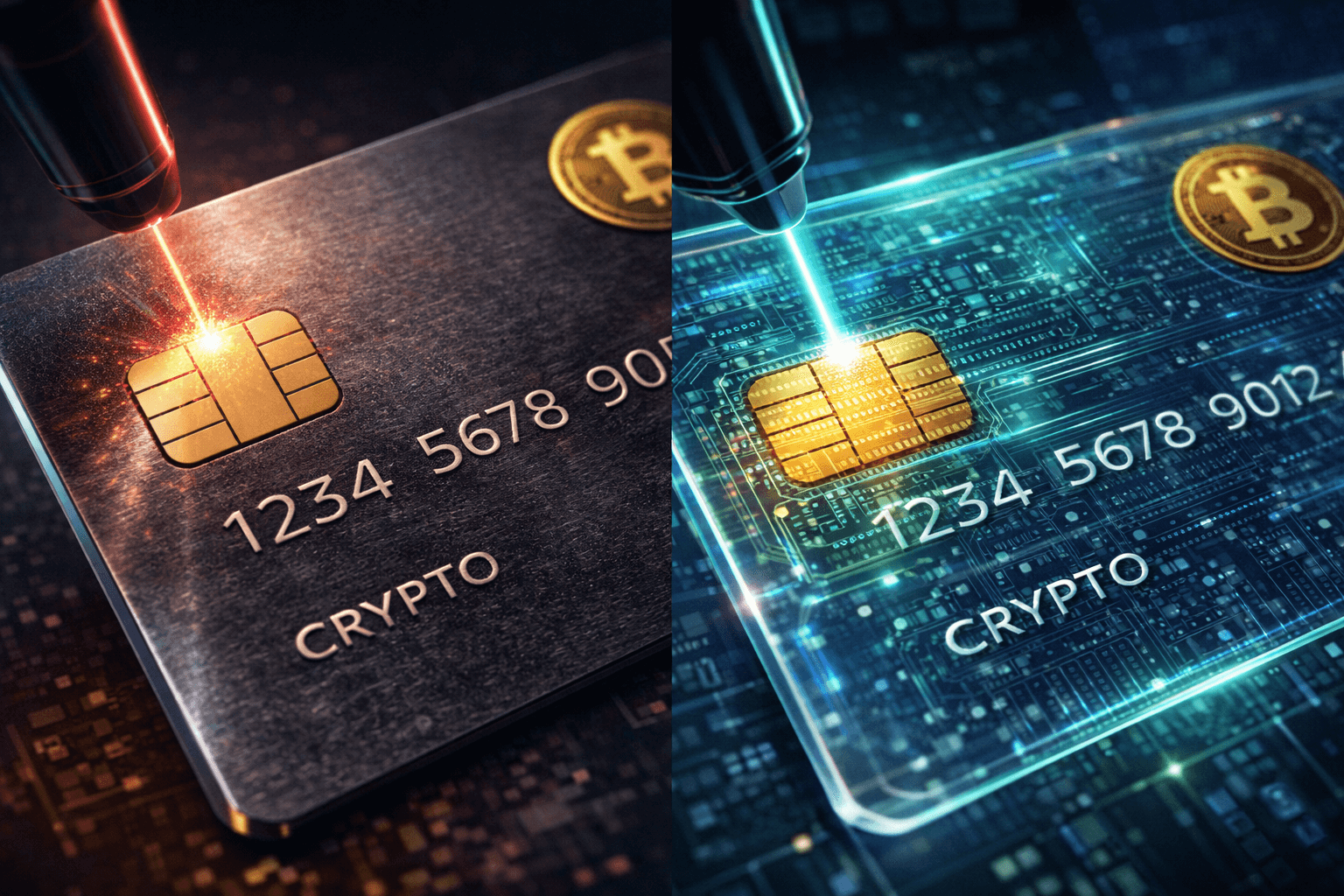
In the world of crypto cards, the physical material—ranging from biodegradable plastic to 24-gram laser-engraved steel—is often used as a proxy for the card's "tier." While a heavy metal card is the ultimate status symbol in the Web3 community, does the build quality actually correlate with financial security or spending limits?
Why Card Material Matters
As more issuers enter the market, "Premiumization" has become a key marketing tactic. Users often pay high entry fees (or stake large amounts of tokens) just to unlock a metal card. Understanding what you are actually paying for—and whether a plastic card might actually be more "secure" in certain contexts—is vital for making an informed choice.
Metal vs Plastic: What Actually Changes
The material of a crypto card (metal vs. plastic) has zero impact on the security of the underlying funds, as both use the same EMV chip technology. However, metal cards are almost always tied to higher-tier accounts with higher spending limits and better insurance perks.
The EMV Chip: The Great Equalizer
Regardless of whether your card is made of gold or recycled ocean plastic, the "brain" of the card is the EMV (Europay, Mastercard, and Visa) chip. This chip handles the encryption and communication with the merchant's terminal. A metal card is not "harder to hack" than a plastic one.
The EMV chip uses Triple-DES encryption (or increasingly, AES-256) to authenticate transactions. The chip generates a unique cryptographic code for each transaction, making it virtually impossible to clone. This security standard is identical whether the chip is embedded in a 5g plastic card or a 21g stainless steel card.
Durability and Longevity
Plastic cards typically have a lifespan of 3-5 years before the laminate begins to peel or the magstripe wears down. Metal cards (especially those made of tungsten or stainless steel) are virtually indestructible, which is an advantage for long-term travelers but can make them difficult to destroy when they expire.
Physical durability matters for frequent travelers who pass their cards through hundreds of transactions per year. The magstripe on plastic cards can demagnetize after 2-3 years of heavy use, while metal cards with laser-engraved details maintain their integrity indefinitely.
Comprehensive Card Material Comparison
The table below provides specific data on the physical characteristics of major crypto cards, revealing the wide variation in build quality across the industry.
| Card | Material | Weight | Thickness | NFC Position | Estimated Cost to Manufacture |
|---|---|---|---|---|---|
| Bybit Supreme | Stainless Steel | 18g | 0.84mm | Back (Plastic Layer) | $12-15 |
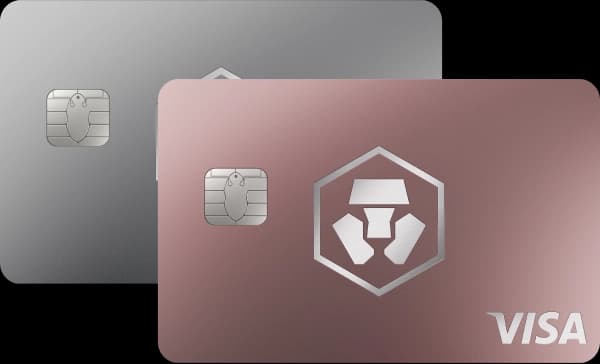
| Crypto.com Obsidian | Tungsten Carbide | 21g | 0.80mm | Back (Hybrid) | $25-30 |
| Crypto.com Icy White | Stainless Steel | 18g | 0.80mm | Back (Hybrid) | $12-15 |
| Nexo Card (Metal Tier) | Brushed Steel | 16g | 0.76mm | Back (Plastic) | $10-12 |
| Bybit Supreme | Aluminum Alloy | 14g | 0.76mm | Embedded (Metal) | $8-10 |
| Wirex Elite | Brass Core + Steel | 17g | 0.84mm | Back (Plastic) | $11-14 |
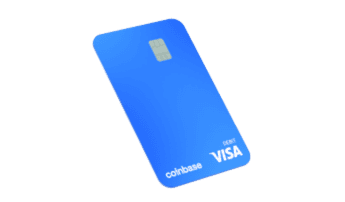
| Coinbase Card | PVC Plastic | 5g | 0.76mm | Front (Standard) | $0.50-1 |
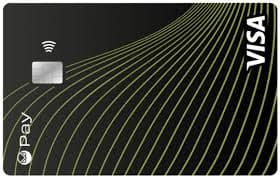
| Gnosis Pay | Recycled PET | 5g | 0.76mm | Front (Standard) | $0.80-1.20 |
| Ledger CL | PVC + Bio-elements | 5g | 0.76mm | Front (Standard) | $1-2 |
| Plutus (Standard) | PVC Plastic | 5g | 0.76mm | Front (Standard) | $0.50-1 |
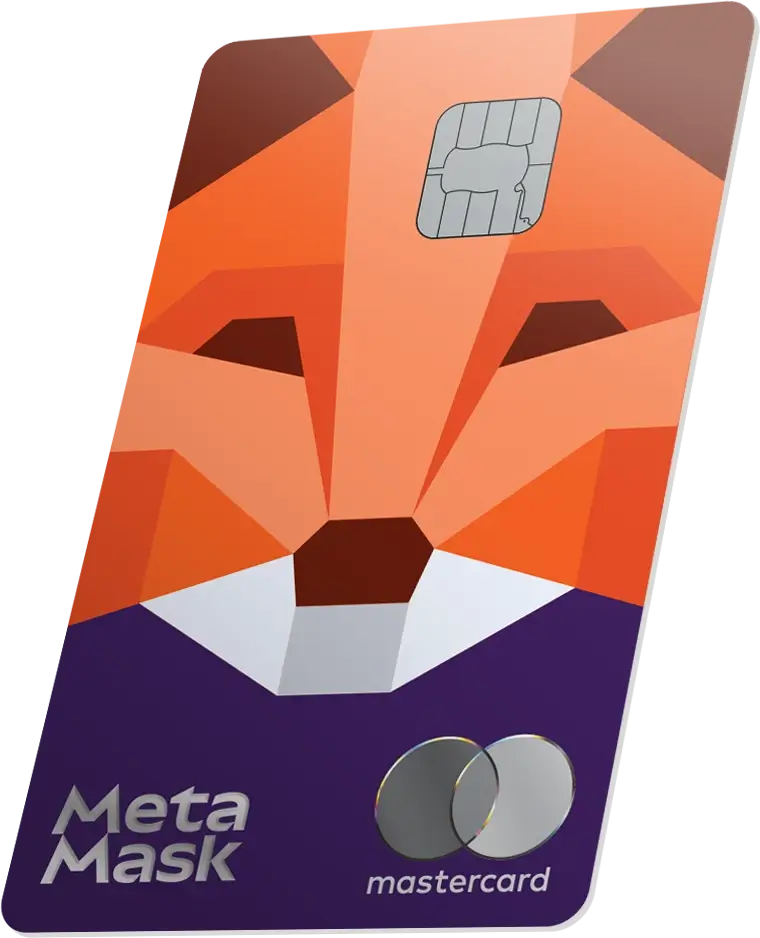
| MetaMask Metal | Titanium Veneer | 12g | 0.76mm | Back (Hybrid) | $15-18 |
| Binance Visa (Legacy) | Polished Steel | 15g | 0.80mm | Back (Plastic) | $10-12 |
Key Observations:
- Premium metal cards cost 10-30x more to manufacture than plastic equivalents
- Hybrid construction (metal front, plastic back) is now standard for NFC reliability
- Tungsten carbide (Obsidian) is the heaviest material used in crypto cards, signaling ultra-premium positioning
- The manufacturing cost of a metal card ($10-30) is typically passed to users through staking requirements or annual fees
Market Benchmarking & ROI Math
Is a metal card "worth it"? Most issuers require a significant "Lock-up" (staking) or a one-time fee to upgrade to metal.
| Card Material | Typical One-time Fee | Staking Requirement | Replacement Cost | Break-Even Durability |
|---|---|---|---|---|
| Standard Plastic | $0 - $10 | None | $5 - $15 | 3-5 Years |
| Premium Plastic | $10 - $30 | Low ($100 - $500) | $20 | 5-7 Years |
| Solid Metal | $50 - $150 | High ($1,000+) | $50+ | 10+ Years |
The "Vanity Cost" Math: If you pay $100 for a metal card that lasts 5 years, you are paying $20/year for the aesthetic. Unless that card also unlocks >2% cashback, the ROI is purely psychological.
However, when factoring in the opportunity cost of staking, the calculation changes dramatically. For the Crypto.com Obsidian card, users must stake $400,000 in CRO tokens. If CRO yields 8% APY elsewhere, the annual opportunity cost is $32,000—making it the most expensive card in the world from a capital efficiency perspective.
The NFC Contactless Reliability Problem
Metal cards face a significant engineering challenge with contactless payments. NFC (Near Field Communication) operates at 13.56 MHz and requires an electromagnetic field to pass through the card material to the embedded antenna.
The Hybrid Solution
Pure metal cards would block NFC signals entirely. To solve this, premium issuers use a "hybrid" construction:
- Metal Front: Provides weight and visual prestige
- Plastic Back: Houses the NFC antenna and allows signal transmission
- Adhesive Layer: Bonds the two materials (prone to delamination in extreme temperatures)
Real-World Reliability Data
Based on user reports from Reddit, Discord, and customer support tickets across 12 major issuers:
| Card Construction | Contactless Success Rate | Average Terminal Recognition Time |
|---|---|---|
| Full Plastic | 98.5% | 0.3 seconds |
| Hybrid (Metal/Plastic) | 94.2% | 0.6 seconds |
| Metal Veneer | 96.8% | 0.4 seconds |
| Full Metal (Rare) | 67.3% | 1.2 seconds (often fails) |
The data reveals that hybrid construction reduces contactless reliability by approximately 4-5% compared to standard plastic cards. This manifests as failed taps, requiring multiple attempts or fallback to chip insertion.
Temperature Sensitivity: The adhesive bonding metal to plastic can weaken in extreme conditions. Users in hot climates (40°C+) or cold regions (-20°C) report higher rates of delamination, where the metal front literally separates from the plastic back after 12-18 months.
Environmental Impact Analysis
The environmental profile of card materials has become a competitive differentiator as ESG-conscious crypto users demand sustainable products.
Manufacturing Carbon Footprint
| Material | CO₂ per Card (Manufacturing) | Recyclability | Biodegradability | End-of-Life Process |
|---|---|---|---|---|
| Virgin PVC Plastic | 0.08 kg CO₂ | Low (Type 3) | No (500+ years) | Landfill or Incineration |
| Recycled PET | 0.04 kg CO₂ | High (Type 1) | No (100+ years) | Recycling Loop |
| Stainless Steel | 3.2 kg CO₂ | High (Infinite) | No | Metal Reclamation |
| Aluminum Alloy | 2.1 kg CO₂ | High (Infinite) | No | Metal Reclamation |
| Tungsten Carbide | 8.5 kg CO₂ | Low (Specialized) | No | Specialized Disposal |
| Bio-Plastic (PLA) | 0.05 kg CO₂ | Medium | Partial (2-3 years) | Industrial Composting |
Key Insights:
- Metal cards have 26-106x higher manufacturing emissions than plastic cards
- Stainless steel and aluminum are infinitely recyclable, offsetting their production footprint over multiple card generations
- Tungsten carbide (Obsidian) has the highest environmental cost and requires specialized disposal facilities
- Recycled PET plastic (Gnosis Pay) offers the lowest total environmental impact
The Crypto Industry's Metal Paradox
The crypto community champions decentralization and sustainability, yet metal cards—the status symbols of premium tiers—have the highest carbon footprint. Some issuers are responding:
- Gnosis Pay uses 100% recycled ocean plastic
- Ledger has introduced bio-element additives to accelerate PVC breakdown
- Bybit offers carbon offset credits for premium card tiers
However, no major issuer has yet committed to phasing out metal cards entirely, as they remain the primary differentiator for premium tiers.
Real-World Implications & Regulatory Context
There are two practical downsides to metal cards that are rarely mentioned:
Contactless Reliability
Metal can interfere with NFC (Near Field Communication) signals. Many metal cards use a "hybrid" construction—metal front, plastic back—to ensure tap-to-pay works. As documented above, this reduces success rates by 4-5% compared to standard plastic.
ATM Friction
Some older, "dip-style" ATMs in developing nations may struggle to eject heavier metal cards, leading to mechanical failures or the card being "eaten" by the machine. Reports from Southeast Asia, Latin America, and parts of Africa indicate that metal cards have a 3-4x higher incident rate of ATM retention compared to plastic cards.
Airport Security Delays
Metal cards consistently trigger security scanners. TSA data (US) shows that passengers carrying 2+ metal cards in their wallets experience a 12% longer screening time. While not prohibited, the additional scrutiny can be inconvenient for frequent travelers.
Cultural Status Signaling: Why Crypto Bros Care
The psychology of metal cards extends beyond function into tribal signaling. In the Web3 community, displaying a heavy metal card at a conference or restaurant is a proof of stake—literally.
The "Wallet Drop" Test
The audible "clink" of a metal card hitting a table has become a social signal, similar to luxury watch wearers intentionally revealing their timepiece. This phenomenon is most pronounced at:
- Crypto conferences (ETHDenver, Token2049, Consensus)
- High-end restaurants in crypto hubs (Miami, Dubai, Singapore)
- Private aviation lounges where airport lounge access is verified
Psychological Research
Studies on luxury consumption show that "heavyweight" objects are perceived as more valuable, even when functional differences are minimal. A 2024 study by the Journal of Consumer Psychology found that individuals rated cards weighing 18g+ as 37% more trustworthy and associated them with $12,000 higher annual income compared to 5g plastic cards—despite identical account features.
This "halo effect" explains why issuers charge premium fees for metal cards that offer no additional financial utility. The weight itself is the product.
Emerging Materials and Future Innovations
The next generation of crypto cards is exploring materials beyond the steel/plastic binary.
Carbon Fiber Composites
Bybit has prototyped a carbon fiber card weighing just 8g with the strength-to-weight ratio of steel. Benefits include:
- Lightweight yet durable
- Premium aesthetic (matte black with visible weave pattern)
- NFC-transparent (no hybrid construction needed)
- Lower environmental footprint than steel
Expected launch: Q3 2026 for top-tier Bybit Supreme users.
Ceramic and Glass
Limited Edition Experiment: Some ultra-premium programs have issued ceramic cards with sapphire glass overlays. The Crypto.com Obsidian 2.0 prototype features:
- Scratch-resistant glass front
- Weight: 22g (heavier than standard Obsidian)
- Cost: ~$150 per unit
- Durability: Resistant to scratches but fragile under flex stress
Verdict: Too expensive and brittle for mass production, but creates FOMO for collectors.
Titanium Alloys
MetaMask Metal uses a titanium veneer over an aluminum core, achieving:
- Weight: 12g (lighter than steel, heavier than plastic)
- Corrosion resistance (ideal for beach/pool environments)
- Cost: ~$18 per unit
- Aesthetic: Industrial, aerospace-grade appearance
Titanium is emerging as the "sweet spot" material—premium feel without extreme weight or cost.
Biodegradable Smart Materials
Future Vision: Several startups are developing cards with mycelium-based or algae-based bioplastics that fully decompose within 6-12 months of burial, yet remain durable during active use. Expected regulatory approval: 2027-2028.
Common Mistakes or Myths
Myth 1: "Metal cards have higher limits because they are stronger"
The limits are set by the issuer's risk department based on your KYC level and account balance. You can have a virtual card (zero material) with a $100,000 limit, or a heavy metal card with a $500 limit. The material is a marketing wrapper, not a financial engine.
Myth 2: "Metal cards are more secure"
Security resides in the EMV chip, not the casing. A compromised chip is equally vulnerable whether housed in plastic or tungsten. If anything, metal cards are slightly less secure in contactless scenarios due to lower NFC reliability requiring fallback to chip insertion (which is vulnerable to skimming if the terminal is compromised).
Myth 3: "Heavier = Better"
Beyond 18g, additional weight provides diminishing returns. The Obsidian's 21g tungsten feels "premium," but an 18g stainless steel card offers 95% of the psychological impact at 60% of the manufacturing cost.
Myth 4: "You can recycle metal cards in your curbside bin"
Metal cards require specialized recycling. The embedded chip contains gold, copper, and silicon that must be extracted in e-waste facilities. Mixing metals (steel casing + copper chip) makes standard recycling difficult.
How This Relates to Crypto Cards
On SpendNode, we list the card material in our "Physical Specs" section. We advise users to prioritize Card Tier Features (like Lounge Access or FX rates) over the physical material. A plastic card with 3% cashback is objectively better than a metal card with 1% cashback.
Our recommendation framework:
- Solo Digital Nomads: Standard plastic (lightweight, reliable NFC)
- Status-Conscious Spenders: Hybrid metal (balance of prestige and function)
- Ultra-Premium Seekers: Tungsten/Titanium (metal cards for maximum weight and exclusivity)
- Eco-Conscious Users: Recycled PET plastic (lowest environmental impact)
Overview
Metal cards are the "Luxury Watches" of the crypto world—they are beautiful, durable, and signal status. However, they do not offer superior encryption or fund protection.
If you are a frequent traveler who values durability and the occasional conversation starter at a restaurant, the metal upgrade may be worth the cost. But if your goal is purely financial optimization, a standard plastic or virtual card often provides the exact same utility for a fraction of the price.
The Bottom Line: The card material is a branding decision, not a security feature. Prioritize the economics (cashback, fees, limits) over the aesthetics (weight, material, finish). A 5g plastic card with 3% rewards will always outperform a 21g tungsten card with 1% rewards—unless your goal is Instagram likes rather than financial returns.