


Best Crypto Cards in Mongolia (2026)
Compare crypto cards available in Mongolia. KAST, RedotPay, COCA, and Crypto.com offer stablecoin spending in a country with licensed exchanges and a growing digital economy.
Verified for Mongolia
35 crypto cards available
Local currency: MNT
Mongolia is a landlocked country of 3.4 million people with one of the world's lowest population densities, but Ulaanbaatar (home to half the population) has a surprisingly digital financial ecosystem. Mobile banking penetration exceeds 90%, QPay QR payments are accepted at nearly every merchant in the capital, and the Financial Regulatory Commission (FRC) has established one of Asia's few formal VASP licensing frameworks.
A crypto card complements this digital infrastructure by providing what Mongolian bank cards cannot: international e-commerce access, cross-border payments, and zero FX fees that Mongolian banks charge at 2-4%.
Khan Bank, Golomt Bank, and TDB (Trade and Development Bank) debit cards earn zero to negligible cashback and charge high markups on non-MNT (Mongolian tugrik) transactions. The tugrik trades around MNT 3,450 per USD with steady depreciation driven by Mongolia's dependence on commodity exports (copper, coal, gold) and Chinese demand fluctuations. A zero-FX crypto card saves 2-4% per international transaction while earning cashback on every purchase.
We checked MNT conversion rates across all card issuers - Mongolia's FRC licensing framework, flat 10% tax rate, and position between crypto-banned China and crypto-restricting Russia create a unique regulatory niche in Central/East Asia.
| Card | Max Cashback | Annual Fee | FX Fee | Card Type | Why It Fits Mongolia |
|---|---|---|---|---|---|
| Bitget | 8% BGB | Free | 0% + 0.9% tx | Debit | Highest free cashback, zero FX |
| Kolo | 2% BTC | $0 | 0% | Prepaid | Free BTC cashback, $0 annual, 0% FX |
| Crypto.com | Icy 4% | CRO stake | 0% | Prepaid | Metal tiers + airport lounge perks |
| KAST | 2% | Free | 0.5% | Prepaid | Online shopping from USD or USDC balances |
| RedotPay | - | Free-$100 | 1.2% | Prepaid | Stablecoin-native |
Bitget delivers the highest net return at 7.1% (8% minus 0.9% tx fee) with zero FX. Kolo provides 2% BTC cashback with $0 annual fee and 0% FX. KAST is the simplest prepaid option: 2%, $0, 0.5% FX. RedotPay Solana suits stablecoin users.
Crypto.com adds value for Mongolians transiting through Seoul's Incheon (ICN) or Tokyo's Narita (NRT) with lounge access on the Icy White tier (4%).
Best Card For Every Need in Mongolia
Top 5 Crypto Cards in Mongolia
Mongolia's 30% mining GDP means Oyu Tolgoi and Erdenet rotation workers earning MNT 2-5 million monthly are the highest-income crypto card demographic in the country. Bitget's 8% BGB cashback (7.1% net) with zero FX makes every off-rotation Ulaanbaatar spending spree count. Kolo's 2% BTC cashback with $0 annual fee remains a simple BTC cashback option for moderate spenders.
KAST earns its place for UB's broader professional class at MNT 500,000/month because 2% cashback plus 0.5% FX on international shopping (80% of consumer goods are imported) still beats every Khan Bank product. ether.fi avoids Mongolia's flat 10% CGT on crypto disposals entirely through borrow-to-spend.
Crypto.com Icy White (4%) earns its spot specifically for the Incheon lounge - Seoul is Mongolia's primary international transit hub, and the 100,000+ Mongolians in South Korea fly this route constantly.
1. Bitget Card
Trade and Spend: Up to 8% BGB Cashback for Bitget Traders
2. Kolo Card
Earn Bitcoin on Purchases: 2% BTC Cashback + Visa Platinum + 170+ Countries
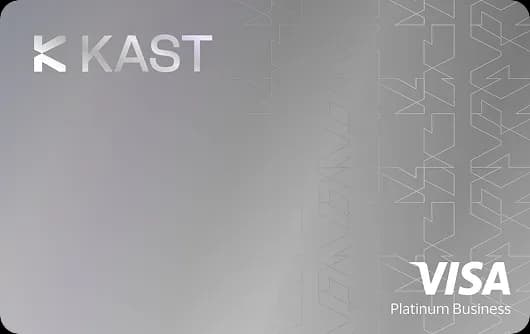
3. KAST K Card
Early Adopter Access: 2% Points + 4% $MOVE on Every Swipe

4. ether.fi Core Card
Zero Barriers: 3% Back on Every Purchase, No Stake Required
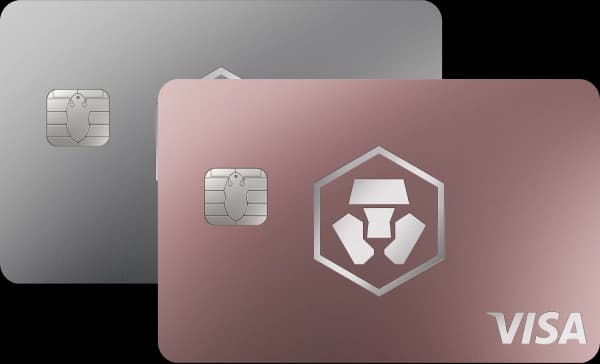
5. Private (Icy White / Rose Gold)
Elite Private Status: 4% Uncapped Cashback + Guests
Crypto Card Regulation in Mongolia
Mongolia has a relatively developed crypto regulatory framework for the region. The Financial Regulatory Commission (Sankhyugiin Zohitsooliin Khoroo, FRC) began regulating virtual asset service providers (VASPs) in 2021, establishing licensing requirements for exchanges, custodians, and other crypto businesses under the Law on Virtual Asset Service Providers.
Licensed exchanges: Coinhub MN is Mongolia's primary FRC-licensed crypto exchange, offering MNT/BTC, MNT/ETH, and MNT/USDT pairs with domestic bank transfer deposits. Ard Bit (affiliated with the Ard Financial Group, one of Mongolia's largest financial conglomerates) also holds FRC licensing.
Licensed VASPs must comply with AML/KYC requirements aligned with FATF recommendations, maintain capital reserves, and report suspicious transactions to the FIU (Financial Intelligence Unit) under the Bank of Mongolia.
The Bank of Mongolia (BOM, Mongol Ulsyn Bank) does not recognize cryptocurrency as legal tender but has taken a measured, pragmatic approach. The BOM neither banned crypto nor restricted individual ownership. The BOM is studying a central bank digital currency (CBDC) as part of Mongolia's digital transformation strategy, building on the country's already-high mobile banking adoption.
Mongolia's regulatory position is unusual in Asia: it sits between China (complete crypto ban since 2021) and Russia (which banned crypto payments in 2022 but allows mining). Mongolia's FRC licensing represents a middle path that permits regulated crypto activity while maintaining oversight. This positions Mongolia as a potential regional hub for Central Asian crypto services.
Key regulatory facts:
- Crypto ownership and trading: Legal through FRC-licensed platforms
- Crypto card usage: Unrestricted (no specific prohibition)
- VASP licensing: Active and enforced (FRC oversight)
- Banking access to crypto: Permitted (domestic banks can process fiat for licensed VASPs)
Tax Treatment of Card Rewards in Mongolia
Mongolia has a simple tax system. The General Department of Taxation (Tatvaryn Yerunkhlul Gazar, GDT) administers the Personal Income Tax Law.
Personal Income Tax
Mongolia applies a flat 10% personal income tax on most income types including salaries, business income, and investment returns. Capital gains from the disposal of assets are taxed at the same 10% rate. If crypto disposals are classified as capital gains (the most likely treatment under the general framework), the 10% rate applies.
How It Works for Card Spending
| Scenario | Acquisition Cost | Disposal Value | Gain | Tax (10%) | Net After Tax |
|---|---|---|---|---|---|
| BTC bought at MNT 3M, spent at MNT 5M | MNT 3,000,000 | MNT 5,000,000 | MNT 2,000,000 | MNT 200,000 | MNT 4,800,000 |
| ETH bought at MNT 500K, spent at MNT 800K | MNT 500,000 | MNT 800,000 | MNT 300,000 | MNT 30,000 | MNT 770,000 |
| USDC bought at MNT 3,450, spent at MNT 3,460 | MNT 3,450 | MNT 3,460 | MNT 10 | MNT 1 | Near-zero tax |
Mongolia's flat 10% is one of Asia's lowest crypto tax rates. Compare: Japan 15-55%, South Korea 22%, India 30%, Thailand 15%. Only the zero-tax jurisdictions (Hong Kong, Singapore, UAE) beat Mongolia.
The GDT has not issued specific crypto tax guidance. Tax enforcement primarily focuses on the mining sector (Mongolia's largest industry, Oyu Tolgoi copper/gold mine alone generates significant government revenue) and formal businesses. Individual crypto transaction reporting is not required.
| Cashback Type | Tax When Received | Tax When Spent/Sold | Optimal Strategy |
|---|---|---|---|
| BTC/ETH cashback | Likely untaxed (rebate) | 10% on gains if enforced | Hold, track cost basis |
| Stablecoin cashback (USDC) | Not taxed | Near-zero gain | Spend anytime |
| Points/token cashback | Likely untaxed | 10% on gains if sold | Convert to stablecoin |
Stablecoin funding avoids the 10% capital gains tax on appreciated crypto. At 10%, the math is simple, but why pay any tax when USDC spending creates near-zero gains?
How to Apply from Mongolia
Crypto card applications from Mongolia require the Mongolian National ID Card (Irgen Ynetiin Unemieh Batalgaajilt, Citizen Identity Card), issued by the General Authority for State Registration (GASR, Ulsyn Burtgeliin Yerunkhlul Gazar). The ID contains a unique registration number and is mandatory for all citizens over 16. Mongolia has been transitioning to biometric smart ID cards.
Mongolian passport (biometric, ICAO-compliant) issued by the Immigration Agency of Mongolia is well-recognized internationally and accepted by all major card issuers.
Proof of address: utility bills from UBEG (Ulaanbaatar Electricity Distribution Network, Ulaanbaataryn Tsahilgaan Tugeekh Sulzhe), USUG (Ulaanbaatar Water Supply and Sewerage Authority), or telecom bills from Mobicom (largest carrier, Sumitomo-backed), Unitel (second-largest), or Skytel (third).
Bank statements from Khan Bank (Mongolia's largest by retail customers, 80% of all salary accounts), Golomt Bank (premium/corporate focus), TDB (Trade and Development Bank), or Xac Bank (microfinance pioneer, now full commercial) also work.
Mongolian diaspora: Approximately 100,000+ Mongolians live in South Korea (largest diaspora, primarily industrial workers), 30,000+ in Japan, growing communities in the US, Germany, and Czech Republic. Host-country documents (Korean ARC, Japanese residence card) provide broader issuer access.
FRC-licensed Coinhub MN offers streamlined KYC for Mongolian citizens using the National ID.
Spending Tips for Mongolia
What Mongolian Bank Cards Actually Cost You
Mongolia's banking sector is concentrated: Khan Bank (Khaan Bank, the undisputed retail leader, handling approximately 80% of salary accounts and pension payments, 550+ branches including ger district kiosks), Golomt Bank (premium positioning, corporate banking strength), TDB (Trade and Development Bank, international trade focus), and Xac Bank (originally a microfinance institution, now serving 800,000+ customers).
State-owned Khas Bank (formerly State Bank) and Bogd Bank serve specific segments.
Mongolian bank debit cards earn zero cashback on domestic transactions. International FX markup: 2-4% across all banks (Visa/MC base rate + bank spread of 1-2.5%). Khan Bank's Visa debit charges approximately 2.5% on non-MNT transactions. For international online shopping (a primary card use case in Mongolia, where most goods are imported), this silent FX tax applies to every purchase.
| Category | Khan Bank Debit | Crypto Card (Bitget 7.1% net) | Annual Difference |
|---|---|---|---|
| Annual fee | MNT 0 | MNT 0 | MNT 0 |
| Cashback on MNT 300K/mo | MNT 0 | MNT 255,600 (7.1%) | MNT 255,600 earned |
| FX on MNT 200K/mo intl | MNT 48,000-96,000 | MNT 0 | MNT 48,000-96,000 saved |
| Total annual advantage | - | - | MNT 303,600-351,600 |
According to our regional data, the total advantage reaches MNT 303,600-351,600/year (approximately USD 88-102). In Ulaanbaatar, that covers 3-4 weeks of groceries or 2 months of mobile data.
The QPay Economy and Where Cards Fit
QPay (by Qpay LLC) dominates Mongolian digital payments with QR-based transactions accepted at nearly every merchant in Ulaanbaatar. SocialPay (Golomt Bank), MonPay (Khan Bank), and Most Money handle MNT domestic payments. These apps are excellent for local spending but handle only tugrik transactions within Mongolia.
A crypto card fills the gap QPay cannot: international e-commerce, foreign subscriptions, cross-border travel spending, and the tugrik depreciation hedge. The two systems complement each other. Use QPay for local shops, tea houses, and taxis. Use a crypto card for everything international.
Card Selection for Mongolian Users
- Bitget (8% BGB, 7.1% net): Highest free cashback, zero FX
- Kolo (2% BTC, $0, 0% FX): Free BTC cashback without staking
- Crypto.com (Icy White 4%): Best for Korea/Japan transit lounges
- KAST (2%, 0.5% FX): Quick prepaid option for imported-goods and subscriptions
- ether.fi (3%, 1% FX): Borrow against staked ETH, avoid triggering 10% tax
Cost of Living and Spending Tiers
- Ulaanbaatar (Sukhbaatar/Khan-Uul center): MNT 600,000-1,500,000 rent (1-bed), MNT 200,000-400,000 groceries, MNT 150,000-300,000 dining. Best card acceptance. Most expats and international workers live here.
- Ulaanbaatar (Bayangol/Chingeltei/ger districts): MNT 300,000-800,000 rent. QPay dominant, card acceptance limited to chain stores.
- Darkhan (second city, 80,000+ population): MNT 200,000-500,000 rent. Limited card acceptance (Nomin supermarket, select hotels).
- Erdenet (third city, copper mining hub): MNT 200,000-500,000 rent. Similar to Darkhan.
Monthly card-eligible spending: MNT 200,000-1,500,000 ($58-435).
Spending Scenario: MNT 500,000/month Ulaanbaatar Professional
| Category | Monthly | Annual | Where It Goes |
|---|---|---|---|
| Groceries | MNT 150,000 | MNT 1,800,000 | Nomin, State Dept Store, E-Mart |
| International shopping | MNT 100,000 | MNT 1,200,000 | AliExpress, Amazon (via forwarder) |
| Dining | MNT 80,000 | MNT 960,000 | Restaurants, Korean BBQ, cafes |
| Subscriptions | MNT 40,000 | MNT 480,000 | Netflix, Spotify, VPN |
| Transport | MNT 30,000 | MNT 360,000 | UB Cab, city bus |
| Shopping | MNT 100,000 | MNT 1,200,000 | Shangri-La Mall, UB Galleria |
Total: MNT 6,000,000/year ($1,739). At 7.1% net (Bitget): MNT 426,000/year ($123). At 2% (Kolo): MNT 120,000/year ($35). At 2% (KAST): MNT 120,000/year ($35).
The Ger District and Mongolia's Digital Divide
Approximately 60% of Ulaanbaatar's 1.5 million residents live in ger districts (ger khoroolol) - sprawling neighborhoods of traditional felt yurts and small houses without centralized water or sewerage. Despite the infrastructure gap, mobile penetration in ger districts is high (smartphones are ubiquitous), and QPay works as long as there is cellular coverage.
Card acceptance in ger districts is near zero: small shops, markets, and service providers deal in cash and QPay QR payments only. Crypto card spending concentrates in central UB (Sukhbaatar Square area, Peace Avenue corridor, Seoul Street) where modern retail exists.
For ger district residents, a crypto card's value is primarily online shopping (imported goods from China and Korea via AliExpress, Taobao agents, and Coupang Global) and subscription services. The physical card sees use at Nomin supermarkets and when visiting central UB.
Mining Economy and Income Context
Mongolia's economy is approximately 30% mining by GDP. Oyu Tolgoi (Rio Tinto/Turquoise Hill, one of the world's largest copper-gold mines, Southern Gobi) employs thousands of well-paid workers on rotation schedules (typically 4 weeks on, 2 weeks off). Erdenet Mining (copper, Mongolia's second-largest mine, state-owned) and Tavan Tolgoi (coal, Omnogovi province) employ additional thousands.
Mining workers earn MNT 2-5 million/month (USD 580-1,450), significantly above the national average. These workers have disposable income, limited spending opportunities at remote mine sites, and accumulate savings that benefit from USD-denomination via stablecoins. They represent a natural crypto card demographic: high earners who spend heavily during their off-rotation periods in Ulaanbaatar.
The Harsh Climate Factor
Mongolia has the world's coldest capital city (average January temperature: -24C/-11F). The extreme continental climate (-40C in winter, +35C in summer) creates a seasonal spending pattern: winter months drive high utility costs (heating, which is district-provided from the Ulaanbaatar power plants), imported winter gear (most purchased online from China or Korea), and indoor entertainment spending.
Summer brings Naadam festival spending and countryside travel. Card spending peaks in winter for online shopping and in summer for travel.
Import Dependency: Why FX Savings Matter More Here
Mongolia imports approximately 80% of consumer goods. Electronics come from South Korea and China, vehicles from Japan and South Korea (right-hand-drive Priuses are ubiquitous), clothing from China and Turkey, food products from Russia and China, and building materials from China. Every import-dependent purchase involves FX conversion somewhere in the supply chain.
For direct international purchases (online shopping, subscriptions, travel bookings), the 2-4% bank FX markup applies to the entire transaction. On MNT 200,000/month ($58) in international purchases, bank FX charges MNT 48,000-96,000/year ($14-28). A zero-FX crypto card eliminates this entirely. Combined with 2-8% cashback, the annual savings for an internationally connected Mongolian professional are meaningful relative to local income levels.
Cross-Border Spending
Mongolia's landlocked position between two giant neighbors creates natural cross-border spending:
- South Korea (KRW): The most popular international destination for Mongolians. 100,000+ Mongolians live in Korea. Incheon Airport is the primary international hub.
- Japan (JPY): Growing tourism and diaspora. Narita/Haneda connections.
- China (CNY): Zamyn-Uud/Erenhot border crossing for the Trans-Mongolian Railway. Trade relationships despite China's crypto ban.
- Russia (RUB): Northern border. Ulan-Ude and Irkutsk connections via Trans-Siberian Railway.
- Turkey (TRY): Historical Turkic cultural connection, growing tourism.
Every cross-border transaction through a bank card triggers 2-4% FX. A zero-FX crypto card saves on every international purchase.
Local Payment Infrastructure
Ulaanbaatar has better digital payment infrastructure than most cities its size. QPay QR codes are ubiquitous. Visa/Mastercard contactless works at hotels (Shangri-La, Best Western, Blue Sky Tower, Flower Hotel, Kempinski), restaurants in Sukhbaatar and Khan-Uul districts, supermarkets (Nomin group stores, State Department Store, E-Mart, Sky Department Store), and shopping centers (Shangri-La Mall, UB Galleria, Gegeenten Center).
Apple Pay and Google Pay work through international issuers at supporting merchants.
Cash (MNT) is used for markets (Narantuul Market aka Black Market, Mongolia's largest open-air market, Mercury Market), taxis (though UB Cab and other apps accept digital payment), street food vendors, and informal commerce. Outside Ulaanbaatar, card acceptance drops sharply: Darkhan, Erdenet, and smaller cities have very limited Visa/MC acceptance, though QPay works wherever there is mobile coverage.
Supported Exchanges & Wallets in Mongolia
Coinhub MN (FRC-licensed, Mongolia's primary domestic exchange) offers MNT fiat pairs for Bitcoin, Ethereum, and USDT via domestic bank transfer. The MNT/USDT pair enables direct stablecoin purchases for card funding. Ard Bit (FRC-licensed, affiliated with Ard Financial Group) provides additional exchange options. Both comply with FRC AML/KYC requirements.
For mining sector professionals (Oyu Tolgoi rotation workers earning MNT 2-5 million/month), Bitget at 8% BGB via the exchange card and wallet card suits BGB holders.
Crypto.com adds airport lounge access at Incheon (ICN) - Mongolia's primary international transit hub - on the Icy White tier (4%). Wirex covers Standard and Elite tiers.
Kolo at 2% BTC cashback with $0 annual fee and 0% FX remains a simple free BTC cashback card without exchange staking. Avici offers crypto-backed credit through Platinum and Signature.
ether.fi with the free Core Card lets ETH holders borrow against staked positions - avoiding the 10% capital gains tax on disposal.
For users who need a prepaid card before they commit to exchange reward ladders, KAST provides 2% cashback with 0.5% FX.
RedotPay with Virtual, Solana, and Physical cards suits stablecoin-native users hedging against MNT depreciation. xPlace and Jupiter serve the Solana ecosystem.
Naadam and Seasonal Spending
Naadam (National Festival, held every July 11-15) is Mongolia's biggest spending event: traditional wrestling, horse racing, and archery competitions. Hotels double in price, domestic travel peaks (countryside ger camps, Terelj National Park), and shopping for deel (traditional dress) and festival supplies drives retail volume. Card acceptance at Naadam venues is growing but remains limited.
The Tsagaan Sar (White Moon, Mongolian Lunar New Year, January/February) drives family gift-giving and feast preparation spending. Both events create seasonal card spending peaks that compound cashback earnings.
Mongolia's FRC-licensed exchange framework, flat 10% tax rate, 90%+ mobile payment adoption in Ulaanbaatar, and position as a regulated crypto jurisdiction between banned China and restricted Russia make it an underrated market. The primary use case is international spending power and the MNT depreciation hedge for Ulaanbaatar's digitally connected professionals.
Written by SpendNode Editorial
Frequently Asked Questions
Which crypto cards work in Mongolia?
Mongolia is served by APAC-region and globally available cards including Bitget (8% BGB, 0% FX), Kolo (current 2% BTC headline, 0% FX), KAST (2%, 0.5% FX), Crypto.com (Icy White 4%), and ether.fi (3%, borrow-to-spend). Visa and Mastercard acceptance is good in Ulaanbaatar.
Is cryptocurrency legal in Mongolia?
Yes. The Financial Regulatory Commission (FRC) has regulated virtual asset activities since 2021. Licensed exchanges operate legally. The Bank of Mongolia (BOM) does not recognize crypto as legal tender but permits regulated trading and ownership.
How is crypto taxed in Mongolia?
Mongolia applies a flat 10% income tax on individuals. Capital gains from crypto are likely taxable under the Personal Income Tax Law. The General Department of Taxation has not issued specific crypto guidance, but the 10% flat rate would apply if gains are classified as income.
What is Mongolia's crypto ecosystem like?
Mongolia has several licensed exchanges (Coinhub MN, Ard Bit). The FRC provides a regulatory framework for VASPs. Ulaanbaatar has a growing tech scene with blockchain companies. The country's proximity to China (which banned crypto) and Russia creates cross-border trading dynamics.
Other Countries
View all 107 countries →


Recent Updates to Best Crypto Cards in Mongolia
- COCA removed entirely (not in availableCountries), replaced with Kolo and Bitget throughout
- Crypto.com 5%/Jade/Royal Indigo corrected to Icy White 4% in table, rationale, card selection, exchanges
- KAST corrected from up to 12% to 2% with 0.5% FX
- Bank comparison table rebuilt with Bitget 7.1% net (was COCA 8%)
- Break-even summary recalculated with Bitget and Kolo
- topCardSlugs rebuilt: coca removed, bitget+kolo added, Royal Indigo to Icy
- FAQ updated: COCA removed, Bitget/Kolo/ether.fi added, rates corrected