
Best Visa Crypto Cards 2026
Compare the best Visa crypto cards by cashback, FX fees, annual cost, custody model, and real value at different spending levels. Covers the strongest Visa options across the US, EEA, and global markets.


Visa is the dominant network for crypto cards. The majority of crypto card variants in our database run on Visa, spanning every major region. If you want the widest merchant acceptance (100 million+ terminals in 200+ countries), a Visa crypto card is the default choice.
The difference between the best and worst Visa crypto card for your spending pattern can exceed $3,000 per year. A user spending $3,000/month on Coinbase (4% BTC cashback, $0 fees) earns $1,440/year. The same user on Crypto.com Midnight Blue (0% cashback) earns nothing. Same network, same merchant acceptance, wildly different economics.
If you are not committed to Visa specifically, start with our main crypto card ranking and then narrow by network.
Top 10 Visa Cards

1. Tria Premium Card
Ultimate Web3 Luxury: 6% Cashback + Zero ATM Fees

2. Plutus Visa Card
Non-Custodial PLU Rewards on Eligible Spend + Lifestyle Perks

3. Prime
The Apex: 8% Uncapped CRO Rewards + Private Account Manager
4. COCA Visa Card
Self-Banking: 8% Cashback + 6% APY + 0% FX

5. Wirex Elite Card
Elite Travel Status: 8% Rewards + Priority Support
6. Gnosis Pay Card
Your Keys, Your Card, Your Money

7. Gate Card Classic
Direct Exchange Spending: Visa Platinum + Up to 5% Cashback
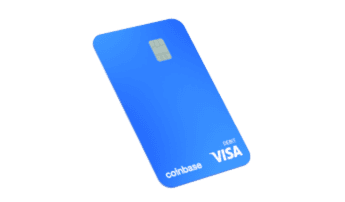
8. Coinbase Card (Prepaid Visa)
Safe & Simple: US Regulated Prepaid Visa with Rotating Crypto Rewards

9. ether.fi Core Card
Zero Barriers: 3% Back on Every Purchase, No Stake Required
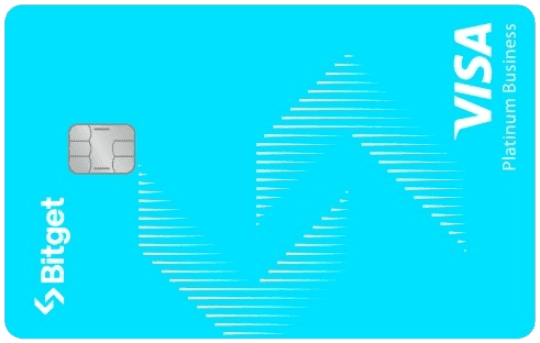
10. Bitget Card
Trade and Spend: Up to 8% BGB Cashback for Bitget Traders
Three Numbers That Matter
Visa is the most common crypto card network - more options than any other network.
Many charge 0% FX - including Coinbase, COCA, Gnosis Pay, Crypto.com (all tiers), Bitget Card, Tria, and Wirex. Plutus charges 2.5% on non-domestic transactions.
$3,000+/year gap - The difference between the best Visa card (9% cashback, $0 fees) and the worst (0% cashback, 3% FX fee) at $3,000/month. Same network, different economics.
Best Visa Crypto Cards Compared
| Card | Cashback | FX Fee | Annual Fee | Type | Custody | Region |
|---|---|---|---|---|---|---|
| Tria Premium | 6% | 0% | $250/yr | Credit | Self-custody | Global |
| Plutus | 9% | 2.5% non-domestic | $240/yr | Debit | Non-custodial | UK/EEA |
| Crypto.com Prime | 8% | 0% | Stake req. | Prepaid | Custodial | Global |
| COCA | Up to 8% (1% free) | 0% | Free | Debit | Self-custody | 60 countries |
| Wirex Elite | 8% | 0% | $360/yr | Debit | Custodial | 35 countries |
| Gnosis Pay | Up to 5% | 0% (Visa rate on non-EUR) | Free | Debit | Self-custody | EEA/UK |
| Gate.io Classic | 1-5% | 0.4% | Free | Debit | Custodial | Global |
| Coinbase | 4% | 0% | Free | Prepaid | Custodial | US only |
| ether.fi Core | 3% | 1% | Free | Credit | Self-custody | Global/US/EEA/UK |
| Bitget Card | 8% | 0% | Free (0.9% tx) | Debit | Custodial | EEA/APAC |
COCA 8% requires staking 30,000 $COCA tokens (locked during membership, 30-day cooldown to unstake). Base rate without staking is 1%. Kolo 0% FX applies to stablecoin spending; standard network FX on non-USD. Gnosis Pay 0% is issuer markup; Visa network rate applies on non-EUR. Coinbase is US-only. For the full catalog of all Visa crypto cards, see our card directory.
Why Visa Dominates Crypto Cards
Three factors explain why most crypto cards chose Visa over Mastercard:
Merchant acceptance. Visa processes transactions at over 100 million merchant locations across 200+ countries. For crypto card issuers targeting a global user base, Visa maximizes the number of places cardholders can spend.
Issuer partnerships. Visa has actively courted crypto companies since 2020, offering dedicated fintech programs and fast-track BIN sponsorship. Companies like Crypto.com, Coinbase, and ether.fi launched on Visa because the onboarding process was faster and the partnership terms more flexible than competitors.
Regional reach. Visa has stronger acceptance in the Americas, Asia-Pacific, and Africa. Mastercard has traditionally been stronger in parts of Europe. For crypto card issuers with global ambitions, Visa is the safer bet for coverage.
This does not mean Mastercard is inferior. Mastercard crypto cards include strong options like Ready Metal (3% STRK cashback, self-custody), MetaMask (3%, self-custody), and Gemini (4%, US credit card). But for sheer quantity and variety, Visa leads.
Visa Cards with 0% FX: The Travel Advantage
About half of Visa crypto cards in our database charge zero foreign exchange markup. This is significant for international spenders, who typically pay 1.5-3% FX fees on traditional bank cards.
The 0% FX Visa crypto cards include:
- Exchange cards: Coinbase, Crypto.com (all tiers), Bitget Card, KuCard, Uphold Elite
- Self-custody cards: Gnosis Pay, COCA, Tria, Avici
- Independent cards: Wirex (both tiers), Bitpanda
At $3,000/month international spending, a 0% FX Visa card saves $540-$1,080/year compared to a traditional bank card charging 1.5-3%. Combine this with cashback rewards and the net benefit grows further.
Cards that do charge FX include ether.fi (1%), xPlace (1%), RedotPay (1.2%), Ledger (1.75%), and Bitget Wallet (1.7%). These FX fees eat into rewards: ether.fi's 3% cashback minus 1% FX gives a net 2% return on cross-border transactions.
Three Card Types on Visa
Visa crypto cards fall into three categories, each with different funding mechanics:
Prepaid. You load crypto or fiat onto the card before spending. Crypto.com, Coinbase, Kolo, and RedotPay use this model. The advantage is no debt risk and simple budgeting. The disadvantage is that funds are locked in the card issuer's system (unless self-custodial) and cannot earn yield while loaded.
Debit. Linked to an exchange or wallet balance. Plutus, Gnosis Pay, Bitget Card, Wirex, KuCard, Gate.io, and Bitpanda use this model. Spending draws directly from your account at the point of sale. The advantage is that funds remain accessible until the moment of purchase. The disadvantage is that conversion timing can introduce spread.
Crypto-backed credit. You deposit crypto as collateral and borrow against it to spend. ether.fi and Avici use this model. Tria uses account abstraction which is a related but distinct approach. The advantage is spending without selling your crypto, avoiding a taxable disposal event. The disadvantage is liquidation risk if your collateral value drops below the required ratio.
Custody Models: Who Holds Your Crypto
| Custody Model | Cards | Examples | Your Risk |
|---|---|---|---|
| Custodial | Most cards | Coinbase, Crypto.com, Bitget, Wirex, Gate.io | Exchange holds keys. Counterparty risk. |
| Self-custodial | Growing segment | Gnosis Pay, COCA, ether.fi, Tria, Avici | You hold keys. No counterparty risk. |
| Non-custodial | Few | Plutus | Keys managed by third-party protocol. |
Most Visa cards are custodial, meaning the issuer holds your crypto. This is convenient (instant spending, no gas fees, customer support for disputes) but introduces counterparty risk. If the exchange fails, your loaded balance is at risk.
A growing number of Visa cards offer self-custody, letting you spend from your own wallet. This eliminates counterparty risk but typically means lower cashback rates and more technical setup. The gap is closing: COCA matches exchange-level cashback (8%) while maintaining self-custody, though it requires staking $COCA tokens (locked during membership, 30-day cooldown).
Three Spending Scenarios
The US Crypto Beginner: $2,000/month
Profile: First crypto card, wants simplicity, US-based, uses Apple Pay. If that is your situation, our beginners guide goes deeper on first-card setup and common mistakes.
Best pick: Coinbase Visa - 4% BTC cashback, $0 annual fee, 0% FX, instant Apple Pay.
| Metric | Coinbase | Crypto.com Ruby | ether.fi Core |
|---|---|---|---|
| Monthly spend | $2,000 | $2,000 | $2,000 |
| Cashback rate | 4% | 2% | 3% |
| Annual cashback | $960 | $480 | $720 |
| Annual fee | $0 | CRO stake | $0 |
| FX fee | 0% | 0% | 1% |
| Net annual return | $960 | $480 minus stake | $480 (after FX on intl) |
Coinbase wins for US beginners. No staking required, no token volatility (cashback in BTC), and zero fees. The 4% rate is uncapped. Uphold Elite matches the 4% rate with a $300/mo cap and $99.99/yr fee, but adds 300+ spendable assets including precious metals, which no other US card offers.
The European Digital Nomad: $4,000/month
Profile: Travels frequently, needs 0% FX, values self-custody, EEA-based.
Best pick: Gnosis Pay - up to 5% cashback, 0% issuer FX (Visa network rate on non-EUR), self-custody, EEA/UK.
| Metric | Gnosis Pay | Plutus | COCA |
|---|---|---|---|
| Monthly spend | $4,000 | $4,000 | $4,000 |
| Cashback rate | 5% (with GNO) | 9% (top tier) | 8% (Elite) |
| Eligible spend cap | None | $1,000/mo (Premium) | None |
| Annual cashback | $2,400 | $1,080 (CAPPED at $1K/mo) | $3,840 |
| Annual fee | $0 | $240 | $0 |
| FX fee | 0% (Visa rate on non-EUR) | 2.5% non-domestic | 0% |
| Staking required | 100 GNO + OG NFT | 40,000 PLU | 30K $COCA |
| Custody | Self | Non-custodial | Self |
| Net annual return | $2,400 | $840 (after fee, CAPPED) | $3,840 |
Plutus is now capped at $1,000/month eligible spend on the Premium plan ($240/year), and charges 2.5% FX on non-domestic transactions - making it a poor choice for digital nomads who spend internationally. Gnosis Pay is the cleanest option for someone who wants self-custody without buying a proprietary token (if they already hold GNO). COCA matches Gnosis on fees but requires staking $COCA tokens for the 8% rate.
The High-Volume Trader: $8,000/month
Profile: Active trader, maximizes rewards, willing to stake tokens, cares about tier progression.
Best pick: Crypto.com Obsidian or Wirex Elite depending on staking appetite.
| Metric | Crypto.com Obsidian | Wirex Elite | Bitget Card |
|---|---|---|---|
| Monthly spend | $8,000 | $8,000 | $8,000 |
| Cashback rate | 5% | 8% | 8% |
| Annual cashback | $4,800 | $7,680 | $7,680 |
| Annual fee | $500K CRO stake | $360 | $0 |
| Staking required | $500K CRO | $360/yr fee | BGB balance |
| FX fee | 0% | 0% | 0% (0.9% tx) |
| Lounge access | Yes | No | No |
| Net annual return | $4,800 + perks | $7,320 | $7,680 |
At $8,000/month, the cashback differences are enormous. Bitget Card at 8% with no annual fee returns $7,680/year. Crypto.com Obsidian returns less in pure cashback but adds airport lounge access, subscription rebates, and higher ATM limits that may justify the massive CRO stake for some users.
Common Mistakes with Visa Crypto Cards
Mistake 1: Ignoring the conversion spread
Cost: $180-$600/year at $3,000/month spending.
Some Visa cards advertise 0% fees but apply a 0.5-1.5% spread when converting crypto to fiat. This spread is built into the exchange rate, not listed as a fee. On $36,000 annual spending, a 1% hidden spread costs $360. Always check whether the card uses the mid-market rate or applies its own conversion rate.
How to avoid it: Fund your card with stablecoins (USDC, USDT). Stablecoin-to-fiat conversion has minimal spread because the rate is approximately 1:1. Most cards in the table above accept USDC or USDT loading directly.
Mistake 2: Choosing a card for cashback rate alone
Cost: Varies. A 10% cashback card with a $25/month cap earns $300/year. A 4% uncapped card earns $1,440/year at $3,000/month.
High advertised rates often come with monthly caps, staking requirements, or both. A user who picks a card for its 8% headline rate without checking that it requires a $50,000 token stake will earn 0% until they meet that threshold.
How to avoid it: Calculate your actual annual return: (monthly spend x cashback rate x 12) minus (annual fee + staking opportunity cost). Compare this net figure across cards, not the headline rate.
Mistake 3: Not checking regional availability before applying
Cost: Wasted KYC time and potential credit checks.
Many Visa crypto cards are region-locked. Coinbase is US-only. Gnosis Pay is EEA/UK-only. Bitpanda is EEA-only. KuCard is EEA-only. Applying for a card outside your region wastes time and may flag your identity documents in multiple KYC systems.
How to avoid it: Check the Region column in the comparison table above. For detailed country-level availability, visit our country guides.
Mistake 4: Forgetting that every crypto-to-fiat swipe is a taxable event
Cost: Unexpected tax liability plus potential penalties for unreported disposals.
When your Visa crypto card converts BTC or ETH to fiat at the point of sale, that is a disposal for tax purposes. If you bought BTC at $30,000 and it is worth $95,000 when you tap for groceries, you owe capital gains tax on the $65,000 difference (pro-rated to the amount spent). This applies in the US, UK, EU, and most other jurisdictions.
How to avoid it: Spend stablecoins instead of volatile crypto. USDC-to-USD conversion generates negligible gains. Track all transactions with crypto tax software from day one, not at tax season.
Tax Implications of Visa Crypto Card Spending
Every Visa crypto card transaction that involves converting crypto to fiat is a taxable disposal event in most jurisdictions. The tax treatment depends on what you spend and where you live:
Volatile crypto (BTC, ETH, SOL): Each purchase triggers a capital gains calculation. You need the cost basis (what you paid) and the fair market value at the time of spending. The difference is your gain or loss.
Stablecoins (USDC, USDT): Minimal tax impact because the conversion rate is approximately 1:1. Any minor deviation (buying USDC at $0.998, spending at $1.001) technically creates a small gain, but the amounts are negligible.
Cashback rewards: In the US, crypto cashback is generally treated as a purchase rebate (not taxable when received). In the UK, HMRC treats it similarly. However, when you later sell or spend those reward tokens, you trigger a capital gains event based on the difference between the value when received and when disposed.
Crypto-backed cards: ether.fi and Avici let you borrow against crypto collateral. Spending borrowed funds is generally not a taxable event because you are not disposing of your crypto. However, if your collateral is liquidated, that liquidation is a taxable disposal.
For jurisdiction-specific guidance, see our country pages for the US, UK, Germany, Canada, Australia, and Singapore.
What Changes Next for Visa Crypto Cards
More self-custody options. The trend is moving from exchange-only cards toward wallet-native spending. Gnosis Pay, MetaMask (on Mastercard), and COCA proved the model works. Expect more self-custody Visa cards in 2026 as MPC and Account Abstraction infrastructure matures.
Stablecoin-native rails. Visa has been testing USDC settlement on Ethereum and Solana since 2023. As these pilots expand, crypto cards may settle in stablecoins natively rather than converting to fiat at every step, reducing spreads and settlement times.
Regional expansion. Several Visa crypto cards currently limited to EEA are expanding to the UK, APAC, and Latin America. KuCoin and Bitpanda have signaled broader rollouts. Meanwhile, ether.fi already offers one of the widest Visa crypto card footprints globally.
MiCA compliance reshaping Europe. The EU Markets in Crypto-Assets Regulation requires all crypto card issuers operating in the EEA to comply with new reserve and disclosure requirements. This could reduce the number of available cards in the short term but improve consumer protection and standardize fees across the European market.
Disclaimer: SpendNode is a data comparison platform. We are not financial advisors. Crypto cards involve risks including asset volatility, custodial risk, and tax complexity. Verify all terms directly with issuers before applying.
Written by Aleksandar Dukic
Frequently Asked Questions
How many crypto cards are on the Visa network?
Visa is the most common network for crypto cards. Options range from free prepaid cards with no cashback to premium tiers with up to 9% rewards.
Which Visa crypto card has the highest cashback?
Among shipped Visa cards, Plutus offers the highest headline cashback at up to 9% with PLU staking and caps. Next are COCA, Bitget Card, Crypto.com Prime, and Wirex Elite at 8%. Without staking requirements, Coinbase at 4% in BTC and ether.fi Core at 3% in ETH are the clearest top options.
Do Visa crypto cards have foreign exchange fees?
About half of Visa crypto cards charge 0% issuer FX markup. These include Coinbase, Crypto.com (all tiers), Bitget Card, COCA, Tria (all tiers), Wirex (both tiers), and Avici (both tiers). Gnosis Pay charges 0% issuer markup but Visa network rate applies on non-EUR transactions. Cards with FX fees range from 0.4% (Gate.io) to 2.5% (Plutus non-domestic).
Is a Visa crypto card the same as a normal Visa card?
Yes, at the point of sale. A Visa crypto card is processed through the same Visa network as any bank Visa card. Merchants see a standard Visa transaction. The difference is on the funding side: instead of drawing from a bank account, the card converts crypto to fiat at the time of purchase or uses a pre-loaded balance.
Can I use a Visa crypto card at ATMs?
Yes. Physical Visa crypto cards work at any ATM displaying the Visa/Plus logo worldwide. Most cards offer a free monthly ATM allowance (typically $200-$800) before charging 2% on additional withdrawals. Cards like Crypto.com Obsidian and ether.fi Pinnacle offer the highest free ATM limits.
Are self-custodial Visa crypto cards available?
Yes. Gnosis Pay, COCA, ether.fi, Ledger, xPlace, and Avici all offer self-custodial Visa cards. These let you spend directly from your own wallet without depositing funds into an exchange. The trade-off is typically lower cashback rates than exchange-linked custodial cards.
Which Visa crypto cards work in the United States?
Coinbase (4% BTC cashback, $0 fees), Uphold (Elite at 4% XRP/$99.99yr, Essential at 2% XRP/free), ether.fi (all 4 tiers, 3% cashback), Crypto.com (all tiers), and Avici (30 states, secured credit) are the main Visa crypto cards available to US residents. Most European-focused issuers like Gnosis Pay, Plutus, and Bitpanda are not available in the US.
What is the cheapest Visa crypto card?
Several Visa crypto cards are completely free: Coinbase ($0 annual, 0% FX, 4% cashback), COCA ($0 annual, 0% FX, up to 8% cashback), Gnosis Pay ($0 annual, 0% FX, up to 5% cashback), Bitget Card ($0 annual, 0% FX, up to 8% cashback), and Kolo ($0 annual, 2% BTC cashback).
Do Visa crypto cards support Apple Pay and Google Pay?
Most Visa crypto cards support Apple Pay, Google Pay, or both. Notable exceptions include Bitget Card (Google Pay only, no Apple Pay). Check the specific card page for confirmed mobile wallet compatibility.
What happens to my rewards if the card token drops in value?
If your cashback is paid in a volatile token (CRO, PLU, BGB, WXT), its dollar value changes with the market. A 5% reward in CRO that drops 40% is worth only 3% in fiat terms. Cards paying cashback in stablecoins (USDC on COCA) or BTC (Coinbase) avoid this for stablecoins or provide blue-chip exposure for BTC.
Recent Updates to Best Visa Crypto Cards
- Added Tria Premium and Kolo to main comparison. Fixed COCA FX from 0-1% to 0%
- Fixed Coinbase as US-only. Updated Gnosis Pay FX to note Visa network rate on non-EUR