

Best Crypto Cards in Lebanon (2026)
Compare crypto cards available in Lebanon. Kolo, Tria, Crypto.com Icy, ether.fi, and KAST offer dollar-denominated spending in a country where banking collapse drove massive crypto adoption and USDT became a lifeline.
Verified for Lebanon
29 crypto cards available
Local currency: LBP
Lebanon's banking crisis explains why crypto matters here more than almost anywhere else. Lebanon's banking crisis is one of the most severe financial collapses in modern history. The lira (LBP) plummeted from the 23-year peg of 1,507 per USD to over 89,500 per USD, a 98% devaluation. Banks froze deposits, imposed unofficial capital controls (the "Lollars" crisis, where USD in bank accounts became worth a fraction of actual USD), and trust in the financial system evaporated.
USDT became Lebanon's lifeline: a digital dollar that lives outside the banking system, cannot be frozen by banks, and transfers instantly. A crypto card funded with stablecoins is the natural extension of this reality, providing Visa/Mastercard purchasing power backed by actual dollars with 0% FX fees.
Lebanon has approximately 5.5 million residents (plus 1.5 million Syrian refugees) and a massive diaspora of 8-14 million worldwide. Remittances (approximately USD 6.4 billion annually, over 30% of GDP) are a lifeline. Western Union and OMT charge 3-7% in fees. A crypto card loaded with USDT turns remittance costs into cashback rewards.
| Card | Max Cashback | Annual Fee | FX Fee | Card Type | Best For |
|---|---|---|---|---|---|
| Kolo | 5% BTC | $0 | 0% | Prepaid | 5% BTC cashback, $0 annual, 0% FX |
| Tria Signature | 4.5% | $109/yr | 0% | Debit | Yield-linked rewards, 0% FX |
| Crypto.com Icy | 4% | CRO stake | 0% | Prepaid | Metal card + lounge access at BEY |
| ether.fi | 3% | $0 | 1% | Debit | Borrow-to-spend, staking yield |
| KAST | 2% | $0 | 0.5% | Prepaid | Direct prepaid for fresh-dollar spending |
| RedotPay | - | $0-$100 | 1.2% | Prepaid | Stablecoin spending |
| xPlace | 0.5-2% | $0-$5,000 | 1% | Debit | Tiered SOL cashback |
Best Card For Every Need in Lebanon
Top 5 Crypto Cards in Lebanon
Lebanon's banking system froze $100 billion in deposits and devalued the lira by 98% - this is not background context, it is the single fact that determines every card recommendation. KAST strips out most of the paperwork and bank dependence that Lebanese users now actively avoid - no SGBL or Byblos Bank application, no Lollar-denominated account, just stablecoins loaded onto a live card for fresh-dollar spending.
Kolo's 5% BTC cashback at $0 annual and 0% FX on a $500/month fresh-dollar budget generates $300/year in returns that no Lebanese bank can match or even safely hold. Tria Signature adds 4.5% yield-linked rewards with 0% FX at $109/year. Crypto.com Icy delivers 4% cashback with airport lounge access at BEY.
We verified which cards accept Lebanese applicants - KAST is the most accessible: 2% cashback, $0 annual, 0.5% FX, and the cleanest path from fresh-dollar stablecoin balances into card spending. Kolo offers the highest free cashback at 5% BTC with $0 annual and 0% FX.
For Lebanese who have experienced bank-frozen funds, keeping crypto in a self-custody wallet before loading a card ensures no intermediary can freeze your spending power.
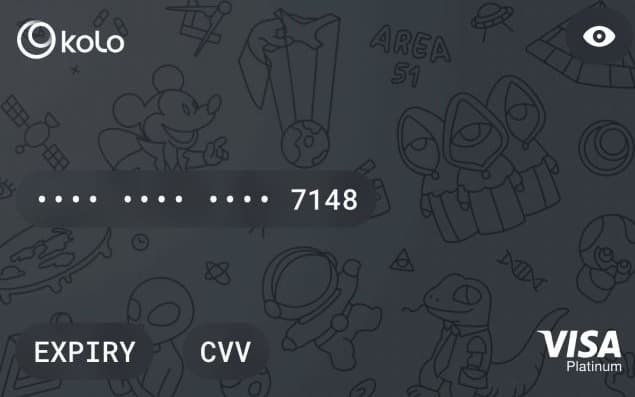
1. Kolo Card
Earn Bitcoin on Every Purchase: 5% BTC Cashback + Visa Platinum + 170+ Countries
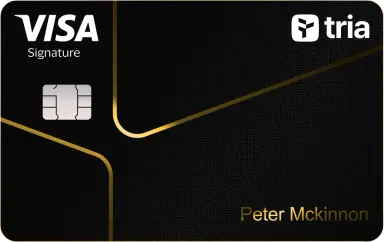
2. Tria Signature Card
High-Yield Mastery: 15% APY + Visa Signature Perks
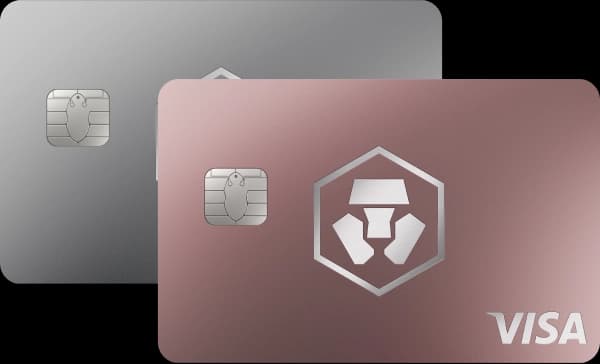
3. Private (Icy White / Rose Gold)
Elite Private Status: 4% Uncapped Cashback + Guests
4. ether.fi Core Card
Zero Barriers: 3% Back on Every Purchase, No Stake Required
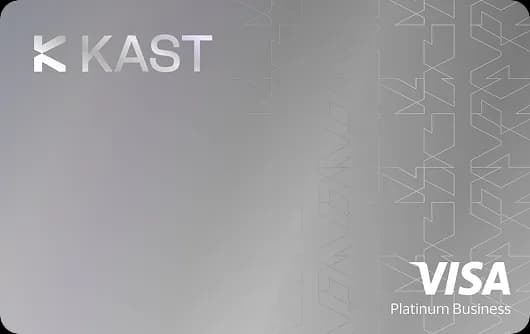
5. KAST K Card
Early Adopter Access: 2% Points + 4% $MOVE on Every Swipe
Crypto Card Regulation in Lebanon
Lebanon's crypto regulation is minimal, reflecting broader institutional paralysis. The Banque du Liban (BDL, central bank) issued Circular No. 13147 in 2014 warning banks and financial institutions against dealing in cryptocurrencies, citing risks of volatility and potential use in money laundering. The circular was a warning, not a formal prohibition on individual ownership or trading.
The Capital Markets Authority (CMA), established under Law No. 161 (2011), oversees securities regulation but has not classified cryptocurrencies as securities or issued crypto-specific rules. The Special Investigation Commission (SIC), Lebanon's financial intelligence unit, handles AML/CFT under Law No. 44 (2015) but has no crypto-specific directives.
Since the banking crisis, the BDL's regulatory authority has been severely undermined. The central bank itself faces allegations of financial engineering that contributed to the crisis (the so-called Ponzi-like deposit structure). The banking sector remains largely insolvent. In this context, regulating individual crypto usage is neither a priority nor practically enforceable.
Lebanon has no crypto ban. The 2014 BDL circular was a warning to banks, not a prohibition on individuals. Given the banking system's collapse, crypto regulation is a low priority for authorities who cannot even manage the basic functions of the financial system.
Tax Treatment of Card Rewards in Lebanon
Lebanon's tax system has been weakened by the economic crisis. The Ministry of Finance and the General Directorate of Taxation administer tax collection under the Income Tax Law (Legislative Decree No. 144, 1959, amended).
Income Tax
Lebanon applies a schedular tax system with different rates for different income types. Salaries: 2% to 25% (progressive). Business profits: 17% (flat). Investment income (interest, dividends): 10% (flat). Capital gains from property: 15%. The system does not specifically address crypto gains.
Practical Situation
The economic crisis has devastated tax collection. Government revenue collapsed alongside GDP (which shrank from approximately USD 55 billion in 2018 to under USD 20 billion). The informal economy has expanded massively. Tax enforcement on individual crypto activity is non-existent, and the Ministry of Finance has issued no crypto guidance.
| Cashback Type | Tax When Received | Tax When Spent/Sold | Optimal Strategy |
|---|---|---|---|
| BTC/ETH cashback | Unclear (likely untaxed) | Unclear (no framework) | Hold, track basis |
| Stablecoin cashback (USDC) | Not taxed (rebate) | Near-zero gain | Spend anytime |
| Points/token cashback | Unclear (likely untaxed) | Unclear (no framework) | Convert to stablecoin |
Stablecoin funding is the clear choice. In Lebanon's situation, the tax question is secondary to the fundamental need for accessible, unfrozen dollar holdings. USDC and USDT provide what the banking system cannot.
How to Apply from Lebanon
Crypto card applications from Lebanon require the Lebanese National ID Card (Bitaqa Hawiyya), issued by the General Directorate of Personal Status (al-Ahwal al-Shakhsiyya) under the Ministry of Interior. The ID contains a registry number tied to the family civil registry (Qaid al-Nufus).
Alternative identification: Lebanese passport (Jawaz Safar Lubnani), issued by the General Security (al-Amn al-Am). Lebanese driving license may be accepted by some issuers.
Proof of address via utility bills from Electricite du Liban (EDL, electricity), Ogero (landline/internet), or telecom bills from touch (MIC1) or Alfa (MIC2). Bank statements from Bank of Beirut, Byblos Bank, or Blom Bank also work, though bank statements may reflect frozen "Lollar" balances rather than actual accessible funds.
KAST and RedotPay are the most accessible prepaid options for Lebanese users. Lebanese passports are well-recognized internationally. For the massive Lebanese diaspora (Brazil, Australia, France, US, Canada, West Africa, Gulf states), using host-country documents is strongly recommended for broader issuer access.
Spending Tips for Lebanon
The Banking System: What Happened and Why Crypto Cards Matter
Lebanon's banking crisis began in October 2019 and remains unresolved. The core facts:
- $100+ billion in deposits were effectively seized through unofficial capital controls ("haircuts"). Lebanese bank accounts containing USD were redesignated as "Lollar" accounts - Lebanese-dollar hybrid that could only be withdrawn at a fraction of market value.
- The LBP collapsed from the 23-year peg of 1,507/USD to 89,500+/USD, a 98% devaluation.
- Banks imposed withdrawal limits: initially $100-200/week in fresh USD, now varies by bank. Some accounts remain entirely frozen.
- BDL (Banque du Liban) is alleged to have operated a Ponzi-like financial engineering scheme, paying above-market interest to attract deposits while the underlying reserves deteriorated.
The practical result: Lebanese lost trust in the banking system entirely. The economy shifted to cash USD. For anyone in Lebanon who has experienced their bank freezing their savings, holding crypto in a self-custody wallet before loading a card carries a meaning that goes far beyond cashback optimization - no bank intermediary stands between your assets and your spending.
Cost of Living in the "Fresh Dollar" Economy
Lebanon now operates in a multi-tier system. Prices are quoted in "fresh dollars" (actual USD cash) at many businesses. Salaries at international organizations are in fresh USD. Local salaries are often in LBP at rates that have been adjusted but still lag inflation.
| Area | 1-Bed Rent/Month | Groceries/Month | Card-Eligible Spending |
|---|---|---|---|
| Beirut (Achrafieh/Gemmayzeh) | USD 400-900 | USD 200-400 | USD 400-800 |
| Beirut (Hamra/Ras Beirut) | USD 300-700 | USD 200-400 | USD 350-700 |
| Beirut (Verdun/Manara) | USD 350-800 | USD 200-400 | USD 350-750 |
| Jounieh/Kaslik | USD 250-600 | USD 150-300 | USD 250-550 |
| Tripoli | USD 150-400 | USD 100-250 | USD 150-400 |
| Sidon/Saida | USD 150-350 | USD 100-200 | USD 150-350 |
The Post-Banking-Crisis Reality
Lebanon's banking crisis created a multi-tier currency system: the official rate (1,507 LBP/USD, defunct), the Sayrafa platform rate (BDL-managed), the parallel market rate (89,500+ LBP/USD), and "Lollar" deposits (USD trapped in banks, worth 10-15 cents on the dollar). This chaos makes a simple, dollar-denominated crypto card extremely valuable. You fund with USDT (actual dollars), spend at the Visa/Mastercard interbank rate, and avoid the multi-rate confusion entirely.
Card Selection by Use Case
- Highest free cashback: Kolo (5% BTC, $0 annual, 0% FX, $5/txn and $200/month caps)
- Fresh-dollar spending card: KAST (2% cards with cashback, $0 annual, 0.5% FX)
- Yield-linked rewards: Tria Signature (4.5%, $109/yr, 0% FX)
- Premium perks: Crypto.com Icy (4% + lounge access at BEY + rebates)
- Borrow-to-spend: ether.fi (3%, 1% FX, spend without selling)
KAST vs Kolo vs Crypto.com Icy Break-Even Math
All amounts in USD (fresh dollars, not Lollar). Tax impact minimal.
| Monthly Spend | KAST (2%, $0) | Kolo (5% BTC, $0) | Crypto.com Icy (4%, CRO stake) |
|---|---|---|---|
| USD 200 | USD 48/yr | USD 120/yr | USD 96/yr + lounges |
| USD 400 | USD 96/yr | USD 240/yr | USD 192/yr + lounges |
| USD 800 | USD 192/yr | USD 480/yr | USD 384/yr + lounges |
| USD 1,500 | USD 360/yr | USD 900/yr | USD 720/yr + lounges |
Based on our Lebanon research, the economy has shifted to a "fresh dollar" cash system. Monthly spending of USD 400-800 (fresh dollars) is common for middle-class Beirut households. KAST at USD 96-192/year and Kolo at USD 240-480/year represent meaningful returns.
Spending Scenario: USD 500/month (Beirut Professional, Stablecoin Funding)
| Funding Method | Annual Spend | Cashback (2%) | Tax (est.) | Net Cashback |
|---|---|---|---|---|
| USDC (stablecoin) | USD 6,000 | USD 120 | USD 0 | USD 120 |
| BTC (appreciated 150%) | USD 6,000 | USD 120 | Unclear | USD 120 (likely) |
| Fresh USD cash top-up | USD 6,000 | USD 120 | USD 0 | USD 120 |
USD 120/year in cashback with stablecoin funding. The real value is not the cashback but the ability to spend actual dollars through a card rather than carrying cash, in a country where bank cards are unreliable.
Local Payment Infrastructure
Beirut has recovering card acceptance, though the crisis damaged POS infrastructure. Visa and Mastercard work at hotels (Le Gray, Four Seasons, Phoenicia InterContinental), restaurants in Gemmayzeh, Mar Mikhael, Hamra, and Achrafieh, supermarkets (Spinneys, Carrefour, Le Charcutier), and shopping centers (ABC Achrafieh, ABC Dbayeh, City Centre Beirut, Le Mall). Apple Pay and Google Pay work through international issuers.
The "fresh dollar" cash economy dominates post-crisis Lebanon. Many merchants price in USD and accept cash dollars directly. Whish Money, OMT, and Bob Finance provide mobile payment and money transfer services. Lebanese bank cards often have restrictions on international transactions and daily limits. Outside Beirut, card acceptance is limited. Tripoli, Sidon, and Jounieh have some acceptance at larger merchants, but most of the country runs on cash (USD and LBP).
Supported Exchanges & Wallets in Lebanon
The Diaspora: 8-14 Million Lebanese Worldwide
Lebanon's diaspora is one of the world's largest relative to home population. An estimated 8-14 million people of Lebanese descent live abroad, compared to 5.5 million in Lebanon:
- Brazil: 7+ million (largest, centered in Sao Paulo). Business, commerce. Many maintain family ties.
- Australia: 250,000+. Sydney and Melbourne have large Lebanese communities.
- France: 250,000+. Historical colonial ties. Paris professional class.
- United States: 500,000+. Dearborn (Michigan), New York, Los Angeles.
- Canada: 200,000+. Montreal, Toronto.
- West Africa: 250,000+. Nigeria, Cote d'Ivoire, Senegal, Sierra Leone. Trading communities.
- Gulf states: 400,000+. UAE, Saudi Arabia, Kuwait, Qatar. Professional and business migration.
We track Lebanon-specific remittance costs - annual remittances exceed $6.4 billion (over 30% of GDP), making Lebanon one of the most remittance-dependent economies globally. Traditional channels (Western Union, OMT, MoneyGram, bank wires) charge 3-7% in combined fees and FX spread.
For diaspora Lebanese, USDC transfers to a family member's crypto card in Beirut provide: actual dollar value (not Lollar), zero transfer fees, instant delivery, and no bank intermediary. This alone is potentially worth $200-500/year per family in saved remittance fees.
Cross-Border Spending
Lebanon's geography creates natural spending corridors:
- Turkey (TRY): Increasingly popular for medical tourism, shopping, and relocation. Istanbul flights from Beirut are frequent and affordable. TRY weakness means major FX savings.
- Cyprus (EUR): Short flight from Beirut. Some Lebanese relocated post-crisis. EUR-denominated spending.
- Jordan (JOD): Business connections, medical tourism to Amman hospitals.
- UAE (AED): Dubai as a business hub for Lebanese professionals. Major shopping trips.
- Europe (EUR/GBP): Paris, London for the professional diaspora visiting home.
Online Shopping: The Import-Dependent Economy
Lebanon imports approximately 80% of its consumer goods. Pre-crisis, most shopping was in physical stores. Post-crisis, online shopping from international platforms has surged: Amazon (via Lebanon delivery or UAE forwarding), AliExpress, Shein, ASOS, and iHerb are popular. International subscriptions (Netflix, Spotify, Adobe, Apple services) are billed in USD.
A zero-FX crypto card ensures no additional bank markup on these USD purchases. Given that Lebanese bank cards are unreliable for international transactions (many have had international functionality restricted), a crypto card may be the only reliable way to shop online for some Lebanese residents.
Beirut's Resilient Tech and Startup Scene
Despite the crisis, Beirut maintains a tech ecosystem that punches above its weight. The Beirut Digital District (BDD, Mar Mikhael area) hosts startups, freelancers, and tech companies. Lebanon has produced notable tech companies: Anghami (Arab streaming platform, IPO on NASDAQ), Gramophone (social commerce), and a busy freelancer community on Upwork and Fiverr. Lebanese developers and designers earn in USD, making them natural crypto users.
The combination of USD earnings, LBP instability, and distrust of banks means Lebanese tech workers often prefer to receive payment in USDT or USDC rather than bank transfers. A crypto card is the spending bridge for these earnings.
Beirut's Food and Hospitality Economy
Lebanon's food culture is legendary. Despite the crisis, Beirut's restaurant scene has partially recovered, particularly in Gemmayzeh, Mar Mikhael, and Achrafieh. New restaurants, bars, and cafes have opened in the "fresh dollar" economy. Friday and Saturday nights in Gemmayzeh and Mar Mikhael see significant dining and entertainment spending (USD 50-200 per outing).
Beyond restaurants: Spinneys (premium supermarket, 20+ locations), Carrefour (5+ locations), Le Charcutier (specialty food), and baked goods chains (Paul, Zaatar w Zeit 30+ locations, Roadster Diner 15+ locations) accept cards. The hospitality industry (surviving hotels: Le Gray, Phoenicia, Four Seasons) caters to diaspora visitors and international organizations.
The NGO and International Organization Economy
Post-crisis Lebanon hosts a large humanitarian presence: UNHCR (serving 1.5M Syrian refugees), UNICEF, WFP, MSF, ICRC, and dozens of international NGOs. These organizations pay staff in fresh USD. NGO workers, UN staff, and international consultants represent a significant spending demographic with card-eligible budgets of USD 1,000-3,000/month. Many already use international banking but would benefit from crypto card cashback on their daily spending.
Universities and the Young Professional Class
Lebanon's universities produce highly educated graduates. AUB (American University of Beirut, founded 1866), LAU (Lebanese American University), USJ (Universite Saint-Joseph, French-language), USEK (Holy Spirit University of Kaslik), and Balamand represent Lebanon's intellectual infrastructure. Many graduates emigrate (the "brain drain" accelerated post-crisis), but those who stay often work in tech, finance, or international organizations.
University students and young professionals spending USD 200-500/month on subscriptions, dining, and online shopping are a natural crypto card demographic. The tech literacy is there; the banking crisis provides the motivation. AUB's campus in Ras Beirut and LAU in Byblos both have active student fintech communities.
No crypto exchanges are licensed in Lebanon. Binance P2P (USD and USDT pairs) is the primary on-ramp. Telegram and WhatsApp groups facilitate P2P trading in Beirut (Hamra, Achrafieh, Verdun). The Beirut Digital District (BDD) hosts blockchain developers and startups despite the crisis. Rain (Bahrain-based) serves some Lebanese users.
Among global card issuers, Kolo offers 5% BTC cashback at $0 annual and 0% FX. Tria Signature delivers 4.5% yield-linked rewards with 0% FX at $109/year.
Crypto.com provides metal tiers from Midnight Blue (0%) through Icy (4%, CRO stake required). ether.fi with the Core Card offers 3% cashback with 1% FX and borrow-to-spend.
KAST provides 2% base rewards at $0 annual with 0.5% FX and fits Lebanon's fresh-dollar spending reality better than any local bank card. RedotPay offers Virtual (free) and Physical ($100) at 1.2% FX. xPlace provides tiered SOL cashback from 0.5% to 2%.
The Lebanese diaspora (8-14 million worldwide, 2-3x the domestic population) drives significant USDT remittance flows, with Beirut as the receiving hub.
Lebanon is arguably the strongest use case for crypto cards globally. A 98% currency collapse, frozen bank deposits, and a shift to a cash-dollar economy make stablecoin-backed cards not a convenience but a financial necessity.
Written by SpendNode Editorial
Frequently Asked Questions
Which crypto cards work in Lebanon?
Lebanon is served by globally available crypto cards including Kolo (5% BTC, $0 annual, 0% FX), Tria Signature (4.5%, $109/yr, 0% FX), Crypto.com Icy (4%, CRO stake), ether.fi Core (3%, 1% FX), and KAST (2%, $0 annual, 0.5% FX). Card acceptance exists at hotels and upscale merchants in Beirut, particularly in Hamra, Gemmayzeh, and Achrafieh.
Is cryptocurrency legal in Lebanon?
Lebanon has no specific crypto legislation. The Banque du Liban (BDL) issued a 2014 circular warning banks against crypto but did not ban individual ownership or trading. The banking crisis since 2019 has made the BDL's authority over personal financial choices largely irrelevant, and USDT adoption has surged as a dollar substitute.
How is crypto taxed in Lebanon?
Lebanon has no specific crypto tax legislation. The income tax system applies rates of 2-25% on various income categories. However, tax collection has been severely weakened by the economic crisis and institutional collapse. Crypto-specific enforcement is non-existent.
Why did Lebanon adopt crypto so quickly?
The banking crisis starting in October 2019 froze deposits, imposed unofficial capital controls, and devalued the lira from 1,507 to over 89,500 per USD (a 98% collapse). Banks became untrusted custodians overnight. USDT provided what banks could not: accessible, transferable dollar holdings outside the frozen banking system.
Other Countries
View all 107 countries →


Recent Updates to Best Crypto Cards in Lebanon
- Removed COCA (unavailable), MetaMask Virtual (US/EEA/UK only), RedotPay Solana (weak pick). Added Kolo (5% BTC, $0, 0% FX) and Tria Signature (4.5%, 0% FX, $109/yr)
- Corrected ether.fi FX from 0% to 1%. Fixed KAST FX from '0.5-1.75%' to 0.5%. Fixed Midnight Blue from 1% to 0%. Upgraded Crypto.com from Jade 3% to Icy 4%
- Rebuilt break-even comparison table with Kolo/KAST/Icy. Removed an incorrect COCA Elite 8% staking-tier column