

Best Crypto Cards in Iran (2026)
Comprehensive US and EU sanctions make crypto cards non-functional inside Iran. This guide covers the practical reality for 8-10 million Iranians abroad, funding routes from rials to stablecoins, and how the diaspora in UAE, Turkey, Canada, and Europe access globally available crypto cards.

Verified for Iran
38 crypto cards available
Local currency: IRR
If you hold an Iranian passport and live inside Iran, no crypto card will work for you domestically. Comprehensive US (OFAC) and EU sanctions have cut Iran off from the Visa and Mastercard payment networks since the reimposition of secondary sanctions in November 2018. Every crypto card tracked on SpendNode runs on Visa or Mastercard rails. This page exists because the real audience is not domestic residents - it is the estimated 8-10 million Iranians living abroad in UAE, Turkey, Canada, Germany, the UK, Australia, and dozens of other countries who need to convert their savings, remittances, or crypto holdings into everyday spending power.
Iran ranks among the world's most active crypto markets by necessity, not by choice. Nobitex, Iran's largest exchange, estimates 15 million Iranians hold or use digital assets - roughly 17% of the population. Iranian wallets received a record $7.8 billion in crypto flows in 2025. The Iranian rial has collapsed from 42,000 per dollar (official rate, pre-2018) to over 1,400,000 per dollar on the open market in early 2026, losing more than 97% of its value in seven years. Inflation exceeded 50% in late 2025. For millions of Iranians, USDT is not a speculative asset - it is a savings account that does not depreciate by half every 18 months.
The crypto card opportunity for Iran is almost entirely a diaspora story. Iranians who relocated to UAE (500,000-800,000), Turkey (155,000+), Canada (100,000-500,000), Germany, the UK, Sweden, and Australia can access the full global crypto card market using their foreign residence documentation. The card becomes the last mile: converting USDT or other crypto holdings into Visa/Mastercard spending power at local merchants.
| Card | Max Cashback | Annual Fee | FX Fee | Card Type | Best For |
|---|---|---|---|---|---|
| CoCa | 8% | $0 | 0% | Debit | Highest cashback + 6% APY on deposits |
| Crypto.com | 5% | CRO stake | 0% | Prepaid | Tiered metal cards + lounge access |
| KAST | 4% | $0 | 0% | Prepaid | No-fee + minimal KYC |
| ether.fi | 3% | $0 | 1% | Credit | Borrow-to-spend, no taxable disposal |
| RedotPay Solana | 3% | $10 | 1.2% | Prepaid | Highest cashback virtual card |
| MetaMask | 1% | $0 | 0% | Debit | Self-custody Mastercard |
| xPlace | 0.5% | $0 | 1% | Debit | Tiered loyalty (up to 2% at Platinum) |
| Jupiter | N/A | $0 | N/A | Debit | Solana ecosystem spending |
Best Card For Every Need in Iran
Top 4 Crypto Cards in Iran
Iran's OFAC sanctions and FATF blacklist status mean no Visa or Mastercard transaction can originate from inside the country - making this page a diaspora infrastructure guide for 8-10 million Iranians living in UAE, Turkey, Canada, Germany, and beyond. KAST's 2-minute KYC is the most reliably flexible for Iranian passport holders with foreign residence, making it the essential first card to establish while navigating enhanced due diligence elsewhere. CoCa's 8% cashback plus 6% APY is transformative for Iranians in zero-tax UAE - at $2,000/month spending, that is $1,920/year in tax-free returns on money that was losing 50% annually in rial savings accounts. RedotPay adds a 3% stablecoin alternative that accepts Iranian passports at Tier 1+. MetaMask's self-custody card is not a feature preference but geopolitical insurance - if OFAC designates another exchange or issuer tomorrow, custodial card balances could be frozen, but funds in a MetaMask wallet remain under your control.
Critical caveat: every card above requires a non-Iranian address for KYC verification. Iranian passport alone is insufficient for most issuers - you need a residence permit or local address in your destination country. KAST and RedotPay have the most flexible KYC requirements among globally available cards. MetaMask offers self-custody that keeps assets in your own wallet regardless of geopolitical developments - a meaningful advantage for users whose financial access depends on political conditions they cannot control. For Iranians in UAE or other zero-tax jurisdictions, CoCa at 8% cashback with 6% APY on stablecoin deposits represents the highest total yield available.
1. KAST K Card
Early Adopter Access: 2% Points + 4% $MOVE on Every Swipe
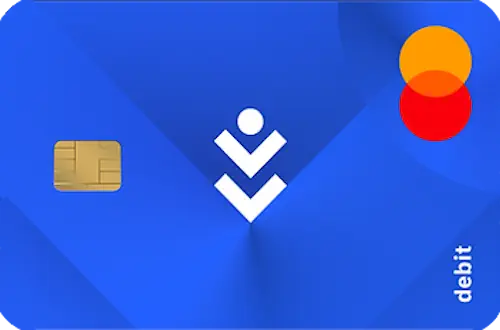
2. COCA Visa Card
Self-Banking: 8% Cashback + 6% APY + 0% FX on Direct Pairs
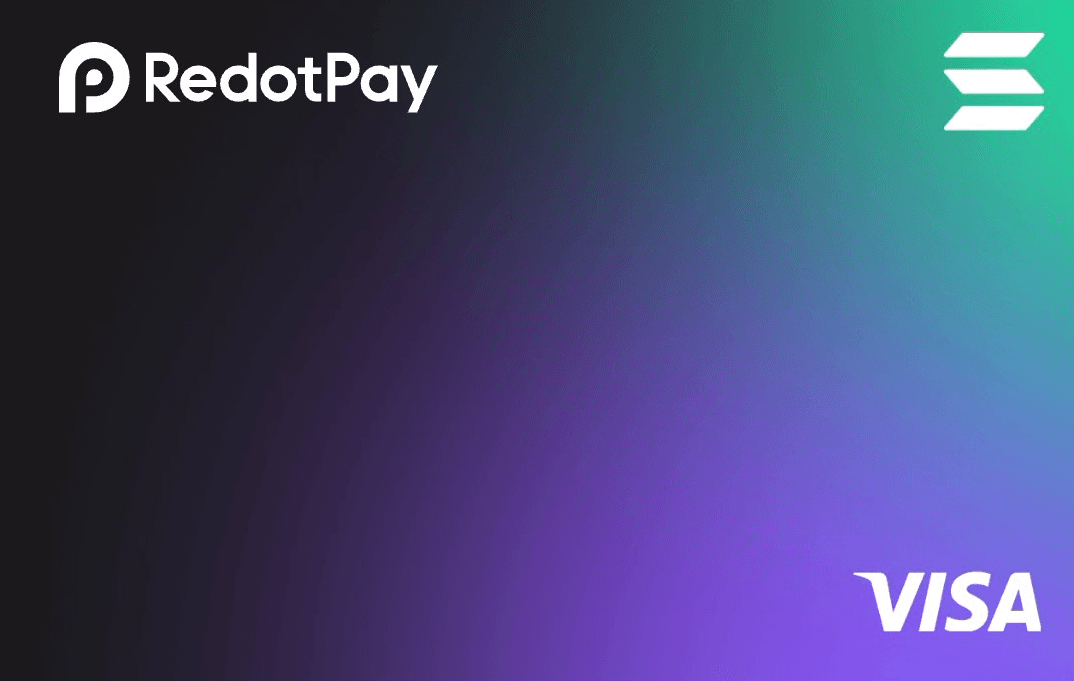
3. RedotPay Solana Card
Solana Goes IRL: 3% Cashback + Apple Pay at 130M+ Merchants
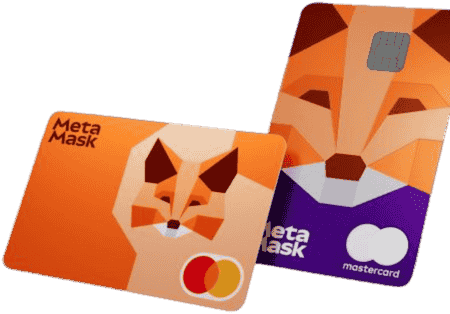
4. MetaMask Virtual Card
Sovereign Spending: 1% Cashback + 0% FX + MetaMask Security
Crypto Card Regulation in Iran
Iran's crypto regulatory framework is shaped by two opposing forces: a government that sees crypto mining as a revenue source and sanctions-evasion tool, and a central bank that views crypto payments as a threat to monetary sovereignty. The result is a system where ownership is legal, mining is licensed, payments are banned, and millions of users operate in a gray zone.
The Central Bank of Iran (CBI, Bank Markazi)
The Central Bank of Iran (Bank Markazi Jomhuri Eslami Iran) is the sole authority responsible for regulating the cryptocurrency market, as confirmed by President Masoud Pezeshkian in early 2025. The CBI's position is unambiguous: cryptocurrency cannot be used as a means of payment within Iran. In December 2024, the CBI shut down every crypto-to-rial payment gateway on the internet - no app, website, or exchange could let users convert Bitcoin into Iranian rials through normal channels. Starting January 2025, the CBI resumed fiat-to-crypto transactions through a government-controlled API, dramatically increasing state surveillance over digital asset exchanges.
The CBI approved a "Policy and Regulatory Framework for Cryptocurrencies" in 2025 that requires licensing for all crypto brokers and custodians under CBI supervision. This framework emphasizes AML/CTF compliance and mandatory tax reporting - a direct response to FATF pressure on Iran's financial system.
Mining Legalization (2019) and the State Mining Monopoly
Iran formally recognized cryptocurrency mining as a legal economic activity in 2019, making it one of the first countries to regulate mining explicitly. However, the regulations created a de facto state monopoly: licensed miners must sell ALL their mined cryptocurrency to the CBI through the National Iranian Money Changer Association (Kanun-e Sarrafan). Electricity for miners is priced at the export rate - nearly five times the household rate - making small-scale mining economically unviable.
Despite these constraints, Iran produces approximately 4.5% of global Bitcoin hashrate, generating an estimated $1 billion annually in mining revenue. The government views this as a strategic foreign currency earner in a sanctions-constrained economy.
OFAC Sanctions and Visa/Mastercard Prohibition
The defining event for Iranian crypto card access was the reimposition of comprehensive US secondary sanctions in November 2018, after the Trump administration withdrew from the JCPOA (Joint Comprehensive Plan of Action, the Iran nuclear deal). These sanctions, administered by the Office of Foreign Assets Control (OFAC) under the US Treasury Department, prohibit any US person or entity - including Visa, Mastercard, and every major payment processor - from conducting transactions involving Iranian financial institutions, individuals with Iranian addresses, or entities operating in Iran.
The practical impact is total: no Visa or Mastercard transaction can originate from or terminate in Iran. Unlike Russia (where Visa/Mastercard worked until March 2022), Iran has been locked out of Western card networks since 2018. The domestic Shetab (Shabake-ye Tahvilat-e Bank-ha) interbank payment network handles all internal card transactions, but no crypto card issuer uses Shetab rails.
In January 2026, OFAC designated two UK-registered crypto exchanges (Zedcex and Zedxion) for processing cryptocurrency transactions for the Islamic Revolutionary Guard Corps (IRGC), with one reportedly processing over $94 billion in transactions. This aggressive enforcement signals that sanctions compliance will only tighten, not loosen.
FATF Blacklist Status
Iran remains on the FATF blacklist (the "Call for Action" list), one of only three countries alongside North Korea and Myanmar. This means all FATF member states are required to apply enhanced due diligence to transactions involving Iran. For crypto card issuers, this translates to automatic rejection of Iranian addresses during KYC, and heightened scrutiny of Iranian passport holders even when they reside in third countries. Some issuers accept Iranian passports with valid foreign residence permits; others reject Iranian nationality entirely regardless of current residence.
Tax Treatment of Card Rewards in Iran
Domestic Tax (For Iranians Inside Iran)
In August 2025, Iran passed its first cryptocurrency tax law - the Law on Taxation of Speculation and Profiteering (Qanun-e Maliyat bar Suftebazi va Sudjui). This places crypto profits alongside gold, real estate, and foreign currency trading for tax purposes. The exact rates are set by the Ministry of Economy and Finance (Vezarat-e Omur-e Eqtesadi va Darayi) but align with Iran's progressive income tax structure (15-25%).
For practical purposes, this law primarily affects miners and large-scale traders. The vast majority of retail Iranian crypto users operate through P2P channels and informal exchanges that do not report to tax authorities. Enforcement is minimal.
Tax for Iranians Abroad (The Real Audience)
Tax obligations for Iranian diaspora depend entirely on the country of residence, not Iran:
| Destination | Crypto Card Tax Treatment | Key Rule |
|---|---|---|
| UAE | No personal income tax, no CGT | Zero tax on crypto spending and cashback |
| Turkey | No specific crypto tax (gray area) | No CGT law, but income tax may apply |
| Canada | Every swipe = taxable disposal | 50% inclusion rate on capital gains (250K+ at 66.7%) |
| Germany | Tax-free after 1 year holding | Freigrenze: under 1,000 EUR annual gain = exempt |
| UK | CGT on disposal | 6,000 GBP annual allowance (2025/26) |
| Australia | CGT on disposal | 50% discount after 12 months holding |
| Sweden | 30% flat tax on capital gains | Every crypto-to-fiat conversion taxable |
The stablecoin advantage: Spending USDC or USDT eliminates capital gains events because the value does not fluctuate. For Iranians who converted rials to USDT (at a massive loss against dollar purchasing power), spending USDT through a card creates no additional taxable gain. This is the most tax-efficient funding method regardless of destination country.
Iran does not have tax treaties with most Western countries due to sanctions, meaning there is no double-taxation relief mechanism. However, Iran also has limited ability to enforce tax collection on citizens abroad who have no remaining Iranian-source income.
How to Apply from Iran
KYC for Iranians abroad is the single biggest barrier to crypto card access. The combination of FATF blacklist status and OFAC sanctions means issuers apply maximum scrutiny to Iranian nationality.
What You Need
- Foreign residence permit or visa - this is mandatory. No issuer will approve an Iranian domestic address.
- Iranian passport (Gozarname) - accepted by some global issuers (KAST, RedotPay, MetaMask) when combined with valid foreign residence. Rejected by US-based issuers (Coinbase, Gemini) and some European issuers regardless of residence.
- National ID (Kart-e Melli) - not accepted by any international issuer as primary ID. Use your passport.
- Proof of foreign address - utility bill, bank statement, or government letter in your destination country. Must be less than 3 months old.
- Foreign bank account - not required for crypto-funded cards (KAST, RedotPay) but needed for cards with fiat on-ramp (Crypto.com, Coinbase).
Issuer-Specific Status
- KAST: Most flexible. 2-minute KYC. Iranian passport + foreign address typically approved. Global coverage.
- RedotPay: Tiered KYC. Iranian passport accepted at Tier 1+ with foreign address. Email-only Tier 0 for testing.
- MetaMask: Streamlined ID. Iranian passport + foreign address accepted in most jurisdictions.
- Crypto.com: Varies by destination country. May require additional enhanced due diligence for Iranian nationals.
- Coinbase: US only. Iranian nationals are generally blocked regardless of US residency due to OFAC compliance.
- Binance: Blocked. Binance geo-blocks Iranian IPs and has historically rejected Iranian KYC.
Verification Timeline
Standard verification: 2-5 minutes for KAST and RedotPay. Enhanced due diligence (triggered by Iranian nationality): additional 24-72 hours at some issuers. Physical card shipping: depends on destination country (7-21 days to UAE, Turkey, Canada, Europe).
Practical advice: Apply for KAST and RedotPay Virtual simultaneously. If one rejects your Iranian passport + foreign address combination, the other likely will not. Having two verified cards across different issuers prevents single-point-of-failure.
Spending Tips for Iran
The Core Strategy: USDT as Your Bridge Currency
For Iranians abroad, the optimal spending strategy is straightforward: convert rials to USDT once (absorbing the FX loss), then spend USDT through a 0% FX crypto card. This avoids the double-conversion trap (rial to dollar to local currency) and eliminates capital gains tax in most jurisdictions since USDT does not appreciate.
Funding Routes: From Rials to Card Balance
The journey from Iranian rials to a loaded crypto card typically involves 3-4 steps. Here are the most common routes:
Route 1: Iranian Exchange to USDT (Most Common)
- Deposit rials to Nobitex, Wallex, or Ramzinex (Iran's licensed exchanges)
- Buy USDT at the open-market rial rate (expect 1-3% spread over the Telegram OTC rate)
- Withdraw USDT to your self-custody wallet (TRC-20 for lowest fees)
- Load USDT to KAST or RedotPay
Route 2: P2P via Telegram OTC (Lower Spread, Higher Risk)
- Find a trusted OTC dealer on Telegram (Iranian crypto communities are extensive)
- Transfer rials via Shetab bank transfer or Saman/Mellat bank app
- Receive USDT to your wallet address
- Load to crypto card
- Risk: scams, frozen bank accounts if the counterparty's account is flagged, no dispute resolution
Route 3: Hawala/Sarrafi Network (Traditional)
- Deposit rials with a sarrafi (money changer) in Iran
- Receive cash dollars or USDT in your destination country through their correspondent
- Buy crypto with cash or load card directly
- Most expensive route (3-5% total fees) but works without touching the banking system
Route 4: Direct Crypto Income (For Tech Workers)
- Earn in crypto from freelance platforms (often paid in USDT or ETH)
- Transfer directly to card-linked wallet
- Spend via card
- Cleanest route: no rial conversion, no Iranian banking system involvement
- Common among Iranian developers on platforms like Deel, Remote.com, or direct crypto invoicing
Route 5: Destination Country Bank Account
- Open a bank account in UAE/Turkey/Canada (requires residence permit)
- Buy crypto through a local exchange (Binance Turkey, BitOasis UAE, Shakepay Canada)
- Transfer to card or load directly
- Most expensive for the initial rial-to-fiat step (hawala or informal transfer), but simplest ongoing
Monthly Cost Context by Destination
| Destination | Monthly Costs | Realistic Card Spend | Best Card | Annual Value |
|---|---|---|---|---|
| Dubai (Al Nahda/Deira) | AED 5,000-8,000 ($1,360-$2,180): rent 2,500-4,000, groceries 800-1,200, transport 500-800, utilities 400-600 | $1,800/mo | CoCa (8%, 0-1% FX) | +$1,728 |
| Istanbul (Esenyurt/Beylikduzu) | TRY 25,000-40,000 ($700-$1,120): rent 12,000-20,000, groceries 5,000-8,000, transport 2,000-3,000, utilities 2,000-3,000 | $1,000/mo | KAST (4%, 0% FX) | +$480 |
| Toronto (North York) | CAD 3,000-4,500 ($2,200-$3,300): rent 1,800-2,500, groceries 500-700, transport 160 (TTC pass), utilities 200-300 | $2,500/mo | KAST (4%, 0% FX) | +$1,200 |
| Berlin (Charlottenburg) | EUR 1,800-2,800 ($1,950-$3,030): rent 900-1,500, groceries 300-500, transport 49 (Deutschlandticket), utilities 200-300 | $2,000/mo | KAST (4%, 0% FX) | +$960 |
Named Scenarios
Scenario 1: Dariush, Software Developer in Dubai
Dariush left Tehran in 2022. He works remotely for a European startup, paid in USDT. Monthly card spend: $2,000.
| Option | Card | Funding Route | Monthly Cashback | FX Cost | Net Annual |
|---|---|---|---|---|---|
| A | CoCa | USDT direct | +$160 (8%) | $0 | +$1,920 |
| B | KAST | USDT direct | +$80 (4%) | $0 | +$960 |
| C | RedotPay Solana | USDT direct | +$60 (3%) | -$24 (1.2%) | +$432 |
Dariush picks CoCa as primary (8% cashback, 0-1% FX, UAE has zero income tax so cashback is entirely tax-free). CoCa charges 0% on USDC to USD but 1% on indirect pairs like USDC to AED. He keeps KAST as backup. Since he earns in USDT, there is no rial conversion step and no capital gains event when spending. Annual value: $1,920 in pure cashback.
Scenario 2: Nazanin, Graduate Student in Toronto
Nazanin receives $1,500/month from family in Iran (via hawala, converted to USDT) plus a $500/month campus job paid in CAD. Monthly card spend: $1,200.
| Option | Card | Funding Route | Monthly Cashback | FX Cost | Net Annual |
|---|---|---|---|---|---|
| A | KAST | USDT from hawala | +$48 (4%) | $0 | +$576 |
| B | MetaMask | USDT from hawala | +$12 (1%) | $0 | +$144 |
| C | Canadian bank debit | CAD direct | $0 | $0 | $0 |
Nazanin uses KAST for all crypto-funded spending (the USDT from family). She keeps her Canadian bank card for the CAD income. In Canada, spending USDT creates a taxable disposal, but since USDT is stable, the capital gain is effectively zero. The 4% KAST cashback in $MOVE tokens is taxable as income when received. Net benefit after estimated 20% marginal tax: approx. $460/year.
Four Common Mistakes
Mistake 1: Using Your Primary Iranian Bank Account for P2P Crypto Trades. The CBI monitors Shetab transactions for patterns consistent with crypto trading. If your account is flagged, the bank freezes it - potentially locking salary deposits and bill payments. Dollar cost: weeks without access to your Iranian bank balance, plus potential permanent account closure at banks like Mellat, Saderat, or Pasargad.
How to avoid it: Open a secondary account at a smaller bank specifically for P2P activity. Keep it funded only with amounts you can afford to have frozen. Never use your salary account for crypto purchases.
Mistake 2: Assuming Your Iranian Passport Will Be Accepted Everywhere. FATF blacklist status means many card issuers auto-reject Iranian nationality during KYC, regardless of your current country of residence. Applying to Coinbase, Gemini, or Binance with an Iranian passport wastes time and may flag your identity in compliance databases. Dollar cost: delayed card access by weeks while you find an issuer that accepts your documents.
How to avoid it: Start with KAST and RedotPay - both have the most flexible nationality policies among globally available cards. Apply with your foreign residence permit prominently alongside your Iranian passport. If your destination country offers a national ID card (UAE Emirates ID, Turkish Kimlik, Canadian PR card), lead with that document.
Mistake 3: Holding Rials Instead of Converting to USDT. The Iranian rial lost over 97% of its dollar value between 2018 and 2026. A million rials that bought $24 in 2018 buys less than $0.70 in 2026. Every month you delay conversion, inflation erodes 3-4% of your purchasing power. Dollar cost: on $10,000 equivalent in rial savings held for one year at 50% inflation, you lose approximately $5,000 in purchasing power.
How to avoid it: Convert rial savings to USDT as soon as practically possible. Use dollar-cost averaging if you receive rial income regularly - convert weekly or monthly rather than accumulating large rial balances. The 1-3% exchange spread on Nobitex is trivial compared to 50% annual inflation.
Mistake 4: Paying Double FX Fees on Card Transactions. Loading a USD-denominated crypto card and spending in Turkish lira or Canadian dollars means two conversions: rial to USDT (you pay spread), then USDT to USD to local currency (the card charges FX). On a 1.2% FX card like RedotPay, spending $1,200/month in non-USD currencies costs $172/year in unnecessary FX fees. Dollar cost: $172/year on a $1,200/month spend.
How to avoid it: Use a low/zero FX fee card like KAST (0% FX), MetaMask (0% FX), or CoCa (0% on direct pairs, 1% on indirect). The FX fee applies on every non-USD transaction, so this saving compounds across every purchase in your local currency.
Supported Exchanges & Wallets in Iran
The exchange picture for Iranians is split into two completely separate worlds: domestic exchanges that handle rial-to-crypto, and international card issuers that handle crypto-to-spending.
Domestic Exchanges (Rial On-Ramp)
Nobitex is Iran's largest crypto exchange with an estimated 11 million active users. It operates under CBI oversight (since the January 2025 API mandate) and offers rial-to-USDT, BTC, ETH, and other pairs. Spreads are typically 1-3% above the Telegram OTC rate. Nobitex is functional but not anonymous - the CBI can access transaction data.
Wallex and Ramzinex are smaller licensed exchanges offering similar rial-to-crypto services. All three require Iranian national ID (Kart-e Melli) for registration.
Telegram OTC channels remain the largest informal market. Iranian crypto Telegram groups facilitate billions of dollars in monthly USDT volume. The advantage: slightly tighter spreads than exchanges. The risk: counterparty fraud, no recourse, and potential bank account freezes if the counterparty is flagged by the CBI.
International Card Issuers (Crypto-to-Spending)
No international crypto card issuer operates inside Iran. All card access is through destination-country availability:
- KAST and RedotPay: Globally available, most likely to accept Iranian passport + foreign residence. The default first choice.
- Crypto.com: Available in UAE, EEA, UK, Canada, Australia. Enhanced due diligence may apply to Iranian nationals.
- MetaMask and Bleap: Self-custody cards. Your assets stay in your wallet - meaningful protection against account freezes or issuer-level sanctions changes.
- ether.fi: Borrow-to-spend model avoids taxable disposal events. Available globally.
- Coinbase and Gemini: US only. Iranian nationals generally blocked due to OFAC compliance even with US residency.
The P2P Ecosystem
Iran's P2P crypto market is one of the world's largest by volume. The ecosystem operates through:
- Telegram OTC bots - Automated escrow services that match rial sellers with USDT buyers. Transaction sizes range from $50 to $50,000+.
- BestChange.com - Aggregator listing Iranian exchange rates. Widely used to compare P2P rates across services.
- Sarrafi network - Traditional money changers who now offer crypto alongside dollars and euros. Operating in a legal gray zone but deeply embedded in Iranian commerce.
- Mining income - Unlicensed home miners (operating below the 6,000 kWh/month threshold) who sell directly to P2P buyers rather than through the CBI's mandatory channel.
The total volume is difficult to estimate precisely. TRM Labs reported $7.8 billion in Iranian wallet flows in 2025. The actual P2P volume - including Telegram OTC and sarrafi channels that do not touch tracked wallets - is likely significantly higher.
Closing Outlook
Three conditions would materially change Iran's crypto card outlook. First, a new nuclear agreement or sanctions relief (currently unlikely under the Trump administration's "maximum pressure" campaign) could restore Visa/Mastercard access - though even partial relief would take years to implement at the payment processor level. Second, Iran's planned Central Bank Digital Currency (the crypto-rial) could eventually enable domestic digital payments, but it would be a state-controlled system incompatible with the decentralized crypto cards tracked here. Third, a non-Western card network (Chinese UnionPay or Russian MIR) could theoretically integrate with crypto card issuers, but no such product exists in 2026.
For the foreseeable future, the Iranian crypto card story remains a diaspora story. The practical advice: if you are Iranian and living abroad, establish your crypto card infrastructure (KYC, funding routes, backup cards) proactively. Do not wait for sanctions relief that may never come. The cards available today - KAST, RedotPay, MetaMask, CoCa - are functional, accessible, and represent a genuine improvement over traditional banking for cross-border Iranians managing dual financial lives.
Frequently Asked Questions
Do crypto cards work inside Iran?
No. Comprehensive US (OFAC) and EU sanctions prohibit Visa and Mastercard from processing any transactions involving Iranian financial institutions, IP addresses, or physical addresses. No crypto card tracked on SpendNode will function at merchant terminals inside Iran. Iranian nationals living abroad in non-sanctioned countries (UAE, Turkey, Canada, Germany, UK, Australia) can access globally available cards like KAST, RedotPay, MetaMask, Crypto.com, and CoCa using their foreign residence documentation.
Is cryptocurrency legal in Iran?
Cryptocurrency ownership is legal. The Central Bank of Iran (CBI) recognizes crypto as property and legalized mining in 2019. However, the CBI explicitly prohibits using cryptocurrency as a payment method for goods and services. Licensed miners must sell all mined crypto to the CBI through the National Iranian Money Changer Association. An estimated 15 million Iranians hold or use digital assets despite these restrictions.
How is crypto taxed in Iran?
In August 2025, Iran passed its first crypto tax law - the Law on Taxation of Speculation and Profiteering. Crypto profits are taxed alongside gold, real estate, and foreign currency gains. The exact rates are set by the Ministry of Economy but align with Iran's progressive income tax (15-25%). For Iranians abroad, tax obligations depend on their country of residence, not Iran - though Iran does not have tax treaties with many countries due to sanctions.
How do Iranians abroad fund crypto cards?
The most common route is P2P conversion of rials to USDT via Iranian exchanges (Nobitex, Wallex) or Telegram OTC channels, followed by transferring USDT to a globally available card like KAST or RedotPay. Iranians with local bank accounts in their destination country (UAE, Turkey, Canada) can also buy crypto directly through licensed local exchanges. The key constraint is that most international exchanges (Binance, Coinbase, Kraken) block Iranian passports and IP addresses due to sanctions compliance.


