Best Stablecoin spend Crypto Cards 2026
Spend USDC, USDT, and EURC directly at Visa and Mastercard merchants without volatile crypto conversion. Compare stablecoin-native cards.


Stablecoin crypto cards let you spend USDC, USDT, or EURe at any Visa or Mastercard terminal without selling volatile assets. In 2026, stablecoins have become the default funding method for daily crypto card spending.
The logic is simple: Bitcoin is your savings account, stablecoins are your checking account. You hold BTC for long-term appreciation and spend stablecoins for rent, groceries, and travel, keeping your investment portfolio intact while your liquid capital covers daily expenses.
Our fee audit found that the difference between cards is not whether they support stablecoins, since nearly all do, but how much they charge to convert them and what you earn back. A card with 0% conversion and 3% cashback returns $900/year on $30,000 spending. A card with 1.7% conversion and no cashback costs $510/year on the same spend. That is a $1,410 annual gap on identical stablecoin balances.
Top 8 Stablecoin spend Cards
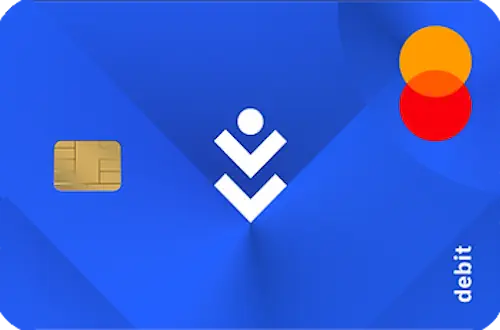
1. COCA Visa Card
Self-Banking: 8% Cashback + 6% APY + 0% FX

2. Tria Premium Card
Ultimate Web3 Luxury: 6% Cashback + Zero ATM Fees
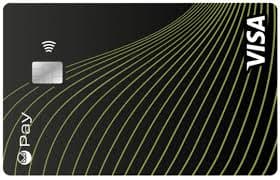
3. Gnosis Pay Card
Your Keys, Your Card, Your Money
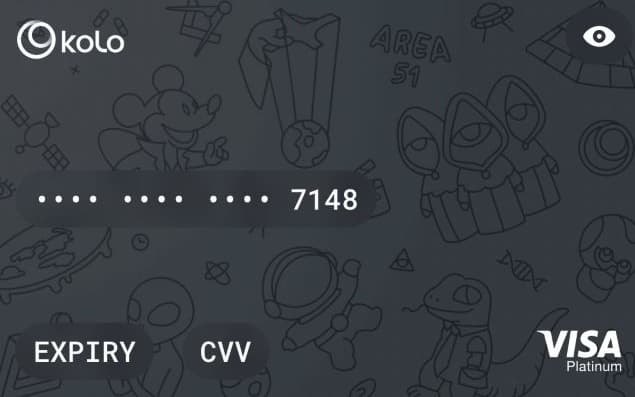
4. Kolo Card
Earn Bitcoin on Every Purchase: 5% BTC Cashback + Visa Platinum + 170+ Countries

5. ether.fi Core Card
Zero Barriers: 3% Back on Every Purchase, No Stake Required
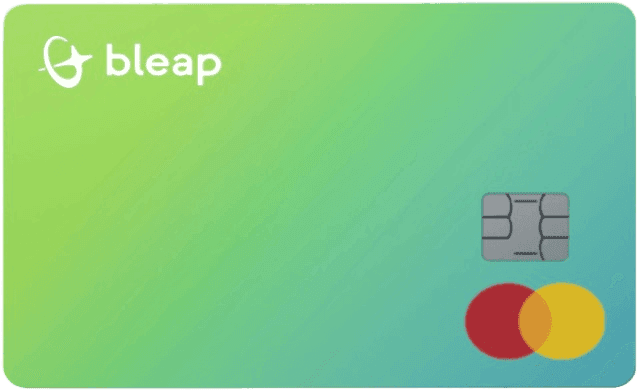
6. Bleap Mastercard
Secure DeFi Spend: Tiered USDC Cashback + 0% FX Fees
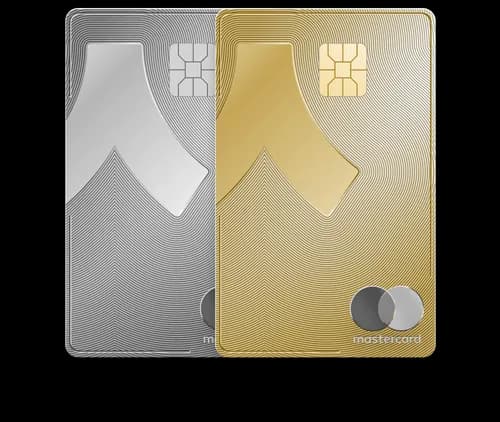
7. Ready Metal Card
Premium Self-Custody: 3% Back on Every Swipe, Zero FX
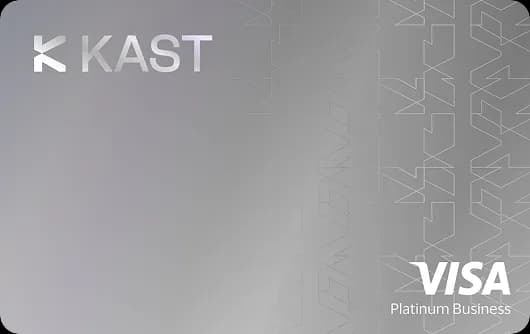
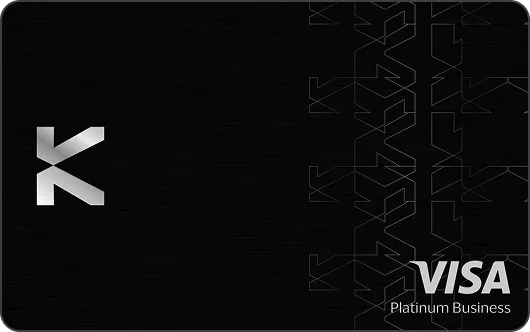
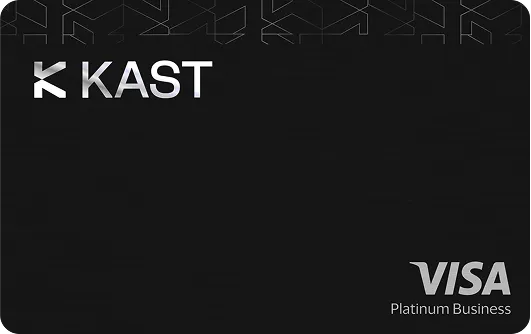
8. KAST K Card
Early Adopter Access: 2% Points + 4% $MOVE on Every Swipe
Three Numbers That Matter
$1,410/year gap - The difference between the best stablecoin card (0% conversion, 3% cashback) and the worst (1.7% conversion, 0% cashback) at $30,000 annual spending. Same USDC balance, opposite outcomes.
0% conversion on 6 cards - Gnosis Pay, Ready Metal, ether.fi, COCA, Bleap, and Bitpanda all charge zero to convert stablecoins to fiat at the point of sale. ether.fi still adds a 1% FX fee on international spending. Every other card charges 0.9-1.7%.
$700/year in yield - An $8,750 average USDC balance earning 8% APY generates $700/year in passive income while you wait to spend. Traditional checking accounts pay $4.38 on the same balance.
2026 Stablecoin Card Leaders
The cards below are specifically designed or optimized for stablecoin spending, with minimal conversion friction and rewards that complement a stablecoin-first strategy.
| Card | Stablecoins | Conv. Fee | FX Fee | Cashback | Custody | Region |
|---|---|---|---|---|---|---|
| Gnosis Pay | EURe | 0% | 0% | Up to 5% GNO | Self-custody | EEA/UK |
| Ready Metal | USDC | 0% | 0% | 3% STRK | Self-custody | EEA/UK |
| ether.fi Core | USDC | 0% | 1% | 3% ETH | Self-custody | EEA/UK |
| COCA | USDC, USDT | 0% | 0% | Up to 8% USDC | Self-custody | Global (60 countries) |
| Bleap | USDC, USDT | 0% | 0% | 2% USDC (10 USDC cap) | Self-custody | EEA |
| Ready Lite | USDC | 0% | 1% | 0.5% STRK | Self-custody | EEA/UK |
| KAST | USDC, USDT | N/A | 0.5% | 2% $MOVE | Custodial | Global |
| Bitpanda | USDC, USDT + 600 | 0% | 0% | 1% BTC | Custodial | EEA |
| RedotPay | USDC, USDT | 1.2% | 1.2% | None | Custodial | Global |
| Avici Platinum | USDC | 0% | 0% | N/A | Self-custody | Americas/APAC |
| Jupiter | USDC | 0% (USD), 1%/1.8% (FX) | 0% | None (planned) | Hybrid | Global |
| MetaMask | USDC, USDT | Gas only | 1% cross-border (Virtual) / 0% (Metal) | 1-3% ETH | Self-custody | US/EEA/UK/CH/Americas |
Quick picks: Gnosis Pay for European users spending EURe with $0 annual fee. Ready Metal for USDC spenders who want self-custody and 3% back. ether.fi Core for free, uncapped 3% with no annual fee.
KAST for global availability with 2% base cashback and 0.5% FX. Bitpanda for EEA users who want $0-annual-fee stablecoin spending with minimal complexity.
Why Stablecoins Are the Smart Spending Choice
The core argument for stablecoin spending is the elimination of the "Pizza Day" problem. Every Bitcoin purchase is a bet that BTC will not appreciate after you spend it. Stablecoins remove that bet entirely.
Purchasing Power Comparison: BTC vs. USDC
| Scenario | Asset Spent | Cost Today | Asset Value 30 Days Later | Opportunity Cost |
|---|---|---|---|---|
| Groceries ($100) | BTC | $100 | $130 (BTC +30%) | $30 lost gains |
| Groceries ($100) | USDC | $100 | $100 (stable) | $0 |
| Rent ($1,500) | ETH | $1,500 | $2,100 (ETH +40%) | $600 lost gains |
| Rent ($1,500) | USDC | $1,500 | $1,500 (stable) | $0 |
| Travel ($3,000) | BTC | $3,000 | $1,800 (BTC -40%) | Saved $1,200 |
| Travel ($3,000) | USDC | $3,000 | $3,000 (stable) | $0 |
The third row shows the only scenario where spending BTC "wins," but you only know that in hindsight. The volatility cuts both ways. Stablecoins give you predictability: $100 spent is $100 gone, no regrets, no windfalls, no tax complexity.
The Three Stablecoin Spending Models
Not all cards handle stablecoins the same way. The model determines your counterparty risk, conversion cost, and speed.
Model 1: Self-Custody Just-in-Time (JIT)
Your stablecoins stay in your own wallet until the exact moment you tap the card. The card issuer triggers an on-chain conversion only for the purchase amount. If the issuer goes bankrupt, your wallet balance is unaffected.
How it works:
- You hold USDC in your self-custody wallet (Ready, ether.fi, Gnosis Pay, Bleap)
- You tap the card at a merchant terminal
- A smart contract or co-signer module authorizes the exact spend amount
- The protocol converts your USDC to the merchant's local currency via a liquidity pool
- The merchant receives fiat, your on-chain balance is deducted
Cards using this model: Gnosis Pay (EURe on Gnosis Chain), Ready (USDC on Starknet), ether.fi (USDC on Scroll), Bleap (USDC/USDT on multi-chain), MetaMask (USDC on Linea), Avici (USDC on L2s)
Model 2: Exchange Prepaid Top-Up
You deposit stablecoins into an exchange or card platform, which converts them to fiat and loads the balance onto a prepaid card. The conversion happens before you spend, not at the point of sale.
Cards using this model: Crypto.com, Bitpanda, RedotPay, KAST, Bitget
Model 3: Credit Line Against Stablecoin Collateral
You deposit stablecoins as collateral and borrow against them without selling. This avoids triggering a taxable event entirely, since no disposal occurs.
Cards using this model: Nexo (borrow against USDC/USDT deposits)
Conversion Fee Comparison: What You Actually Pay
The conversion fee is the single most important number for stablecoin spenders. It determines whether your card is saving you money or quietly eroding your balance.
| Card | Stablecoin Fee | FX Fee (non-home currency) | Annual Cost on $30,000 Spend | Annual Cost on $60,000 Spend |
|---|---|---|---|---|
| Gnosis Pay | 0% (EURe) | 0% | $0 | $0 |
| Ready Metal | 0% (USDC) | 0% | $0 | $0 |
| ether.fi | 0% (USDC) | 1% | $300 (if non-USD) | $600 (if non-USD) |
| COCA | 0% | 0% | $0 | $0 |
| Bleap | 0% | 0% | $0 | $0 |
| Bitpanda | 0% | 0% | $0 | $0 |
| Ready Lite | 0% (USDC) | 1% | $300 (if non-USD) | $600 (if non-USD) |
| RedotPay | 1.2% | 1.2% | $360 | $720 |
| Bitget Wallet | 1.7% | 1.7% | $510 ($0 first $4,800) | $1,020 ($0 first $4,800) |
Our side-by-side comparison reveals that zero-fee cards (Gnosis Pay, Ready Metal, COCA, Bleap, Bitpanda) save a user spending $30,000/year between $270 and $510 compared to fee-charging alternatives. ether.fi stays competitive on rewards but adds a 1% FX fee on international spend. Over five years, that is $1,350 to $2,550 in fees avoided, before counting any cashback earned on top.
The Stablecoin Yield Strategy: Earn While You Wait
One of the strongest arguments for stablecoin-funded cards is that your idle balance can earn yield between purchases. Traditional bank checking accounts pay 0.01-0.05% APY. Stablecoin yield platforms pay 4-11%.
Yield-While-You-Wait: Worked Example
Assumptions: $10,000 USDC balance, $2,500/month spending, average balance $8,750.
| Platform | Yield Source | APY | Monthly Yield on $8,750 | Annual Yield | Net After Card Fees |
|---|---|---|---|---|---|
| Bleap | USD balance yield | 11% | $80.21 | $962.50 | $962.50 (0% fees) |
| COCA (Morpho vault) | DeFi lending | 6-8% | $43.75-$58.33 | $525-$700 | $525-$700 (0% fees) |
| Bleap | EUR balance yield | 5% | $36.46 | $437.50 | $437.50 (0% fees) |
| Traditional bank | Savings interest | 0.05% | $0.36 | $4.38 | $4.38 |
The math: A user earning 8% yield on an $8,750 average USDC balance generates $700/year in passive income. If they also earn 3% cashback on $30,000 annual spending, their total return is $1,600/year ($700 yield + $900 cashback). A traditional bank checking account with a 1.5% cash-back debit card on the same pattern returns $454 ($4 interest + $450 cashback). The stablecoin strategy generates 3.5x more value.
The Tax Advantage: Why Stablecoins Simplify Everything
In the US, EU, and most OECD countries, spending crypto is a taxable disposal event. You must calculate the capital gain on every transaction: (sale price) minus (cost basis). For Bitcoin, this creates a recordkeeping nightmare, since the price is different at every purchase.
Tax Reporting Comparison
| Factor | BTC Spending | USDC Spending |
|---|---|---|
| Cost basis tracking | Different for every purchase | Always approx. $1.00 |
| Capital gain per transaction | Varies (-50% to +200%) | Approx. $0.00 |
| Transactions needing IRS Form 8949 | Every single one | Technically all, but gain = $0 |
| Software complexity | High (must track lot-by-lot) | Minimal (flat value) |
| Audit risk | Higher (complex calculations) | Lower (trivial gains) |
Practical impact: A user making 200 card transactions per year with BTC needs to calculate 200 individual capital gains events, each with a different cost basis. The same user spending USDC makes 200 transactions with approximately zero gain on each. Most crypto tax software (Koinly, CoinTracker, TokenTax) auto-flags stablecoin transactions as zero-gain, dramatically simplifying year-end reporting.
For a comprehensive guide, see our 2026 crypto card tax manual.
Break-Even Analysis: Which Card Pays for Itself Fastest
For cards with annual fees, stablecoin spending generates predictable break-even points because the conversion cost is fixed (no volatility surprises).
| Card | Annual Fee | Cashback Rate | Conv. Fee | Net Return per $1,000 Spent | Monthly Spend to Break Even |
|---|---|---|---|---|---|
| ether.fi Core | $0 | 3% | 0% | $30 | $0 (free) |
| Ready Lite | $0 | 0.5% | 0% | $5 | $0 (free) |
| Bleap | $0 | 2% (capped) | 0% | $20 (until cap) | $0 (free) |
| Bitpanda | $0 | 1% | 0% | $10 | $0 (free) |
| Ready Metal | $120 | 3% | 0% | $30 | $333/mo |
| Gnosis Pay (10 GNO) | $0 + GNO held | 3% | 0% | $30 | $0 (free, but GNO capital required) |
The standout: ether.fi Core offers 3% uncapped cashback with no annual fee and no conversion fee on USDC. Every dollar spent returns $0.03 from day one. On $30,000 annual stablecoin spending, that is $900/year in ETH rewards with zero cost. Ready Metal matches the 3% rate but requires $120/year, breaking even at just $333/month, well within typical spending.
Worked Examples: Total Return at Three Spending Levels
At $1,000/month (Budget User)
| Card | Conversion Cost | Cashback Earned | Yield on $3K Balance | Net Annual Value |
|---|---|---|---|---|
| ether.fi Core (USDC) | $0 | $360 (3%) | N/A | $360 |
| Bitpanda (USDC) | $0 | $120 (1%) | N/A | $120 |
| Bleap (USDC) | $0 | $120 (2% capped at $10/mo) | $330 (11% APY) | $450 |
| RedotPay (USDC) | $144 (1.2%) | $0 | N/A | -$144 |
| Traditional bank (fiat) | $0 | $18 (1.5%) | $1.50 (0.05%) | $19.50 |
At $1,000/month, zero-fee stablecoin cards outperform traditional banking by 6x-23x. Bleap with 11% yield on idle balance generates the highest total return ($450/year), even with its $10/month cashback cap.
At $3,000/month (Digital Nomad)
At this volume, ether.fi Core generates $1,080/year in 3% cashback with zero fees. COCA at 5% (Premium tier, requires staking 3,000 COCA) generates $1,560/year within its $2,500/mo allowance (first $2,500 at 5% + remaining $500 at 1%) plus yield on idle USDC. Cards with conversion fees become expensive: RedotPay at 1.2% costs $432/year, and Bitget Wallet at 1.7% costs $612/year. The fee gap between 0% and 1.7% conversion is $612/year at this spending level.
At $8,000/month (High Spender)
| Card | Conversion Cost | Cashback Earned | Yield | Net Annual Value |
|---|---|---|---|---|
| COCA Elite (0% fee, 8%) | $0 | $7,680 | 6% on idle | $7,680 + yield |
| ether.fi Core (0% fee, 3%) | $0 | $2,880 | N/A | $2,880 |
| Bitget Wallet (1.7% fee, 0%) | $1,632 | $0 | N/A | -$1,632 |
The total annual gap between the best (0% fee, 8% cashback) and worst (1.7% fee, 0% cashback) stablecoin card on $96,000 annual spend is $9,312/year. At high volumes, the card choice is a five-figure annual decision.
Stablecoin Selection: USDC vs. USDT vs. EURe
Choosing the right stablecoin matters. Each has different issuer risk, regulatory status, and card compatibility.
| Stablecoin | Peg | Issuer | Regulatory Status | Best For | Card Support |
|---|---|---|---|---|---|
| USDC | $1 USD | Circle | US-regulated, MiCA-compliant | Widest card compatibility, DeFi yield | Ready, ether.fi, Bleap, KAST, COCA, Avici, Jupiter, MetaMask, Bitpanda |
| USDT | $1 USD | Tether | Less transparent reserves | CEX liquidity, Asian markets | KAST, RedotPay, Bleap, Crypto.com, Bitpanda, Bitget |
| EURe | 1 EUR | Monerium | Icelandic EMI-licensed | European spending, zero FX in eurozone | Gnosis Pay (exclusive) |
| DAI/USDS | $1 USD | MakerDAO/Sky | Decentralized, no single issuer | Censorship resistance | Limited card support |
USDC is the safest default. Circle publishes monthly reserve attestations audited by Deloitte, holds reserves in US Treasuries and cash, and is MiCA-compliant for European operations. USDT has higher trading volume but less reserve transparency. EURe eliminates FX fees entirely for eurozone spending but is only supported by Gnosis Pay.
Card Selection by Use Case
For European Spenders (EEA/UK)
Best overall: Gnosis Pay (EURe, 0% fees, up to 5% GNO, self-custody). The only card designed natively for euro stablecoin spending. If you spend primarily in EUR, EURe funding eliminates both conversion and FX fees completely.
Best for USDC users: ether.fi Core (3% ETH, uncapped, free) or Ready Metal (3% STRK, 0% FX, $120/yr). Both self-custodial with zero conversion fees on USDC.
Budget pick: Bitpanda (1% BTC cashback, 0% fees, no annual fee, 600+ assets). Simple, custodial, and supports both USDC and USDT alongside hundreds of other assets.
For Global Users (Non-EEA)
Best overall: KAST (USDC/USDT, 2% $MOVE cashback, global shipping, 0.5% FX). The widest stablecoin card availability outside Europe. 2-minute KYC required for basic tiers.
Self-custody option: MetaMask (USDC/USDT, 1-3% ETH, multi-chain). One of the broader self-custody options outside the usual EEA-only stablecoin-card set. Virtual charges 1% cross-border; Metal ($199/yr) has 0% FX.
Americas/APAC: Avici Platinum (USDC on 12 chains, self-custody via ZeroDev smart wallet). Available in 48 countries excluding Europe and UK.
For Yield Maximizers
Best stablecoin yield + card combo: COCA (Morpho vault yield on USDC + up to 8% cashback, self-custody). Or Bleap (11% USD / 5% EUR yield + 2% USDC cashback). Both let your stablecoins earn yield automatically while you spend from the same balance.
For Self-Custody Purists
Split across chains for ecosystem diversity: Gnosis Pay (Gnosis Chain), Ready (Starknet), ether.fi (Scroll), Bleap (multi-chain), MetaMask (Linea). Each card accesses a different L2 ecosystem for DeFi opportunities beyond spending.
Common Mistakes That Cost Stablecoin Spenders Money
Mistake 1: Ignoring the Conversion Fee on Non-Zero Cards
A user spending $3,000/month on a card with 1.7% conversion fee pays $51/month ($612/year) in hidden costs. Switching to a 0% conversion card saves that entire amount. Always check the stablecoin-to-fiat conversion fee, not just the headline FX fee. Some cards advertise "0% FX" but charge a separate token swap fee.
Mistake 2: Using USDT When USDC Is Available
USDT has higher depegging risk and less regulatory clarity than USDC. In January 2025, Tether temporarily lost its 1:1 peg by 0.3% during a market stress event. On a $10,000 balance, that is a $30 haircut. USDC, backed by US Treasuries and audited by Deloitte, has maintained tighter peg stability. Use USDT for CEX trading liquidity, USDC for card spending.
Mistake 3: Paying FX Fees on Euro Spending When EURe Exists
European users spending in EUR who fund their card with USDC pay an unnecessary USD-to-EUR conversion. Gnosis Pay accepts EURe (euro stablecoin) directly, eliminating both the stablecoin conversion fee and the FX fee. On $30,000 of eurozone spending, avoiding even a 0.5% FX spread saves $150/year.
Mistake 4: Not Earning Yield on Idle Stablecoin Balances
Leaving $10,000 USDC in a non-yield wallet costs you $400-$800/year in foregone yield (at 4-8% APY). Platforms like COCA (Morpho vaults) and Bleap (11% USD yield) let your spending balance generate returns automatically. Even DeFi-native options like Aave or Compound on L2s can earn 3-5% on USDC while your card draws from the same wallet.
Mistake 5: Holding All Stablecoins in One Issuer
Diversification applies to stablecoins too. Holding 100% USDT concentrates your risk in Tether's reserve management. A 50/50 split between USDC and USDT, or adding EURe for eurozone spending, reduces single-issuer exposure. The self-custody cards that support multiple stablecoins (Bleap: USDC + USDT, KAST: USDC + USDT) make this easy.
For Travelers Spending in Foreign Currencies
Stablecoin cards with 0% FX eliminate both the conversion fee AND the foreign exchange markup. Gnosis Pay (EURe, 0% everything) is perfect for eurozone travel. COCA works globally with 0% FX on direct stablecoin pairs (EURC to EUR, USDC to USD) and 1% on indirect pairs. ether.fi Core charges 1% FX. A digital nomad spending $15,000/year internationally saves $450+ versus a 3% FX bank card, on top of the stablecoin cashback.
For Privacy-Minded Users
Self-custody stablecoin cards keep your balance in your wallet, not on an exchange. Gnosis Pay uses Safe multi-sig on Gnosis Chain. Ready uses Starknet. ether.fi uses Scroll. Your stablecoin spending is on-chain and verifiable, but your funds are never held by a third party.
Verdict: The Practical Foundation for Daily Crypto Spending
Stablecoins are the bridge between crypto wealth and everyday spending. They eliminate volatility risk, simplify tax reporting, and can earn yield while sitting in your wallet. The best stablecoin card is the one where (Annual Cashback + Yield - Conversion Fees - FX Fees - Annual Fee) = Highest Positive Number. ether.fi Core (3% uncapped, 1% FX on international spend, $0 annual fee) and Gnosis Pay (up to 5% GNO, 0% fees, EURe-native) are the strongest picks for self-custodial stablecoin spending.
For global users, KAST offers the widest availability with high cashback. For yield maximizers, COCA and Bleap combine spending and earning in a single balance. Start with $0-annual-fee cards, earn yield on idle balances, and spend stablecoins instead of selling your BTC. The annual gap between the best and worst stablecoin card is $1,410 on $30,000 spending. Choose the right card and that money stays in your wallet.
Frequently Asked Questions
Why spend stablecoins instead of Bitcoin?
Volatility. When you spend Bitcoin, you sell an asset that might appreciate tomorrow. Stablecoins like USDC and USDT are pegged to the dollar, so your $100 grocery bill costs exactly $100 worth of crypto today and tomorrow. No Pizza Day regret, no capital gains math on every coffee.
Are there conversion fees for stablecoin spending?
It depends on the card and funding stablecoin. Gnosis Pay charges 0% on EURe, Ready Metal charges 0% on USDC, and ether.fi charges 0% on USDC with a 1% FX fee on international spend. Cards like RedotPay charge 1.2% and Bitget Wallet charges 1.7% (with a $400/month zero-fee quota). Always check the specific stablecoin conversion fee, not just the headline FX fee.
Which stablecoins are most widely supported?
USDC and USDT are the industry standards, accepted by virtually every card that supports stablecoin spending. EURe (Monerium EUR on Gnosis Chain) is the leading euro stablecoin, used exclusively by Gnosis Pay. DAI is accepted by fewer cards but offers censorship resistance as a decentralized stablecoin.
Is stablecoin spending a taxable event?
Technically yes in most jurisdictions. However, since stablecoins maintain a 1:1 peg, the capital gain on disposal is typically zero. You still need to report the transactions, but the math is trivial: bought at $1.00, spent at $1.00, gain = $0. This makes stablecoin spending dramatically simpler than spending BTC or ETH for tax purposes.
Can I earn yield on stablecoins while waiting to spend them?
Yes. Several card platforms offer yield on idle stablecoin balances. COCA provides yield through Morpho vaults. Bleap offers 5% on EUR and 11% on USD balances. Nexo offers up to 14% APY on USDC deposits (tier-dependent). The yield effectively subsidizes any conversion fees you pay when spending.
What is the difference between self-custody and exchange stablecoin cards?
Self-custody cards (Gnosis Pay, Ready, ether.fi, Bleap, MetaMask) keep your stablecoins in your own wallet until the moment of purchase. Exchange cards (Crypto.com, Bitget, KAST) require you to deposit stablecoins into the exchange first. Self-custody eliminates counterparty risk but may have higher gas costs. Exchange cards are simpler but your funds are at risk if the exchange fails.
Do I need to convert stablecoins to fiat before spending?
No. Modern crypto cards handle the conversion automatically at the point of sale. When you tap your card, the issuer converts your USDC or USDT to the merchant local currency in real time. You never need to manually sell stablecoins to load a fiat balance, though some exchange-based cards do require a manual top-up step.
What happens if a stablecoin depegs while loading my card?
If USDC drops to $0.98 during a market stress event, loading $1,000 onto your card costs you $20 in depeg loss. This risk is minimal for USDC (backed by US Treasuries, audited by Deloitte) but higher for USDT and algorithmic stablecoins. Cards that settle in real-time (self-custody JIT models) minimize depeg exposure since conversion happens instantly.
Can I use stablecoins on Apple Pay or Google Pay?
Yes. Most stablecoin-funded cards that support Apple Pay and Google Pay let you load with USDC or USDT, then tap to pay at contactless terminals. Cards like KAST, MetaMask, Bleap, and 1inch all support mobile wallet integration with stablecoin funding.