

Best Crypto Cards in Mozambique (2026)
Compare crypto cards available in Mozambique. Southeast Africa's fastest-growing economy (LNG boom), M-Pesa and e-Mola dominant for mobile payments, no explicit crypto ban, and a metical that has depreciated significantly. Global crypto cards serve Maputo's growing professional class and diaspora.

Verified for Mozambique
31 crypto cards available
Local currency: MZN
Mozambique's economy is being reshaped by two forces moving in opposite directions. On one side, massive LNG projects in Cabo Delgado province (TotalEnergies' $20B+ Mozambique LNG, ENI's Coral South FLNG already producing, ExxonMobil's Rovuma LNG) promise to make the country one of Africa's largest gas exporters by the late 2020s.
On the other, the metical (MZN) has depreciated from approximately 30 MZN per USD in 2015 to over 64 MZN per USD - a 53%+ loss in purchasing power that wipes out savings held in local currency. A crypto card funded with stablecoins provides dollar-denominated purchasing power that appreciates relative to MZN simply by standing still.
Mobile Money dominates daily payments - M-Pesa (Vodacom), e-Mola (Movitel), and mKesh (Tmcel) serve over 10 million accounts in a population of 33 million. But Mobile Money is domestic-only. International e-commerce, foreign subscriptions, airline bookings, and cross-border spending require Visa/Mastercard rails that crypto cards provide with 0% FX fees.
| Card | Max Cashback | Annual Fee | FX Fee | Card Type | Best For |
|---|---|---|---|---|---|
| Kolo | 2% | $0 | 0% | Prepaid | BTC cashback, MZN depreciation hedge |
| Tria Signature | 4.5% | $109 | 0% | Debit | Yield-linked rewards, 0% FX |
| Crypto.com Icy | 4% | CRO stake | 0% | Prepaid | Tiered rewards + lounge access |
| ether.fi | 3% | $0 | 1% | Debit | Borrow-to-spend, keep ETH |
| KAST | 2% | $0 | 0.5% | Prepaid | Cheapest live card for first international spend |
| RedotPay | - | $0-$100 | 1.2% | Prepaid | Stablecoin spending |
| xPlace | 0.5-2% | $0 | 1% | Debit | Solana ecosystem |
| Jupiter | 4-10% JupUSD | $0 | 1% | Debit | DeFi-native spending |
Best Card For Every Need in Mozambique
Top 4 Crypto Cards in Mozambique
Mozambique's 2016 hidden debt scandal - $2 billion in secret government loans that destroyed 40% of the metical's value overnight - taught an entire generation that MZN bank deposits are not safe stores of value. The currency has continued bleeding to 53%+ total depreciation, making USDC on a crypto card a better savings vehicle than a Millennium bim deposit paying 12% interest on a currency losing 8-10% annually.
Kolo at 2% BTC cashback with $0 annual fee and 0% FX converts daily spending into BTC savings that compound on top of the depreciation hedge. KAST at 2% with $0 annual fee and 0.5% FX is the quickest route from Binance P2P to a live card. Tria Signature at 4.5% and 0% FX breaks even at $202/month, viable for the LNG sector workforce. ether.fi at 3% avoids triggering any disposal under Mozambique's potential 32% top income tax bracket.
We tested all globally available cards for Mozambican residents - Kolo delivers 2% BTC cashback at $0 annual fee and 0% FX, combining a free BTC reward stream with a depreciation hedge. KAST at 2% with $0 annual fee and 0.5% FX is the cheapest live card for users who need international spending quickly.
Tria Signature at 4.5% and 0% FX suits LNG sector professionals. Card POS acceptance concentrates heavily in Maputo, the capital and economic hub, with limited penetration elsewhere.
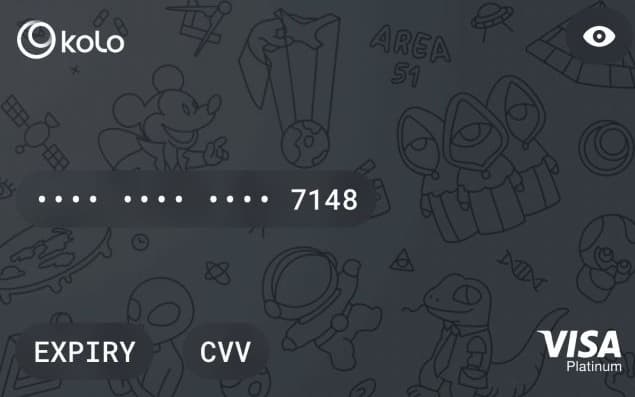
1. Kolo Card
Earn Bitcoin on Purchases: 2% BTC Cashback + Visa Platinum + 170+ Countries
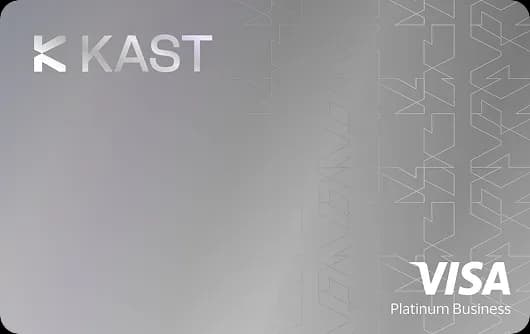
2. KAST K Card
Early Adopter Access: 2% Points + 4% $MOVE on Every Swipe
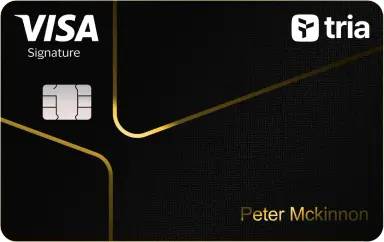
3. Tria Signature Card
High-Yield Mastery: 15% APY + Visa Signature Perks

4. ether.fi Core Card
Zero Barriers: 3% Back on Every Purchase, No Stake Required
Crypto Card Regulation in Mozambique
Mozambique's crypto regulatory environment is permissive by omission. The Banco de Mocambique (BdM, central bank) has issued general warnings about cryptocurrency risks but has not banned crypto ownership, trading, or use. The BdM's focus has been on financial inclusion through Mobile Money regulation rather than crypto-specific frameworks.
The Mozambican Securities Exchange (Bolsa de Valores de Mocambique, BVM) and its regulator have not classified cryptocurrencies as securities. The Gabinete de Informacao Financeira de Mocambique (GIFiM, Financial Intelligence Unit) applies AML/CFT requirements under the Anti-Money Laundering Law (Lei n. 14/2013) but has not developed crypto-specific compliance rules.
Mozambique's financial regulation is influenced by SADC (Southern African Development Community) regional frameworks and IMF/World Bank financial sector assessments. In October 2025, the FATF removed Mozambique from its "grey list", recognizing strong progress in AML/CFT reforms.
The National Financial Inclusion Strategy 2025-2031 includes provisions for fintech regulation development, and the BdM is analyzing rules on AI use in the financial system. The country's focus on LNG revenue management and financial inclusion means crypto-specific regulation is not a near-term priority, but the broader regulatory infrastructure is strengthening.
Mozambique has no crypto ban and no specific restrictions on crypto card usage. The FATF grey list removal signals improving financial governance, but crypto-specific consumer protections remain absent. Use well-regulated international card issuers.
Tax Treatment of Card Rewards in Mozambique
Mozambique has no specific cryptocurrency tax legislation. Under the general tax code, crypto gains could fall under the IRPS (Imposto sobre o Rendimento das Pessoas Singulares, Personal Income Tax).
Personal Income Tax
Mozambique applies progressive IRPS rates: 10% on the first MZN 42,000/month (approximately USD 656), 15% on MZN 42,001-168,000, 20% on MZN 168,001-504,000, and 32% on income above MZN 504,000 (approximately USD 7,875/month). Capital gains from property disposal are taxed at the same rates. Whether crypto disposals constitute property disposal is unclear.
Practical Situation
The Autoridade Tributaria de Mocambique (AT) has not classified crypto or published digital asset guidance. Tax collection infrastructure focuses on VAT (16%), payroll, and corporate taxation from the formal sector. Individual crypto card spending is extremely unlikely to attract enforcement.
| Cashback Type | Tax When Received | Tax When Spent/Sold | Optimal Strategy |
|---|---|---|---|
| BTC/ETH cashback | Unclear (likely untaxed) | Unclear (no guidance) | Hold, track basis |
| Stablecoin cashback (USDC) | Not taxed (rebate) | Near-zero gain | Spend anytime |
| Points/token cashback | Unclear (likely untaxed) | Unclear (no guidance) | Convert to stablecoin |
Fund with stablecoins for maximum simplicity. No tax ambiguity, plus the MZN depreciation hedge makes stablecoin holdings doubly attractive.
How to Apply from Mozambique
Crypto card applications from Mozambique require the Bilhete de Identidade (BI, National Identity Card), issued by the Servico Nacional de Identificacao Civil, Registo e Notariado (SERNIR). The BI is mandatory for Mozambican citizens and contains biometric data and a NUIC (Numero Unico de Identificacao Civil).
Alternative identification: Mozambican passport (Passaporte da Republica de Mocambique), issued by the Migration Services (Servico Nacional de Migracoes, SENAMI). DIRE (Documento de Identificacao de Residencia para Estrangeiros) for foreign residents. Proof of address via utility bills from EDM (Electricidade de Mocambique), FIPAG/AdeM (water distribution in Maputo), or telecom bills from Vodacom, Movitel, or Tmcel. Bank statements from Millennium bim, BCI, or Standard Bank also work.
NUIT (Numero Unico de Identificacao Tributaria) is Mozambique's tax identification number. Some issuers may request it. KAST and RedotPay with fast KYC (2 min) are the most accessible options for Mozambican users. Diaspora members with South African, Portuguese, or European documents may have broader issuer access.
Spending Tips for Mozambique
Banking System: Portuguese Legacy, African Reality
Mozambique's banking sector reflects its Portuguese colonial history. Millennium bim (BCP subsidiary, largest bank by assets and branches) dominates retail banking with over 200 branches and the most extensive ATM network. International card fees: 2.5-4% FX markup plus MZN 150-300 per transaction on foreign purchases.
BCI (Banco Comercial e de Investimentos, Caixa Geral subsidiary) serves the corporate and mid-market segment. Standard Bank Mozambique (South African parent) offers the most international connectivity but requires minimum balances of MZN 50,000+ for international card products. Absa Mozambique (formerly Barclays) serves expats and the LNG sector workforce. Moza Banco targets the growing middle class but has limited international card capabilities.
The core friction: Millennium bim and BCI issue Visa debit cards that work domestically, but international online purchases fail at alarming rates. Merchant-side country blocks, 3DS authentication failures, and BCEAO-style monthly caps (though Mozambique is not WAEMU, BdM imposes similar prudential limits) mean that a Maputo professional trying to pay for Netflix, Amazon, or Coursera with their Millennium bim card faces 30-50% decline rates.
A crypto card registered as a European or global Visa/Mastercard bypasses all of these restrictions.
The Metical Depreciation: A Decade of Erosion
The metical's trajectory tells the story of Mozambique's economic challenges:
- 2015: approx. 30 MZN/USD - pre-hidden debt crisis
- 2016: MZN crashed to 75+ after the "hidden debt" scandal ($2B in secret government loans from Credit Suisse and VTB were revealed, IMF suspended aid, donors froze budgets)
- 2017-2019: Partial recovery to 60-65 MZN/USD as IMF negotiations resumed
- 2020-2022: COVID + Cabo Delgado insurgency pushed to 64-68 MZN/USD
- 2024-2025: Post-election unrest and delayed LNG timeline keep pressure at 64+ MZN/USD
The hidden debt crisis alone destroyed 40%+ of the metical's value in months. Anyone who held savings in MZN bank deposits earning 12-15% interest still lost net purchasing power against the dollar.
A Millennium bim savings account paying 12% annual interest on MZN deposits cannot compensate for a currency losing 8-10% annually against USD. Holding USDC in a crypto wallet and spending through a KAST or RedotPay card is effectively a 5-8% annual return in MZN terms, before cashback rewards are added.
Card Selection by Use Case
- Free BTC cashback: Kolo (2% BTC cards with cashback, $0, 0% FX)
- Fastest live card from P2P funding: KAST (2%, $0, 0.5% FX)
- Yield-linked rewards: Tria Signature (4.5%, $109/yr, 0% FX)
- Premium perks: Crypto.com Icy (4% + lounge access at MPM)
- Hold ETH, spend USD: ether.fi (3%, borrow against staked ETH, 1% FX)
Break-Even Math: MZN Depreciation Context
All amounts in USD (MZN equivalent at approx. 64:1). Tax impact unclear.
| Monthly Spend | Kolo (2% BTC, free) | Tria Sig (4.5%, $109/yr) | ether.fi (3%, free) | KAST (2%, free) |
|---|---|---|---|---|
| USD 100 | USD 24/yr | -USD 55/yr | USD 36/yr | USD 24/yr |
| USD 150 | USD 36/yr | -USD 28/yr | USD 54/yr | USD 36/yr |
| USD 300 | USD 72/yr | USD 53/yr | USD 108/yr | USD 72/yr |
| USD 600 | USD 144/yr | USD 215/yr | USD 216/yr | USD 144/yr |
At Mozambique's formal sector average income (approximately USD 150/month in Maputo), Kolo at USD 36/year is still meaningful because the BTC rewards sit on top of the USD-denomination hedge. Tria Signature breaks even at $202/month, so it remains more viable for LNG sector workers than for the average salary earner.
Cost of Living by Area
Polana/Sommerschield (Maputo's upscale district): Rent USD 800-2,500/month for apartments. Restaurants USD 15-40/meal. Expat-heavy area where nearly all restaurants, hotels, and shops accept Visa/Mastercard. Home to embassies, international organizations, and LNG company offices. Best area for daily crypto card use.
Maputo Centro/Baixa (downtown): Rent USD 300-800/month. Local restaurants USD 3-10/meal. Card acceptance at formal establishments, shopping centers (Maputo Shopping, Baia Mall), and hotels. The Marginal (seafront) has growing POS adoption at bars and restaurants.
Matola (satellite city, 1M+ population): Rent USD 150-400/month. Limited card acceptance. Primarily cash and M-Pesa economy. Crypto card useful mainly for online purchases.
Beira (second city, 600K+): Port city, Sofala province. Rent USD 200-500/month. Some card acceptance at hotels (Beira Terrace, VIP Grand) and Shoprite/Spar. The port handles Zimbabwe's imports, creating a trading economy with some USD circulation.
Nampula (third city, 750K+): Northern hub. Very limited card infrastructure. Cash and e-Mola dominate. Card use restricted to hotels and a few formal retailers.
Pemba/Cabo Delgado: LNG project zone. TotalEnergies and ENI contractor camps create USD-denominated pockets. Hotels catering to LNG workers accept cards. Outside the project zones, the Cabo Delgado insurgency has disrupted normal commerce.
The LNG Factor: An Economy in Transition
Mozambique sits on 180+ trillion cubic feet of proven natural gas reserves in the Rovuma Basin, making it potentially the world's third-largest LNG exporter after Qatar and Australia. Three mega-projects are at various stages:
ENI/Coral South FLNG: Already producing (since 2022). BP is the sole buyer. This is the only project currently generating revenue.
TotalEnergies Mozambique LNG: The $20B+ onshore facility in Afungi was suspended in 2021 due to the Cabo Delgado insurgency. Partial restart announced in 2024. When operational, it will transform the northern economy.
ExxonMobil Rovuma LNG: Still in pre-FID (Final Investment Decision) stage. $30B+ estimated investment.
For crypto card users, the LNG economy matters because it brings an influx of international workers, contractors, and USD-denominated spending into a previously cash-based economy. Pemba hotels, Maputo service apartments, and the entire logistics chain around LNG are creating card-accepting merchant pockets. LNG contractors paid in USD who convert to MZN through banks lose 2-4% on each conversion. A crypto card bypasses this entirely.
Diaspora: Portugal, South Africa, and Beyond
Mozambique's diaspora follows three main corridors:
Portugal: The colonial connection means an estimated 200,000+ Mozambicans live in Portugal (Lisbon, Porto, Algarve). Portuguese citizenship by descent is common. Many hold dual nationality and Portuguese bank accounts, but sending money home through traditional channels costs 3-6%. Loading a crypto card for family in Maputo eliminates this entirely.
South Africa: The largest and most complex corridor. 2-3 million Mozambicans work in South Africa (Johannesburg, Mpumalanga, Limpopo), many in mining, agriculture, and informal sectors. Remittances of USD 500M-1B annually flow through formal and informal channels. Traditional transfer via Mukuru, Mama Money, or bank wire costs 4-8%.
Many Mozambican miners in South Africa already use Luno or VALR (South African exchanges) to buy USDT, which they send home via Binance P2P for family to cash out or load onto a card.
Other corridors: Brazil (linguistic connection, 50,000+ Mozambicans), Germany (development sector), UK, US (smaller but growing communities). Total remittances: approximately USD 1-1.5 billion annually.
Online Shopping and Subscriptions
International online purchases are the single most frustrating financial experience for Maputo professionals. Millennium bim and BCI cards get declined on Amazon, Netflix blocks Mozambican bank cards entirely (the country is not on Netflix's supported payment regions list), and App Store/Google Play purchases fail regularly.
The workaround ecosystem: buying Google Play gift cards from informal sellers on Facebook Marketplace (15-25% markup), sharing Netflix accounts with diaspora family members who pay from Portugal, and using corporate cards from international employers.
A crypto card solves all of this natively: Netflix (USD 7-23/month), Spotify, Amazon purchases (shipped via DHL or freight forwarders), AliExpress (extremely popular for electronics and fashion), educational platforms (Coursera, Udemy, Duolingo Plus), cloud storage, VPN services, and gaming purchases.
Cross-Border Spending
South Africa (Ressano Garcia/Lebombo border): The busiest crossing. Mozambicans travel to Nelspruit, Johannesburg, and Durban for shopping (electronics, clothing, vehicle parts). A crypto card avoids the MZN-to-ZAR conversion at border cambios (which charge 5-10% spreads). Shoprite, Pick n Pay, and Woolworths in South Africa all accept Visa/Mastercard.
eSwatini/Malawi/Tanzania: Smaller but active borders. The Nacala Corridor (Mozambique to Malawi to Zambia) is a major trade route. A crypto card works across all these countries without carrying multiple currencies.
Zimbabwe: Beira port handles much of Zimbabwe's international trade. Business travelers between Beira and Harare/Mutare are frequent. Zimbabwe's own dollarization means a USD-funded crypto card is essentially local currency there.
Portugal/Europe: The most common international flight destination. TAP Air Portugal, Ethiopian Airlines (via Addis Ababa), and Kenya Airways serve Maputo. A crypto card eliminates Millennium bim's 2.5-4% international transaction fees plus FX markup.
Local Payment Infrastructure
Maputo has the best card acceptance in Mozambique. Visa and Mastercard POS terminals work reliably at hotels (Polana Serena, Radisson Blu, Southern Sun, Avenida), supermarkets (Shoprite, Game, Spar), restaurants in Polana, Sommerschield, and the Marginal, and shopping centers (Maputo Shopping Center, Baia Mall). Apple Pay and Google Pay work through international card issuers for online purchases.
Mobile Money dominates daily transactions: M-Pesa (Vodacom, largest with 7M+ active users), e-Mola (Movitel, growing rapidly in northern provinces), and mKesh (Tmcel, smallest). Cash remains essential for mercados (Mercado Central, Mercado do Peixe, Mercado Xipamanine), chapas (minibus transport), and all informal commerce. Outside Maputo, card acceptance drops to near zero.
Supported Exchanges & Wallets in Mozambique
Nine card vendors serve Mozambique through global coverage, each addressing different segments of the Mozambican market.
Kolo delivers 2% BTC cashback at $0 annual fee and 0% FX. In a country where the MZN has lost 53%+ against the dollar, that BTC cashback still compounds on top of the USD-denomination hedge, even though it no longer dominates on raw payout. Tria Signature at 4.5% yield-linked rewards and 0% FX suits the LNG sector workforce at Coral South and the incoming TotalEnergies operations.
KAST at 2% with $0 annual fee and 0.5% FX is the fastest low-cost option for users funding from Binance P2P. The lighter KYC means a Mozambican can go from P2P USDT purchase to card spending quickly, without the weeks-long Millennium bim international card application.
Crypto.com provides tiered rewards from Midnight Blue (0%, free entry) through Icy (4% + airport lounge access at Maputo International (MPM), O.R. Tambo (JNB), and Lisbon (LIS)).
ether.fi at 3% and 1% FX serves ETH holders who want to spend without selling - borrow against staked ETH and avoid creating a taxable disposal under the potential 32% top bracket.
RedotPay serves stablecoin-first users with the physical card adding ATM cash withdrawals in MZN. xPlace and Jupiter serve the Solana/DeFi community.
On-Ramps and the South African Connection
No crypto exchanges are licensed by the Banco de Mocambique. The primary on-ramp is Binance P2P, which supports MZN pairs with M-Pesa and bank transfer as payment methods. Typical flow: seller lists USDT at MZN 65-67 per dollar (1-3% above spot), buyer pays via M-Pesa or Millennium bim transfer, USDT arrives in Binance wallet within minutes. From there, withdraw to KAST, RedotPay, or any other card.
The South African crypto ecosystem plays a unique role. The 2-3 million Mozambicans in South Africa have access to Luno and VALR (both regulated South African exchanges with ZAR on-ramps). A common pattern: buy USDT on Luno in Johannesburg, send to a Binance wallet, load a crypto card for family use in Maputo. This effectively creates a remittance channel that bypasses both Mukuru's 4-8% fees and the MZN depreciation risk.
Yellow Card has begun operations in Mozambique, providing a simpler fiat-to-crypto interface than Binance P2P. Local OTC trading via WhatsApp and Telegram groups ("Bitcoin Maputo", "Crypto Mocambique") handles larger transactions and works as an information network for new users.
Mozambique's combination of depreciating currency, LNG-driven economic shift, massive diaspora remittance flows, and severely limited international banking infrastructure makes crypto cards not just convenient but financially useful. The depreciation hedge alone - holding USD-pegged stablecoins instead of MZN bank deposits - delivers more value than most traditional savings products in the country.
Written by SpendNode Editorial
Frequently Asked Questions
Which crypto cards work in Mozambique?
Mozambique is served by globally available crypto cards including Kolo (current 2% BTC cashback headline, $0, 0% FX), Tria Signature (4.5%, $109/yr, 0% FX), KAST (2%, $0, 0.5% FX), Crypto.com Icy (4%, CRO stake), and ether.fi (3%, borrow-to-spend). Visa and Mastercard are accepted at hotels and formal retailers in Maputo. The MZN floats around 64 per USD.
How is cryptocurrency taxed in Mozambique?
No specific crypto tax legislation exists. Under the general tax code, capital gains from property disposal are taxed at 32% (IRPS, Imposto sobre o Rendimento das Pessoas Singulares). Whether crypto qualifies as taxable property is unclear. The Autoridade Tributaria de Mocambique (AT) has not issued crypto guidance.
Is crypto legal in Mozambique?
Crypto occupies a gray area. The Banco de Mocambique (BdM) has not banned cryptocurrency but has issued warnings about risks. No VASP licensing framework exists. Mozambique's financial inclusion focus has prioritized Mobile Money (M-Pesa, e-Mola) over crypto regulation.
Can crypto cards work alongside M-Pesa in Mozambique?
They serve different purposes. M-Pesa and e-Mola dominate domestic person-to-person payments and bill settlement. Crypto cards provide international purchasing power: global e-commerce, cross-border payments, and access to services that Mobile Money cannot reach. In Maputo's formal economy, both payment methods coexist.
Other Countries
View all 107 countries →


Recent Updates to Best Crypto Cards in Mozambique
- Removed COCA (unavailable) and redotpay-solana from topCardSlugs. Added Kolo (5% BTC, $0, 0% FX) and Tria Signature (4.5%, $109, 0% FX). Replaced Crypto.com Jade (3%) with Icy (4%), Midnight Blue 1% to 0%
- Fixed KAST FX 0.5-1.75% to 0.5%, ether.fi FX 0% to 1% and fee Points to $0. Break-even table rebuilt with MZN depreciation context (53%+ over a decade). Kolo 13%+ effective annual return in MZN terms
- Exchanges section rewritten: removed COCA paragraph, added Kolo MZN depreciation hedge angle and Tria LNG sector workforce positioning. Rationale updated with Kolo savings narrative replacing COCA
- Regulatory update: FATF removed Mozambique from grey list October 2025 (AML/CFT progress). National Financial Inclusion Strategy 2025-2031 noted. BdM analyzing AI regulation for financial system