

Best Crypto Cards in Montenegro (2026)
Montenegro is one of the simplest Balkan markets for crypto cards: prices are already in EUR, SEPA works, and the real question is how to manage rewards versus a 15% disposal tax.
Verified for Montenegro
32 crypto cards available
Local currency: EUR
Montenegro uses the euro without being in the EU or the eurozone - a rare monetary arrangement called "euroization" that shapes everything about crypto cards here. The country adopted EUR unilaterally in 2002 (previously the Deutsche Mark from 1999), meaning there is no central bank with monetary policy tools and no ECB-backed deposit guarantee scheme.
This creates a unique situation where EUR-denominated crypto cards settle at par with local prices (zero FX conversion, zero spread), but the banking system operates outside EU consumer protections. For crypto card users, the result is the simplest possible spending experience: EUR in, EUR out, zero conversion at any step.
Montenegro is one of the most crypto-friendly countries in the Western Balkans. No crypto ban exists, trading is legal, and the government has actively explored blockchain adoption as part of its digitalization strategy.
The country's EU accession process (candidate since 2010, negotiations ongoing across 33 chapters, the most advanced Western Balkan candidate) means MiCA-aligned regulation is expected within the next few years. The pending Law on Digital Financial Assets will formalize VASP licensing.
CKB (Crnogorska Komercijalna Banka, OTP Group subsidiary, largest by assets), Erste Bank Montenegro, NLB Banka (Slovenian parent), Hipotekarna Banka, and Addiko Bank Montenegro offer standard debit cards with zero cashback. Credit cards carry annual fees of EUR 20-60 with 0.5-1% rewards at best. Crypto cards at 2-8% cashback with $0 annual fee are a pure upgrade in a euroized economy.
| Card | Max Rewards | Annual Fee | FX Fee | Card Type | Best For |
|---|---|---|---|---|---|
| COCA | Up to 8% | $0 | 0% | Debit | $COCA tiers (1% free) + 6% APY |
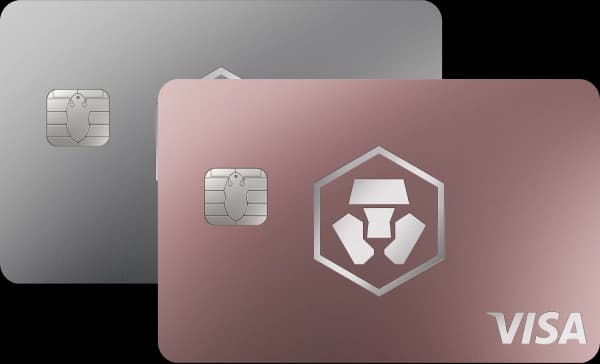
| Crypto.com | Icy 4% | CRO stake | 0% | Prepaid | Tiered rewards + airport lounge perks |
| ether.fi | 3% | $0 | 1% | Credit | Borrow-to-spend (CGT deferral) |
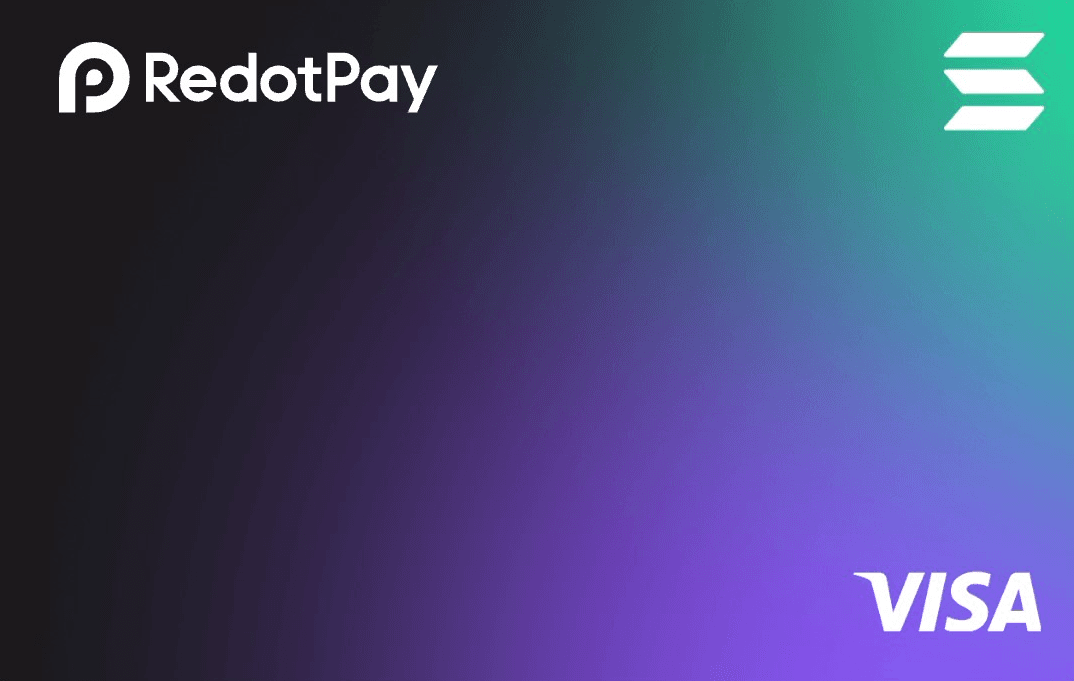
| RedotPay | - | $0 | 1.2% | Prepaid | Stablecoin spending |
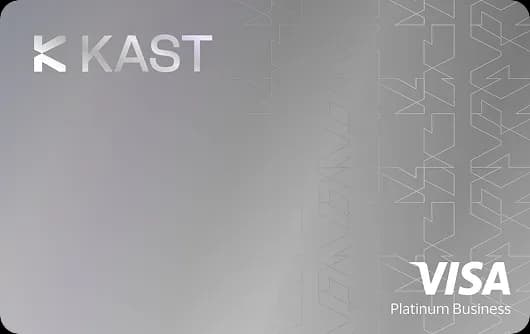
| KAST | 2% points | $0 | 0.5% | Prepaid | Free starter card for euro spending |
| xPlace | 0.5-2% | $0-$5,000 | 1% | Debit | Solana ecosystem |
| Jupiter | 4-10% JupUSD | $0 | 1% | Debit | DeFi-native spending |
Based on our Montenegro research, every card settles in EUR with low or zero FX (0-1.75%) conversion since the country is euroized. COCA leads on raw cashback at up to 8% (scaling with staking $COCA, 1% free) plus 6% APY. ether.fi is strategically important in Montenegro's 15% CGT environment - borrow-to-spend defers disposal tax entirely.
KAST is the simplest free way to start card spending in a euro economy before moving into richer tiered programs. Crypto.com Icy White (4%) adds lounge access at Podgorica (TGD) and Tivat (TIV) airports.
Best Card For Every Need in Montenegro
Top 5 Crypto Cards in Montenegro
Montenegro's euroization means every EUR-denominated crypto card settles at par with local prices - zero conversion, zero spread, low or zero FX (0-1.75%) friction - but without EU-member consumer protections or MiCA-licensed issuers. At 15% CGT, ether.fi's borrow-to-spend is the most valuable card for anyone holding appreciated crypto, deferring tax while maintaining staking yield.
COCA's 6% APY on USDC beats Montenegrin bank EUR deposits (0.5-2%) by a factor of three, making it a savings account that pays to spend. KAST's 2-minute KYC works well for the growing Budva and Kotor digital nomad community that wants a spendable card without waiting on local banking. Crypto.com Icy adds the premium exchange-card option, while RedotPay Solana gives users a stablecoin-native card route for USDC-funded spending.

1. ether.fi Core Card
Zero Barriers: 3% Back on Every Purchase, No Stake Required
2. COCA Visa Card
Self-Banking: 8% Cashback + 6% APY + 0% FX
3. KAST K Card
Early Adopter Access: 2% Points + 4% $MOVE on Every Swipe
4. Private (Icy White / Rose Gold)
Elite Private Status: 4% Uncapped Cashback + Guests
5. RedotPay Solana Card
Solana Goes IRL: Spend SOL Directly at 130M+ Merchants
Crypto Card Regulation in Montenegro
Montenegro's crypto regulation is developing alongside its EU accession process - the most advanced in the Western Balkans. The Central Bank of Montenegro (Centralna banka Crne Gore, CBCG) oversees monetary and financial stability but has limited tools since Montenegro does not issue its own currency (EUR adopted unilaterally).
The CBCG has issued public warnings about crypto volatility and the risks of unregulated exchanges but has not imposed any ban on cryptocurrency ownership, trading, or use.
The Securities and Exchange Commission of Montenegro (Komisija za hartije od vrijednosti, KHOV) regulates investment instruments but has not yet classified cryptocurrencies as securities. The Agency for Prevention of Money Laundering and Terrorist Financing (Uprava za sprjecavanje pranja novca i finansiranja terorizma) applies AML requirements to financial institutions.
In February 2025, Montenegro's Parliament adopted amendments to the Anti-Money Laundering law that introduced the country's first regulatory framework specifically covering crypto assets and crypto service providers. The Capital Market Commission will manage an online register of all entities offering crypto-related services, with the register due within nine months of the amendments taking effect.
This is a foundational step, not a complete framework: a broader Law on Digital Financial Assets (Zakon o digitalnoj finansijskoj imovini) aligned with MiCA is still expected to follow, adding full VASP licensing requirements, consumer protections, and eventually cross-border passporting with EU-licensed issuers.
Montenegro joined SEPA (Single Euro Payments Area) in 2014 despite not being in the EU, reflecting its euroized banking system's integration with European payments infrastructure. This means EUR transfers between Montenegrin and EU banks are treated as domestic SEPA transfers (low fees, fast settlement).
Montenegro's permissive regulatory stance, SEPA membership, and advancing EU accession make it one of the easiest Balkan markets for crypto card usage. No restrictions exist on loading, spending, or receiving crypto card rewards.
Tax Treatment of Card Rewards in Montenegro
Montenegro applies a flat 15% capital gains tax on cryptocurrency disposals for individuals. Every time you spend appreciated crypto through a card, the difference between your acquisition cost and the EUR value at the point of sale is a taxable event. The Tax Administration of Montenegro (Poreska uprava Crne Gore) treats crypto as property, and all gains from disposal must be reported in the annual Porezna prijava (tax return).
The Disposition Math
We flag the 15% CGT impact on Montenegrin card spending: buy ETH at EUR 1,000, it appreciates to EUR 3,000, spend EUR 50 at a restaurant in Budva. The proportional gain: EUR 50 spend represents EUR 33.33 in gain (two-thirds appreciation). Tax at 15% = EUR 5.00. On EUR 500/month of spending from 3x appreciated crypto: monthly tax = EUR 50, annual tax = EUR 600. This destroys the cashback from a 2% card (EUR 120/year) and overwhelms even an 8% card's return (EUR 480/year).
Stablecoin Solution
Fund with USDC/USDT. Gain on disposal = near zero. Tax = near zero. All cashback retained. In Montenegro's 15% CGT environment, stablecoin funding is not optional - it is the only profitable strategy for crypto card spending.
Corporate Tax Advantage
Montenegro's corporate income tax is 9%, one of the lowest in Europe (ahead of Bulgaria at 10%, Hungary at 9%, Ireland at 12.5%). Businesses paying expenses via crypto cards face lower tax rates on incidental gains. Montenegro's e-Residency and company formation are relatively straightforward (EUR 1,000-2,000 formation cost).
ether.fi Tax Deferral
ether.fi borrow-to-spend avoids the 15% CGT entirely. No crypto disposal occurs when you borrow against staked ETH and spend the borrowed stablecoins. On EUR 30,000 in staked ETH with 100% appreciation, this defers EUR 2,250 in immediate tax. Combined with the 3% cashback, ether.fi becomes the highest-value proposition in Montenegro for crypto holders with appreciated positions.
| Cashback Type | Tax When Received | Tax When Spent/Sold | Optimal Strategy |
|---|---|---|---|
| BTC/ETH cashback | Not taxed (rebate) | 15% on gains at disposal | Convert to stablecoin immediately |
| Stablecoin cashback (USDC) | Not taxed (rebate) | Near-zero gain | Spend anytime |
| CRO/token cashback | Not taxed (rebate) | 15% on gains | Convert to stablecoin early |
Fund with stablecoins to avoid the 15% CGT. Use ether.fi borrow-to-spend for ETH positions. Reserve direct volatile crypto spending for amounts where you are comfortable with the 15% tax drag.
How to Apply from Montenegro
Crypto card applications from Montenegro require the Licna karta (Personal Identity Card), issued by the Ministry of Interior (Ministarstvo unutrasnjih poslova). The Licna karta is mandatory for all Montenegrin citizens over 14 and contains the JMBG (Jedinstveni maticni broj gradana), a 13-digit unique citizen identification number inherited from the Yugoslav system.
Alternative identification: Montenegrin passport (Pasos Crne Gore). Proof of address via utility bills from EPCG (Elektroprivreda Crne Gore) (electricity, state-owned), Vodovod i kanalizacija (water, municipal), or bank statements from CKB, Erste Bank, NLB Banka, or Hipotekarna Banka. Mobile phone bills from Crnogorski Telekom, m:tel, or One Montenegro may also be accepted.
Montenegrin passports have strong international recognition. Montenegro has visa-free access to the Schengen area. SEPA membership means EUR transfers for card loading are treated as domestic European payments. Physical cards ship within 14-21 business days. Virtual cards are available immediately.
Spending Tips for Montenegro
The Euroization Advantage
Montenegro's EUR adoption means zero FX friction on any EUR-denominated card. Every crypto card that settles in EUR provides exact pricing at the terminal - no spread, no conversion, no rounding. This is the same advantage enjoyed by eurozone EEA countries, except Montenegro is outside the EU regulatory framework. The practical result: simpler spending with fewer consumer protections but also fewer restrictions on crypto card usage.
Banking System: Foreign-Dominated, Zero Rewards
CKB (Crnogorska Komercijalna Banka) is the largest bank, now part of OTP Group (Hungarian parent, acquired from Societe Generale in 2019). Standard debit: zero cashback, EUR 1-3 monthly maintenance. Credit cards: EUR 20-60 annual fee, minimal rewards.
Erste Bank Montenegro (Austrian parent) serves the middle-to-upper market. NLB Banka (Slovenian parent) offers corporate and retail products. Hipotekarna Banka (local, one of the few domestically-owned banks) focuses on real estate lending. Addiko Bank Montenegro (formerly Hypo Alpe-Adria, Austrian-Balkan legacy) serves retail and SME.
FX is not relevant for domestic spending (everything is EUR), but banks charge EUR 1-3 for domestic transfers and higher fees for international non-SEPA transactions. Crypto cards add cashback where banks offer none.
Card Selection: Tax-Optimal in 15% CGT
- Free starter card: KAST (2% points, free, straightforward EUR spending)
- Tax-optimal: ether.fi (3%, borrow-to-spend defers 15% CGT)
- Highest cashback: COCA (up to 8% with staking $COCA, 1% free, + 6% APY)
- Premium perks: Crypto.com Icy White (4% + airport lounge perks at TGD/TIV)
Break-Even Math: EUR-Denominated, 15% CGT Context
All EUR (native currency). 15% CGT on volatile crypto gains only. Stablecoin = zero tax.
| Monthly Spend | KAST (2% points, free) | COCA Elite 8% (staking 30K $COCA) | Crypto.com Icy (4%, CRO stake) |
|---|---|---|---|
| EUR 500 | EUR 120/yr | EUR 480/yr | EUR 240/yr + lounges |
| EUR 1,000 | EUR 240/yr | EUR 960/yr | EUR 480/yr + lounges |
| EUR 2,000 | EUR 480/yr | EUR 1,920/yr | EUR 960/yr + lounges |
| EUR 3,000 | EUR 720/yr | EUR 2,880/yr | EUR 1,440/yr + lounges |
Montenegro's average net salary is approximately EUR 850/month. KAST at EUR 204/year in points on EUR 850/month is meaningful. Crypto.com Icy White (4%) adds lounge access at Podgorica and Tivat - both small airports where lounges provide disproportionate comfort value.
Cost of Living by Area
Podgorica (capital, inland): Rent EUR 350-900/month. Montenegro's administrative and business center. Delta City mall, City Quarter development, Moraca River area restaurants. Card acceptance strong at malls, restaurants (EUR 8-20/person), and formal businesses. The most affordable capital in the euroized Balkans.
Budva (Adriatic coast, tourist center): Rent EUR 400-1,500/month (doubles in July-August peak season). Old Town, Becici beach, Sveti Stefan (iconic islet hotel). Tourist economy with universal card acceptance. Beach clubs, restaurants, and nightlife (Budva is the "Miami of the Balkans" in summer). Russian and Ukrainian buyer presence has shifted post-2022.
Kotor (UNESCO Bay of Kotor): Rent EUR 400-1,200/month. UNESCO World Heritage Old Town, cruise ship port (up to 5 ships daily in season). Tourism-driven economy with strong card acceptance. More cultural/historical than party-oriented Budva. Growing digital nomad community attracted by the dramatic bay setting.
Tivat (marina/luxury segment): Rent EUR 500-1,500/month. Porto Montenegro (luxury marina, superyacht hub, Regent hotel), Tivat Airport (TIV, main tourist airport). The premium segment of the Montenegrin coast. Universal card acceptance. International jet-set crowd in summer.
Herceg Novi (northern coast): Rent EUR 300-800/month. Border with Croatia (Dubrovnik is 45 minutes away), Forte Mare, Kanli Kula. More affordable than Budva/Kotor. Good card acceptance in tourist areas. The clinical tourism sector (dental/medical tourism from Western Europe) is growing.
Niksic/Zabljak/Kolasin (interior/mountains): Rent EUR 200-500/month. Durmitor National Park (Zabljak, UNESCO World Heritage), Biogradska Gora rainforest (Kolasin). Ski tourism (Kolasin 1600 resort, Savin Kuk at Zabljak) and summer adventure tourism (rafting on the Tara River canyon, Europe's deepest). Cash-dominant outside hotels and ski resorts. Significantly cheaper than the coast.
Digital Nomads and Remote Workers
Montenegro has become one of the Western Balkans' fastest-growing digital nomad destinations. The combination of low cost of living (EUR 800-1,500/month for a comfortable lifestyle on the coast), euroized economy (no FX hassle), stunning Adriatic coastline, and relatively fast internet (50-100 Mbps in Budva, Kotor, Tivat) attracts remote workers from across Europe.
Coworking spaces have opened in Budva (Hub.me), Kotor, and Podgorica. Montenegro offers a temporary stay permit (up to 1 year, renewable) for freelancers and remote workers, with no requirement to form a local company.
For digital nomads receiving income in EUR (already the local currency), crypto cards add cashback on everyday spending. A nomad spending EUR 1,500/month on rent, food, and travel earns EUR 360/year in points with KAST at 2% points (minus 0.5% FX since KAST is USD-based), or up to EUR 1,440/year with COCA at up to 8% (with staking 30K $COCA).
At Montenegro's 9% corporate tax rate (for those who do register a local entity), the overall tax burden is among the lowest in Europe.
Online Shopping and Subscriptions
Montenegro's small domestic market means heavy reliance on international e-commerce. Amazon.de (Germany) and Amazon.it (Italy) ship to Montenegro, with delivery times of 5-10 business days. AliExpress, eBay, and ASOS ship directly.
Netflix (EUR 4-16/month), Spotify, Disney+, YouTube Premium, and other streaming services charge in EUR at face value. Adobe, Google One, iCloud, Steam, PlayStation Store, and Xbox Game Pass all work with EUR-denominated crypto cards at zero FX. CKB and Erste Bank debit cards charge 1-3% on these subscriptions despite them being EUR-denominated (due to foreign merchant coding). Crypto cards eliminate this unnecessary markup.
The Tourism and Real Estate Economy
Montenegro welcomed approximately 2.5 million tourists in 2025 (in a country of 620,000 residents - a 4:1 tourist-to-resident ratio), generating approximately EUR 1.2 billion in tourism revenue. Tourism accounts for approximately 25% of GDP directly and indirectly. The real estate market, particularly along the coast from Herceg Novi through Kotor Bay to Ulcinj, has attracted heavy foreign investment (Russian, Serbian, Turkish, increasingly Western European and American).
Porto Montenegro in Tivat is a EUR 700M+ superyacht marina development that has repositioned the southern coast as a luxury destination. Real estate transactions are EUR-denominated. For foreign property owners spending EUR in Montenegro, a crypto card adds cashback to existing EUR spending with zero friction. The growing population of seasonal residents (May-October) and year-round property owners creates consistent crypto card spending potential in the tourism-adjacent economy.
Cross-Border and Online Spending
Serbia (dominant economic partner, no customs barriers on many goods): Belgrade flights and highway. Croatia (EU neighbor, Dubrovnik border crossing): Tourism connection, EU shopping. Bosnia and Herzegovina (inland border): Regional commercial ties. Italy/Greece (Adriatic connections): Ferry routes, tourism linkage.
Online: Amazon (via forwarding or Amazon.de/it), Netflix (EUR 4-16/month), Spotify, and digital services charge in EUR with zero FX on crypto cards. Montenegro's 21% PDV (VAT) applies to most purchases.
Local Payment Infrastructure
Contactless card payments are well-adopted in Montenegro's urban areas and tourist zones. Visa and Mastercard work at supermarkets (Voli 40+ stores, Idea/Mercator, Roda), shopping centers (Delta City Podgorica, TQ Plaza, Mall of Montenegro, Porto Montenegro retail), hotels, and restaurants across the coast and in Podgorica. Apple Pay and Google Pay work through international banks.
Montenegro joined SEPA in 2014, meaning EUR payments integrate with the European banking system. Cash remains common at local markets (Zelena pijaca in Podgorica), smaller restaurants, taxis (except Yandex/local apps), and rural areas. Street parking in coastal cities often requires coins or a parking SMS system.
Supported Exchanges & Wallets in Montenegro
Twelve card issuers serve Montenegro. The euroization provides zero FX friction, and the 15% CGT makes tax-optimization strategy important.
ether.fi is the highest-value card for Montenegrin crypto holders with appreciated positions. Borrow-to-spend avoids the 15% CGT entirely while maintaining staking yield and earning 3% cashback. On large ETH positions, the tax savings alone outweigh the difference between card tiers. The Luxe and Pinnacle tiers offer enhanced benefits.
COCA delivers the highest raw return: 8% cashback plus 6% APY on stablecoin deposits. With stablecoin funding (zero CGT), every EUR is retained. The 6% APY on USDC substantially exceeds Montenegrin bank EUR deposit rates of 0.5-2%.
Crypto.com provides premium perks: Icy White at 4% with Priority Pass airport lounge access at Podgorica (TGD) and Tivat (TIV) airports, plus Spotify/Netflix rebates.
KAST is the easiest free card to start with in Montenegro's euroized economy: 2% points, free, 2-minute KYC basic tier. RedotPay serves stablecoin-first users with the Solana card. xPlace and Jupiter target the Solana/DeFi ecosystem.
On-Ramps: Regional and P2P
No crypto exchanges are headquartered in Montenegro. Binance P2P (EUR pairs, SEPA-facilitated) is the primary on-ramp. Serbia-based exchanges and OTC desks informally service the Montenegrin market. P2P trading via Telegram is active. SEPA membership means EUR transfers from Montenegrin bank accounts to EU-based exchanges (Kraken, Bitstamp, Coinbase) are processed as domestic payments - fast and low-cost.
Montenegro's euroization (zero FX on EUR cards), SEPA integration, permissive regulatory stance, advancing EU accession, tourism-driven economy creating high card spending, 9% corporate tax rate, and 12 available card issuers make it one of the most structurally attractive Balkan markets for crypto card adoption. The ether.fi tax-deferral strategy is particularly powerful at the 15% CGT rate.
Written by SpendNode Editorial
Frequently Asked Questions
Which crypto cards work in Montenegro?
Montenegro uses the euro unilaterally, so any EUR-denominated global crypto card works with zero FX conversion. KAST (2% cashback, $0 annual, 0.5% FX), COCA (up to 8%), Crypto.com (Icy White 4% with CRO staking), and ether.fi (3%, borrow-to-spend) all serve Montenegro under global coverage. Visa and Mastercard acceptance is excellent in coastal cities and Podgorica.
How is cryptocurrency taxed in Montenegro?
Montenegro taxes crypto gains under capital gains tax at a flat 15% for individuals. Gains are calculated on disposal (including card spending). A 9% corporate tax rate applies to businesses. Montenegro has no specific crypto tax exemptions, but enforcement capacity is limited. The Tax Administration (Poreska uprava) requires annual reporting of all investment income.
Is crypto legal in Montenegro?
Yes. Montenegro has no crypto ban and has taken a relatively progressive stance. The Central Bank of Montenegro (CBCG) has issued warnings about crypto volatility but has not prohibited ownership or trading. Montenegro is working toward EU accession and is expected to adopt MiCA-aligned regulation as part of that process.
Can I use a crypto card for daily spending in Montenegro?
Yes. Montenegro adopted the euro unilaterally in 2002, so all prices are in EUR. Visa and Mastercard contactless works at most retailers in Podgorica, Budva, Kotor, Tivat, and other tourist areas. Apple Pay and Google Pay are supported through international banks. Cash remains common in rural areas and local markets.
Other Countries
View all 107 countries →


Recent Updates to Best Crypto Cards in Montenegro
- Updated points, fee, and EUR-settlement details across the shortlist
- Clarified Montenegro's euroized, 15% CGT-driven shortlist around COCA, ether.fi, KAST, and Crypto.com Icy
- ether.fi FX corrected from 0% to 1%, annual fee from Points to $0
- KAST FX corrected from 0.5-1.75% to 0.5%
- Crypto.com generic 5% corrected to Icy White 4%, topCardSlugs updated
- Feb 2025 AML amendments noted: first-ever crypto regulatory framework, Capital Market Commission register
- FAQ updated: KAST FX, Crypto.com Icy 4%