
Best Virtual Cards Crypto Cards 2026
Compare the best virtual crypto cards by issuance speed, cashback, FX fees, mobile wallet support, and whether they work best for online checkout, tap-to-pay, or spending before the physical card arrives.
A virtual crypto card gets you spending in minutes, not weeks. Complete KYC, receive a card number, add it to Apple Pay or Google Pay, and tap to pay. No waiting for postal delivery. No activation calls. The merchant sees a standard Visa or Mastercard transaction. You see crypto leave your wallet and cashback arrive.
Most crypto cards now offer virtual issuance. At $3,000/month spending, the difference between the best and worst virtual card is substantial. The cards in our curated selection earn $480-$2,160/year in cashback. Choosing a card with no rewards and high FX fees instead means paying for the privilege of spending your own money.
If you want the broader market view before narrowing it down to virtual-only use, start with our best cards overall.
Top 8 Virtual Cards Cards
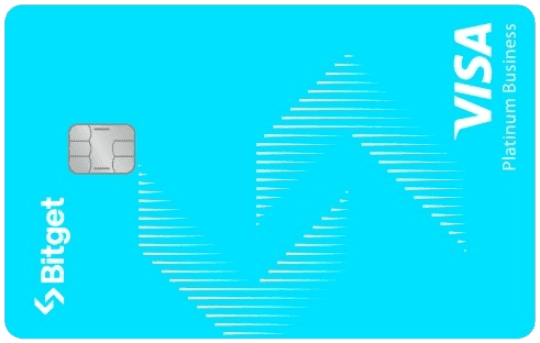
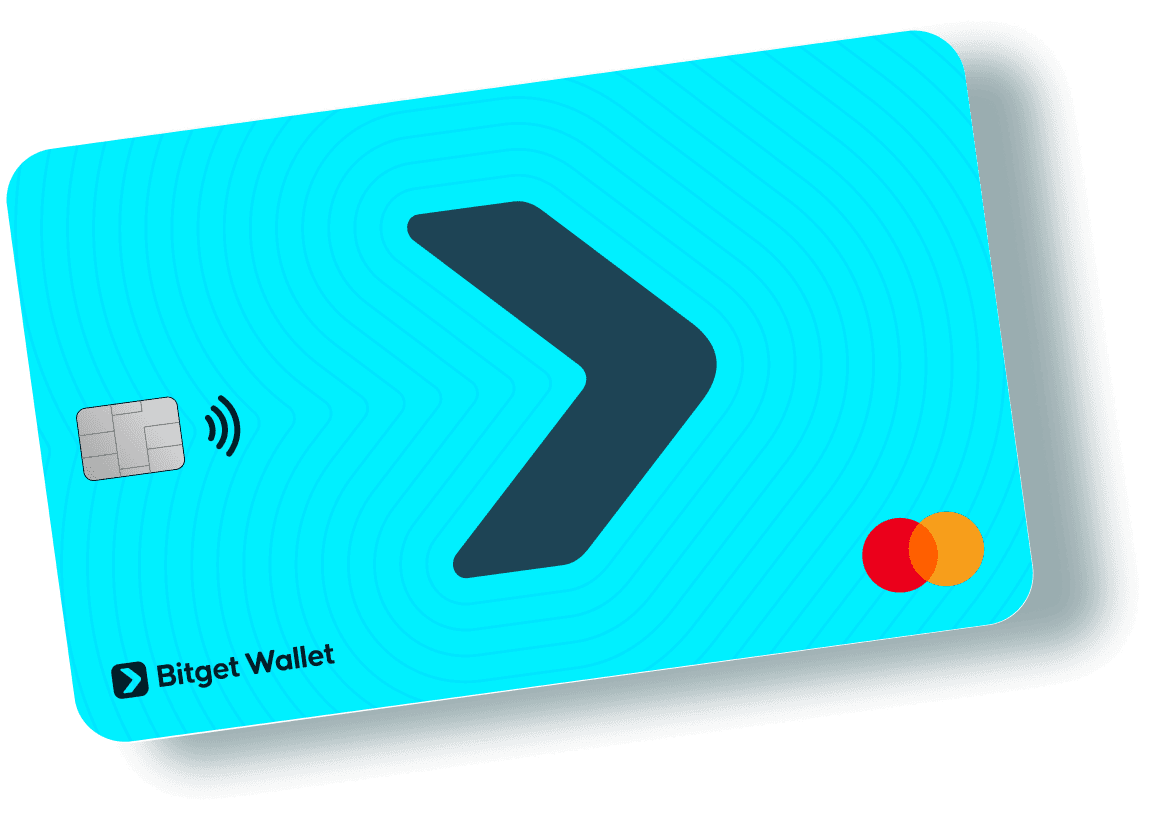
1. Bitget Card
Trade and Spend: Up to 8% BGB Cashback for Bitget Traders

2. Gate Card Classic
Direct Exchange Spending: Visa Platinum + Up to 5% Cashback

3. ether.fi Core Card
Zero Barriers: 3% Back on Every Purchase, No Stake Required
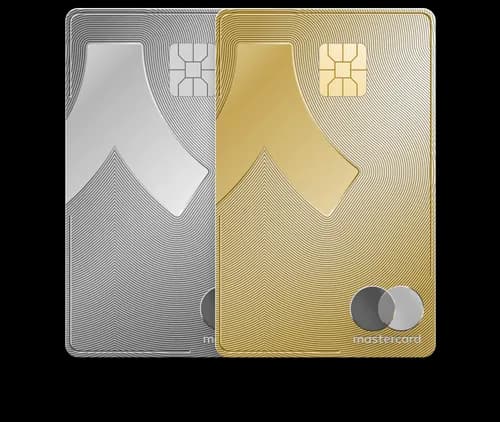
4. Ready Metal Card
Premium Self-Custody: 3% Back on Every Swipe, Zero FX
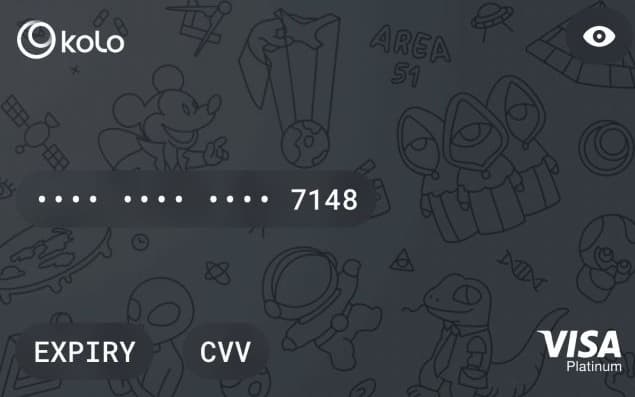
5. Kolo Card
Earn Bitcoin on Purchases: 2% BTC Cashback + Visa Platinum + 170+ Countries
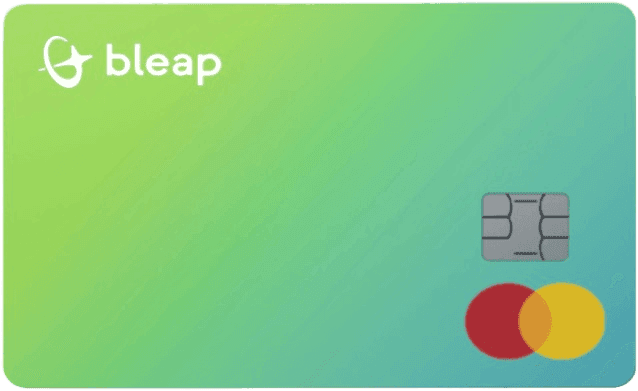
6. Bleap Mastercard
Secure DeFi Spend: Tiered USDC Cashback + 0% FX Fees

7. Tria Virtual Card
Instant Virtual Entry: 1.5% Cashback + Apple Pay
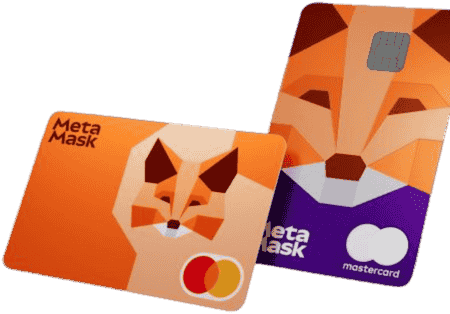
8. MetaMask Virtual Card
Sovereign Spending: 1% Cashback + Self-Custody + MetaMask Security
Three Numbers That Matter
Under 5 minutes - The fastest virtual cards (MetaMask, Bleap, Kolo, RedotPay) go from signup to first purchase in under 5 minutes via Apple Pay or Google Pay.
$3,000+/year gap - The difference between the best virtual card (up to 8% cashback) and the worst (fees with no rewards) at $3,000/month spending.
Virtual-first is the default - Most crypto cards now offer virtual issuance. Waiting for physical plastic is no longer necessary to start spending.
Notable Virtual Crypto Cards Compared
| Card | Cashback | FX Fee | Annual Fee | Network | Custody | Region |
|---|---|---|---|---|---|---|
| Bitget Card | Up to 8% (0.9% tx) | 0% | Free | Visa | Custodial | EEA/APAC |
| Gate.io Classic | 1-5% | 0.4% | Free | Visa | Custodial | Global |
| Kolo | 2% BTC | 0% on stablecoins | Free | Visa | Custodial | 170+ countries (not US) |
| ether.fi Core | 3% | 1% | Free | Visa | Self-custody | Global/US/EEA/UK |
| Ready Metal | 3% STRK | 0% | $120/yr | Mastercard | Self-custody | EEA/UK |
| Bleap | 2% | 0% | Free | Mastercard | Self-custody | EEA |
| Tria Virtual | 1.5% | 0% | $20/yr | Visa | Self-custody | Global |
| MetaMask Virtual | 1% | 1% cross-border | Free | Mastercard | Self-custody | US/EEA/UK |
Why Virtual-First Matters
The 7-14 day gap between signing up and receiving a physical card is not just an inconvenience. It has real financial cost:
Missed cashback. At $3,000/month spending with a 4% cashback card, two weeks of waiting costs $60-$120 in missed rewards. With a virtual card, you start earning from day one.
Instant testing. A virtual card lets you test a new crypto card with a small purchase ($5 coffee) before committing to it as your daily driver. If the conversion spread is worse than advertised or the app experience is poor, you find out immediately rather than after waiting for plastic to arrive.
Security advantage. Virtual cards used through Apple Pay and Google Pay use tokenization. Each transaction generates a unique code. Merchants never see your actual card number. This makes virtual card payments significantly harder to clone than physical card swipes.
Online shopping. Virtual cards work immediately for e-commerce. No waiting for a physical card to arrive before making online purchases.
Virtual Card Issuance Speed by Issuer
Not all virtual cards are created equal in speed:
Under 5 minutes: MetaMask Virtual, Bleap, Kolo, RedotPay
5-15 minutes: ether.fi Core, Bitget Card, Gate.io, Tria Virtual
15-60 minutes: Ready Metal (Starknet KYC can take longer)
The fastest path from zero to spending is Kolo (Telegram mini-app, instant virtual card) or Bleap (account abstraction, instant) for global/EEA access.
Virtual-Only vs Virtual + Physical
Some cards are virtual-only (no physical card option), while others issue a virtual card first and ship physical later:
Virtual-only cards: MetaMask Virtual, Tria Virtual, Kolo, Bleap
Virtual + physical available: ether.fi Core, Bitget Card, Gate.io Classic, Ready Metal
The practical limitation of virtual-only cards is ATM access. You cannot withdraw cash without a physical card. If you need occasional cash access, choose a card that offers both virtual and physical options, or carry a second card as a backup.
Three Spending Scenarios
The Online-Only Shopper: $2,000/month
Profile: Primarily e-commerce, rarely uses physical POS, wants instant setup and high cashback.
Best pick: Bitget Card (EEA/APAC) leads on cashback at this spend level. Kolo (global) is the backup if Bitget is not available in your region - it is free, virtual-instant, and offers direct SEPA bank send, though the headline cashback is lower.
| Metric | Bitget Card | Kolo | Bleap |
|---|---|---|---|
| Monthly spend | $2,000 | $2,000 | $2,000 |
| Cashback | Up to 8% (0.9% tx) | 2% BTC (current headline) | 2% |
| Annual cashback | Up to $1,704 | $480 | $480 |
| FX fee | 0% | 0% on stablecoins | 0% |
| Annual fee | $0 | $0 | $0 |
| Net annual return | Up to $1,704 | $480 | $480 |
| Region | EEA/APAC | 170+ countries (not US) | EEA |
For online shopping, the virtual card experience is identical to a physical card. Enter the card number at checkout, confirm the purchase, and the crypto conversion happens instantly. Bitget Card leads on cashback for EEA/APAC users. Kolo and Bleap tie at 2% annual returns - Kolo wins on geographic reach and the direct SEPA bank send feature, Bleap wins on self-custody inside EEA.
The Travel-Ready Digital Nomad: $3,500/month
Profile: Needs a card immediately upon landing in a new country, values Apple Pay, frequent international transactions.
Best pick: ether.fi Core - virtual issuance, 3% cashback, global coverage, self-custody.
| Metric | ether.fi Core | Tria Virtual | MetaMask Virtual |
|---|---|---|---|
| Monthly spend | $3,500 | $3,500 | $3,500 |
| Cashback | 3% | 1.5% | 1% |
| Annual cashback | $1,260 | $630 | $420 |
| FX fee | 1% | 0% | 1% cross-border |
| Annual FX cost | $420 | $0 | $420 |
| Annual fee | $0 | $20 | $0 |
| Custody | Self | Self | Self |
| Net annual return | $840 | $610 | $0 |
ether.fi Core wins on net return despite the 1% FX fee because 3% cashback minus 1% FX still leaves 2% net. Tria Virtual at 0% FX and $20/year nets $610 with zero FX cost - the cleanest option for international spending among virtual-only self-custody cards. MetaMask Virtual's 1% cashback is offset by its 1% cross-border fee, netting $0 for travel spending.
The Security-Conscious DeFi User: $5,000/month
Profile: Wants wallet-level control, refuses to deposit funds on exchanges, high-value transactions.
Best pick: Bleap or MetaMask Virtual for pure self-custody with virtual issuance.
For high-value users, virtual cards through mobile wallets add an extra security layer. Every tap requires biometric authentication (Face ID, fingerprint). The tokenized transaction cannot be replayed or cloned. And with self-custody, the funds never leave your wallet until the exact moment of purchase.
Bleap uses Account Abstraction for programmable spending limits - you can set a maximum per-transaction amount that the smart contract enforces on-chain. This protects against unauthorized spending even if your phone is compromised.
Common Mistakes with Virtual Crypto Cards
Mistake 1: Signing up for a virtual-only card when you need ATM access
Cost: Being unable to withdraw cash when needed, plus the cost and time of getting a second card.
Virtual-only cards cannot be used at ATMs. If you travel to regions where cash is still essential (parts of Southeast Asia, Africa, Latin America), a virtual-only card leaves you without cash access. This is particularly problematic for digital nomads moving between countries.
How to avoid it: Check whether your preferred card offers a physical card option. If not, carry a second card that does. Many users carry one virtual-first card (for speed and security) and one physical card (for ATM backup).
Mistake 2: Not adding the virtual card to a mobile wallet immediately
Cost: $30-$120 in missed cashback for each week of delay.
Some users receive their virtual card number but delay adding it to Apple Pay or Google Pay. Every day of delay at $3,000/month spending with 4% cashback costs approximately $4 in missed rewards. Over two weeks, that is $56.
How to avoid it: Add your virtual card to Apple Pay or Google Pay immediately after receiving it. The process takes 30-60 seconds.
Mistake 3: Using a high-FX virtual card for international online purchases
Cost: $180-$600/year at $2,500/month international spending.
Online purchases from foreign merchants trigger FX fees just like in-store cross-border transactions. A virtual card with 1.7% FX fee (Bitget Wallet) costs $510/year on $30,000 of international online spending. A 0% FX card costs nothing.
How to avoid it: Choose a virtual card with 0% FX if you shop internationally. Bitget Card, Bleap, Tria Virtual, and Ready Metal all offer 0% FX with virtual issuance. MetaMask Virtual charges 1% cross-border.
Tax Implications
Virtual crypto card transactions have the same tax treatment as physical card transactions. The form factor does not change the tax event. Each purchase that converts crypto to fiat is a taxable disposal.
One unique advantage of virtual cards: digital transaction records. Every purchase through Apple Pay or Google Pay is automatically logged with timestamp, merchant name, and amount. This makes tax reporting easier than tracking physical card receipts, especially for high-volume spenders who need to calculate cost basis on hundreds of transactions per year.
For jurisdiction-specific guidance, see our country guides for the US, UK, Germany, and Singapore.
What Changes Next for Virtual Crypto Cards
Instant issuance becoming standard. As more issuers adopt virtual-first launch strategies, the gap between signup and first purchase will shrink to minutes universally. Cards that still require physical delivery before any spending will lose market share.
Virtual card number rotation. Some issuers are testing disposable virtual card numbers that change after each online transaction, adding another layer of security for e-commerce. This feature, common in traditional fintech (Privacy.com, Revolut), is coming to crypto cards.
Embedded virtual cards. Instead of a separate card app, expect virtual crypto card functionality embedded directly into wallets like MetaMask, Phantom, and Rabby. The wallet becomes the card, removing the need for a separate issuer app entirely.
Wider mobile wallet support. Samsung Pay and Garmin Pay support is expanding across crypto card issuers. As wearable payments grow, virtual crypto cards will integrate with smartwatches and other devices beyond phones.
Disclaimer: SpendNode is a data comparison platform. We are not financial advisors. Crypto cards involve risks including asset volatility, custodial risk, and tax complexity. Verify all terms directly with issuers before applying.
Written by Aleksandar Dukic
Frequently Asked Questions
What is a virtual crypto card?
A virtual crypto card is a digital card number issued instantly after signup. You receive a card number, expiry date, and CVV that can be added to Apple Pay, Google Pay, or used for online purchases. No physical card is mailed. Most virtual crypto cards are available within 5-10 minutes of completing KYC.
Can I use a virtual crypto card in physical stores?
Yes, through Apple Pay or Google Pay. Add your virtual card number to your phone's wallet and tap to pay at any NFC-enabled terminal. This works at the same merchants as a physical card. The only limitation is cash withdrawal, which requires a physical card and an ATM.
How fast can I start spending with a virtual crypto card?
Most issuers provide a virtual card number within 5-10 minutes of KYC approval. Adding it to Apple Pay or Google Pay takes another 30-60 seconds. Cards like MetaMask Virtual, Bleap, Kolo, and Tria Virtual are among the fastest, often issuing numbers in under 5 minutes.
Do virtual crypto cards have the same cashback as physical cards?
Yes. Cashback rates are tied to the card tier, not the form factor. Whether you tap your phone (virtual card via Apple Pay) or swipe a physical card, you earn the same rewards. Some cards like ether.fi and Bitget issue a virtual card first and mail the physical card later, both earning the same rate.
Are virtual crypto cards safe for online shopping?
Virtual cards are generally safer than physical cards for online shopping. Mobile wallet transactions use tokenization, generating a unique code per transaction that cannot be reused. The merchant never sees your actual card number. Some issuers also offer virtual card number regeneration for added security.
Can I have multiple virtual crypto cards?
Most issuers provide one virtual card per tier or variant. However, you can hold virtual cards from multiple issuers simultaneously. A common strategy is one custodial card for everyday spending and one self-custodial card for larger transactions where you want wallet-level security.
Do virtual crypto cards work with Apple Pay and Google Pay?
Most do. The majority of virtual crypto cards support Apple Pay, Google Pay, or both. Notable exceptions include Bitget Card (Google Pay only). Check the specific card page for confirmed mobile wallet compatibility.
What is the difference between a virtual crypto card and an e-gift card?
A virtual crypto card is a reusable payment card linked to your crypto balance, accepted everywhere Visa or Mastercard is accepted. An e-gift card is a single-use or store-specific card purchased with crypto. Virtual crypto cards earn cashback, can be refunded, and work at any merchant.
Recent Updates to Best Virtual Cards Crypto Cards
- Added Kolo, Gate.io Classic, and Tria Virtual to main comparison. Bitget Card noted as up to 8% with 0.9% tx fee
- Updated issuance speed rankings and virtual-only vs virtual+physical card lists