

Best Crypto Cards in Uzbekistan (2026)
Compare crypto cards available in Uzbekistan. KAST, RedotPay, and Crypto.com offer stablecoin spending in Central Asia's most crypto-progressive economy with licensed exchanges.
Verified for Uzbekistan
32 crypto cards available
Local currency: UZS
Uzbekistan is Central Asia's most populous country (36 million) and arguably the region's most crypto-progressive jurisdiction. Presidential Decree No. UP-5643 (September 2018) established a legal framework for crypto that most of Uzbekistan's neighbors still lack: licensed exchanges operate openly, mining is regulated and permitted, and individual crypto income is tax-exempt.
That last point sets Uzbekistan apart from nearly every major market - there is no capital gains tax on crypto for individuals. You can spend appreciated BTC via a crypto card and owe zero tax on the gain.
But Uzbekistan's domestic payment infrastructure creates a different kind of friction. The Humo (Central Bank-issued) and UzCard (Kapitalbank-issued) payment networks process most domestic transactions across 36 million users, but neither connects to the international Visa/Mastercard ecosystem. An Uzbek Humo or UzCard works at every bazaar in Tashkent but fails at any merchant outside the country.
International Visa/Mastercard cards issued by Uzbek banks - Kapitalbank (largest by assets, part of Uzum Group), Ipoteka Bank, Uzpromstroybank, Asaka Bank, Hamkorbank, and Davr Bank - carry 3-5% FX markups and limited acceptance. A crypto card with 0% FX bridges this international gap at a fraction of the cost.
The Uzbek som (UZS) floats around 12,800-13,000 per USD under the Central Bank of Uzbekistan's (CBU) managed float. While the som has been relatively stable post-2017 devaluation (when it moved from the artificially fixed rate of 4,210 to the market rate overnight), holding stablecoins provides a dollar-denominated hedge and access to international e-commerce, subscriptions, and cross-border payments that the domestic Humo/UzCard infrastructure cannot serve.
| Card | Max Cashback | Annual Fee | FX Fee | Card Type | Best For |
|---|---|---|---|---|---|
| COCA | Up to 8% | $0 | 0% | Debit | $COCA tiers (1% free) + 6% APY |
| Crypto.com | Icy 4% | CRO stake | 0% | Prepaid | Tiered metal cards, lounge access |
| ether.fi | 3% | $0 | 1% | Debit | Staking yield + spending |
| RedotPay | - | $0-$100 | 1.2% | Prepaid | Stablecoin spending, global reach |
| KAST | 2% | $0 | 0.5% | Prepaid | Direct bridge from Paynet and exchange balances |
| xPlace | 0.5-2% | $0 | 1% | Debit | Tiered rewards system |
| Jupiter | 4-10% JupUSD | $0 | 1% | Debit | Solana ecosystem |
Best Card For Every Need in Uzbekistan
Top 5 Crypto Cards in Uzbekistan
Uzbekistan's Presidential Decree No. UP-5643 exempted all individual crypto income from tax - capital gains, mining proceeds, staking yields, and cashback rewards compound at zero leakage. This single policy decision makes funding strategy irrelevant: spend appreciated BTC worth $100,000 with a $10,000 cost basis and owe nothing. COCA becomes a tax-free high-yield savings account at up to 8% cashback (scaling with staking $COCA tokens, 1% at free Starter) plus 6% APY with no tax eroding returns.
KAST provides the bridge from Paynet's 95,000+ terminals to international spending power, connecting the Humo/UzCard domestic network to merchants outside Uzbekistan without paying for a premium exchange stack. ether.fi Core gives ETH holders a borrow-to-spend route while preserving long-term exposure.
RedotPay Solana adds a self-custody stablecoin alternative for users who prefer non-custodial spending. Crypto.com Icy White (4%) lounge access at Tashkent, Istanbul, and Dubai airports serves the IT Park professional class traveling the three routes that define Uzbek business.
We confirmed eight issuers serve Uzbekistan under GLOBAL coverage - KAST is the cleanest route from Paynet-funded or exchange-funded balances to a working international card: 2% rewards and $0 annual fee. COCA offers the highest return (up to 8%) plus 6% APY. The tax exemption means every funding method is equally attractive - BTC, ETH, or USDC all generate zero tax liability for individuals.
1. COCA Visa Card
Self-Banking: 8% Cashback + 6% APY + 0% FX
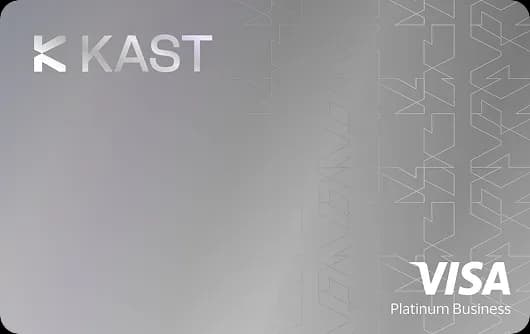
2. KAST K Card
Early Adopter Access: 2% Points + 4% $MOVE on Every Swipe
3. ether.fi Core Card
Zero Barriers: 3% Back on Every Purchase, No Stake Required
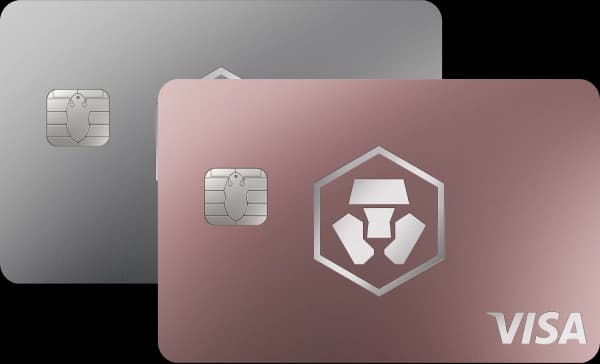
4. Private (Icy White / Rose Gold)
Elite Private Status: 4% Uncapped Cashback + Guests
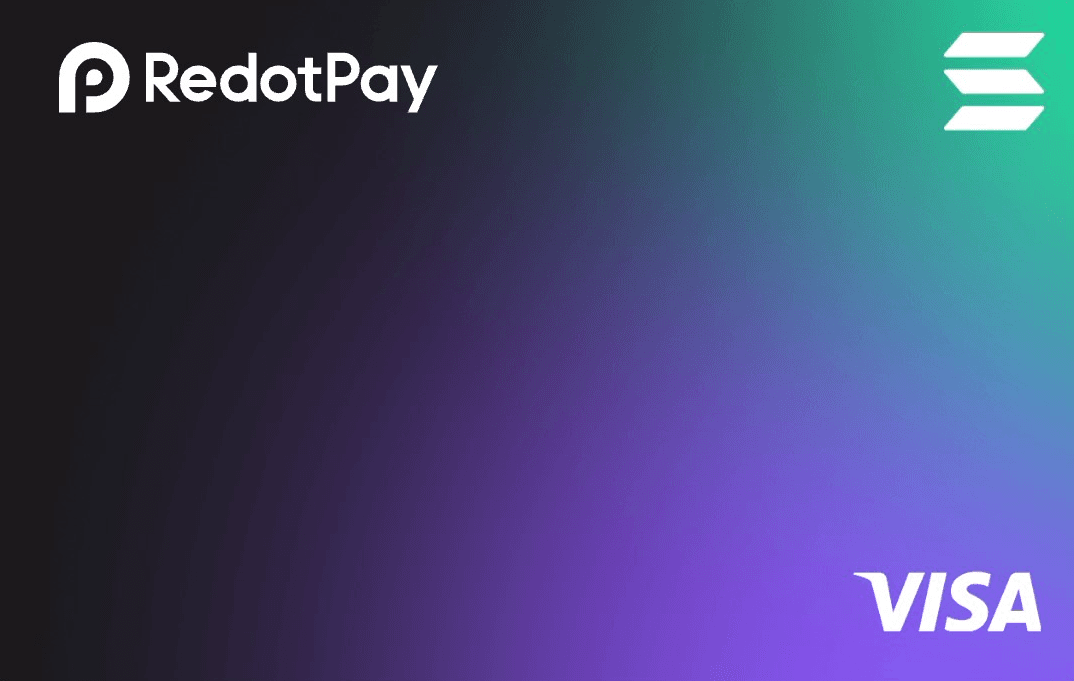
5. RedotPay Solana Card
Solana Goes IRL: Spend SOL Directly at 130M+ Merchants
Crypto Card Regulation in Uzbekistan
Uzbekistan has one of Central Asia's most developed crypto regulatory frameworks, built on Presidential Decree No. UP-5643 (September 2, 2018), which established the legal basis for cryptocurrency activity. The decree created a licensing regime for crypto exchanges, defined rights and obligations of market participants, and explicitly permitted individual crypto ownership and trading.
Regulatory authority has evolved: The National Agency for Perspective Projects (NAPP), established under the President's administration, was initially tasked with crypto regulation.
In 2023, oversight was transferred to the National Agency for Digital Economy and the Central Bank of Uzbekistan (CBU, Oʻzbekiston Respublikasi Markaziy banki). This transition reflected the government's recognition that crypto regulation belongs within the broader financial regulatory infrastructure rather than a standalone agency.
Licensed exchange ecosystem:
- Coinpay.uz became one of the first licensed crypto exchanges, operating with UZS fiat on-ramp and off-ramp capabilities
- Paynet (Uzbekistan's largest payment aggregator, 95,000+ payment terminals) integrated crypto buying and selling services, providing the widest physical access point for crypto in the country
- Uznex (Uzbekistan National Exchange) has explored digital asset trading
- Several additional operators have obtained licenses under the regulatory framework
Mining regulation: Legalized and regulated separately from trading. Miners must register with the Ministry of Energy, use surplus energy (not subsidized residential electricity), and pay commercial electricity rates. Large-scale mining operations require specific permits. Uzbekistan's relatively cheap electricity (approximately $0.03-0.05/kWh, similar to Kazakhstan and Paraguay) makes it attractive for mining, though not on the scale of its neighbor Kazakhstan.
Important restriction (since early 2023): Uzbek residents can only buy and sell crypto through NAPP-licensed domestic VASPs. Using unlicensed international platforms violates the regulatory framework.
A special tax regime for foreign citizens took effect January 1, 2026 (Decree No. UP-180): foreigners can gain personal income tax exemption on foreign-source income by paying a $50,000 fee and opening an account with an authorized bank or crypto wallet on an official Uzbek exchange. NAPP publishes the list of authorized exchanges for this regime.
2026 expansion - stablecoins and tokenized securities: A new decree set out a controlled testing regime effective January 1, 2026, legalizing stablecoins for payments within a supervised sandbox administered jointly by the NAPP and the CBU. This makes Uzbekistan one of the first countries in Central Asia to formally permit stablecoin payments.
Separately, Uzbek companies can now issue tokenized stocks and bonds, with licensed domestic exchanges preparing dedicated platforms for trading. Licensed providers processed over $1 billion in transactions in 2024, and monthly fees for exchanges were doubled in 2024 to reinforce compliance.
Uzbekistan's regulatory stance is unusually clear for the region: crypto is legal, exchanges are licensed, individuals can trade freely through licensed platforms, stablecoins are approved for payments (2026), mining is permitted, and individual crypto income is currently tax-exempt. This makes it one of the friendliest jurisdictions globally, not just in Central Asia.
Tax Treatment of Card Rewards in Uzbekistan
Uzbekistan offers one of the most favorable crypto tax regimes in the world. Presidential Decree No. UP-5643 explicitly exempts individual cryptocurrency income from personal income tax (IRPS, Individual Income Tax).
Individual Tax Exemption (The Key Advantage)
Profits from cryptocurrency trading, spending, mining, and related activities by individuals are exempt from income tax. This applies to:
- Capital gains from selling or spending BTC, ETH, or any crypto
- Mining income for individual miners
- Cashback received in crypto tokens
- Staking and yield farming returns
The exemption was designed to attract crypto activity and position Uzbekistan as a regional hub. It means all funding methods are equally tax-efficient - whether you spend appreciated BTC (zero tax), earn cashback in crypto tokens (zero tax), or fund with USDC (zero tax). This is a massive advantage over countries like India (30%), Japan (up to 55%), or even neighboring Kazakhstan (10%).
Corporate Taxation
Legal entities engaged in crypto activity are subject to standard corporate taxation: 12% corporate income tax (reduced from 15% in 2023). Crypto exchanges pay standard business taxes plus regulatory fees to maintain their licenses.
What This Means for Card Strategy
| Funding Method | Tax on Disposal | Tax on Cashback | Optimal Strategy |
|---|---|---|---|
| BTC (appreciated 500%) | 0% (exempt) | 0% (exempt) | Spend freely |
| ETH + staking yield | 0% (exempt) | 0% (exempt) | Spend freely |
| USDC (stablecoin) | 0% (near-zero gain) | 0% (exempt) | Spend freely |
| Mining proceeds | 0% (exempt) | 0% (exempt) | Spend freely |
Example - Tashkent developer spending BTC: You bought 0.1 BTC at $10,000 (UZS 128M) and it appreciated to $100,000 (UZS 1.28B). In most countries, spending this triggers 10-35% CGT on the $90,000 gain ($9,000-$31,500 in tax). In Uzbekistan: $0 tax. The entire $100,000 is spendable with zero tax liability. Plus you earn 2-8% cashback on the spending itself.
This makes Uzbekistan one of the few countries where BTC funding is as good as USDC funding. The standard advice for most countries - "fund with stablecoins to avoid CGT" - does not apply here. Fund with whatever you hold most of.
How to Apply from Uzbekistan
Crypto card applications from Uzbekistan require the biometric passport (Biometrik Pasport), issued by the Ministry of Internal Affairs (Ichki Ishlar Vazirligi). Since 2019, Uzbekistan has been transitioning from the old-style internal passport to biometric passports with chip and machine-readable zone. The biometric passport contains a PINFL (Shaxsiy identifikatsiya raqami, Personal Identification Number of Physical Person, 14 digits).
Alternative identification: Uzbek international passport (for travel abroad) and the newer ID Card (Shaxsni tasdiqlovchi guvohnoma) being rolled out as a replacement for the internal passport. Proof of address via utility bills from Uzbekenergo (electricity), Uztransgaz (gas), Hududiy Suv Taminoti (water), or telecom bills from Ucell, Beeline Uzbekistan, or Mobiuz. Bank statements from Kapitalbank, Ipoteka Bank, Asaka Bank, or Hamkorbank also work.
For KAST and RedotPay, the biometric passport is sufficient. Uzbek biometric passports are ICAO-compliant and recognized by most global issuers. The growing Uzbek diaspora in Russia (2-3 million workers), South Korea (50,000+), Turkey (100,000+), and the UAE may find host-country documents provide even broader issuer access.
Spending Tips for Uzbekistan
The Domestic vs International Payment Gap
This is the central friction point for Uzbek crypto card users. Uzbekistan's domestic payment system runs on Humo (Central Bank-issued) and UzCard (Kapitalbank-issued) networks. Together they cover virtually every merchant in the country - from the newest Tashkent mall to the oldest stall in Chorsu Bazaar. But they do not function outside Uzbekistan. This creates a hard divide:
Domestic purchases: Use Humo/UzCard. Universal acceptance, instant settlement, no FX issues. International purchases: Use crypto card. 0% FX (vs 3-5% bank markup), global acceptance, no spending caps.
The complementary model is straightforward: Humo for chai (tea) at the bazaar, crypto card for everything international. The annual savings from this split can be substantial.
Banking System: What You Gain by Going Crypto
Uzbek banks' international card products:
- Kapitalbank (Uzum Group): Visa debit with 3-4% FX markup, UZS 30,000/year ($2.30) fee. Domestic Humo card is free and excellent. International card is expensive.
- Ipoteka Bank: Visa Classic with 3.5% FX, UZS 50,000/year ($3.85). Limited international features.
- Asaka Bank: Visa with 4-5% FX markup. One of the most expensive for international transactions.
- Hamkorbank: Mastercard with 3% FX. Better than some competitors but still costly.
- Davr Bank: Newer digital-first bank. 2.5-3% FX on Visa products. Best domestic UX.
We checked UZS conversion rates across all issuers: a crypto card with 0% FX saves 3-5% on every international transaction. On $200/month in international spending ($2,400/year), that is $72-120/year in FX savings alone.
Card Selection by Use Case
- Best direct bridge from Paynet or exchange balances: KAST (2% on reward cards, $0 annual fee). Best for users who want international card access without paying for larger reward systems.
- Stablecoin spending: RedotPay Solana (stablecoin-native, high limits). Though tax exemption makes stablecoin-vs-BTC irrelevant from a tax perspective, USDC is operationally simpler.
- Highest rewards: COCA (up to 8% + 6% APY). In a tax-exempt environment, the 6% APY compounds with zero leakage.
- Premium perks: Crypto.com Icy White (4% + lounge access + rebates). Valuable for the growing Uzbek business class traveling through Istanbul (IST), Dubai (DXB), and Seoul (ICN).
- Staking + spending: ether.fi (3%). Even though there is no tax to defer in Uzbekistan, ether.fi's staking yield plus 3% cashback makes it competitive on pure returns.
- Self-custody: Ledger CL Card (1%, hardware-backed). Wallet-based spending without exchange dependency.
Break-Even Math
Individual crypto income is tax-exempt. All cashback shown is pure profit.
| Monthly Spend | KAST (2%, free) | COCA Elite 8% (staking 30K $COCA) | RedotPay Solana (high limits, free) | ether.fi (stablecoin-native) |
|---|---|---|---|---|
| $100 (UZS 1.28M) | $24/yr | $96/yr | $36/yr | $36/yr + staking |
| $200 (UZS 2.56M) | $48/yr | $192/yr | $72/yr | $72/yr + staking |
| $400 (UZS 5.12M) | $96/yr | $384/yr | $144/yr | $144/yr + staking |
| $800 (UZS 10.24M) | $192/yr | $768/yr | $288/yr | $288/yr + staking |
At Uzbekistan's average Tashkent income (approximately $350-400/month), the $200/month international spending level is realistic for the professional class. KAST at $48/year and COCA at $192/year represent substantial returns in an economy where the average monthly wage is approximately UZS 4-5 million ($310-390). The tax exemption means every dollar of cashback is kept.
Cost of Living by Area
- Tashkent - Mirzo Ulugbek/Yunusabad (UZS 5-10M/month, $390-780): Administrative and business districts. Tashkent City Mall (Central Asia's largest), Samarkand Darvoza, Next Mall. Best international card acceptance in the country. Korzinka (60+ stores, Uzbekistan's largest supermarket chain), Makro, Havas. Growing international restaurant scene on Amir Temur and Shota Rustaveli streets.
- Tashkent - Chilanzar/Sergeli (UZS 3-6M/month, $235-470): Residential working-class districts. Magic City (entertainment complex), local bazaars. Humo/UzCard dominant. International card acceptance at malls only.
- Samarkand (UZS 2.5-5M/month, $195-390): Registan Square area has tourist-oriented international card acceptance at hotels (Movenpick, Silk Road by Minyoun) and restaurants. Outside the tourist core: cash and Humo/UzCard only.
- Bukhara (UZS 2-4M/month, $155-310): Historic Silk Road city. Tourist hotels and restaurants accept international cards. Lyab-i Hauz area. Old city bazaars are cash-only.
- Khiva (UZS 1.5-3M/month, $115-235): UNESCO World Heritage Ichan-Kala. Tourism-driven economy. International cards at hotels only. Cash dominant.
- Fergana Valley (Fergana/Andijan/Namangan) (UZS 2-4M/month, $155-310): Uzbekistan's most densely populated region (10M+ people). Industrial and agricultural economy. Very limited international card acceptance. Cash and Humo/UzCard.
The IT Park and Tech Sector
Uzbekistan's IT Park (government-backed technology hub) provides tax benefits and residency for tech companies. Since 2019, IT Park residents enjoy: 0% income tax on employees, 0% social tax, 0% customs duties on imported equipment. This has attracted over 1,200+ companies and 30,000+ IT workers.
The tech sector's export revenue grew from $50M (2019) to $350M+ (2025). This tech-literate workforce is the natural audience for crypto cards - they earn in dollars, think in global terms, and understand digital financial products.
Cross-Border Spending
Uzbekistan's geography drives cross-border spending patterns. Turkish Airlines, Uzbekistan Airways, and Wizz Air connect Tashkent to Istanbul, Dubai, Seoul, and European cities. The growing Uzbek business class uses these routes regularly.
Common cross-border scenarios:
- Istanbul shopping trips: Turkish retail is popular among Uzbek families. A 0% FX card saves 3-5% on every purchase versus Uzbek bank cards.
- Dubai trade/tourism: Wholesale electronics, clothing, and gold. Dubai Mall and Gold Souk are standard Uzbek business destinations.
- South Korean connections: Uzbekistan has a 55,000+ Korean diaspora (Koryo-saram community) plus growing labor migration. Samsung, LG, and Hyundai have operations in Uzbekistan.
Domestic Payment Infrastructure
Humo and UzCard networks are not linked to Visa/Mastercard. Click (click.uz) and Payme (payme.uz) mobile wallets handle the majority of digital payments - combined, they process billions of UZS in monthly transactions. Cash (UZS) remains important for bazaars (Chorsu Bazaar, Alaysky Bazaar, Eski Juva Bazaar), shared taxis, and informal commerce.
International card acceptance in Tashkent is improving: hotels (Hilton Tashkent, Hyatt Regency, InterContinental), restaurants on Amir Temur street, Korzinka and Makro supermarkets, and shopping centers accept Visa/Mastercard. Apple Pay and Google Pay work through international card issuers at NFC terminals.
Outside Tashkent, international card acceptance is limited to tourist-oriented businesses in Samarkand (Registan area), Bukhara (Lyab-i Hauz area), and Khiva.
Supported Exchanges & Wallets in Uzbekistan
Uzbekistan has a functioning licensed exchange ecosystem, giving it a significant advantage over most countries at similar development levels. Coinpay.uz operates as a licensed crypto exchange with UZS fiat on-ramp and off-ramp capabilities. Paynet (Uzbekistan's largest payment aggregator, 95,000+ terminals) integrated crypto buying and selling, providing the widest physical access to crypto in the country - a user can walk into a Paynet terminal and purchase BTC with cash UZS.
Binance P2P (UZS pairs) also serves the market actively.
KAST is the cleanest operational bridge for Uzbek users. It connects Paynet or exchange-funded balances to live international spending without paying for larger reward systems. The 2% rewards are pure profit in a tax-exempt environment. For IT Park workers earning in USD, KAST provides the shortest practical path from crypto balances to international spending power.
COCA offers the highest combined return. Up to 8% cashback plus 6% APY on holdings, all tax-exempt. For an Uzbek professional accumulating savings in USDC, the 6% APY alone generates $72/year on a $1,200 balance - meaningful in local purchasing power terms. The cashback on spending adds further yield. In a tax-exempt environment, COCA is essentially a high-yield savings account that also pays you to spend.
RedotPay provides stablecoin-native spending from a Hong Kong-based issuer with global coverage. Uzbek biometric passports are well-accepted by APAC-based issuers. The Solana variant is ideal for USDC-native spending, though in Uzbekistan the tax advantage of stablecoin-vs-BTC does not exist.
Crypto.com appeals to the growing Uzbek business class. The Icy White tier is one of the clearer crypto debit cards with airport lounges for travel through Tashkent Islam Karimov Airport (TAS) and transit hubs like Istanbul (IST) and Dubai (DXB).
ether.fi provides staking yield plus 3% cashback. Even though there is no tax to defer in Uzbekistan (individual crypto is exempt), the staking yield on ETH collateral makes ether.fi competitive on pure returns. For ETH holders, it offers yield + spending access simultaneously.
Jupiter integrates with Solana DeFi for ecosystem-native users. xPlace rounds out options with tiered rewards.
Uzbekistan's combination of legal crypto framework, individual tax exemption, licensed exchange ecosystem, government-backed IT Park, and Tashkent's growing tech scene makes it Central Asia's most attractive crypto card market. The main limitation is international card acceptance outside Tashkent - but for the urban professional class, crypto cards provide essential global purchasing power that the Humo/UzCard domestic infrastructure cannot.
Written by SpendNode Editorial
Frequently Asked Questions
Which crypto cards work in Uzbekistan?
Uzbekistan is served by globally available crypto cards including COCA (up to 8%, 0% FX), KAST (2%, 0.5% FX), Crypto.com (Icy White 4%), ether.fi (3%, staking yield), and RedotPay (stablecoin-native). Visa and Mastercard acceptance is growing in Tashkent.
Is cryptocurrency legal in Uzbekistan?
Yes. Uzbekistan is one of Central Asia's most crypto-progressive countries. Presidential Decree No. UP-5643 (2018) established a legal framework. The National Agency for Perspective Projects (NAPP) regulates crypto exchanges. Licensed platforms like Coinpay.uz operate legally. Mining was legalized with registration requirements.
How is crypto taxed in Uzbekistan?
Cryptocurrency income for individuals is currently exempt from income tax under Presidential Decree No. UP-5643. This exemption covers trading profits, mining income, and cashback rewards when conducted through NAPP-licensed domestic platforms. Corporate crypto activity is subject to 12% corporate income tax.
Can I use crypto cards at merchants in Tashkent?
Yes. Visa and Mastercard are increasingly accepted in Tashkent at hotels, restaurants in the Mirzo Ulugbek and Yunusabad districts, Korzinka and Makro supermarkets, and shopping malls (Tashkent City Mall, Samarkand Darvoza). Humo and UzCard dominate domestic payments but international cards work at larger merchants.
Other Countries
View all 107 countries →


Recent Updates to Best Crypto Cards in Uzbekistan
- Added January 1, 2026 stablecoin payments legalization within supervised sandbox (NAPP + CBU)
- Added tokenized stocks and bonds now permitted for Uzbek companies
- Added $1B+ licensed provider transaction volume (2024) and doubled monthly exchange fees
- Crypto.com 5%/Jade corrected to Icy White 4% in table, rationale, card selection, and exchanges
- ether.fi Credit corrected to Debit
- KAST FX 0.5-1.75% corrected to 0.5%
- Added: tax exemption runs through 2028, Budget Memorandum 3% CGT proposal by Q4 2026
- Added: mandatory licensed VASP rule since early 2023
- Added: stablecoin and tokenized asset rules planned 2026
- Added: $50K foreigner tax regime from Jan 2026 (Decree UP-180)
- topCardSlugs updated: Royal Indigo to Icy, added ether.fi
- FAQ updated: rates corrected, tax sunset and CGT proposal added