


Best Crypto Cards in Bulgaria (2026)
Compare 30+ crypto cards available in Bulgaria. EU member adopting the euro January 2026, 10% flat tax, low cost of living, and Nexo's home market.
Verified for Bulgaria
50 crypto cards available
Local currency: BGN
UniCredit Bulbank, DSK Bank (OTP Group), and Postbank (Eurobank) dominate Bulgarian retail banking with debit cards that earn zero cashback and charge 1.5-2.5% on non-BGN purchases. UniCredit Bulbank's standard Visa Debit charges a 1.5% FX markup plus a BGN 0.50 per-transaction fee on foreign currency purchases. DSK Bank adds 2% FX on all non-BGN transactions. Postbank's contactless debit charges 1.75% with a minimum fee of BGN 1.00. These are the cards 5 million Bulgarian adults carry, and none of them return a single stotinka in rewards.
Bulgaria offers crypto card users two advantages that no other EU country combines: the EU's lowest flat tax rate at 10% on all income including crypto gains, paired with one of Europe's lowest costs of living. This means cashback earned in Bulgaria has maximum purchasing power - EUR 100 in rewards buys groceries for a week in Sofia, compared to 2-3 days in Amsterdam or Paris.
Bulgaria officially adopts the euro on January 1, 2026, replacing the Bulgarian lev (BGN). Until then, the BGN is pegged to EUR at a fixed rate of 1.95583 through a Currency Board arrangement. After euro adoption, EUR-denominated crypto cards will settle with zero FX conversion - eliminating the last remaining friction for Bulgarian users. EEA passporting gives Bulgarian residents access to 25+ crypto card issuers with rates up to 9%.
Bulgaria also has a notable connection to the crypto card industry: Nexo, one of the largest crypto lending and card platforms, was founded in Sofia by Antoni Trenchev and Kosta Kantchev. Nexo's headquarters remain in Bulgaria (registered in the Cayman Islands but operationally Sofia-based), making it something of a hometown platform for Bulgarian users.
| Card | Max Cashback | Annual Fee | FX Fee | Type | Best For |
|---|---|---|---|---|---|
| Plutus | 9% | EUR 240 | 2.5% | Debit | Domestic-only perk optimizer (2.5% FX on BGN) |
| COCA | Up to 8% | $0 | 0% | Debit | Self-custody, $COCA tiers (1% free) + 6% APY |
| Bitget | 8% | $0 | 0% | Debit | Exchange-linked, BGB cashback |
| Wirex | 8% | Varies | 0% | Debit | WXT staking tiers |
| Crypto.com Icy | 4% | CRO stake | 0% | Prepaid | Metal card, CRO staking |
| KAST | 2% | $0 | 0.5% | Prepaid | Free prepaid, simplest entry |
| Nexo | 2% | $0 | 0.2% | Debit | Sofia-founded, borrow-to-spend |
We tested cashback retention for Bulgarian users: at 10% flat tax, retention is among the highest in the EU. Plutus reaches 9% but the 2.5% FX on BGN transactions and EUR 240/year cost make it poor value for Bulgarian users - 0% FX alternatives deliver better net returns.
COCA scales to 8% cashback at Elite tier (staking 30K $COCA tokens, 1% at free Starter) with 6% stablecoin APY. KAST works as the free prepaid BGN option for users who want everyday card spending in place before deciding whether token or staking tiers justify tying up more capital.
Nexo at 2% is modest on cashback but allows Bulgarian residents to spend against crypto collateral without selling - useful for holders with large unrealized gains who want to defer even the 10% tax.
Best Card For Every Need in Bulgaria
Top 5 Crypto Cards in Bulgaria
Bulgaria's 10% flat tax and EU-lowest cost of living mean cashback here has maximum purchasing power - BGN 1,920/year in rewards covers 4 months of groceries in Sofia. Plutus reaches 9% but the 2.5% FX on BGN transactions and EUR 240/year cost erode the advantage - COCA and Bitget at 0% FX deliver better net returns for Bulgarian users.
COCA scales to 8% at Elite tier (staking 30K $COCA, 1% at free Starter) with 6% stablecoin APY. Nexo earns a spot specifically because it was founded in Sofia - it offers BGN on-ramp via bank transfer and borrow-to-spend that defers even the 10% disposal tax. KAST gives Bulgaria's IT and outsourcing workforce a free prepaid BGN card they can keep active before deciding whether higher-reward token structures justify the added lockup and complexity.
1. COCA Visa Card
Self-Banking: 8% Cashback + 6% APY + 0% FX
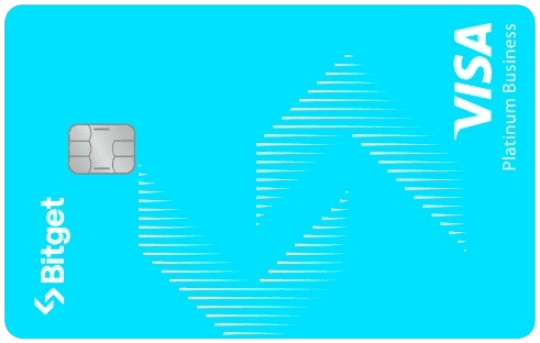
2. Bitget Card
Trade and Spend: Up to 8% BGB Cashback for Bitget Traders
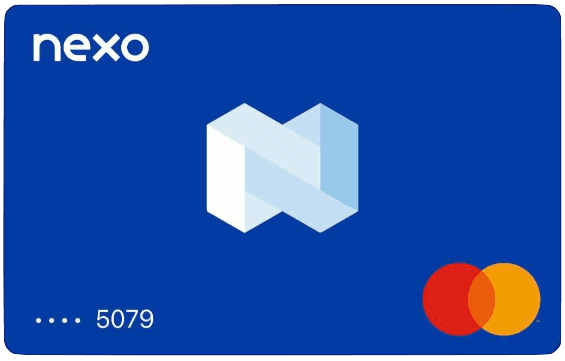
3. Nexo Dual Card
Hybrid Spend Mastery: 2% Rewards + Up to 14% APY Balance
4. Gnosis Pay Card
Your Keys, Your Card, Your Money
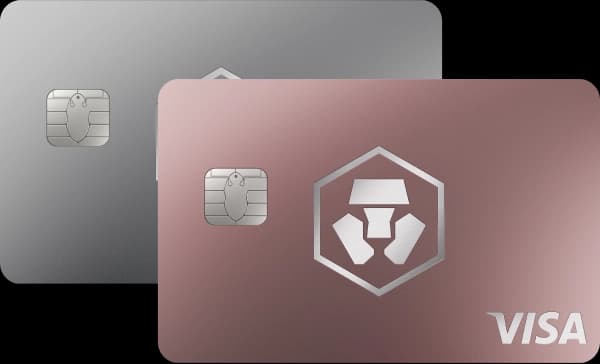
5. Private (Icy White / Rose Gold)
Elite Private Status: 4% Uncapped Cashback + Guests
Crypto Card Regulation in Bulgaria
The KFN (Komisiya za finansov nadzor / Financial Supervision Commission) is Bulgaria's financial market authority and oversees securities, insurance, and financial markets. The KFN is responsible for the registration and supervision of crypto asset service providers under MiCA. Bulgaria's regulatory approach has been relatively passive compared to Western European regulators - the KFN has focused on transposing EU directives rather than developing Bulgaria-specific crypto regulation.
The BNB (Bulgarska narodna banka / Bulgarian National Bank) manages monetary policy through the Currency Board arrangement (Valuten bord) established by the Currency Board Act of 1997 (Zakon za Bulgarskata narodna banka). The BNB maintains the BGN-EUR peg at 1.95583 and oversees payment system integrity. The Currency Board restricts the BNB's ability to act as lender of last resort, which creates a uniquely stable monetary environment - Bulgaria cannot print money to cover fiscal deficits, making the BGN one of the most predictably stable currencies in the EU.
Bulgaria implemented 5AMLD through amendments to the Zakon za merkite sreshtu izpiraneto na pari (Measures Against Money Laundering Act, ZMIP) and 6AMLD through subsequent updates. Crypto service providers operating in Bulgaria must register with the NRA (Natsionalna agentsiya za prihodite / National Revenue Agency) and comply with AML/KYC requirements. The registration process is less burdensome than in France (AMF) or Germany (BaFin), which has made Bulgaria a secondary hub for some crypto companies seeking EU presence.
Under MiCA, Bulgaria benefits from full EEA-wide passporting. All licensed EEA crypto card issuers can serve Bulgarian residents without additional Bulgarian-specific authorization. Crypto.com, Bybit, Bitget, and Plutus all serve Bulgarian users through their European entities.
Nexo, despite its Sofia operational base, is registered in the Cayman Islands and serves Bulgarian users through its regulated entities rather than a direct Bulgarian license.
Bulgaria officially adopts the euro on January 1, 2026, after repeated delays (target dates of 2024 and 2025 were both missed). The BGN-EUR conversion at the fixed 1.95583 rate means the transition is seamless. For crypto card users, euro adoption eliminates even the technical BGN conversion step - EUR-denominated cards will settle directly in the national currency.
Bulgarian residents have full access to all EEA-licensed crypto card issuers. Verify your issuer holds a MiCA CASP license or equivalent EEA authorization.
Tax Treatment of Card Rewards in Bulgaria
Bulgaria applies a flat 10% tax on all personal income, including crypto gains - the lowest rate in the EU. Crypto gains are classified as capital gains under the ZDDFL (Zakon za danatsite varhu dohodite na fizicheskite litsa / Personal Income Tax Act). There is no holding period exemption (unlike Germany's 12-month rule), no progressive brackets, and no distinction between short-term and long-term gains. Every crypto disposal is taxed at exactly 10%, regardless of holding period or amount.
Example 1 - Typical Sofia professional: You bought 0.5 BTC at BGN 10,000 (approx. EUR 5,100) two years ago. You load your card when BTC reaches BGN 30,000. The BGN 20,000 gain is taxed at 10% = BGN 2,000 in tax. You keep BGN 18,000 of the gain. At Austrian rates (27.5%), you would owe BGN 5,500. At French rates (30%), BGN 6,000. Bulgaria's 10% saves you BGN 3,500-4,000 compared to Western EU neighbors.
Example 2 - Freelance developer in Plovdiv: Monthly income of BGN 4,000 from remote work. You spend BGN 2,000/month through a crypto card funded with USDC. No disposal gain (stablecoin). Cashback at 8% (COCA) = BGN 160/month = BGN 1,920/year. Tax on cashback received: 10% x BGN 1,920 = BGN 192. Net annual benefit: BGN 1,728. In Sofia and Plovdiv, BGN 1,728 covers approximately 3 months of groceries at Kaufland.
Example 3 - BTC funding with appreciated crypto: Same BGN 2,000/month spending, but funded with BTC that has tripled in value (cost basis BGN 667 per BGN 2,000 loaded). Monthly disposal gain: BGN 1,333. Monthly tax: BGN 133. Annual disposal tax: BGN 1,600. Annual cashback (8%): BGN 1,920. Annual cashback tax: BGN 192. Net: BGN 1,920 - BGN 192 - BGN 1,600 = BGN 128 net positive. Even with heavily appreciated BTC, Bulgaria's 10% tax keeps the math positive - in Austria or France, this scenario would be deeply negative.
Loss offsetting: Under the ZDDFL, crypto losses can offset crypto gains within the same tax year. If you realized a BGN 3,000 loss from one token and a BGN 5,000 gain from card loading, your taxable gain is BGN 2,000. Losses cannot be carried forward to future years.
Double taxation on cashback: BTC cashback is taxed at 10% when received (as income at fair market value) and at 10% on any appreciation when spent. USDC cashback effectively avoids the second layer since stablecoins do not appreciate. At 10% per layer, the maximum effective tax on volatile cashback is approximately 19% (10% + 10% on the remaining 90%) - still lower than a single layer of French PFU (30%) or Austrian KESt (27.5%).
| Cashback Type | Tax When Received | Tax When Spent | Maximum Effective Rate | Net on BGN 1,000 Cashback |
|---|---|---|---|---|
| BTC cashback (appreciates 50%) | 10% = BGN 100 | 10% on BGN 450 gain = BGN 45 | 14.5% | BGN 855 |
| USDC cashback | 10% = BGN 100 | approx. 0% | 10% | BGN 900 |
| Points/perks (Plutus PLU) | Unclear | N/A | 0-10% | BGN 900-1,000 |
| EUR cashback | 10% = BGN 100 | N/A | 10% | BGN 900 |
Tax reporting: Bulgarian residents file their godishna danachna deklaratsiya (annual tax return) with the NRA by April 30 of the following year. The return is filed through the NRA's electronic portal (portal.nra.bg) using a PIC (personal identification code) or qualified electronic signature (KES/KEP). Crypto gains go in Prilozhenie 5 (Appendix 5) for capital gains. The NRA has not published crypto-specific guidance beyond the ZDDFL framework, so standard capital gains rules apply. For tax calculation software, CoinTracking, Koinly, and Blockpit all support Bulgarian tax law.
At 10% flat tax with no progressive brackets, Bulgaria offers the most mathematically straightforward crypto tax calculation in the EU. Fund with USDC to reduce your tax to 10% on cashback alone.
How to Apply from Bulgaria
Bulgarian crypto card applications require a lichna karta (Bulgarian national ID card, credit-card format with chip, issued by MVR/Ministry of Interior) or pasport (Bulgarian passport) for citizens. EU/EEA citizens can use their national ID card. Non-EU residents need a valid passport plus razreshenie za prebivavane (residence permit, issued by the Migration Directorate of MVR).
The EGN (Edinen grazhdanski nomer / Unified Civil Number) is Bulgaria's 10-digit personal identifier, assigned at birth for citizens and upon registration for residents. Format: YYMMDDXXXX (first 6 digits are birthdate). The EGN appears on your lichna karta and is required by EEA card issuers for Bulgarian applicants. For foreign residents, the equivalent is the LNCh (Lichen nomer na chuzhdenets / Personal Number of a Foreigner), also 10 digits.
Proof of Bulgarian address via smetka za komunalni uslugi (utility bill from CEZ, EVN, Energo-Pro for electricity, or Sofiyska Voda, ViK for water), bankowo izvlechenie (bank statement from UniCredit Bulbank, DSK Bank, Postbank, or Fibank), or dogowor za naem (rental agreement notarized or with date stamp). Some issuers also accept a udostoverenie za adresna registratsiya (address registration certificate from GRAO, the Civil Registration Office).
Verification timelines vary: Nexo offers fast onboarding for Bulgarian users given its Sofia operational base. Other EEA issuers use standard European verification via Onfido, Jumio, or Sumsub - typically 1-3 business days. Physical cards ship to Bulgarian addresses within 7-14 business days via Bulgarian Posts (Bulgarski poshti) or private couriers (Econt, Speedy). Virtual cards are available immediately for crypto cards with Apple Pay and Google Pay use.
Spending Tips for Bulgaria
EU's Lowest Tax + Lowest Cost of Living = Maximum Cashback Purchasing Power
Bulgaria's combination of 10% flat tax and EU-lowest cost of living creates the highest real-world value per euro of cashback in the entire European Union. To illustrate: BGN 1,920 in annual cashback (8% on BGN 2,000/month spending) buys approximately:
- 4 months of groceries at Kaufland in Sofia (BGN 450-500/month for a single person)
- 16 months of a Sofia Metro pass (BGN 120/month unlimited)
- 8 months of gym membership at a Sofia fitness chain (BGN 60-80/month at Pulse Fitness, NextLevel, or Olympia)
- 50+ restaurant dinners in Plovdiv or Veliko Tarnovo (BGN 30-40 per meal with drinks)
The same EUR 980 (approx. BGN 1,920) of cashback in Amsterdam would cover barely 2 months of groceries. Bulgaria's purchasing power multiplier makes every percentage point of cashback count more here than almost anywhere else in Europe.
The 10% Advantage: Bulgaria vs EU Neighbors
| Country | Tax on EUR 1,000 Disposal Gain | Tax on EUR 80 Cashback (8%) | Total Tax | Net Benefit |
|---|---|---|---|---|
| Bulgaria | EUR 100 (10%) | EUR 8 (10%) | EUR 108 | EUR 972 |
| Romania | EUR 100 (10%) | EUR 8 (10%) | EUR 108 | EUR 972 |
| Greece | EUR 150 (15%) | EUR 12 (15%) | EUR 162 | EUR 918 |
| Austria | EUR 275 (27.5%) | EUR 22 (27.5%) | EUR 297 | EUR 783 |
| France | EUR 300 (30% PFU) | EUR 24 (30%) | EUR 324 | EUR 756 |
We compared fees for Bulgarian residents against EU neighbors: Bulgaria ties with Romania for the EU's lowest tax impact. But Bulgaria's significantly lower cost of living (Sofia is 30-40% cheaper than Bucharest for housing) means Bulgarian residents extract more real-world value from the same net cashback.
Card Selection for Bulgarian Users
- Plutus (up to 9%, EUR 240/yr): Domestic perk optimizer with subscription rebates (1-3 perks). However, the 2.5% FX on BGN transactions erodes value - at BGN 3,000/month spending, the FX alone costs BGN 900/year. Bulgarian users are better served by 0% FX alternatives
- COCA (up to 8% with staking $COCA, 1% free): Self-custody + 6% stablecoin APY at all tiers. The 6% yield on reserves compounds without additional tax events
- Bitget (8%, free, 0.9% tx fee): High cashback but the 0.9% transaction fee reduces net return to approx. 7.1% effective. Still competitive with COCA for users already holding BGB
- KAST (2%, free): Free prepaid BGN card before moving into token-balance or staking requirements
- Nexo (2%, free): Sofia-founded, borrow-to-spend model - spend against crypto collateral without triggering even the 10% disposal tax
- Crypto.com Icy (4%): Metal card with CRO staking. LoungeKey access is limited at SOF airport, but useful for international travel
COCA vs Bitget vs KAST: Bulgarian Break-Even
All amounts in BGN. At 10% tax on cashback received, net = gross x 0.9. All three cards have 0% FX fees, critical for BGN users:
| Monthly Spend (BGN) | COCA Elite 8% (staking 30K $COCA, 0% FX) | Bitget 7.1% net (free, 0% FX) | KAST 2% (free, 0.5% FX) |
|---|---|---|---|
| BGN 1,000 | BGN 960 gross, BGN 864 net | BGN 852 gross, BGN 767 net | BGN 480 gross, BGN 432 net |
| BGN 2,000 | BGN 1,920 gross, BGN 1,728 net | BGN 1,704 gross, BGN 1,534 net | BGN 960 gross, BGN 864 net |
| BGN 3,000 | BGN 2,880 gross, BGN 2,592 net | BGN 2,556 gross, BGN 2,300 net | BGN 1,440 gross, BGN 1,296 net |
COCA Elite leads at all spending levels as the highest-rate card with 0% FX (requires staking 30K $COCA tokens; free Starter tier earns 1%). COCA's 6% stablecoin APY adds further value: holding BGN 10,000 (EUR 5,100) in USDC generates approx. BGN 600/year in additional yield. Plutus is not recommended for Bulgarian users: the 2.5% FX fee on BGN transactions costs BGN 300-900/year depending on spending, plus the EUR 240/year (BGN 469) subscription, erasing the cashback advantage entirely.
Spending Scenario: Sofia IT Professional at BGN 3,000/month
Bulgaria's IT outsourcing sector (Telerik/Progress Software, VMware R&D, Uber engineering, SAP Labs) employs tens of thousands of developers in Sofia earning BGN 4,000-8,000/month. A developer spending BGN 3,000/month on cards:
| Funding Method | Annual Spend | COCA Cashback (8%) | Tax on Disposal (10%) | Tax on Cashback (10%) | Net Annual Benefit |
|---|---|---|---|---|---|
| USDC (stablecoin) | BGN 36,000 | BGN 2,880 | BGN 0 | BGN 288 | BGN 2,592 |
| BTC (tripled in value) | BGN 36,000 | BGN 2,880 | BGN 2,400 | BGN 288 | BGN 192 |
| Borrow via Nexo (2% CB) | BGN 36,000 | BGN 720 | BGN 0 | BGN 72 | BGN 648 + yield preserved |
USDC funding yields BGN 2,592/year net - equivalent to over 5 months of groceries in Sofia or a full year of coworking space (BGN 200-300/month at Puzl CowOrking, Soho, or betahaus Sofia). BTC funding still works in Bulgaria (unlike Austria or France where tax obliterates cashback), netting BGN 192 - marginal but positive thanks to the 10% rate. The Nexo borrow route makes sense for holders with large unrealized gains who want to preserve staking yield.
BGN-EUR Peg: What It Means for Card Users
The BGN is pegged to EUR at exactly 1.95583 through a Currency Board arrangement (Valuten bord) established in 1997 during the hyperinflation crisis. The peg has held for 27+ years without a single devaluation. This means EUR-denominated crypto cards convert to BGN at a fixed, predictable rate with near-zero spread - typically 0.1-0.3% at the card network level, compared to 1.5-2.5% at Bulgarian banks.
Bulgaria adopts the euro on January 1, 2026 at the fixed 1.95583 rate. After adoption, EUR-denominated crypto cards settle directly in the national currency with zero conversion. Bulgarian crypto card users already experience near-zero FX due to the peg, and euro adoption eliminates even that last step.
Bulgarian Cost of Living Context
- Sofia: Rent BGN 800-1,500/1BR center (domiciliering bank transfer). Groceries BGN 400-600/month at Kaufland (cheapest), Lidl, Billa, Fantastico. Dining BGN 15-30 per meal (shopska salata + main at a mehana/tavern runs BGN 25-35). Sofia Metro monthly pass BGN 120. Monthly card-eligible spending: BGN 1,500-3,000.
- Plovdiv: Rent BGN 600-1,000. Groceries BGN 350-500. Dining BGN 12-25. Bulgaria's second city with a growing IT scene and cultural hub (European Capital of Culture 2019). Kapana creative district has strong card acceptance.
- Varna/Burgas (Black Sea coast): Rent BGN 500-900. Seasonal tourism inflates summer prices 30-50%. Beach restaurants and resort towns have good Visa/Mastercard acceptance. Off-season is significantly cheaper.
- Veliko Tarnovo/Stara Zagora: Rent BGN 400-700. Restaurant meals BGN 10-20. Smaller cities with lower spending but also lower card-eligible expenses.
Local Payment Infrastructure
Contactless Visa/Mastercard acceptance has expanded significantly in Bulgarian urban areas since 2020. Sofia: Shopping malls (Paradise Center, The Mall, Serdika Center, Ring Mall), supermarkets (Kaufland, Lidl, Billa, Fantastico, CBA), restaurants in central Sofia (Vitosha Boulevard, Oborishte, Lozenets), and cafes all accept contactless. Plovdiv: Central Kapana district, Plovdiv Plaza, and most restaurants accept cards. Varna: Sea Garden area, Grand Mall Varna, and beach-area restaurants accept contactless during tourist season.
Cash is still common in Bulgaria outside major cities and at certain business types: mahala (neighborhood) kiosks, outdoor pazari (markets, especially Zhenski Pazar in Sofia), small village shops, and some traditional mehani (taverns) in rural areas. Always carry BGN 50-100 in cash outside Sofia, Plovdiv, and Varna.
Apple Pay and Google Pay work at all NFC-enabled terminals. Sofia Metro uses a closed-loop RFID card system (not open-loop payments). BDZ (Bulgarian State Railways) tickets can be purchased online or at station machines with Visa/Mastercard. Bulgarian intercity buses (Union Ivkoni, Biomet, Karat-S) increasingly accept card payments for online bookings. Bolt ride-hailing (dominant in Sofia and Plovdiv) accepts card payments.
Cross-Border FX Advantage
Bulgaria borders Romania (RON), Serbia (RSD), North Macedonia (MKD), Greece (EUR), and Turkey (TRY). The FX advantage matters for:
- Turkey (TRY): Weekend shopping trips to Edirne and Istanbul from Sofia or Plovdiv are common. The TRY has depreciated dramatically, making Turkish goods cheap in BGN terms but bank FX markups eat into savings. 0% FX saves 2-3% on every purchase.
- Serbia (RSD): Belgrade trips from Sofia or Nis border crossing. 0% FX saves 1.5-2%.
- North Macedonia (MKD): Shopping and tourism from Blagoevgrad/Sandanski area. 0% FX saves 1.5-2%.
- Romania (RON): Bucharest trips, Transylvania tourism. 0% FX saves 1-2%.
- Greece (EUR): No FX benefit (both effectively EUR-denominated), but Thessaloniki and Greek islands are popular summer destinations for Bulgarians.
Supported Exchanges & Wallets in Bulgaria
Nexo has a unique position in the Bulgarian market. Founded in Sofia in 2018 by Antoni Trenchev and Kosta Kantchev, Nexo operates one of the largest crypto lending platforms globally. Its Nexo Card at 2% cashback is modest on rewards, but the borrow-to-spend model allows Bulgarian holders to spend against BTC or ETH collateral without triggering the 10% disposal tax.
For a Bulgarian developer sitting on BGN 50,000 in appreciated ETH, spending borrowed stablecoins preserves the entire position while avoiding BGN 5,000 in tax. The collateral continues earning staking yield. Nexo also offers instant crypto purchases with Bulgarian lev via bank transfer, a rare BGN on-ramp.
For cashback with subscription perks, Plutus reaches 9% with 3 perk rebates on Premium (GBP 19.99/month, approx. EUR 280/year). At Bulgarian subscription prices, the perk value (approx. BGN 540-612/year for Netflix, Spotify, and a third service) roughly covers the subscription cost. However, 2.5% FX on all BGN transactions (despite the EUR-BGN currency board peg) reduces net cashback value for domestic spending.
COCA at up to 8% (1% free Starter, scaling with staking $COCA tokens) with 6% stablecoin APY combines card rewards with passive yield in a self-custody framework that avoids custodial counterparty risk.
Bulgarian traders with existing exchange balances have several options. Bitget at up to 8% BGB cashback with a 0.9% transaction fee nets approximately 7.1% effective, competitive for BGB holders.
Crypto.com at up to 5% with metal cards appeals to users who value the physical card tiers, though SOF airport lacks LoungeKey partner lounges (the CRO staking benefit shines more on international travel). Gate.io, KuCoin, and Kraken complete the exchange-linked options.
Wirex at up to 8% via WXT staking tiers competes directly with COCA and Bitget at the high end. Bitpanda at 1% is the lowest-yielding EEA card but offers 600+ tradeable assets and strong EUR integration. ether.fi at 3% provides an alternative borrow-to-spend model to Nexo, with the added benefit of ETH liquid staking yield.
For self-custody purists, Bulgaria has the full EEA spectrum. Gnosis Pay operates entirely on-chain on Gnosis Chain with full transaction transparency. MetaMask Card connects the world's most popular wallet directly to Visa. Ledger CL Card integrates hardware wallet security with card spending - relevant for Bulgarian users who prioritize cold storage security.
Ready brings Starknet-native self-custody with STRK cashback. Bleap and Solflare provide additional self-custodial options. 1inch Card (custodial via Baanx, 2% BXX cashback) rounds out the DeFi-adjacent options.
Locally, iChange.bg is a Bulgarian-registered exchange offering BGN trading pairs and OTC services. Crypto.bg provides basic exchange services. Neither offers a Visa/Mastercard spending card - Bulgarian residents rely entirely on EEA-passported international issuers for card products. The traditional Bulgarian banks (UniCredit Bulbank, DSK Bank, Postbank, Fibank, Allianz Bank) have shown no indication of entering the crypto card market.
Bulgaria's 10% flat tax, BGN-EUR peg, EU-lowest cost of living, full EEA vendor access, and the hometown presence of Nexo create a uniquely favorable environment where crypto card cashback delivers maximum real-world purchasing power.
Written by SpendNode Editorial
Frequently Asked Questions
What is Bulgaria's crypto tax rate?
10% flat tax on all income including crypto gains - the lowest in the EU. File annually with NRA by April 30. BG MiCA Act adopted June 2025, grandfathering period until July 1, 2026. CARF reporting from 2026.
Which crypto card is best for Bulgaria?
Bitget (8%, 7.1% net), COCA (up to 8%, self-custody), and Gnosis Pay (5% GNO, self-custody) lead. After euro adoption (Jan 2026), EUR-denominated cards settle with zero FX.
When does Bulgaria adopt the euro?
January 1, 2026. The BGN has been pegged to EUR at 1.95583 since 1999. After euro adoption, EUR crypto cards will have zero FX conversion. This eliminates the last remaining friction for Bulgarian crypto card users.
Is crypto legal in Bulgaria?
Yes. The BG MiCA Act was adopted June 2025, entering force July 2025. Grandfathering period for existing providers until July 1, 2026. The KFN oversees financial markets. Nexo, founded in Sofia, is the local crypto platform.
Other Countries
View all 108 countries →


Recent Updates to Best Crypto Cards in Bulgaria
- Major update: Bulgaria adopts the euro on January 1, 2026 - added to intro and FAQ
- Fixed Crypto.com from generic 5% to Icy 4%
- Fixed KAST FX from '0.5-1.75%' to 0.5%
- Added BG MiCA Act (adopted June 2025, in force July 2025, grandfathering until July 2026)
- Added CARF reporting from 2026