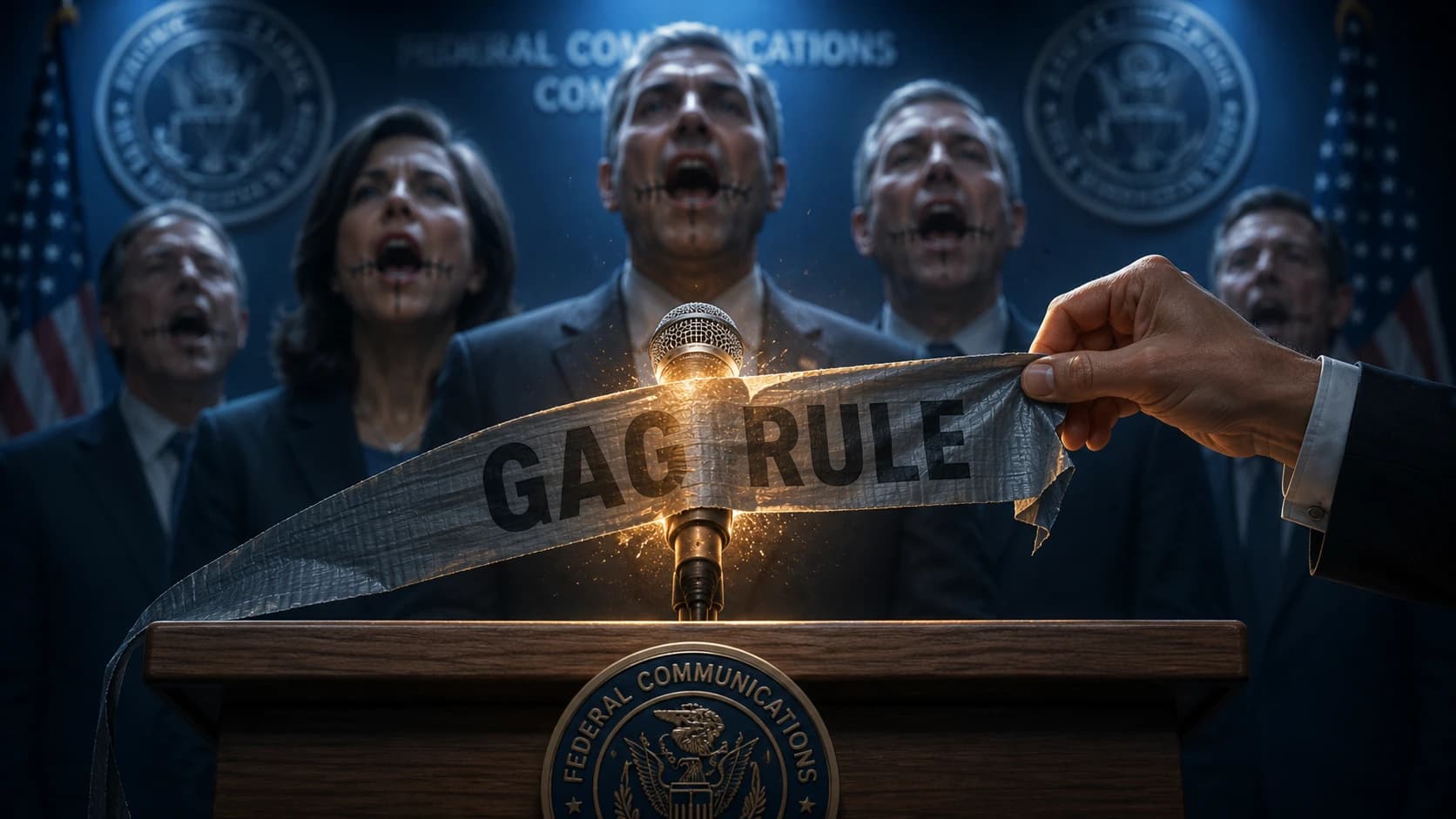
The Securities and Exchange Commission has rescinded its long-standing "gag rule," a policy that for nearly five decades required defendants who settled enforcement actions to permanently refrain from publicly denying the agency's allegations. The change, reported on May 19, 2026 via Cointelegraph, removes a contractual silence requirement that critics have called constitutionally suspect since it was first formalized in 1972.
The rescission means a company or individual who pays a penalty and signs a settlement is no longer bound to stay quiet about whether they agree with the SEC's version of events. They can challenge, contradict, or push back on the agency's narrative in interviews, court filings, and public statements.
A 1972 Policy Finally Lifted
The original policy, often referred to as the "no-deny" rule, was codified in the SEC's Code of Federal Regulations 17 CFR 202.5(e). It required that any party settling a civil enforcement action agree not to publicly deny the allegations. Critics inside and outside the legal profession have argued for years that the rule effectively forced defendants to choose between settling and keeping their First Amendment rights.
Petitioners including civil liberties groups and individual defendants have filed challenges against the policy on speech grounds in recent years. The SEC's decision to rescind it, rather than defend it in court, suggests the agency concluded the policy was no longer worth the litigation risk under current legal scrutiny.
Practical Consequences for Crypto Defendants
The change matters disproportionately for the crypto industry because of how heavily the SEC pursued enforcement against digital asset firms between 2021 and 2024. Many of those cases ended in settlements where the company paid a fine and accepted neither admitting nor denying the allegations, while remaining contractually unable to publicly defend itself afterward.
Under the new posture, crypto exchanges, token issuers, and DeFi protocols that previously settled with the SEC can now publicly contest the agency's characterization of their conduct. That includes pushing back on classifications of specific tokens as securities, disputing the agency's framing of registration violations, or arguing that the enforcement action itself was overreach.
Coinbase, Kraken, and other exchanges that have spent the last several years navigating SEC actions now have a tool they did not have before: the ability to say, on the record, what they actually believe happened.
Speech Restrictions That Outlived Their Era
The gag rule was a product of the 1970s administrative state, designed to prevent settled parties from undermining the deterrent effect of SEC actions by publicly relitigating them. The logic was that if defendants could pay a fine and then go on television to call the case meritless, future targets would be less likely to settle and the agency's leverage would erode.
The counterargument has become more forceful over time. Courts and commentators have noted that gag provisions attached to settlements, especially in cases where defendants face the cost asymmetry of fighting a federal agency in court, function as coerced waivers of speech rights. The Cato Institute and several federal circuit judges have written about the constitutional tension in recent years.
By rescinding rather than narrowing the rule, the SEC is conceding that the speech restriction cannot survive in its current form.
Open Questions About Existing Settlements
The rescission raises a procedural question that will likely be answered through follow-up guidance or litigation: does it apply to past settlements, or only new ones? Defendants who already signed gag clauses face an immediate decision about whether the rescission of the underlying rule frees them to speak, or whether their individual contracts remain enforceable.
Legal commentary on the announcement is still developing. The Cointelegraph report cites the agency's policy change but does not specify retroactive scope. Affected parties will likely test the limits by speaking publicly and seeing whether the SEC moves to enforce existing settlement language.
Overview
The SEC has rescinded its decades-old gag rule that required settling defendants to never publicly deny the agency's allegations. The change applies most consequentially to crypto firms that settled enforcement cases in recent years and have been contractually silent about their disputes with the agency. Whether the rescission applies retroactively to past settlements remains the open question.